0 new LinkedIn ads in 30 days · 3 of 3 networks checked

Honey Health ads
- honeyhealth.ai
- Hospitals and Health Care
- 22 employees
Honey Health’s ads on LinkedIn, Meta and Google, recorded by adsrunning. Browse the latest here for free. Sign up free to browse our full recording. Watch Honey Health on any plan to get each new one in your feed.
Watchlist included in every plan
What Honey Health runs
- Single image · LinkedIn
- 5
- Google ad on 1 Nov 2026
- 1
- active Meta ads on 5 Nov 2026
- 8
- Meta placements
- 5
| Network | Status | Last 30 days | Total ads found | Ad activity | Checked | Next step |
|---|---|---|---|---|---|---|
| None recorded | 0 | 56+ | 11/10/2026 | View ads → | ||
| Meta | Ads recorded | 0 | 8 | 11/05/2026 | View ads → | |
| Ads recorded | 0 | 1 | 11/01/2026 | View ads → |
Honey Health has no new LinkedIn ads in the last 30 days. Its Facebook page had 8 active ads on 5 Nov 2026, and we recorded 1 Google ad on 1 Nov 2026.
Latest ads
- LINKEDIN · JOBSince 12 Sept 2025
- LINKEDIN · IMAGERecorded 24 Sept 2026
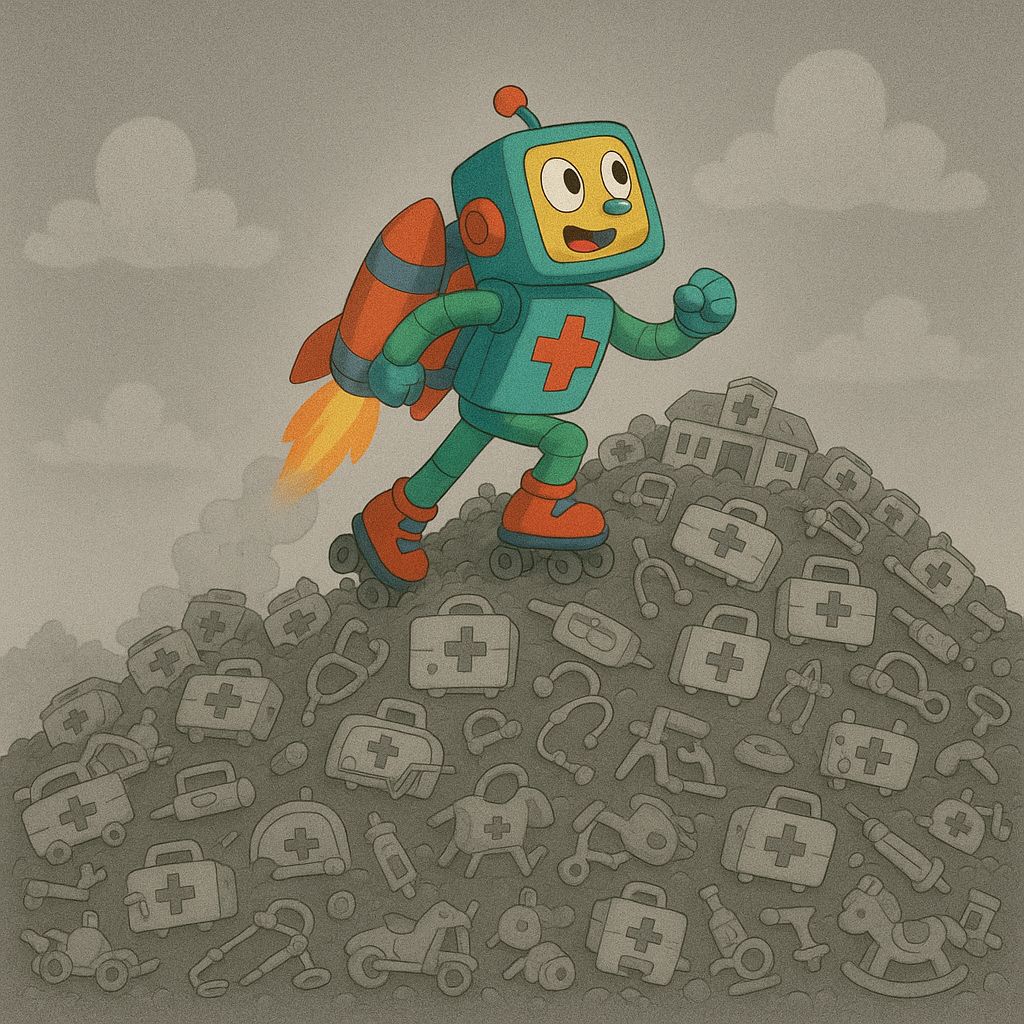
Prediction #1 for 2026: The EHR arms race has begun. And it’s going to redraw the map — fast. The gap between the largest, best-resourced EHRs and everyone else is about to explode wide open. Those that can afford to build or deeply partner on AI will evolve beyond “systems of record” into “systems that work.” With the rush to AI in healthcare, everyone else will feel it fast. - Contracts won’t be renewed as providers switch to AI-native platforms. - Consolidation will pick up. - And many EHRs barely holding on will fold. But how did we get here? Why are there 500+ EHRs? Quick history lesson. - The 2009 HITECH Act poured $35 billion into incentives for “certified” EHR adoption, creating an entire ecosystem almost overnight. - Hospitals and practices rushed to qualify, a gold rush started, and new vendors popped up everywhere. - By the mid-2010s, EHR adoption was nearly universal, with roughly 93% of clinics and 96% of hospitals That long tail worked in an era when “digital” simply meant going paperless. But now, the game has changed. AI is redefining what an EHR can be and do. And only a few companies can afford to keep up 🏥 Epic is leveraging Microsoft and Nuance to embed generative AI directly into the EHR 🏥 Oracle is rearchitecting its EHR to be fully AI-enabled and more web-based 🏥 MEDITECH is integrating Google Cloud AI for summarization and clinical insights. 🏥 athenahealth is building ambient notes and copilots into the workflow and strategically partnering to accelerate. 🏥 eClinicalWorks is deploying AI-driven scribes and predictive tools across its stack. You can bet there’s more coming in 2026 that will separate the herd. The next 24 months will define which EHRs evolve and which disappear.
- LINKEDIN · IMAGERecorded 24 Sept 2026
When I was building consumer tech at LinkedIn, I never imagined I'd one day say: "We have the best fax AI in the market." But here we are, and I say this every day. AI Odyssey discussed this in a profile on our journey from LinkedIn to Honey Health: https://lnkd.in/gYCYXksB @insanemedia Xiao Zhang and I could have applied this platform to a dozen "sexier" industries, or even problems in healthcare. Instead, we went after the mundane problems, like fax triage, prior authorizations, data fetching, patient intake, etc. Once you solve foundational problems like fax triage, you unlock layers of other, interconnected problems to solve. This gets fun. You're not just in the inbox anymore. You're in the basement, the guts of it all, with access to fix every pipe in the building. Referrals. Prior authorizations. Patient records. Refill requests. All the operational mess that buries teams and delays care. The U.S. healthcare system spends over $1 trillion annually on administrative tasks. Meanwhile, we're heading toward a physician shortage of 86,000 by 2036. The current system can't scale to meet everyone's needs without fixing the basement first. We're not building the flashiest product. We're going after a pillar that will make care affordable for everyone and enable the healthcare system to actually serve everyone who needs it. Sometimes the unsexy work is the most important work.
- LINKEDIN · IMAGERecorded 24 Sept 2026
Prediction #2 for 2026: Healthcare moves from testing AI to scaling it — and the market rewards the products that truly deliver. In 2024 and 2025, we saw an explosion of AI healthcare tools. Across those two years, an estimated 300 to 500 new startups were founded to sell into provider workflows. Roughly 200 to 300 of those raised early-stage capital, pulling in $5–8 billion in Seed, pre-Seed, and Series A or B funding. And providers were eager to experiment. AI adoption reached unprecedented levels across nearly every corner of healthcare. 2024 and 2025 were the “try AI” years. Among those hundreds of new startups, some were thoughtful. Many were thin wrappers on GPT that looked great in a demo but didn’t meaningfully change provider workloads. But something has shifted. Providers are becoming far more sophisticated buyers. They now understand what real automation looks like. They can tell what actually reduces workload versus what simply generates more text. They know what integrates into their EHR and what adds another portal no one wants. The bar is rising. 2026 will be the year healthcare moves from experimentation to scale. Expect smarter buying, deeper evaluation, and longer contracts. Within every category, a few real, high-value products will emerge as winners — the ones that run parts of the business, deliver measurable ROI, and create real leverage for providers. The rest will fade as organizations consolidate around tools that prove operational value. A quick aside: as winners start to emerge, 2026 will bring meaningful acquisitions. If stock prices hold and the AI market stays hot, expect big tech, large incumbents, and private equity to accelerate their position in a thawing healthcare market — buying talent, tech, and customer bases to secure their spot in the new AI-driven healthcare stack. The market is maturing. 2024 and 2025 were about testing AI. 2026 will be about scaling what works.
- LINKEDIN · IMAGERecorded 24 Sept 2026
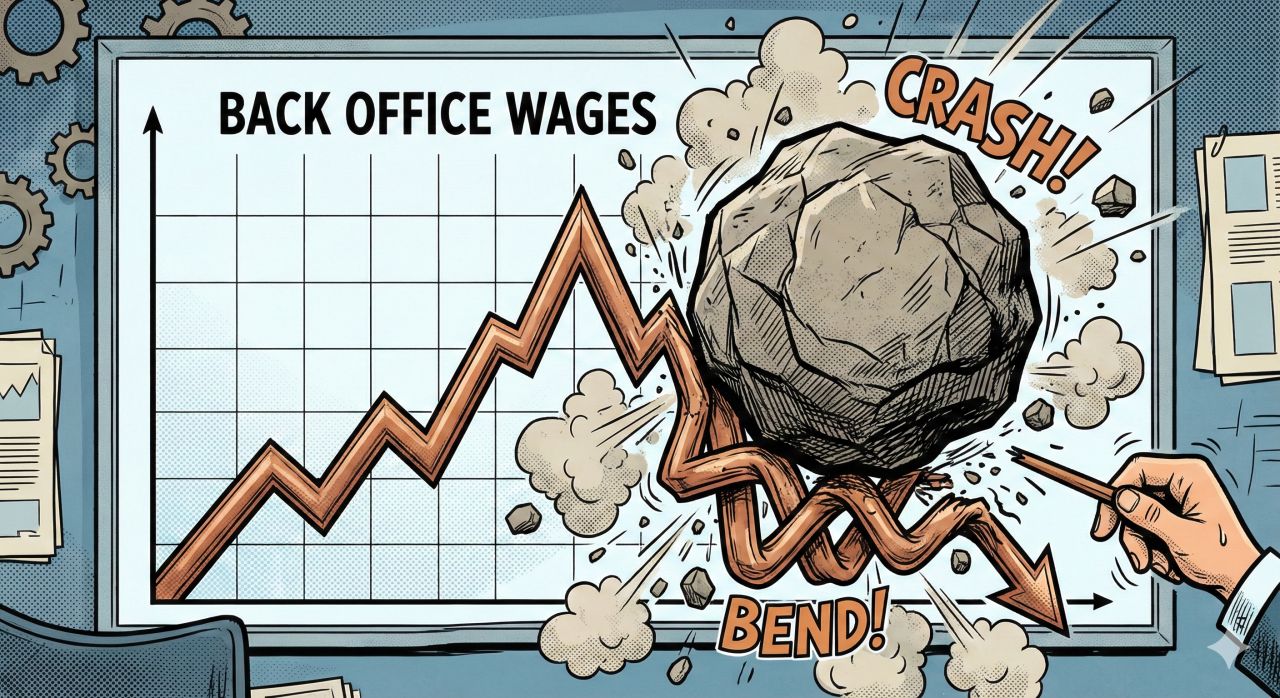
Prediction #3 for 2026: Back-office attrition will hit a historic peak — and it won’t rebound. This is the start of a long slide. Back-office attrition will hit a historic peak in 2026 because reimbursements aren’t rising fast enough to cover soaring labor, wage, and benefit costs, leaving providers unable to raise back-office pay at the levels needed to retain staff. Reimbursements (ie, revenue) aren’t keeping up. Medicare’s finalized payment updates for inpatient, outpatient, and ASC settings are coming in around 2–3% after productivity cuts. But operating costs are rising much faster: - Hospital expenses continue to climb 5%+ annually - Wage pressure is the biggest driver, with nursing pay rising faster than general inflation - Employer health premiums are projected to rise again in 2026, landing in the mid- to high-single digits The math forces a slower wage rise for administrative staff. If revenue grows 2–3% and labor costs grow 5–10%, something has to give. Historically, that “something” is back-office wages because MDs, nurses, and PAs are your revenue producers and you need to keep them happy. Turnover is already high as back-office staff leave for an extra dollar or two per hour — sometimes at other practices, sometimes in entirely new professions. In 2026, many providers simply won’t be able to raise wages enough to combat these forces. And once these roles empty out, they don’t come back: - The work is hard, repetitive, and thankless - A large portion of the most experienced staff is nearing retirement - There’s no deep bench waiting behind them This is the real staffing cliff in healthcare — an administrative collapse that will hit every specialty and every practice in 2026 because the economics no longer pencil out.
- LINKEDIN · IMAGERecorded 24 Sept 2026
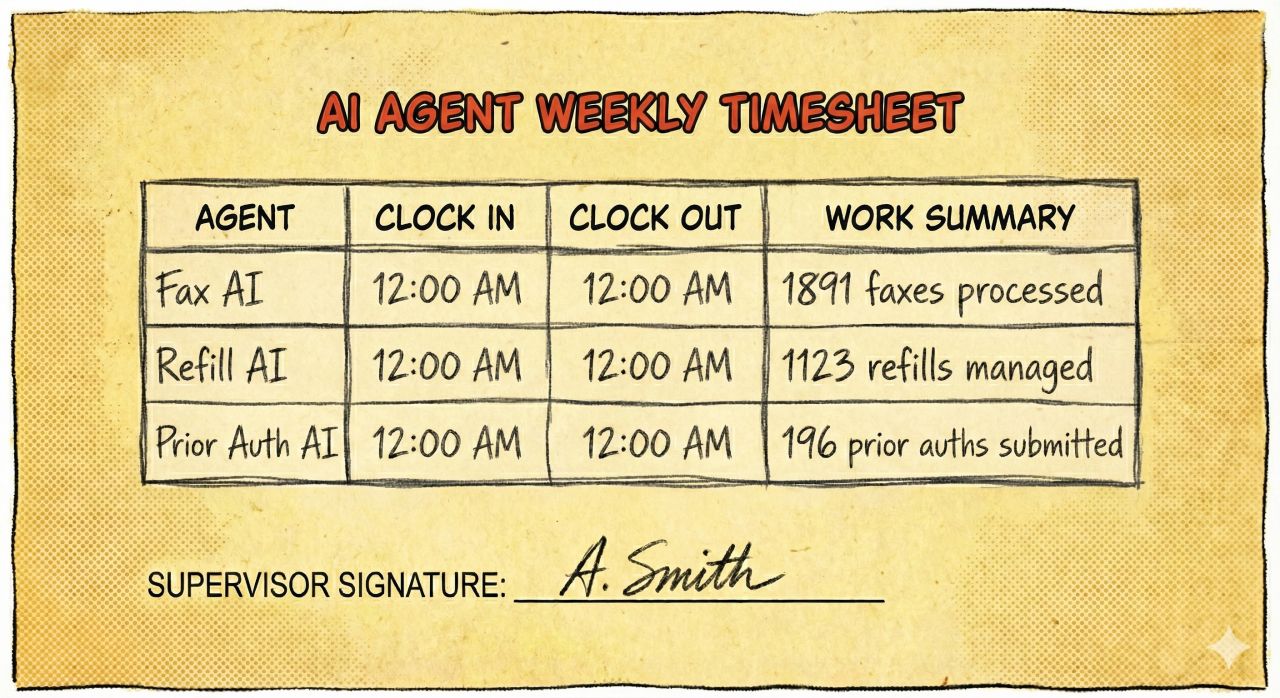
We’ve seen a palpable shift in 2026 healthcare planning over the past twelve weeks as we approach EOY. Some AI platforms are being budgeted like labor. We’re hearing very specific asks to aid conservations with finance teams as we finalize contracts: - What’s the effective hourly capacity and rate of the AI? - What does it cost to complete 200 faxes or 150 refills? - How do costs scale when volume grows or dips? In healthcare, we’re seeing this come up in nearly every end-of-year conversation. And it maps to what’s happening across the broader software market. Usage-based pricing has grown 35–40% annually since 2019, and AI-native software companies are 3x more likely to use consumption-based models according to a 2024 McKinsey analysis. AI does measurable work, so teams want measurable pricing. Back-office work is measurable, so teams are looking for cleaner ways to compare AI capacity with human capacity. It’s reshaping how they evaluate pricing, ROI, and coverage. This is one reason we chose usage-based pricing at Honey Health. It makes it easy for customers to tie software spend directly to labor economics. A task has a defined cost. That task used to take a predictable amount of time. Finance can model it instantly. And this isn’t just healthcare. Any industry with repetitive ops work is starting to budget AI based on output, not seats. I’d love to hear how others are approaching this…it's a quickly changing landscape. Providers and Ops Leaders what pricing model makes the most sense? How are you framing this to vendors and internally? Founders building AI products, what’s working in your market?



6 of 56+ adsSign up to see every Honey Health ad, filter by format and date, and get alerts on new ones.
See all 56+ adsOn Facebook and Instagram
Facebook page Honey Health · 8 active ads, checked 5 Nov 2026 · 8 recorded
- All 8
- Image 5
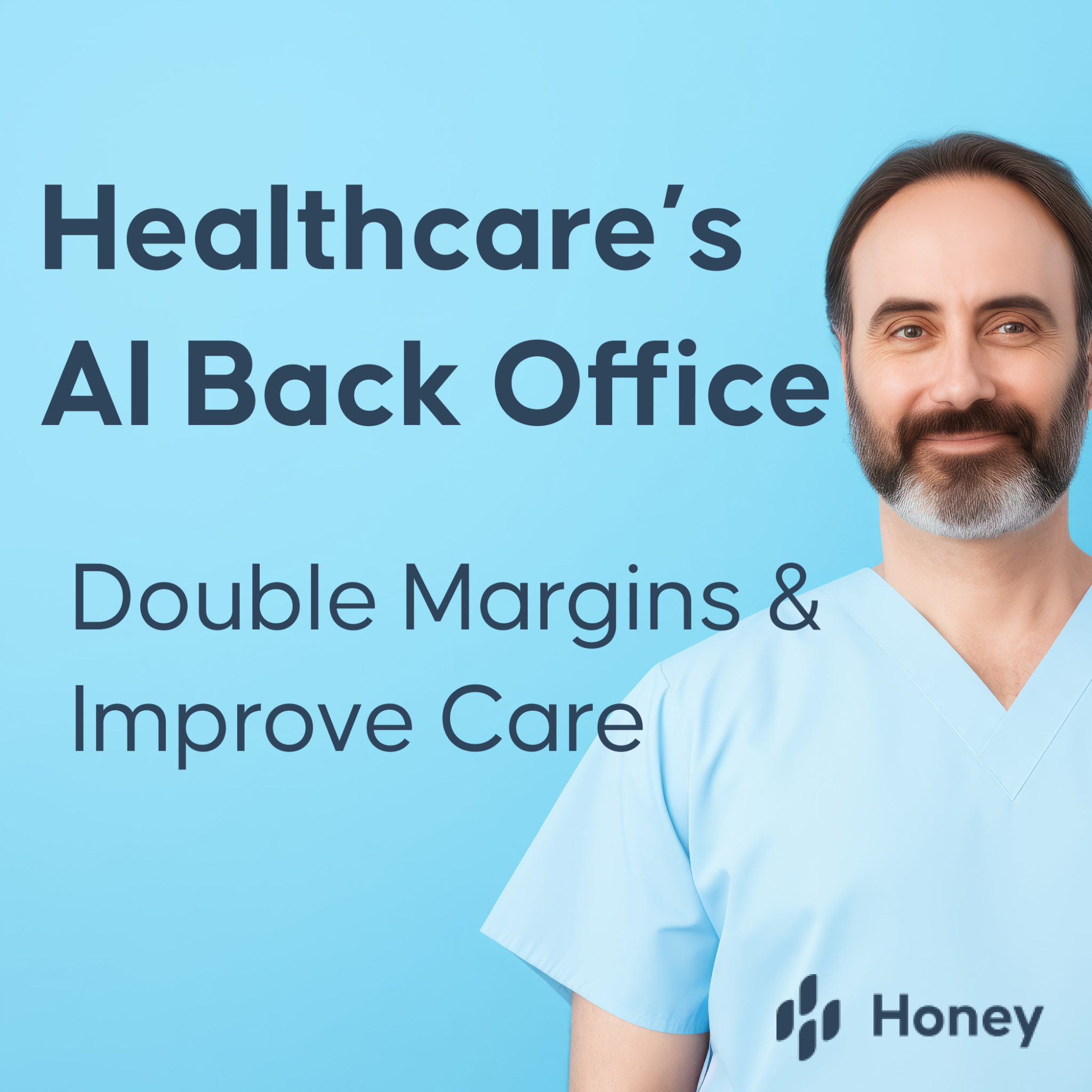
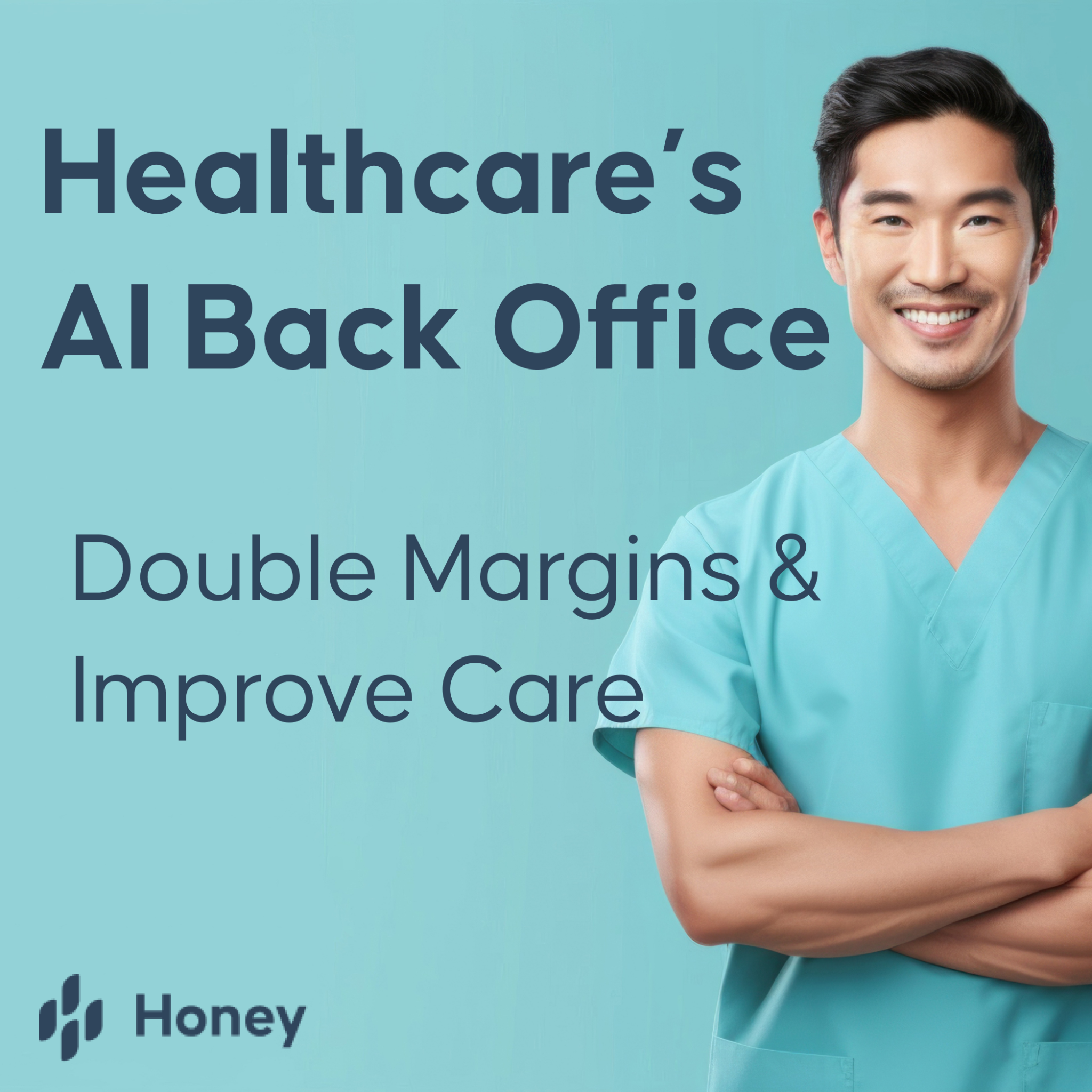 META · IMAGESince 11 Oct 2026
Active on Facebook, Instagram, Audience Network, Messenger, Threads. Honey Health is the all-in-one AI back office for healthcare. We automate the repetitive, manual back office work, speeding up care and driving down costs.
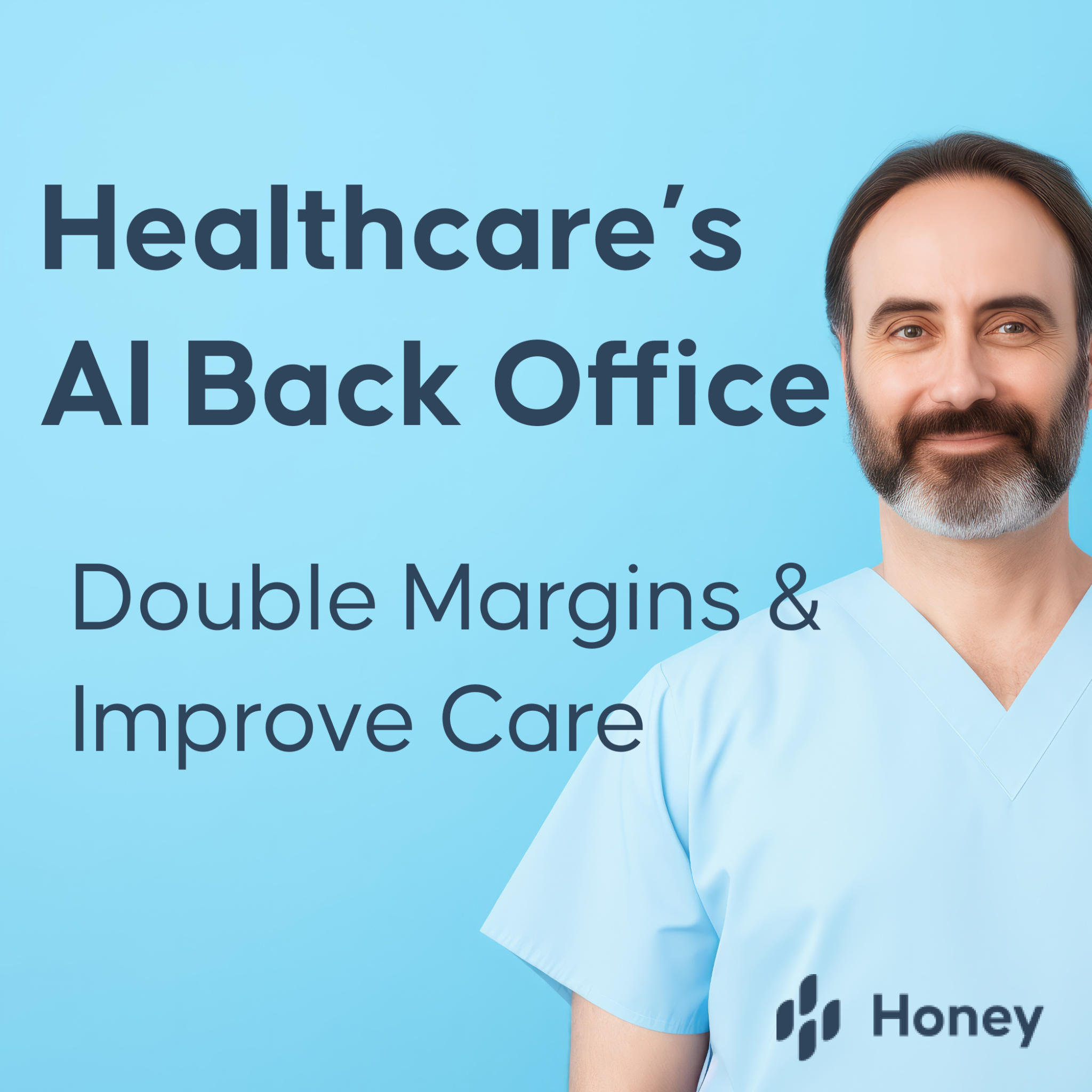
 META · IMAGESince 27 Jul 2026
Active on Facebook, Instagram, Audience Network, Messenger, Threads. Honey Health is the all-in-one AI back office for healthcare. We automate the repetitive, manual back office work, speeding up care and driving down costs.
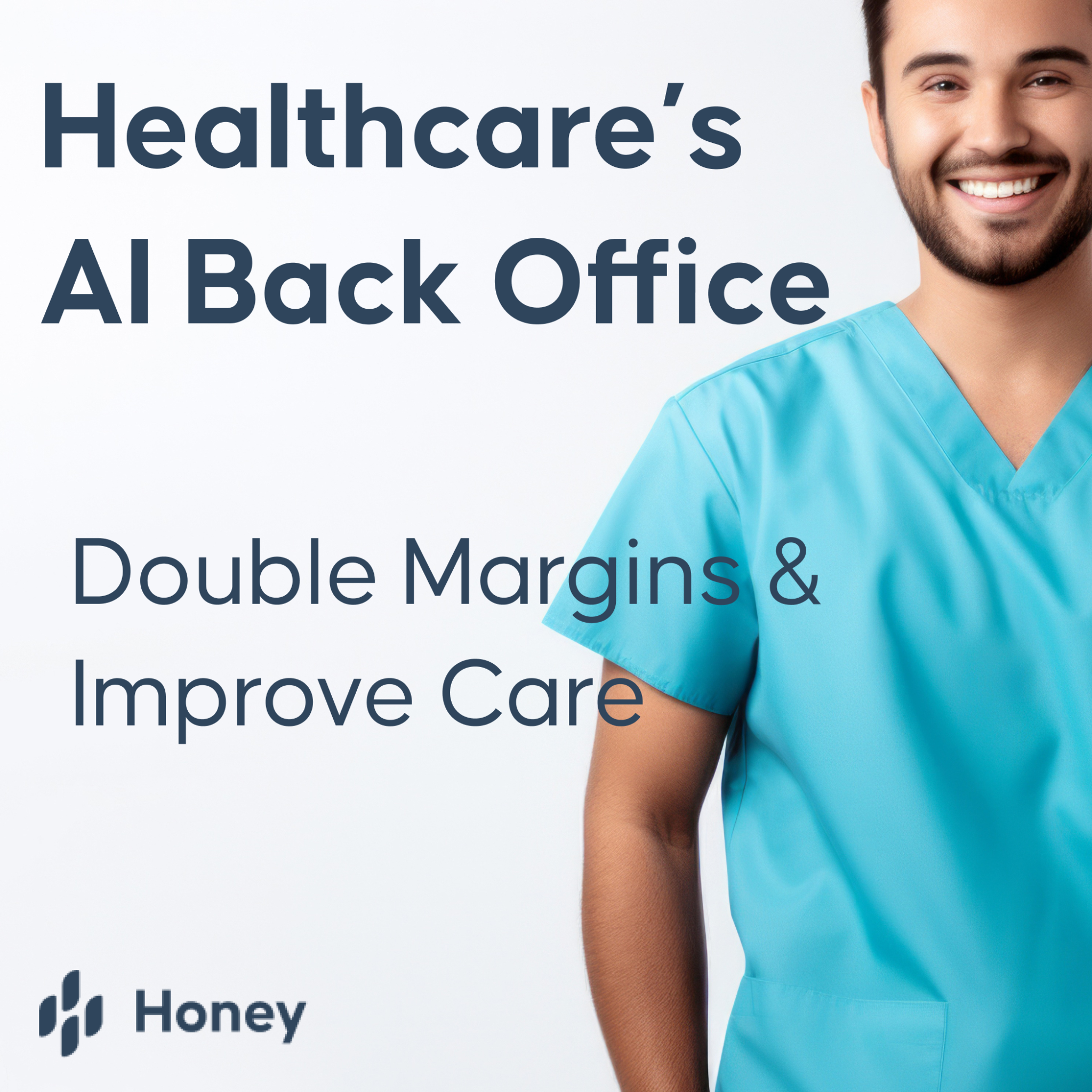
 META · IMAGESince 26 Jul 2026
Active on Facebook, Instagram, Audience Network, Messenger, Threads. Honey Health is the all-in-one AI back office for healthcare. We automate the repetitive, manual back office work, speeding up care and driving down costs.
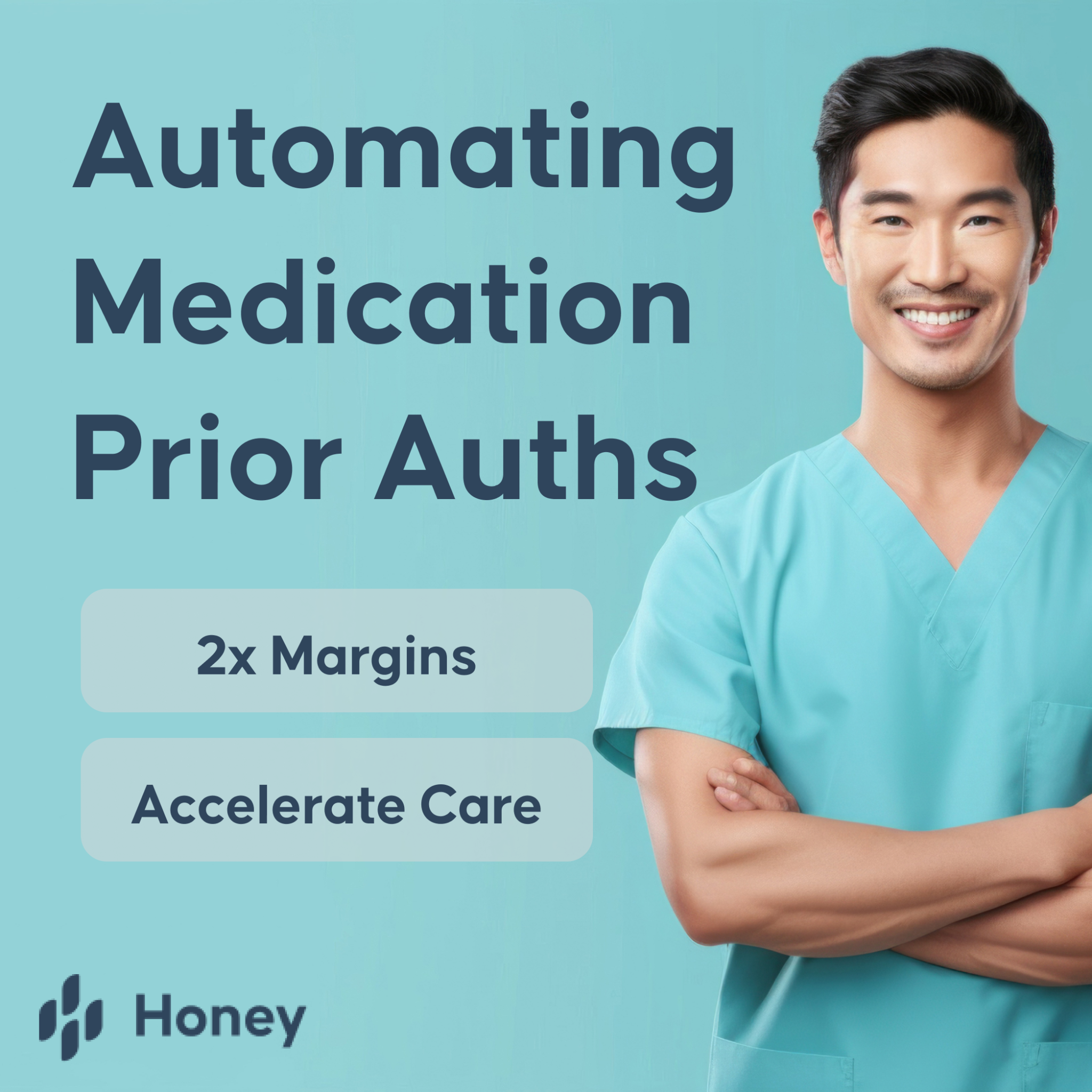
 META · IMAGESince 21 Jul 2026
Active on Facebook, Instagram, Audience Network, Messenger, Threads. Honey Health is the all-in-one AI back office for healthcare. We automate the repetitive, manual back office work, speeding up care and driving down costs.
 META · IMAGESince 21 Jul 2026
Active on Facebook, Instagram, Audience Network, Messenger, Threads. Honey Health is the all-in-one AI back office for healthcare. We automate the repetitive, manual back office work, speeding up care and driving down costs.
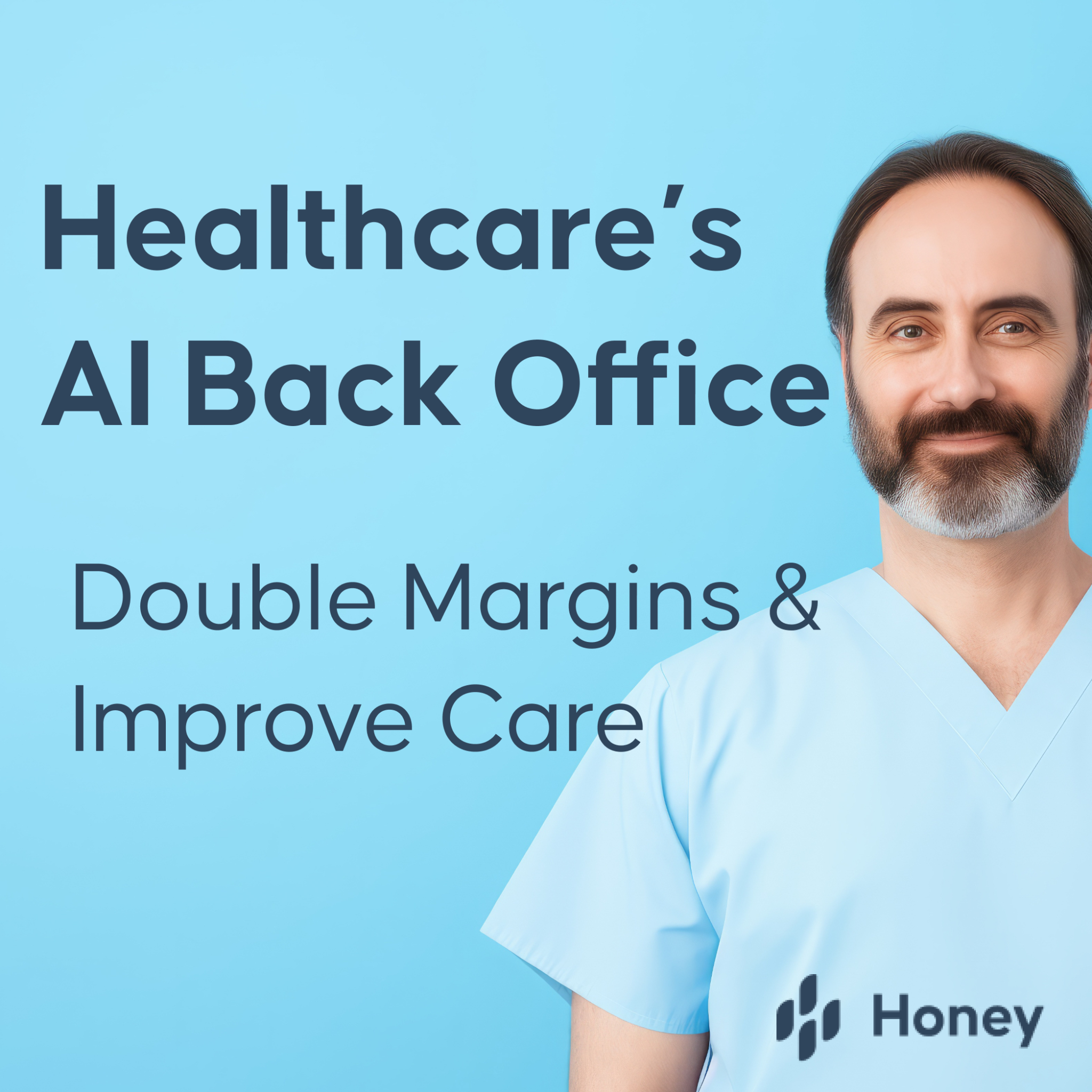 META · UNKNOWNSince 23 Jun 2026
Active on Facebook, Instagram, Audience Network, Messenger, Threads. {{product.brand}}
Show 2 more Meta ads
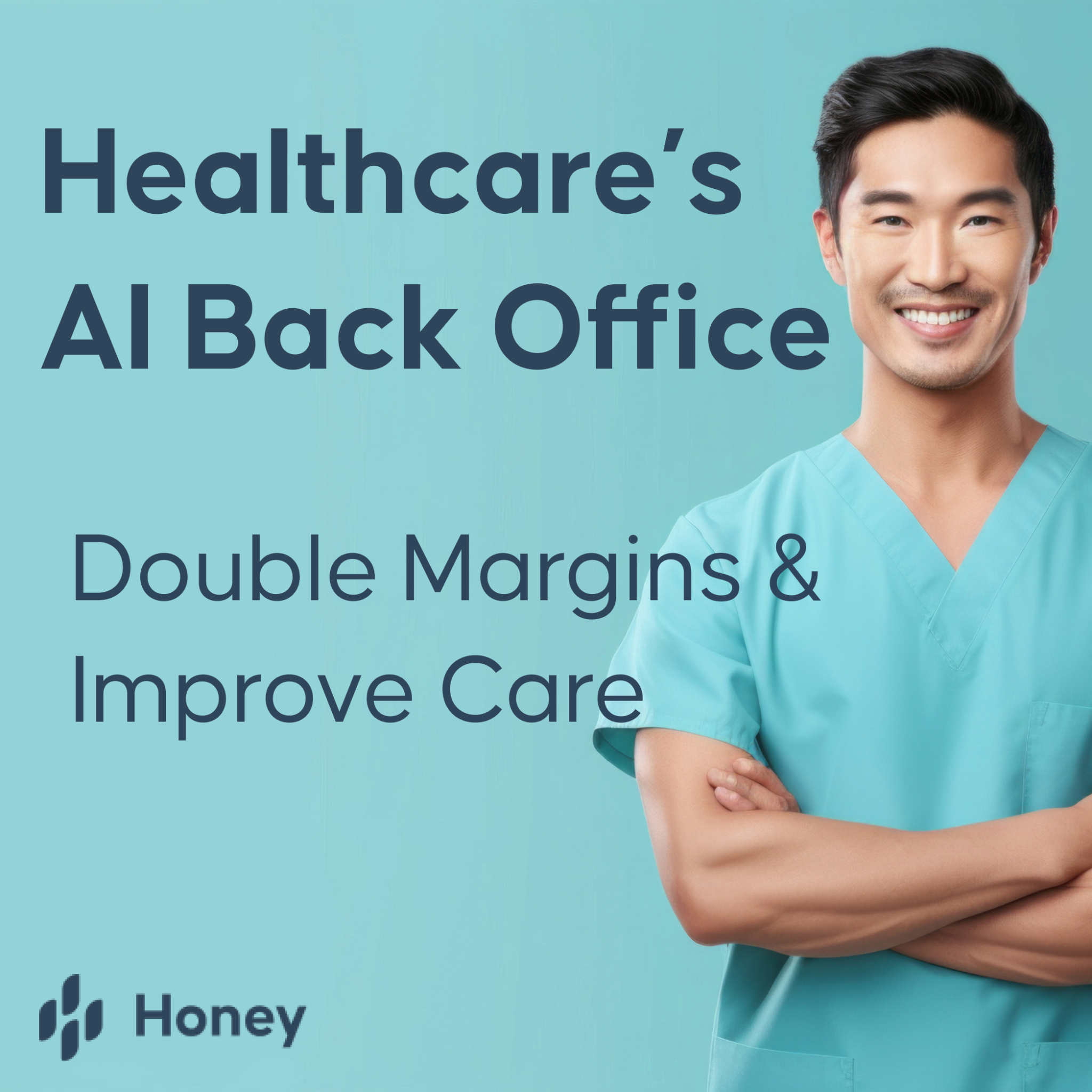 META · UNKNOWNSince 22 Jun 2026
Active on Facebook, Instagram, Audience Network, Messenger, Threads. {{product.brand}}
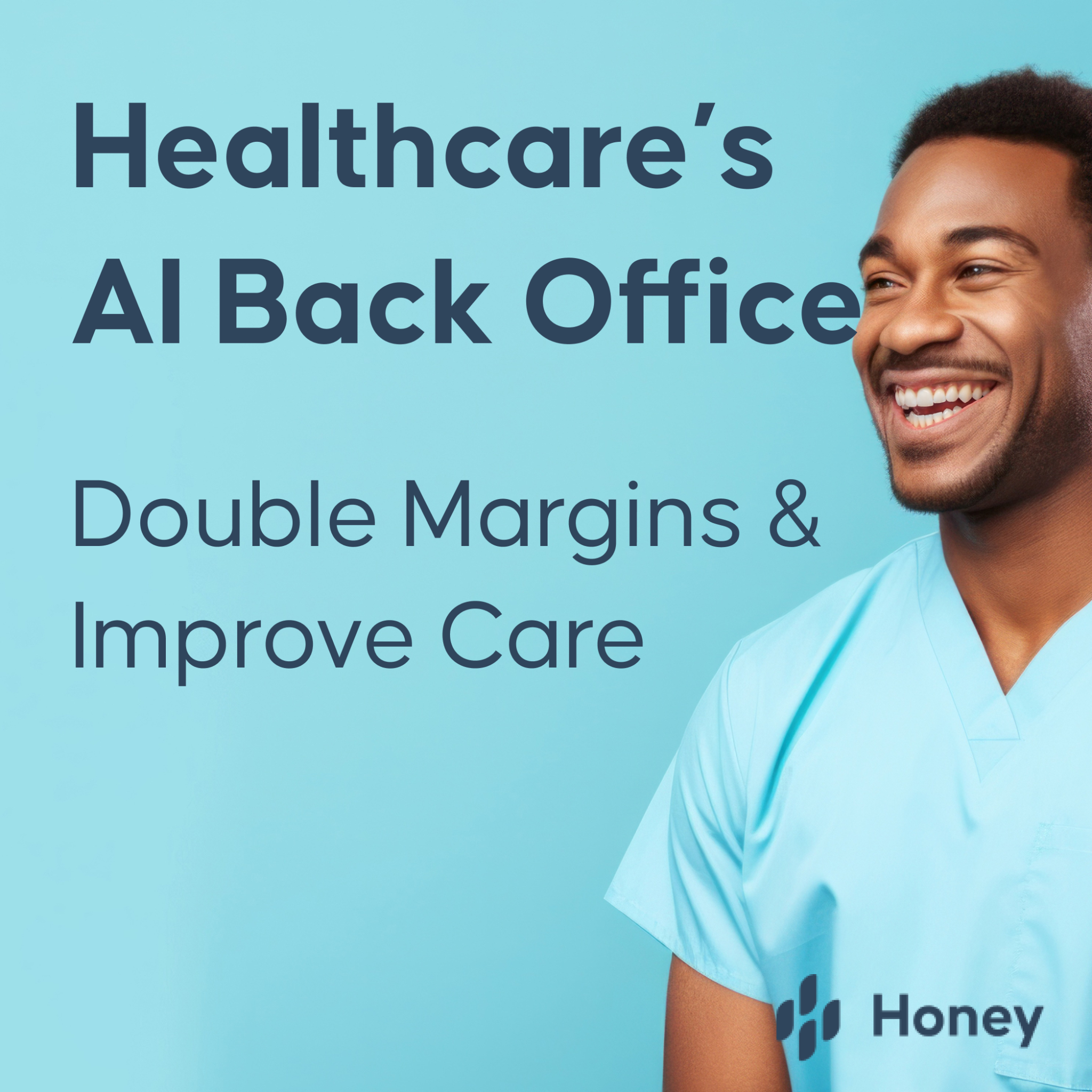 META · UNKNOWNSince 22 Jun 2026
Active on Facebook, Instagram, Audience Network, Messenger, Threads. {{product.brand}}
On Google Search, YouTube and Display
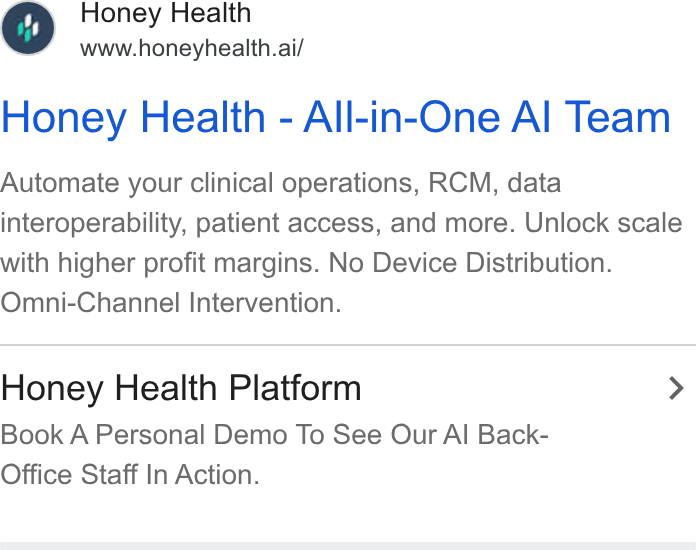
Domain honeyhealth.ai · 1 ads on the Transparency Center, checked 1 Nov 2026 · 1 recorded
- All 1
- Text 1
- GOOGLE · TEXTLast shown 3 Nov 2026
First shown 27 Aug 2025
Questions about Honey Health’s ads
Does Honey Health have new LinkedIn ads?
We found no new LinkedIn ads for Honey Health in the 30 days to 12 Nov 2026.
How many LinkedIn ads has Honey Health run?
LinkedIn’s ad library lists 48 ads for Honey Health. We recorded 56 LinkedIn ads for Honey Health, first recorded on 24 Sept 2026 and last recorded on 8 Oct 2026.
Does Honey Health advertise on Facebook and Instagram?
Yes. Honey Health’s Facebook page had 8 active ads in Meta’s Ad Library, last recorded on 5 Nov 2026.
Does Honey Health run Google ads?
Yes. We recorded 1 Google ad for the domain honeyhealth.ai on 1 Nov 2026.
Which ad formats does Honey Health use?
The 6 LinkedIn ads on this page include 5 image ads.
Watch the companies you care about.
Filter every ad by industry, country, format and network, and get alerts when a company you watch starts running new ads.