0 new LinkedIn creatives in 30 days · 2 of 3 networks checked

Helder Insight ads
- helderinsight.com
- Business Consulting
- NL
- 5 employees
Helder Insight’s ads on LinkedIn, Meta and Google, recorded by adsrunning. Browse the latest here for free. Sign up free to see all 34. Watch Helder Insight on any plan to get each new one in your feed.
Watchlist included in every plan
What Helder Insight runs
- Single image · LinkedIn
- 6
| Network | Status | Ads | Nov 2025LinkedIn activity · 52 weeksNov 2026 | Checked | Next step |
|---|---|---|---|---|---|
| Nothing new | 0 | Checked 7 Nov 2026 | See all 34 ads → | ||
| Meta | Not checked | — | |||
| None recorded | 0 | No ads found on the Google Ads Transparency Center | Checked 31 Oct 2026 | Collect them with the API → |
Helder Insight has no live LinkedIn ads. We recorded no Google ads on 31 Oct 2026.
Latest ads
- LINKEDIN · IMAGESince 18 Oct 2026
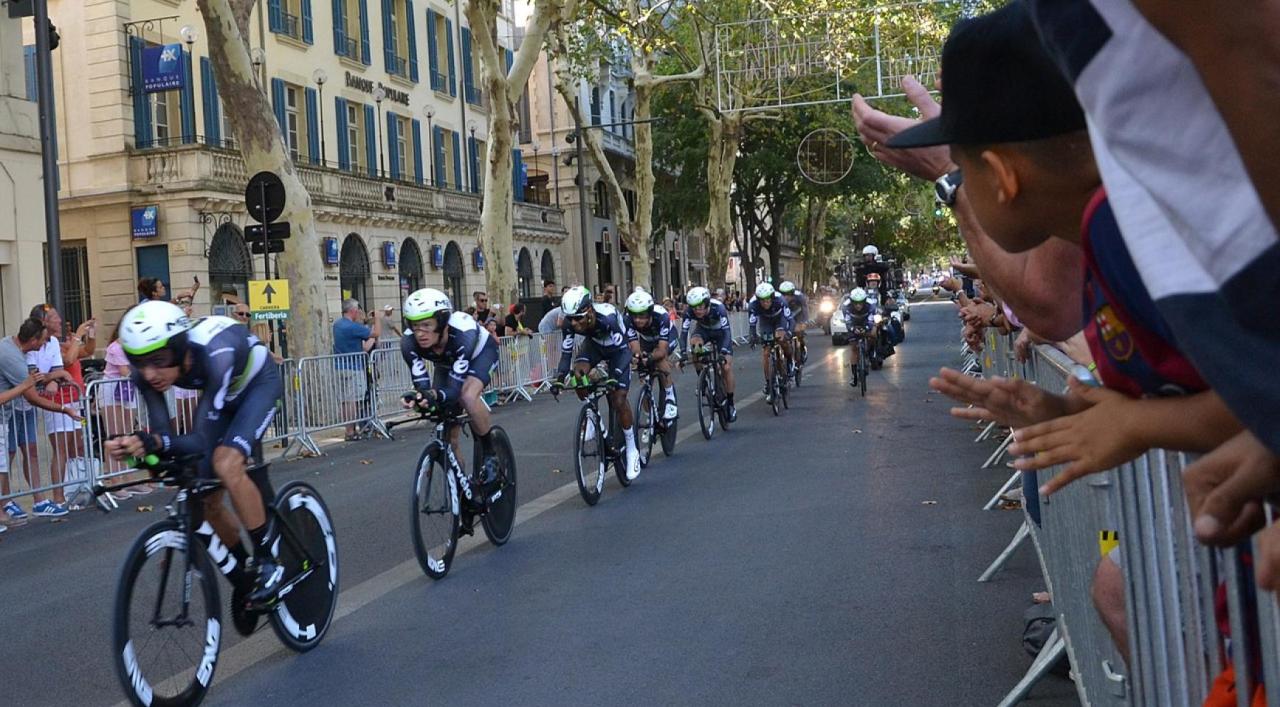
This is sad to read. An investigation into the Dutch WorldTour cycling team Picnic-PostNL, based on confidential conversations with 71 current and former riders and staff, revealed a culture of fear and a rigid, top-down structure. One former staff member who asked for a mental coach was reportedly told by sports director Rudi Kemna that he didn’t “believe in psychologists”. As a psychologist myself, I couldn’t help wondering why? These kinds of issues are not new in high-performance sport. Reading this brought back memories of similar problems uncovered in sports organisations around the world, including New Zealand’s high-performance cycling programme. Different countries, different circumstances, but many similarities around culture, wellbeing and whether people felt able to speak openly about their concerns. When staff and athletes don’t feel safe to disagree, question decisions, admit they are struggling or talk openly about what is happening, organisations lose access to important information. Silence can look like agreement. It can even look like a well-functioning team. Sometimes people are simply keeping their heads down because they have learnt that speaking up isn’t worth the risk. It’s also worth noting that these experiences, some dating back years, came to light through 𝐜𝐨𝐧𝐟𝐢𝐝𝐞𝐧𝐭𝐢𝐚𝐥 𝐜𝐨𝐧𝐯𝐞𝐫𝐬𝐚𝐭𝐢𝐨𝐧𝐬 with 71 current and former riders and staff. Surveys help identify patterns, but if people don’t feel safe to answer honestly, important issues can remain hidden. Sometimes it takes one-to-one conversations to understand what's really going on beneath the surface. Rather than pointing fingers at individuals, we should also be asking whether leaders and governance groups have the insights they need to identify cultural signals early, before issues escalate. That’s why psychological safety matters. Culture speaks in signals. Leaders need the right data to identify and act on those signals before they lead to harm. https://lnkd.in/ehDdsTUS #PsychologicalSafety #HighPerformingTeams #Leadership #OrganisationalCulture #Prevention #Governance #Wellbeing #PsychologischeVeiligheid
- LINKEDIN · IMAGESince 6 Oct 2026
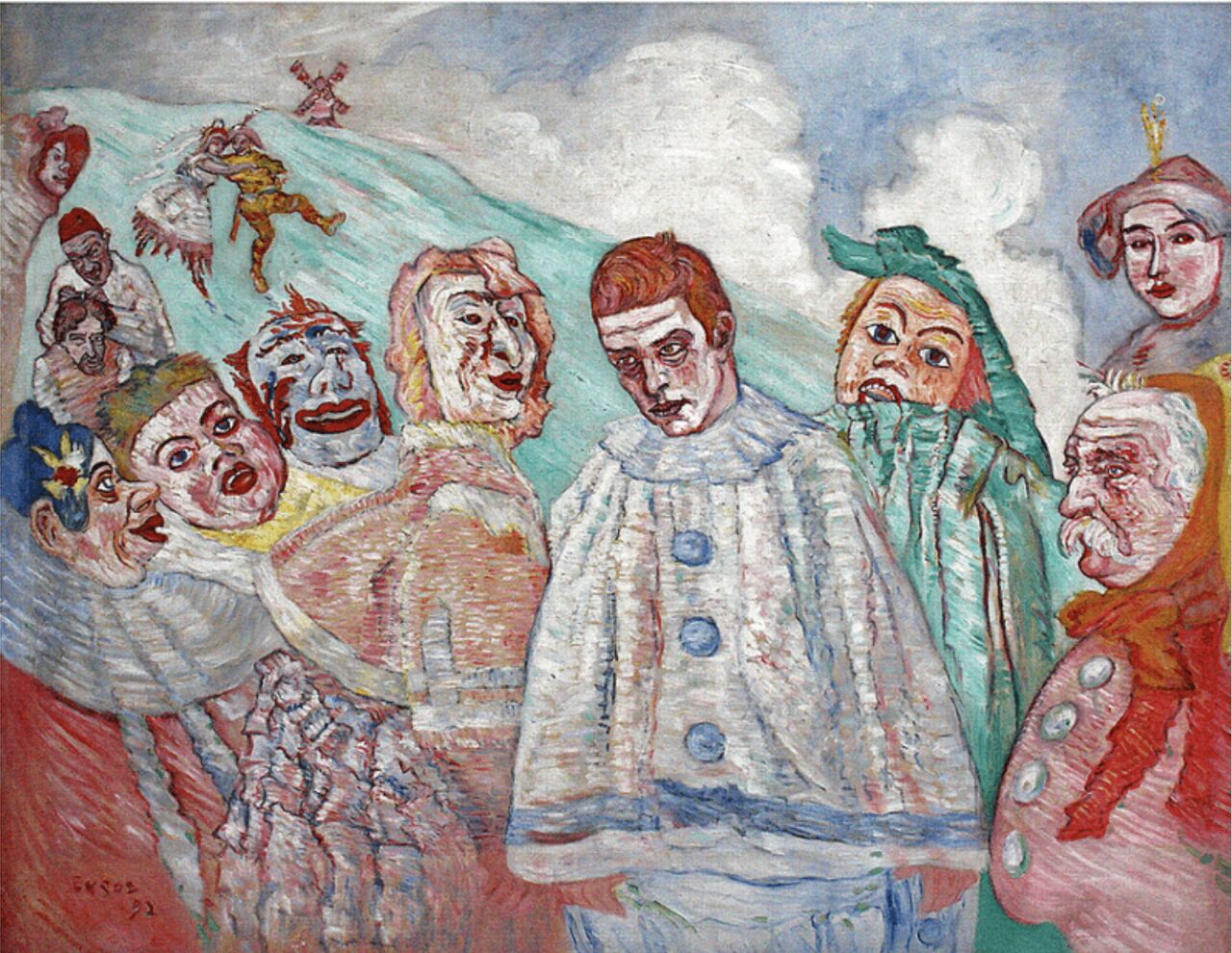
𝐏𝐫𝐞𝐬𝐞𝐧𝐭𝐞𝐞𝐢𝐬𝐦: 𝐓𝐡𝐞 𝐩𝐫𝐨𝐝𝐮𝐜𝐭𝐢𝐯𝐢𝐭𝐲 𝐩𝐫𝐨𝐛𝐥𝐞𝐦 𝐭𝐡𝐚𝐭'𝐬 𝐨𝐟𝐭𝐞𝐧 𝐡𝐢𝐝𝐢𝐧𝐠 𝐢𝐧 𝐩𝐥𝐚𝐢𝐧 𝐬𝐢𝐠𝐡𝐭 Not all productivity risks show up in absence data. Sometimes employees and leaders continue to turn up to work despite feeling overwhelmed, exhausted, unwell, or increasingly unmotivated. This phenomenon, known as 𝐩𝐫𝐞𝐬𝐞𝐧𝐭𝐞𝐞𝐢𝐬𝐦, can have significant implications for wellbeing, performance, and organisational culture. Unlike absenteeism, presenteeism is difficult to spot because employees remain present while delivering significantly less output. For employees, it can contribute to ongoing stress, fatigue, and burnout. For leaders, it can make it harder to recognise when individuals need support. For organisations, it can quietly affect productivity, decision-making, collaboration, and retention. Its a reminder that the conditions people work in matter. When employees feel supported, valued, and psychologically safe, they are more likely to seek help when they need it and less likely to struggle in silence. Presenteeism is ultimately a human issue. While data can help identify patterns across groups, understanding whats really going on requires listening to people and exploring the real-world experiences behind the numbers. In Helder Insight's latest blog (link in comments), Andy Hamilton explores why presenteeism is often a symptom of deeper structural conditions, and how leaders and practitioners can identify the signals. #Presenteeism #WorkplaceCulture #Productivity #PsychologicalSafety #EmployeeWellbeing #OrganisationalCulture #HighPerformingTeams #Attrition Painting by James Ensor, Le désespoir de Pierrot (ca. 1910). Original from the Kröller-Müller Museum.
- LINKEDIN · IMAGESince 16 Sept 2026
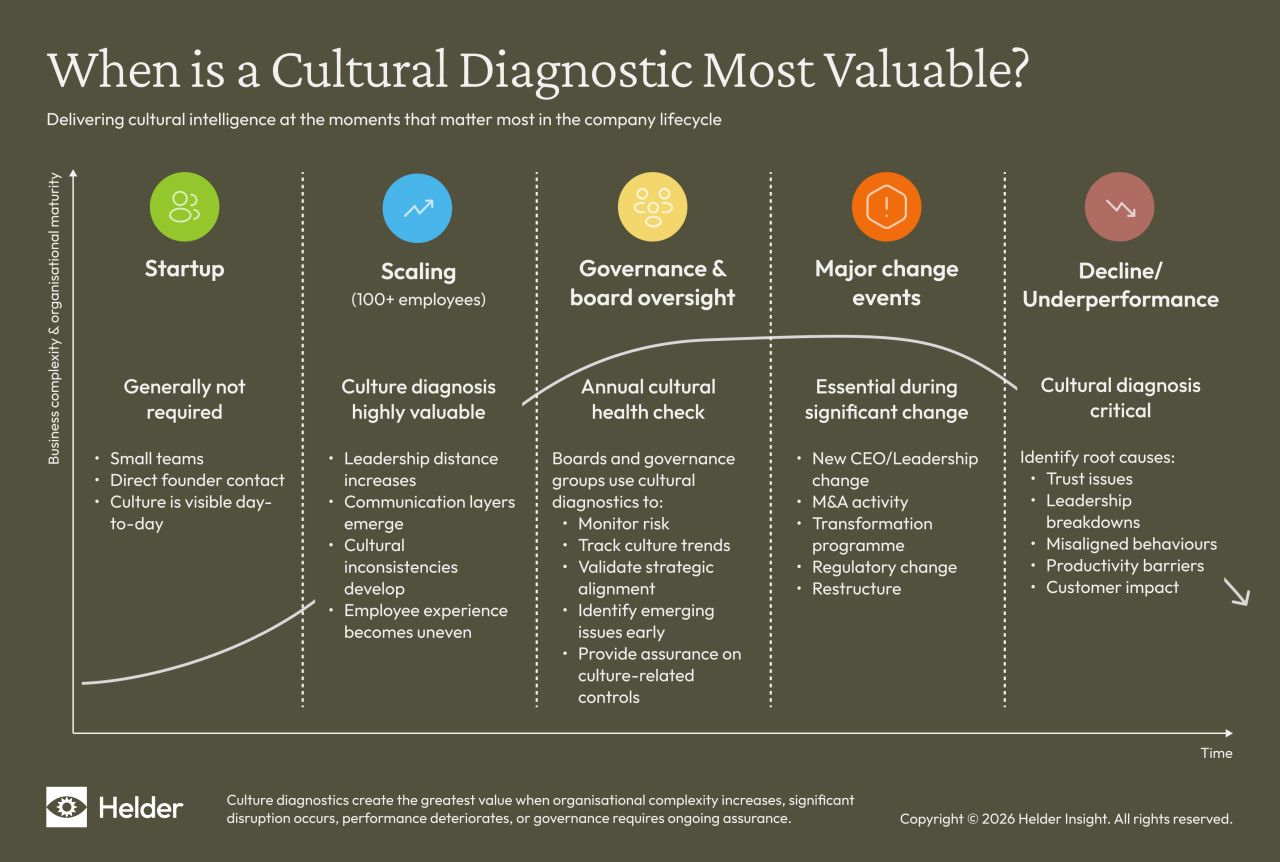
𝐖𝐡𝐞𝐧 𝐢𝐬 𝐚 𝐜𝐮𝐥𝐭𝐮𝐫𝐚𝐥 𝐝𝐢𝐚𝐠𝐧𝐨𝐬𝐭𝐢𝐜 𝐦𝐨𝐬𝐭 𝐯𝐚𝐥𝐮𝐚𝐛𝐥𝐞? We know we can't make culture a line item on a balance sheet, but we can all see the massive costs to organisations, governance groups, taxpayers and investors when culture fails. Globally, organisations spend hundreds of billions annually on independent reviews of financial, cyber and regulatory risks. Independence is key - it gives investors and boards confidence that the information they are seeing is accurate and unbiased. Yet very little is spent on independent assessments of culture. Why? Especially when culture is foundational to ensuring those other risk frameworks actually work. In our latest blog, we explore where in an organization's lifecycle a cultural diagnostic delivers the most value. From scaling businesses, through those that are stable and mature, transforming, or into decline - a cultural diagnostic can act as a critical early warning system. And the cost of an annual health check is minor compared to the costs of failure. Key takeaways: - 𝗦𝗵𝗶𝗳𝘁 𝗟𝗲𝗳𝘁: The highest ROI comes from identifying cultural risks early, not from doing post-mortems. - 𝗘𝘀𝘁𝗮𝗯𝗹𝗶𝘀𝗵 𝗮 𝗕𝗮𝘀𝗲𝗹𝗶𝗻𝗲: You cant proactively manage or monitor what you haven't measured. - 𝗣𝗿𝗲𝘃𝗲𝗻𝘁 𝗖𝗼𝗺𝗽𝗼𝘂𝗻𝗱𝗶𝗻𝗴: Small untreated issues can turn into very large, public crises. - 𝗠𝗲𝗮𝘀𝘂𝗿𝗲 𝗥𝗲𝗴𝘂𝗹𝗮𝗿𝗹𝘆: Adopt a similar cadence to other key independent reviews. Read the article here: https://lnkd.in/eqvgJbFg #CulturalIntelligence #CultureRisk #Governance #BoardGovernance #RiskManagement #OrganisationalCulture #PrivateEquity #Leadership #OrganisationalPsychology #ValueCreation Emma Clarke (PhD),
- LINKEDIN · IMAGESince 8 Sept 2026
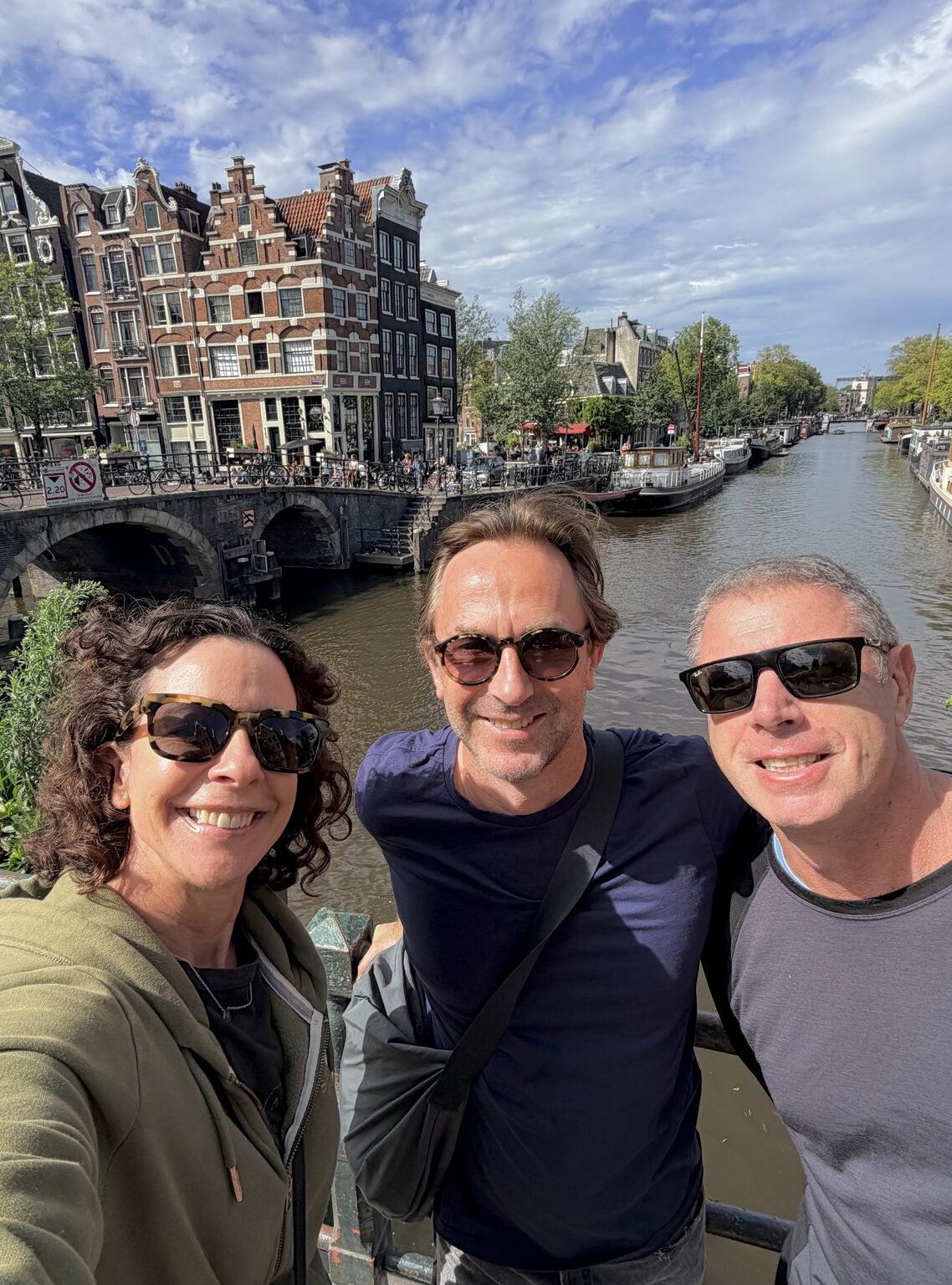
Hi network - A quick update: after working closely with our pilot customers, Andy Hamilton and I have developed an “𝐎𝐫𝐠𝐚𝐧𝐢𝐬𝐚𝐭𝐢𝐨𝐧𝐚𝐥 𝐇𝐞𝐚𝐥𝐭𝐡 𝐚𝐧𝐝 𝐂𝐮𝐥𝐭𝐮𝐫𝐚𝐥 𝐑𝐢𝐬𝐤 𝐀𝐬𝐬𝐞𝐬𝐬𝐦𝐞𝐧𝐭” now available to practitioners and organisations. This light-touch assessment is the first phase of our broader culture assessment. It begins with a confidential survey and delivers an evidence-based report within 2-3 weeks, highlighting cultural factors that could create or erode value. It provides practitioners, leaders and boards with insights into cultural health and its potential impact on organisational performance, talent retention, and employee experience. A few people have asked why we chose to establish Helder Insight in the EU. Partly it's because we live here, and we wanted to be close to our UK and EU customers. It's also important for us to operate within a regulatory environment that places a strong emphasis on employee protections. Plus it's a great spot to have visitors – this week our CTO Matthew Polson was here from New Zealand. 🇳🇿 Being in the EU also brings an unexpected benefit because the data and privacy regulations are among the most rigorous in the world. GDPR-style privacy standards have increasingly become the benchmark globally, and the "Brussels Effect" means we can offer our services around the world without any major changes. For all the non-Dutch speakers among you: 𝐇𝐞𝐥𝐝𝐞𝐫 𝐫𝐨𝐮𝐠𝐡𝐥𝐲 𝐭𝐫𝐚𝐧𝐬𝐥𝐚𝐭𝐞𝐬 𝐚𝐬 “𝐜𝐥𝐞𝐚𝐫, 𝐛𝐫𝐢𝐠𝐡𝐭, 𝐥𝐮𝐜𝐢𝐝, 𝐨𝐫 𝐞𝐚𝐬𝐲 𝐭𝐨 𝐮𝐧𝐝𝐞𝐫𝐬𝐭𝐚𝐧𝐝” 𝐰𝐡𝐢𝐜𝐡 𝐢𝐬 𝐚 𝐠𝐨𝐨𝐝 𝐟𝐢𝐭 𝐟𝐨𝐫 𝐰𝐡𝐚𝐭 𝐰𝐞 𝐚𝐫𝐞 𝐝𝐨𝐢𝐧𝐠. In other words, making complex things easy to understand. #WorkplaceCulture #OrganisationalHealth #TalentRetention #Performance #EmployeeWellbeing #CulturalHealth #GDPR #DataPrivacy
- LINKEDIN · IMAGESince 31 Aug 2026
𝐀 𝐝𝐞𝐜𝐚𝐝𝐞 𝐨𝐟 𝐜𝐡𝐚𝐧𝐠𝐞: 𝐖𝐡𝐲 𝐎𝐫𝐠𝐚𝐧𝐢𝐬𝐚𝐭𝐢𝐨𝐧𝐚𝐥 𝐏𝐬𝐲𝐜𝐡𝐨𝐥𝐨𝐠𝐢𝐬𝐭𝐬 𝐛𝐞𝐥𝐨𝐧𝐠 𝐚𝐭 𝐭𝐡𝐞 𝐥𝐞𝐚𝐝𝐞𝐫𝐬𝐡𝐢𝐩 𝐭𝐚𝐛𝐥𝐞 The workplace has become more complex. Risks have evolved. Regulation has increased. Technology and AI are changing how work is designed and managed. As organisations navigate these challenges, there is an important shift happening in what we ask of organisational psychologists and organisation design professionals (ODs). It is no longer enough to ask: - How do we improve performance? - How do we improve employee wellbeing? - How do we change the culture? We should also ask: “𝐇𝐨𝐰 𝐡𝐚𝐯𝐞 𝐰𝐞 𝐝𝐞𝐬𝐢𝐠𝐧𝐞𝐝 𝐭𝐡𝐞 𝐨𝐫𝐠𝐚𝐧𝐢𝐬𝐚𝐭𝐢𝐨𝐧 𝐭𝐨 𝐩𝐫𝐨𝐝𝐮𝐜𝐞 𝐭𝐡𝐞𝐬𝐞 𝐨𝐮𝐭𝐜𝐨𝐦𝐞𝐬 𝐢𝐧 𝐭𝐡𝐞 𝐟𝐢𝐫𝐬𝐭 𝐩𝐥𝐚𝐜𝐞?” Toyota is a powerful example (see "Andon" quality control method). Its culture wasn't created through a series of employee programs. Work was designed so that employees could identify problems, contribute solutions and continuously improve the system. Given the evolving changes in the workplace, perhaps we should now be asking: 𝟏. 𝐀𝐫𝐞 𝐥𝐞𝐚𝐝𝐞𝐫𝐬 𝐫𝐞𝐜𝐨𝐠𝐧𝐢𝐬𝐢𝐧𝐠 𝐭𝐡𝐞 𝐯𝐚𝐥𝐮𝐞 𝐭𝐡𝐚𝐭 𝐈/𝐎 𝐏𝐬𝐲𝐜𝐡𝐬 𝐚𝐧𝐝 𝐎𝐃𝐬 𝐜𝐨𝐧𝐭𝐫𝐢𝐛𝐮𝐭𝐞, 𝐚𝐧𝐝 𝐟𝐚𝐜𝐭𝐨𝐫𝐢𝐧𝐠 𝐭𝐡𝐢𝐬 𝐜𝐚𝐩𝐚𝐛𝐢𝐥𝐢𝐭𝐲 𝐢𝐧𝐭𝐨 𝐭𝐡𝐞𝐢𝐫 𝐜𝐨𝐫𝐞 𝐭𝐞𝐚𝐦? 𝟐. 𝐃𝐨 𝐈/𝐎 𝐏𝐬𝐲𝐜𝐡𝐬 𝐚𝐧𝐝 𝐎𝐃𝐬 𝐡𝐚𝐯𝐞 𝐚𝐜𝐜𝐞𝐬𝐬 𝐭𝐨 𝐭𝐡𝐞 𝐫𝐢𝐠𝐡𝐭 𝐝𝐚𝐭𝐚 𝐭𝐨 𝐮𝐧𝐝𝐞𝐫𝐬𝐭𝐚𝐧𝐝 𝐭𝐡𝐞 𝐬𝐭𝐫𝐮𝐜𝐭𝐮𝐫𝐚𝐥 𝐝𝐫𝐢𝐯𝐞𝐫𝐬 𝐨𝐟 𝐜𝐮𝐥𝐭𝐮𝐫𝐚𝐥 𝐫𝐢𝐬𝐤, 𝐫𝐚𝐭𝐡𝐞𝐫 𝐭𝐡𝐚𝐧 𝐬𝐢𝐦𝐩𝐥𝐲 𝐭𝐫𝐲𝐢𝐧𝐠 𝐭𝐨 𝐜𝐡𝐚𝐧𝐠𝐞 𝐛𝐞𝐡𝐚𝐯𝐢𝐨𝐮𝐫 𝐚𝐟𝐭𝐞𝐫 𝐭𝐡𝐞 𝐟𝐚𝐜𝐭? I've discussed how workplace risks, changing legislation, and organisational complexity are reshaping the profession in my latest blog. 👉 https://lnkd.in/eGJmb9_J I'd love to hear what other I/O Psychs and OD professionals think. Is our profession moving increasingly from “people interventions” towards organisational design? #OrganisationDesign #WorkplaceCulture #Leadership #OrganisationalPsychology #NIP #BritishPsychologicalSociety #EAWOP
- LINKEDIN · IMAGESince 26 Aug 2026
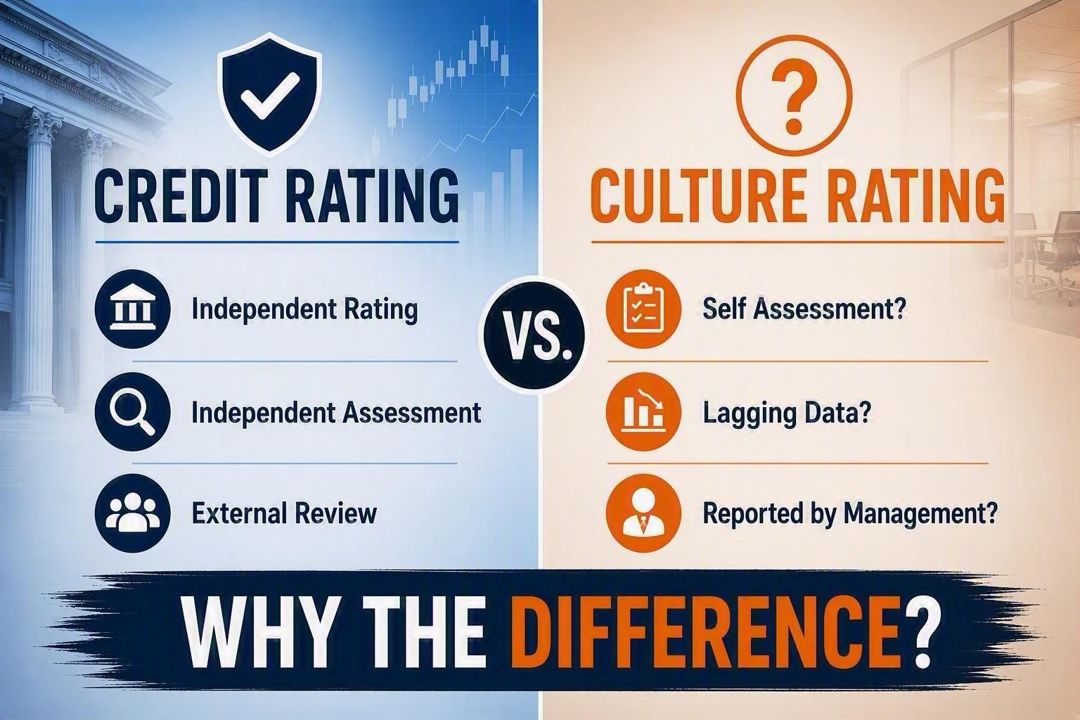
𝗖𝘂𝗹𝘁𝘂𝗿𝗲 𝗺𝗮𝘆 𝗯𝗲 𝘁𝗵𝗲 𝗹𝗮𝘀𝘁 𝗺𝗮𝗷𝗼𝗿 𝘀𝗲𝗹𝗳-𝗮𝘀𝘀𝗲𝘀𝘀𝗲𝗱 𝗿𝗶𝘀𝗸 A few months ago I wrote about culture as an intangible asset and how it is notoriously difficult to value. Recently I’ve written about the challenges governance groups have in identifying the early warning signs of cultural risk – mostly because reporting is internally generated, and based on lagging data. While culture may be difficult to value directly, applying a risk lens makes its cost impossible to ignore. Culture has been part of the Enterprise Risk Management (ERM) framework at many leading organisations for a number of years, sitting alongside the other big risks (financial & liquidity, cyber & tech, legal & regulatory, and climate & ESG). Despite the related controls and reporting that come with ERM frameworks, several major failures show the actual costs when those systems fail. Credit Suisse, Wells Fargo and Boeing all claimed to have strong cultural risk frameworks, but together incurred around US$100 billion in fines, penalties, and settlements largely due to avoidable cultural issues. When investor and shareholder losses are added, the figure rises to a staggering US$340 billion. What’s going on? Capital markets don't allow organisations to determine their own credit rating. Financial statements require independent audit. So why do boards, shareholders and tax payers still allow organisations to self-assess cultural risk? #Governance #RiskManagement #EnterpriseRiskManagement #CorporateGovernance #WorkplaceCulture #PsychologicalSafety #Leadership #HumanCapital Helder Insight

6 of 34 adsSign up to see every Helder Insight ad, filter by format and date, and get alerts on new ones.
See all 34 adsQuestions about Helder Insight’s ads
Is Helder Insight running LinkedIn ads?
We recorded no live LinkedIn ads for Helder Insight on 10 Nov 2026.
How many LinkedIn ads has Helder Insight run?
LinkedIn’s ad library lists 33 ads for Helder Insight. We recorded 34 LinkedIn ads for Helder Insight, first recorded on 22 Sept 2026 and last recorded on 20 Oct 2026.
Does Helder Insight run Google ads?
We recorded no Google ads for the domain helderinsight.com on 31 Oct 2026.
Which ad formats does Helder Insight use?
The 6 LinkedIn ads on this page include 6 image ads.
Watch the companies you care about.
Filter every ad by industry, country, format and network, and get alerts when a company you watch starts running new ads.