1 new LinkedIn ad in 30 days · 2 of 3 networks checked

DonorVoice ads
- thedonorvoice.com
- Fundraising
- US
- 23 employees
DonorVoice’s ads on LinkedIn, Meta and Google, recorded by adsrunning. Browse the latest here for free. Sign up free to browse our full recording. Watch DonorVoice on any plan to get each new one in your feed.
Watchlist included in every plan
What DonorVoice runs
- Google ad on 27 Oct 2026
- 1
| Network | Status | Last 30 days | Total ads found | Ad activity | Checked | Next step |
|---|---|---|---|---|---|---|
| Ads recorded | 1 | 37+ | 11/08/2026 | View ads → | ||
| Meta | Not checked | — | — | View ads → | ||
| Ads recorded | — | — | 10/27/2026 | View ads → |
DonorVoice has 1 new LinkedIn ad in the last 30 days. We recorded 1 Google ad on 27 Oct 2026.
Latest ads
- LINKEDIN · ARTICLESince 10 Jun 2026
If donors gave because we asked, one-size-fits-all fundraising would be genius. Same appeals, same calendar. More activity, more money. Fundraising has 2 jobs: 1) what we say and 2) when we say it. Miss either and the system creates noise, missed opportunity, or empty attention. A strong appeal at the wrong time is still the wrong appeal. A well-timed ask with generic copy wastes the moment. And the usual “active,” “lapsed,” and “high-value” labels tell you almost nothing about what message will fit the person receiving it. This is where a lot of optimization goes sideways. It ranks donors against each other when it should be reading each donor against their own behavior. Jill gave $100 last week. Jack gave $50 six months ago. On paper, Jill looks better. In human terms, she may be the worst person to ask tomorrow. The better question is not, “Who is most valuable?” It is, “For this person, right now, is another ask likely to create value or create irritation?” Personalization has to solve for two things: message fit and cadence fit. Everything else is calendar worship. Full piece, with alternative is here:
- LINKEDIN · ARTICLESince 18 May 2026
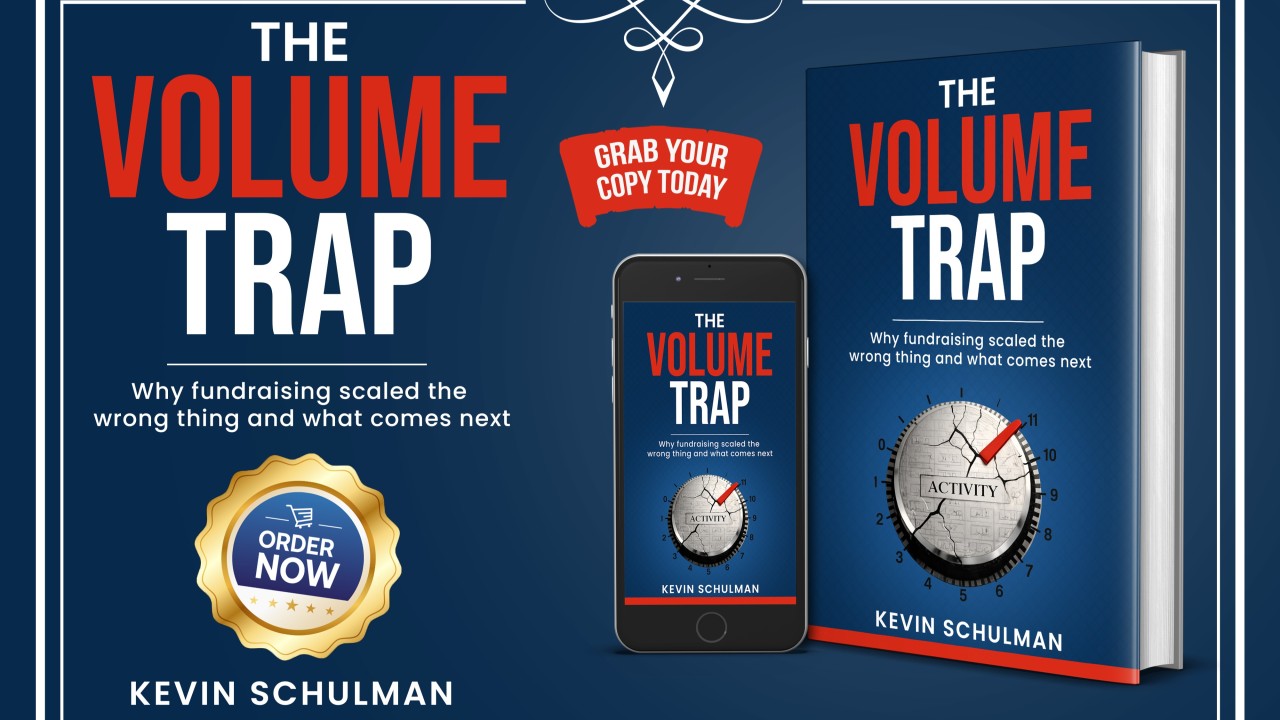
“Read it.” That is the short version of this review brought to you by Roger M. Craver. http://bit.ly/4wBD91a The longer version of this review begins with this moment we are all living through. Fundraising in 2026 is not a comfortable place. Donor files are shrinking. Retention rates remain stubbornly low — with three out of four donors vanishing after their first or second gift. Acquisition costs are climbing. And the environment outside our doors is turbulent in ways that make the job harder still: a difficult economy, profound demographic shifts, a social and political landscape that has left many donors uncertain about institutions, about causes, about the future itself. Competition for the charitable dollar has never been more intense, and the public's patience with organizations that treat them as ATMs rather than partners has never been thinner. Into this moment, Kevin Schulman delivers a diagnosis and a cure. The diagnosis is unflinching: the nonprofit sector built a volume machine and mistook it for a fundraising strategy. The logic at its core is seductively simple — if asking produces giving, then asking more produces more giving. And so the treadmill runs: more mailings, more emails, more urgency, more premiums, more matching gift deadlines. What makes The Volume Trap more than a critique — and this is where Kevin's years of accumulated research pay off — is that he doesn't stop at indictment. He builds the alternative from the ground up, and he does it with the rigor of a social scientist and veteran marketing and fundraising practitioner. He lays out the blueprint for the future with the clarity of someone who has had to explain these ideas to skeptical clients for a decade and a half. http://bit.ly/4wBD91a
- LINKEDIN · ARTICLERecorded 16 Sept 2026
What if the biggest lever for generosity is not values or messaging, but a tiny jolt to attention? In a clever subway experiment, a “pregnant” woman stood on a crowded train. Sometimes she was alone. Other times, everything was identical except for one silent addition: a second person dressed as Batman, standing a few meters away doing absolutely nothing. No theatrics, no interaction. Just a caped anomaly. Seat offers jumped from about 38 percent to 67 percent. Most striking detail: nearly half of the people who gave up their seat said they never even noticed Batman. Meaning the cape did not work through conscious inspiration. It worked by breaking the commuter script and shifting people into a more alert state where helping cues suddenly popped. Fundraising keeps acting like the control condition, polishing copy for donors on autopilot. The better question is: where is your Batman moment, the small, non-gimmicky disruption that wakes people up long enough for generosity to surface?
- LINKEDIN · ARTICLERecorded 16 Sept 2026
Reader Note: This article is written by Roger Craver, long-time DonorVoice advisor and fellow Agitator. He's also forgotten more about fundraising then most will ever know. He also scores very high in trait Openness and knows that "best practice" doesn’t have to be wrong to become obsolete. It only has to stop being the best explanation available. We are way past the point of ask more=make more being the best explanation.
- LINKEDIN · EVENTRecorded 16 Sept 2026
You write appeals, plan campaigns, and still wonder why donors do what they do. We get it. Join the DonorVoice behavioral science team for a live, no-jargon, ask-anything session. We’ll dig into the questions that every fundraiser wrestles with: **What really makes people give and how should that shape what I write? **How often should I be asking? Bring your curiosity and maybe your skepticism. We’ll bring the science and a lab coat (probably not...). Submit your questions ahead of time or bring them live. You cand send them directly to Courtney, Kiki or Stefano or drop them in the comments. We promise we'll answer them in the live session or afterwards.
- LINKEDIN · ARTICLERecorded 16 Sept 2026
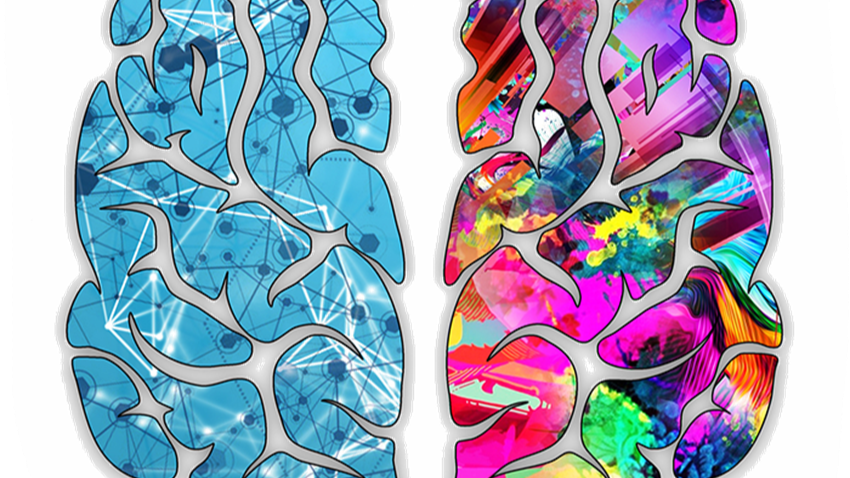
Art has always reflected the values of its time. Renaissance art was vibrant, detailed, and human. It celebrated form, color, and story. Then came the Reformation, which stripped away those elements in favor of rigid symbolism and restraint. Would you want your marketing or fundraising to be described as vivid and human, or rigid and flat? Recent studies of thousands of ads reveal a consistent pattern: the creative ingredients that make people feel and act are disappearing, while those linked to flat, forgettable work are multiplying. The Renaissance wasn’t just a flourishing of art. It was a return to realism and human truth after a long period of abstraction. Marketing and fundraising could use a similar rediscovery. The answer isn’t more channels or louder campaigns, it’s better craft. The kind that treats stories as vehicles for meaning, not containers for messaging. The work that moves people has never really gone away. It’s just been buried under process, repetition, and the false comfort of conformity. Reviving it starts with the same principles that guided the best art, and the best fundraising: honesty, dimensionality, and the courage to show people as they are.

6 of 37+ adsSign up to see every DonorVoice ad, filter by format and date, and get alerts on new ones.
See all 37+ adsQuestions about DonorVoice’s ads
Does DonorVoice have new LinkedIn ads?
Yes. We found 1 new LinkedIn ad for DonorVoice in the 30 days to 12 Nov 2026.
How many LinkedIn ads has DonorVoice run?
LinkedIn’s ad library lists 37 ads for DonorVoice. We recorded 37 LinkedIn ads for DonorVoice, first recorded on 16 Sept 2026 and last recorded on 23 Oct 2026.
Does DonorVoice run Google ads?
Yes. We recorded 1 Google ad for the domain thedonorvoice.com on 27 Oct 2026.
Watch the companies you care about.
Filter every ad by industry, country, format and network, and get alerts when a company you watch starts running new ads.