Not on air · 2 of 3 networks checked
datascalehr
- datascalehr.com
- HR & Recruiting
- US
- 11 employees
datascalehr’s ads on LinkedIn, Meta and Google, recorded by adsrunning. Browse the latest here for free. Sign up free to see all 27. Watch datascalehr with Starter to get each new one in your feed.
Watchlist with Starter · $49/mo
| Network | Status | Live ads | Nov 2025LinkedIn activity · 52 weeksOct 2026 | Checked | Next step |
|---|---|---|---|---|---|
| None recorded | 0 | Checked 30 Oct 2026 | See all 27 ads → | ||
| Meta | Not checked | — | |||
| None recorded | 0 | No ads found on the Google Ads Transparency Center | Checked 26 Oct 2026 | Collect them with the API → |
datascalehr has no live LinkedIn ads. We recorded no Google ads on 26 Oct 2026.
Latest ads
- LINKEDIN · IMAGESince 19 Mar 2026
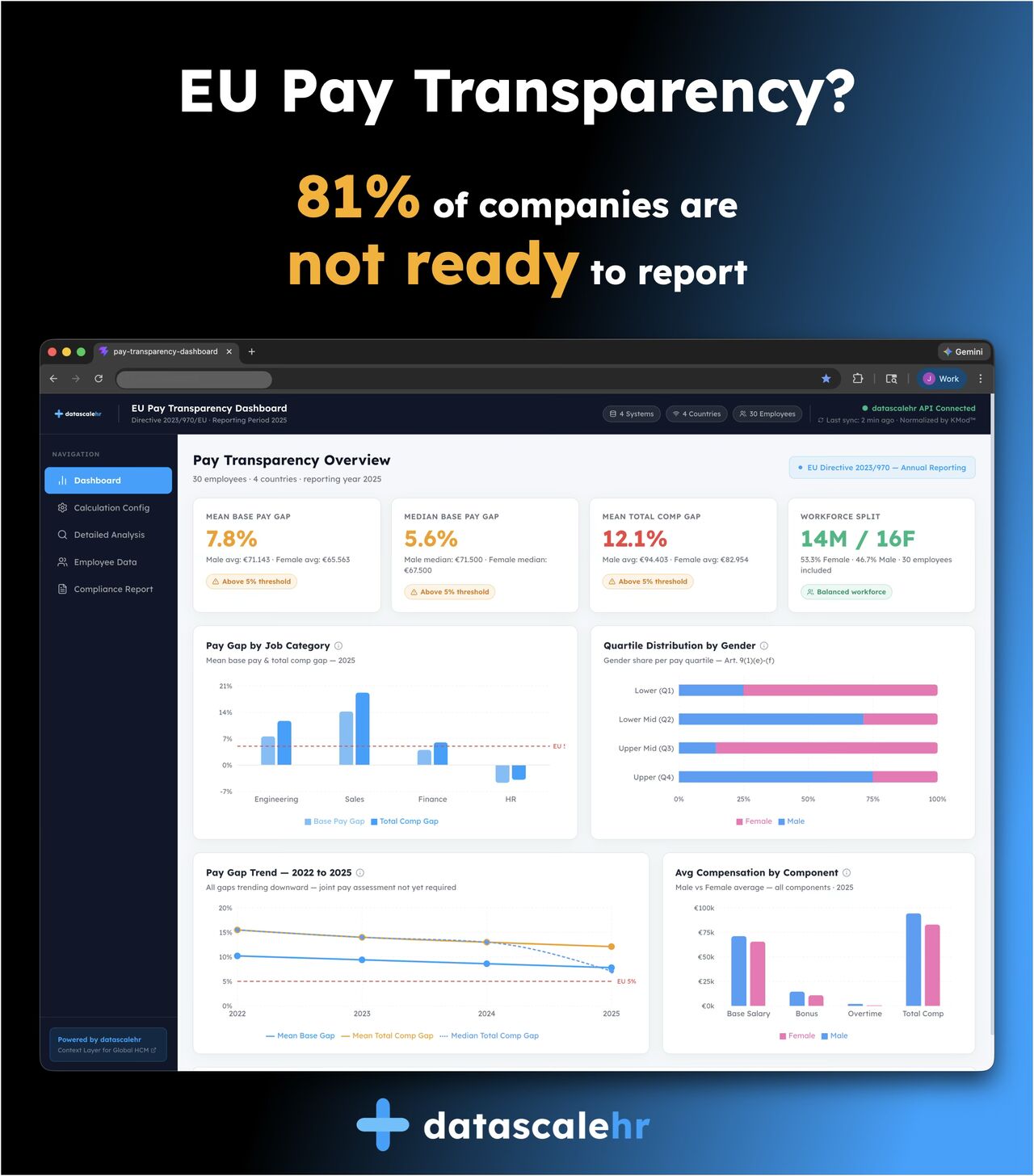
I spent 15 years building global payroll infrastructure. During that time, roughly 75% of my R&D budget didn't go to payroll calculation or compliance. It went to data integration & reporting. That's the reality nobody talks about when they discuss EU Pay Transparency readiness. Right now, most MNCs are being quoted 12 to 18 months for compliance. And the consultants quoting that aren't wrong. Under the current operating model, that timeline makes sense. But the reason it takes that long has almost nothing to do with the regulation itself. The compensation data you need sits inside your various HR systems of records and payroll vendors across every country you operate in. So your compliance project becomes a data extraction and clean-up project. And that's a very different problem with a very different timeline. Last week I built a full Pay Transparency reconciliation in 15 minutes. It's not just a pretty dashboard, it's a fully working product that tracks your pay gaps in real time with a permanent and auditable audi-trail. Compensation was pulled from local engines across multiple jurisdictions, core HR data pulled from multiple systems, normalized, gender-disaggregated, mapped to the directive's reporting structure. We do not sell this compliance dashboard: I just want to demonstrate how easy it is to build a powerful compliance framework ON TOP of datascalehr. (Getting datascalehr to connect and understand the various underlying data sources takes less than a day.) We wrote a solution brief this week on what this looks like at MNC scale, read it here: https://lnkd.in/eNibwqau #EU #PayTransparency #HCM #Compliance
- LINKEDIN · IMAGESince 5 Feb 2026
Workday's Global Payroll Connect (GPC) is one of the most ambitious payroll infrastructure plays in the industry. Real-time visibility across every country, unified reporting, and one dashboard across your entire global footprint. For clients operating in major markets with API-ready payroll providers, GPC delivers exactly what it promised. But the reality of global payroll is it’s not standardized on REST APIs. Not yet. -Your payroll provider in Vietnam uses SFTP. -Argentina sends fixed-width files. -Italy runs a legacy system that predates JSON. GPC is a beautifully designed specification that defines how data should flow. But it doesn't (and shouldn’t) concern itself with how to extract data from the thousands of local payroll engines that don't speak that language yet. That's the infrastructure layer we built. datascalehr sits underneath GPC and handles the translation: files, legacy formats, whatever your local providers have. Integrations that used to take months now happen in hours. And Workday clients get full GPC coverage across their entire global footprint, including the long-tail countries where API readiness is years away. We wrote a detailed breakdown of how this works: https://lnkd.in/gzXUGQEX #GlobalPayroll #HRTech Emmanuel REMY Len Jimenez - Grooms Brad Collins
- LINKEDIN · IMAGESince 5 Feb 2026
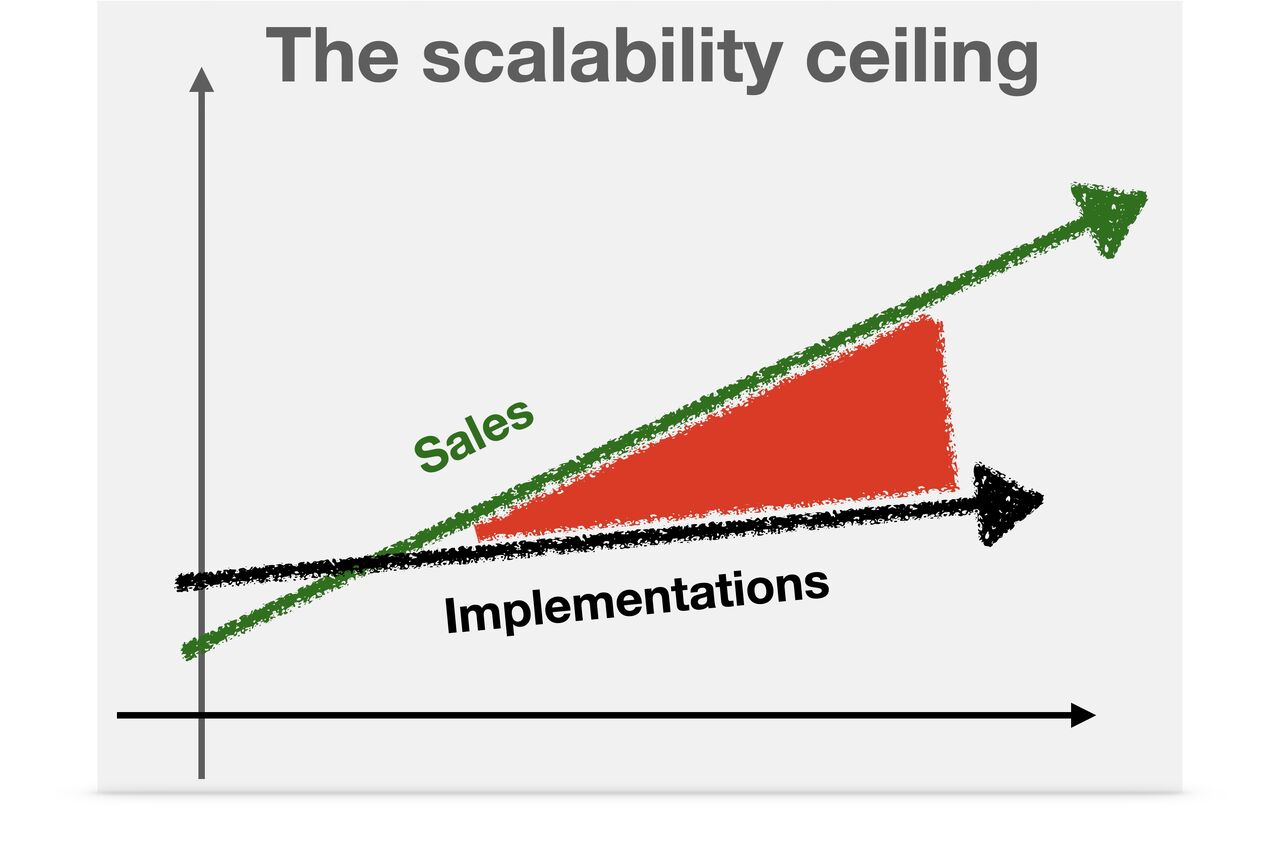
If you're a Payroll Service Provider, you know this pattern: 1. Sales sells "full integration" with customer's HRIS across 11 countries. 2. Implementation receives 47 different file formats. Engineering spends 10 months building custom mappings. 3. First country goes live at month 12. Final country at month 24. The actual cost: - Client-side: 2 FTEs for 2 years checking your work. They're evaluating competitors before you're even live. - Implementation: 3 FTEs for 2 years = 20% of contract value burned on setup - Sales: Pipeline is clogged with implementation backlog. - CFO: Margins are stuck because automation is impossible - COO: Hiring more people to maintain integrations you already built If your sales team can close 10 deals per quarter but your implementation team can only deliver 5, your business can't scale. This is not an execution problem, it's a technology scaling ceiling. Stripe standardized payments infrastructure. Plaid standardized banking connectivity. We standardized payroll connectivity. Our Payroll Service Provider clients now go "live" at the rate of 1 country per month with just 1 resource. Same-day data flow. No custom code. No workarounds. Just full automation. Implementation backlog slowing your growth? Talk to us: https://taap.it/TXHluS #PayrollTech #GlobalPayroll
- LINKEDIN · IMAGESince 5 Feb 2026
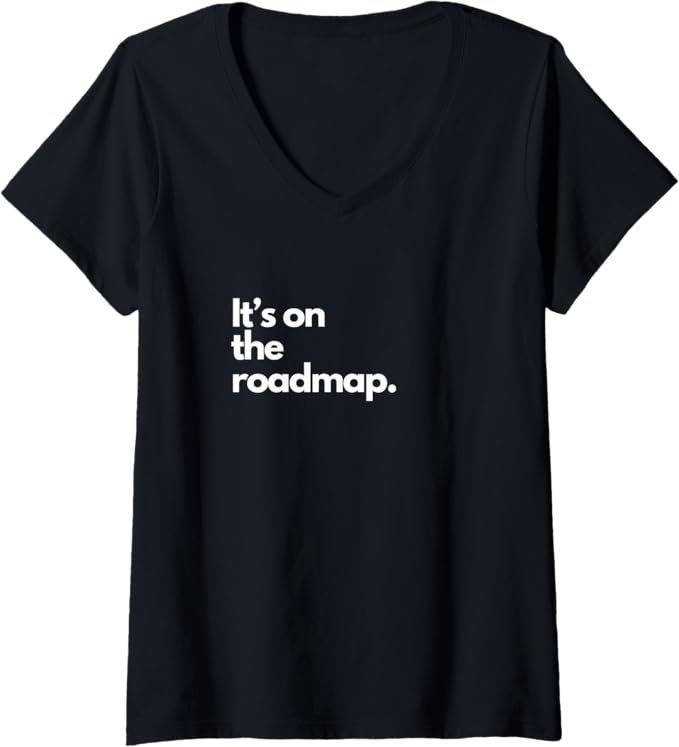
When CHROs ask their HR enterprise vendor for real-time payroll visibility across the world, they get one of three answers: "That's on our roadmap" "We have great consulting partners we can recommend" "Just use our payroll API" Translation: Roadmap = no connectivity exists Consulting partners = good luck with that Payroll API = a solution almost nobody can actually use What they won't say: We don't have the infrastructure. Of course, you could always build your own. But why? Learn more about datascalehr: https://taap.it/IJReZA #PayrollTech #GlobalPayroll datascalehr
- LINKEDIN · IMAGESince 28 Nov 2025
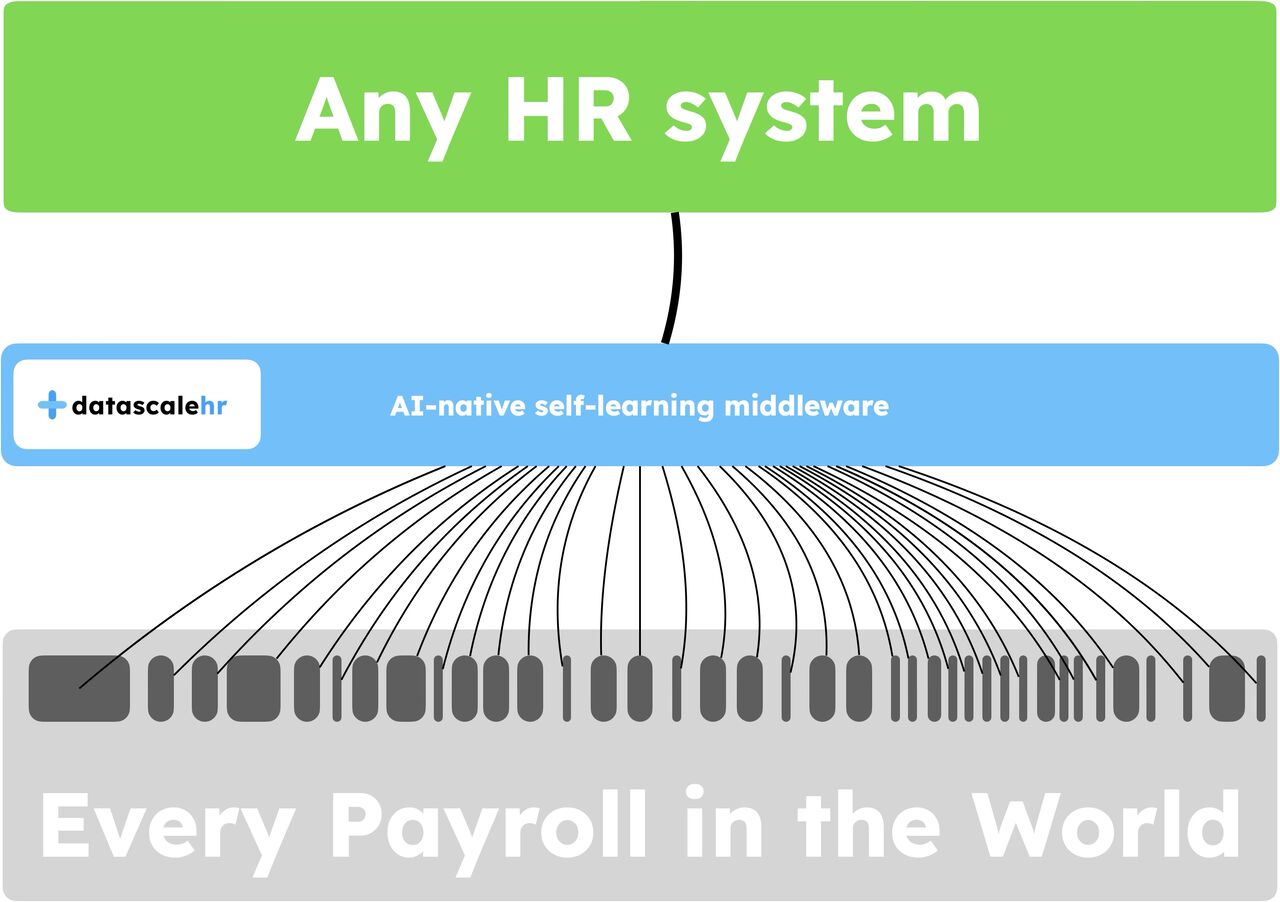
Fortune 500 companies are spending millions on "global payroll solutions" that require armies of consultants to setup and maintain. Despite some outlandish claims, global payroll is an inherently unstable proposition. Every expansion, every merger, every payroll period, every HR decision brings something new. If you’re a typical multinational enterprise, you have: - 20+ vendors across 50+ countries - Monthly fire drills for regulatory updates - Implementation timelines measured in quarters, not days - Consultant fees that rival your annual payroll technology budget - No reliable headcount report. No automated consolidated financial data - Your state-of-the-art, shiny-and-new HCM software doesn’t talk to your local payroll engines. - Your “API project” died years ago. (Because APIs only work with static environments and modern infrastructure) Trying to “integrate everything” in a clean, linear way assumes the chaos is temporary. It’s not. - Every acquisition brings new complexity. - Every change to your HR system triggers custom integration work. - Every emerging market expansion creates edge cases you can’t automate. That’s why we took a different path at datascalehr. Instead of trying to make chaos behave, we built middleware that feeds on it, thrives and gets smarter every single day. We eliminate brittle point-to-point integrations. Our AI Knowledge Model dynamically interprets and transforms payroll data across any format, any country, any system - without code changes or months-long implementations. The result for our typical client: 1 country implementation per day versus their previous monthly pace. 90% reduction in consultant dependency. Zero custom development for new market entry. Global payroll operations that actually scale with your growth strategy, not against it. For the curious (and the dubious), DM me and we will simply show it to you. Or directly get a live demo session with our team: https://taap.it/5sgZDL #PayrollTech #GlobalPayroll
- LINKEDIN · IMAGESince 28 Nov 2025
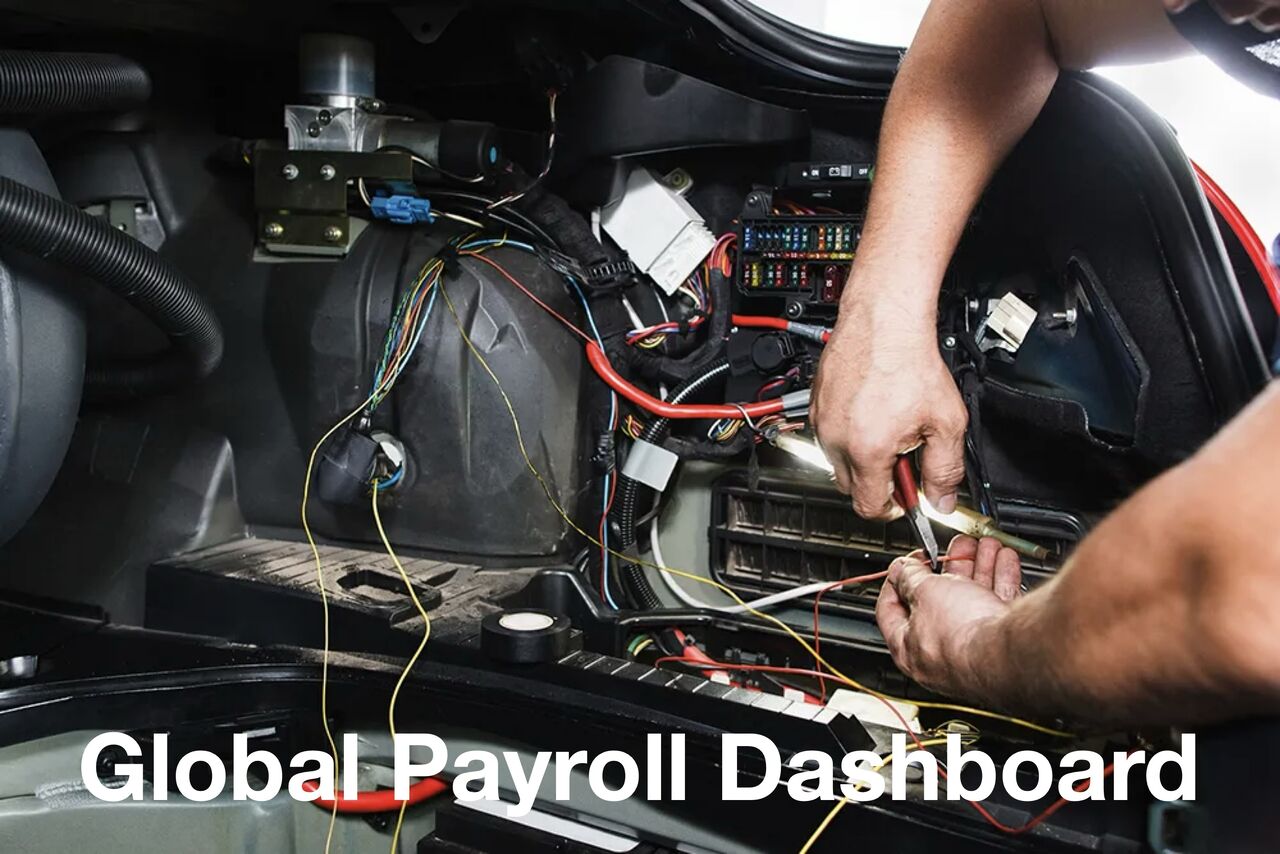
If you lead payroll at a Fortune 1000, your real-time dashboard is likely just a UI over a series of nightly imports. That's because true global payroll doesn't exist (and isn't likely to exist in our lifetime). Most payroll leaders don't even have a control dashboard. If you're one of the lucky few, maybe you built the dashboard yourself, maybe your HR vendor provided it, or maybe you purchased dedicated payroll dashboarding. A global view of payroll has been the holy grail of payroll since MNCs became a thing. But the pesky and persistent challenge in this endeavor is getting accurate and clean data to flow between your central HR system to your local payrolls and back to your dashboard. It's often framed as an implementation detail and barely gets talked about during sales cycles. That's because it's the elephant in the room: it's the one thing that makes or breaks global payroll. And it's also the hardest thing. As a result, the vast majority of these global dashboards only show you what's broken instead of giving you control. (eg "The Hong Kong payroll interface failed last night") Your HR system is not connected to your payrolls in real time. The local payrolls feeding your dashboard aren't connected in real time. Many payrolls aren't even connected at all (Hello Excel my old friend!). They're stitched together through batch jobs and brittle integrations - brittle because they're hard-coded point-to-point connections that require both sender and receiver to adapt to each other. They break the moment either system changes because they're built on the false assumption that both sides share the same understanding of what "Tax ID" or "base salary" or "department code" actually means. And yet, decisions are made anyway: Approvals are issued Bonuses processed Strategy adjusted. This is how billion-dollar companies end up making critical payroll calls on data that's already stale or missing altogether. The UI isn't the problem. It's the foundation under it. Until real-time connectivity infrastructure that actually understands and learns data context is in place, no dashboard, no matter how elegant or consolidated, can deliver actual visibility. At datascalehr, this wasn't an after-thought; it's the reason we built the company. Global Payroll Infrastructure is all we do, and we do it better than anyone else. See by yourself: https://taap.it/lL9pfc #HRTech #Payroll
6 of 27 adsSign up to see every datascalehr ad, filter by format and date, and get alerts on new ones.
See all 27 adsWatch the companies you care about.
Filter every ad by industry, country, format and network, and get alerts when a company you watch starts running new ads.