Not on air · 3 of 3 networks checked
Copenhagen Institute for Futures Studies
- cifs.dk
- Think Tanks
- DK
- 98 employees
Copenhagen Institute for Futures Studies’s ads on LinkedIn, Meta and Google, recorded by adsrunning. Browse the latest here for free. Sign up free to see all 21. Watch Copenhagen Institute for Futures Studies on any plan to get each new one in your feed.
Watchlist included in every plan
| Network | Status | Live ads | Nov 2025LinkedIn activity · 52 weeksNov 2026 | Checked | Next step |
|---|---|---|---|---|---|
| None recorded | 0 | Checked 2 Nov 2026 | See all 21 ads → | ||
| Meta | None recorded | 0 | No active ads recorded on the Meta Ad Library | Checked 19 Oct 2026 | Collect them with the API → |
| Recently | 31 | Ads on the Google Ads Transparency Center | Checked 26 Oct 2026 | Collect them with the API → |
Copenhagen Institute for Futures Studies has no live LinkedIn ads. Its Facebook page had no active ads on 19 Oct 2026, and we recorded 31 Google ads on 26 Oct 2026.
Latest ads
- LINKEDIN · IMAGESince 28 Sept 2026
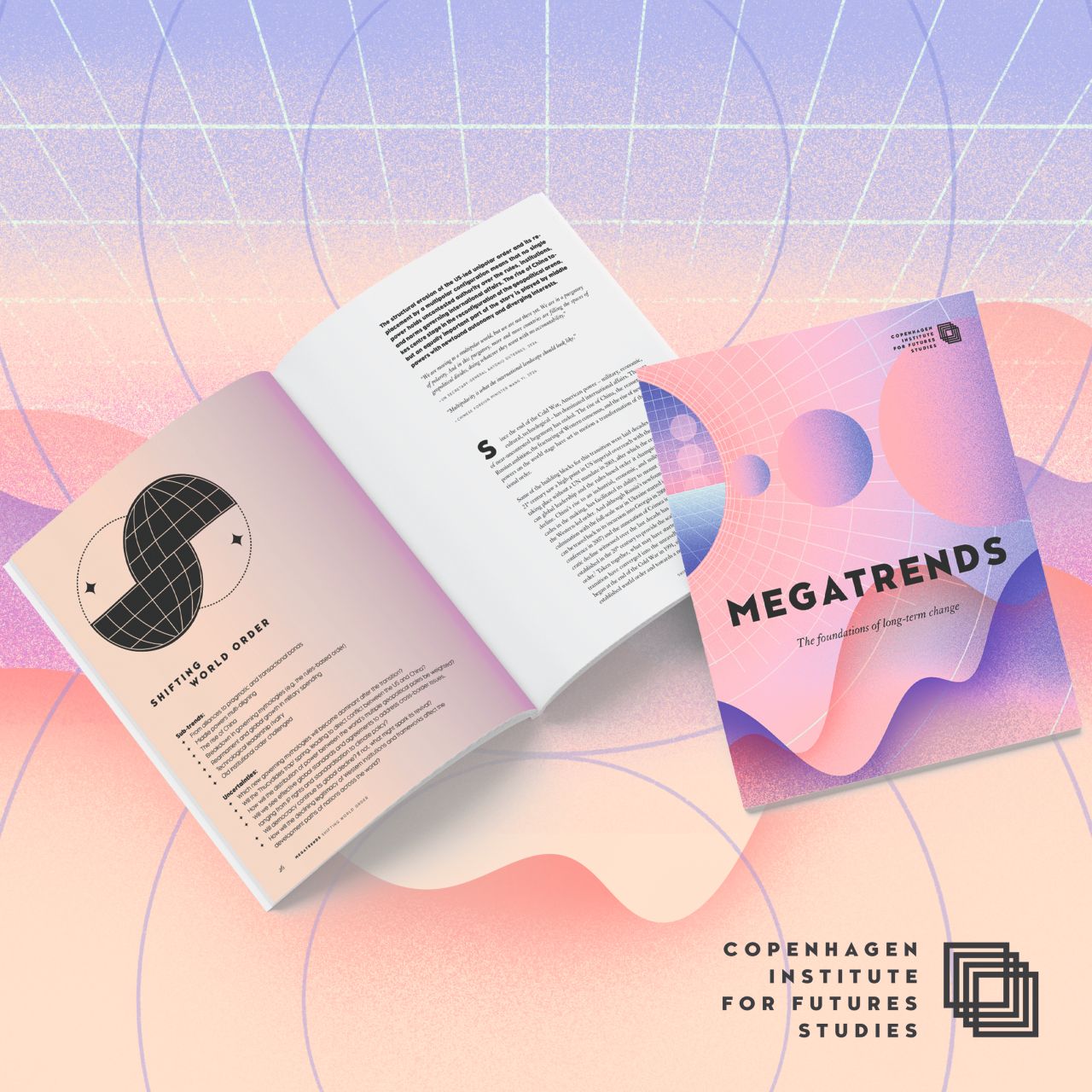
Recognising a trend is one thing. Understanding its implications is another. 📌 Which assumptions deserve a closer look in your next strategy discussion? Our new Megatrends report goes beyond a list of trends to explore how they can be understood and applied in foresight. A starting point for asking better questions - not a shortcut to predicting the future. Download your copy and take the conversation further 👇
- LINKEDIN · IMAGESince 28 Sept 2026
Today’s headlines demand attention. But which changes deserve a place in your long-term thinking? 💡 Not everything that is trending is a megatrend. Our new report explores the difference - and why it matters when working with the future. Look beyond the immediate noise to understand the deeper forces at work. 👇 Download Megatrends: The foundations of long-term change
- LINKEDIN · IMAGESince 27 Sept 2026
What forces are shaping the world your organisation will operate in? 🔎 Our new Megatrends report explores 11 long-term forces of change. Step back from immediate pressures and consider what these developments could mean for your organisation. 👇 Download the report and bring a longer-term perspective to your next strategic discussion.
- LINKEDIN · IMAGESince 29 Jan 2026
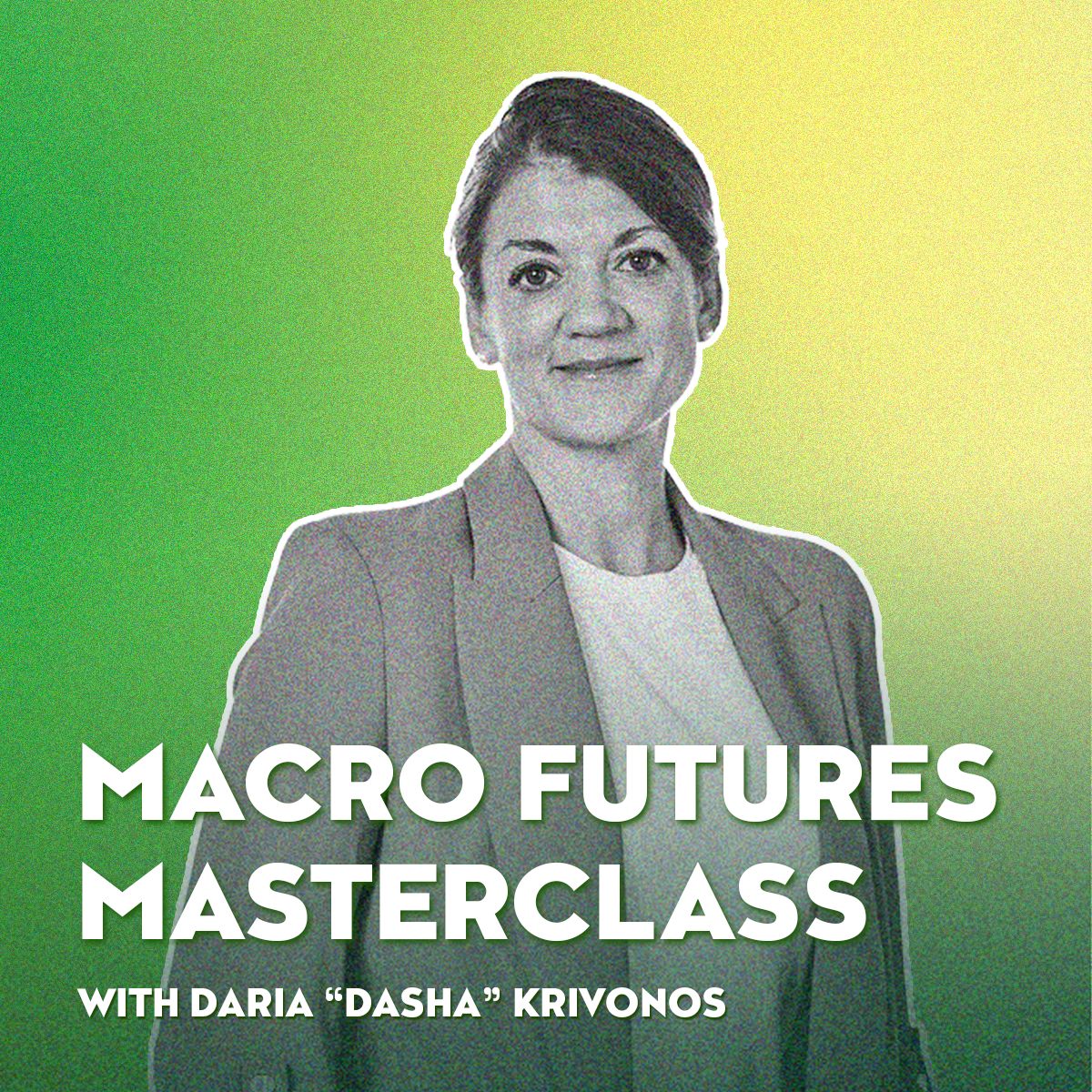
The global democracy index is at an all time low, Polymakrets put a US recession by end 2026 at 22%, the global perception that our leaders lie to us is at an all time high (Edelman Trust Barometer) and yet somewhere is this whirlwind, we have to plan, safeguard and grow our businesses. Risk is not always a very sexy discipline, but it is a necessary one. It’s like defence in a football game, hardly ever the headline, but by all accounts, at least as important as the offense. Without it, any wins or successes get drowned out by the losses, often unnecessary or avoidable ones. Combining foresight and risk allows us to show up to the game prepared and shorten our response times, especially in circumstances with high volatility and uncertainty…say like 2026 and the years ahead. Change identified early can be flipped to an opportunity. If left unchecked, it may well amount to risks and threats that could have been mitigated, if only they were spotted in time. Looking at emerging risks does not require a crystal ball, but it takes deploying foresight as a discipline and the willingness to engage in explorative conversations about plausible future developments. On March 13th, I will be doing exactly that, maybe you’ll want to join the conversation. At the Macro Futures Masterclass I will focus on exploring and connecting the dots between global megatrends, shifting macro realities, and foresight as a strategic risk discipline. https://lnkd.in/eBTqkNav
- LINKEDIN · IMAGESince 30 Sept 2025
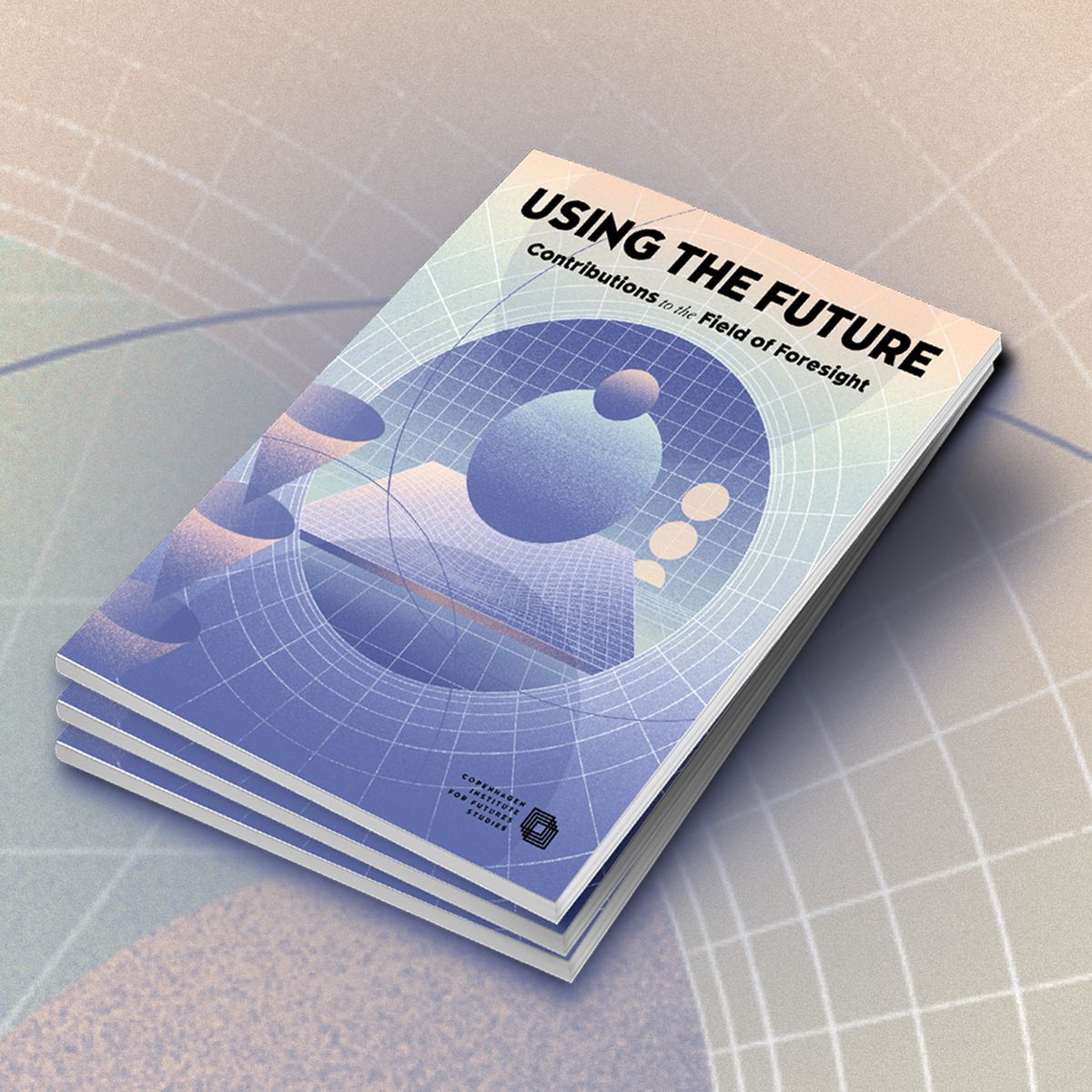
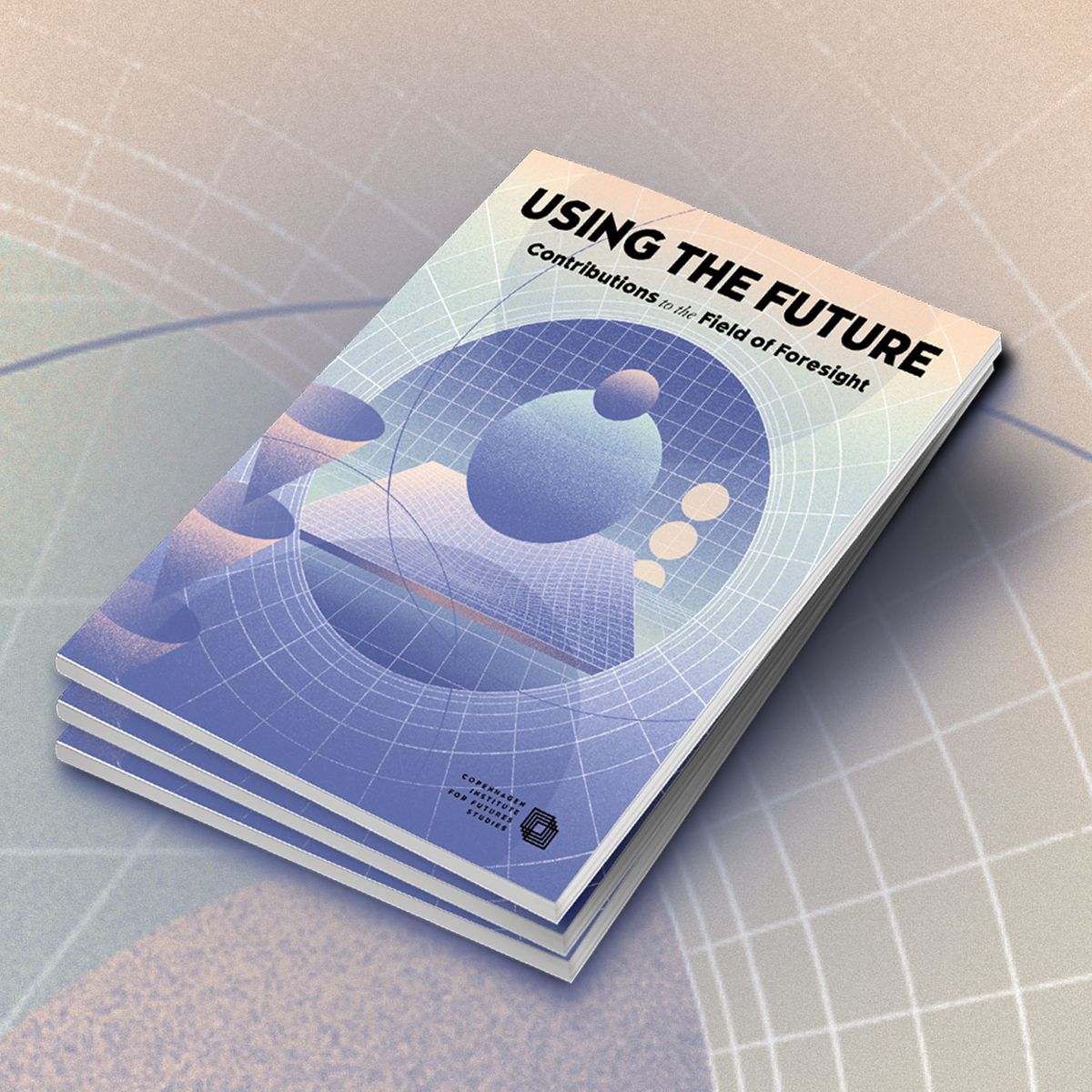
New report 👋 Using the Future: Contributions to the Field of Foresight. Since our founding in 1969, we have been an active participant in the futures and foresight field. Over the decades, the field has evolved significantly. Foresight has seen a methodological expansion, an institutionalisation of its practices, as well as broader integration and participation across different decision-making arenas. And yet, the foresight field, like the future it seeks to explore, is not shielded from the forces of change. Download the full report here 👉 https://lnkd.in/gikhU4Cs You will find contributions on anticipatory leadership as a way to align leadershipstyles with emerging future conditions, on building societal resilience through participatory foresight, on navigating the business realities of corporate foresight, and on embedding foresight into governance and political decision-making processes. We also open up new conversations about what foresight could become in an AI-mediated world, and about how time itself shapes organisational life. Reach out to project lead Simon Fuglsang Østergaard if you want to embed foresight and futures thinking in your organisation. A giant thank you to all contributors! Lasse Jonasson, Martin Kruse, Sofie Hvitved, Bugge Holm Hansen, Thor Svanholm Gustavfson, August Leo Liljenberg, Joanna Lepore, Matías Barberis Rami, Philine Warnke
- LINKEDIN · IMAGESince 30 Sept 2025
I’m very excited to finally be able to share our '𝘜𝘴𝘪𝘯𝘨 𝘵𝘩𝘦 𝘍𝘶𝘵𝘶𝘳𝘦 – 𝘊𝘰𝘯𝘵𝘳𝘪𝘣𝘶𝘵𝘪𝘰𝘯𝘴 𝘵𝘰 𝘵𝘩𝘦 𝘍𝘪𝘦𝘭𝘥 𝘰𝘧 𝘍𝘰𝘳𝘦𝘴𝘪𝘨𝘩𝘵' publication that I’ve had the privilege of project leading. This is something that we have been working on (Copenhagen Institute for Futures Studies) over the past months. It represents our effort to bridge practical foresight experience with new ideas, methods, and perspectives. Our ambition with this publication is to contribute to the foresight field by showcasing original CIFS thinking and sharing lessons drawn from our experience in the field, complemented by insights from other leading thinkers and practitioners. Download the full publication here 👉 https://lnkd.in/dHDPVXsU Among other things, you will find contributions on anticipatory leadership as a way to align leadership styles with emerging future conditions (Lasse Jonasson), on navigating the business realities of corporate foresight (Joanna Lepore), and on embedding foresight into governance and political decision-making processes (Thor Svanholm Gustavfson). We also open up new conversations about what foresight could become in an AI-mediated world (Sofie Hvitved & Bugge Holm Hansen), and about how time itself shapes organisational life (Majken Schultz & Tor Hernes). Additionally, we introduce a novel foresight method – the Seven Provocations Method – that establishes provocation as a standalone practice, particularly suited for contexts where other traditional foresight methods may prove too abstract or demanding. Also shout out to Casper Skovgaard Petersen for great editing, as always. We very much hope you’ll find value and inspiration in these pages, and we would love to hear your thoughts when you’ve had the chance to dive in.
6 of 21 adsSign up to see every Copenhagen Institute for Futures Studies ad, filter by format and date, and get alerts on new ones.
See all 21 adsWatch the companies you care about.
Filter every ad by industry, country, format and network, and get alerts when a company you watch starts running new ads.