0 new LinkedIn ads in 30 days · 2 of 3 networks checked

Concurrence ads
- concurrence.com
- Hospitals and Health Care
- US
- 82 employees
Concurrence’s ads on LinkedIn, Meta and Google, recorded by adsrunning. Browse the latest here for free. Sign up free to browse our full recording. Watch Concurrence on any plan to get each new one in your feed.
Watchlist included in every plan
What Concurrence runs
- Single image · LinkedIn
- 4
- Carousel · LinkedIn
- 2
- Google ads on 16 Oct 2026
- 10
| Network | Status | Last 30 days | Total ads found | Ad activity | Checked | Next step |
|---|---|---|---|---|---|---|
| None recorded | 0 | 62+ | 11/08/2026 | View ads → | ||
| Meta | Not checked | — | — | View ads → | ||
| Ads recorded | — | — | 10/16/2026 | View ads → |
Concurrence has no new LinkedIn ads in the last 30 days. We recorded 10 Google ads on 16 Oct 2026.
Latest ads
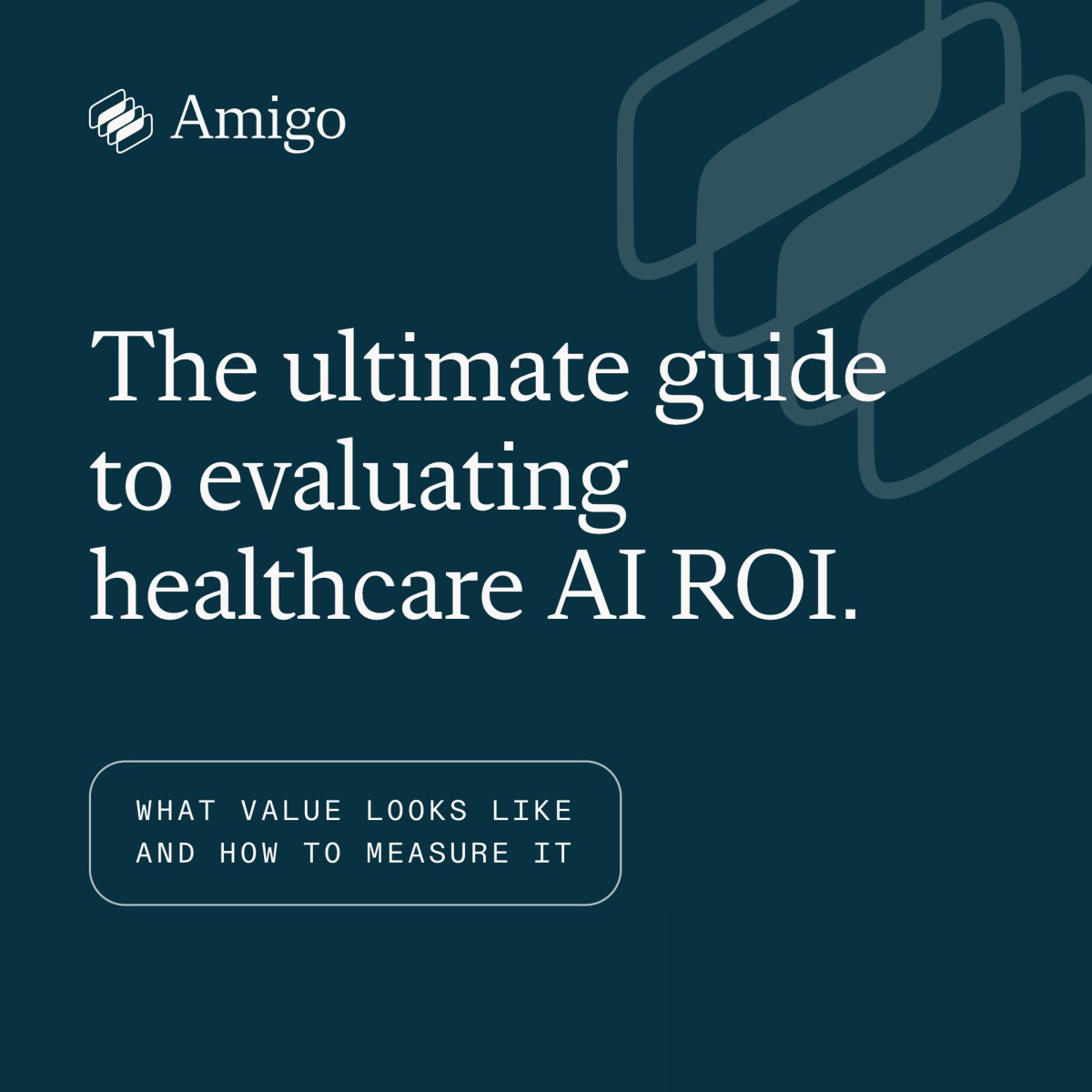
- LINKEDIN · CAROUSELRecorded 3 Oct 2026
There are four ways AI creates value for healthcare organizations, and most business cases miss at least two of them. Download the full guide to understanding AI for your bottom line.
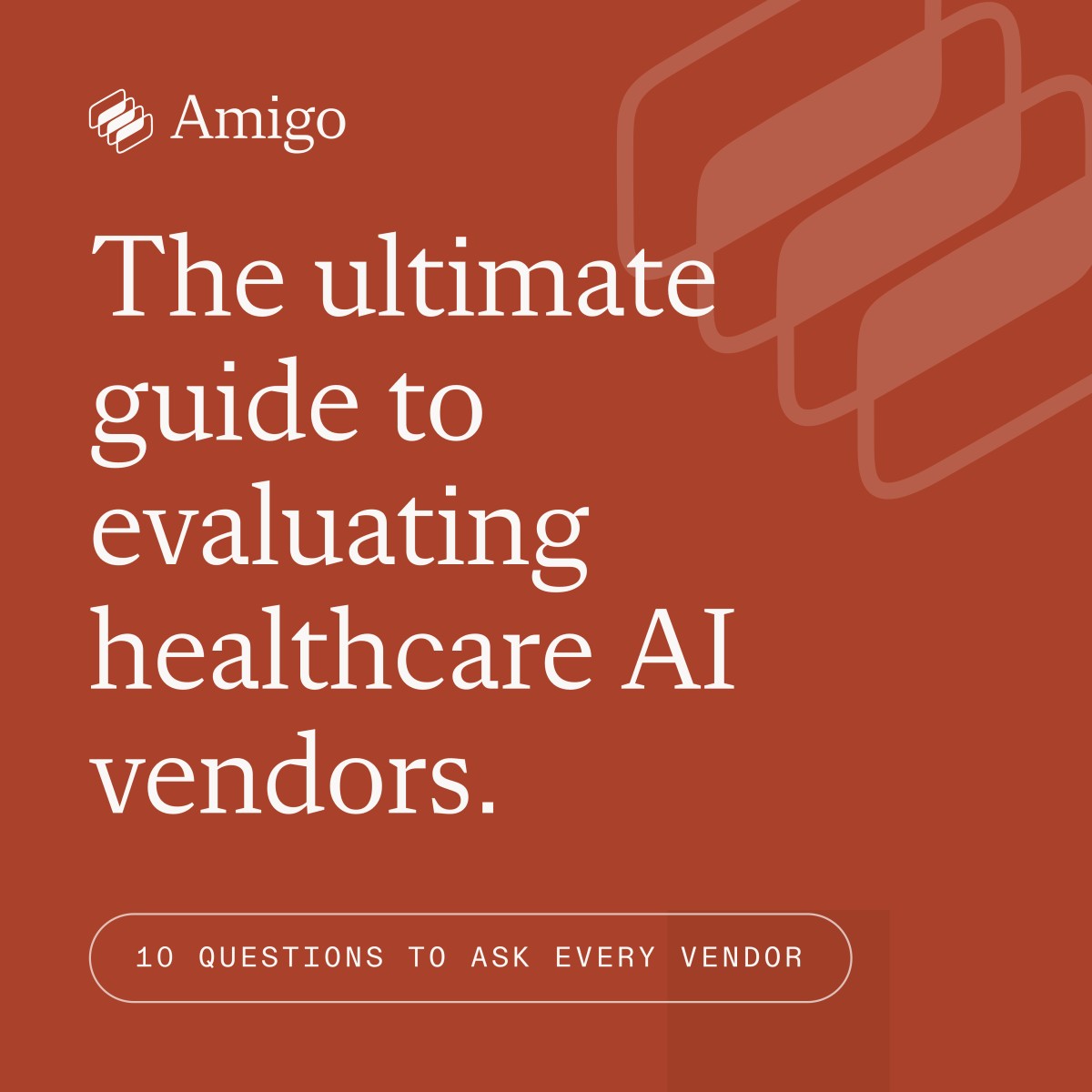
- LINKEDIN · CAROUSELRecorded 3 Oct 2026
Choosing the wrong healthcare AI vendor is a 12-month mistake. Download the full guide to evaluating vendors so you can get it right the first time.
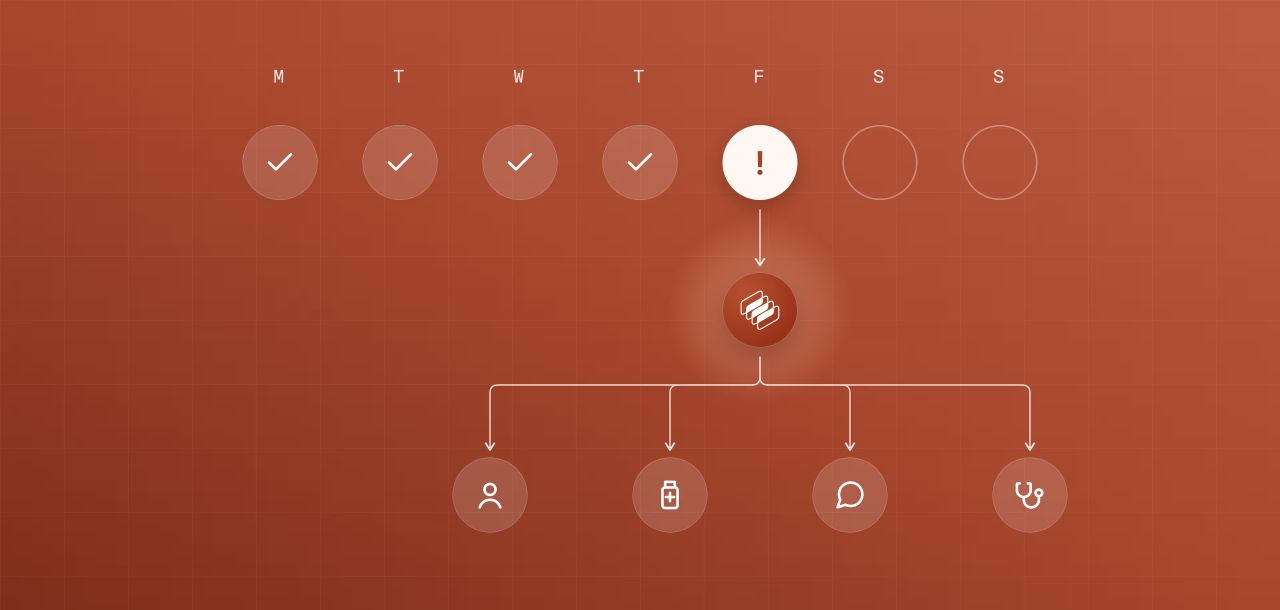
- LINKEDIN · IMAGERecorded 3 Oct 2026
Half of patients with chronic conditions don't take their medications as prescribed. In the US, non-adherence is linked to an estimated 125,000 deaths and $300B in avoidable costs every year. Adherence is treated as a patient behavior problem when it's often an infrastructure problem. If someone stops taking their medication due to a side effect or an unexpected price tag, providers typically don't find out until the next appointment. That can be 3 months away, sometimes longer. Follow-up is usually prioritized for high-risk patients because most care teams lack capacity to cover their whole panel. We created our Medication Management solution at Amigo to expand coverage to every patient. (1) Proactive outreach starts as soon as a prescription is written, with regular check-ins on adherence and side effects. (2) Refills are made easy with direct pharmacy coordination. (3) Whenever a situation requires clinical judgment, a provider is looped in with full context. Read more about how it works: https://lnkd.in/ggyrMqiJ
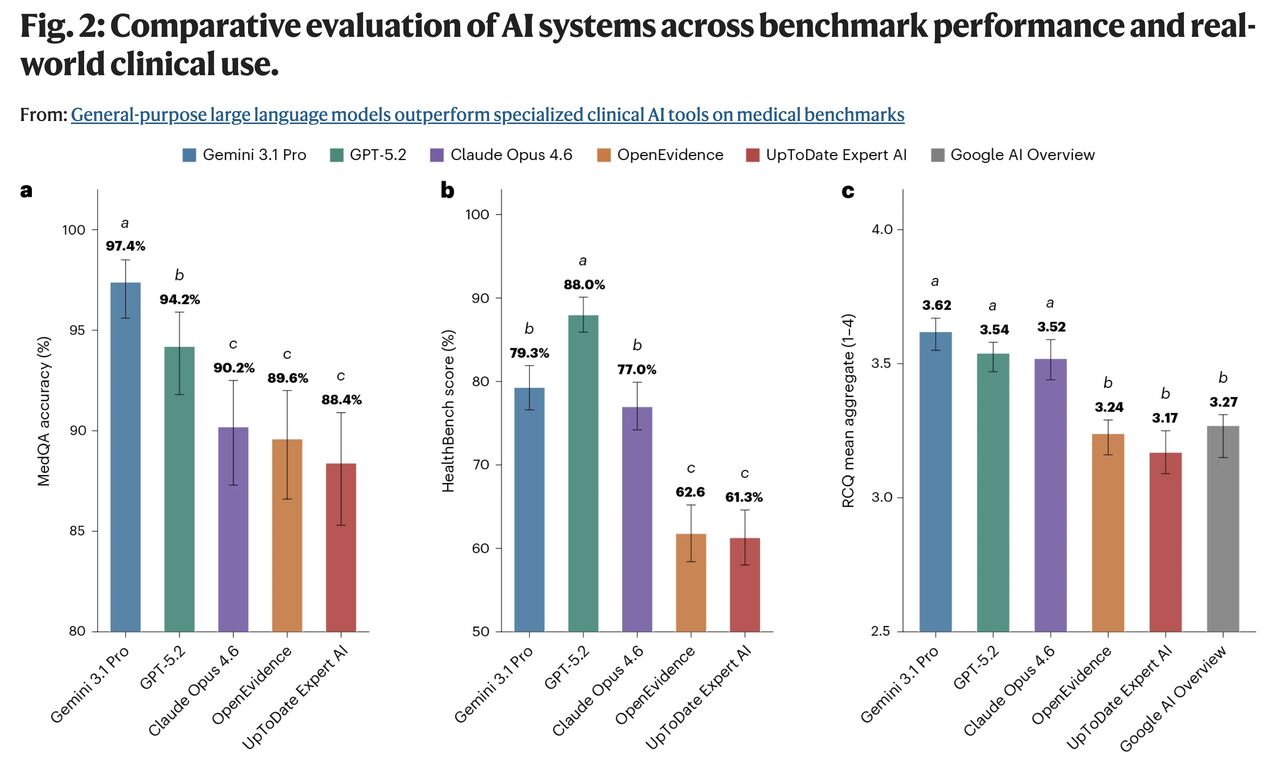
- LINKEDIN · IMAGERecorded 3 Oct 2026
If you're paying a premium for clinical AI because the vendor trained their own "healthcare-specific" model, I have bad news. A new study in Nature Medicine found that general-purpose frontier LLMs outperformed models purpose-built for healthcare across a variety of medical benchmarks. Two specialized clinical AI models underperformed against three frontier models (Gemini 3.1 Pro, GPT-5.2, Claude Opus 4.6) on board-style exam questions, clinician-alignment items, and real questions that physicians asked AI during patient cases. This raises the question of where the durable advantage of clinical AI actually lives. If a specialized healthcare model can't reliably beat a general LLM, then the specialized model is not the moat. The hard problem in healthcare isn't knowledge. Today's frontier models hold more medical knowledge than any individual clinician, but knowing the right answer and reliably doing the right thing in a live clinical interaction are two different problems. We don't train our own models at Amigo. The frontier labs are already investing billions of dollars into building the world's best models with massive datasets and dedicated experts. Our value is in orchestrating those models to perform reliably for healthcare. Unifying messy data into a single foundation, integrating workflows, providing guardrails to keep patients safe, ensuring visibility into the reasoning behind every action taken, and verifying all outputs against ground truth. Clinical excellence is a result of consistency under pressure, and the gap to close is between what AI can do in a single moment vs. what it does reliably across thousands of moments.
- LINKEDIN · IMAGERecorded 3 Oct 2026
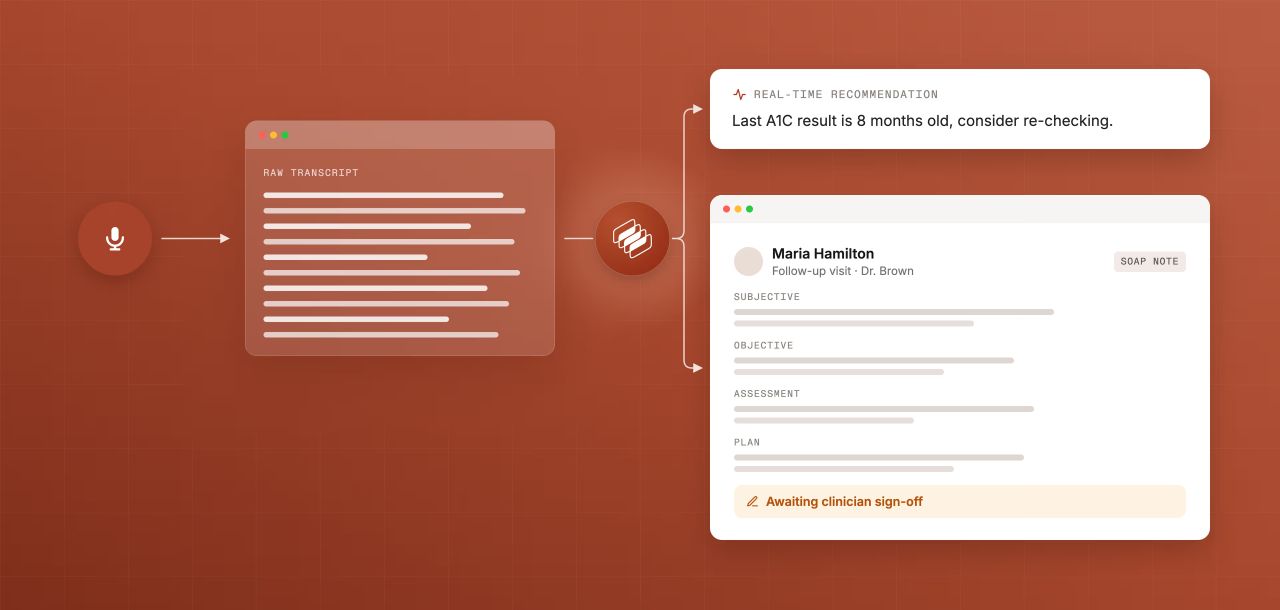
AI scribes are the most crowded corner of healthcare AI, and we built one anyway. The space is crowded because the pain is obvious. For every hour a physician spends with patients, they spend close to two more on documentation. So the market filled up with transcription tools. They listen in on visits and run the audio through a language model to create a note. That solves the typing, but it leaves two problems on the table: (1) It only knows what was said in the room. (2) The clinician is still on their own for all of the problem solving. We built a scribe that draws on the full patient record and works as a copilot during the encounter to surface relevant context and recommendations in real time. Any tool can turn speech into text now. What mattered to us was building something that understands the patient well enough to make a difference in the room. Read more about Amigo's Clinical Scribe & Copilot: https://lnkd.in/gWwtAhgK
- LINKEDIN · IMAGERecorded 3 Oct 2026
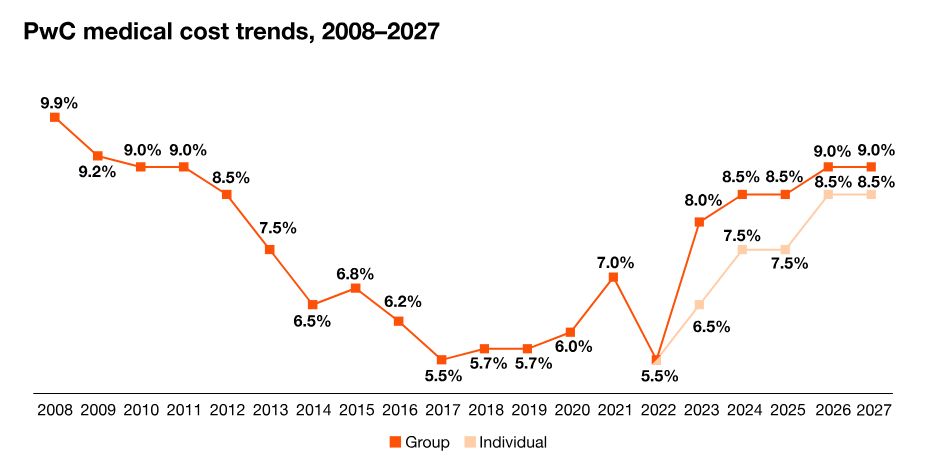
A new report from PwC projects that medical costs will grow by 9% in 2027, with AI tools being a major driver. Brutal, but here's the real story. There are two very different categories of AI being implemented in healthcare, and they pull the total cost of care in opposite directions. (1) Revenue cycle management (RCM) technology, which helps providers bill more for a visit that already happened. This is the type of AI flagged in the report, and it helps providers document and code the visit at higher severity so payers reimburse more per claim. 70% of health plans rank it among their top inflators. (2) Clinical AI that expands access, improves patient outcomes, and allows more care to be delivered by the same team. Clinical AI can handle high-volume workflows like intake, triage, follow-up, and patient questions 24/7 at near-zero marginal cost per interaction. As a result, providers can grow their panel without a proportional rise in cost. This is the kind of technology the same report tells health plans and employers to reward, and it's what we build at Amigo. In healthcare, the binding constraint is capacity. Clinician time is the scarcest and most expensive input in the system, and most providers can't hire their way to better access due to workforce shortages and rising labor costs. The ultimate goal of AI in healthcare should be to allocate care more efficiently instead of moving money around in the system. The technology worth investing in right now is the kind that makes care sustainable to deliver.
6 of 62+ adsSign up to see every Concurrence ad, filter by format and date, and get alerts on new ones.
See all 62+ adsQuestions about Concurrence’s ads
Does Concurrence have new LinkedIn ads?
We found no new LinkedIn ads for Concurrence in the 30 days to 11 Nov 2026.
How many LinkedIn ads has Concurrence run?
LinkedIn’s ad library lists 62 ads for Concurrence. We recorded 62 LinkedIn ads for Concurrence, first recorded on 3 Oct 2026 and last recorded on 3 Oct 2026.
Does Concurrence run Google ads?
Yes. We recorded 10 Google ads for the domain concurrence.com on 16 Oct 2026.
Which ad formats does Concurrence use?
The 6 LinkedIn ads on this page include 4 image ads and 2 carousel ads.
Watch the companies you care about.
Filter every ad by industry, country, format and network, and get alerts when a company you watch starts running new ads.