On air · 1 of 3 networks
Brainner
- brainner.ai
- HR & Recruiting
- US
- 6 employees
Brainner’s ads on LinkedIn, Meta and Google, recorded by adsrunning. Browse the latest here for free. Sign up free to see all 134. Watch Brainner with Starter to get each new one in your feed.
Watchlist with Starter · $49/mo
| Network | Status | Live ads | Nov 2025LinkedIn activity · 52 weeksOct 2026 | Checked | Next step |
|---|---|---|---|---|---|
| Running | 3 | Checked 30 Oct 2026 | See all 134 ads → | ||
| Meta | Not checked | — | |||
| Recently | 3 | Ads on the Google Ads Transparency Center | Checked 14 Oct 2026 | Collect them with the API → |
Brainner has 3 live LinkedIn ads. We recorded 3 Google ads on 14 Oct 2026.
Latest ads
- LINKEDIN · VIDEOSince 23 Oct 2026
Is your ATS on our list? 👀 We added 15+ new ATS integrations to Brainner in less than two weeks. An integration that used to take us around 1 week to build now takes about 1 day, and most of that time is testing. Crazy times! For us, this means something important: Not having an integration with your ATS is no longer a blocker. So, if you’re interested in saving time with the most powerful AI resume screening tool in the market, or protecting your hiring pipeline with our candidate fraud detection product, send me a DM. ;)
- LINKEDIN · IMAGESince 23 Oct 2026
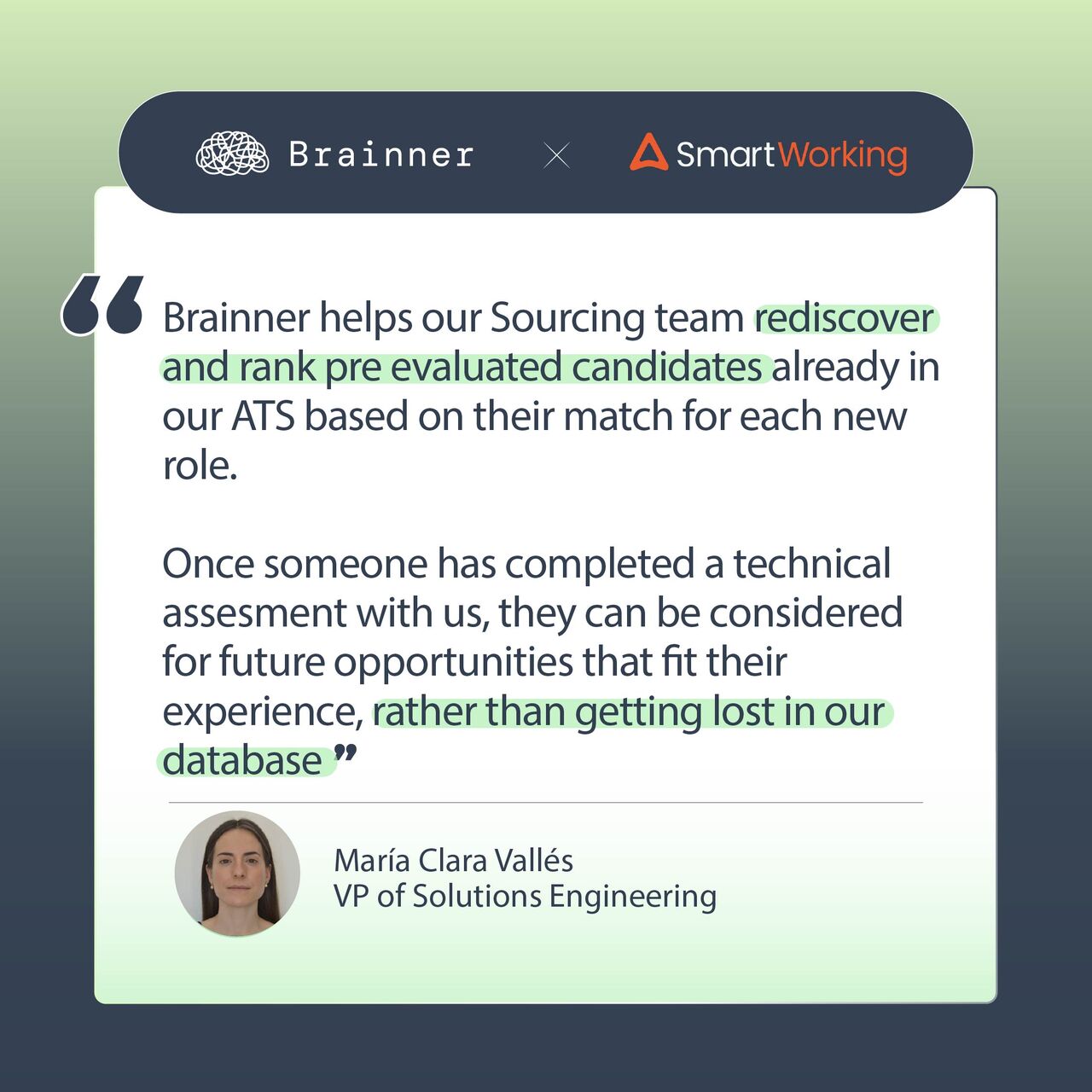
𝗬𝗼𝘂𝗿 𝗯𝗲𝘀𝘁 𝗰𝗮𝗻𝗱𝗶𝗱𝗮𝘁𝗲 𝗳𝗼𝗿 𝗮 𝗻𝗲𝘄 𝗿𝗼𝗹𝗲 𝗺𝗶𝗴𝗵𝘁 𝗮𝗹𝗿𝗲𝗮𝗱𝘆 𝗯𝗲 𝘀𝗶𝘁𝘁𝗶𝗻𝗴 𝗶𝗻 𝘆𝗼𝘂𝗿 𝗔𝗧𝗦. Staffing agencies invest thousands of hours sourcing, screening, interviewing, and technically assessing candidates. But when a new client role opens, sourcing teams often start the search almost from zero. That’s something we’re trying to change with Candidate Rediscovery at Brainner. We started working with Smart Working to help them screen new applicants at scale. Now, we’re helping their Sourcing team renavigate their existing candidate database with AI, ranking previously evaluated candidates based on their match for each new role. As Maria Clara Vallés, VP of Solutions Engineering at Smart Working, explains: “𝘖𝘯𝘤𝘦 𝘴𝘰𝘮𝘦𝘰𝘯𝘦 𝘩𝘢𝘴 𝘤𝘰𝘮𝘱𝘭𝘦𝘵𝘦𝘥 𝘢 𝘵𝘦𝘤𝘩𝘯𝘪𝘤𝘢𝘭 𝘢𝘴𝘴𝘦𝘴𝘴𝘮𝘦𝘯𝘵 𝘸𝘪𝘵𝘩 𝘶𝘴, 𝘵𝘩𝘦𝘺 𝘤𝘢𝘯 𝘣𝘦 𝘤𝘰𝘯𝘴𝘪𝘥𝘦𝘳𝘦𝘥 𝘧𝘰𝘳 𝘧𝘶𝘵𝘶𝘳𝘦 𝘰𝘱𝘱𝘰𝘳𝘵𝘶𝘯𝘪𝘵𝘪𝘦𝘴 𝘵𝘩𝘢𝘵 𝘧𝘪𝘵 𝘵𝘩𝘦𝘪𝘳 𝘦𝘹𝘱𝘦𝘳𝘪𝘦𝘯𝘤𝘦, 𝘳𝘢𝘵𝘩𝘦𝘳 𝘵𝘩𝘢𝘯 𝘨𝘦𝘵𝘵𝘪𝘯𝘨 𝘭𝘰𝘴𝘵 𝘪𝘯 𝘰𝘶𝘳 𝘥𝘢𝘵𝘢𝘣𝘢𝘴𝘦.” For staffing agencies, this is especially powerful. Every candidate you evaluate should make your database more valuable. And every new search should start by asking: 𝘿𝙤 𝙬𝙚 𝙖𝙡𝙧𝙚𝙖𝙙𝙮 𝙠𝙣𝙤𝙬 𝙨𝙤𝙢𝙚𝙤𝙣𝙚 𝙬𝙝𝙤 𝙘𝙤𝙪𝙡𝙙 𝙗𝙚 𝙖 𝙜𝙧𝙚𝙖𝙩 𝙛𝙞𝙩? Less repetitive sourcing. Faster shortlists. More recruiting capacity.
- LINKEDIN · VIDEOSince 21 Oct 2026
𝗜𝗻𝘁𝗿𝗼𝗱𝘂𝗰𝗶𝗻𝗴 𝗼𝘂𝗿 𝗖𝗼𝗺𝗽𝗮𝗻𝘆 𝗘𝗻𝗿𝗶𝗰𝗵𝗺𝗲𝗻𝘁 𝗮𝗴𝗲𝗻𝘁: 𝗮𝘂𝘁𝗼𝗺𝗮𝘁𝗶𝗻𝗴 𝘁𝗵𝗲 𝗿𝗲𝗰𝗿𝘂𝗶𝘁𝗲𝗿'𝘀 𝗿𝗲𝘀𝗲𝗮𝗿𝗰𝗵 𝗼𝗳 𝗲𝗮𝗰𝗵 𝗰𝗮𝗻𝗱𝗶𝗱𝗮𝘁𝗲'𝘀 𝗽𝗮𝘀𝘁 𝗲𝗺𝗽𝗹𝗼𝘆𝗲𝗿𝘀. 🏢 Brainner now automatically pulls detailed context on every past employer on a candidate's CV, and uses it in the analysis: 𝗶𝗻𝗱𝘂𝘀𝘁𝗿𝘆, 𝗰𝗼𝗺𝗽𝗮𝗻𝘆 𝘀𝗶𝘇𝗲, 𝗳𝘂𝗻𝗱𝗶𝗻𝗴 𝗿𝗼𝘂𝗻𝗱𝘀, 𝗛𝗤, 𝘆𝗲𝗮𝗿 𝗳𝗼𝘂𝗻𝗱𝗲𝗱, 𝗯𝘂𝘀𝗶𝗻𝗲𝘀𝘀 𝗱𝗲𝘁𝗮𝗶𝗹𝘀, 𝗮𝗻𝗱 𝗿𝗲𝗹𝗲𝘃𝗮𝗻𝘁 𝗻𝗲𝘄𝘀. 🎯 Define requirements that go beyond the resume itself. "𝗦𝗲𝗿𝗶𝗲𝘀 𝗕 𝗼𝗿 𝗹𝗮𝘁𝗲𝗿 𝘀𝘁𝗮𝗿𝘁𝘂𝗽," "𝟱𝟬𝟬+ 𝗲𝗺𝗽𝗹𝗼𝘆𝗲𝗲𝘀," "𝗵𝗲𝗮𝗹𝘁𝗵𝗰𝗮𝗿𝗲 𝗼𝗿 𝗳𝗶𝗻𝘁𝗲𝗰𝗵 𝗯𝗮𝗰𝗸𝗴𝗿𝗼𝘂𝗻𝗱," "𝗺𝗶𝗱-𝗺𝗮𝗿𝗸𝗲𝘁 𝗼𝗿 𝗲𝗻𝘁𝗲𝗿𝗽𝗿𝗶𝘀𝗲 𝗦𝗮𝗮𝗦." 🔎 Every conclusion is linked back to the source behind it. 𝗢𝗻𝗲 𝗰𝗹𝗶𝗰𝗸 𝘁𝗮𝗸𝗲𝘀 𝘆𝗼𝘂 𝗳𝗿𝗼𝗺 𝘁𝗵𝗲 𝗲𝘃𝗮𝗹𝘂𝗮𝘁𝗶𝗼𝗻 𝘁𝗼 𝘁𝗵𝗲 𝗲𝘃𝗶𝗱𝗲𝗻𝗰𝗲, with no manual verification needed. ⚡ The agent only runs when a requirement actually needs it, so 𝗮𝗻𝗮𝗹𝘆𝘀𝗶𝘀 𝘀𝘁𝗮𝘆𝘀 𝗳𝗮𝘀𝘁. Instead of doing manual research on every company on every CV, the context is within the resume. 𝗧𝗵𝗲 𝗿𝗲𝗰𝗿𝘂𝗶𝘁𝗲𝗿 𝘀𝗲𝘁𝘀 𝘁𝗵𝗲 𝗰𝗿𝗶𝘁𝗲𝗿𝗶𝗮 𝗮𝗻𝗱 𝗺𝗮𝗸𝗲𝘀 𝘁𝗵𝗲 𝗰𝗮𝗹𝗹. 𝗕𝗿𝗮𝗶𝗻𝗻𝗲𝗿 𝗱𝗼𝗲𝘀 𝘁𝗵𝗲 𝗿𝗲𝘀𝗲𝗮𝗿𝗰𝗵 𝗶𝗻 𝗯𝗲𝘁𝘄𝗲𝗲𝗻. Available on Business and Enterprise plans. Walkthrough below. 👇
- LINKEDIN · VIDEOSince 21 Oct 2026
🚨 Be careful with these profiles! Maybe you’ve come across one of these almost perfect applications: Great resume. Matches all your requirements. Great experience at great companies. Then you check LinkedIn: → LinkedIn matches the resume → Profile is 5+ years old → Experience at FAANG companies → LinkedIn verified by company, university, or ID So… what’s wrong? Nothing is wrong with the LinkedIn profile. It’s actually real. 𝐓𝐡𝐞 𝐩𝐫𝐨𝐛𝐥𝐞𝐦 𝐢𝐬 𝐭𝐡𝐚𝐭 𝐬𝐨𝐦𝐞𝐨𝐧𝐞 𝐞𝐥𝐬𝐞 𝐢𝐬 𝐮𝐬𝐢𝐧𝐠 𝐭𝐡𝐚𝐭 𝐩𝐞𝐫𝐬𝐨𝐧’𝐬 𝐩𝐫𝐨𝐟𝐢𝐥𝐞 𝐭𝐨 𝐛𝐮𝐢𝐥𝐝 𝐚 𝐫𝐞𝐬𝐮𝐦𝐞 𝐚𝐧𝐝 𝐚𝐩𝐩𝐥𝐲 𝐟𝐨𝐫 𝐣𝐨𝐛𝐬 𝐮𝐧𝐝𝐞𝐫 𝐭𝐡𝐞𝐢𝐫 𝐢𝐝𝐞𝐧𝐭𝐢𝐭𝐲. And because the real LinkedIn profile doesn’t have a picture, the impersonator can potentially make it all the way to the first interview without raising an obvious visual red flag. In the video, you can see that the real owner of this profile has even added a warning saying that he’s not currently applying for jobs. The good news? We’ve developed new controls at Brainner to detect this type of impersonation during the application review stage, and fully integrated with your ATS Before you waste time interviewing the wrong person. ;)
- LINKEDIN · IMAGESince 17 Oct 2026
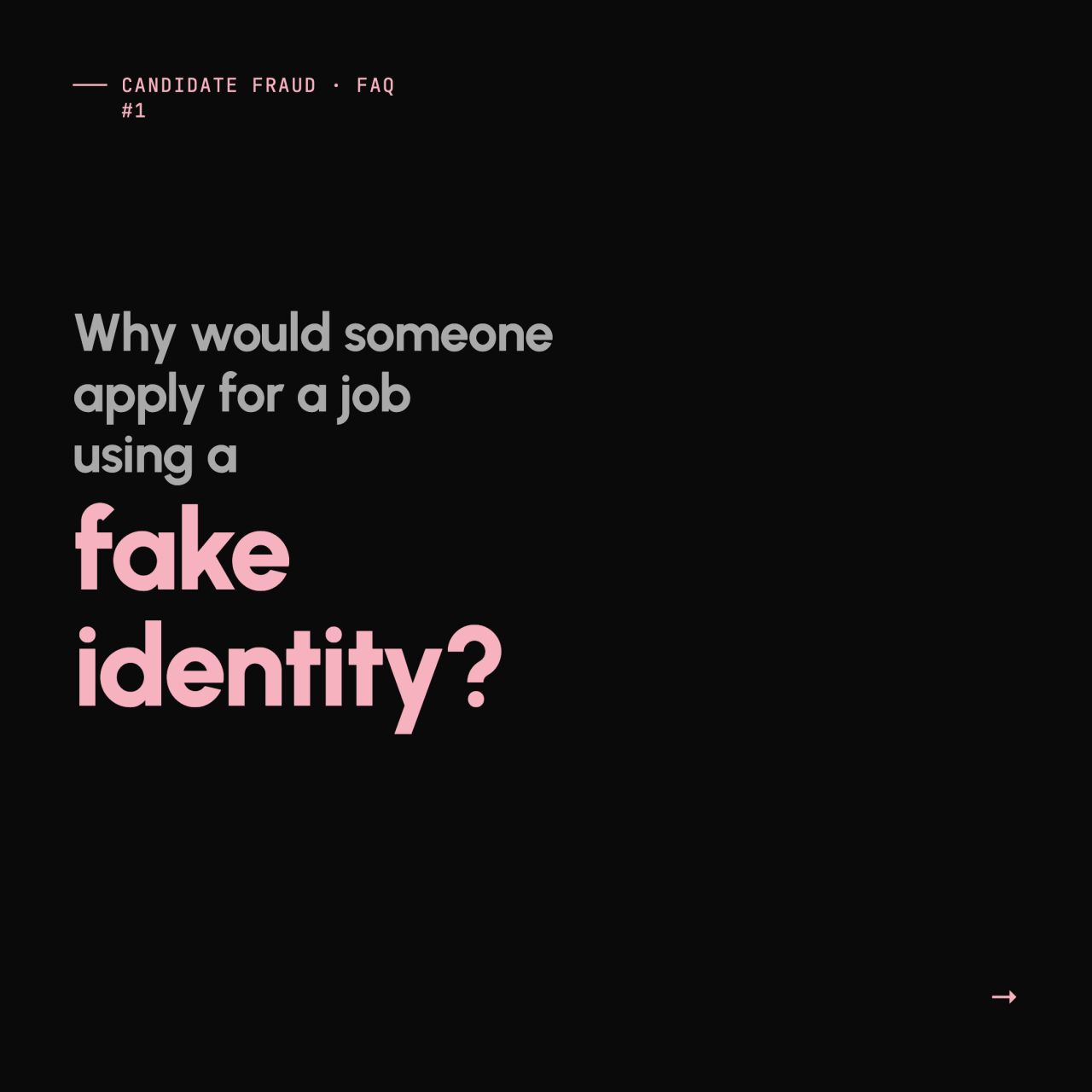
We get this question all the time. And the answer is: it depends on the type of fake applicant. - Some people lie about their experience or qualifications to get a better job. - Some impersonate another person to bypass hiring requirements. But the cases we’re most concerned about at Brainner are much more organized. They’re not just trying to get hired. They’re part of an operation. North Korean IT worker schemes are probably the clearest example. The objective is to place workers inside legitimate companies, generate salaries and other revenue, and ultimately send part of those funds back to North Korea. And behind one “candidate” there can be an entire infrastructure: → Stolen or fabricated identities → People facilitating identity verification → Laptop farms → Proxy interviewers → Remote workers performing the actual job → Infrastructure to receive and move the money That’s why I think calling this simply “candidate fraud” can sometimes underestimate the problem. You’re not necessarily dealing with one person lying on a resume. You may be dealing with an organized operation designed to get inside your company.
- LINKEDIN · IMAGESince 14 Oct 2026
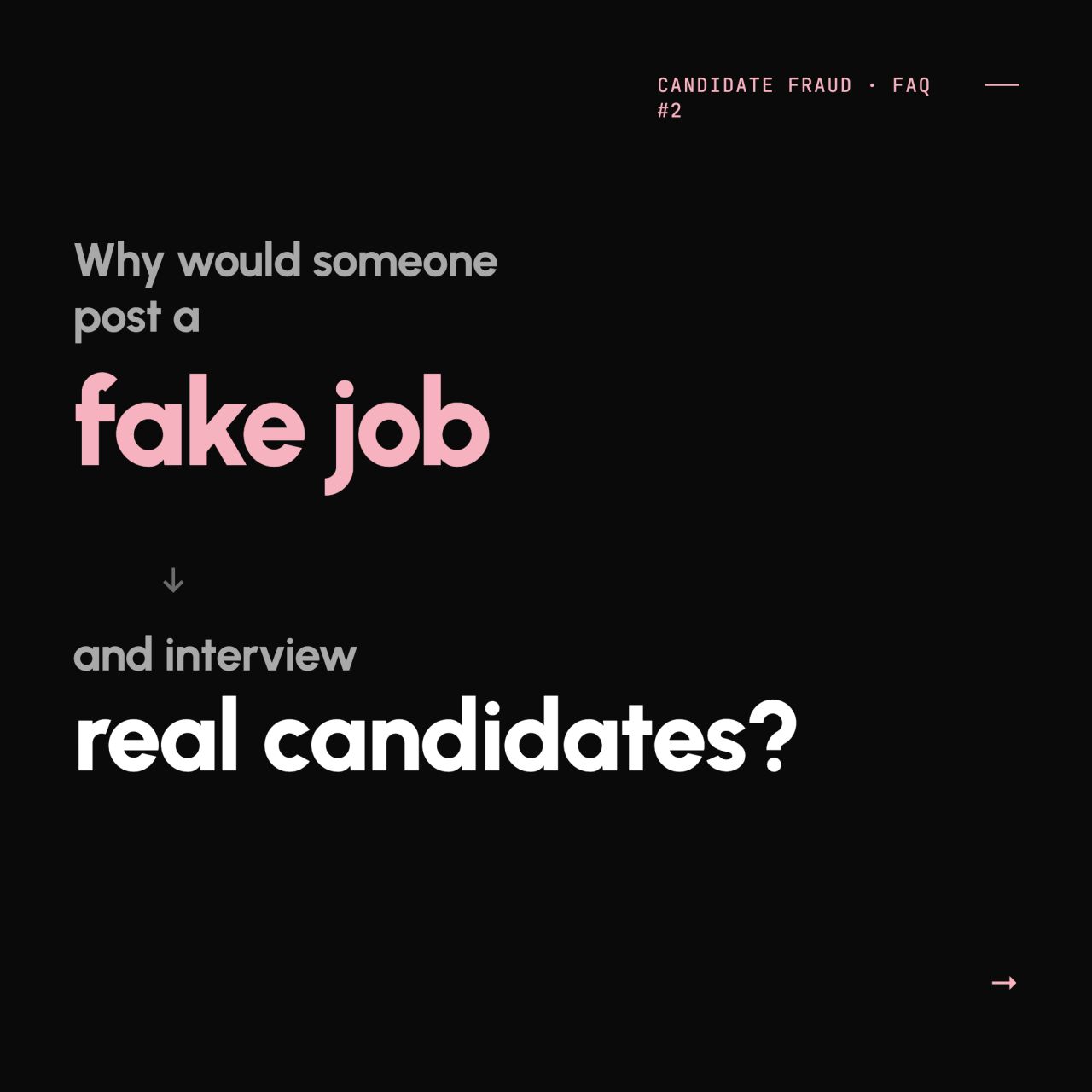
This one sounds backwards. We usually talk about fake candidates trying to fool real recruiters. But sometimes, the recruiter is the fake one. The operation can look surprisingly legitimate: → Fake company or impersonated company → Fake recruiter → Real job posting → Real candidates → Fake interview process So what’s the objective? 1️⃣ One objective is stealing real identities and credentials. A real candidate shares exactly the information an attacker may need: resume, employment history, contact details, identity information and, depending on the process, additional documentation. Those stolen identities can then be used to create more convincing fake candidates applying for real jobs at real companies. 2️⃣ But there’s another attack happening through fake interviews. Candidates can be asked to complete a technical assessment, install software or troubleshoot something as part of the “interview.” Except the assessment is actually the attack. Malware gets installed → the device gets compromised → attackers can steal credentials and potentially gain access to corporate systems. So yes: Fake jobs and fake applicants can be connected. On one side, fake recruiters target real candidates. On the other, fake candidates use stolen identities to target real companies. And recruiting is sitting right in the middle.
6 of 134 adsSign up to see every Brainner ad, filter by format and date, and get alerts on new ones.
See all 134 adsWatch the companies you care about.
Filter every ad by industry, country, format and network, and get alerts when a company you watch starts running new ads.