On air · 1 of 3 networks

ArborXR ads
- arborxr.com
- Software Development
- 44 employees
ArborXR’s ads on LinkedIn, Meta and Google, recorded by adsrunning. Browse the latest here for free. Sign up free to see all 186. Watch ArborXR on any plan to get each new one in your feed.
Watchlist included in every plan
What ArborXR runs
- Single image · LinkedIn
- 6
- Google ads on 3 Nov 2026
- 68
| Network | Status | Live ads | Nov 2025LinkedIn activity · 52 weeksNov 2026 | Checked | Next step |
|---|---|---|---|---|---|
| None recorded | 0 | Checked 3 Nov 2026 | See all 186 ads → | ||
| Meta | None recorded | 0 | No active ads recorded on the Meta Ad Library | Checked 17 Oct 2026 | Collect them with the API → |
| Running | 68 | Ads on the Google Ads Transparency Center | Checked 3 Nov 2026 | Collect them with the API → |
ArborXR has no live LinkedIn ads. Its Facebook page had no active ads on 17 Oct 2026, and we recorded 68 Google ads on 3 Nov 2026.
Latest ads
- LINKEDIN · IMAGERecorded 8 Sept 2026
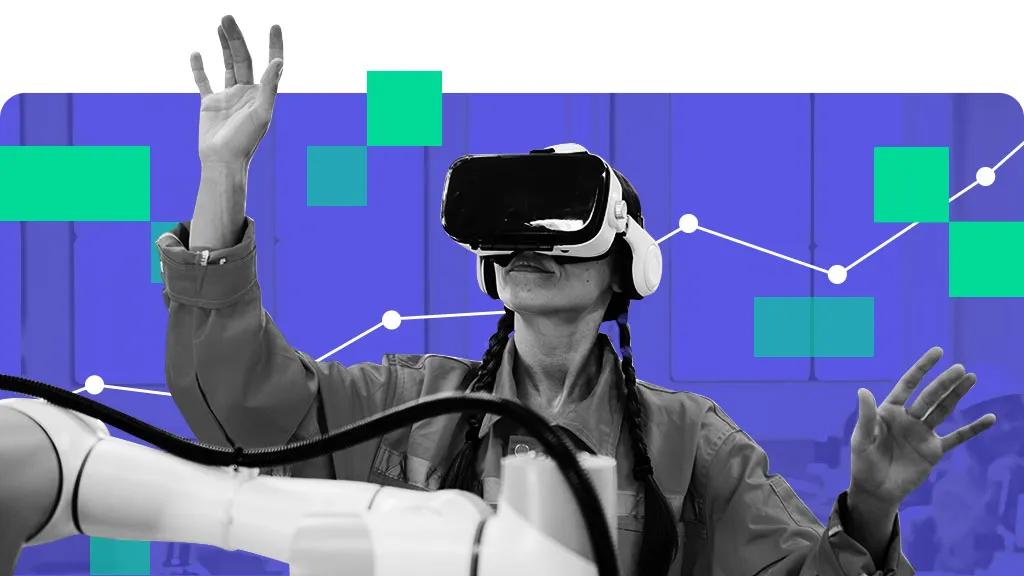
Does VR training really deliver ROI? Short answer: yes. The longer answer? It depends on how you measure and manage it. VR training consistently delivers measurable impact across speed, retention, and cost efficiency. But proving ROI requires looking at the full picture. A basic way to measure ROI in VR training: 1️⃣ Calculate total costs | Add up costs of hardware, content, management, and maintenance. 2️⃣ Quantify benefits | Faster training, reduced travel, improved retention, fewer incidents. 3️⃣ Calculate ROI | ROI = (Benefits - Costs) / Costs x 100. And the results speak for themselves: • Kellanova found reps that complete VR training are 90% more successful at upsells. • Delta Air Lines saved millions with VR deicing training powered by Futurus + ArborXR. • Smooth Soft reduced onboarding time by up to 90% with ArborXR. VR training doesn’t just engage, it performs. And when paired with the right device and content management strategy, ROI moves from theoretical to undeniable. 👉 Dive deeper into the data and ROI framework here: https://lnkd.in/eEnmKPXQ
- LINKEDIN · IMAGERecorded 8 Sept 2026
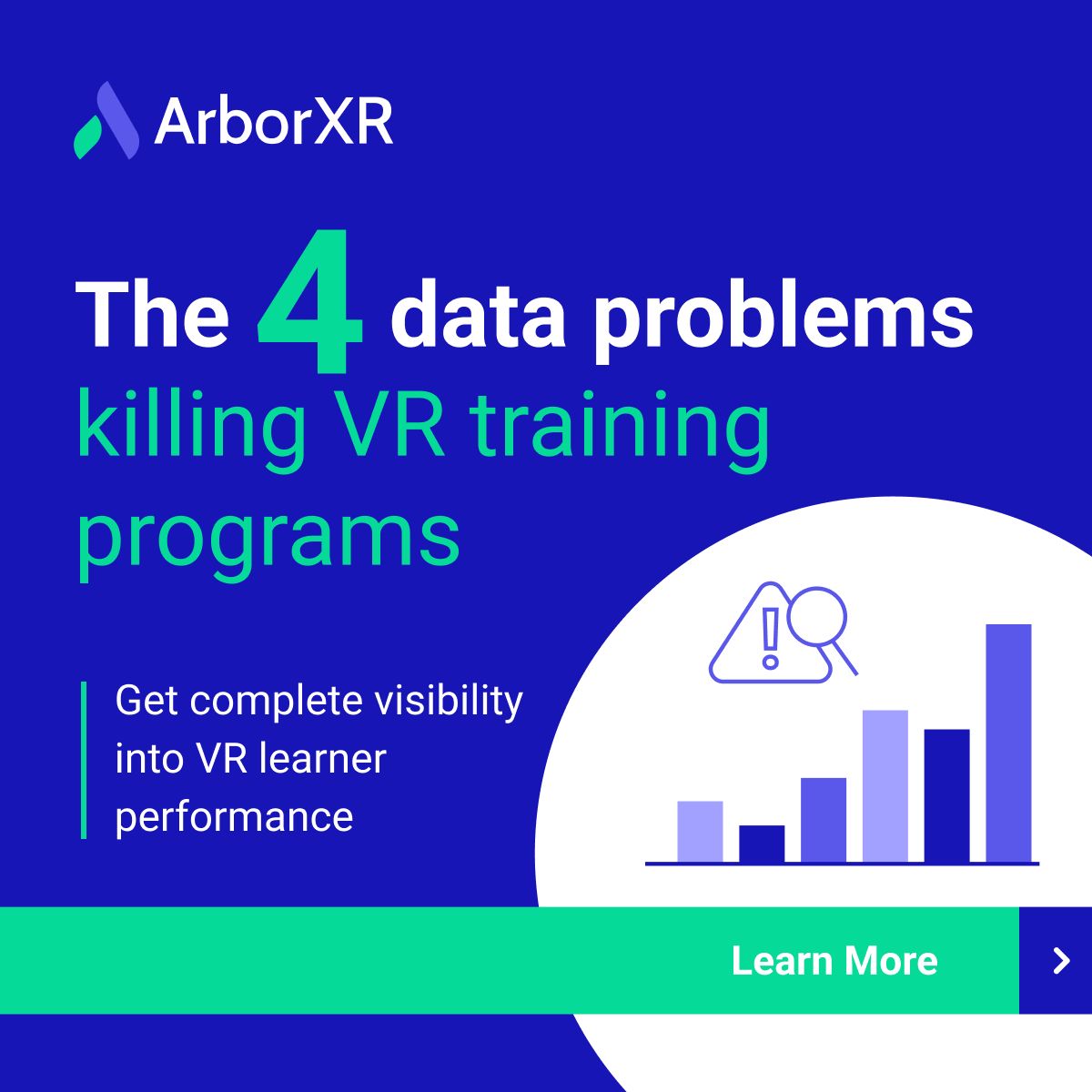
Most XR training programs are stuck in silos. And silos kill scale. Here’s what we see again and again: 1. No data at all. Teams have no visibility into who trained, what they did, or how they performed. 2. DIY “VR LMS.” Some build their own mini learning systems. It works for a pilot, but as soon as you move past 20 learners, you’re duplicating records, maintaining two systems, and creating admin friction your L&D (and IT) team resents. 3. Disconnected workflows. Learners log into a separate portal with a new UI. Admins manage content outside the LMS. It’s clunky, confusing, and impossible to maintain at enterprise scale. If this feels familiar, it should. Early e-learning had the same problem. In the 2000s, content lived on scattered portals, teachers tracked results manually, and video links sat outside the LMS with no way to know if anyone actually watched. Standards like SCORM and later LTI solved this, integrating everything back into the LMS as a single source of truth. XR is at that same fork in the road today. The better path is clear: - Launch VR content directly from the LMS. - Use existing learner records. - Track performance data back into the systems you already rely on. That’s why we built ArborXR Insights, to eliminate silos, integrate seamlessly with LMS and BI tools, and give you visibility into what matters. Because VR training won’t replace all learning. It will augment it. And the easier it is to put on a headset and get right into the right training without learning a new system, the faster XR will scale across the enterprise. 👉 Dan Kuykendall, Senior Director, Head of AI and Data Analytics at ArborXR talks about how we're at a crossroads in VR and how e-learning faced a similar one decades ago -> https://lnkd.in/eDU2vWdP
- LINKEDIN · IMAGERecorded 8 Sept 2026
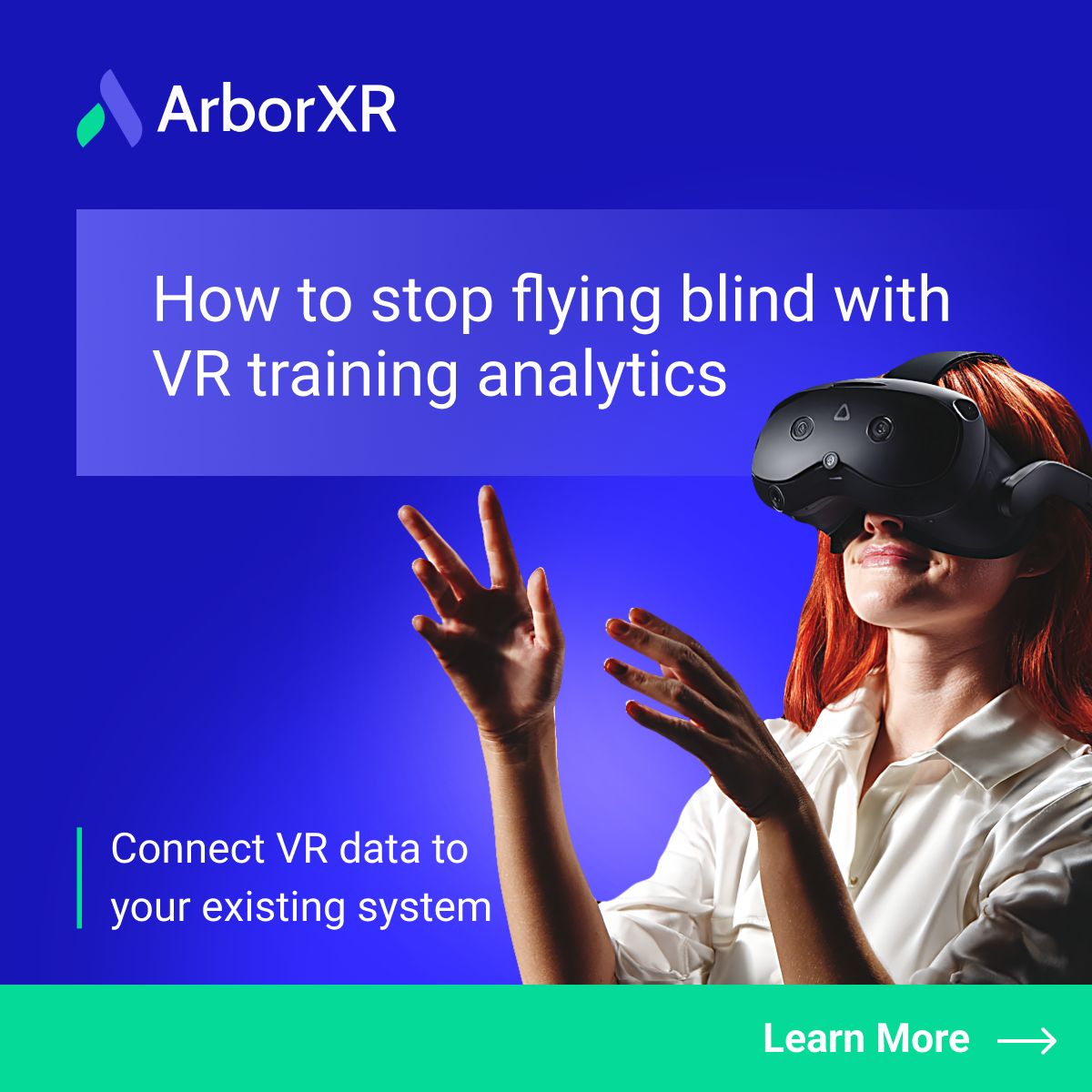
Most XR training programs today are flying blind. That’s the argument from Dan Kuykendall, ArborXR’s Senior Director and Head of AI & Data Analytics. A few years ago, conversations about XR training centered on hardware. - Can enterprise content run on consumer headsets? - How do we manage fleets of devices? - Can we scale content distribution? We’ve solved those challenges. XR training is viable. It scales. Learners love it. Now, a new challenge has emerged: proving value. Dan Kuykendall argues that XR training is entering a data-driven era, and without reliable measurement, most programs are flying blind. Here are some of his takeaways: 1. Anecdotes don’t cut it anymore. Many teams still rely on surveys and stories to gauge effectiveness. That works for internal updates, but when finance is allocating budgets, executives want numbers. ROI needs to be measured, not guessed. 2. Developers are stuck solving the wrong problem. Some content providers now build their own dashboards, pipelines, and data storage. But this drains resources from what they do best, creating engaging content. Worse, those custom pipelines are fragile, prone to breaking, and often fail security standards. 3. The black box problem. Identity management in headsets is messy. Data is fragmented across apps. Reporting often lives in silos. If an organization changes vendors, years of training data can vanish. 4. No playbook of XR training metrics. What counts as “success” in XR training isn’t standardized. Measuring hard skills like machinery operation is very different from soft skills like negotiation. Until the industry agrees on benchmarks, results are inconsistent and hard to interpret. So what does good look like? Dan lays out a blueprint: - Simple authentication: Launch from your LMS or use a PIN in-headset. - Standardized tracking: Completions, scores, and custom events across all apps. - Powerful dashboards: Clear learner progress reports. - Seamless integrations: Data flowing into 500+ LMS and BI tools. - A simple but powerful SDK for all your apps Successful software companies don’t wait six months to find out if users are engaged, they instrument data from day one. XR training should be no different. As Dan puts it, data is the bridge between innovation and impact. - For content providers, it means better products and less wasted time. - For educators, it means personalized learning and better retention. - For enterprises, it means ROI proof, faster buy-in, and real scale. The industry is at a turning point. Over the next five years, organizations that adopt data-first practices will define the future of XR training. Those that don’t will be left stuck in pilots. Read Dan’s full piece here -> https://lnkd.in/gn6iGtxD
- LINKEDIN · IMAGERecorded 8 Sept 2026
Why XR Training Programs Get Stuck in Pilot Your VR training pilot was a hit. Learners loved it. Leadership was impressed. Are those headsets now collecting dust in a storage closet? We’ve seen many stalled programs and found a few common barriers that keep even the most successful pilots from scaling: 1️⃣ Device Management Managing 5 headsets in a pilot is easy. Managing 200 across multiple sites is not. Without purpose-built XR device management, updates, content distribution, and troubleshooting quickly spiral into operational chaos. 2️⃣ Security Blocks Deployment XR devices are different animals. They sometimes don't play nice with corporate networks. You can't lock them down easily like you can laptops or smartphones. Without enterprise authentication, user governance, and compliance controls, expansion gets blocked by security reviews. 3️⃣ Invisible Results Kill Expansion Qualitative feedback isn’t enough to unlock budget. Without data that connects headset activity to business outcomes, executives can’t justify scaling. Too often, learning data isn't tracked at all... or stays trapped in vendor dashboards or spreadsheets. The difference between programs that scale and those that stagnate? They anticipate these barriers from day one. Companies like Delta and Walmart broke free from pilot phase by focus on infrastructure and by building on platforms purpose-built for XR device management, enterprise security, and learner analytics. 👉 Read the full guide here: https://lnkd.in/gArTcDmw
- LINKEDIN · IMAGERecorded 8 Sept 2026
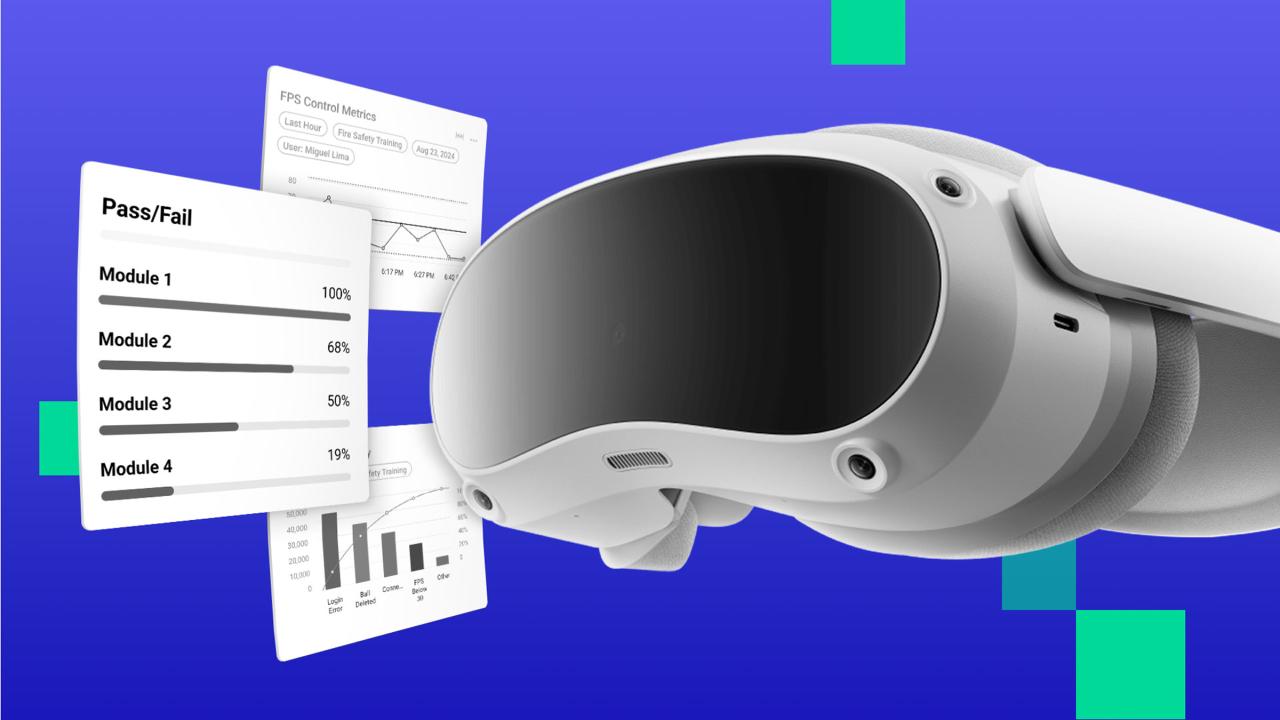
Once learners put on a headset, you lose complete visibility into performance, completion rates, and struggle points. VR operates disconnected from your existing systems, forcing teams into manual CSV exports and custom workarounds or separate solutions from many vendors.
- LINKEDIN · IMAGERecorded 8 Sept 2026
Fortune 500 companies are solving VR training's biggest problem. Without comprehensive learner analytics, proving ROI becomes virtually impossible. Leadership gets impressive demos but no concrete evidence of business impact.
6 of 186 adsSign up to see every ArborXR ad, filter by format and date, and get alerts on new ones.
See all 186 adsQuestions about ArborXR’s ads
Is ArborXR running LinkedIn ads?
We recorded no live LinkedIn ads for ArborXR on 8 Nov 2026.
How many LinkedIn ads has ArborXR run?
LinkedIn’s ad library lists 170 ads for ArborXR. We recorded 186 LinkedIn ads for ArborXR, first recorded on 8 Sept 2026 and last recorded on 8 Nov 2026.
Does ArborXR advertise on Facebook and Instagram?
ArborXR’s Facebook page had no active ads in Meta’s Ad Library, last recorded on 17 Oct 2026.
Does ArborXR run Google ads?
Yes. We recorded 68 Google ads for the domain arborxr.com on 3 Nov 2026.
Which ad formats does ArborXR use?
The 6 LinkedIn ads on this page include 6 image ads.
Watch the companies you care about.
Filter every ad by industry, country, format and network, and get alerts when a company you watch starts running new ads.