Not on air · 2 of 3 networks checked

51 Games ads
- 51.games
- Software Development
- 30 employees
51 Games’s ads on LinkedIn, Meta and Google, recorded by adsrunning. Browse the latest here for free. Sign up free to see all 24. Watch 51 Games on any plan to get each new one in your feed.
Watchlist included in every plan
What 51 Games runs
- Single image · LinkedIn
- 6
| Network | Status | Live ads | Nov 2025LinkedIn activity · 52 weeksNov 2026 | Checked | Next step |
|---|---|---|---|---|---|
| None recorded | 0 | Checked 7 Nov 2026 | See all 24 ads → | ||
| Meta | Not checked | — | |||
| None recorded | 0 | No ads found on the Google Ads Transparency Center | Checked 27 Oct 2026 | Collect them with the API → |
51 Games has no live LinkedIn ads. We recorded no Google ads on 27 Oct 2026.
Latest ads
- LINKEDIN · IMAGESince 29 Nov 2025
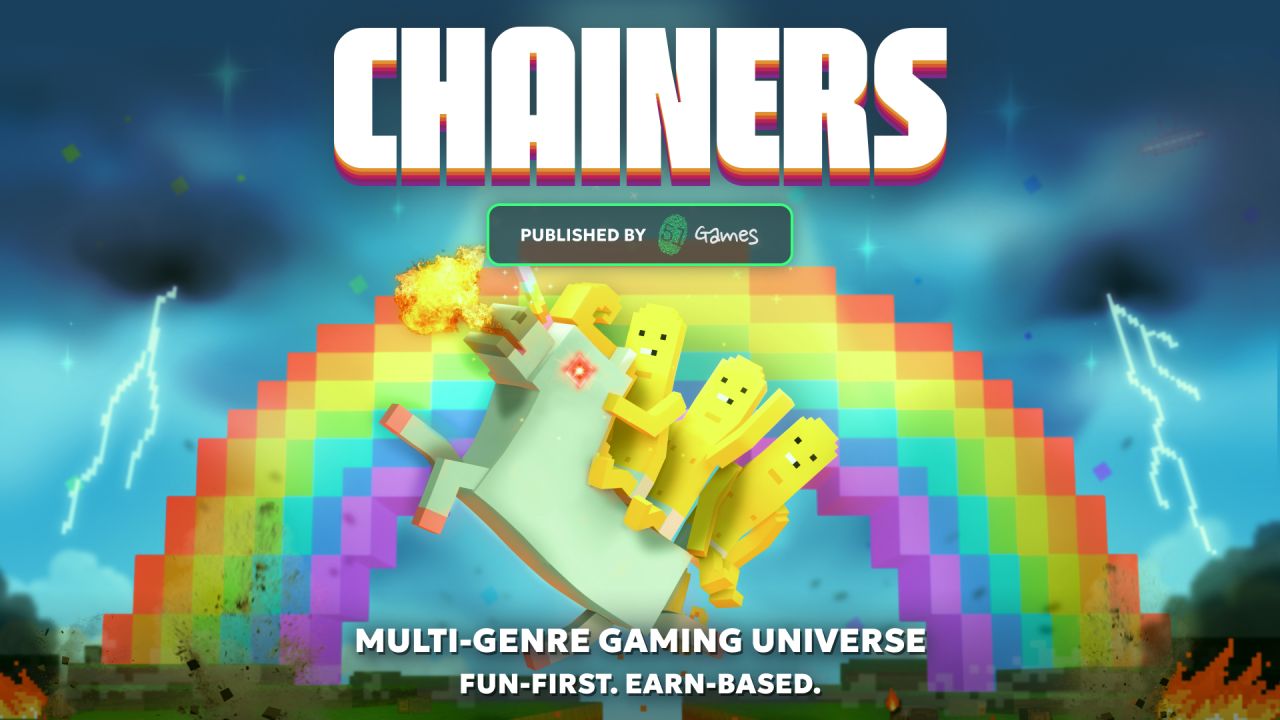
The 3 Things Killing Web3 Gaming (and How We’re Fixing Them) Web3 gaming isn’t broken — it’s just boring. Here’s why 👇 ❌ Problem 1: Tokenomics before gameplay Too many games launched with charts and roadmaps instead of fun. ✅ Our fix: Fun-first core loops. ❌ Problem 2: Ownership as a gimmick “Own this JPEG” isn’t compelling if the game sucks. ✅ Our fix: Assets that actually matter in-game. ❌ Problem 3: Grind walls Forcing players to burn hours isn’t retention — it’s punishment. ✅ Our fix: Progressive rewards that respect your time. We believe Web3 games can (and should) be fun, fair, and worth coming back to. 👉 Join us in building the future: https://51.games
- LINKEDIN · IMAGESince 29 Nov 2025
Heheheeeey! I haven’t written anything funny (or at least entertaining) for quite a while, but I’ve decided it’s time to fix that. For the past year and a half, I’ve been working in the Web3 games space, while also having extensive experience in Web2 gamedev. Today I want to share a few thoughts about the differences (and similarities) between them. Everyone here is already familiar with classic Web2 gamedev, so let’s focus on Web3 for a bit. • 𝐊𝐞𝐲 𝐟𝐞𝐚𝐭𝐮𝐫𝐞 𝐨𝐟 𝐖𝐞𝐛𝟑: ownership. Players actually own their in-game assets — they can sell them, transfer them, or take them outside the game entirely. • The entire economy lives on the 𝐛𝐥𝐨𝐜𝐤𝐜𝐡𝐚𝐢𝐧 — currencies, tokens, NFTs. Players don’t just play; they can also trade. At this point, they aren't players and more like “respectable crypto investors”. • The primary monetization model is 𝐏𝐥𝐚𝐲-𝐭𝐨-𝐄𝐚𝐫𝐧: you play, earn tokens or NFTs, and later sell or exchange them. • 𝐓𝐫𝐚𝐧𝐬𝐩𝐚𝐫𝐞𝐧𝐜𝐲: Every transaction is recorded on the blockchain, making it publicly visible to anyone. • 𝐂𝐨𝐦𝐦𝐮𝐧𝐢𝐭𝐲: In Web3, the community has a much stronger impact on how the product develops compared to Web2. But here’s the most significant difference — 𝐩𝐥𝐚𝐲𝐞𝐫 𝐦𝐨𝐭𝐢𝐯𝐚𝐭𝐢𝐨𝐧. This was the hardest thing for me when I first entered Web3: completely rewire my mindset. The usual techniques from traditional gamedev in Web3, they work poorly… or don’t work at all. And then there’s A/B testing hell. Since everything is transparent and communities are hyper-connected, the moment you launch an A/B test (for example, on store pricing), all your variants are leaked into Discord or Telegram within seconds. Sometimes that ends in… let’s say, “less-than-ideal results.” But that’s a story for another post 😉 In summary: The primary driver for a Web3 player is converting their in-game effort into real-world value, typically in the form of financial gain. Classic gamedev sells chemical processes in the brain, Web3 also sells them, but adds valuable assets in the real world. And let’s be honest — you can’t put dopamine in your pocket or spread it on bread, khe-khe... I know many of you are from the classic gamedev side. So, what do you think about Web3? I'm curious to hear your thoughts. That’s all for now — see ya'll!
- LINKEDIN · IMAGESince 28 Nov 2025
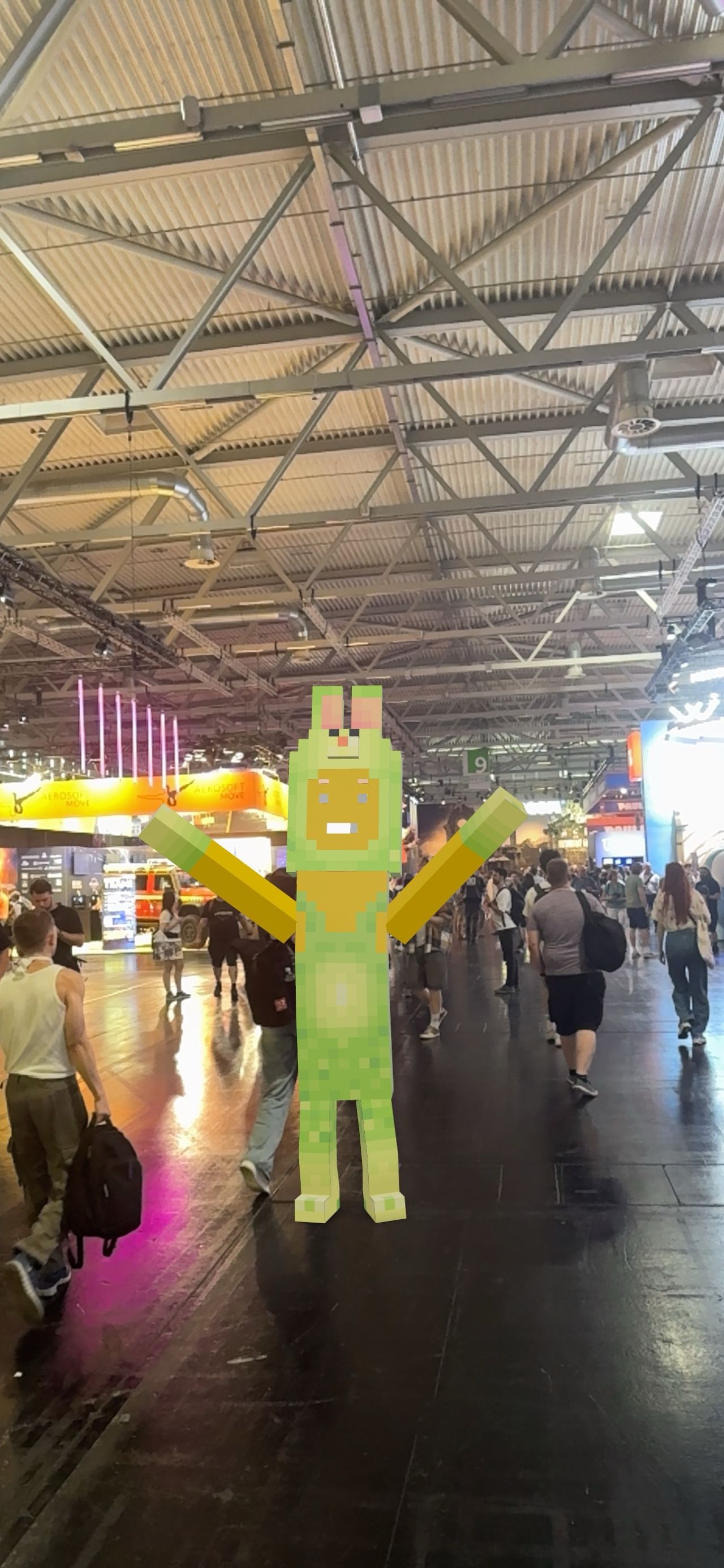
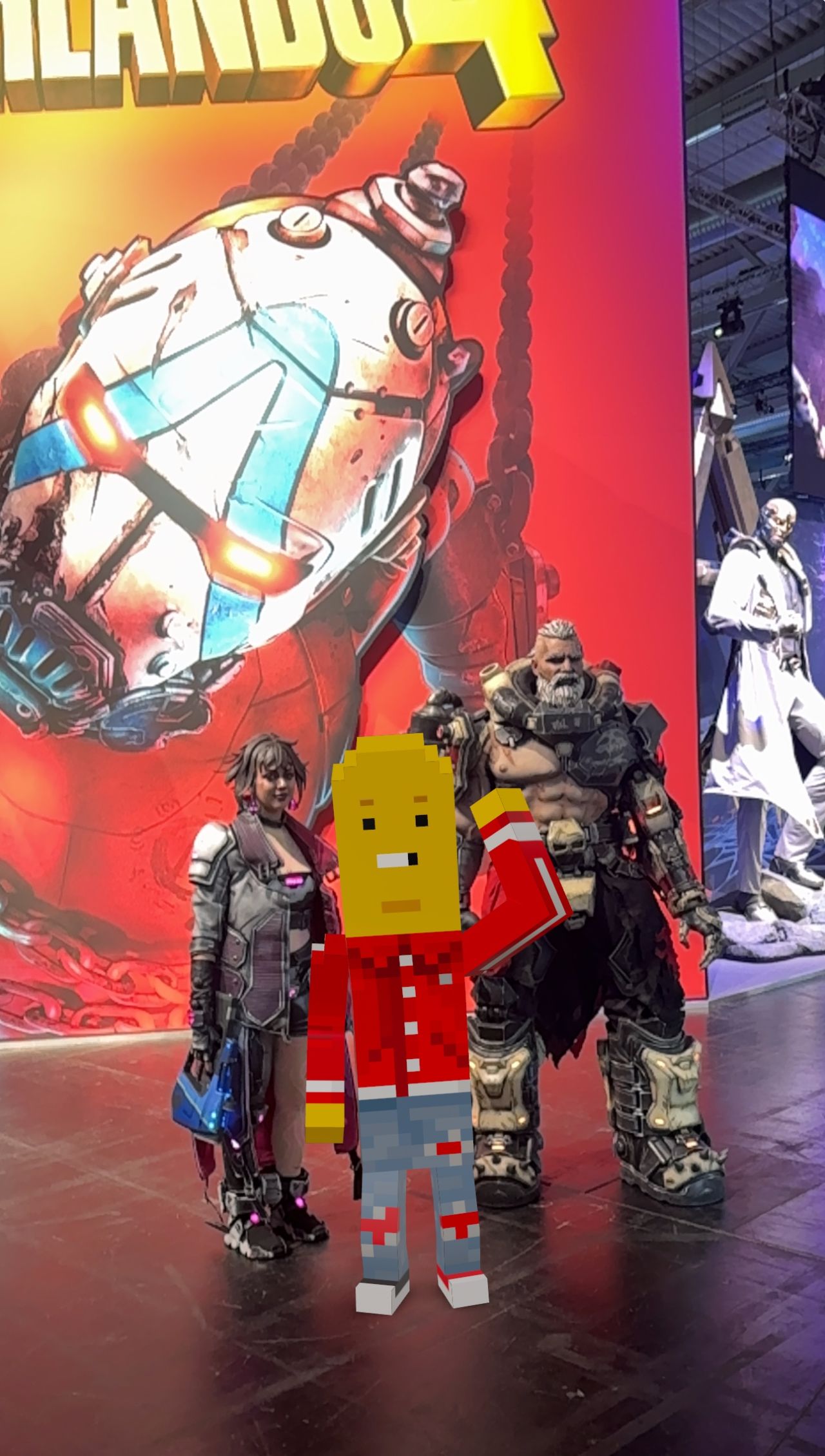
Gamescom 2025 – Day 1 The scale of this event is hard to put into words - so many incredible game developers, breakthrough technologies, and bold ideas under one roof. From early prototypes to industry-leading innovations, it’s proof that gaming continues to push boundaries every single year. And for us, it’s a clear sign: Web3 gaming must be part of that conversation.
- LINKEDIN · IMAGESince 28 Nov 2025
The biggest Web3 gaming lesson from Gamescom 2025? Players don’t care about NFT/Blockchain buzzwords — they care about games that are genuinely worth playing. Here are our top takeaways from Cologne: 1️⃣ Cross-platform is the expectation, not the exception. 2️⃣ Retention comes from community, not just content drops. 3️⃣ Real ownership matters only if the game itself is worth owning. 4️⃣ Browser gaming is entering a rebirth. 👉 The key 2025 trend: Blending Web2 polish with Web3 freedom — delivering experiences that feel familiar, but unlock new possibilities for players and developers.
- Text-only🚨 Why do most Web3 games fail to retain players? It’s not market conditions. It’s not “Web3 adoption curves.” It’s the same 3 mistakes, repeated over and over: 1️⃣ Tokenomics-first design Players don’t come to read spreadsheets. If the first thing they see is charts instead of gameplay, they’re gone. 2️⃣ Ownership as a gimmick NFTs without real purpose feel hollow. Assets must matter inside the game loop, not just inside wallets. 3️⃣ Grind walls Rewarding time over skill burns players out. Fun-first design means mastery and smart decisions pay off — not just endless hours of grinding. 💡 The fix is simple, but not easy: APut gameplay above tokenomics Make ownership meaningful Respect players’ time and skill At 51.games, that’s our philosophy. Because if the game isn’t fun, it doesn’t matter whether it’s Web2 or Web3. 👉 We’re building worlds where fun comes first - and ownership is a natural extension, not a gimmick.LINKEDIN · TEXT-ONLYSince 28 Nov 2025
- Text-onlyWeb3 gaming doesn’t need more players - it needs fans. Every Web3 project talks about DAUs, mints, token metrics - but rarely about emotion. Because Web3 doesn’t have a “user” problem. It has a fandom problem. In traditional gaming, fandom drives everything. People don’t just play - they identify with worlds, characters, and stories. They create, discuss, and defend them. That emotional connection is why Web2 games achieve longevity. In Web3, many studios still build economies before universes - tokens before tension. But the real shift happens when players start caring. The next generation of Web3 success won’t come from reward loops or staking yields. It’ll come from studios that build cult-level passion - the kind that makes players forget there’s even a token behind it. At 51.games, that’s our focus: Fun-first, community-driven games with real emotional gravity. Ownership and rewards? Those come naturally - as outcomes, not hooks.LINKEDIN · TEXT-ONLYSince 28 Nov 2025

6 of 24 adsSign up to see every 51 Games ad, filter by format and date, and get alerts on new ones.
See all 24 adsQuestions about 51 Games’s ads
Is 51 Games running LinkedIn ads?
We recorded no live LinkedIn ads for 51 Games on 8 Nov 2026.
How many LinkedIn ads has 51 Games run?
LinkedIn’s ad library lists 24 ads for 51 Games. We recorded 24 LinkedIn ads for 51 Games, first recorded on 30 Aug 2026 and last recorded on 30 Aug 2026.
Does 51 Games run Google ads?
We recorded no Google ads for the domain 51.games on 27 Oct 2026.
Which ad formats does 51 Games use?
The 6 LinkedIn ads on this page include 6 image ads.
Watch the companies you care about.
Filter every ad by industry, country, format and network, and get alerts when a company you watch starts running new ads.