On air · 2 of 3 networks
Cyclr
- cyclr.com
- Software (horizontal)
- GB
- 34 employees
Cyclr’s ads on LinkedIn, Meta and Google, recorded by adsrunning. Browse the latest here for free. Sign up free to see all 65. Watch Cyclr with Starter to get each new one in your feed.
Watchlist with Starter · $49/mo
| Network | Status | Live ads | Nov 2025LinkedIn activity · 52 weeksOct 2026 | Checked | Next step |
|---|---|---|---|---|---|
| Running | 1 | Checked 30 Oct 2026 | See all 65 ads → | ||
| Meta | None recorded | 0 | No active ads recorded on the Meta Ad Library | Checked 19 Oct 2026 | Collect them with the API → |
| Running | 10 | Ads on the Google Ads Transparency Center | Checked 26 Oct 2026 | Collect them with the API → |
Cyclr has 1 live LinkedIn ad. Its Facebook page had no active ads on 19 Oct 2026, and we recorded 10 Google ads on 26 Oct 2026.
Latest ads
- LINKEDIN · IMAGESince 27 Oct 2026
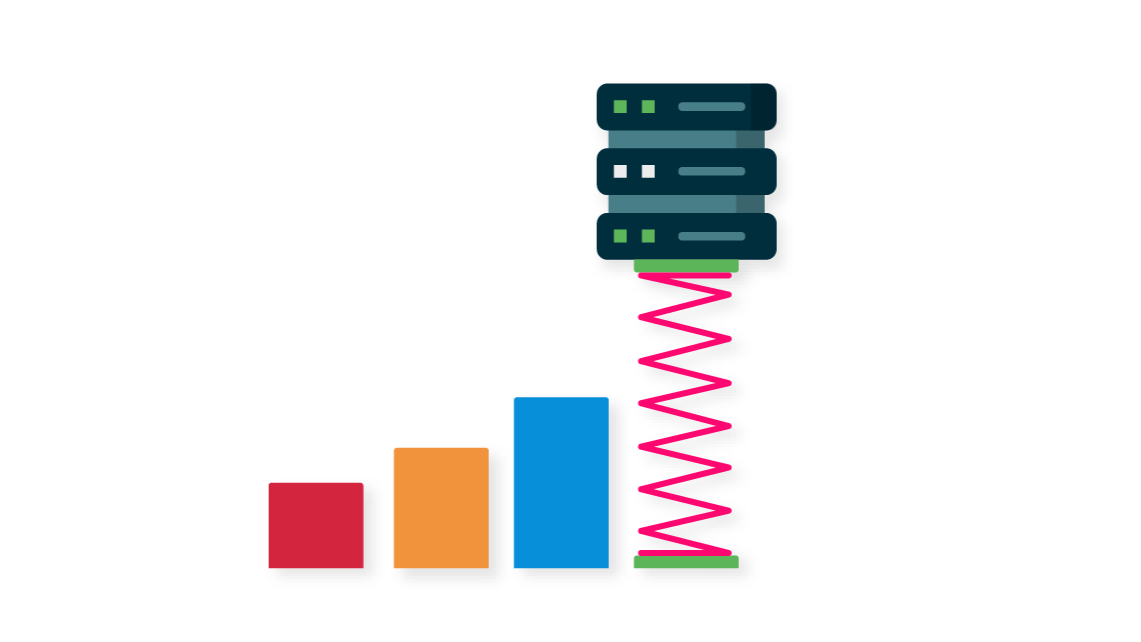
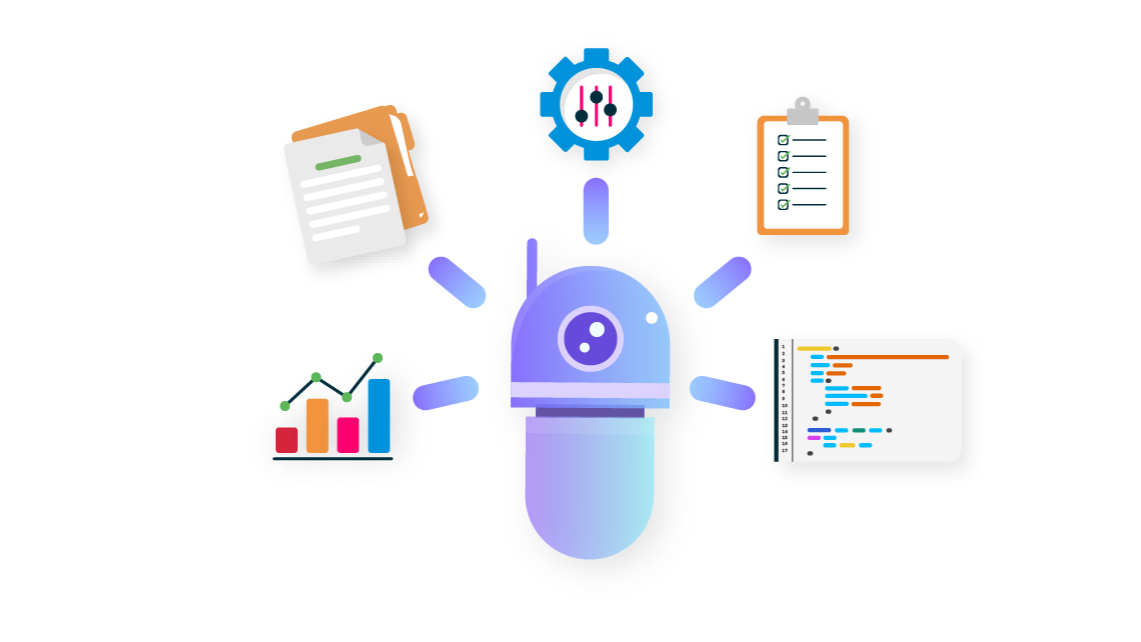
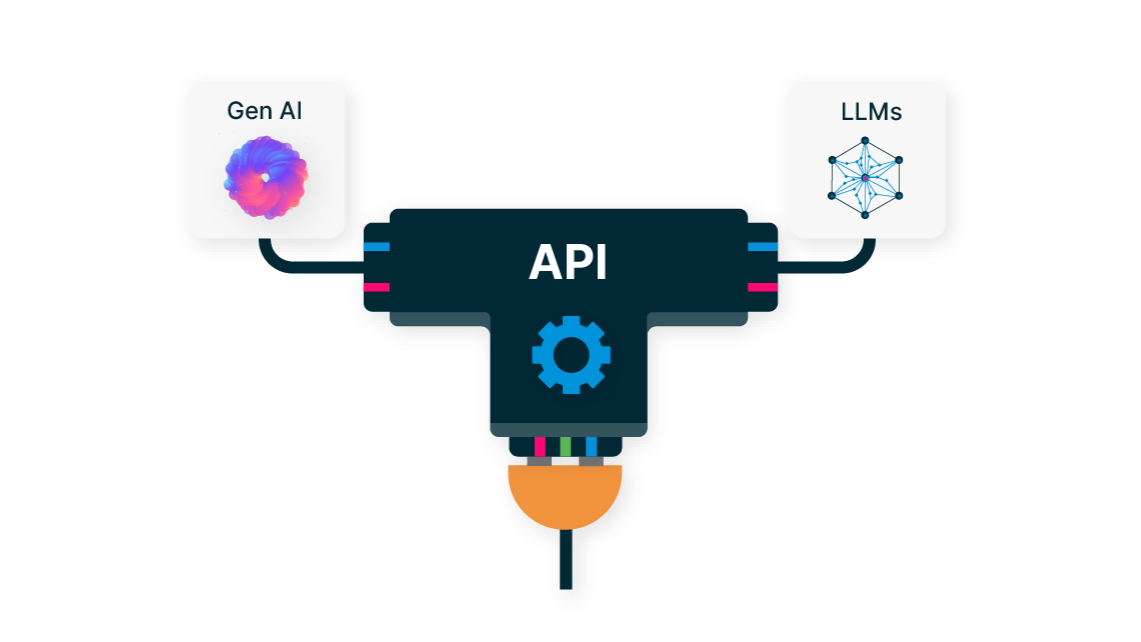
Is your SaaS integration strategy ready for the AI era? 🤔 Integrations have always been a balancing act for SaaS teams: meeting customer demands for connectivity without pulling engineering resources away from core product development. Now, AI is adding a new dimension to that challenge. It’s no longer just about connecting applications through APIs. SaaS products increasingly need to support AI agents that can securely access data, interact with systems, and trigger workflows. The good news is that you don’t need to reinvent your integration infrastructure. Embedded integration platforms like Cyclr are evolving to support both traditional API integrations and AI interoperability, helping SaaS teams accelerate delivery, reduce engineering overhead, and maintain control over security and governance. AI connectivity shouldn’t become another integration backlog. It should be part of your product’s existing integration strategy. Read the full article on the blog 👉 https://lnkd.in/emYtTXDr/?utm_campaign=Boost_Post_WebsiteVisits_Oct27,2026&utm_source=linkedin&utm_medium=paid&utm_id=1238482536&hsa_acc=502983392&hsa_cam=1238482536&hsa_grp=919133856&hsa_ad=1661957826&hsa_net=linkedin&hsa_ver=3
- LINKEDIN · ARTICLESince 27 Oct 2026
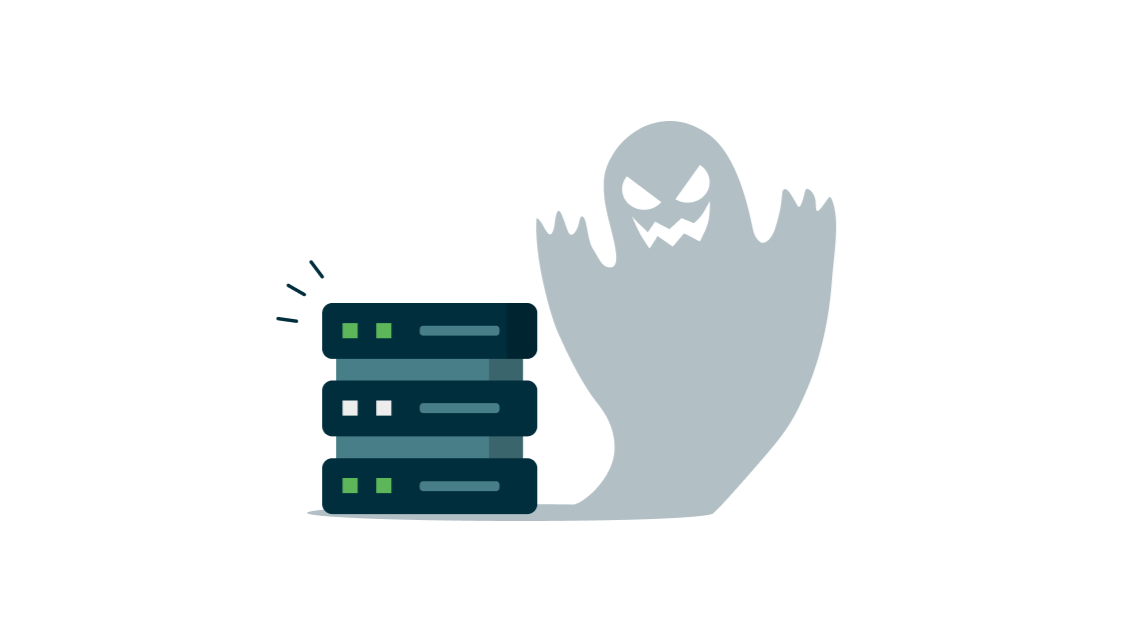
Some of the scariest risks are the ones nobody can see. 🎃 MCP adoption is accelerating in SaaS, and it's bringing with it a new form of shadow IT. A developer installs a community server to test an idea, connects it to the CRM with a personal API key, and wires it into an agent. It works, so it stays. Nobody monitors it, and it never appears in an inventory. Shadow MCP servers are unapproved servers running outside any security review. They're rarely created with bad intent, and they tend to appear wherever the approved route is slower than the workaround. We wrote about the difference between shadow and insecure MCP servers, and looked at how Cyclr's MCP PaaS helps teams fight both by enabling them to build governed, secure MCP servers in minutes. #MCP #AIGovernance #Cybersecurity #SaaS
- LINKEDIN · IMAGESince 2 Jul 2026
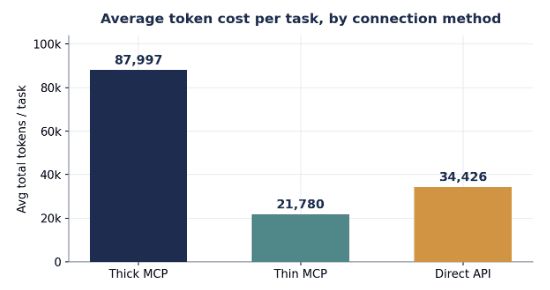
As more SaaS companies move from experimenting with AI to building it into their products, one question keeps surfacing: how do we make this scale? It is easy to connect an AI agent to a single system and watch it work in a demo. It is much harder to run that same capability across many integrations, thousands of customers, and millions of requests, and keep it fast, affordable, and reliable the whole way. The instinct most teams reach for makes that harder. When you are connecting an AI agent to a system like HubSpot or NetSuite, you want to give it everything. Expose the full API. Hand the model every tool you have. The whole job of an agent is to be capable, after all, so why hold capability back? We ran 30 controlled tests to put that instinct under the microscope, across real SaaS systems and two different models. The most reliable and most affordable agents we measured were the ones with the fewest tools. Restraint, it turns out, is the discipline that makes agentic integrations work. And it is as much a product decision as an engineering one. A server scoped to just the tools a task needs used around 75% fewer tokens than one that exposed the full API. Same questions. Same models. Same data. A quarter of the cost. The usual fear is that trimming tools costs you accuracy. But in our study, the lean server held its ground. It matched the full server in accuracy of its answers, while costing far less to run. So why does a smaller toolset win? Every tool you expose carries a schema that loads into the model's context on every request, whether it uses it or not. Expose forty tools to answer a question that would only need four, and you pay for the other thirty-six on every single call. The extra tools added cost without adding capability. They were overhead dressed up as flexibility. Read the full report for more insights and essential MCP design suggestions.
- LINKEDIN · ARTICLESince 1 Jul 2026
More tools do not make a better AI agent. Across 30 tests, lean MCP setups were the cheapest and the most reliable, and the surface area you expose mattered more than the model. Here's what that means for scaling MCP integrations.
- LINKEDIN · ARTICLESince 17 Jun 2026
Getting AI to do something useful once is easy. Making it work consistently inside a real business workflow is much harder. AI skills are what bridge that gap between possibility and practicality.
- LINKEDIN · ARTICLESince 9 Jun 2026
APIs designed for human developers often create real friction when used by AI agents and MCP servers. Shifting toward outcome-oriented design is quickly becoming a strategic necessity, not just a technical improvement.
6 of 65 adsSign up to see every Cyclr ad, filter by format and date, and get alerts on new ones.
See all 65 adsWatch the companies you care about.
Filter every ad by industry, country, format and network, and get alerts when a company you watch starts running new ads.