On air · 1 of 3 networks
Solving Oy
- solving.com
- Industry & Manufacturing
- FI
- 78 employees
Solving Oy’s ads on LinkedIn, Meta and Google, recorded by adsrunning. Browse the latest here for free. Sign up free to see all 83. Watch Solving Oy with Starter to get each new one in your feed.
Watchlist with Starter · $49/mo
| Network | Status | Live ads | Nov 2025LinkedIn activity · 52 weeksOct 2026 | Checked | Next step |
|---|---|---|---|---|---|
| None recorded | 0 | Checked 29 Oct 2026 | See all 83 ads → | ||
| Meta | Running | 1 | Active ads on the Meta Ad Library, all countries | Checked 26 Oct 2026 | Collect them with the API → |
| None recorded | 0 | No ads found on the Google Ads Transparency Center | Checked 28 Oct 2026 | Collect them with the API → |
Solving Oy has no live LinkedIn ads. Its Facebook page had 1 active ad on 26 Oct 2026, and we recorded no Google ads on 28 Oct 2026.
Latest ads
- LINKEDIN · IMAGESince 5 Oct 2026
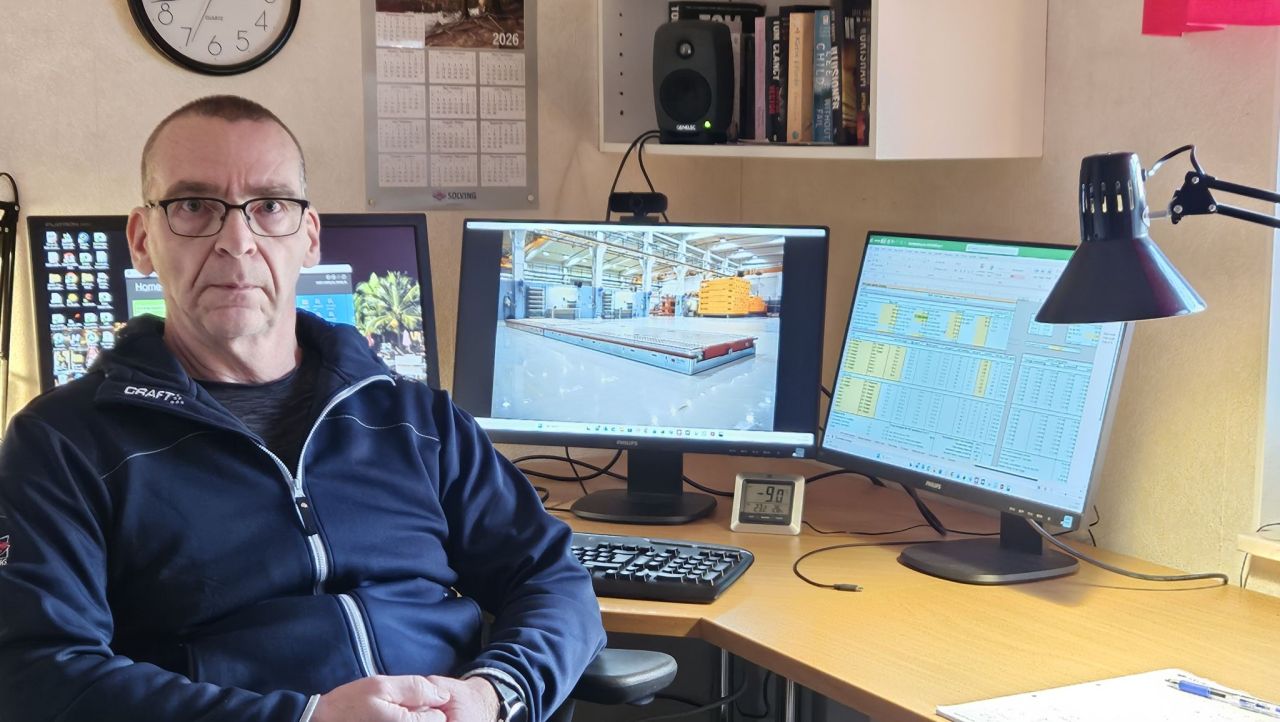
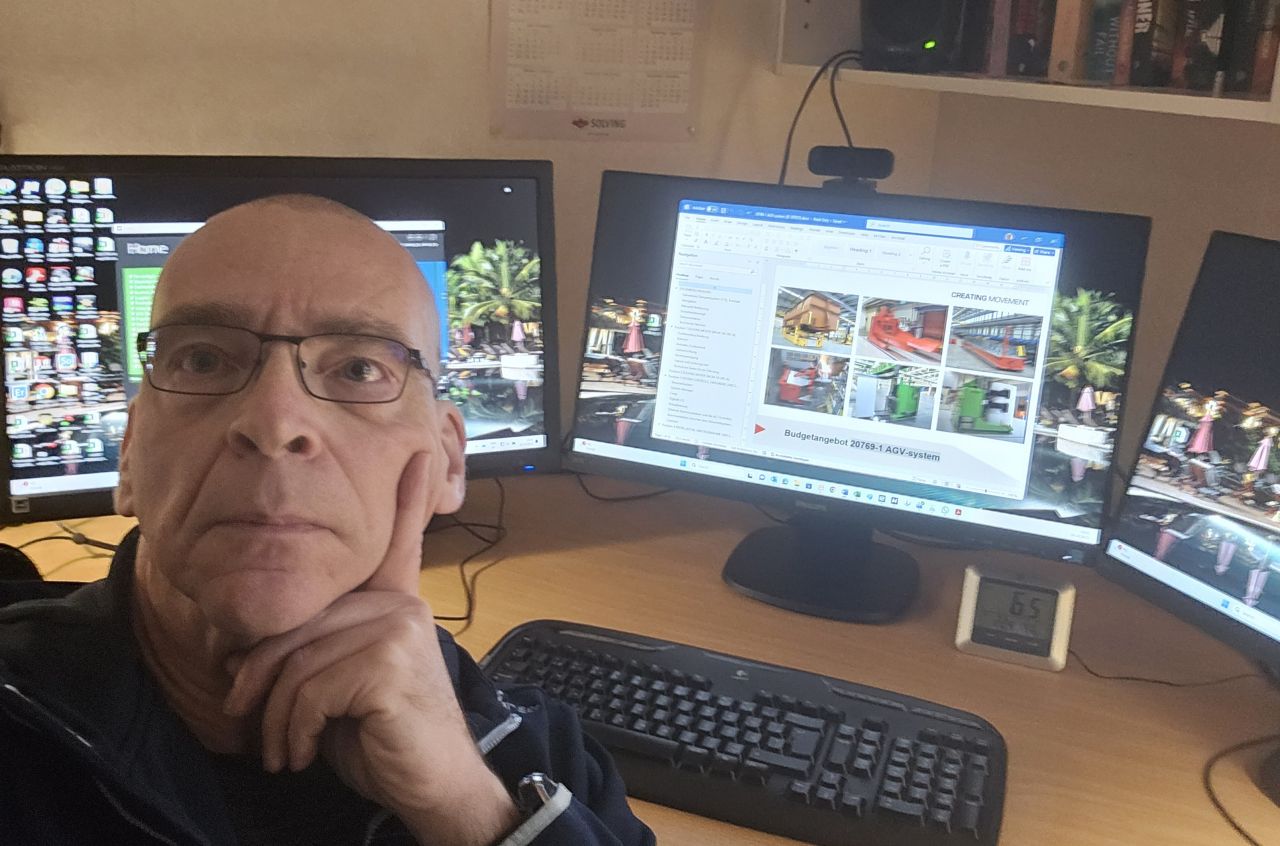
What happens when requirements change halfway through an AGV project? A production layout changes, a new load type is introduced, or capacity requirements increase. Or the customer realizes that for some reason the original process will work differently than expected. Of course, in a complex AGV project, you cannot assume that everything defined at the beginning will remain unchanged until commissioning. Getting the requirements right from the start is essential, but equally important is having a structured way to handle changes when they occur. A seemingly small change can affect much more than the AGV itself. It may influence routes, load handling, safety, traffic management, charging or interfaces with other systems. That’s why good communication throughout the project matters. Experience from complex AGV projects has shown that managing changing requirements is an important part of the project process. The key is to identify changes early, assess their impact on the overall system, and make well-informed decisions together with the customer. How do you manage changing requirements in your automation projects?
- LINKEDIN · IMAGESince 5 Oct 2026
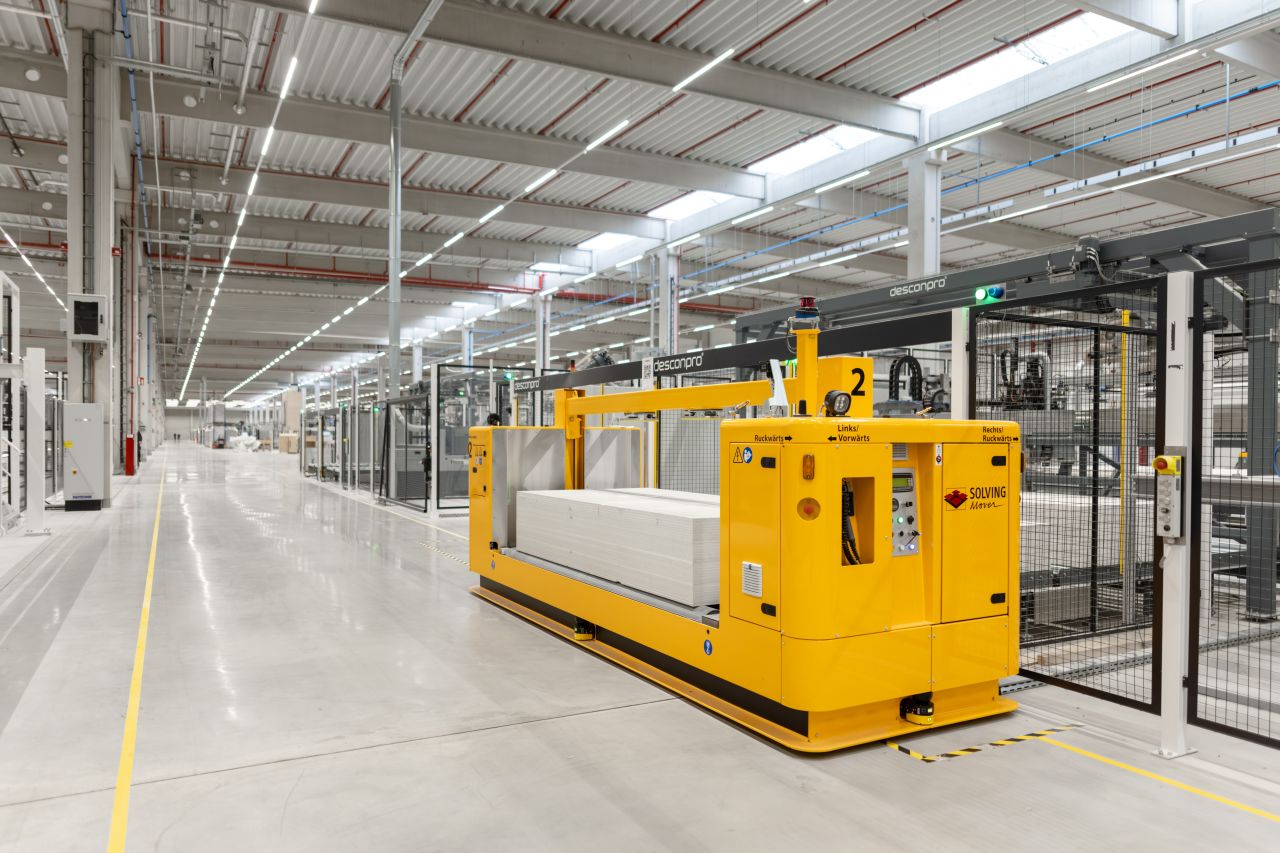
An AGV can perform perfectly, and the material flow can still fail. That’s because a reliable AGV system depends just as much on the interfaces with the surrounding equipment. In one recent installation, three AGVs transport loads of up to 3,000 kg and supply five stations across four production lines. The AGVs can handle the loads. But that alone doesn’t make the system work. You also need to define: - Where does the orders come from - What signals are required before the AGV can enter a station and start load transfer? - How is the handshake between the AGV and each station managed? - How is the position of the load verified during transfer and during transport? - What positioning accuracy is required? - And what should happen if an expected signal, load or position is missing? In this installation, contact-free communication, automatic load detection and precise positioning all contribute to a reliable material flow. In my experience, these interfaces may determine how reliably an AGV system will perform in daily production. Define them early. And test them properly. How do you make sure the interfaces are properly defined in your automation projects?
- LINKEDIN · IMAGESince 22 Sept 2026
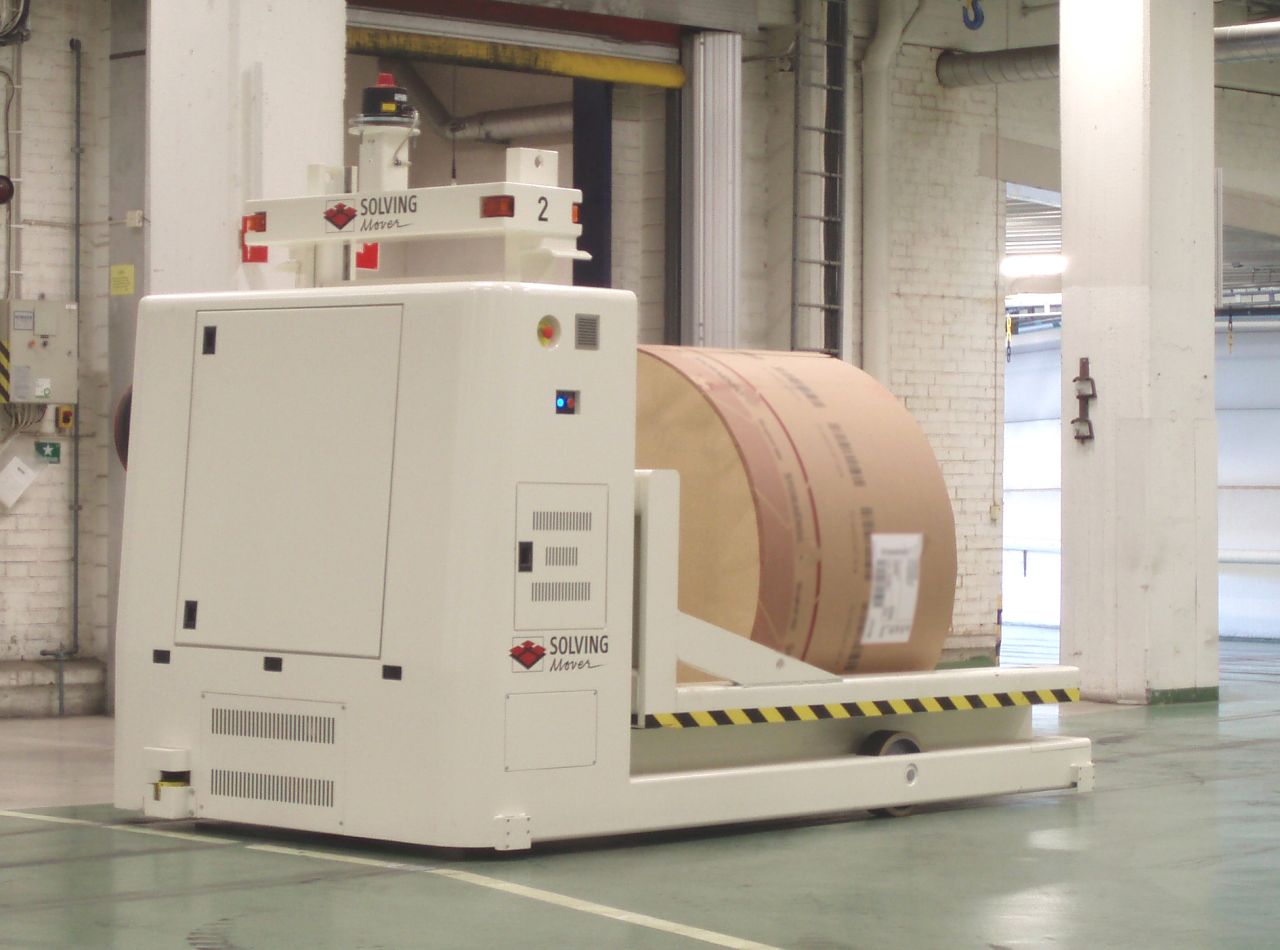
How future-proof can an AGV system really be? I recently visited a customer in the paper industry where the AGV system has been running for more than 30 years. Considering the demanding environment, the system was in remarkably good condition. Over the years, it has been maintained, upgraded, and adapted as the operation has evolved. The reason for my visit was that the customer is now expanding production and plans to add more AGVs to the system. That got me thinking about how we measure the success of an automation investment. When implementing an AGV system, we naturally focus on today's requirements. But the real value is often measured decades later. Production changes. Technology evolves. Business priorities shift. No one can predict exactly what an operation will need 20 or 30 years from now. Thirty years after installation, this system is still creating value and supporting the customer's next phase of growth. To me, true future-proofing is not about predicting the future. It's about building enough flexibility to stay relevant when the future changes. How do you define long-term value in automation investments?
- LINKEDIN · IMAGESince 22 Sept 2026
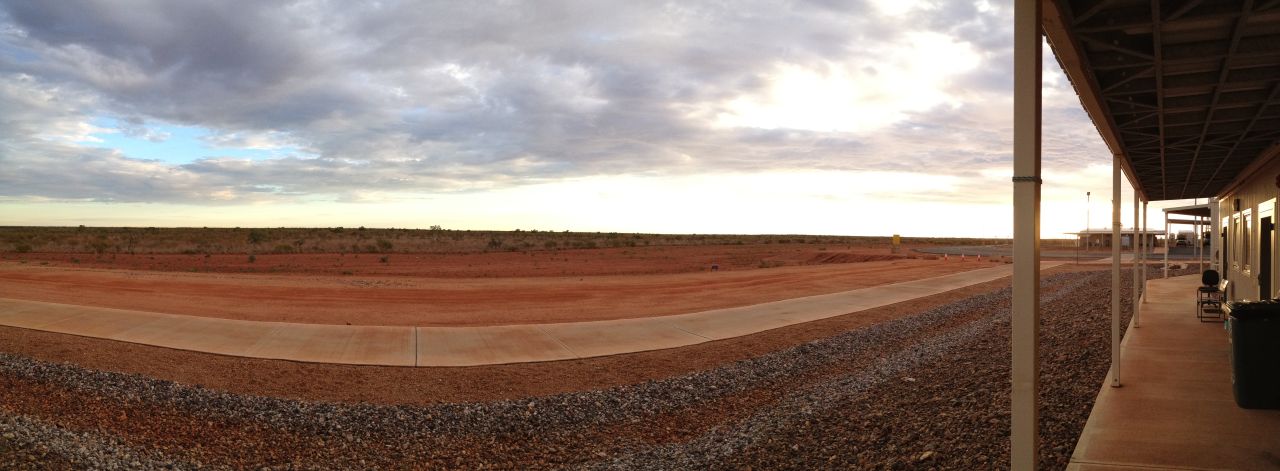
The real test starts in production. I’ve worked with AGV systems operating in very different environments. From cold storage at –20°C to a project in the Australian desert where temperatures exceeded +50°C. Those are extremes, but they make an important point. An AGV may perform perfectly during testing. The real test starts when it enters daily production. Temperature affects components and batteries. Dust and dirt affect sensors. People and forklift traffic affect routes and safety requirements. Production peaks affect capacity and charging strategies. And over time, the conditions may change. Understanding the real operating environment early in an AGV project is essential. We are not talking only about load, speed and capacity requirements, but also about the conditions the equipment will face every day. It may sound obvious, but in my experience, some of the most obvious conditions are also the easiest to overlook. Having seen AGVs operate in all kinds of environments, one thing is clear: reliable operation starts with understanding the conditions an AGV can face throughout its working life. What environmental conditions do you need to consider in your production?
- LINKEDIN · IMAGESince 31 Aug 2026
Different countries. Different industries. Surprisingly similar challenges. After 36 years working with industrial customers, I can often predict which topics will come up before a meeting even starts. It's usually one of these: - Finding skilled people - Improving safety - Increasing capacity - Making operations more predictable The products to be handled may vary completely, but the operational challenges rarely do. What surprises many companies is that their challenges aren't as unique as they think. Some of the best solutions I've seen come from borrowing ideas across industries. A fix that worked in food & beverage might be exactly what a logistics operation needs. The products, loads, and environments are different, the underlying problem often isn't. After all these years, this is the lesson I keep coming back to: Don't focus too much on what makes your project different. Focus on what can be learned from projects that came before it. That's one reason I still enjoy walking factory floors after all this time. There's always something new to learn, especially when you look beyond your own industry.
- LINKEDIN · IMAGESince 31 Aug 2026
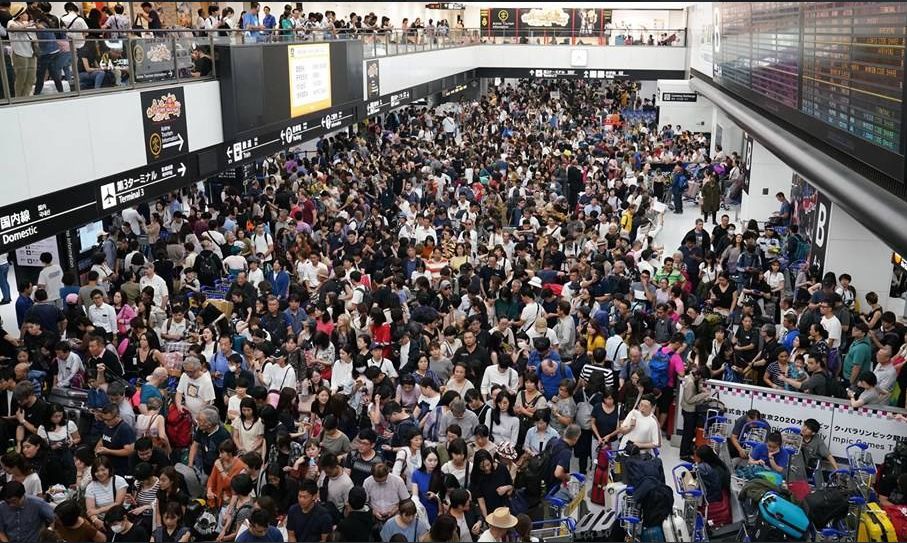
Most people walk through a factory and look at the machines. I look at the gaps between them. After decades in industrial logistics, that's where I've learned the real story lives, in how material moves, where it waits, and what actually happens when something goes wrong. I was reminded of this recently watching the ground operation at an airport. Dozens of teams, vehicles and systems working in perfect coordination. Invisible to every passenger. Right up until a delay makes it suddenly, painfully visible and the airport is crowded. Factories work the same way. The equipment gets the attention. The flow between the equipment gets inherited, patched and quietly worked around until it can't be anymore. The best logistics systems are the ones nobody has to think about. What's the biggest hidden bottleneck you've seen in a factory or operation?
6 of 83 adsSign up to see every Solving Oy ad, filter by format and date, and get alerts on new ones.
See all 83 adsWatch the companies you care about.
Filter every ad by industry, country, format and network, and get alerts when a company you watch starts running new ads.