On air · 1 of 3 networks
Runwise
- runwise.com
- Real Estate & PropTech
- US
- 162 employees
Runwise’s ads on LinkedIn, Meta and Google, recorded by adsrunning. Browse the latest here for free. Sign up free to see all 26. Watch Runwise with Starter to get each new one in your feed.
Watchlist with Starter · $49/mo
| Network | Status | Live ads | Nov 2025LinkedIn activity · 52 weeksOct 2026 | Checked | Next step |
|---|---|---|---|---|---|
| Running | 22 | Checked 29 Oct 2026 | See all 26 ads → | ||
| Meta | None recorded | 0 | No active ads recorded on the Meta Ad Library | Checked 21 Oct 2026 | Collect them with the API → |
| Not checked | — |
Runwise has 22 live LinkedIn ads. Its Facebook page had no active ads on 21 Oct 2026.
Latest ads
- LINKEDIN · JOBSince 18 Nov 2025
- LINKEDIN · VIDEORecorded 22 Sept 2026
Your coldest tenant should *not* be the CEO of your building's heating system. Why does it feel like no one is satisfied with the temperature of your building? And what you can do to finally create peace among your tenants (and save a bunch of money doing it)? Watch below.
- LINKEDIN · IMAGERecorded 22 Sept 2026
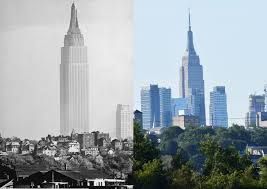
If I could go back in time and see any year in NYC history, 1930 would be in the running. The entire skyline changed basically overnight. 1930 was a tough year for New Yorkers, but a transformative one for the future of the city. Imagine growing up in New York during the late 19th century and being astounded at the 50-story Metropolitan Life Insurance Company Tower erected in 1909. At the time, many thought it could be the tallest building in the world for decades - but it was only surpassed four years later by the Woolworth Building. Fast forward two decades and you’d witness a metamorphosis of the Manhattan skyline. Here are some of the buildings built within just a couple years of each other: Chrysler Building, built in 1930 - 1,046 feet and 77 stories tall 40 Wall Street, built in 1930 - 927 feet and 71 stories tall Empire State Building, built in 1931 - 1,250 feet and 102 stories tall 30 Rockefeller Plaza, built in 1933 - 850 feet and 70 stories tall At least nine 50-story buildings were built in the 1930s in Manhattan - when only a couple existed before that decade. Imagine living in New Jersey with a view of the tranquil rolling hills and two-story homes, only to watch this giant emerge in the sky.
- LINKEDIN · IMAGERecorded 22 Sept 2026
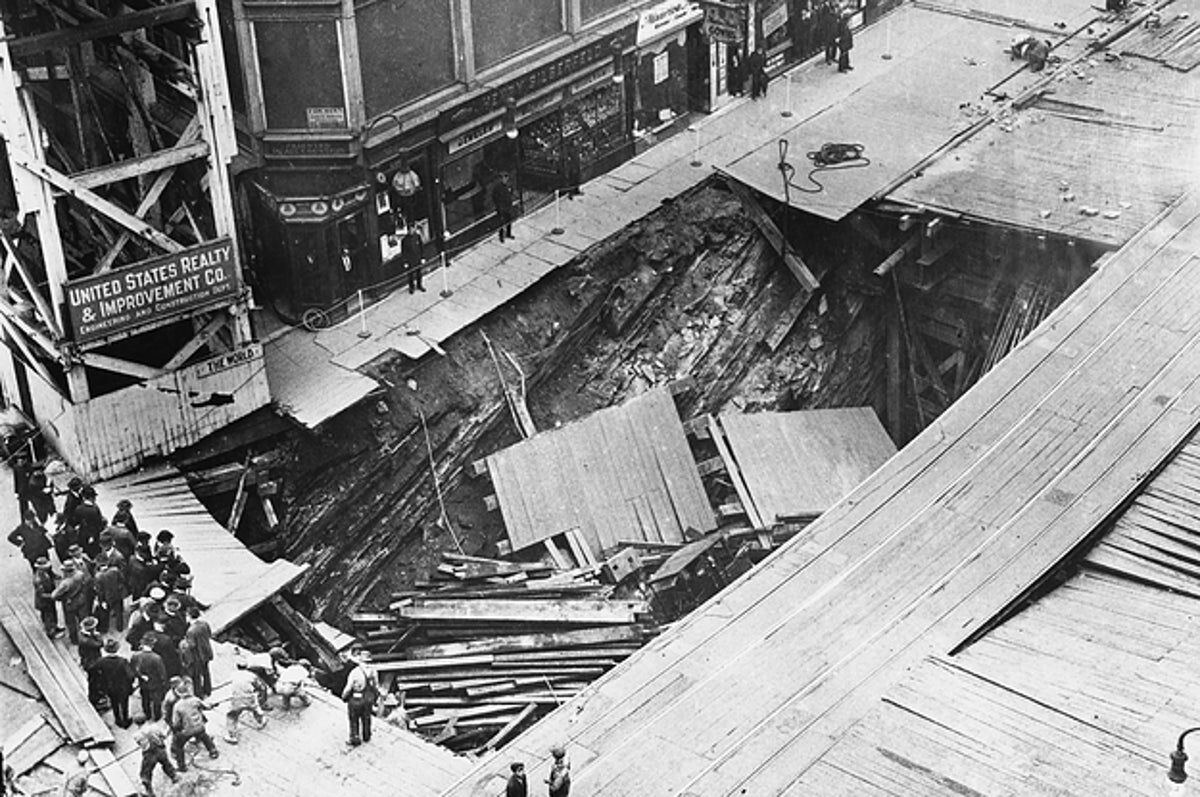
Imagine if you demolished EVERY block in NYC, all at the same time. This is how the first few subway lines in NYC were built. Before the tunnel boring machine came along, city streets had to be dug up and re-covered after installing the subway tunnel underground. As you can imagine, there was massive opposition to this project back in 1900 when it was proposed. Crews finished the first subway line, which ran from City Hall to 145th Street at Broadway, was finished in just four years. It’s hard to imagine a major infrastructure project moving that quickly in the US today, even with our modern construction tools. But the work was treacherous. Crews did the demolition wildly, often causing storefronts to be swallowed up by the emerging sinkholes. Many workers sadly died. But the subway line opening changed NYC forever. Remember, this was a couple years before Ford introduced the Model T to the world. Now, instead of walking or relying on horse drawn carriages, commuters could travel at up to 40 miles per hour underground, evading any weather above ground. A journey that might have taken hours before would not take just a handful of minutes. Subways completely transformed the City and kept it ahead of the curve as the most prosperous city in the world.
- LINKEDIN · IMAGERecorded 22 Sept 2026
One thing people who live in mild climates probably don’t understand: Why do so many buildings in cold cities have windows open when it’s freezing outside?! The answer has to do with the technology installed in those buildings. Most buildings in the world (including brand new buildings!) operate on technology that literally was designed in the 1970s. This technology has no idea what the temperature is inside of the building, or how the building has responded to heat in the past, or even what the weather will be like one hour from now. The result is buildings are running on timers that have to be programmed to WAY overshoot. This means buildings blast way too much heat and tenants have to open their windows to balance out the boiling indoors temperatures. Of course, this is ridiculously inefficient since the building keeps generating excess heat that immediately escapes out the window. If only buildings had a smarter way to monitor energy output and balance it to create a comfortable temperature while cutting down waste (coincidentally, we do this at Runwise!)
- LINKEDIN · IMAGERecorded 22 Sept 2026
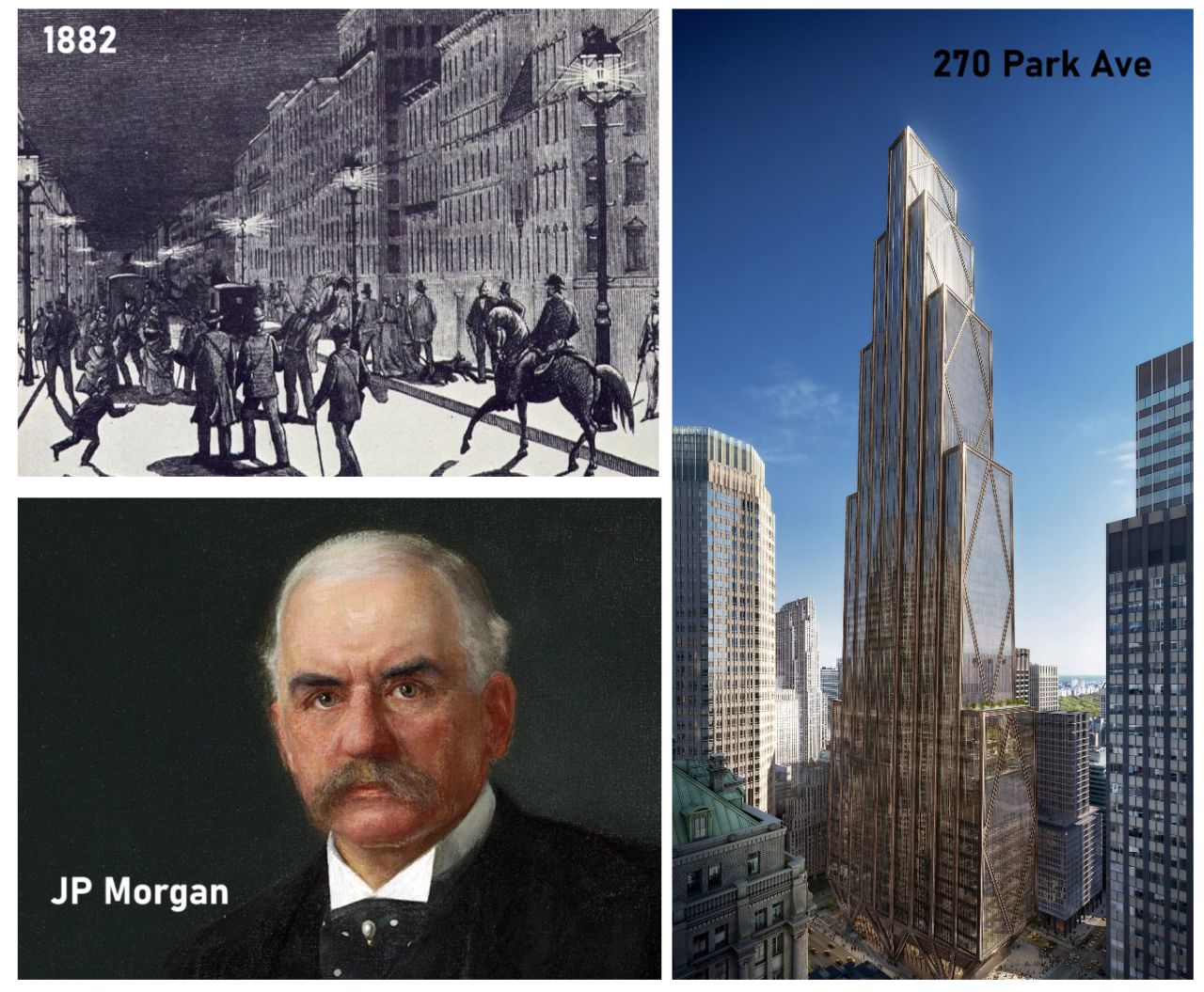
Imagine if you had a technology that allowed you to work 40% more than your competitors. That’s exactly why John Pierpont Morgan financed Thomas Edison’s company and made sure that Morgan himself was the first to enjoy electricity. Morgan, a wealthy banker, was the first private resident to enjoy electricity back in the 1880s. He had it installed in his Madison Avenue brownstone mansion in 1882. At the time, many were afraid to get electricity in their homes (but only the rich could afford it). People were terrified that the lightbulbs would explode or the wires would spontaneously catch fire! It was seen as a silly gimmick, not a practical household amenity. But Morgan disagreed. Along with the New York Times building, JP Morgan’s offices downtown were among the first to be lit up, along with just a few other customers. Morgan took advantage and worked through the night for years after, securing his spot as one of the richest men in the world. Interestingly, JP Morgan the company is building a new skyscraper at 270 Park Avenue that will be the city’s first all-electric tower when it’s completed next year.


6 of 26 adsSign up to see every Runwise ad, filter by format and date, and get alerts on new ones.
See all 26 adsWatch the companies you care about.
Filter every ad by industry, country, format and network, and get alerts when a company you watch starts running new ads.