On air · 1 of 3 networks
InfluxData
- influxdata.com
- Data
- US
- 168 employees
InfluxData’s ads on LinkedIn, Meta and Google, recorded by adsrunning. Browse the latest here for free. Sign up free to see all 123. Watch InfluxData with Starter to get each new one in your feed.
Watchlist with Starter · $49/mo
| Network | Status | Live ads | Nov 2025LinkedIn activity · 52 weeksOct 2026 | Checked | Next step |
|---|---|---|---|---|---|
| Running | 2 | Checked 29 Oct 2026 | See all 123 ads → | ||
| Meta | Not checked | — | |||
| Not checked | — |
InfluxData has 2 live LinkedIn ads. We recorded 400+ Google ads on 1 Oct 2026.
Latest ads
- LINKEDIN · ARTICLESince 24 Oct 2026
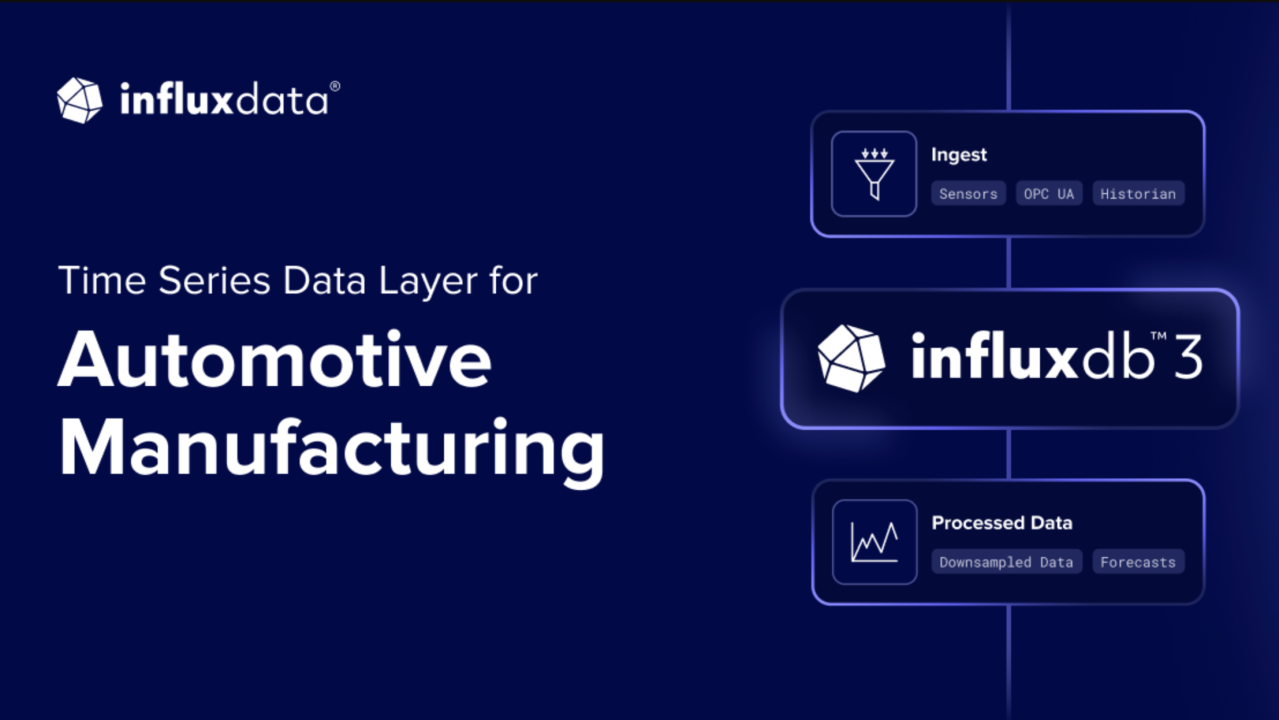
A modern vehicle assembly line generates more telemetry before lunch than most historians were built to hold, and each new torque tool or weld sensor adds another per-tag line item. Automotive manufacturers are keeping the historian for SCADA and regulatory data, and sending new telemetry to InfluxDB instead. In our latest piece, we cover the two patterns they use: a parallel feed for new instrumentation, and consolidation across plants that each run their own historian. Read the article to walk through how each one works. ⤵️
- LINKEDIN · IMAGESince 19 Oct 2026
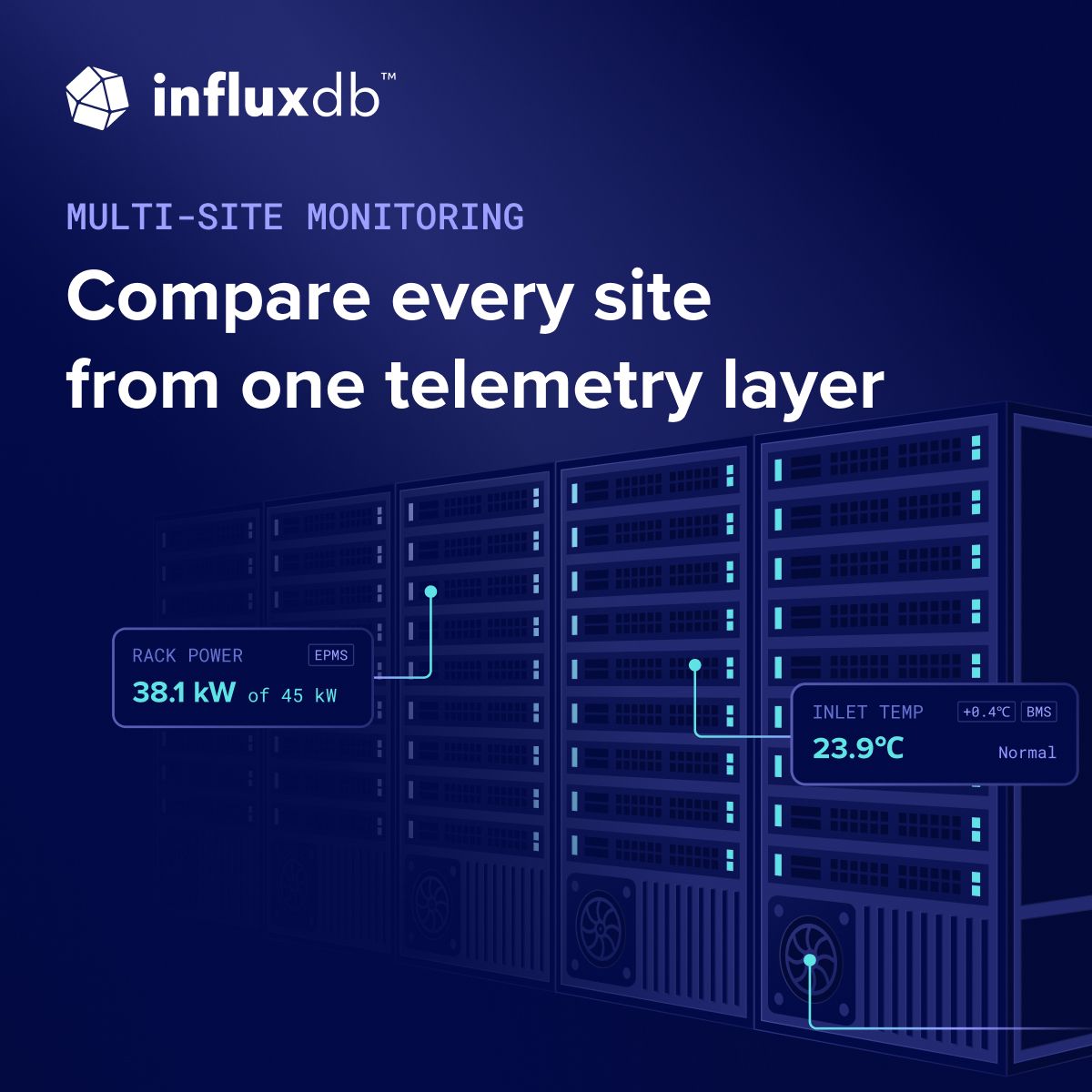
Fleet comparisons break when every site reports differently. InfluxDB gives multi-site operators one telemetry layer underneath every facility, with no more manual pulls or spreadsheets to benchmark across the fleet.
- LINKEDIN · IMAGESince 19 Oct 2026
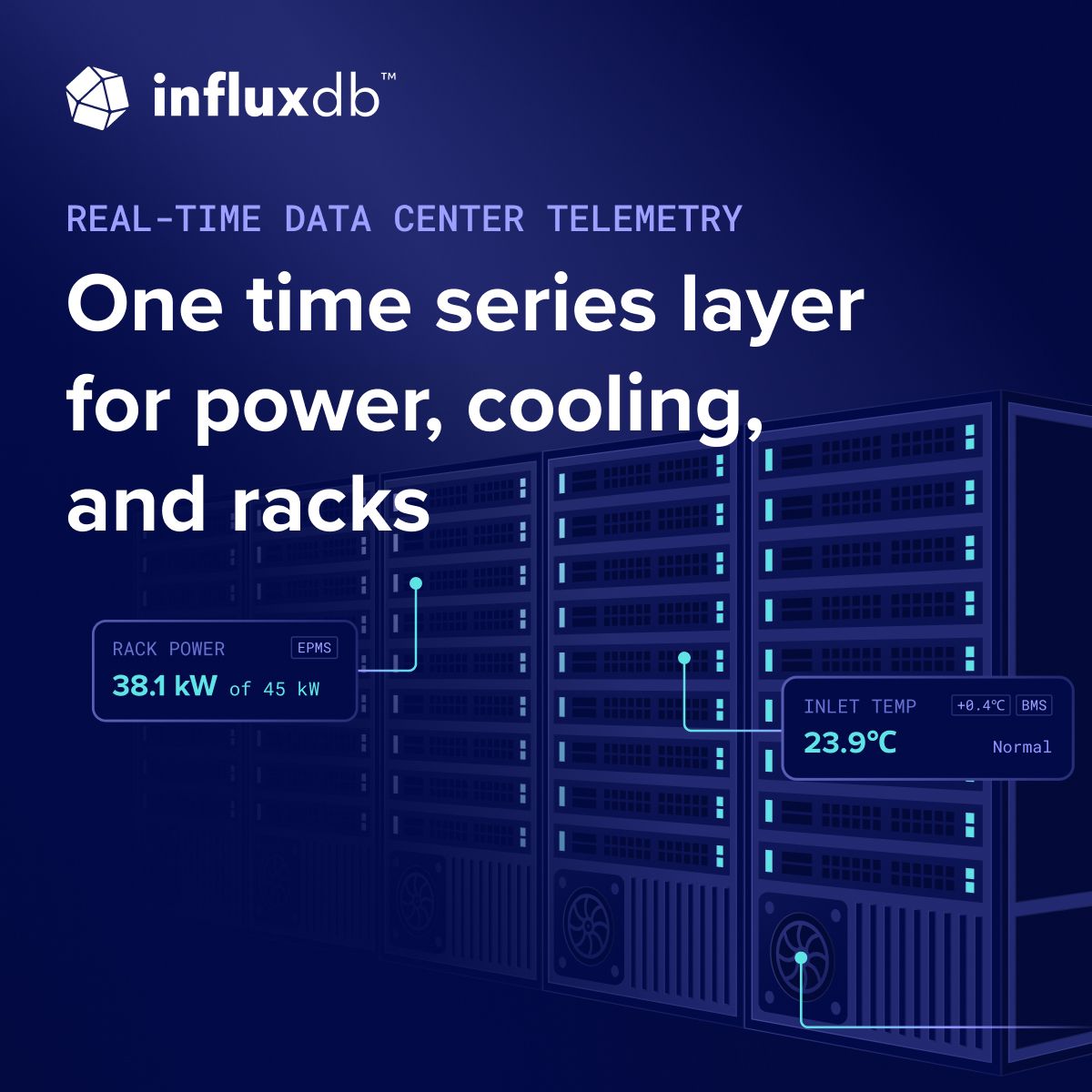
Your BMS, EPMS, and DCIM each see part of the picture. InfluxDB brings power, cooling, and rack telemetry from every site into one real-time view, without replacing the systems you already run.
- LINKEDIN · IMAGESince 19 Oct 2026
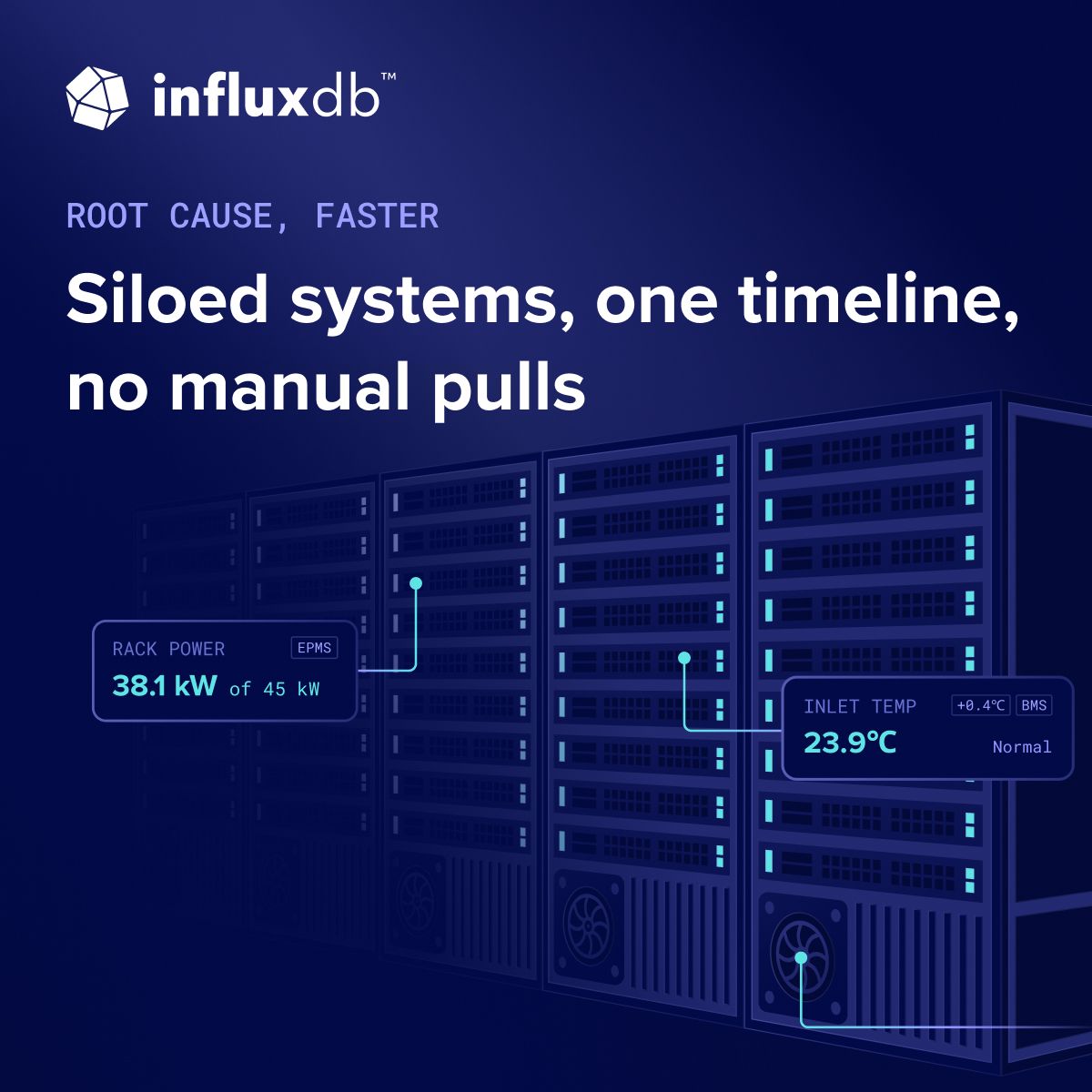
A rack overheats. DCIM throws a warning, BMS shows a cooling fault, EPMS shows a power dip. InfluxDB puts all three on one timeline, so your team finds root cause from one place instead of piecing it together by hand.
- LINKEDIN · ARTICLESince 2 Oct 2026
Automotive telemetry is everywhere. The challenge is turning that continuous stream of data into something teams can actually use. Vehicle and manufacturing data comes with the complexity of a time series workload: continuous ingestion, time-bounded queries, multiple levels of resolution, changing analytical requirements, and the need to balance historical context with real-time insight. So what does a practical automotive time series data layer look like? Our latest article explores how InfluxDB can bring ingestion, resampling, gap filling, filtering, downsampling, forecasting, caching, and retention together, while keeping these capabilities flexible rather than locking them into one tightly coupled pipeline. The goal: a data foundation that can adapt as automotive use cases evolve, from operational efficiency to deeper data-driven insights. Read the article for the automotive reference architecture.
- LINKEDIN · ARTICLESince 19 Sept 2026
Time series data gets more interesting when you stop treating it as something to query later and start using it as input to the system itself. That means catching tool wear before a machine fails, shifting load before demand spikes, or spotting rising latency before customers notice. The common thread is that the data is being used to make a decision while the decision still matters. That’s the loop: detect what’s changing, anticipate where it’s going, and take action. We broke down how that pattern works in practice and why more time series workloads are moving from passive monitoring toward systems that can respond in real-time. 👇

6 of 123 adsSign up to see every InfluxData ad, filter by format and date, and get alerts on new ones.
See all 123 adsWatch the companies you care about.
Filter every ad by industry, country, format and network, and get alerts when a company you watch starts running new ads.