Not on air · 1 of 3 networks checked
INEA
- inea.si
- Industry & Manufacturing
- SI
- 92 employees
INEA’s ads on LinkedIn, Meta and Google, recorded by adsrunning. Browse the latest here for free. Sign up free to see all 43. Watch INEA with Starter to get each new one in your feed.
Watchlist with Starter · $49/mo
| Network | Status | Live ads | Nov 2025LinkedIn activity · 52 weeksOct 2026 | Checked | Next step |
|---|---|---|---|---|---|
| None recorded | 0 | Checked 31 Oct 2026 | See all 43 ads → | ||
| Meta | Not checked | — | |||
| Not checked | — |
INEA has no live LinkedIn ads.
Latest ads
- LINKEDIN · IMAGESince 21 Sept 2026
“We already collect everything — we just need to connect it.” I hear some version of that in almost every plant I visit. I still haven’t visited a manufacturer I’d consider fully decision-ready across the entire operation. What I most often see are 𝗶𝘀𝗹𝗮𝗻𝗱𝘀 𝗼𝗳 𝗱𝗲𝗰𝗶𝘀𝗶𝗼𝗻-𝗿𝗲𝗮𝗱𝗶𝗻𝗲𝘀𝘀: critical machines, lines, or processes where the right data is collected and actually used to support decisions. Outside those islands, things get messy. Individual departments develop their own ways of collecting and using data. Different values, different formats, different systems, different purposes. The data rarely moves between those islands, even when it probably should. Then there’s the other extreme: connected machines generating plenty of data simply because they can, but with no clear plan for what that data should support or how it should be reused elsewhere. Where I see most manufacturers struggle is somewhere in the middle. Interestingly, a less-connected manufacturer with a clear purpose for its data can sometimes be further ahead than a highly connected one collecting everything without knowing why. That is because connecting one more machine or collecting one more signal is much easier than turning siloed solutions into a coherent data foundation that can be trusted, reused, and consistently expanded across the entire operation. 𝗗𝗲𝗰𝗶𝘀𝗶𝗼𝗻-𝗿𝗲𝗮𝗱𝗶𝗻𝗲𝘀𝘀 𝗼𝗳𝘁𝗲𝗻 𝘀𝘁𝗮𝗿𝘁𝘀 𝗼𝗻 𝗮𝗻 𝗶𝘀𝗹𝗮𝗻𝗱 𝗮𝗻𝗱 𝗾𝘂𝗶𝗰𝗸𝗹𝘆 𝗱𝗿𝗼𝘄𝗻𝘀 𝗶𝗻 𝘁𝗵𝗲 𝘀𝗲𝗮 𝗼𝗳 𝗶𝗻𝗳𝗼𝗿𝗺𝗮𝘁𝗶𝗼𝗻 𝘄𝗵𝗲𝗻 𝘁𝗿𝘆𝗶𝗻𝗴 𝘁𝗼 𝗰𝗼𝗻𝗻𝗲𝗰𝘁 𝘁𝗵𝗲 𝘄𝗵𝗼𝗹𝗲 𝗮𝗿𝗰𝗵𝗶𝗽𝗲𝗹𝗮𝗴𝗼. That's the journey this guide walks through — from fragmented data to decision-ready operations, with concrete steps to close the gap. You'll find it here 👉 From Data Scarce to Decision-Ready: https://lnkd.in/euk_wGBp
- LINKEDIN · IMAGESince 21 Sept 2026
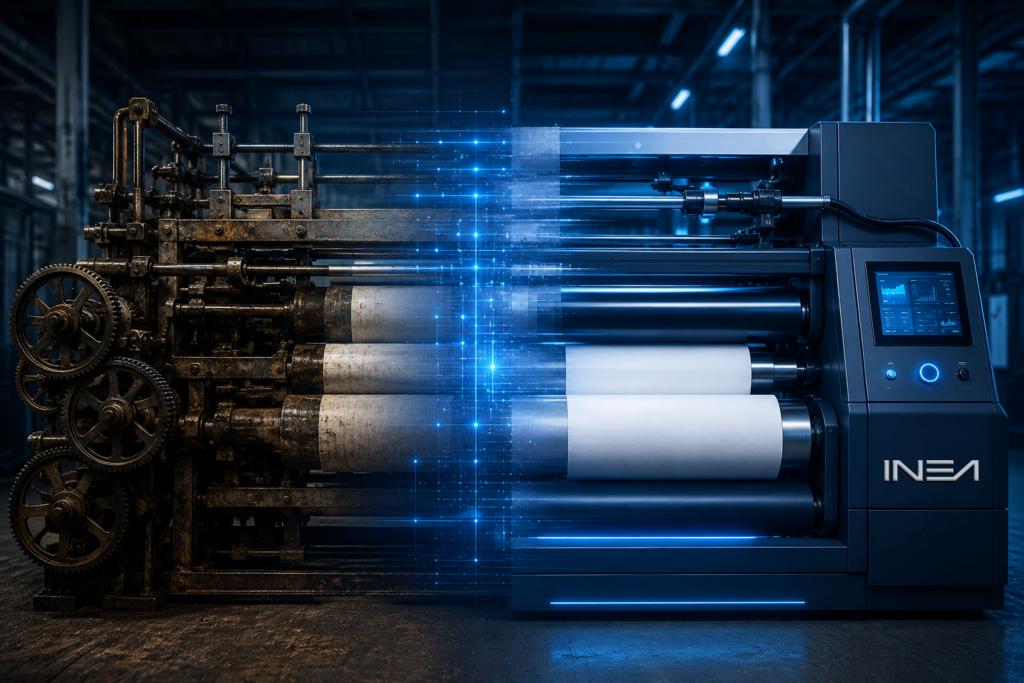
Most factories today are some sort of brownfield blend of shiny new machines and reliable old workhorses. When optimising production, we need data from both. Newer machines usually have connectivity built in. With the older ones, the question is more practical: what does it actually take to get useful data out of them? I talk about the realities of gathering legacy machine data in my latest blog post. Enjoy the read: 👉 Legacy machine data collection: Sometimes you have to open the control cabinet. https://lnkd.in/eRAwdxcJ
- LINKEDIN · IMAGESince 21 Sept 2026
A while ago, I visited a manufacturer where the production data literally walked across the factory floor with the product. 𝗢𝗻 𝗮 𝗽𝗶𝗲𝗰𝗲 𝗼𝗳 𝗽𝗮𝗽𝗲𝗿. 𝗪𝗶𝘁𝗵 𝗵𝗮𝗻𝗱𝘄𝗿𝗶𝘁𝘁𝗲𝗻 𝗻𝗼𝘁𝗲𝘀. The work order itself was created in the ERP, but once it entered production, the paper stuck on the product became the main messenger. If the paper got lost, damaged, covered up, or someone simply forgot to write something down, that part's production history disappeared with it. Even when the product came out the other side, completed, its information was never transferred back into its digital form. This is a perfect example of what data scarcity looks like. The manufacturing data is there, it's being recorded, but often in an unusable form, on a local display, in a spreadsheet, or living in someone's head. Isolated from the systems and people that would actually benefit from it. Usable, reliable data is the foundation of any advanced manufacturing application. Before investing in a shiny new production system, it's worth thinking about how data already flows through the factory. 𝗬𝗼𝘂 𝗮𝗿𝗲 𝗻𝗼𝘁 𝗿𝗲𝗮𝗱𝘆 𝗳𝗼𝗿 𝗮 𝘀𝗺𝗮𝗿𝘁 𝘁𝗿𝗮𝗻𝘀𝗳𝗼𝗿𝗺𝗮𝘁𝗶𝗼𝗻 𝗶𝗳 𝘆𝗼𝘂𝗿 𝗱𝗮𝘁𝗮 𝘀𝘁𝗶𝗹𝗹 𝘁𝗿𝗮𝘃𝗲𝗹𝘀 𝗼𝗻 𝗮 𝗽𝗶𝗲𝗰𝗲 𝗼𝗳 𝗽𝗮𝗽𝗲𝗿. We recently put together a practical guide and self-assessment scorecard around this exact problem: How to recognise manufacturing data blind spots and move from data scarce to decision-ready. _________________________________ 👉 From Data Scarce to Decision-Ready: https://lnkd.in/euk_wGBp
- LINKEDIN · IMAGESince 21 Sept 2026
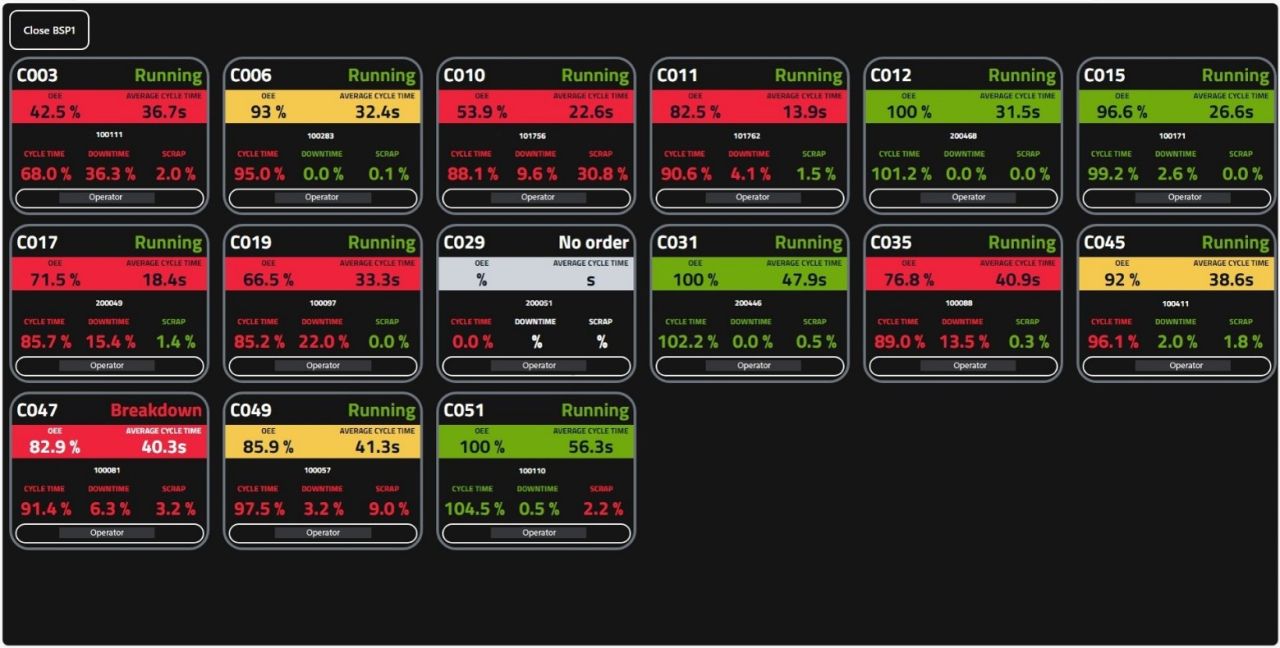
I talk a lot about having the “right” manufacturing data, but what does that look like in practice? Take something as common as downtime on an injection moulding machine (this is an actual example): The injection machine stops. Almost instantly, the event is automatically recorded in the MES. Right away, the operator can classify the reason for interruption in a simple production interface. The stoppage is immediately visible to production, while its start and end times are stored for later analysis. Beautiful. And the same data doesn’t stop being useful once the machine starts running again. It's stored and can later feed into OEE calculations, downtime analysis, and recurring problem detection. That’s the difference between simply recording a signal and having useful manufacturing data. Knowing just that something stopped isn't even remotely as valuable as having the right information, with enough context, available quickly enough for someone to act on it — and keeping it available for later analysis. What I often see is that companies already have people who know exactly which data they need for optimisation, reporting, or analysis. The missing piece is often the automatic path between where that data is created and where it can actually be used. The lesson is simple: 𝗞𝗻𝗼𝘄 𝘄𝗵𝗶𝗰𝗵 𝗱𝗮𝘁𝗮 𝗺𝗮𝘁𝘁𝗲𝗿𝘀, 𝘁𝗵𝗲𝗻 𝗺𝗮𝗸𝗲 𝘀𝘂𝗿𝗲 𝗶𝘁 𝗳𝗹𝗼𝘄𝘀 𝗮𝘂𝘁𝗼𝗺𝗮𝘁𝗶𝗰𝗮𝗹𝗹𝘆, 𝗰𝗼𝗻𝘀𝗶𝘀𝘁𝗲𝗻𝘁𝗹𝘆, 𝗮𝗻𝗱 𝗾𝘂𝗶𝗰𝗸𝗹𝘆 𝗲𝗻𝗼𝘂𝗴𝗵 𝘁𝗼 𝗯𝗲 𝗮𝗯𝗹𝗲 𝘁𝗼 𝗮𝗰𝘁 𝗼𝗻 𝗶𝘁. What's the one piece of data in your operation that everyone agrees matters, but still doesn't flow automatically? 👉 This practical guide and self-assessment scorecard is focused exactly on this: how to recognise whether your manufacturing data is actually ready to support decisions. 𝗙𝗿𝗼𝗺 𝗗𝗮𝘁𝗮 𝗦𝗰𝗮𝗿𝗰𝗲 𝘁𝗼 𝗗𝗲𝗰𝗶𝘀𝗶𝗼𝗻-𝗥𝗲𝗮𝗱𝘆: https://lnkd.in/euk_wGBp
- LINKEDIN · IMAGESince 21 Aug 2026
Most manufacturing plants have plenty of data. The real question is whether it reaches the right person, in time, in a form they can trust. We see the same pattern across plants: data scattered across spreadsheets, arriving too late to act on, or missing the context that makes it useful. We built a short self-assessment scorecard covering five practical areas — Coverage, Timeliness, Accessibility, Reliability, and Context & Standardisation. About 20 minutes, and it gives you a clear picture of where your operation stands today, and what's worth fixing first.
- LINKEDIN · IMAGESince 21 Aug 2026
A recent survey found that only 43% of manufacturing data actually gets used. The rest is collected and then sits there. We built a short scorecard to help you find where that gap shows up in your own facility — five areas, 20 minutes, a clear result at the end.




6 of 43 adsSign up to see every INEA ad, filter by format and date, and get alerts on new ones.
See all 43 adsWatch the companies you care about.
Filter every ad by industry, country, format and network, and get alerts when a company you watch starts running new ads.