On air · 1 of 3 networks
Immuta
- immuta.com
- Data
- US
- 191 employees
Immuta’s ads on LinkedIn, Meta and Google, recorded by adsrunning. Browse the latest here for free. Sign up free to see all 323. Watch Immuta with Starter to get each new one in your feed.
Watchlist with Starter · $49/mo
| Network | Status | Live ads | Nov 2025LinkedIn activity · 52 weeksOct 2026 | Checked | Next step |
|---|---|---|---|---|---|
| Running | 170 | Checked 29 Oct 2026 | See all 323 ads → | ||
| Meta | Not checked | — | |||
| Not checked | — |
Immuta has 170 live LinkedIn ads. We recorded 1 Google ad on 1 Oct 2026.
Latest ads
- LINKEDIN · IMAGESince 23 Sept 2026
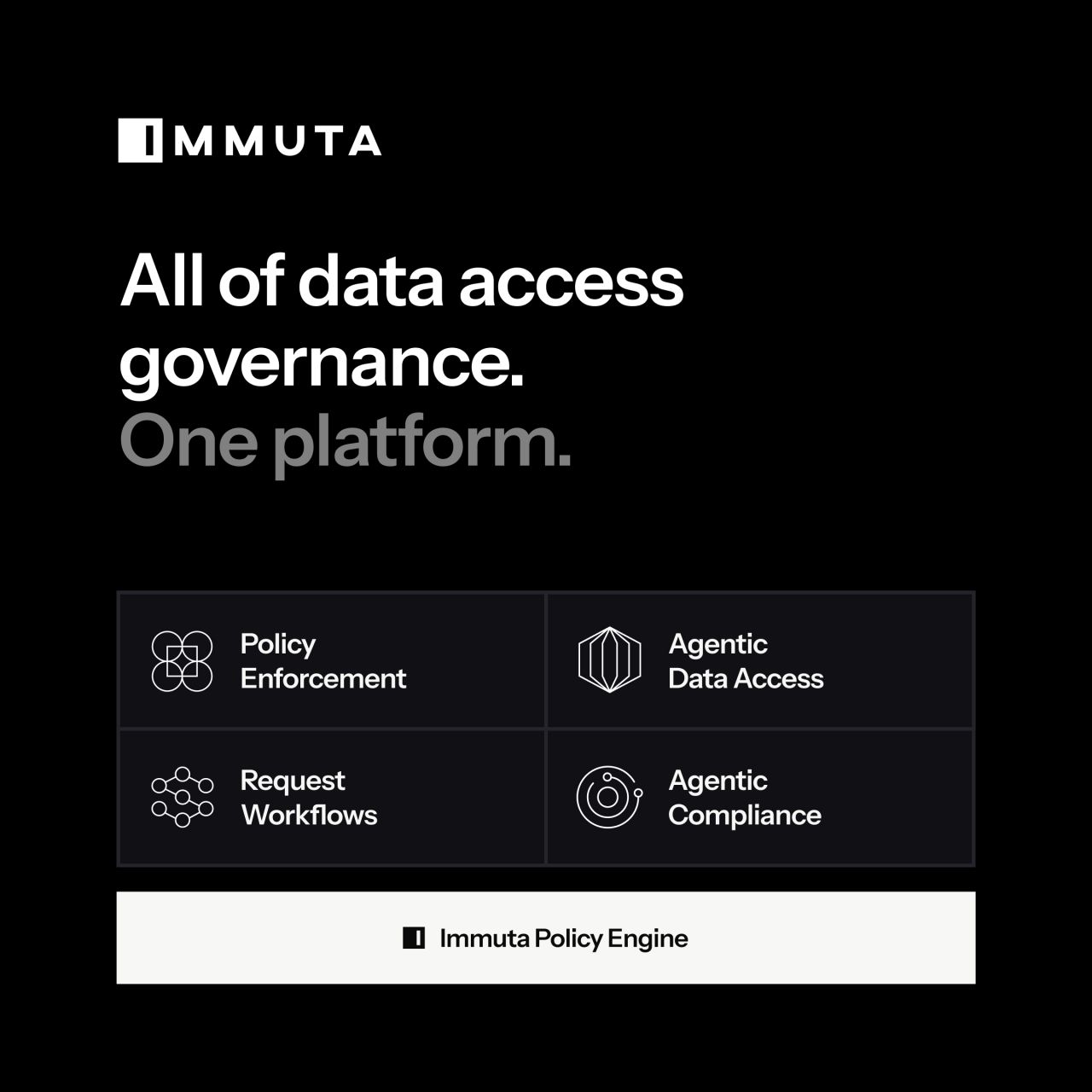
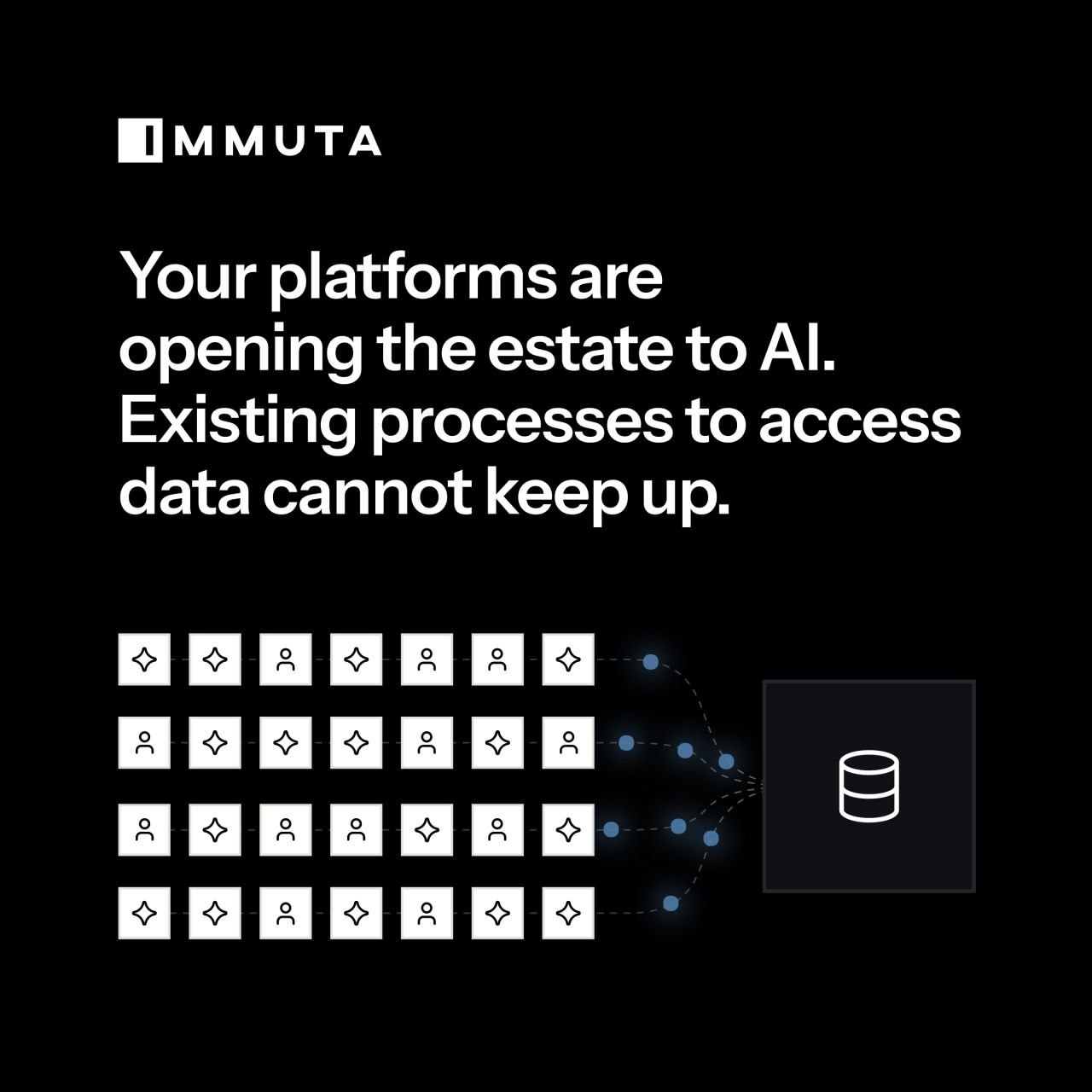
Today, Immuta becomes the Data Authorization Platform, the authorization layer for enterprise data. This is more than a new category or a new website. It reflects a fundamental shift in how people access data. I believe that by next year, the predominant way employees interact with enterprise data will be through AI harnesses. People will no longer search for a dataset, submit a request, wait for access, and then write a query. They will simply ask a question and an agent will determine what data it needs, where that data lives, and how to retrieve it. One question may generate hundreds of queries. Agents will delegate to sub-agents. And they will use whatever path is available to complete the task. They do not care whether the answer lives in a warehouse, a lakehouse, a dashboard, a SaaS application, an internal API, or a real-time data feed. They care about getting the answer. That changes the speed, scale, and risk of data access, and it changes the role Immuta must play. Historically, Immuta has been centered on policy enforcement inside the data layer: authoring policy centrally and applying it through the native controls of platforms such as Snowflake, Databricks, Teradata, Starburst, BigQuery, and others. That remains essential. But in the agentic enterprise, we must also become the policy decision point for data. For a dashboard, API, SaaS application, or data feed, the system holding the data may remain the enforcement point. But before returning anything, it should be able to ask Immuta: May this human or agent, acting for this person and for this purpose, access this resource right now? Immuta makes the determination. The application enforces the answer. That distinction is critical. Agents will use every door available to them, so enterprises need one policy model capable of governing access at every door—not just at the warehouse boundary. This is the beginning of Era Three for Immuta: agentic governance. We are bringing together policy enforcement, request workflows, agentic data access, declared intent, Universal Access Controls, and compliance evidence into one authorization layer across the enterprise data estate. Every request for data needs permission. Now there are millions. Read more about why we are making this shift and what we are building: https://lnkd.in/eify7Hs4 Open your data to AI. Not to everyone. #DataAuthorization #AgenticAI #DataSecurity #DataGovernance
- LINKEDIN · IMAGESince 22 Sept 2026
OpenAI and Anthropic have mapped out safer agents. The next step is deciding what each agent can access. That’s the Data Authorization Layer.
- LINKEDIN · IMAGESince 22 Sept 2026
Your data estate runs different access models across platforms. That gap shows up at audit time when no one can fully explain it.
- LINKEDIN · IMAGESince 22 Sept 2026
Your access model was built for people. Your data estate is serving machines. A data authorization layer is needed for agentic data access.
- LINKEDIN · IMAGESince 22 Sept 2026
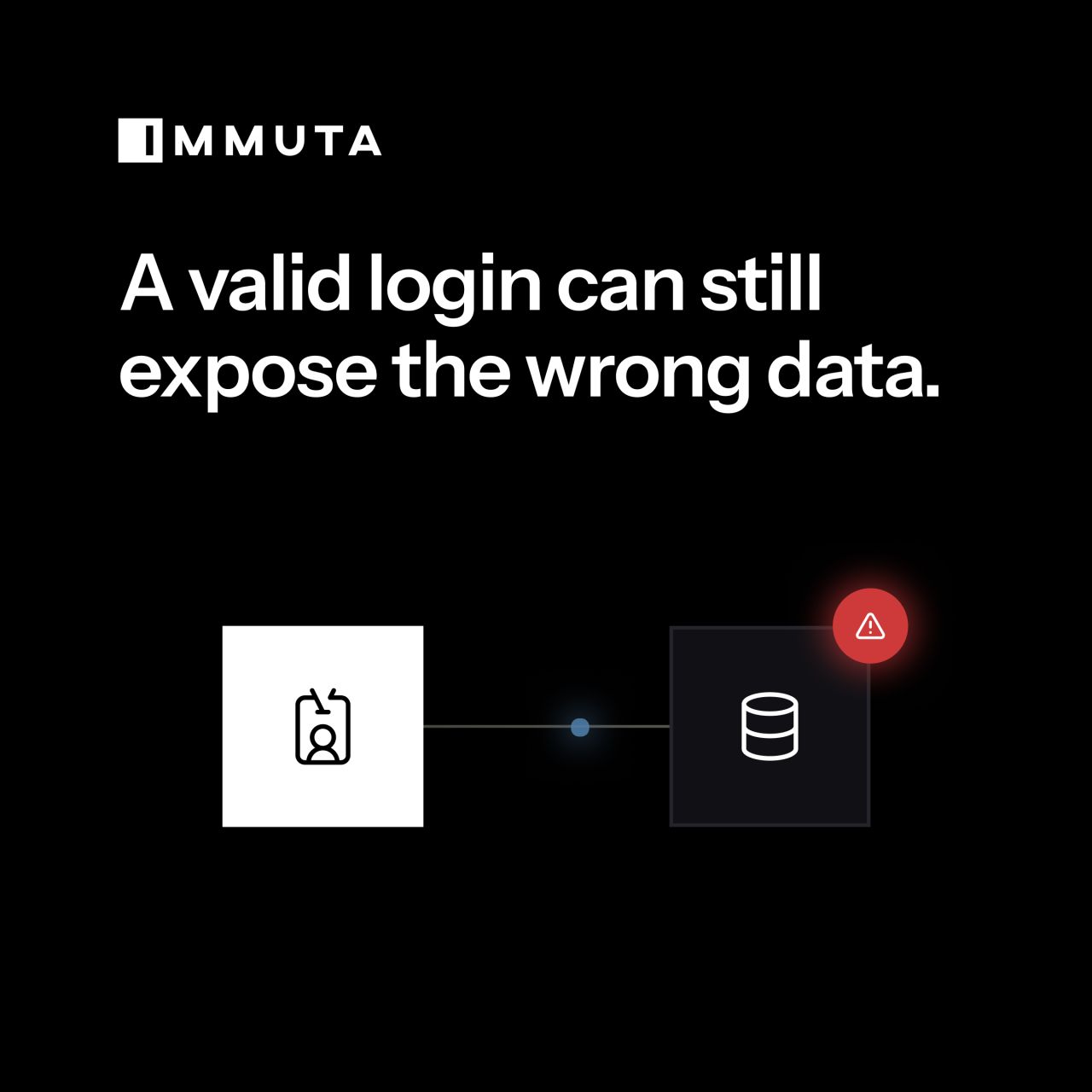
Your agent can log in and still reach the wrong data. The Data Authorization Layer decides what the request can access and why.
- LINKEDIN · IMAGESince 22 Sept 2026
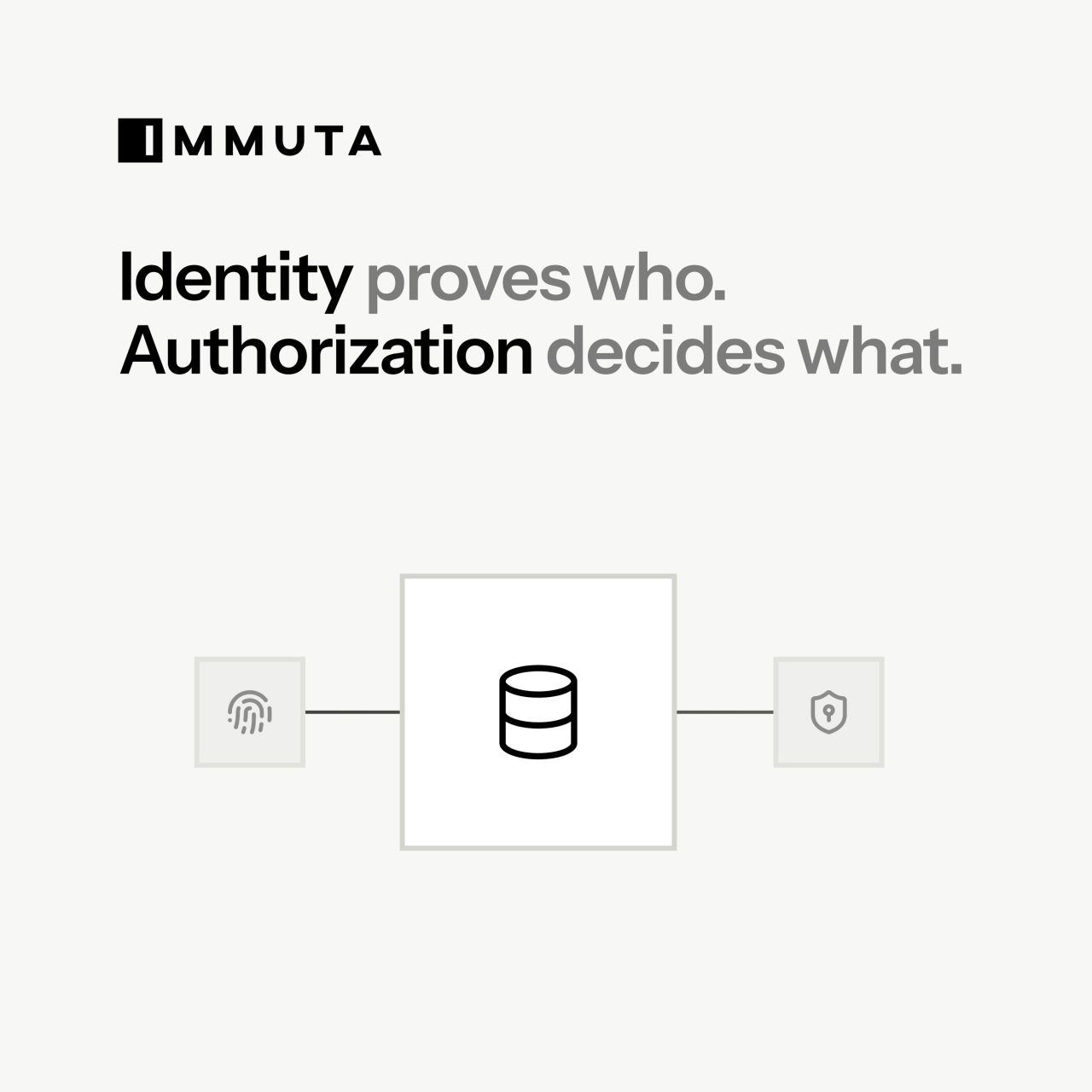
A valid login proves who’s requesting data – not what it should access. The Data Authorization Layer makes that decision.
6 of 323 adsSign up to see every Immuta ad, filter by format and date, and get alerts on new ones.
See all 323 adsWatch the companies you care about.
Filter every ad by industry, country, format and network, and get alerts when a company you watch starts running new ads.