On air · 1 of 3 networks
Gletscher Energy
- gletscherenergy.com
- Climate & Energy
- AE
- 6 employees
Gletscher Energy’s ads on LinkedIn, Meta and Google, recorded by adsrunning. Browse the latest here for free. Sign up free to see all 21. Watch Gletscher Energy with Starter to get each new one in your feed.
Watchlist with Starter · $49/mo
| Network | Status | Live ads | Nov 2025LinkedIn activity · 52 weeksOct 2026 | Checked | Next step |
|---|---|---|---|---|---|
| Running | 4 | Checked 31 Oct 2026 | See all 21 ads → | ||
| Meta | Not checked | — | |||
| None recorded | 0 | No ads found on the Google Ads Transparency Center | Checked 30 Oct 2026 | Collect them with the API → |
Gletscher Energy has 4 live LinkedIn ads. We recorded no Google ads on 30 Oct 2026.
Latest ads
- LINKEDIN · ARTICLESince 13 Sept 2026
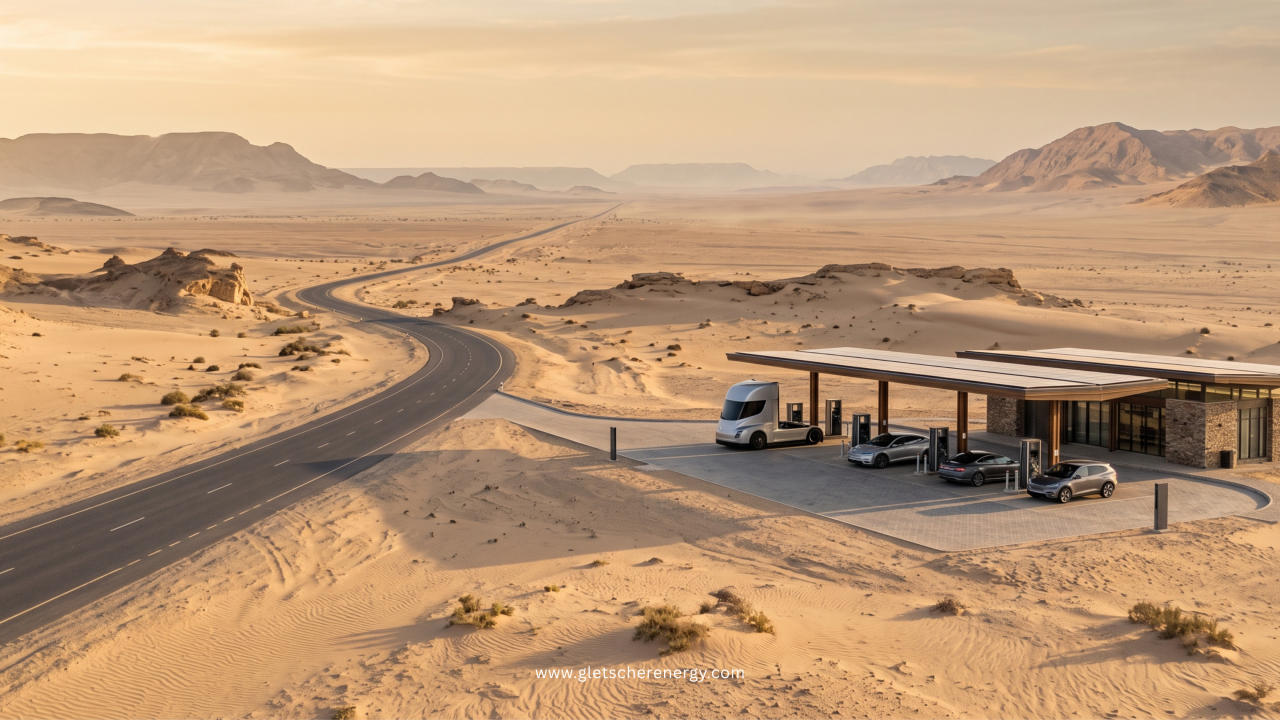
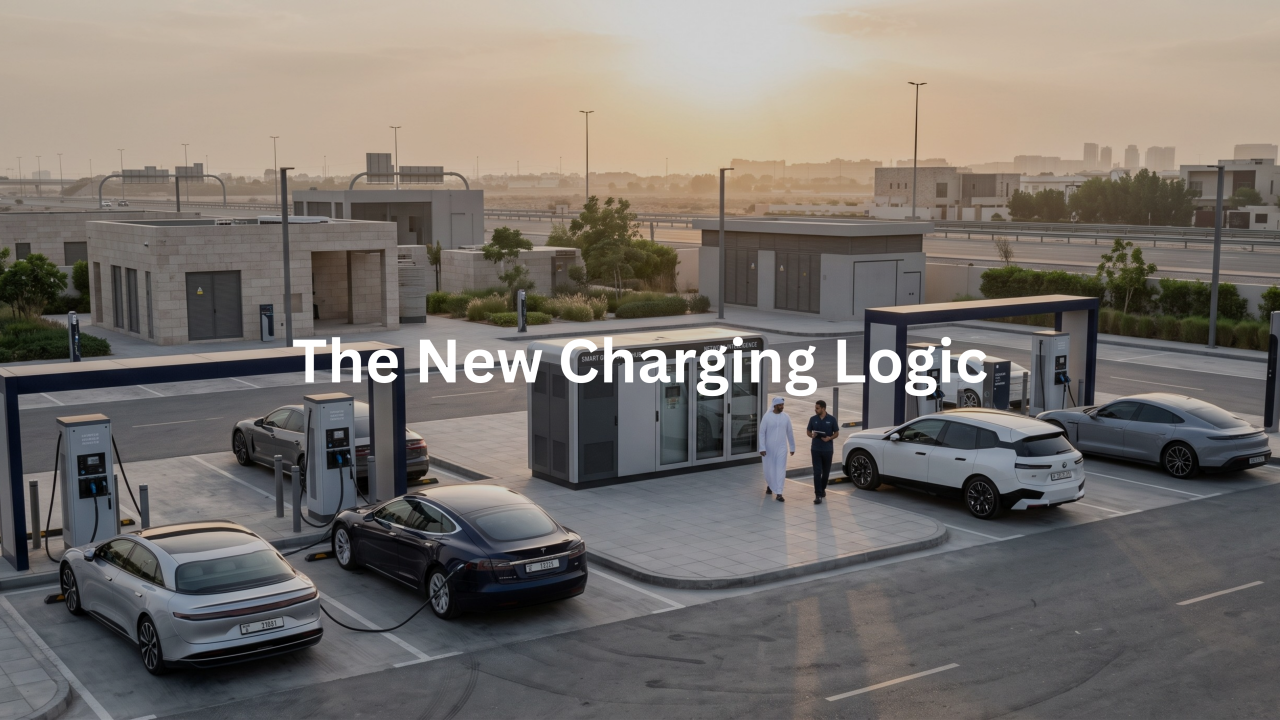
Most EV chargers were never designed for a 47°C afternoon. Heat is the problem nobody puts on the brochure. Above 40°C, most fast chargers slow themselves down to survive. The cable gets too hot to carry full current. Dust and sun wear out the fans and seals. And this is exactly where the next wave of charging is being built. The UAE is electrifying every major highway by 2027. Saudi Arabia is putting ultra-fast chargers on the desert road between Riyadh and Jeddah. India is funding charging on 50 national highways. South Africa is charging electric trucks on solar alone. So what does a highway charging site look like when it is designed for heat, weak grids and long waits for a transformer? Our new article answers that question. In short: one central power unit shared across up to 12 charging points, power sent to whichever car needs it most, a battery on site so the grid connection can be half the size, and solar overhead where the land allows. #EVCharging #ElectricVehicles #EMobility #EnergyInfrastructure #EnergyTransition
- LINKEDIN · ARTICLESince 17 Jul 2026
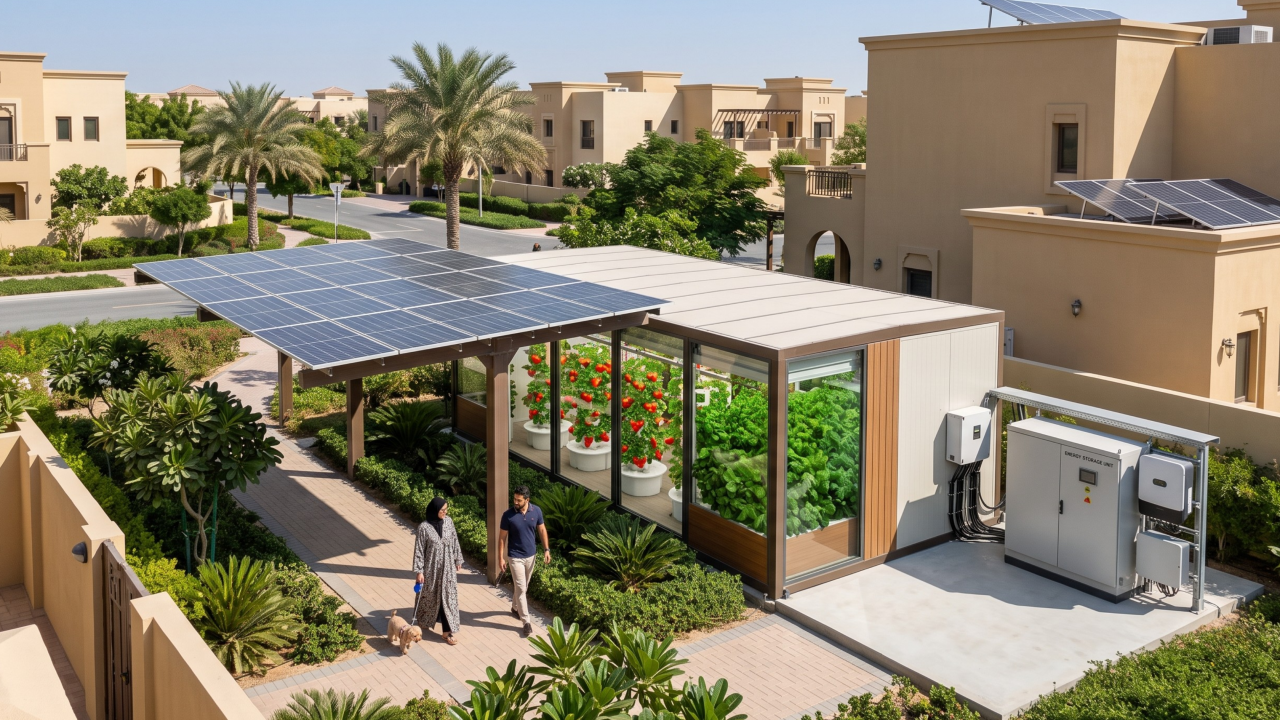
Imagine 22 tonnes of fresh food grown every year, right inside your community. Closer to homes, schools, supermarkets, cafés, and the people who consume it. Our latest article explores how vertical farming could become part of future UAE community infrastructure, connecting local food production with solar energy, battery storage and water-efficient agriculture. Using a 20,000-resident community as a planning model, we examine: • Six modular vertical farming units • Approximately 22 tonnes of fresh produce annually • Solar PV and battery storage integration • Water-efficient controlled-environment agriculture • Measurable energy, production and commercial performance For developers, government entities, investors and community operators, this represents an opportunity to strengthen food security, support ESG objectives and create more resilient, resource-efficient communities. Planning a vertical farming, aquaponics or community food-security project? Speak directly with Gletscher Energy’s Project Manager: https://lnkd.in/dkPgPH_F #GletscherEnergy #VerticalFarming #UAERealEstate #FoodSecurity #ControlledEnvironmentAgriculture #SustainableInfrastructure #SmartCommunities
- LINKEDIN · ARTICLESince 10 Jul 2026
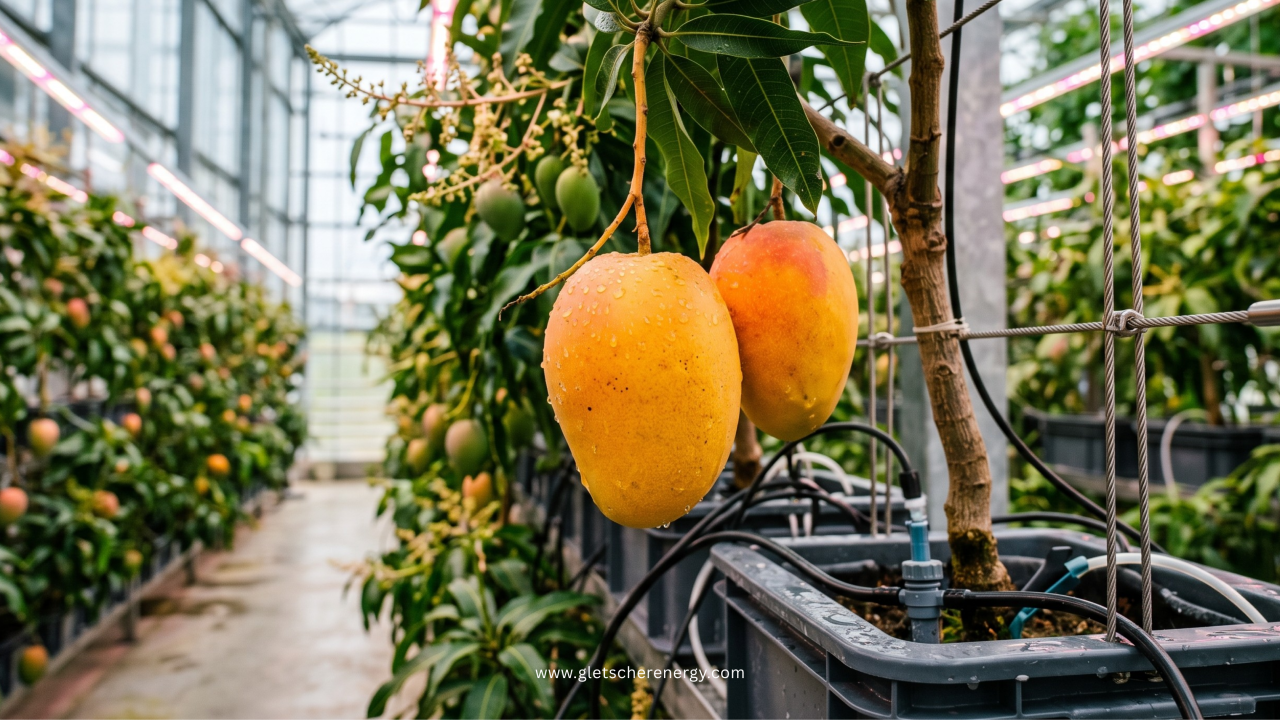
What if just 10% of a 3,000-villa community wanted 1 kg of fresh greens per week? That is 15,600 kg of annual demand. At current premium retail pricing, that is roughly AED 250,000–312,000 in produce value, before counting spoilage, freight, supply inconsistency, and freshness loss. This is the real question for large communities in the UAE: Should food remain a fully imported operating dependency, or can part of that demand be converted into local, controlled, energy-backed production inside the community itself? In our latest article, Gletscher Energy looks at the numbers behind containerized vertical farming and aquaponics, including: - annual output per unit - energy demand - water savings - operating logic - community-scale rollout potential For developers, semi-government entities, and master communities, this is no longer only a sustainability topic. It is a planning, resilience, and infrastructure topic.
- LINKEDIN · ARTICLESince 7 Jul 2026
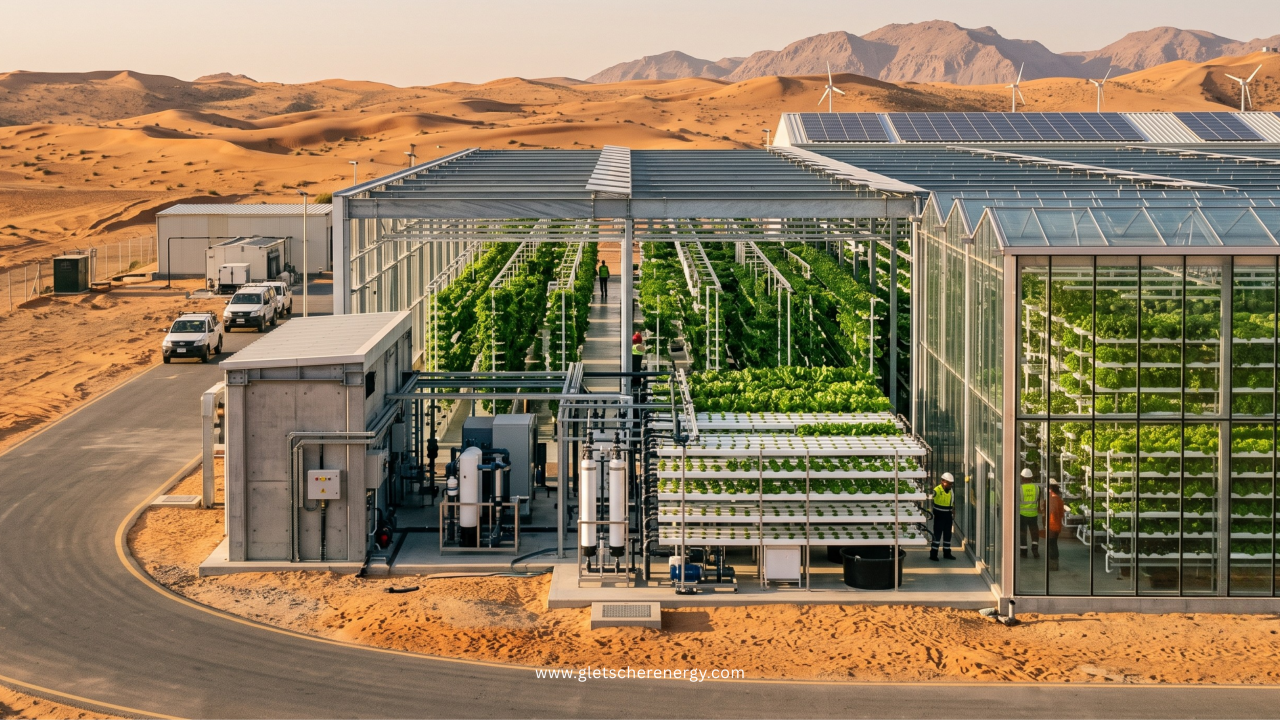
What if the next strategic energy asset in the UAE is not another building, but a food production system powered and controlled like infrastructure? Across Europe and Asia, vertical farming and aquaponics have already moved beyond the pilot stage and into serious conversations around food security, water efficiency, and controlled-environment production. In the Middle East, that shift is still early, which is exactly why the opportunity is so important. In our latest article, Gletscher Energy explores why vertical farming and aquaponics should no longer be viewed only as agriculture projects. They should be understood as power-dependent production environments where energy design, backup continuity, environmental control, and long-term operating efficiency directly shape commercial viability. For governments, semi-government entities, master developers, large communities, hospitality groups, and infrastructure planners, this is becoming a much more strategic topic than it first appears. This is one of the solutions within Gletscher Energy’s wider portfolio for energy sustainability, resilience, and infrastructure modernization. Read the full article and explore the solution here: https://lnkd.in/dGs7r79E #GletscherEnergy #VerticalFarming #Aquaponics #FoodSecurity #ControlledEnvironmentAgriculture #EnergyInfrastructure #Sustainability #WaterEfficiency #UAEDevelopment #SmartInfrastructure #ClimateTech #RenewableEnergy
- LINKEDIN · ARTICLESince 30 Jun 2026
More chargers do not automatically create better EV infrastructure. The real question for the Middle East and Africa is how charging sites are engineered: 1. How power is allocated? 2. How multiple vehicles are served? 3. How uptime is protected? 4. How infrastructure is designed for scale? In our latest article, Gletscher Energy explores why the next phase of public EV infrastructure will be defined by charging architecture, not charger count alone. For utilities, governments, fleet operators, and public project developers, this is where the conversation starts getting serious. Read the full article: The Next Phase of Public EV Infrastructure in the Middle East and Africa Will Be Defined by Charging Architecture, Not Charger Count Alone #GletscherEnergy #EVChargingInfrastructure #PublicCharging #ElectricMobility #SmartInfrastructure #MiddleEastEnergy #AfricaMobility
- LINKEDIN · ARTICLESince 11 May 2026
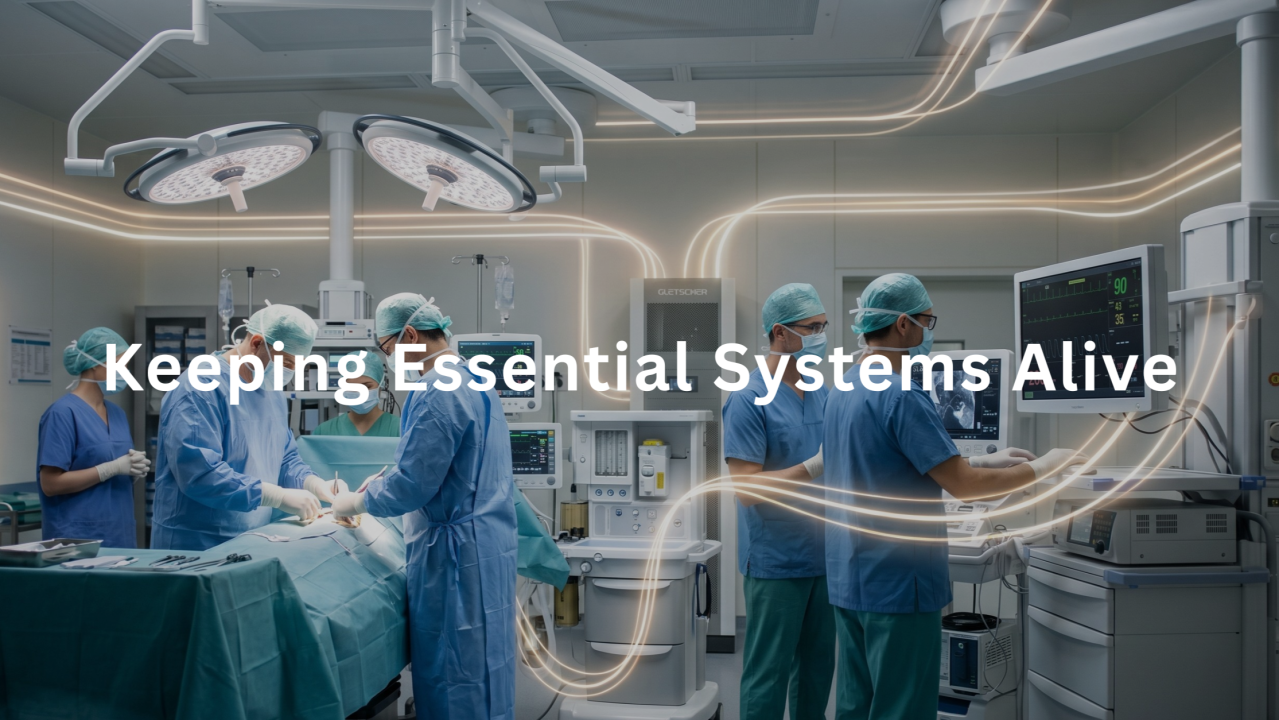
Ports can stall. Hospitals can’t pause. Telecom networks can’t go quiet. That is why power continuity is becoming a far more serious infrastructure question. In critical infrastructure, unstable power is never just a technical issue. It affects operations, service reliability, and how confidently essential systems can keep moving. In our latest article, Gletscher Energy looks at why critical power, UPS systems, battery storage, inverter intelligence, and solar integration are becoming more important across ports, hospitals, telecom sites, and warehouses in the Middle East. The conversation is shifting away from simple backup. It is moving toward more dependable, more visible, and more infrastructure-ready power architecture designed for environments where continuity matters every day. #GletscherEnergy #CriticalPower #BatteryStorage #MiddleEastEnergy #RenewableEnergy
6 of 21 adsSign up to see every Gletscher Energy ad, filter by format and date, and get alerts on new ones.
See all 21 adsWatch the companies you care about.
Filter every ad by industry, country, format and network, and get alerts when a company you watch starts running new ads.