On air · 1 of 3 networks
Genesis Computing
- genesiscomputing.ai
- Data
- 27 employees
Genesis Computing’s ads on LinkedIn, Meta and Google, recorded by adsrunning. Browse the latest here for free. Sign up free to see all 111. Watch Genesis Computing with Starter to get each new one in your feed.
Watchlist with Starter · $49/mo
| Network | Status | Live ads | Nov 2025LinkedIn activity · 52 weeksOct 2026 | Checked | Next step |
|---|---|---|---|---|---|
| Running | 111 | Checked 31 Oct 2026 | See all 111 ads → | ||
| Meta | Not checked | — | |||
| None recorded | 0 | No ads found on the Google Ads Transparency Center | Checked 30 Oct 2026 | Collect them with the API → |
Genesis Computing has 111 live LinkedIn ads. We recorded no Google ads on 30 Oct 2026.
Latest ads
- LINKEDIN · IMAGERecorded 20 Sept 2026
🎥 𝗣𝗔𝗥𝗧 𝟮 𝗢𝗙 𝟯: 𝗪𝗛𝗘𝗥𝗘 𝗗𝗢 𝗔𝗚𝗘𝗡𝗧 𝗦𝗘𝗥𝗩𝗘𝗥𝗦 𝗥𝗨𝗡? | Deep Dive with 𝗝𝘂𝘀𝘁𝗶𝗻 𝗟𝗮𝗻𝗴𝘀𝗲𝘁𝗵 In the second installment of our Agent Server series, Justin Langseth, Co-Founder & CTO of Genesis Computing, tackles one of the most critical questions enterprises face when deploying agentic AI: 𝗪𝗵𝗲𝗿𝗲 𝘀𝗵𝗼𝘂𝗹𝗱 𝘆𝗼𝘂𝗿 𝗮𝗴𝗲𝗻𝘁 𝘀𝗲𝗿𝘃𝗲𝗿 𝗮𝗰𝘁𝘂𝗮𝗹𝗹𝘆 𝗿𝘂𝗻? 🔐 𝗧𝗵𝗲 𝗦𝗲𝗰𝘂𝗿𝗶𝘁𝘆 𝗘𝘃𝗼𝗹𝘂𝘁𝗶𝗼𝗻: We’ve gone from floppy discs → SaaS applications → and now to AI agents that can replace entire categories of SaaS tools. But here’s the catch: while agents can reduce SaaS dependency and costs, they need somewhere secure to run, especially when they’re working with 𝘆𝗼𝘂𝗿 𝗱𝗮𝘁𝗮. 💡 𝗞𝗲𝘆 𝗜𝗻𝘀𝗶𝗴𝗵𝘁𝘀 𝗳𝗿𝗼𝗺 𝗝𝘂𝘀𝘁𝗶𝗻: 𝗪𝗵𝘆 𝗗𝗮𝘁𝗮 𝗔𝗴𝗲𝗻𝘁𝘀 𝗦𝗵𝗼𝘂𝗹𝗱 𝗥𝘂𝗻 𝗜𝗡𝗦𝗜𝗗𝗘 𝗬𝗼𝘂𝗿 𝗘𝗻𝘃𝗶𝗿𝗼𝗻𝗺𝗲𝗻𝘁 Unlike traditional SaaS where software runs in a vendor’s cloud, data agents need broad access to your enterprise data, both structured and unstructured. Running these agents externally creates 𝘂𝗻𝗻𝗲𝗰𝗲𝘀𝘀𝗮𝗿𝘆 𝘀𝗲𝗰𝘂𝗿𝗶𝘁𝘆 𝗿𝗶𝘀𝗸𝘀. Genesis customers deploy agent servers 𝗶𝗻𝘀𝗶𝗱𝗲 𝘁𝗵𝗲𝗶𝗿 𝗼𝘄𝗻 𝗲𝗻𝘃𝗶𝗿𝗼𝗻𝗺𝗲𝗻𝘁𝘀, ideally on the same platform where data lives. 𝗙𝗹𝗲𝘅𝗶𝗯𝗹𝗲 𝗗𝗲𝗽𝗹𝗼𝘆𝗺𝗲𝗻𝘁 𝗢𝗽𝘁𝗶𝗼𝗻𝘀 Genesis Agent Server runs as a 𝗗𝗼𝗰𝗸𝗲𝗿 𝗰𝗼𝗻𝘁𝗮𝗶𝗻𝗲𝗿, giving you complete control over where it lives: 🔸 Snowflake - Native application with Snowpark Container Services (easiest path for Snowflake customers) 🔸 Databricks - Container deployment inside the platform 🔸 Amazon Web Services (AWS) - EC2 or ECS via Terraform scripts 🔸 Microsoft Azure - Container instances or VMs via Terraform 🔸 𝗢𝗻-𝗣𝗿𝗲𝗺𝗶𝘀𝗲 Kubernetes - Yes, even hedge funds running everything in their own buildings 🛡️ 𝗔𝗰𝗰𝗲𝘀𝘀 𝗖𝗼𝗻𝘁𝗿𝗼𝗹 𝗧𝗵𝗮𝘁 𝗠𝗮𝗸𝗲𝘀 𝗦𝗲𝗻𝘀𝗲 Justin introduces a powerful mental model: 𝘁𝗿𝗲𝗮𝘁 𝗱𝗮𝘁𝗮 𝗮𝗴𝗲𝗻𝘁𝘀 𝗹𝗶𝗸𝗲 𝗻𝗲𝘄 𝗲𝗺𝗽𝗹𝗼𝘆𝗲𝗲𝘀. 🔹 Create service accounts with appropriate read/write permissions 🔹 Grant access thoughtfully, not full admin rights on day one 🔹 Monitor agent activity the same way you’d monitor human activity 🔹 Leverage existing security protocols you already trust 🎯 𝗧𝗵𝗲 𝗕𝗼𝘁𝘁𝗼𝗺 𝗟𝗶𝗻𝗲 When agents have broad access to corporate data, running them 𝗶𝗻𝘀𝗶𝗱𝗲 𝘆𝗼𝘂𝗿 𝘁𝗿𝘂𝘀𝘁𝗲𝗱, 𝘀𝗲𝗰𝘂𝗿𝗲𝗱, 𝗮𝗻𝗱 𝗺𝗼𝗻𝗶𝘁𝗼𝗿𝗲𝗱 𝗲𝗻𝘁𝗲𝗿𝗽𝗿𝗶𝘀𝗲 𝗲𝗻𝘃𝗶𝗿𝗼𝗻𝗺𝗲𝗻𝘁 isn’t just better, 𝗶𝘁’𝘀 𝗲𝘀𝘀𝗲𝗻𝘁𝗶𝗮𝗹. 👀 𝗪𝗮𝘁𝗰𝗵 𝗣𝗮𝗿𝘁 𝟮 👉 https://lnkd.in/e27G3iby Missed Part 1? We covered what an agent server is and why it’s the foundation of production AI agents. Coming up in Part 3: Justin will dive deeper into the final critical elements of agent server architecture. #AgenticAI #DataSecurity #EnterpriseAI #CloudArchitecture #DataEngineering #Snowflake #AIAgents #CyberSecurity #TechLeadership
- LINKEDIN · IMAGERecorded 20 Sept 2026
🎥 𝗣𝗔𝗥𝗧 𝟯 𝗢𝗙 𝟯: 𝗔𝗖𝗖𝗘𝗦𝗦 𝗖𝗢𝗡𝗧𝗥𝗢𝗟 𝗙𝗢𝗥 𝗔𝗚𝗘𝗡𝗧 𝗦𝗘𝗥𝗩𝗘𝗥𝗦 | Deep Dive with 𝗝𝘂𝘀𝘁𝗶𝗻 𝗟𝗮𝗻𝗴𝘀𝗲𝘁𝗵 In the final installment of our Agent Server series, Justin Langseth, Co-Founder & CTO of Genesis Computing, tackles the most nuanced challenge in production agentic AI: 𝗛𝗼𝘄 𝗱𝗼 𝘆𝗼𝘂 𝗰𝗼𝗻𝘁𝗿𝗼𝗹 𝘄𝗵𝗼 𝗰𝗮𝗻 𝗶𝗻𝘁𝗲𝗿𝗮𝗰𝘁 𝘄𝗶𝘁𝗵 𝗮𝗴𝗲𝗻𝘁𝘀 𝗮𝗻𝗱 𝘄𝗵𝗮𝘁 𝘁𝗵𝗲𝘆 𝗰𝗮𝗻 𝗱𝗼? 🔐 𝗧𝘄𝗼 𝘄𝗮𝘆 𝗮𝗰𝗰𝗲𝘀𝘀 𝗰𝗼𝗻𝘁𝗿𝗼𝗹 Agent access flows both directions: 𝗗𝗼𝘄𝗻𝘀𝘁𝗿𝗲𝗮𝗺 What can agents access in enterprise systems? 𝗨𝗽𝘀𝘁𝗿𝗲𝗮𝗺 Who can interact with agents and what can they ask them to do? 💡 𝗞𝗲𝘆 𝗶𝗻𝘀𝗶𝗴𝗵𝘁𝘀 𝗳𝗿𝗼𝗺 𝗝𝘂𝘀𝘁𝗶𝗻 𝗠𝘂𝗹𝘁𝗶 𝗰𝗵𝗮𝗻𝗻𝗲𝗹 𝗿𝗲𝗮𝗹𝗶𝘁𝘆 Users engage agents via Slack, Teams, Jira, Google Docs, and APIs, each with unique security considerations. 🚨 𝗖𝗿𝗶𝘁𝗶𝗰𝗮𝗹 𝗺𝗶𝘀𝘁𝗮𝗸𝗲 𝗗𝗼𝗻’𝘁 𝗶𝗻𝗵𝗲𝗿𝗶𝘁 𝘂𝘀𝗲𝗿 𝗮𝗰𝗰𝗲𝘀𝘀 𝗿𝗶𝗴𝗵𝘁𝘀. OAuth-style impersonation lets agents “step into the shoes” of a user. Talking to an agent should not grant it 𝗬𝗢𝗨𝗥 enterprise privileges. Why this fails: visibility by many, human vs agent trust differs, context-dependent security. 𝗕𝗲𝘁𝘁𝗲𝗿 𝗮𝗽𝗽𝗿𝗼𝗮𝗰𝗵: 𝘁𝗿𝗲𝗮𝘁 𝗮𝗴𝗲𝗻𝘁𝘀 𝗹𝗶𝗸𝗲 𝗲𝗺𝗽𝗹𝗼𝘆𝗲𝗲𝘀 🔸 Give agents their own identity and RBAC 🔸 Define which users or groups can interact with each agent 🔸 Specify allowed request types per user 🔸 Control what information agents can share back 🔸 Decouple agent permissions from caller permissions 🔸 Monitor agents as you monitor employees 𝗔𝗴𝗲𝗻𝘁 𝘁𝗼 𝗮𝗴𝗲𝗻𝘁 (𝗔𝟮𝗔) Secure inter-agent communication follows the same access principles as agents take on more functions. 🎯 𝗧𝗵𝗲 𝗯𝗼𝘁𝘁𝗼𝗺 𝗹𝗶𝗻𝗲 Access control is not just security; it is a sustainable, scalable framework where agents operate as trusted members of your organization with clearly defined roles, like your human employees. 👀 𝗪𝗮𝘁𝗰𝗵 𝗣𝗮𝗿𝘁 𝟯 👉 https://lnkd.in/ed9Js2AH Missed the series? 👇 𝗣𝗮𝗿𝘁 𝟭: What is an Agent Server https://lnkd.in/ejqXbVVT 𝗣𝗮𝗿𝘁 𝟮: Where to deploy Agent Servers for maximum security https://lnkd.in/eFPiwtFn 𝗚𝗲𝗻𝗲𝘀𝗶𝘀 𝗖𝗼𝗺𝗽𝘂𝘁𝗶𝗻𝗴 solves production agentic AI for all your data engineering needs at scale with security and governance from day one. #AgenticAI #AccessControl #ZeroTrust #EnterpriseAI #DataSecurity #AIGovernance #RBAC #CyberSecurity #AIAgents #ProductionAI
- LINKEDIN · IMAGERecorded 20 Sept 2026
🎥 𝗣𝗔𝗥𝗧 𝟭 𝗢𝗙 𝟯: 𝗪𝗛𝗔𝗧 𝗜𝗦 𝗔𝗡 𝗔𝗚𝗘𝗡𝗧 𝗦𝗘𝗥𝗩𝗘𝗥? | Deep Dive with 𝗝𝘂𝘀𝘁𝗶𝗻 𝗟𝗮𝗻𝗴𝘀𝗲𝘁𝗵 In the first installment of our Agent Server series, Justin Langseth, Co-Founder & CTO of Genesis Computing, breaks down one of the most fundamental yet often misunderstood components of production agentic AI: 𝘁𝗵𝗲 𝗔𝗴𝗲𝗻𝘁 𝗦𝗲𝗿𝘃𝗲𝗿. 𝗪𝗵𝗮𝘁 𝗘𝘅𝗮𝗰𝘁𝗹𝘆 𝗜𝘀 𝗮𝗻 𝗔𝗴𝗲𝗻𝘁 𝗦𝗲𝗿𝘃𝗲𝗿? Think of it as 𝘁𝗵𝗲 𝗼𝗽𝗲𝗿𝗮𝘁𝗶𝗻𝗴 𝘀𝘆𝘀𝘁𝗲𝗺 𝗳𝗼𝗿 𝘆𝗼𝘂𝗿 𝗔𝗜 𝗮𝗴𝗲𝗻𝘁𝘀. Just like you can’t run applications without an OS, production agents can’t exist as just a set of files somewhere, they need a 𝘀𝗲𝗿𝘃𝗲𝗿 𝗼𝗿𝗰𝗵𝗲𝘀𝘁𝗿𝗮𝘁𝗶𝗻𝗴 𝗲𝘃𝗲𝗿𝘆𝘁𝗵𝗶𝗻𝗴 behind the scenes. 💡 𝗞𝗲𝘆 𝗜𝗻𝘀𝗶𝗴𝗵𝘁𝘀 𝗳𝗿𝗼𝗺 𝗝𝘂𝘀𝘁𝗶𝗻: 𝗧𝗵𝗲 𝗖𝗼𝗻𝘁𝗿𝗼𝗹 𝗖𝗲𝗻𝘁𝗲𝗿 An agent server is where agents “live”, handling all inbound requests from Slack, Teams, APIs, or custom interfaces, and managing all outbound tool calls and actions. It runs 𝟮𝟰/𝟳, must be 𝘀𝗲𝗰𝘂𝗿𝗲, and needs to 𝘀𝗰𝗮𝗹𝗲 𝗱𝘆𝗻𝗮𝗺𝗶𝗰𝗮𝗹𝗹𝘆 as request volumes fluctuate. 𝗪𝗵𝗮𝘁 𝗟𝗶𝘃𝗲𝘀 𝗜𝗻𝘀𝗶𝗱𝗲 ✅ 𝗔𝗴𝗲𝗻𝘁 𝗽𝗲𝗿𝘀𝗼𝗻𝗮𝘀 - System prompts and capabilities (𝗚𝗲𝗻𝗲𝘀𝗶𝘀 𝗵𝗮𝘀 𝗯𝘂𝗶𝗹𝘁 𝟭𝟬𝟬+ 𝗯𝗲𝘀𝗽𝗼𝗸𝗲 𝘁𝗼𝗼𝗹𝘀 for data engineering) ✅ 𝗔𝗰𝗰𝗲𝘀𝘀 𝗰𝗼𝗻𝘁𝗿𝗼𝗹 - What each agent can access in enterprise systems and what users can do with each agent ✅ 𝗦𝗰𝗵𝗲𝗱𝘂𝗹𝗶𝗻𝗴 𝗲𝗻𝗴𝗶𝗻𝗲 - Managing periodic tasks (checking Snowflake jobs every 15 seconds, Jira tickets every 15 minutes, daily reports every morning) ✅ 𝗦𝗲𝗰𝘂𝗿𝗶𝘁𝘆 & 𝗴𝗼𝘃𝗲𝗿𝗻𝗮𝗻𝗰𝗲 - Complete logging, observability, and compliance management ✅ 𝗟𝗟𝗠 𝗰𝗼𝗻𝗻𝗲𝗰𝘁𝗶𝗼𝗻𝘀 - Rate limiting and connection management to underlying language models 𝗧𝗵𝗲 𝗛𝘂𝗺𝗮𝗻 𝗣𝗮𝗿𝗮𝗹𝗹𝗲𝗹 Just like humans have to-do lists with immediate tasks and recurring responsibilities, agents maintain short-term work queues alongside periodic activities. The agent server 𝗸𝗲𝗲𝗽𝘀 𝘁𝗵𝗲𝗺 𝗼𝗻 𝘀𝗰𝗵𝗲𝗱𝘂𝗹𝗲, 𝗿𝗲𝘀𝗽𝗼𝗻𝘀𝗶𝘃𝗲, 𝗮𝗻𝗱 𝗮𝗰𝗰𝗼𝘂𝗻𝘁𝗮𝗯𝗹𝗲. 🎯 𝗧𝗵𝗲 𝗕𝗼𝘁𝘁𝗼𝗺 𝗟𝗶𝗻𝗲 𝗬𝗼𝘂 𝗰𝗮𝗻’𝘁 𝗵𝗮𝘃𝗲 𝗽𝗿𝗼𝗱𝘂𝗰𝘁𝗶𝗼𝗻 𝗮𝗴𝗲𝗻𝘁𝘀 𝘄𝗶𝘁𝗵𝗼𝘂𝘁 𝗮𝗻 𝗮𝗴𝗲𝗻𝘁 𝘀𝗲𝗿𝘃𝗲𝗿. 𝗣𝗲𝗿𝗶𝗼𝗱. It’s not optional, it’s the foundation that makes agents 𝗿𝗲𝗹𝗶𝗮𝗯𝗹𝗲, 𝘀𝗲𝗰𝘂𝗿𝗲, 𝗴𝗼𝘃𝗲𝗿𝗻𝗮𝗯𝗹𝗲, 𝗮𝗻𝗱 𝗲𝗻𝘁𝗲𝗿𝗽𝗿𝗶𝘀𝗲-𝗿𝗲𝗮𝗱𝘆. 👀 𝗪𝗮𝘁𝗰𝗵 𝗣𝗮𝗿𝘁 𝟭 👉 https://lnkd.in/e3qUkwxU Coming Next: 𝗪𝗵𝗲𝗿𝗲 𝘀𝗵𝗼𝘂𝗹𝗱 𝘆𝗼𝘂𝗿 𝗮𝗴𝗲𝗻𝘁 𝘀𝗲𝗿𝘃𝗲𝗿 𝗮𝗰𝘁𝘂𝗮𝗹𝗹𝘆 𝗿𝘂𝗻? #AgenticAI #AI #EnterpriseAI #DataEngineering #AIInfrastructure #ProductionAI #TechArchitecture #AIAgents #Genesis
- LINKEDIN · IMAGERecorded 20 Sept 2026
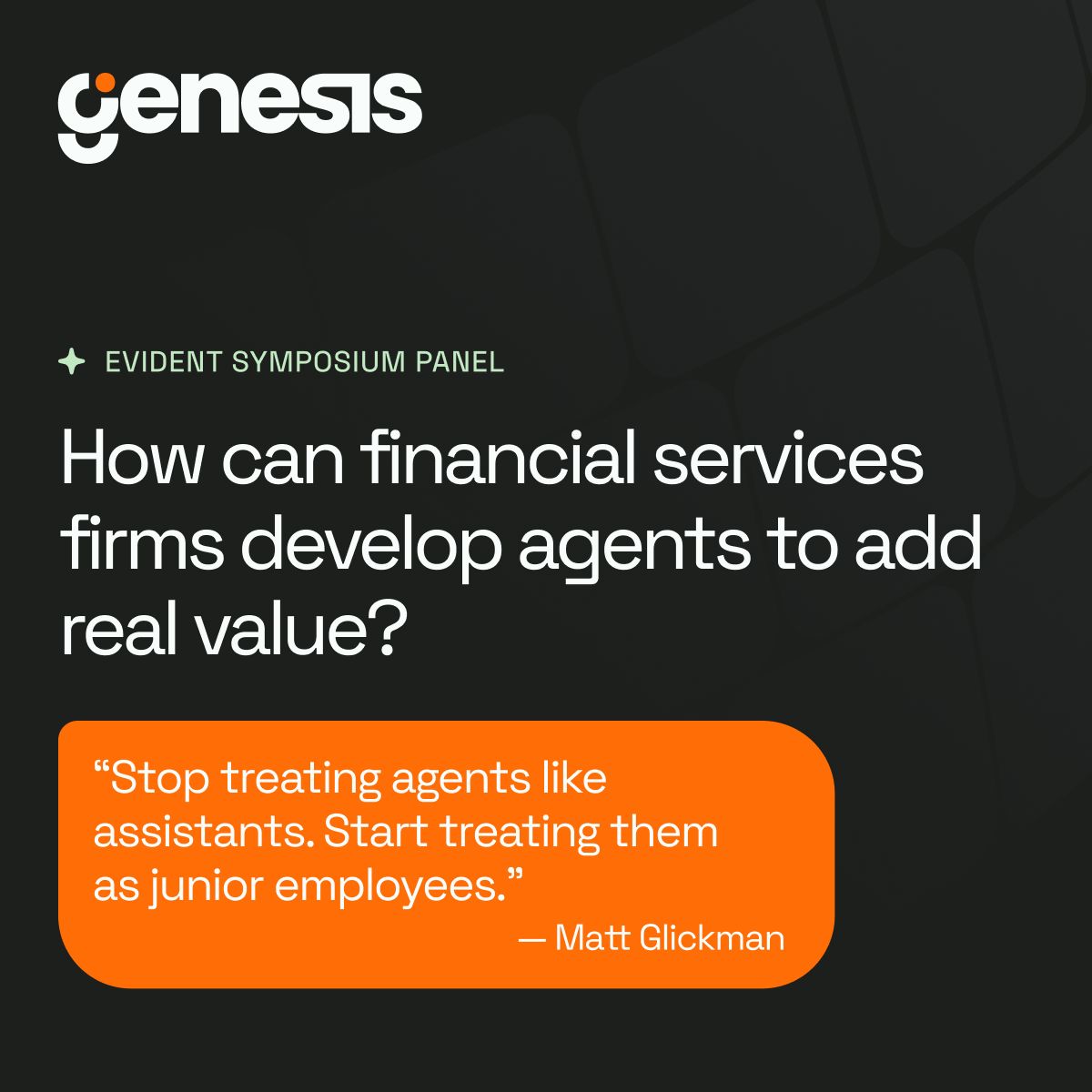
Most institutions treat agentic AI like a coding assistant, generating scripts that humans review and deploy. That's incrementally faster, not transformational. 𝗚𝗲𝗻𝗲𝘀𝗶𝘀 𝗮𝗴𝗲𝗻𝘁𝘀 𝗼𝗽𝗲𝗿𝗮𝘁𝗲 𝗺𝗼𝗿𝗲 𝗮𝘂𝘁𝗼𝗻𝗼𝗺𝗼𝘂𝘀𝗹𝘆: they ingest data, reconcile discrepancies, maintain pipelines, detect failures, and implement fixes, with human intervention only when necessary for routine operations. At Evident Symposium, hear Matt discuss this operational model alongside executives from BNY, JPMorgan Chase, Rogo, and BMO who are navigating similar transformations. Learn more here 👉 https://bit.ly/48VQY12
- LINKEDIN · IMAGERecorded 20 Sept 2026
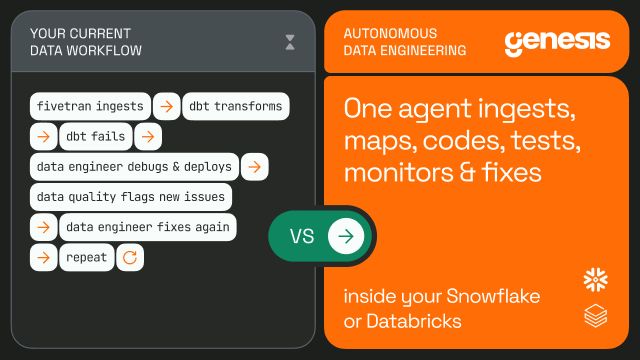
Most coding agents only generate dbt model code. Genesis Agents go beyond—generating, testing, debugging, deploying, maintaining, and autonomously detecting failures. Built by Snowflake & Goldman Sachs data engineers who automated production pipelines at scale, Genesis is purpose-built for enterprise data engineering teams. Learn more at Evident Symposium where Genesis CEO Matt Glickman discusses production implementations 👉 https://bit.ly/3J32Rro
- LINKEDIN · IMAGERecorded 20 Sept 2026
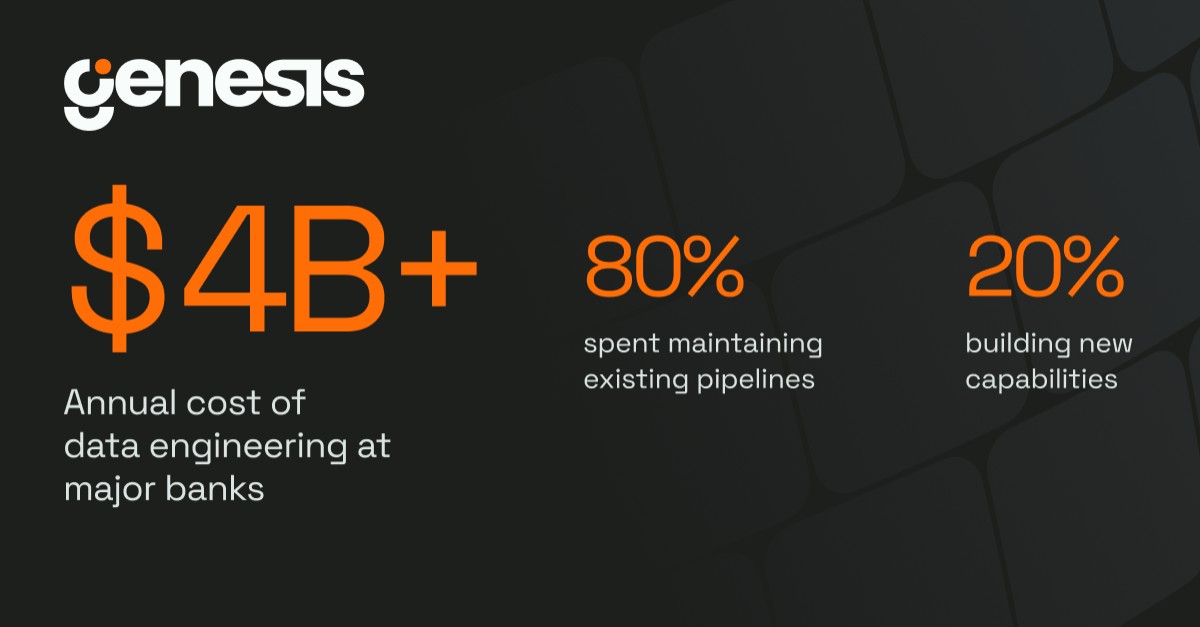
Your most expensive engineers spend their time fixing broken pipelines, reconciling data quality issues, and updating documentation, not building competitive advantages. 𝗚𝗲𝗻𝗲𝘀𝗶𝘀 𝗶𝗻𝘃𝗲𝗿𝘁𝘀 𝘁𝗵𝗶𝘀: agents handle operational maintenance autonomously, freeing senior engineers to focus on strategic data products that differentiate your business. Join 300+ banking executives at Evident Symposium to discuss how institutions are restructuring data teams around agentic operations. Panel includes Genesis CEO Matt Glickman (former Goldman Sachs ), BNY CIO Leigh-Ann Russell, and leaders from JPMorgan Chase and BMO. RSVP 👉 https://bit.ly/4mZC25E
6 of 111 adsSign up to see every Genesis Computing ad, filter by format and date, and get alerts on new ones.
See all 111 adsWatch the companies you care about.
Filter every ad by industry, country, format and network, and get alerts when a company you watch starts running new ads.