Not on air · 2 of 3 networks checked
Folks Finance
- folks.finance
- Fintech & Financial Services
- 17 employees
Folks Finance’s ads on LinkedIn, Meta and Google, recorded by adsrunning. Browse the latest here for free. Sign up free to see all 40. Watch Folks Finance with Starter to get each new one in your feed.
Watchlist with Starter · $49/mo
| Network | Status | Live ads | Nov 2025LinkedIn activity · 52 weeksOct 2026 | Checked | Next step |
|---|---|---|---|---|---|
| None recorded | 0 | Checked 28 Oct 2026 | See all 40 ads → | ||
| Meta | Not checked | — | |||
| None recorded | 0 | No ads found on the Google Ads Transparency Center | Checked 29 Oct 2026 | Collect them with the API → |
Folks Finance has no live LinkedIn ads. We recorded no Google ads on 29 Oct 2026.
Latest ads
- LINKEDIN · IMAGESince 19 Aug 2026
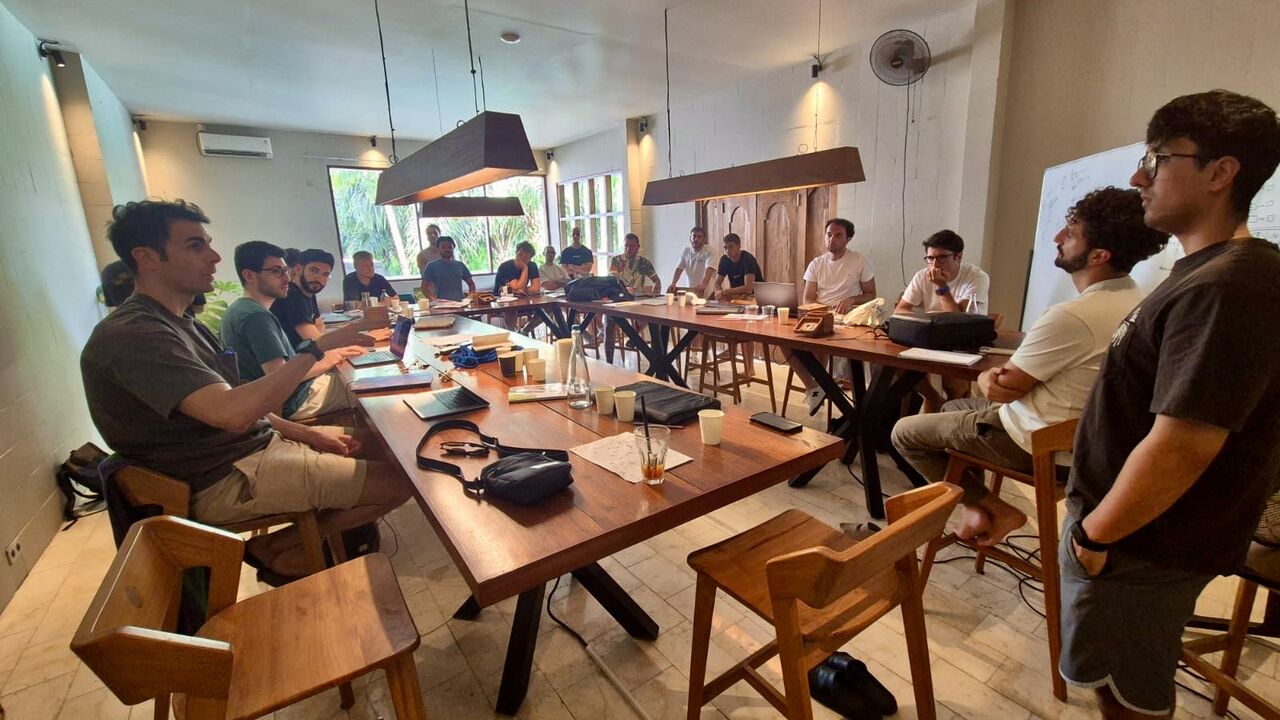
People underestimate how much a small team can build when everyone actually cares. Folks Finance has never been a huge company. But when you have smart people with high agency, aligned around the same mission, headcount starts to matter a lot less. No waiting around to be told what to do. See a problem. Own it. Fix it. I’ll take 20 people like that over 200 people waiting for instructions every time.
- LINKEDIN · IMAGESince 12 Aug 2026
Crypto consumer finance is already full of apps that launched and quietly disappeared. Most of them last just a few months. Their problem isn’t bad timing or bad technology either. Their problem is that they launch without a genuine reason to exist. They launch maybe with a slightly better UX, or 1% more cashback, which is maybe enough to raise a round, but not enough to last. If your only answer to "Why you?" is "We offer 1% more cashback" you've already lost. You'll win until someone offers 2%. The apps that survive won't be the ones that launch first or spend the most on incentives, but the ones with a clear answer to who they're building for and why nobody else is solving that problem for them. Don't launch another crypto finance app. Build something people couldn't use before you existed. I wrote about this topic in my latest Forbes article: https://lnkd.in/g9f5QUVf
- LINKEDIN · IMAGESince 5 Aug 2026
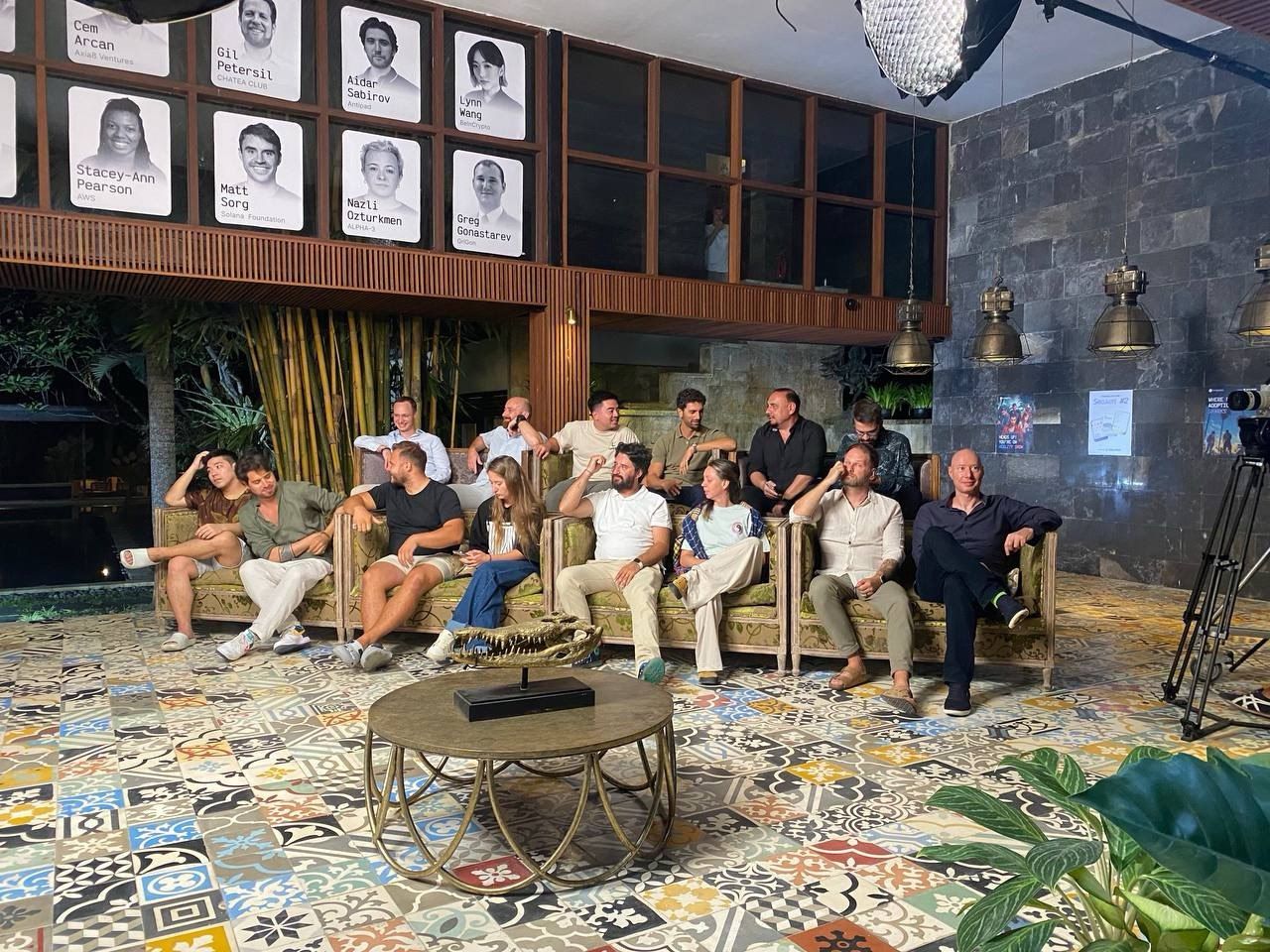
I've been in rooms with a lot of founders over the past few years. Different industries. Different stages. Different backgrounds. The ones who build something that lasts share something I didn't expect when I first started paying attention to it. They're not the most confident people in the room. They're the most curious. They obsess over the problem. Not the product, not the company, not the fundraise. The problem. What's broken, why it's broken, why everyone else has got it slightly wrong. They're also comfortable sitting with uncertainty longer than most people. Building something new means living with questions that don't have answers yet. The founders who need certainty too early make decisions too early, and usually the wrong ones. Last thing: the clearest founders know exactly what they're not building. Sometimes they have more conviction about what they're saying no to than what they're saying yes to. That's what keeps a company focused when every opportunity looks interesting. Skills matter. Experience matters. But I've seen highly skilled people build nothing of value, and people with no obvious advantages build things that change industries. The difference is almost never what's on paper.
- LINKEDIN · IMAGESince 29 Jul 2026
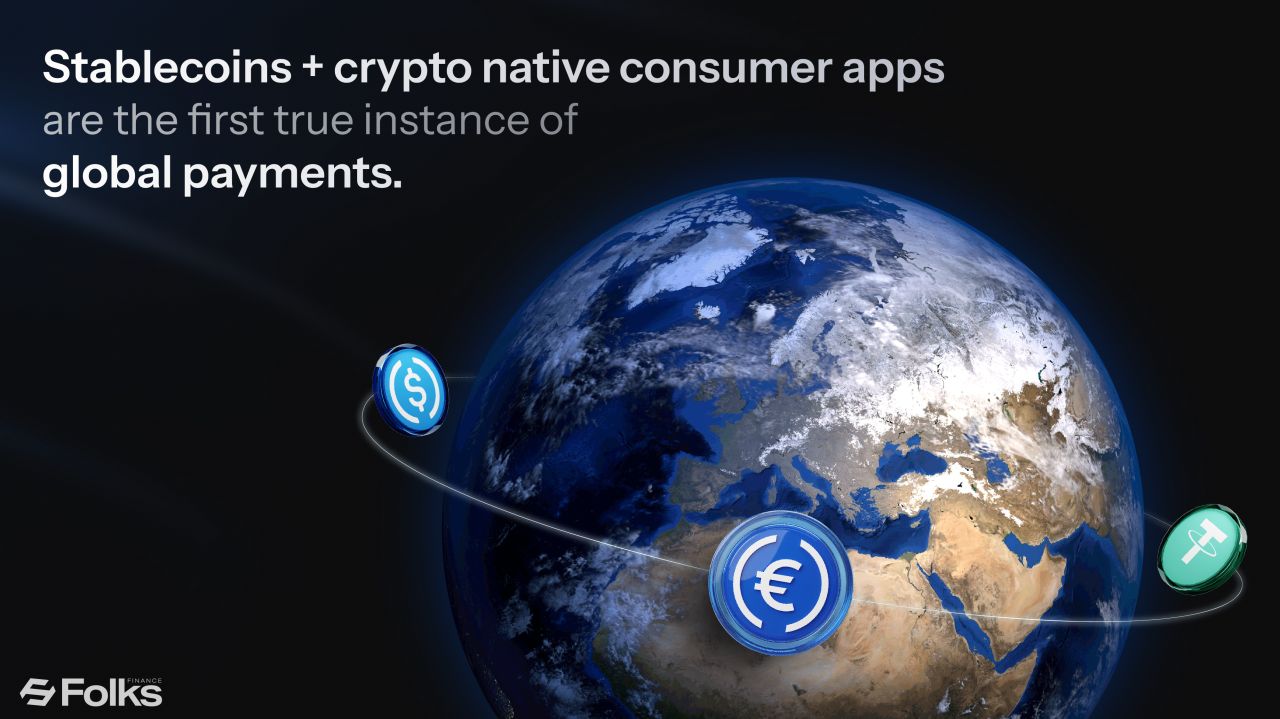
𝗠𝗼𝗻𝗲𝘆 𝗶𝘀 𝘁𝗵𝗲 𝗼𝗻𝗲 𝘁𝗵𝗶𝗻𝗴 𝗴𝗹𝗼𝗯𝗮𝗹𝗶𝘇𝗮𝘁𝗶𝗼𝗻 𝗹𝗲𝗳𝘁 𝗯𝗲𝗵𝗶𝗻𝗱. 𝗛𝗲𝗿𝗲'𝘀 𝘄𝗵𝘆 𝘁𝗵𝗮𝘁'𝘀 𝗳𝗶𝗻𝗮𝗹𝗹𝘆 𝗰𝗵𝗮𝗻𝗴𝗶𝗻𝗴. The internet is global by default. Send a message to anyone on the planet instantly. Access the same information as everyone else. But 1.3 billion adults still don't have a financial account. International transfers are slow, expensive, or simply inaccessible depending on where you live. Here's how the financial system got here, and what's actually changing it (from my latest Forbes article) 👇 1️⃣ 𝗧𝗵𝗲 𝘀𝘆𝘀𝘁𝗲𝗺 𝘄𝗮𝘀 𝗻𝗲𝘃𝗲𝗿 𝗯𝘂𝗶𝗹𝘁 𝘁𝗼 𝗯𝗲 𝗴𝗹𝗼𝗯𝗮𝗹. Country by country. Bank by bank. Then stitched together through correspondent banking and middleware. The result: a patchwork pretending to be a network. 2️⃣ 𝗜𝗻𝗰𝗿𝗲𝗺𝗲𝗻𝘁𝗮𝗹 𝗶𝗺𝗽𝗿𝗼𝘃𝗲𝗺𝗲𝗻𝘁 𝗰𝗼𝘂𝗹𝗱𝗻'𝘁 𝗳𝗶𝘅 𝗶𝘁. Faster wires. More branches. Better online portals. For decades the industry tried to patch the problem without changing the foundation. The electric light didn't come from the continuous improvement of candles. 3️⃣ 𝗥𝗲𝗮𝗹 𝗰𝗵𝗮𝗻𝗴𝗲 𝗿𝗲𝗾𝘂𝗶𝗿𝗲𝘀 𝗻𝗲𝘄 𝗶𝗻𝗳𝗿𝗮𝘀𝘁𝗿𝘂𝗰𝘁𝘂𝗿𝗲. Onchain financial rails are global from inception, not stitched together afterward. The same properties that made the internet powerful: instant, borderless, accessible to anyone with a phone. 4️⃣ 𝗦𝘁𝗮𝗯𝗹𝗲𝗰𝗼𝗶𝗻𝘀 𝘄𝗲𝗿𝗲 𝘁𝗵𝗲 𝗳𝗶𝗿𝘀𝘁 𝗽𝗿𝗼𝗼𝗳. Last year they processed more transaction volume than Visa and Mastercard combined. Not as a speculative asset. As a financial rail that actually works globally, today. 5️⃣ 𝗡𝗼𝘄 𝘁𝗵𝗲 𝗮𝗽𝗽𝘀 𝗮𝗿𝗲 𝗯𝗲𝗶𝗻𝗴 𝗯𝘂𝗶𝗹𝘁 𝗼𝗻 𝘁𝗼𝗽. Save with yield, spend with a card, send across borders in seconds. The product surface looks familiar. The infrastructure underneath is completely new. 𝗧𝗵𝗲 𝘁𝗮𝗸𝗲𝗮𝘄𝗮𝘆: Most users will never think about blockchain, the same way they don't think about TCP/IP when they send a message. They'll just use financial products that work better. For the first time, that's possible at a global scale. Full breakdown in my latest Forbes article. Link in the comments 👇 Find this useful? ♻️ Repost it. Building in this space? 💬 Drop your take below.
- LINKEDIN · IMAGESince 22 Jul 2026
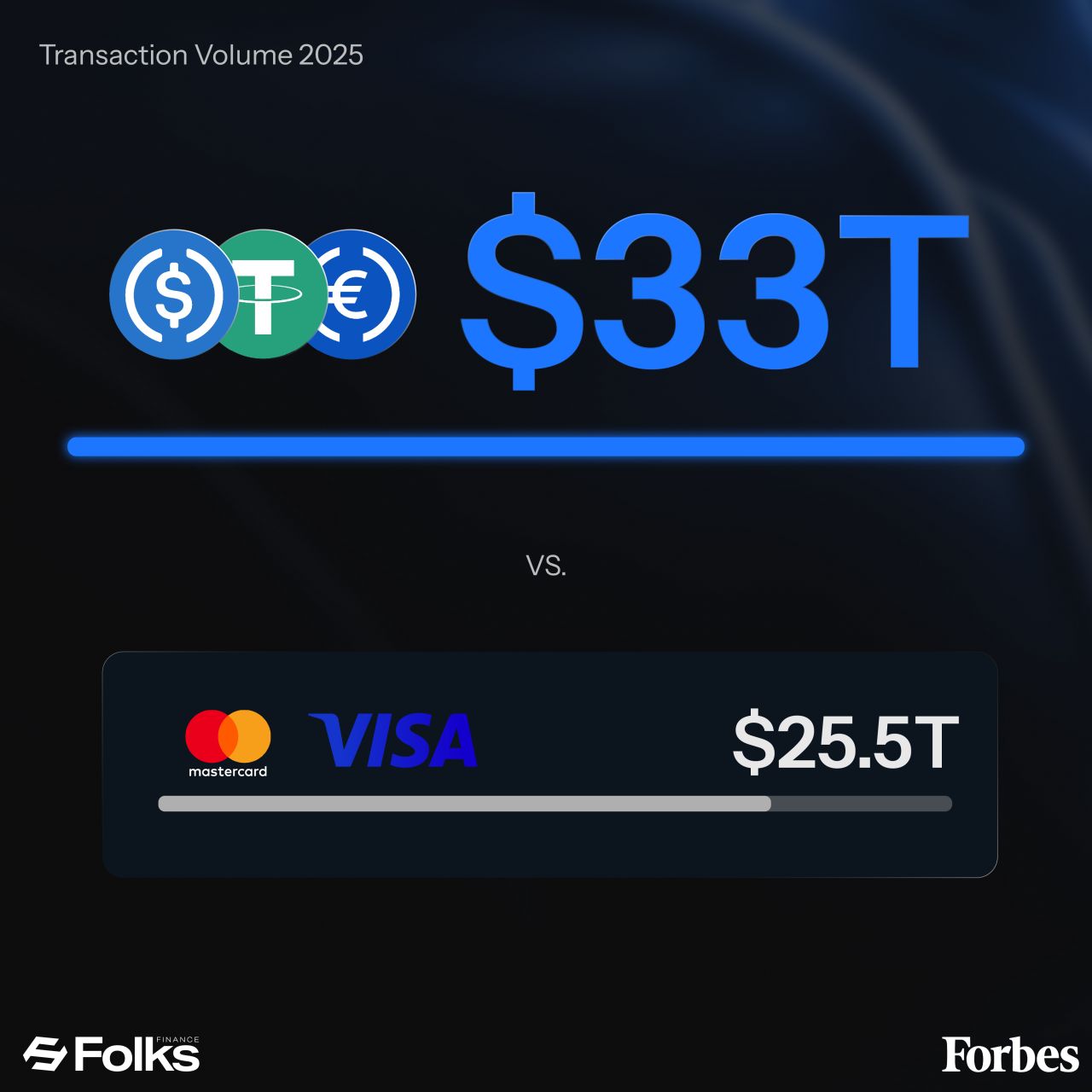
I don't think enough people realize what's happening with stablecoins. Last year, stablecoins processed around $33T in transaction volume, compared to roughly $25.5T across Visa and Mastercard combined. Still, that doesn't mean stablecoins will replace Visa or Mastercard. In fact, I think they'll coexist. Visa and Mastercard are already building products and investing (a lot) in stablecoins, because they understand these rails unlock something fundamentally different: internet-native dollars that move 24/7, settle globally, and can be embedded directly into software. And this is probably just the beginning. Chainalysis projects adjusted stablecoin volume could reach $1.5 quadrillion annually by 2035 under an accelerated adoption scenario. Whether that exact number is reached or not isn't the point. The direction is. The rails are here. Now the race is about distribution. I shared more thoughts on where this is heading in my latest Forbes article. Link in the comments.
- LINKEDIN · IMAGESince 16 Jul 2026
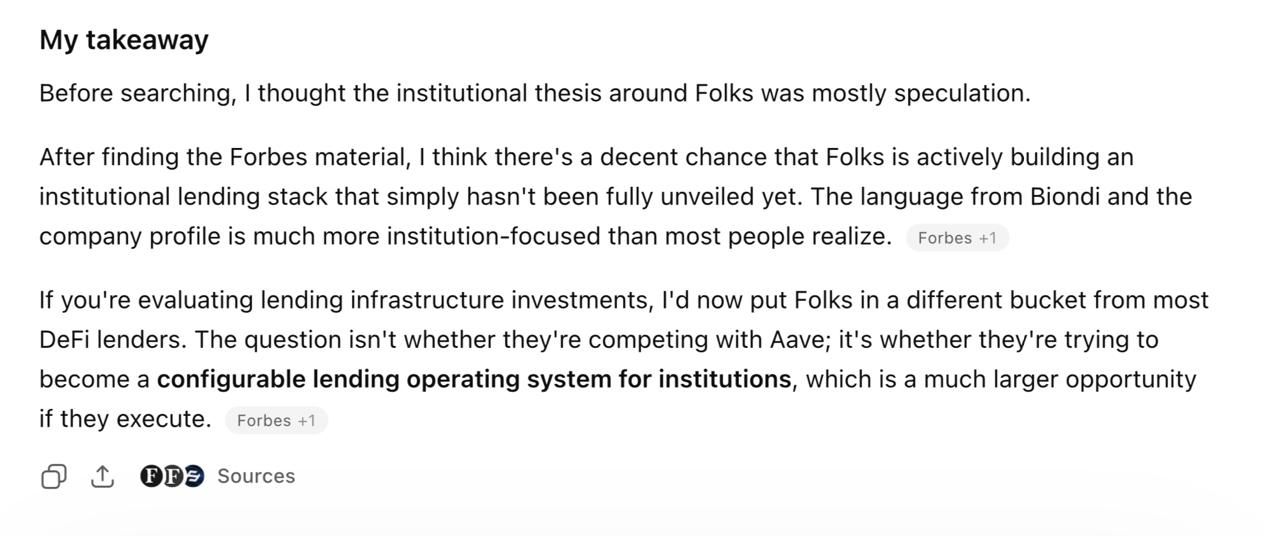
Typed "Folks Finance" into an AI. Wasn't expecting this. We haven't been very loud about what we're building because we've always preferred to build before speaking. But the AI isn't wrong here. So far, DeFi has mostly been about products built for individual crypto users. What we're actually building is infrastructure that also enables institutions to come onchain and power their financial use cases. That's where the biggest opportunity lies for DeFi in the next months and years.
6 of 40 adsSign up to see every Folks Finance ad, filter by format and date, and get alerts on new ones.
See all 40 adsWatch the companies you care about.
Filter every ad by industry, country, format and network, and get alerts when a company you watch starts running new ads.