On air · 1 of 3 networks
Finamp
- finamp.io
- Fintech & Financial Services
- GB
- 8 employees
Finamp’s ads on LinkedIn, Meta and Google, recorded by adsrunning. Browse the latest here for free. Sign up free to see all 76. Watch Finamp with Starter to get each new one in your feed.
Watchlist with Starter · $49/mo
| Network | Status | Live ads | Nov 2025LinkedIn activity · 52 weeksOct 2026 | Checked | Next step |
|---|---|---|---|---|---|
| Running | 36 | Checked 30 Oct 2026 | See all 76 ads → | ||
| Meta | Not checked | — | |||
| None recorded | 0 | No ads found on the Google Ads Transparency Center | Checked 29 Oct 2026 | Collect them with the API → |
Finamp has 36 live LinkedIn ads. We recorded no Google ads on 29 Oct 2026.
Latest ads
- LINKEDIN · IMAGESince 19 Sept 2026
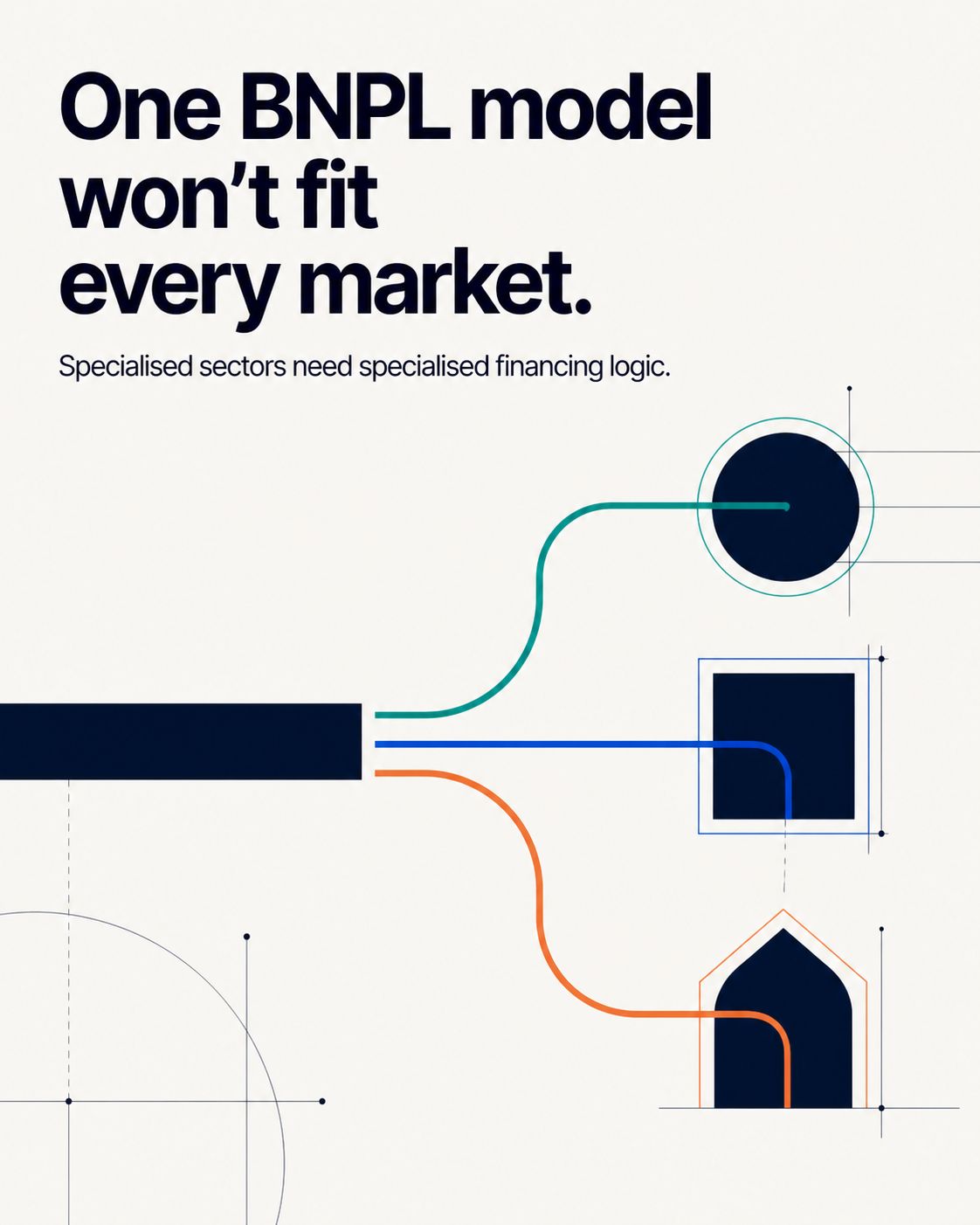
The next generation of BNPL will not be defined at checkout. It will be defined by cash flow. Klarna’s Q2 2026 figures—higher GMV and revenue alongside positive group net income—signal a category moving towards greater commercial discipline. For MENA product teams, the lesson is not to recreate another split-payment journey. It is to design financing around how customers earn, pay and get paid in a specific market. We have seen that principle take different forms. In an anonymised UAE engagement, Finamp helped create technology for employer-supported rent with monthly payroll-linked repayments. In UK construction, embedded trade-credit technology aligned repayment timing with downstream invoice payments. Different products. The same underlying logic: repayment should reflect the real cash-flow event. MENA is not one market. Regulation, payment infrastructure, customer behaviour and income patterns vary. Define the financing model, repayment trigger and licensed partner before defining the feature set. At Finamp, we build the technology behind specialised financing, neobank and embedded-finance products. Licensed financial institutions retain the regulated responsibilities.
- LINKEDIN · VIDEOSince 9 Jul 2026
We build white-label neobank software. One price, no transaction cut, code buyout available. Finamp is a technology company — the technical partner behind fintech founders who want a faster, cost-controlled route from concept to a live, branded product. We take the build off your plate — platform, BaaS/EMI integrations, customisation, delivery — while you bring your own licensed banking partner and stay on business strategy and growth. Clear project-based pricing. No per-transaction fees from our side — we license software, we don't take a cut of your business. No surprises after the contract. And when you're ready to own it outright: buy the source code at a price fixed in your contract from day one. No lock-in, no strings — your product stays yours, through fundraising, scale, or exit. We're not a bank, EMI, or payment institution. We're the software behind one. Scoping your build? Choosing your principal banking partner (BaaS/EMI)? The price of eventually owning the code? That's exactly what the first call is for. Book a call → https://finamp.tech/
- LINKEDIN · IMAGESince 13 Apr 2026
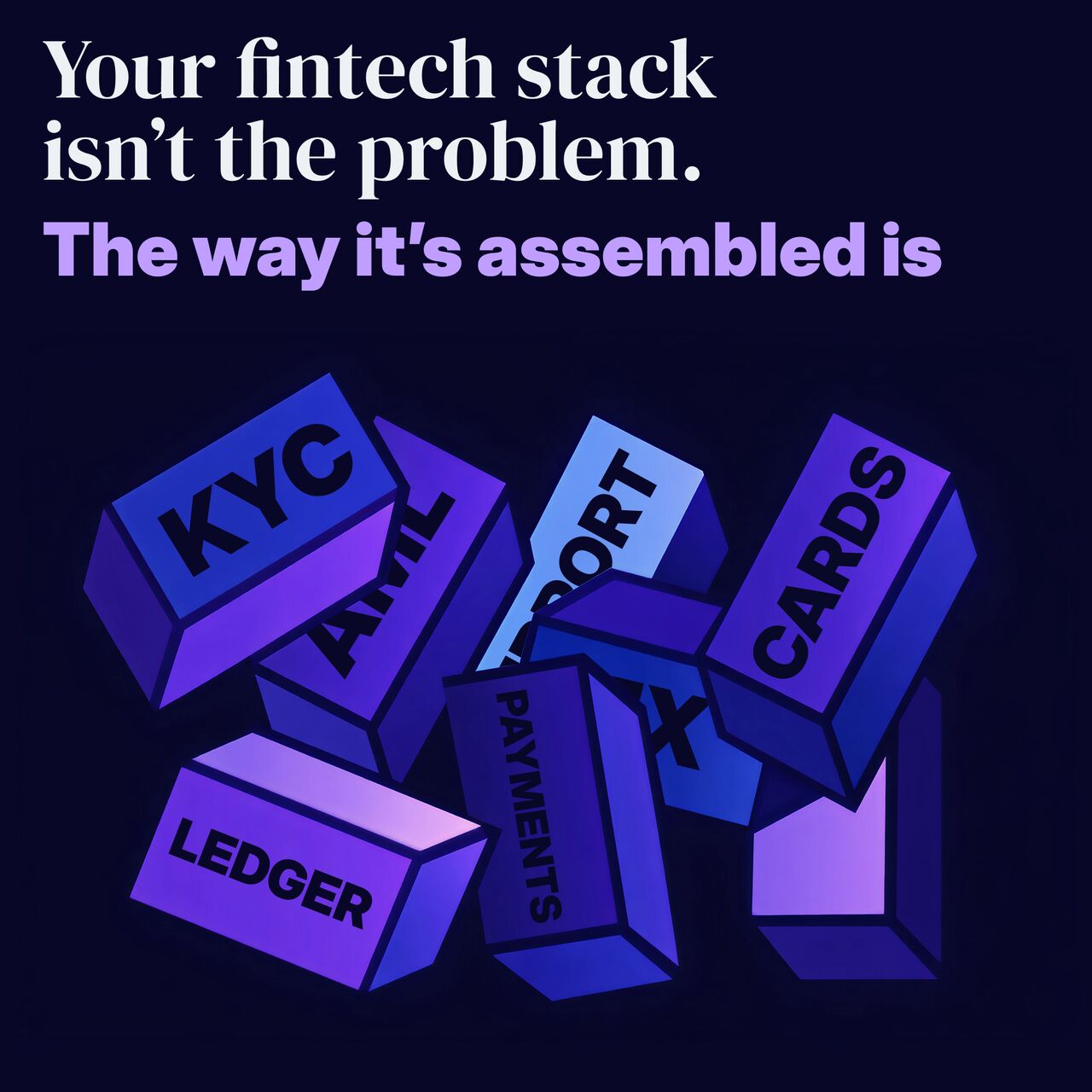
Most fintech products are assembled long before they feel unified. Cards, KYC, payments, ledgers, notifications, support tooling. The real question is whether those pieces were assembled into a platform that can survive change. A modular approach matters because fintech rarely stands still. Providers change. Markets expand. Regulations shift. New corridors and workflows appear. When the product is tightly fused to one provider or one early setup, every change starts looking like a rewrite. When the product layer stays stable above the component layer, teams get a much cleaner upgrade path. That is where modularity becomes more than a technical choice. It gives the business room to replace weak components, add new ones, and scale specific parts of the stack without destabilising the whole product. Customers still see one coherent experience, even while the infrastructure underneath keeps evolving. The strongest fintech platforms are not built as one giant system. They are assembled with clear boundaries, stable product logic, and enough structure to absorb change without losing control. 👉 Book a Call with Finamp: https://lnkd.in/eqXZuzSS #Fintech #Neobank #FintechMVP #ProductStrategy #DigitalBanking #Payments #BaaS #Architecture
- LINKEDIN · IMAGESince 1 Apr 2026
BaaS can speed up your launch and quietly weaken your control at the same time. That risk often starts showing up during implementation. The logic feels straightforward: use a BaaS partner, avoid building regulated infrastructure from scratch, move faster, focus on the product users actually see. In many cases, that is still the right move. But it comes with a dependency many teams underestimate. Then the integration starts revealing the real operating model. The sandbox is more limited than expected. There is no proper staging environment. A provider-side issue takes days or weeks to resolve. Your team still owns the customer experience, but no longer controls the resolution speed. This is usually how BaaS risk appears in practice. Not as one dramatic outage, but as dependency concentration. Your product depends on someone else’s API maturity, release discipline, support quality, incident response, and access to production truth. One common trap is sandbox confidence. The demo works. Internal stakeholders see a clean journey. The team assumes production is mostly an execution exercise. Production rarely behaves that neatly. If the sandbox cannot reflect the full payment journey, and the provider does not offer proper staging, the integration usually becomes more expensive because too much risk is discovered late. The strongest defence is the product layer above the provider layer. Your internal transaction lifecycle should stay stable even when the provider is slow to respond. Your support team should be able to reconstruct outcomes without waiting for someone else’s queue. Your operations model should survive provider-side issues without turning every incident into a roadmap event. That is usually the difference between a BaaS-led product and a BaaS-dependent product. 👉Book a Call: https://lnkd.in/eqXZuzSS Read more on BaaS hidden risks👇: https://lnkd.in/dH2PMp32 #Fintech #Neobank #BaaS #FintechMVP #ProductStrategy #Payments #OperationalResilience #DigitalBanking
- LINKEDIN · IMAGESince 27 Mar 2026
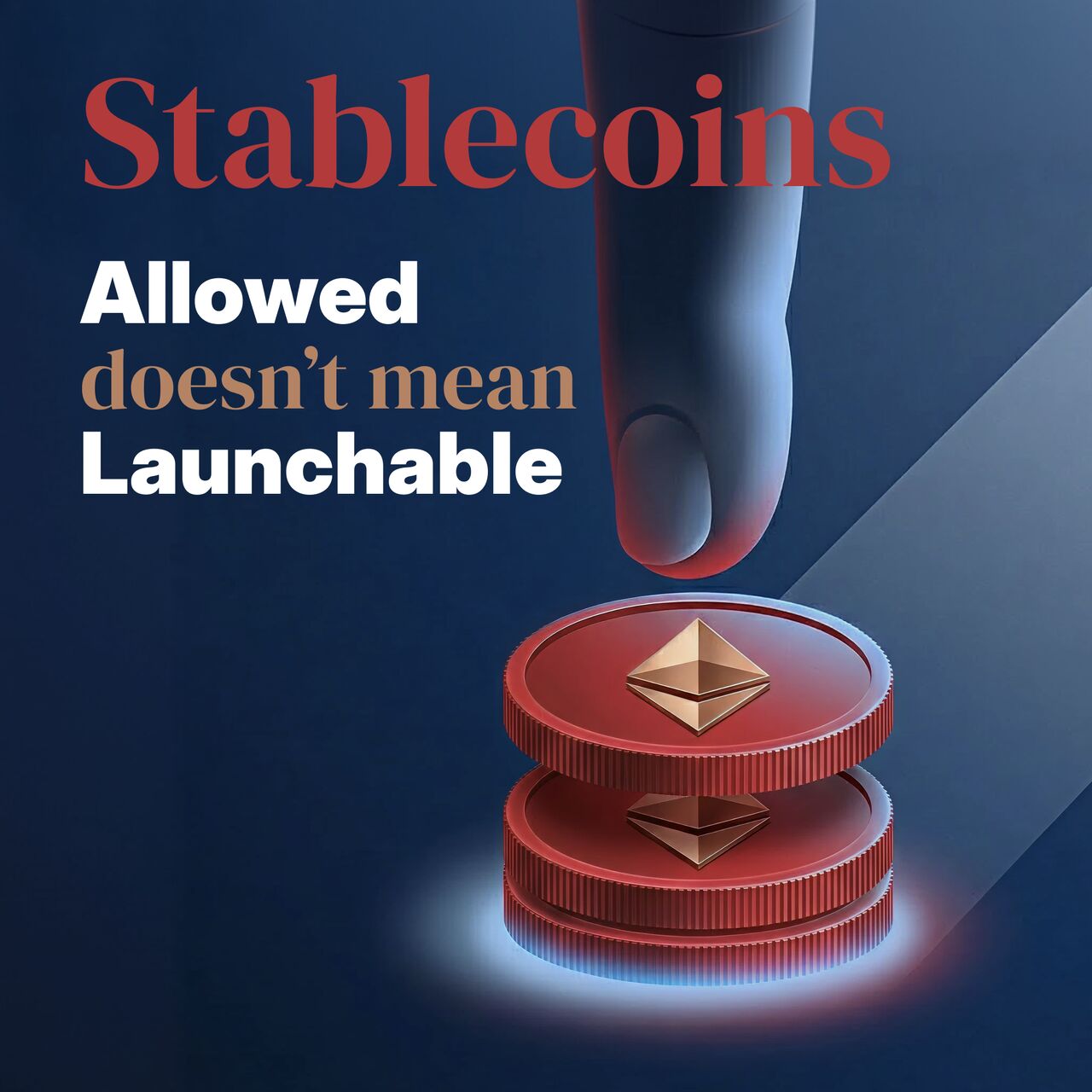
The UK stablecoin moment is no longer theoretical. The harder question now is execution. A year ago, many founders still treated stablecoins as a future option for UK fintech. That is changing. HM Treasury has published draft legislation for a broader UK cryptoasset regime that includes stablecoin issuance as a regulated activity. The FCA has opened a dedicated stablecoin sandbox cohort and set stablecoin payments as a 2026 priority. The Bank of England has also consulted on the regime for systemic sterling stablecoins. That does not make launch easy. It makes product discipline more important. Stablecoins only become commercially useful when they solve a real payment problem: cross-border movement, treasury flows, B2B settlement, platform payouts. And once a team moves from concept to launch planning, the same questions show up very quickly: Where is the money now? What state is the transaction in? What can still fail or reverse? How is redemption handled? What exactly will support say if the customer asks what happened? This is where many teams underestimate the work. A stablecoin product still needs payment-grade clarity. The customer has to understand balances, state changes, fees, conversion points, and what “completed” actually means. Support and operations need the same transaction story the user sees. Partner architecture also gets more complex fast, because most teams will rely on several providers across wallet infrastructure, compliance, fiat rails, custody, and reporting. The strongest UK stablecoin products will probably feel less like crypto products and more like very well-designed payment products. That usually means: clear state models, visible transition points, strong internal event trails, and product flows that hold up under real operational scrutiny. The opportunity is real. The execution bar is rising just as fast. 👉Book a Call with Finamp: https://lnkd.in/eqXZuzSS Read more here 👇https://lnkd.in/essQgUcn #UKFintech #Stablecoins #Neobank #Payments #FintechMVP #DigitalBanking #ProductStrategy #CryptoRegulation
- LINKEDIN · IMAGESince 25 Mar 2026
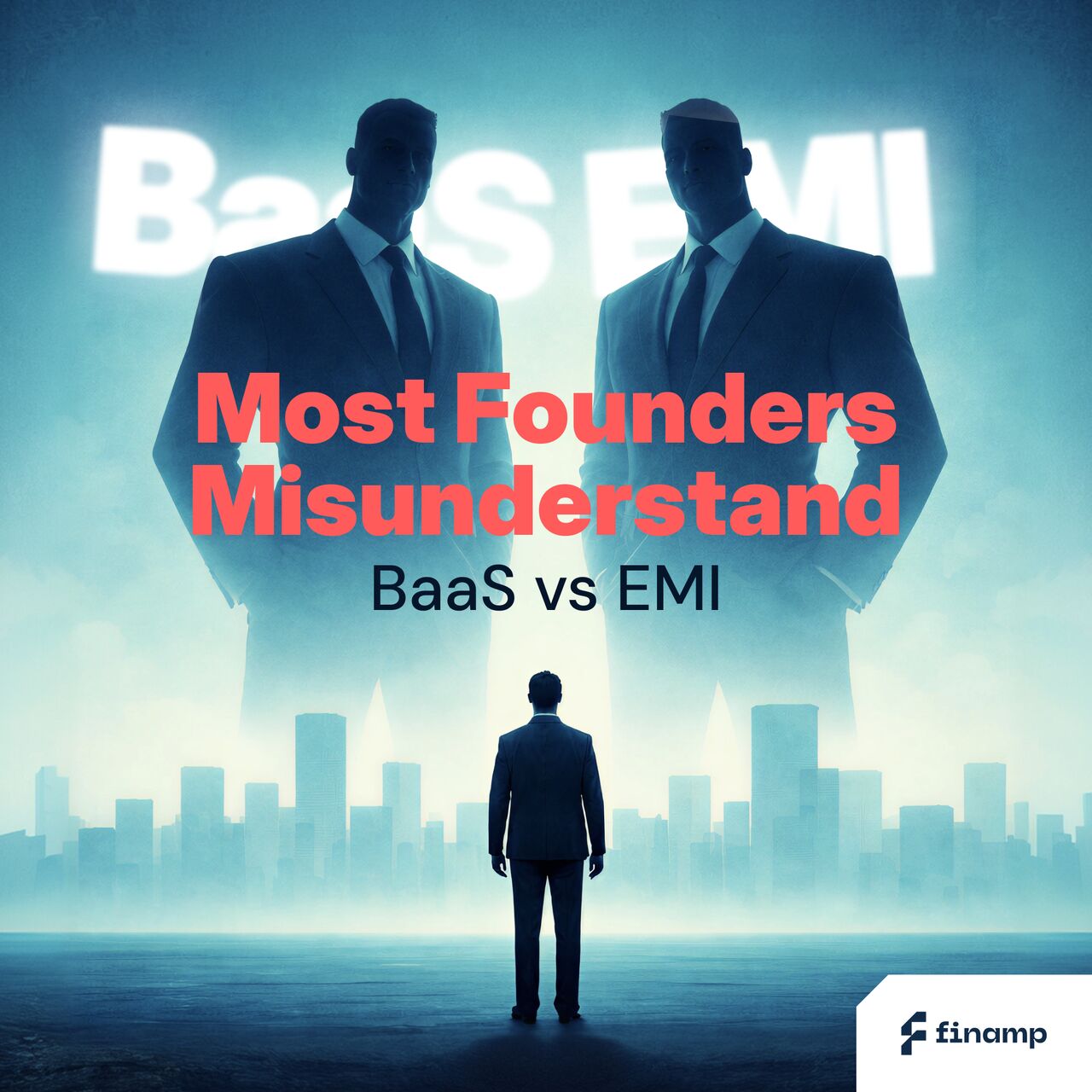
A lot of founders compare BaaS and EMI as if they were two versions of the same choice. In practice, they solve different problems. An EMI is a regulatory footing. A BaaS setup is a launch model. That distinction matters because most founders are not really deciding between two labels. They are deciding how much of the regulated stack to own now, how quickly they need to launch, and how much operational burden they are ready to carry in the first 12–24 months. The attraction of BaaS is obvious – it gets you into a live regulated perimeter faster and lets the team focus on the product layer: onboarding, transaction flows, support handling, admin visibility, and the operational detail users actually feel. The attraction of EMI is different – it gives more direct control over the regulated e-money layer and reduces long-term dependence on a sponsor. But it also brings earlier responsibility for safeguarding, reporting, governance, and control discipline. This is where the comparison often goes wrong. Teams assume EMI means independence. Or they assume BaaS means outsourced compliance. However, neither is quite true. Even with a sponsor-led route, the product still has to behave in a way the partner can defend. Clear transaction states, complaint workflows, permissions, monitoring, and evidence trails still matter. And with EMI, those same operational realities do not disappear just because the regulatory status is yours. So the founder question is usually much simpler than the debate makes it sound: Do you need regulatory ownership now? Or do you need launch speed without building the wrong burden too early? That is usually where the real decision becomes clear. 👉Book a Call with Finamp: https://lnkd.in/eqXZuzSS Full breakdown here 👇https://lnkd.in/eC_3aEBU #Fintech #Neobank #BaaS #EMI #FintechMVP #ProductStrategy #DigitalBanking #Payments

6 of 76 adsSign up to see every Finamp ad, filter by format and date, and get alerts on new ones.
See all 76 adsWatch the companies you care about.
Filter every ad by industry, country, format and network, and get alerts when a company you watch starts running new ads.