On air · 2 of 3 networks
Factry
- factry.io
- Industry & Manufacturing
- BE
- 59 employees
Factry’s ads on LinkedIn, Meta and Google, recorded by adsrunning. Browse the latest here for free. Sign up free to see all 172. Watch Factry with Starter to get each new one in your feed.
Watchlist with Starter · $49/mo
| Network | Status | Live ads | Nov 2025LinkedIn activity · 52 weeksOct 2026 | Checked | Next step |
|---|---|---|---|---|---|
| Running | 2 | Checked 28 Oct 2026 | See all 172 ads → | ||
| Meta | Not checked | — | |||
| Running | 11 | Ads on the Google Ads Transparency Center | Checked 29 Oct 2026 | Collect them with the API → |
Factry has 2 live LinkedIn ads. We recorded 11 Google ads on 29 Oct 2026.
Latest ads
- LINKEDIN · IMAGESince 25 Oct 2026
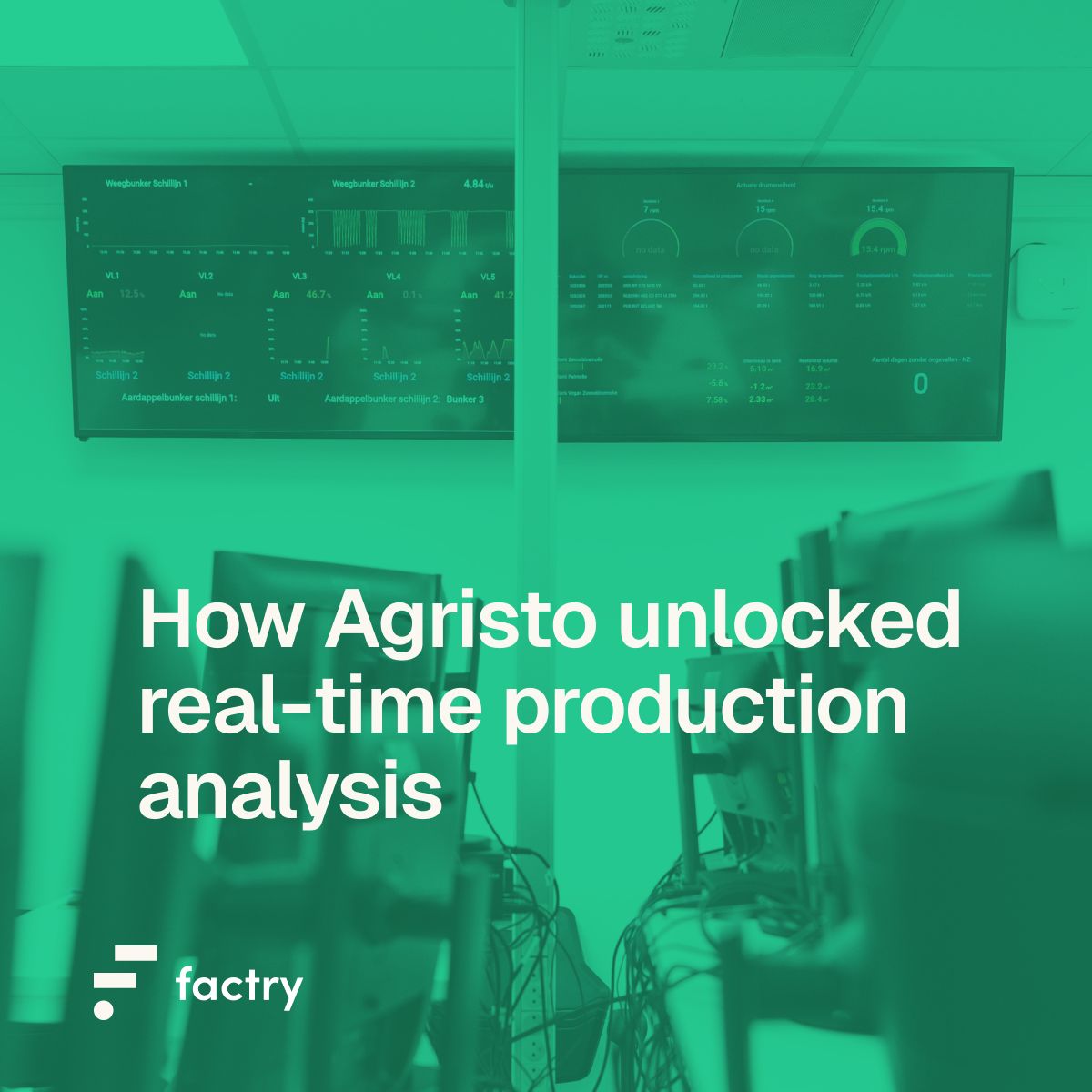
Operators and managers once struggled with SCADA’s limited, hard-to-access data. Today, Agristo leads the way in real-time production monitoring. The enabler? Factry Historian - the modern, open data historian that makes critical production data accessible and actionable across the entire plant. With Grafana dashboards, Agristo can now: 📊 Monitor machine status, uptime & output instantly 📊 Compare actual vs. target production in real time 📊 Detect anomalies in oil usage & planning metrics 📊 Use color signals to streamline task transitions The impact: Agristo’s teams no longer rely on intuition. They engage with data, act faster, and foster a culture of continuous improvement across operations. 👉 Read the full case study to uncover how Factry also helped Agristo unlock other high-impact projects - like RCA for process issues.
- LINKEDIN · IMAGESince 25 Oct 2026
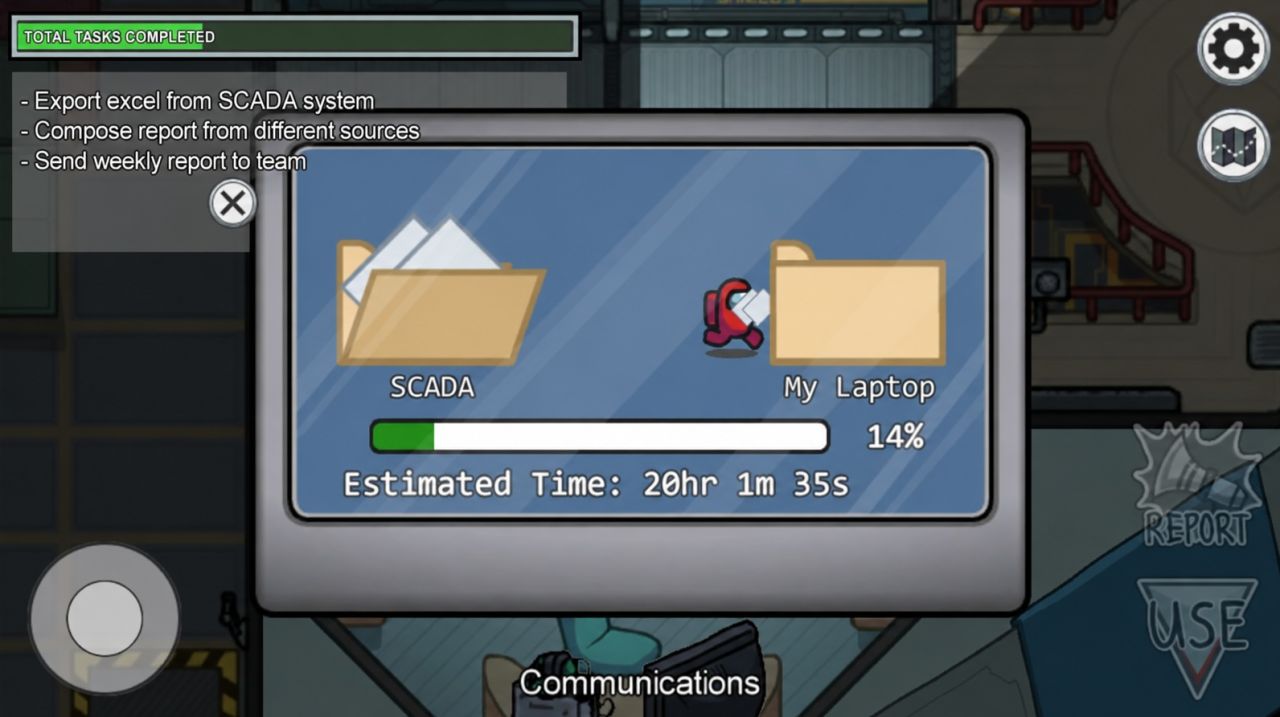
Nobody ever budgets the glue. One thing we rarely talk about is where the cost of fragmented systems actually shows up. It's buried in headcount. It's the engineer or production manager who spends two days a week moving data between isolated plant systems, so that someone, somewhere, can make a report. Every report becomes a small project. Updating it means going after that data all over again. Point solutions solve a specific problem. They were never designed to talk to each other. The integration cost never makes it onto the price tag. Every minute spent moving data or keeping integrations alive is a minute not spent on actual engineering work. When that changes, when data becomes infrastructure that just runs, that integration effort doesn't get faster. It disappears.
- LINKEDIN · IMAGESince 25 Oct 2026
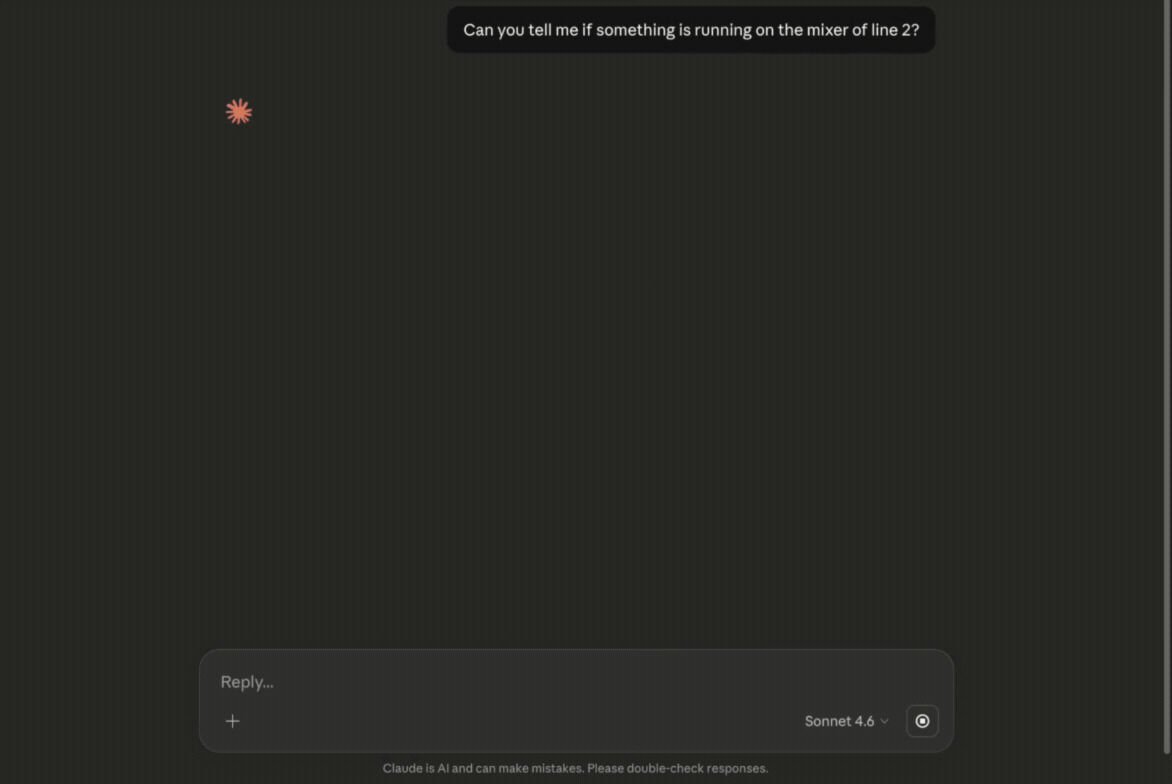
I've always imagined walking around a production plant and simply "asking Siri" what the status of line two was. With Factry Historian v8.1 and the launch of the built-in MCP server, that's no longer just an idea. We always aim to develop with one of two goals in mind: making it easier to use and explore production data, or making it easier to technically integrate data into a broader ecosystem. This release does both. Proud of the team for making it happen 👏
- LINKEDIN · IMAGESince 25 Oct 2026
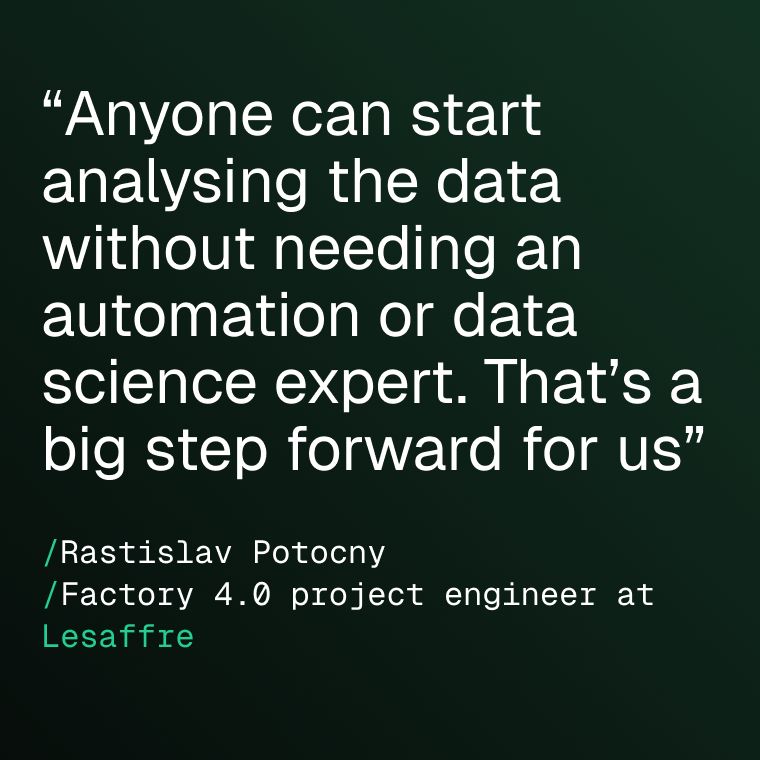
🧩 Manual SQL scripts. Complex Excel workarounds. That’s how Lesaffre used to handle data aggregation until they rolled out Factry Historian’s event module. In just one PoC, they replaced a time-consuming workflow with drag-and-drop event detection. Scalable. Fast. SQL-ready.
- LINKEDIN · IMAGESince 25 Oct 2026
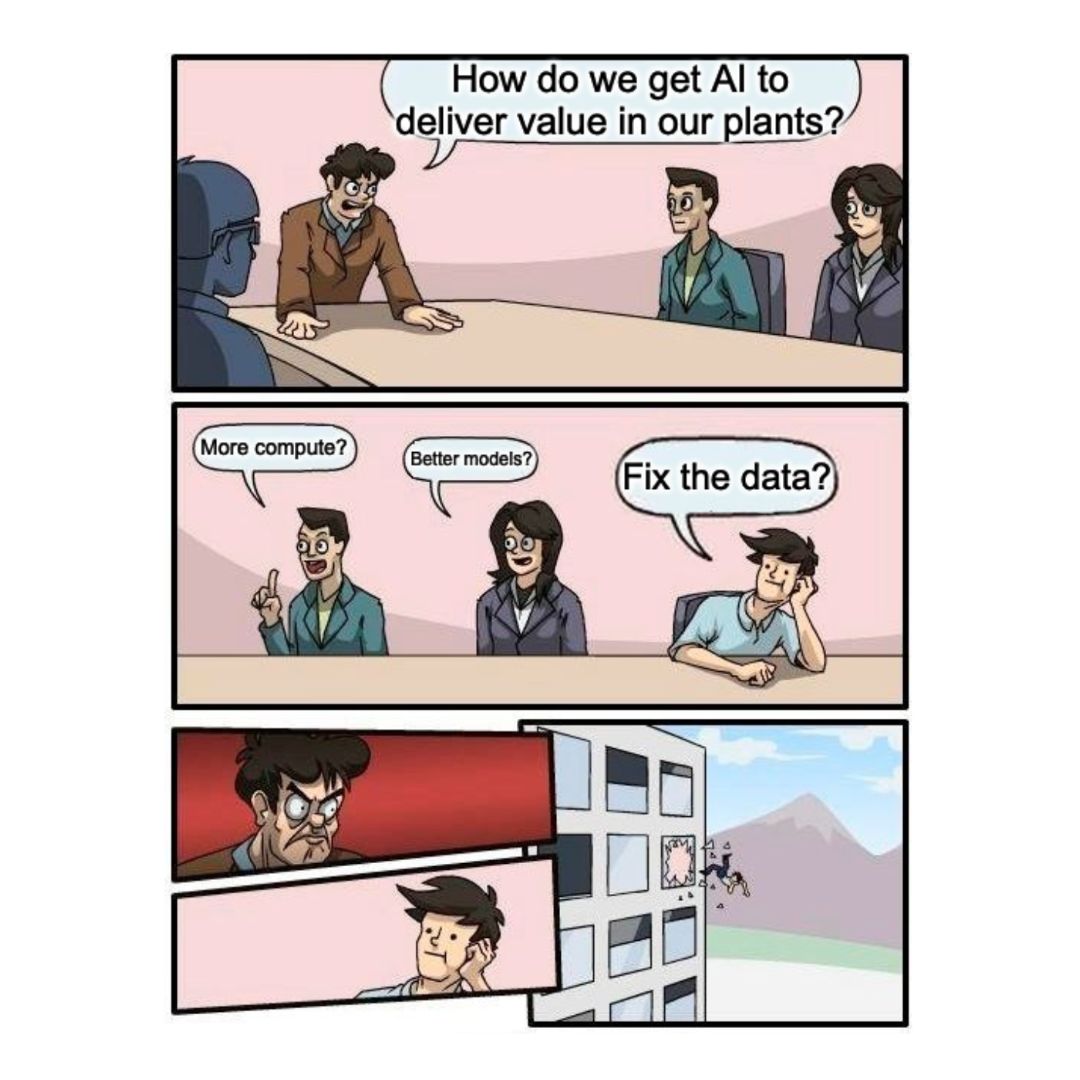
The latest PwC study on AI in manufacturing confirms what we see every day: data quality tops the challenge list at 42%, followed by data accessibility, technological maturity, and legacy system integration. How do we fix this? Quoting the report: "Manufacturers are coping with a heterogeneous IT/OT landscape and vast amounts of unstructured data that need to be collected, integrated, and prepared before they can be used by AI models." Three things to get right: 🔧 Fix the plumbing before adding smart faucets. If your filling line historian can't reliably log batch transitions, no AI model will help you cut scrap. Start with data architecture, not AI architecture. Build for reusability: one foundation that serves multiple applications. 🔖 Contextualize, don't just collect. Don't just pipe sensor data to the cloud. Your operators know what normal looks like, so capture their domain expertise. Add operational context: shift patterns, product changeovers, maintenance events. 📊 Let business value drive applications: The best AI projects aren't about AI. They're about unlocking high-impact use cases like predictive maintenance, quality optimization, and energy efficiency. All built on the same trusted data foundation. The common thread among manufacturers succeeding with AI? Treating their operational data as a strategic asset, not a byproduct.
- LINKEDIN · IMAGESince 25 Oct 2026
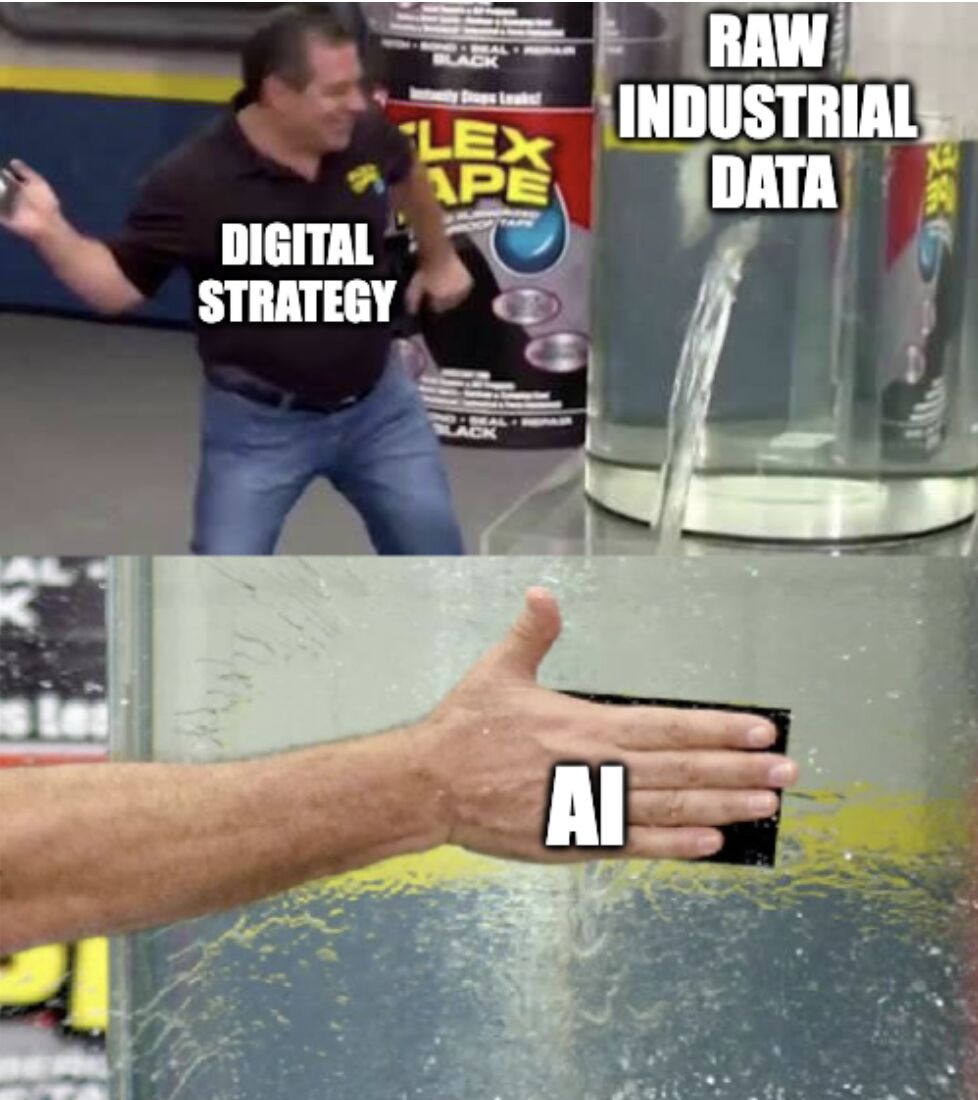
Pointing an LLM at raw industrial data is not an AI strategy. There seems to be a belief you can just point an LLM at whatever data lives in the factory and get meaningful results. I don't buy it. LLMs aren't great at massive volumes of raw data. Making them infer context on the fly just burns tokens without giving you accuracy or repeatability. It might work for a small, narrowly scoped PoC, but not beyond. AI amplifies what's already there (or not there). Put in the boring work of structuring and concentrating your data, and you're handing the LLM a map to navigate instead of a maze. That's when you get results that are actually meaningful, and repeatable. So put in the foundational work. It pays off faster than you think.
6 of 172 adsSign up to see every Factry ad, filter by format and date, and get alerts on new ones.
See all 172 adsWatch the companies you care about.
Filter every ad by industry, country, format and network, and get alerts when a company you watch starts running new ads.