Not on air · 2 of 3 networks checked
Eliq
- eliq.com
- Climate & Energy
- SE
- 71 employees
Eliq’s ads on LinkedIn, Meta and Google, recorded by adsrunning. Browse the latest here for free. Sign up free to see all 124. Watch Eliq with Starter to get each new one in your feed.
Watchlist with Starter · $49/mo
| Network | Status | Live ads | Nov 2025LinkedIn activity · 52 weeksOct 2026 | Checked | Next step |
|---|---|---|---|---|---|
| None recorded | 0 | Checked 28 Oct 2026 | See all 124 ads → | ||
| Meta | Not checked | — | |||
| None recorded | 0 | No ads found on the Google Ads Transparency Center | Checked 28 Oct 2026 | Collect them with the API → |
Eliq has no live LinkedIn ads. We recorded no Google ads on 28 Oct 2026.
Latest ads
- LINKEDIN · IMAGESince 22 Sept 2026
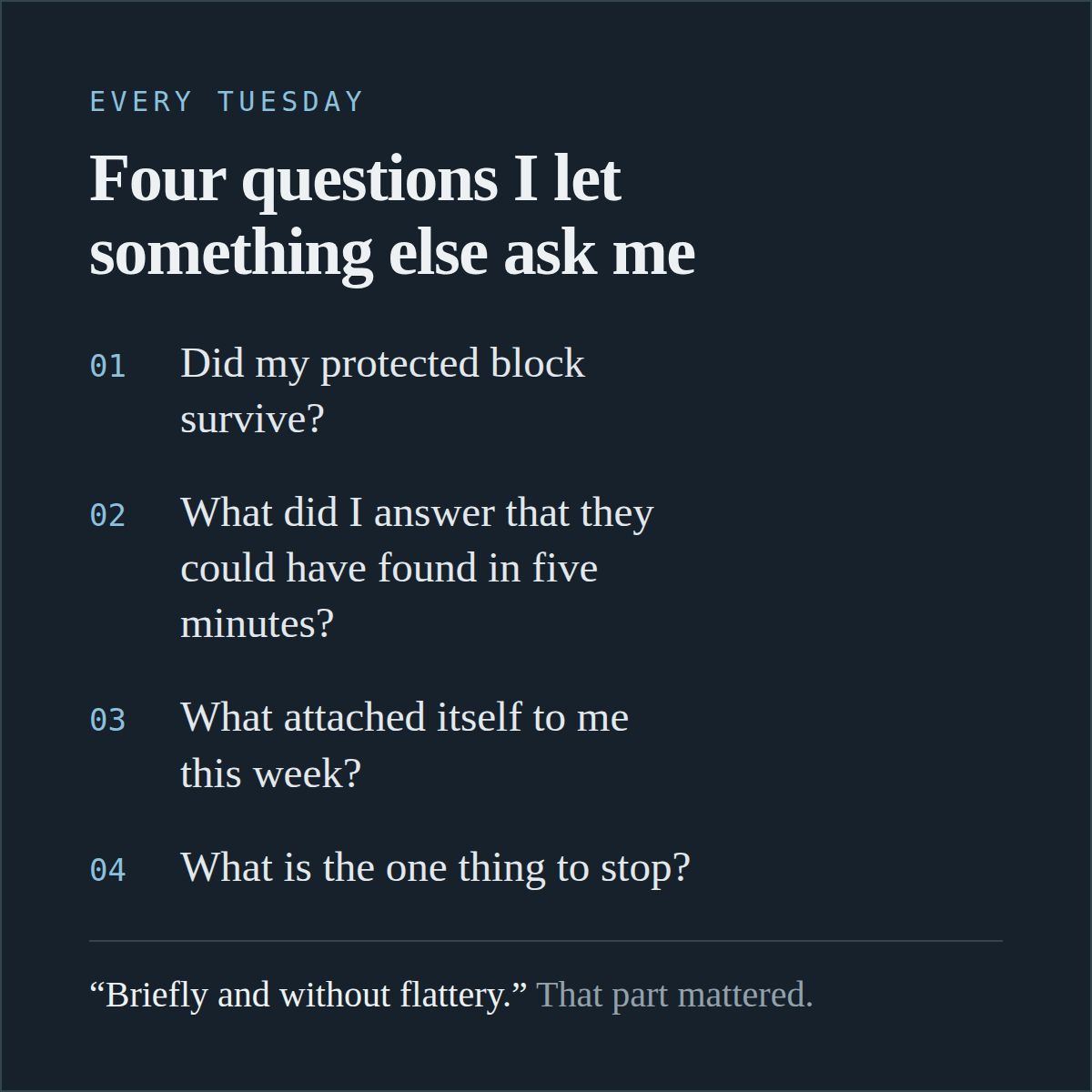
One of the coolest automated tasks I do with AI is to ask it to analyse my previous work week and suggest improvements. It runs every Tuesday, and its only job is to tell me where I got in my own way last week. It reads my calendar, my Slack messages and my Jira tickets, and answers four questions: - Did my protected calendar block survive, and did my one deep commitment this quarter actually move? - Where did I answer something the person could have found themselves in five minutes? - What new meetings, tickets or threads attached themselves to me? - What is the one thing I should stop doing next week? The instruction I gave it was ‘briefly and without flattery’. That matters more than I expected - the first version was encouraging and… pretty much useless. I built this because it's easy to become a routing layer - the person who answers the question, does the deploy, types the reminder. A lot of that work can be standardised or moved elsewhere. Knowing it hasn't been enough to change it, because each rescue takes four minutes and feels like helping. So now something checks once a week, without me needing to remember to be honest with myself. If you built the same thing, what would you have it watch for?
- LINKEDIN · IMAGESince 16 Sept 2026
For a long time, a 'good' electricity customer mostly meant a customer who used a lot of electricity. The more they consumed, the more valuable they looked. But that is becoming a less useful way to think about customers. As electricity markets become more dynamic, when a customer uses electricity is becoming almost as important as how much they use. Two customers can use the same amount of electricity and still have very different economics for the retailer. It really depends on when they use electricity, what price they have agreed to pay, and how the retailer has bought that electricity in advance. A customer on a fixed-price contract creates a very different situation from one whose price changes with the market. A customer who shifts their consumption to different times can also look very different from one whose consumption is harder to predict. This creates an interesting challenge inside the energy company: - Marketing wants customers who are likely to sign up. - Sales wants customers who are likely to accept the offer. - Trading wants to understand what those customers will cost to serve. - Historically, these have been different perspectives and often different teams. But the customer is the same. And as electricity becomes more dynamic, customer behavior increasingly connects all three perspectives. The opportunity is to build one shared picture of the customer: How much electricity they use, when they use it, how predictable that usage is, and what type of price they have. That could change what a 'good customer' means across the entire energy business.
- LINKEDIN · IMAGESince 5 Sept 2026
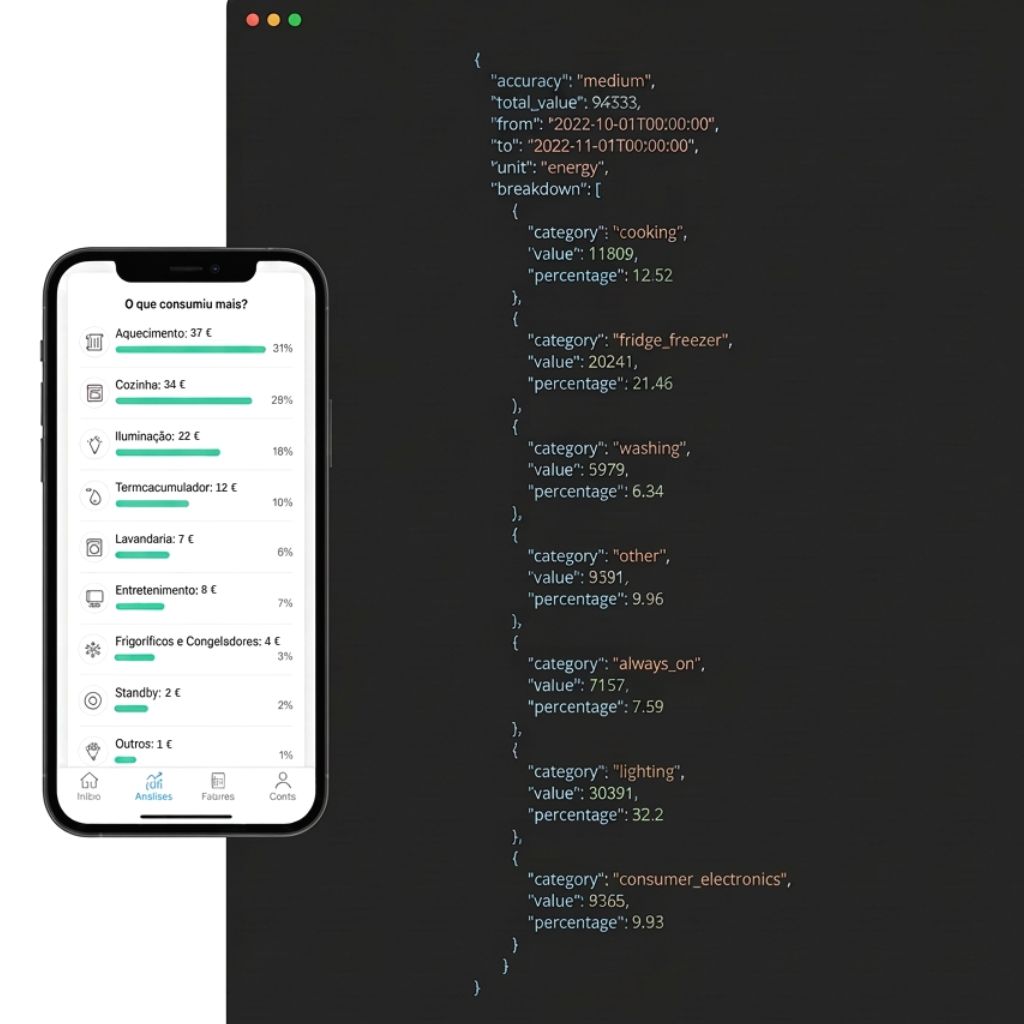
Um contador inteligente dá-te uma única medição por intervalo: o consumo elétrico total de uma casa. Mas dentro desse número, é possível que alguém tenha começado a carregar um veículo elétrico (VE). Saber se isso aconteceu realmente é grande parte do que fazemos na Eliq. O contador nunca te diz "carregamento de VE iniciado às 22:15". Essa leitura inclui a bomba de calor, a cozinha, os ciclos da máquina de lavar e até o facto de ser mês de fevereiro. Como se não bastasse, os dados reais têm as suas complicações: leituras em falta, falhas de comunicação, marcas temporais desalinhadas, erros de medição e picos aleatórios. Um modelo de detecção tem de trabalhar com este sinal, complexo e sem etiquetas. O modelo não tem, por si só, forma de distinguir entre a assinatura real de um eletrodoméstico e um padrão que, por acaso, se lhe assemelha dentro do sinal agregado. Com dados de treino suficientes, pode aprender padrões estatísticos úteis, mas algumas assinaturas continuam a ser ambíguas por natureza. Por exemplo, os termoacumuladores elétricos com tarifa bi-horária podem consumir vários quilowatts em horas previsíveis e, consoante os dados e o modelo disponíveis, parecer-se muito com o carregamento de um VE. Por isso, o modelo pode dar uma previsão de «VE» com muita confiança mesmo que não haja nenhum VE. Por isso, antes de confiarmos num modelo, os seus resultados/previsões têm de superar várias provas enquanto o construímos e validamos, não depois. Repete-se? Um carregamento real deixa um padrão recorrente, por isso procuramos onde esse padrão volta a aparecer ao longo de dias e semanas, em vez de reagir a eventos isolados. Um pico pontual costuma ser um eletrodoméstico ou um erro do contador, de modo que a recorrência se torna uma característica com a qual o modelo aprende, não uma deteção por si só. Respeita a física? Restringimos o modelo com conhecimento prévio do indústria: níveis de potência realistas, durações plausíveis, totais de energia razoáveis. Uma deteção que quebra esses limites é tratada como ruído e é filtrada, por muito alta que seja a pontuação. Generaliza? É aqui que se separam o sinal e o ruído. Um padrão real mantém-se com validação cruzada, em períodos de tempo reservados e em casas que o modelo nunca viu durante o treino. Se a precisão se desmorona fora da amostra, o modelo memorizou ruído; não aprendeu o comportamento do VE. Podemos explicá-lo? O facto de o modelo estar muito confiante não é prova suficiente. Usamos atribuição de características e análise de erros para confirmar que o modelo realmente aprendeu a reconhecer um carregamento genuíno, e não que se deixou levar por um atalho ou uma fuga de dados: a típica resposta certa pelo motivo errado. A combinação de electrodomésticos não para de mudar, por isso o que no ano passado contava como sinal hoje pode parecer ruído. É preciso verificá-lo continuamente. Detetar padrões não é a parte difícil, o difícil é decidir em que acreditar.
- LINKEDIN · IMAGESince 4 Sept 2026
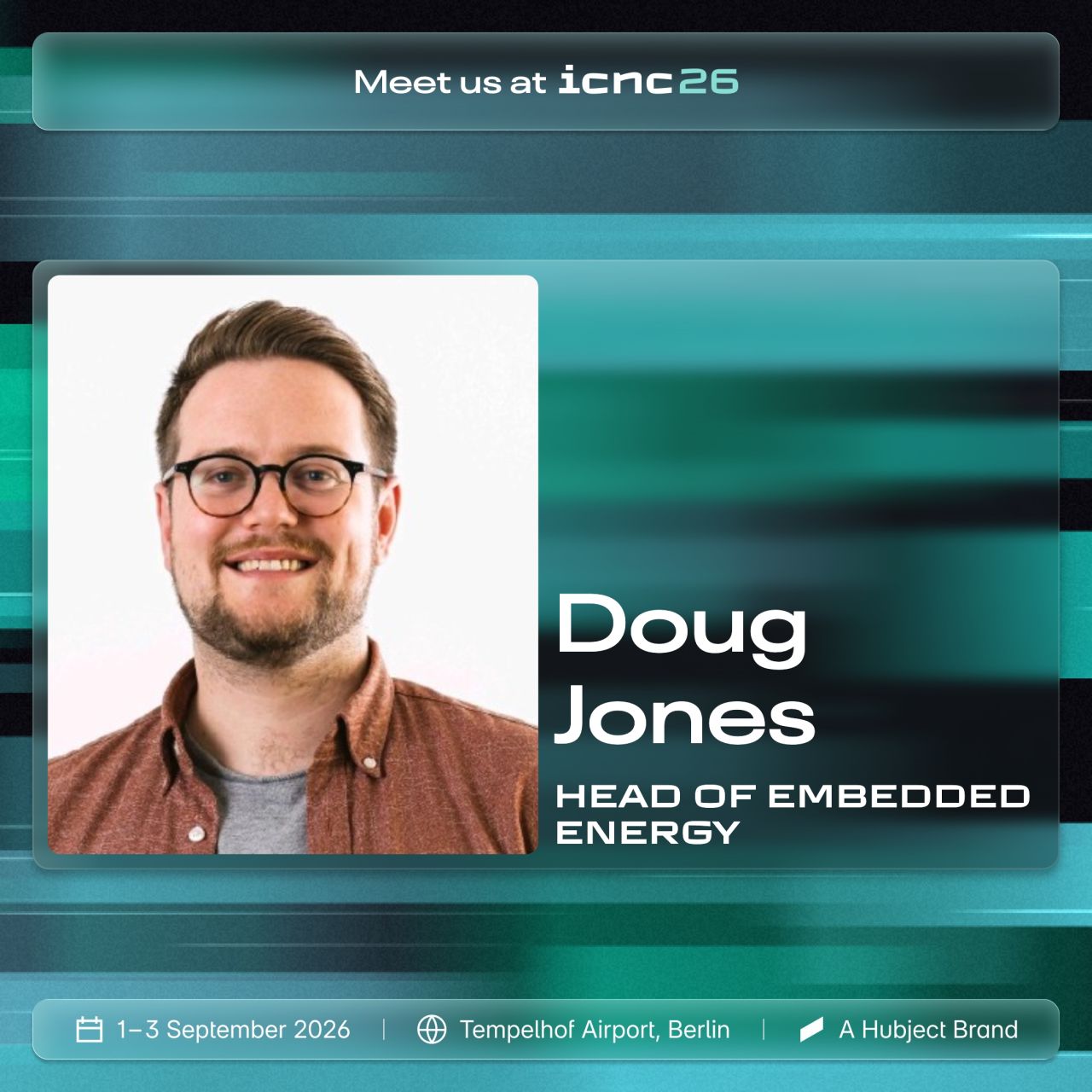
Really excited for icnc26 in Berlin this week with Jesper Möllbrant! If you're going, let's connect and chat about embedding energy offers straight into the OEM experience, and what it takes to scale to multiple utilities in multiple markets. #icnc26 #eMobility #EVCharging #SmartCharging #embeddedenergy
- LINKEDIN · IMAGESince 27 Aug 2026
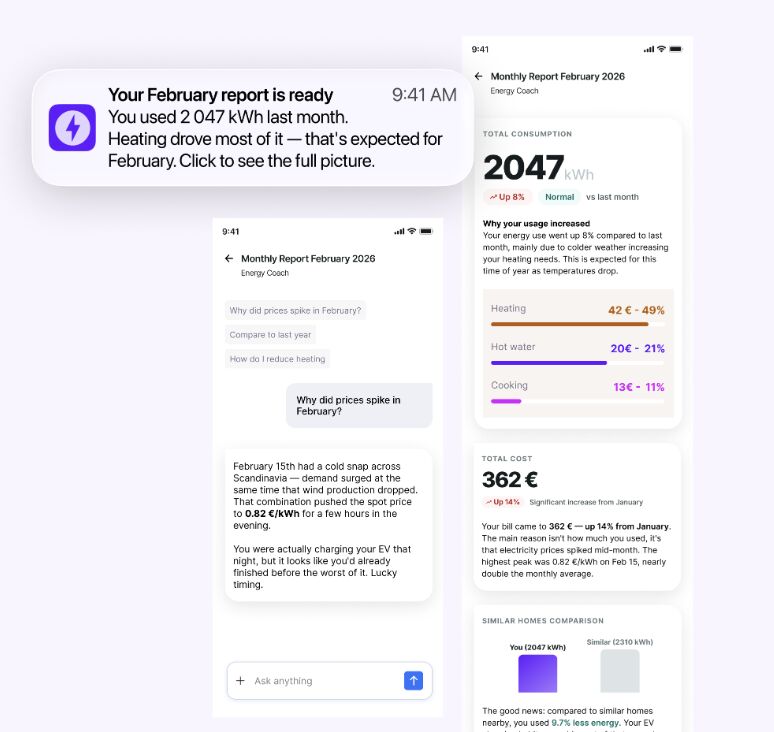
What if your energy app reached out to you first — before you even knew you had a question? For the past 6 months at Eliq, we've been building toward that with our AI Energy Coach: conversational AI as the interface, not a feature bolted on top. Three things make it work: Proactive highlights — the moments worth interacting with, triggered by time or events. Each one answers what changed, why, and what to do about it, with the underlying chart one click away. Guided journeys — step-by-step guidance timed to real moments, like right after buying an EV, to drive adoption of connected assets. A personal coach — customers can dig deeper into their own insights and explore recommended next actions anytime. So far, user tests point to one clear winner: the proactive highlights are the most appreciated part of the experience. People don't want another dashboard to check — they want to be told what matters, when it matters. We're still learning a lot as we scale this to more users. What's the one energy question you wish your provider would just answer before you had to ask it? #ConversationalAI #EnergyTech #ClimateTech #ProductDesign #AI
- LINKEDIN · IMAGESince 27 Aug 2026
If I had a magic button to make our entire audience convert - I.would.do.that.wouldn't.I?! But the magic button doesn't exist and marketing teams everywhere spends a lot of time explaining why that is. The curse of marketing is that we need to create something repeatable that "can scale" on an audience that is diverse and want different things, sometimes at the same time. Take EV charging automation. Most of us have no interest whatsoever in continuously optimizing anything, especially not something as boring as energy usage. BUT most of us like money, and don't want to spend more than needed on something as boring as energy usage. Because we have no interest and because we like money - we might consider letting our energy retailer do the charging planning for us to make sure the car is charged when electricity prices are low. BUT we don't trust the energy retailer to make sure the car is actually charged for when we need it. So if you're doing marketing in energy retail. How do you reach these people who have low interest, want savings, doesn't want to take action but doesn't want someone to take away their control? You adjust the messaging. 1. Research (link in comment) shows that "set it up once and never think about it again" performs better than "manage your energy daily" as a CTA. This will get you the first click. 2. Then in the next step of the message flow, you adjust the pitch slightly. Don't say "we will manage it for you." Say "you won't need to bother," or something along those lines. This will get you the conversion. Basically, you promise to take away that pesky cognitive load while letting the end user feeling like they are still in control. Kind of like cruise control, you're not driving the speed anymore, but your foot's still by the pedal and you can take over the second you want to.


6 of 124 adsSign up to see every Eliq ad, filter by format and date, and get alerts on new ones.
See all 124 adsWatch the companies you care about.
Filter every ad by industry, country, format and network, and get alerts when a company you watch starts running new ads.