On air · 2 of 3 networks
Dropoff
- dropoff.com
- Logistics & Transportation
- US
- 239 employees
Dropoff’s ads on LinkedIn, Meta and Google, recorded by adsrunning. Browse the latest here for free. Sign up free to see all 38. Watch Dropoff with Starter to get each new one in your feed.
Watchlist with Starter · $49/mo
| Network | Status | Live ads | Nov 2025LinkedIn activity · 52 weeksOct 2026 | Checked | Next step |
|---|---|---|---|---|---|
| Running | 38 | Checked 30 Oct 2026 | See all 38 ads → | ||
| Meta | Not checked | — | |||
| Running | 3 | Ads on the Google Ads Transparency Center | Checked 27 Oct 2026 | Collect them with the API → |
Dropoff has 38 live LinkedIn ads. We recorded 3 Google ads on 27 Oct 2026.
Latest ads
- LINKEDIN · IMAGERecorded 16 Sept 2026
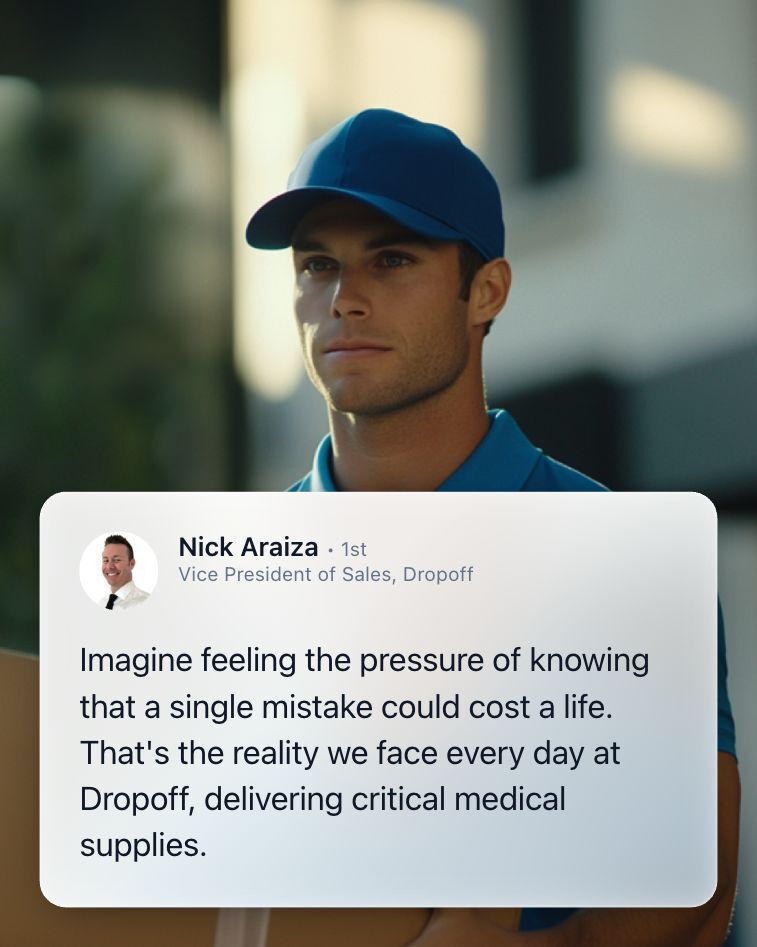
Imagine knowing that one mistake could cost a life. That’s the pressure we feel every day at Dropoff, delivering critical medical supplies. Here’s what that looks like in practice: - Temperature control. Vaccines and biologics have to stay cold. A tiny shift can ruin them. We use specialized packaging and refrigerated vehicles to keep the chain intact. - Timing. A lot of our deliveries line up with surgeries or urgent treatments. There’s no room for delays. That’s why we plan backup drivers and priority routes. - Security. High-value meds, like narcotics, need secure hand-offs and tamper-proof cases. No shortcuts. It’s not easy work. But it makes a difference. Same-day delivery keeps hospitals from running out, prevents spoilage, and most importantly — supports patient care. Every delivery is more than a package. It’s someone’s life depending on us to get it right.
- LINKEDIN · IMAGERecorded 16 Sept 2026
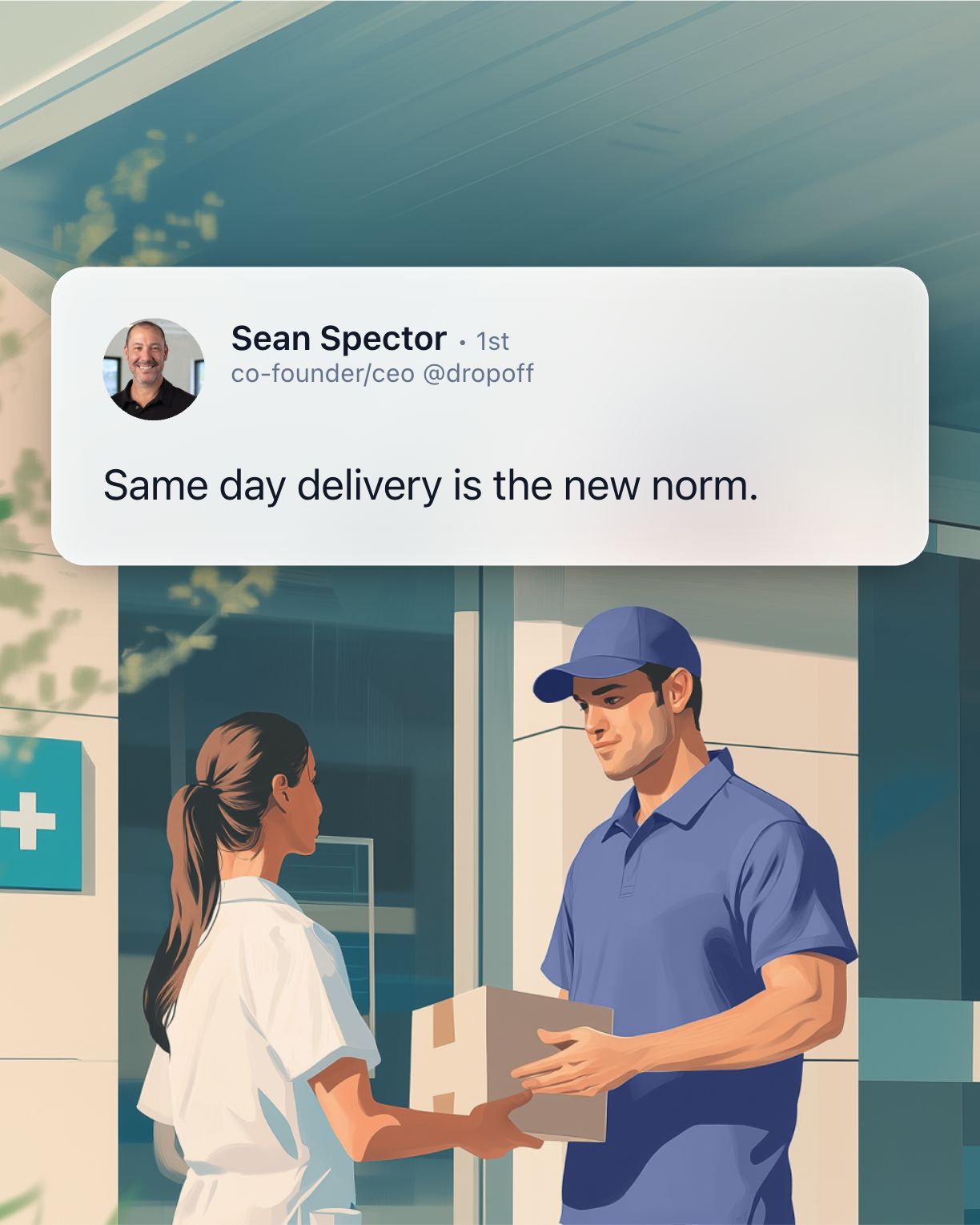
Picture the day when healthcare logistics is as seamless and fast as ordering a book online. That’s where we're headed. The healthcare logistics sector is on track to double in size by 2032, driven by an aging population and the rise of chronic diseases. Why is this important? More people will need medications and medical supplies, and many of these, like biotech drugs, require specialized handling. Same-day delivery is becoming the norm. This shift means we need to be more agile and tech-savvy than ever. Here's what we're seeing: - 𝗠𝗮𝗿𝗸𝗲𝘁 𝗚𝗿𝗼𝘄𝘁𝗵: We're talking about a market set to skyrocket from $91 billion in 2023 to nearly $200 billion by 2032. That’s a lot of shipments needing quick, precise delivery. - 𝗧𝗲𝗰𝗵 𝗜𝗻𝘁𝗲𝗴𝗿𝗮𝘁𝗶𝗼𝗻: AI, IoT sensors, and blockchain are not just buzzwords. They're becoming part of our daily operations, helping us track shipments in real time and optimize delivery routes. - 𝗗𝗶𝗿𝗲𝗰𝘁-𝘁𝗼-𝗣𝗮𝘁𝗶𝗲𝗻𝘁: More deliveries are going straight to patients' homes. Think telehealth and at-home care. This trend means we need to be on point with our delivery precision. - 𝗕𝗶𝗴 𝗣𝗹𝗮𝘆𝗲𝗿𝘀 𝗶𝗻 𝘁𝗵𝗲 𝗚𝗮𝗺𝗲: Companies like UPS and FedEx are investing heavily in healthcare logistics. UPS, for instance, is expanding its cold-chain logistics to handle temperature-sensitive shipments like vaccines. For us at Dropoff, this means embracing these changes and investing in technology and infrastructure to meet these new demands. The future is about being faster, smarter, and more patient-centric.
- LINKEDIN · IMAGERecorded 16 Sept 2026
In clinical trials, a “delay” means a patient waits weeks longer for a drug they’re counting on. That’s the stress test of healthcare logistics: It's not about parcels. It's not about SLAs. It's about people. Every timestamp. Every handoff. Every mile driven. If it misses or fails, there is a person downstream that pays the price.
- LINKEDIN · IMAGERecorded 16 Sept 2026
What if you could guarantee near-perfect delivery reliability in healthcare logistics with half the stress? Imagine the peace of mind for patients and healthcare providers alike. Here's how we make it happen: - 𝗖𝗼𝗻𝘀𝗶𝘀𝘁𝗲𝗻𝗰𝘆 𝗶𝘀 𝗸𝗲𝘆: We invest in contingencies like backup drivers and alternate routes. This way, even if a vehicle breaks down or the weather turns, deliveries stay on schedule. - 𝗧𝗿𝗮𝗻𝘀𝗽𝗮𝗿𝗲𝗻𝗰𝘆 𝗯𝘂𝗶𝗹𝗱𝘀 𝘁𝗿𝘂𝘀𝘁: Offering real-time GPS tracking and proactive communication keeps everyone informed. Clients feel in control, knowing exactly where their delivery is. - 𝗘𝘅𝗽𝗲𝗿𝘁 𝗵𝗮𝗻𝗱𝗹𝗶𝗻𝗴: Our couriers are trained in HIPAA and OSHA standards, ensuring every specimen and organ is handled with care and professionalism. - 𝗖𝗼𝗻𝘁𝗶𝗻𝗴𝗲𝗻𝗰𝘆 𝗽𝗹𝗮𝗻𝘀: We have special charter flights and partner networks ready to respond quickly to any disruptions. Communicating these capabilities reassures clients that we're prepared for anything. - 𝗠𝗲𝘁𝗿𝗶𝗰𝘀 𝗮𝗻𝗱 𝘁𝗲𝘀𝘁𝗶𝗺𝗼𝗻𝗶𝗮𝗹𝘀: We track on-time delivery rates and package integrity, sharing these metrics with clients. Positive testimonials and case studies further solidify our reputation. By focusing on these elements, we build trust and reliability in healthcare logistics. Let
- LINKEDIN · IMAGERecorded 16 Sept 2026
If you work in healthcare logistics long enough, you start to see the same issues surface again and again. Delays, broken chain of custody, missed deliveries that throw off an entire day of care. I used to think these were just the cost of doing business. But lately, it’s clear we’re at a turning point. Healthcare logistics is expected to hit $200 billion by 2032. That’s not just growth—it’s a shift in how care gets delivered. 𝗧𝗵𝗲 𝗽𝗿𝗲𝘀𝘀𝘂𝗿𝗲 𝗼𝗻 𝘁𝗵𝗲 𝘀𝘆𝘀𝘁𝗲𝗺 𝗶𝘀 𝗿𝗶𝘀𝗶𝗻𝗴: - We’ve got an aging population with more complex needs - Medications like Ozempic require cold-chain handling and tight delivery windows - Patients expect fast, reliable service—because that’s what they get everywhere else 𝗧𝗲𝗰𝗵𝗻𝗼𝗹𝗼𝗴𝘆 𝗶𝘀 𝗳𝗶𝗻𝗮𝗹𝗹𝘆 𝗰𝗮𝘁𝗰𝗵𝗶𝗻𝗴 𝘂𝗽 𝘁𝗼 𝘁𝗵𝗲 𝗷𝗼𝗯: AI and IoT are giving us real-time tracking we didn’t have even a few years ago. I watched a demo where a vaccine shipment was monitored for temperature the entire way. The alerts kicked in the moment something drifted out of range. That kind of transparency changes how you operate. 𝗔𝗻𝗱 𝘁𝗵𝗲 𝗯𝗶𝗴 𝗰𝗮𝗿𝗿𝗶𝗲𝗿𝘀 𝗮𝗿𝗲𝗻’𝘁 𝘀𝗶𝘁𝘁𝗶𝗻𝗴 𝘀𝘁𝗶𝗹𝗹: UPS is doubling down on healthcare and investing heavily in cold-chain. FedEx is winning contracts by designing custom procedures around critical deliveries. This isn’t about volume—it’s about precision and trust. 𝗦𝗮𝗺𝗲-𝗱𝗮𝘆 𝗱𝗲𝗹𝗶𝘃𝗲𝗿𝘆 𝗶𝘀 𝗾𝘂𝗶𝗰𝗸𝗹𝘆 𝗯𝗲𝗰𝗼𝗺𝗶𝗻𝗴 𝘁𝗵𝗲 𝗻𝗼𝗿𝗺: Walgreens is delivering prescriptions same-day from thousands of stores. That used to be an edge. Now it’s expected. From what I’ve seen, the companies that are making real progress in this space are doing a few things differently: - They treat reliability like a non-negotiable - They integrate tech into their operations instead of layering it on top - And they understand that healthcare isn’t retail—it comes with different rules, different stakes, and no room for error I’ve watched too many generalist logistics firms try to “add healthcare” to their offerings without making the real changes that are needed. It doesn’t work. The gaps show up quickly. If you’re working in or around this space, I’d be curious what you’re seeing. Are these shifts showing up in your day-to-day too?
- LINKEDIN · IMAGERecorded 16 Sept 2026
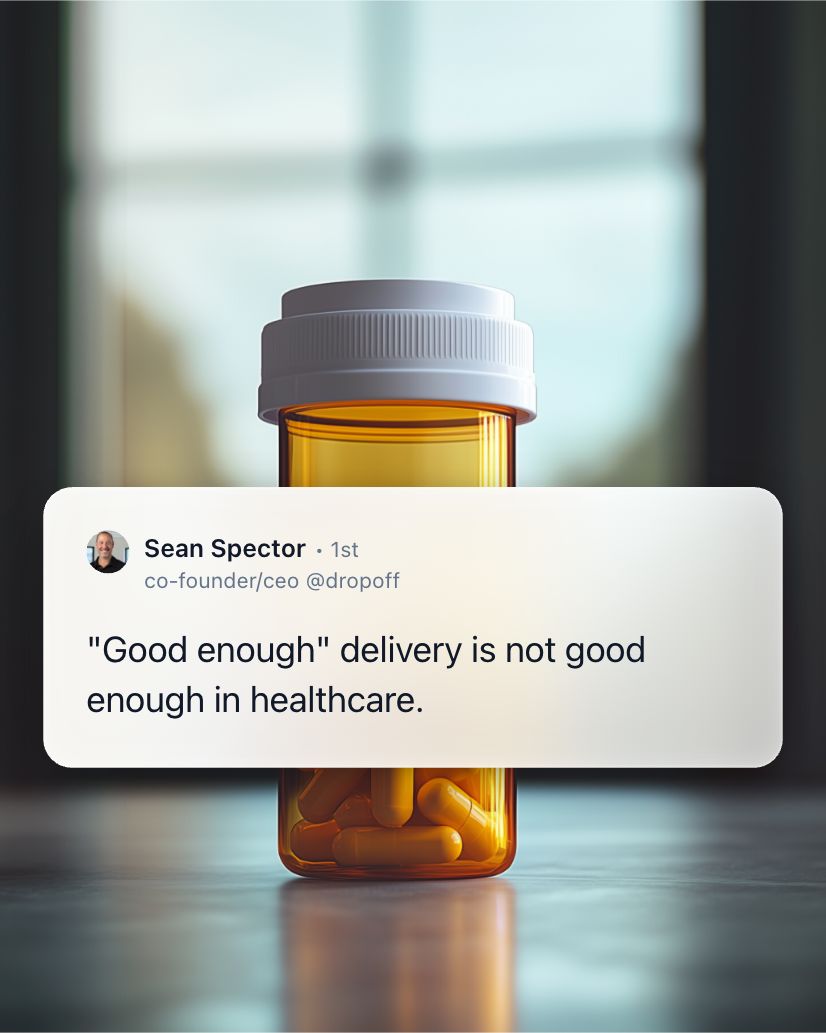
"Good enough" delivery is not good enough in healthcare. When a food delivery arrives late, you eat a sandwich instead. When a healthcare delivery fails, someone might not get their medication. A blood transfusion might be delayed. A lab specimen might require another painful draw. There's no comparison. This is why I built our entire delivery model around one core concept: trust. Not speed. Not convenience. Trust. In the healthcare space, there's no room for "maybe" or "probably" or "we'll try." When you're moving lab specimens, medications, or medical equipment, reliability isn't a nice-to-have—it's everything. Our healthcare partners understand this intuitively. That's why they consistently rank professionalism and reliability as their #1 priority, with price as a distant second. They refuse to sacrifice quality for cost savings, because they understand the consequences. There are certainly cheaper alternatives to our service. We're not the budget option, and we don't pretend to be. We're the trusted option. That trust explains why healthcare customers that started with us in a single city have since expanded to 10, 15, even 20 cities. They wouldn't give us more if they didn't trust us—especially when cheaper alternatives exist. We thrive on mission-critical work. It's what we're built for. What's the cost of delivery failure in your business? If the answer involves more than just inconvenience, I'd love to talk to you.
6 of 38 adsSign up to see every Dropoff ad, filter by format and date, and get alerts on new ones.
See all 38 adsWatch the companies you care about.
Filter every ad by industry, country, format and network, and get alerts when a company you watch starts running new ads.