On air · 1 of 3 networks
DLE Legal
- dlelegal.com
- Professional Services
- US
- 22 employees
DLE Legal’s ads on LinkedIn, Meta and Google, recorded by adsrunning. Browse the latest here for free. Sign up free to see all 21. Watch DLE Legal with Starter to get each new one in your feed.
Watchlist with Starter · $49/mo
| Network | Status | Live ads | Nov 2025LinkedIn activity · 52 weeksOct 2026 | Checked | Next step |
|---|---|---|---|---|---|
| Running | 21 | Checked 30 Oct 2026 | See all 21 ads → | ||
| Meta | Not checked | — | |||
| None recorded | 0 | No ads found on the Google Ads Transparency Center | Checked 27 Oct 2026 | Collect them with the API → |
DLE Legal has 21 live LinkedIn ads. We recorded no Google ads on 27 Oct 2026.
Latest ads
- LINKEDIN · ARTICLERecorded 16 Sept 2026
For 15 years, DLE Legal has powered South Florida's top litigators with white-glove, tech-enabled litigation support. From documented turnaround tiers to transcript formats built for how your team actually works, we help attorneys keep control of their deadlines instead of chasing them. Learn more at dlelegal.com Copy for the article "Standard turnaround" will always be fast enough. That belief is quietly costing law firms more than they realize. Here's what we see on our end: fewer than 1 in 10 bookings come in with a stated deadline. Most just say "standard," or nothing at all. The transcript order often doesn't even happen until after the deposition is already done. So the transcript follows the vendor's normal production schedule. Not your deadline. Not because anyone dropped the ball. Because nobody said the words out loud. Then two days before mediation, someone asks where it is. We wrote about why this keeps happening, and the one five minute habit at booking that prevents it entirely. It covers: The difference between "rush available" and a documented rush tier Why rough drafts get treated as final (and why that's risky) What Rule 30(e)'s review window means for your timeline The one sentence that changes everything at booking If your team has ever had a "standard" order turn into a Tuesday panic, this one's for you. Read the full article here
- LINKEDIN · ARTICLERecorded 16 Sept 2026
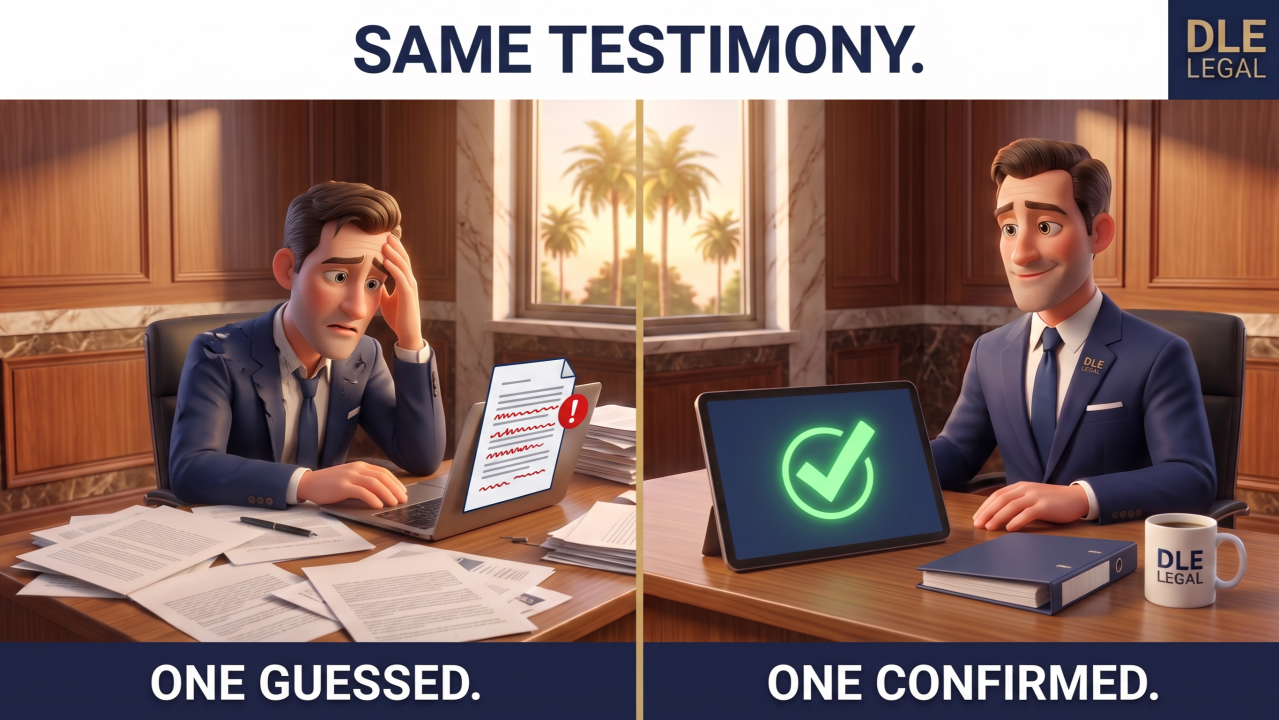
A rough draft and a certified transcript can say two different things about the exact same testimony. Not because anyone made a mistake. Because one of them isn't finished yet. Remote depositions and same-day prep have made speed the priority. Counsel want the testimony immediately, forward it to an expert, brief co-counsel, sometimes quote a page-and-line reference before the certified version even exists. Here's the problem. A rough draft hasn't been proofread. It hasn't been certified. Wording, punctuation, speaker identification, even pagination can all still shift before the reporter finishes the final review. We haven't seen this blow up into a real dispute for our clients. That's not luck. It's because we label every rough draft clearly and explain the limitations before anyone hits order, not after something goes wrong. The dividing line is simple. Rough drafts are for internal prep. Certified transcripts are for anything that gets filed, cited, or quoted. In the article, I break down: When a rough draft actually makes sense (and when it doesn't) The most common misuse pattern we see across firms How DLE labels and restricts every rough draft we produce The one assumption about "the reporter will fix it later" that gets teams into trouble If your team orders rough drafts regularly, this one's worth the read. Full article below
- LINKEDIN · ARTICLERecorded 16 Sept 2026
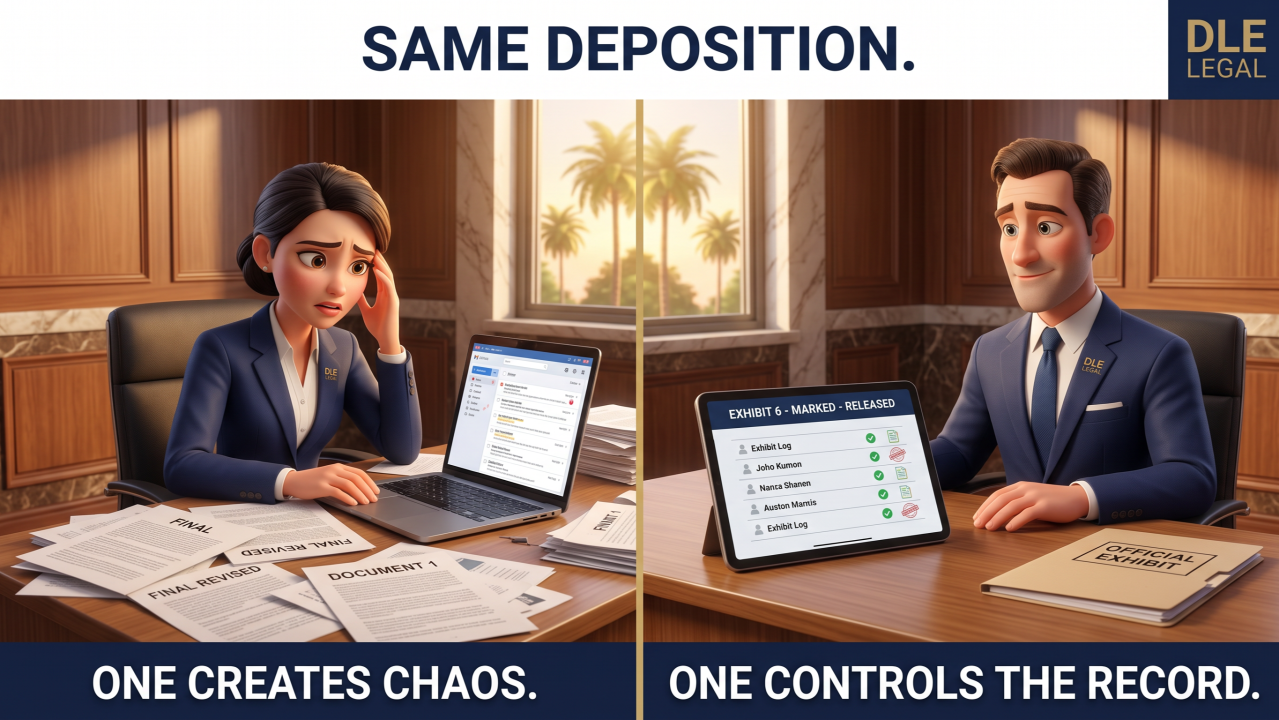
"We'll sort the exhibits out later." That sentence is where your case gets weaker. We watched a deposition stop cold because a witness only had 9 pages of a 14-page exhibit. Everyone had to compare page counts while the clock ran. That's not a rare glitch. It's what happens when nobody controls the exhibit workflow. Here's what most firms don't think about until it's too late: Who actually retains the marked exhibit after the deposition ends? Is the witness looking at the same version as counsel and the reporter? Does the transcript match what was really introduced? We've seen impeachment moments fall apart because a document was shared a beat too early. We've seen clients come back weeks later, building a trial exhibit list, only to discover the file attached to the transcript wasn't what they thought was marked. The fix isn't more technology. It's one controlled source, from the moment the exhibit is introduced to final delivery. In this week's article, I break down the controlled-release workflow we use, what an exhibit-custody stipulation should cover, and the single question every deposition should answer before anyone logs off. Has exhibit confusion ever come back to bite your case? Drop it below. Repost if your team has chased down "the real version" of an exhibit before.
- LINKEDIN · ARTICLERecorded 16 Sept 2026
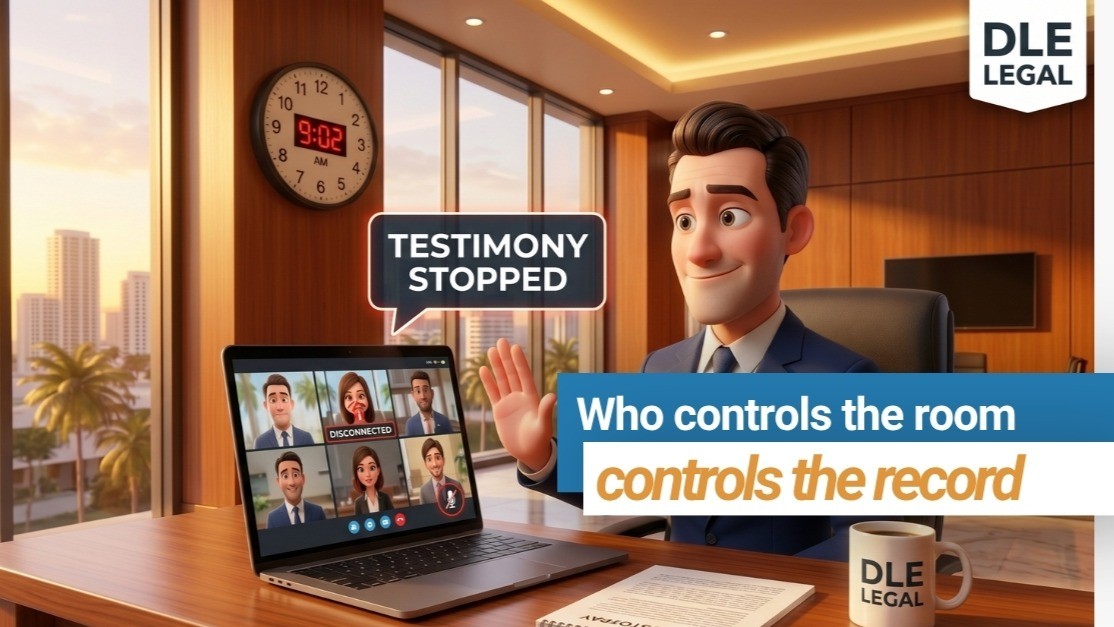
An IT technician joined a deposition mid-testimony to fix an unrelated issue. He accidentally changed participant permissions. An attorney got removed from the meeting. Others were muted. The witness kept answering questions. Nobody did anything wrong on purpose. But someone had host control over a proceeding they weren't responsible for protecting, and that's all it took. What followed wasn't a quick fix. It was a dispute about whether testimony given during that window should stay on the record. Here's what most firms don't realize: when a party hosts their own remote deposition, they control who gets admitted, who gets muted, who gets removed, and what happens when something breaks. That's not an administrative function. That's a procedural safeguard. And it shouldn't belong to someone with a stake in the outcome. In my latest article, I break down: What neutral hosting actually involves (it's not just sending the Zoom link) The "power through" trap that creates downstream problems Our hard rule when someone loses connectivity mid-testimony The 10 settings we lock down before testimony starts The record is only useful if it's complete. It's only complete if the conditions that produced it were controlled. Read the full article here: [LINK] ♻️ Repost if you know a litigation team still hosting their own depositions. ➕ Follow Roy De La Espriella for practical insights on litigation support and remote deposition operations.
- LINKEDIN · IMAGERecorded 16 Sept 2026
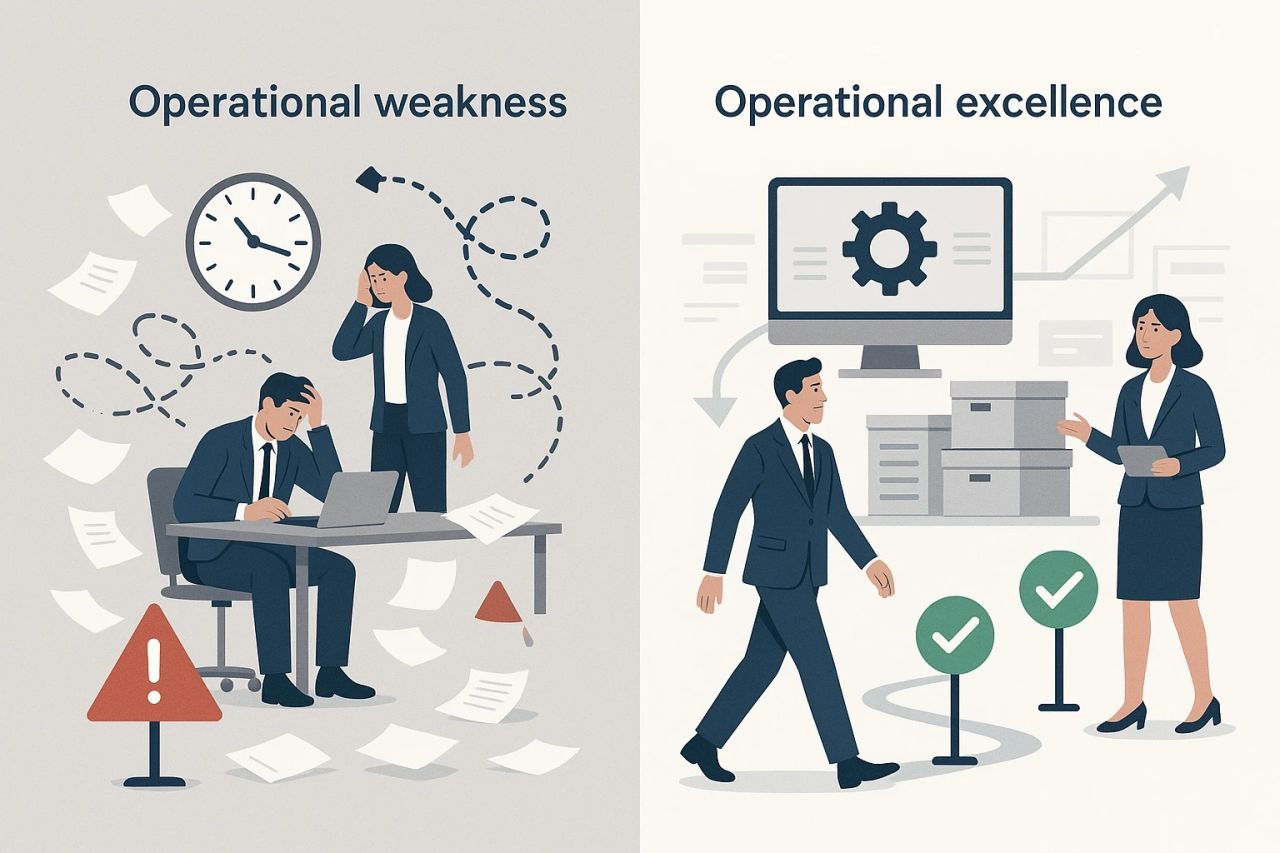
There's no such thing as "just an administrative issue" in your firm. Every operational weakness you ignore today becomes a client relationship problem tomorrow. I learned this the hard way. For years, I watched law firms treat service of process like a necessary evil. Something to delegate and forget about. Just another vendor relationship that "someone handles." But here's what I discovered after working with 100+ firms: The firms that scale without chaos understand one truth: Operational infrastructure matters as much as legal expertise. Two types of firms exist: 🚩 Yellow Flag Firms – They accept delays as "just how it is." They chase vendors for updates. They explain to clients why depositions got pushed back again. They lose panel spots and never connect the dots. 🏁 Green Flag Firms – They demand systems, not just people. They measure turnaround time like they measure billable hours. They choose vendors who prevent problems instead of creating them. The difference isn't talent. It isn't case complexity. It's whether you treat operations as a competitive advantage or an afterthought. I've seen firms lose $40,000-$90,000 annually on botched service workflows alone. Not because they hired bad attorneys. Because they tolerated bad systems. Here's the uncomfortable truth: You can't scale yellow flags. You can only scale green flags. The question isn't whether operational excellence matters. The question is whether you're willing to demand it from every vendor you work with. Which type of firm are you building? Check out my full breakdown here: https://lnkd.in/eG3hVtHv
- LINKEDIN · IMAGERecorded 16 Sept 2026
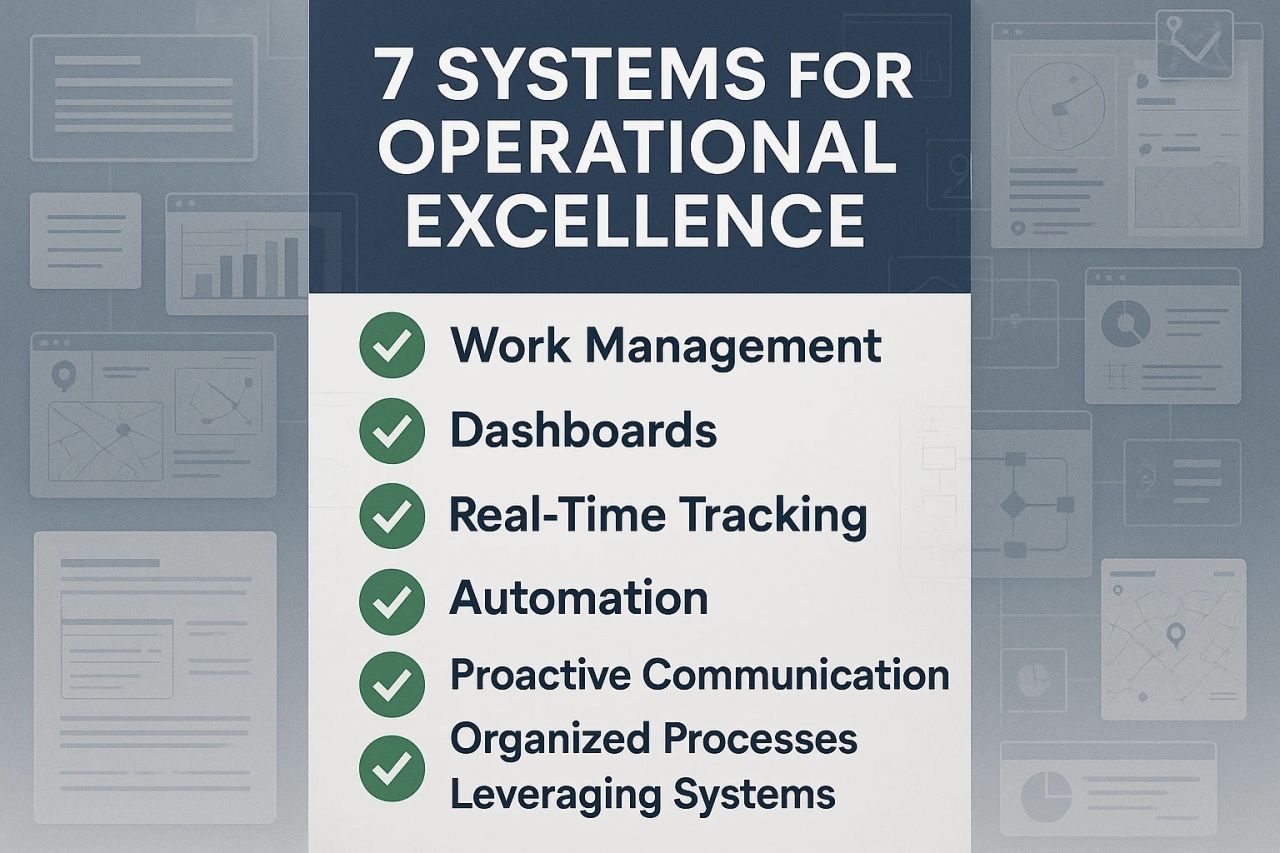
I went from chasing vendors for updates to 45-hour average turnaround using these 7 systems. After 15 years and 100+ law firm partnerships, I'll admit—it took years to figure this out. But once we built these systems, everything changed. Here's what separates firms that scale from firms that drown in administrative chaos: 1. Automated Error-Checking Before Service - Cross-reference registered agents with state databases in real-time - Flag missing documents before the server leaves -This eliminates rejection letters three weeks later 2. In-House Process Servers (Not Contractor Networks) - Accountable team members, not random gig workers - They know Florida service requirements cold - No more "the contractor didn't file the return" excuses 3. Proactive Status Updates (Without Being Asked) - You get updates automatically, not after three follow-up emails - Problems flagged immediately, not after failed attempts - This alone saves 5+ hours per week of paralegal time 4. GPS-Verified Service Attempts - Real-time tracking of every attempt - Documented proof for any challenges - No more "I think he went there" conversations 5. 48-Hour Return of Service Filing -Completed service gets filed within 2 days, not 2 weeks - Discovery clock starts on time, every time - Judges notice when you're consistently on schedule 6. Custodian-Specific Subpoena Formatting - Every hospital, every provider has different requirements - We maintain updated databases of what each accepts - Zero "wrong form" rejections 7. Real-Time Client Portal Access - Check status anytime without calling or emailing - Download returns the moment they're filed - Complete transparency eliminates anxiety Here's what happens when you implement all seven: -Your paralegal stops spending 20% of their time chasing vendors - Your depositions stop getting rescheduled - Your clients stop questioning your firm's execution - Your managing partner stops asking "why is this taking so long?" The difference between a $50,000 annual waste and a streamlined operation isn't working harder. It's demanding systems from every vendor you work with. Which of these systems is your firm missing? (And if you want the full breakdown of how we built this, I wrote about it here: https://lnkd.in/eG3hVtHv)

6 of 21 adsSign up to see every DLE Legal ad, filter by format and date, and get alerts on new ones.
See all 21 adsWatch the companies you care about.
Filter every ad by industry, country, format and network, and get alerts when a company you watch starts running new ads.