On air · 2 of 3 networks
Ditto
- ditto.com
- Data
- US
- 208 employees
Ditto’s ads on LinkedIn, Meta and Google, recorded by adsrunning. Browse the latest here for free. Sign up free to see all 295. Watch Ditto with Starter to get each new one in your feed.
Watchlist with Starter · $49/mo
| Network | Status | Live ads | Nov 2025LinkedIn activity · 52 weeksOct 2026 | Checked | Next step |
|---|---|---|---|---|---|
| Running | 181 | Checked 30 Oct 2026 | See all 295 ads → | ||
| Meta | Not checked | — | |||
| Running | 8 | Ads on the Google Ads Transparency Center | Checked 27 Oct 2026 | Collect them with the API → |
Ditto has 181 live LinkedIn ads. We recorded 8 Google ads on 27 Oct 2026.
Latest ads
- LINKEDIN · IMAGESince 15 Jan 2026
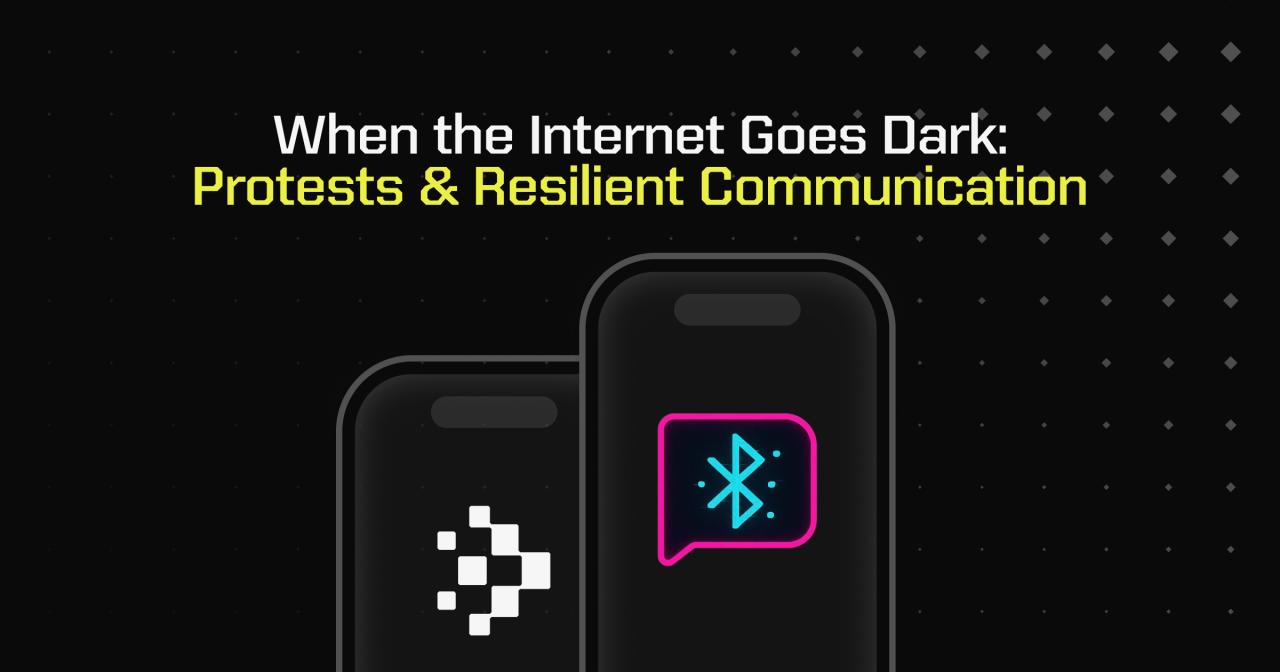
Two very different stories about connectivity today. Two reminders of the same fundamental truth. Right now, nearly a million Verizon customers are reporting outages—phones stuck in SOS mode, unable to make calls or access data. Emergency services in DC and NYC issued alerts. Business operations disrupted. Critical communications severed. Meanwhile, Iran's government has imposed a near-total internet blackout for the sixth day running as protests intensify. What began as economic demonstrations has escalated into the country's deadliest unrest in decades—and authorities cut off the entire nation's ability to communicate, share information, or document what's happening. One is an infrastructure failure. The other is intentional suppression. But for the people experiencing them, the impact is the same: the inability to communicate during critical moments. We've seen this pattern repeat throughout 2025—in Nepal, Uganda, Indonesia. When connectivity disappears—whether from government shutdown or system failure—people desperately need alternatives that work. I was drafting a blog post about the protest movements of 2025, what they taught us about resilient communication architecture, and why those lessons matter for enterprise operations with remote workforces, intermittent connectivity, or infrastructure vulnerabilities. Today's events are like the icing on the cake. Read my blog post -> https://lnkd.in/ezvPwR9E The protesters who downloaded Dorsey's Bitchat weren't making a political statement about technology. They were making a pragmatic decision about operational continuity. Maybe it's time enterprise technology did the same? #EnterpriseArchitecture #Resilience #OfflineFirst #DigitalBlackoutIran #Iran #VerizonOutage #TechReliance #DigitalResilience #StayConnected
- LINKEDIN · IMAGESince 3 Jan 2026
Are you building systems for the edge?
- LINKEDIN · IMAGESince 3 Jan 2026
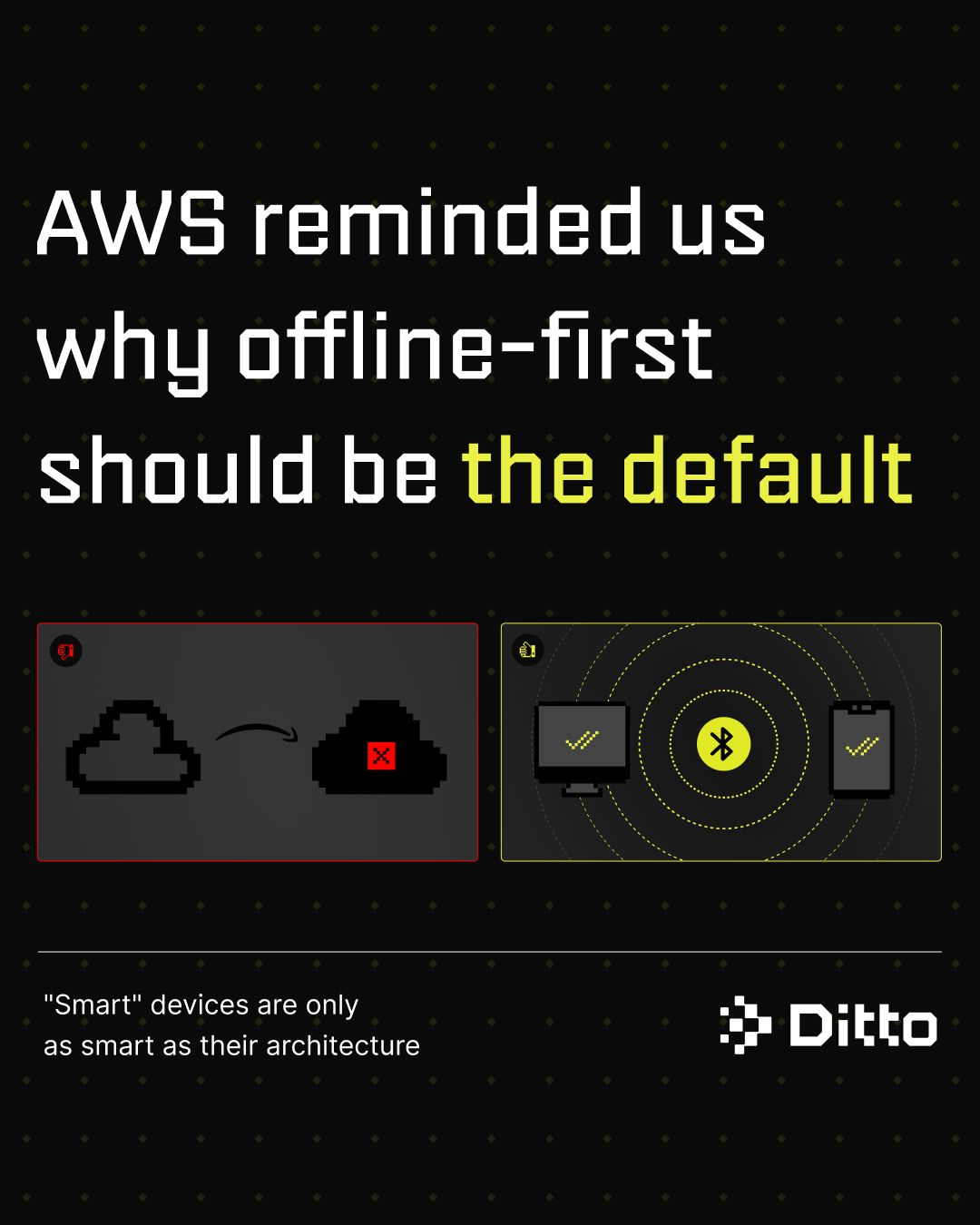
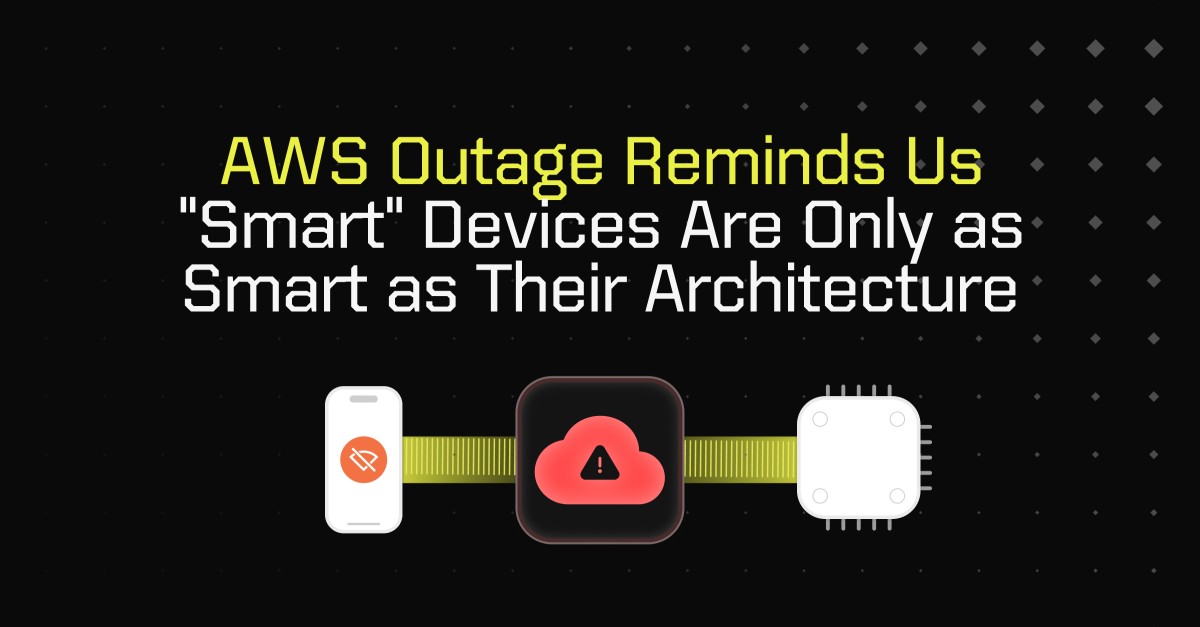
The recent AWS outage was a stark reminder: total cloud dependency creates a critical single point of failure. When the backbone of the internet goes dark, your users shouldn't lose functionality. Discover why adopting an offline-first strategy isn't just a backup plan—it's the critical choice for building truly resilient, high-performing applications. Stop relying on constant connectivity and start building products that simply work.
- LINKEDIN · IMAGESince 2 Jan 2026
From dead zones to outages, networks aren’t built for resilience. See how peer-to-peer sync fills the gaps.
- LINKEDIN · IMAGESince 5 Nov 2025
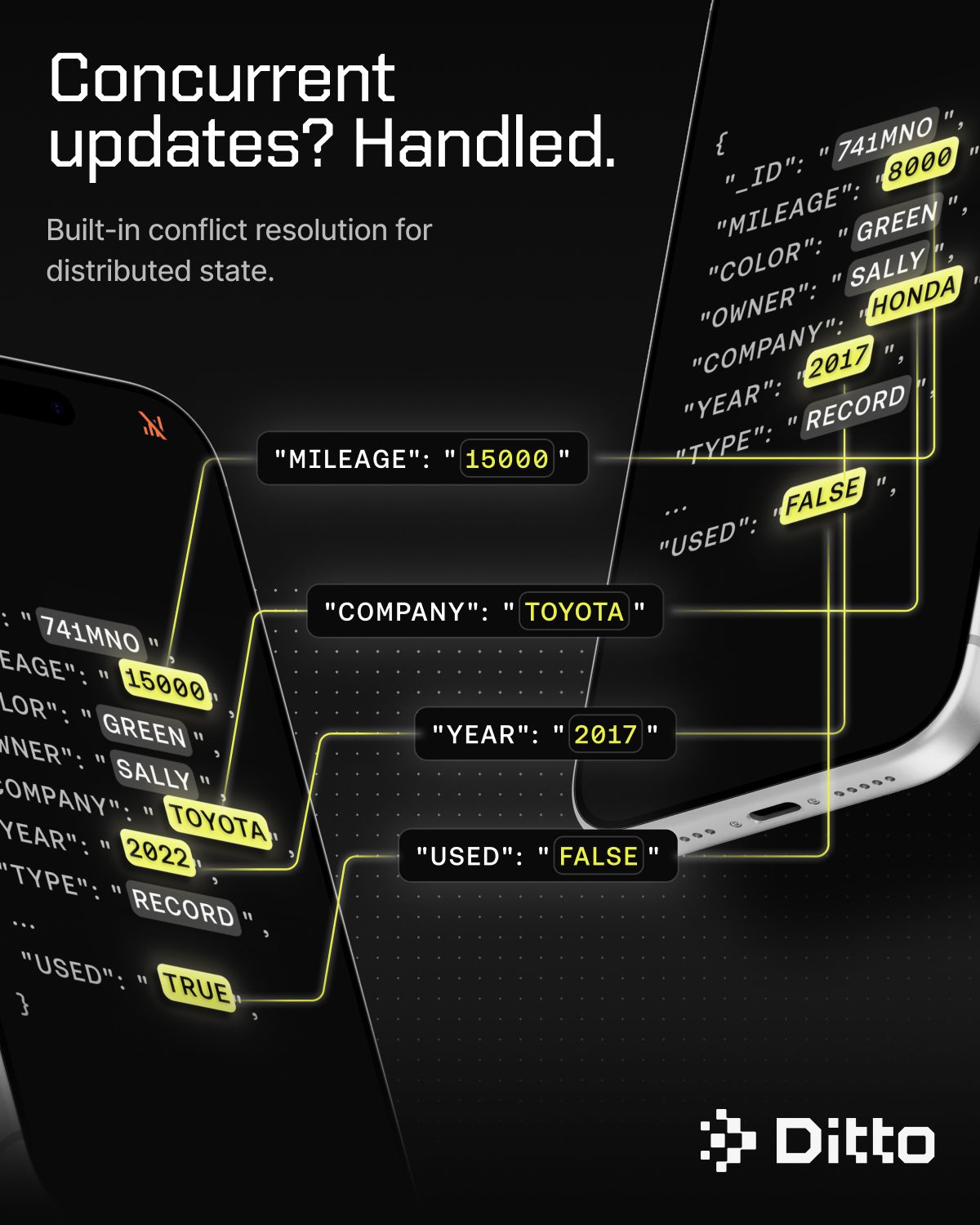
How CRDTs Solve Offline Conflict Resolution - Without the Pain If you've ever wrestled with complex and brittle merge logic, this one's worth the scroll
- LINKEDIN · IMAGESince 30 Oct 2025
I admit I had a snarky laugh when I first heard about the AWS outage last week. But for a lot of businesses and their customers, there was nothing funny about it. Eight Sleep smart beds locked their settings when AWS failed. Some users roasted all night, others froze. The CEO apologized and promised to add "outage mode" with local control, but consumer consensus was already decided: “Why wasn’t your product shipped with an outage mode?” But it wasn’t just consumer products. 🍞Toast POS failed for 19 hours. 🍔McDonald's logged 7,000 outage reports during breakfast rush alone. 📝 Staff grabbed pens and paper like it was 1995. This isn't new and it will continue to happen as long as companies treat offline as an afterthought, instead of the default. So why hasn't architecture changed? Building cloud-first is easier. One codebase. Centralized updates. Complete control. But mobile and edge devices are growing rapidly in numbers and in importance. It’s no longer acceptable for a single regional outage to brick an entire product, especially when a business is reliant on that product to drive revenue and operations. The problem isn't cloud reliability. The cloud will always have outages. For many products, we're still building cloud-first when we should be building offline-first. At Ditto, we make offline-first the default, not an afterthought. Devices work locally by default and sync to the cloud when beneficial. This isn’t some future state. We already know how to build resilient systems. Many product teams today are facing a critical choice: band-aid my product or build something new, the right way, from the ground up. How many more outages before we stop building products that break when the cloud fails? https://lnkd.in/eki5WTrt #EdgeComputing #ProductDevelopment #Resilience
6 of 295 adsSign up to see every Ditto ad, filter by format and date, and get alerts on new ones.
See all 295 adsWatch the companies you care about.
Filter every ad by industry, country, format and network, and get alerts when a company you watch starts running new ads.