On air · 1 of 3 networks
Depay
- depay.us
- Fintech & Financial Services
- AR
- 72 employees
Depay’s ads on LinkedIn, Meta and Google, recorded by adsrunning. Browse the latest here for free. Sign up free to see all 71. Watch Depay with Starter to get each new one in your feed.
Watchlist with Starter · $49/mo
| Network | Status | Live ads | Nov 2025LinkedIn activity · 52 weeksOct 2026 | Checked | Next step |
|---|---|---|---|---|---|
| Running | 60 | Checked 30 Oct 2026 | See all 71 ads → | ||
| Meta | Not checked | — | |||
| None recorded | 0 | No ads found on the Google Ads Transparency Center | Checked 27 Oct 2026 | Collect them with the API → |
Depay has 60 live LinkedIn ads. We recorded no Google ads on 27 Oct 2026.
Latest ads
- LINKEDIN · IMAGESince 20 Oct 2026
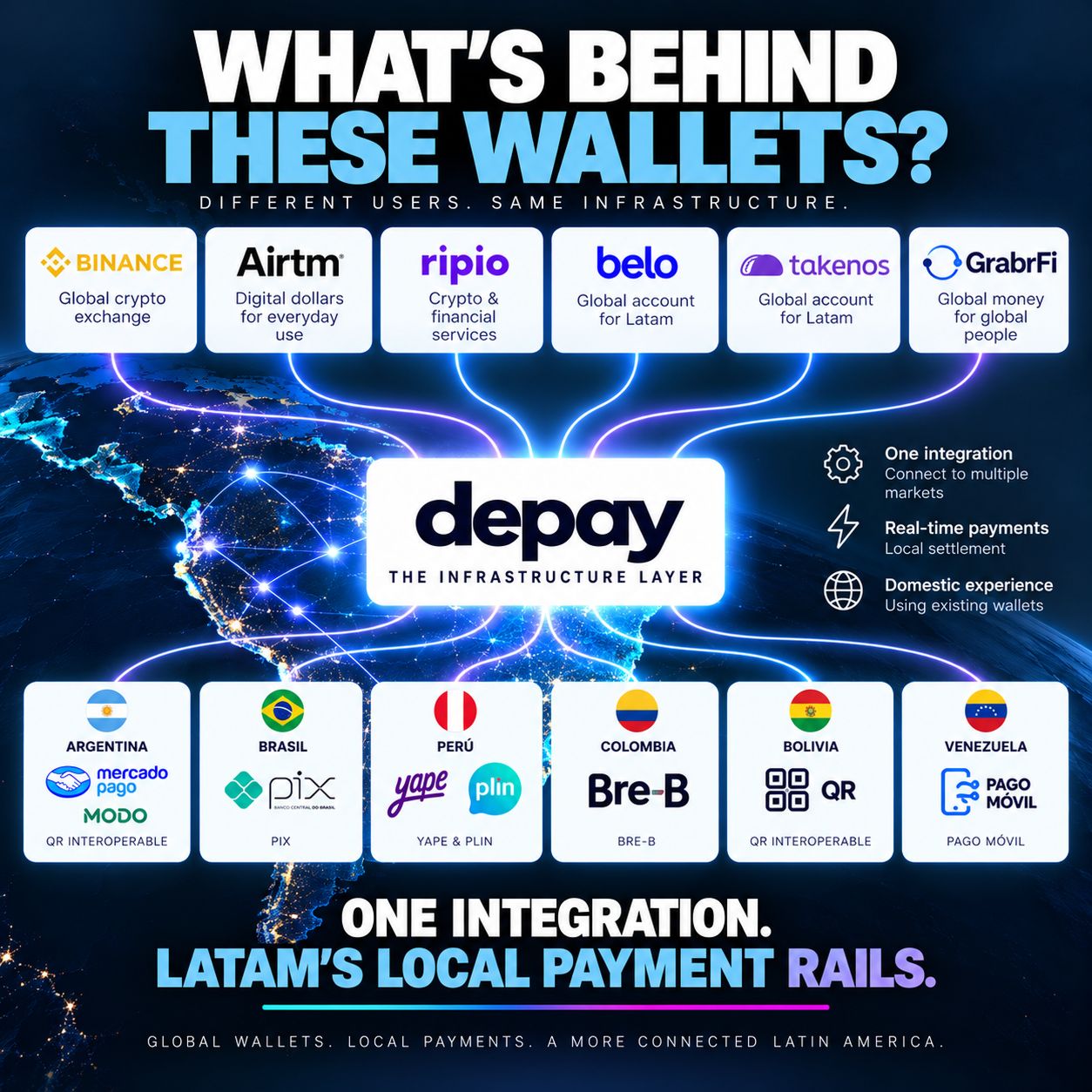
What’s behind these wallets? Millions of people know Binance, Airtm, Ripio, belo, Takenos and GrabrFiFi. But what happens when someone wants to use their money across Latin America? That's where things get complicated. Brazil has Pix. Argentina has interoperable QR payments. Colombia has Bre-B. Peru has Yape and Plin. Each market has its own payment habits and infrastructure, and a wallet that works well in one country doesn't automatically work in another. For companies trying to expand across the region, connecting to every local payment system separately can quickly become a headache. Depay is working on the part most users never think about: connecting these wallets to the payment systems people already use in each country. Take Pix in Brazil or Bre-B in Colombia. People don't want to learn a new payment method just because they're using a wallet from another market. They want to pay the way they normally do. That's the interesting part of this model. The wallet doesn't have to replace local payment apps or convince merchants to adopt something new. It needs to work with the systems already in place. I've been following the development of payments in #LATAM, and it's interesting to see how quickly the region is evolving. Local instant payment systems are becoming part of everyday life, while more fintech companies are serving customers across borders. The next big opportunity won't be building yet another wallet. It'll be connecting the wallets we already have to more markets. Because a payment that crosses a border doesn't necessarily need to feel like one. For the customer, it should just work. #fintech #payment
- LINKEDIN · IMAGESince 2 Oct 2026
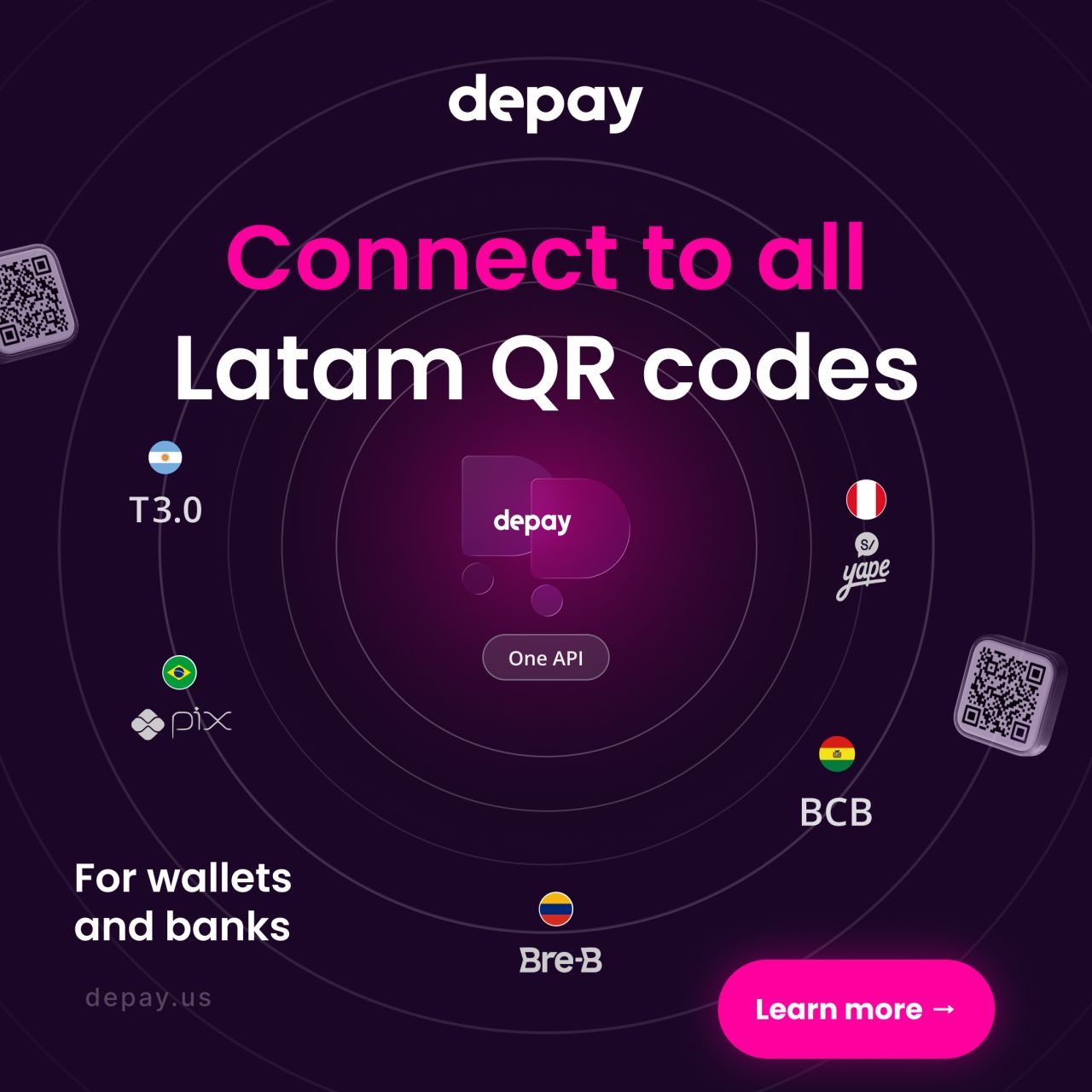
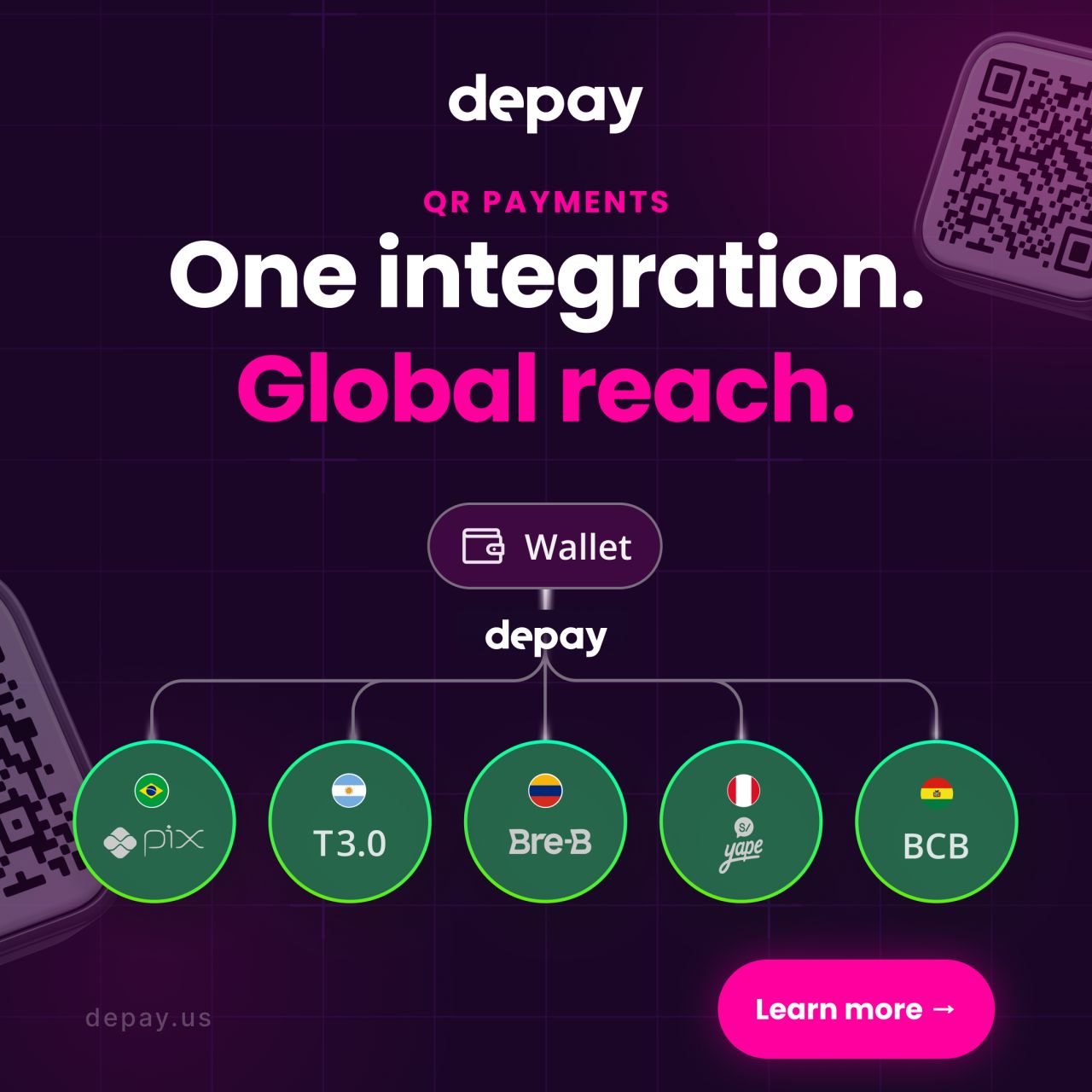
We enable wallets to offer instant payments via QR across multiple countries, while merchants receive fiat instantly in their local currency.
- LINKEDIN · IMAGESince 2 Oct 2026
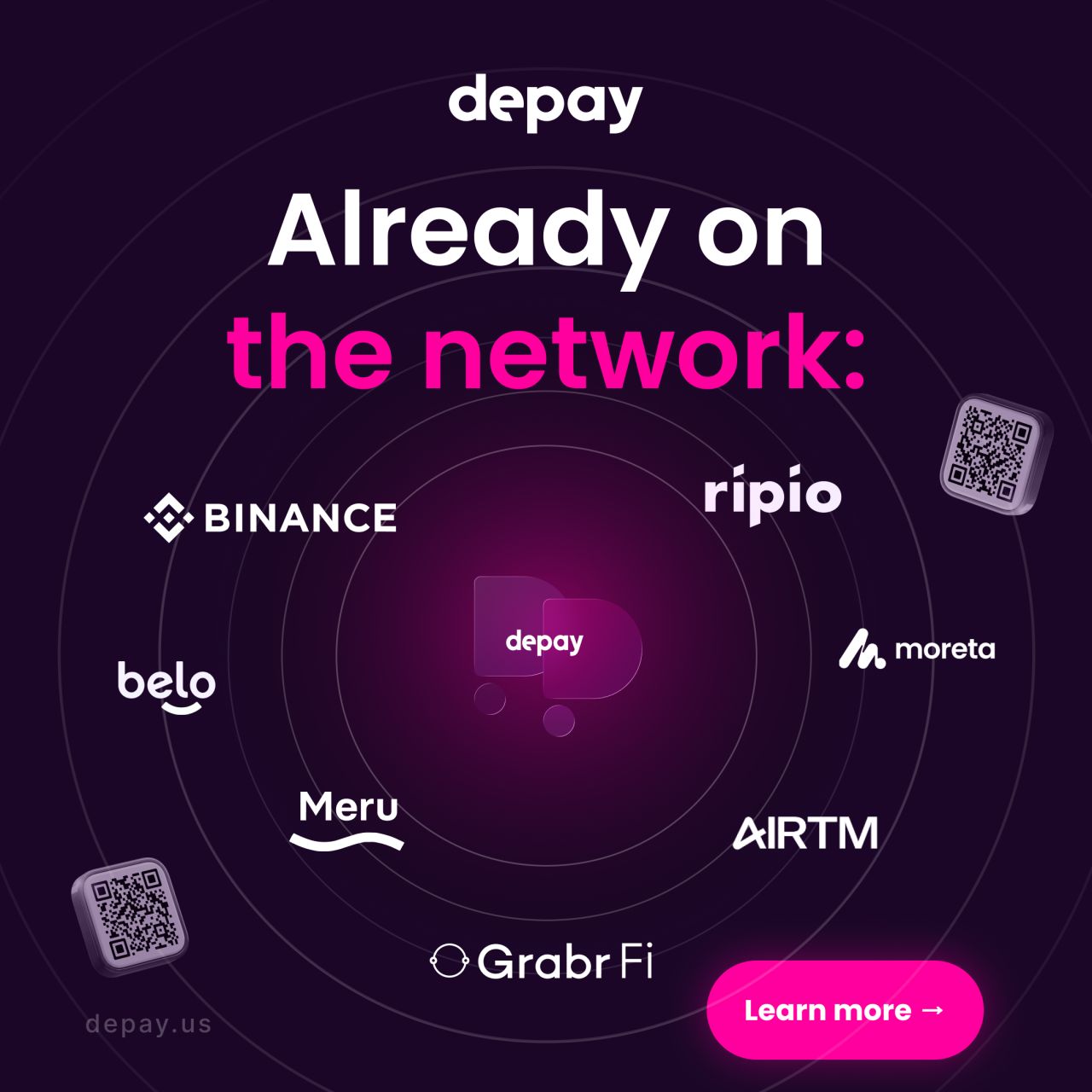
Discover how Depay helps wallets expand across LATAM by connecting their users to local payment networks through a single integration.
- LINKEDIN · IMAGESince 2 Oct 2026
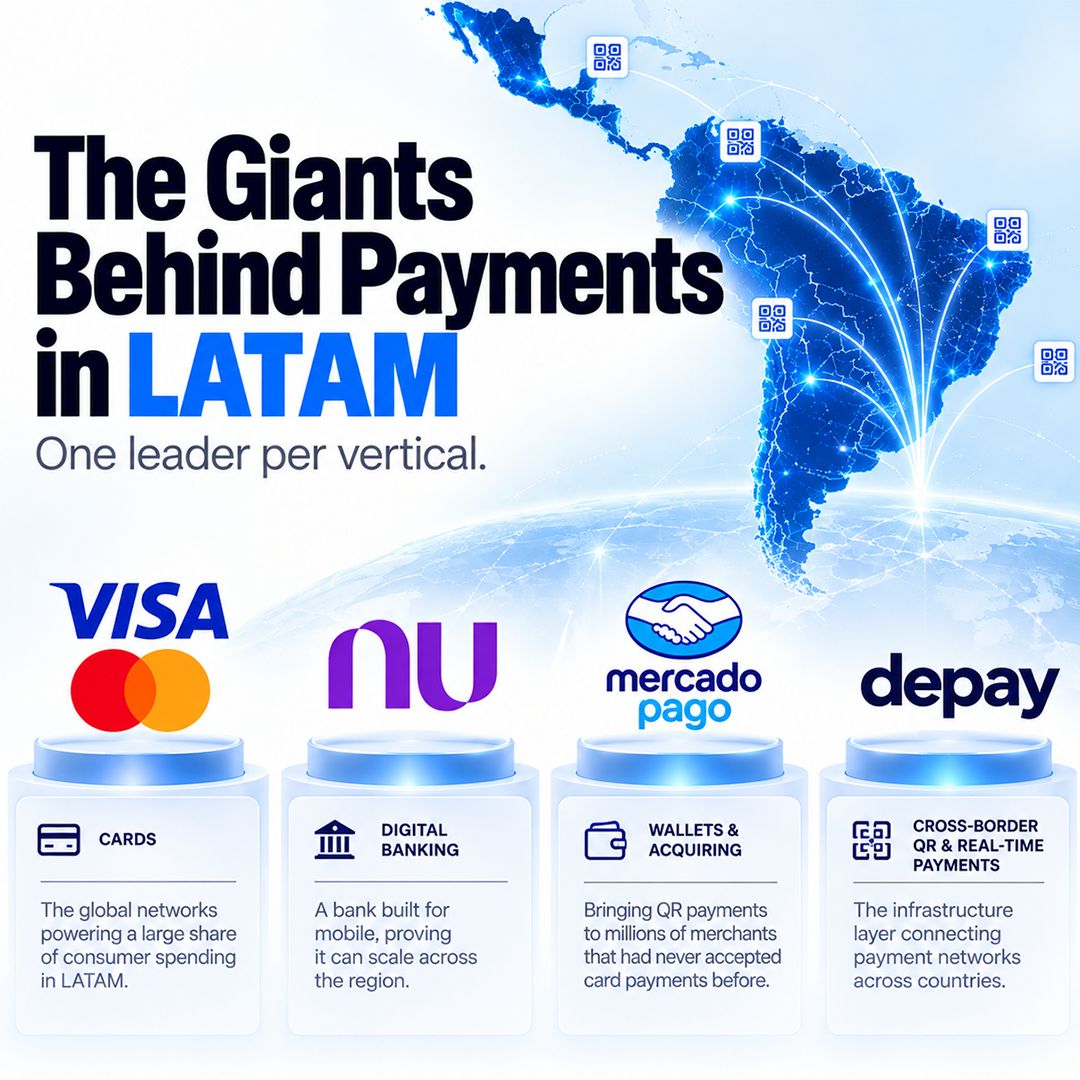
If you had to map out who is shaping payments in Latin America today, who would you put in each category? Here’s how I would look at it. Cards: Visa and Mastercard - The global networks are still behind a huge part of consumer payments across the region. Digital banking: Nubank - It showed that a bank could be built around the smartphone first and then scaled across multiple Latin American markets. Wallets & acquiring: Mercado Pago - It helped bring digital wallets and QR payments to millions of merchants, including many that had never relied on traditional card acceptance. But there is another category that I think is becoming increasingly important. Cross-border QR & real-time payments: Depay - This is a very different problem. The local payment rails already exist in most major markets. Pix in Brazil, SPEI in Mexico, PSE and Bre-B in Colombia, Yape and Plin in Peru, and many others. The hard part is making all of these systems work together across borders. A wallet in one country should eventually be able to scan a local QR in another country without the user needing to understand which payment rail is sitting behind it. That is where the next layer of payment infrastructure is being built. What I find interesting is how quickly this market is evolving. Latin America spent years building strong domestic payment ecosystems. Now the focus is gradually shifting from local connectivity to regional connectivity. Over the next few years, cross-border payment infrastructure will become one of the most competitive parts of the LATAM fintech stack. The winners may not be the companies building another wallet or another payment rail. They may be the ones connecting the rails that already exist. What vertical is missing from this map, and who do you think is shaping it? #fintech #payments #LATAM
- LINKEDIN · IMAGESince 2 Oct 2026
With Depay, wallets enable users to pay across LATAM using their local payment experience, while merchants receive local currency. One integration. Multiple markets.
- LINKEDIN · IMAGESince 25 Aug 2026
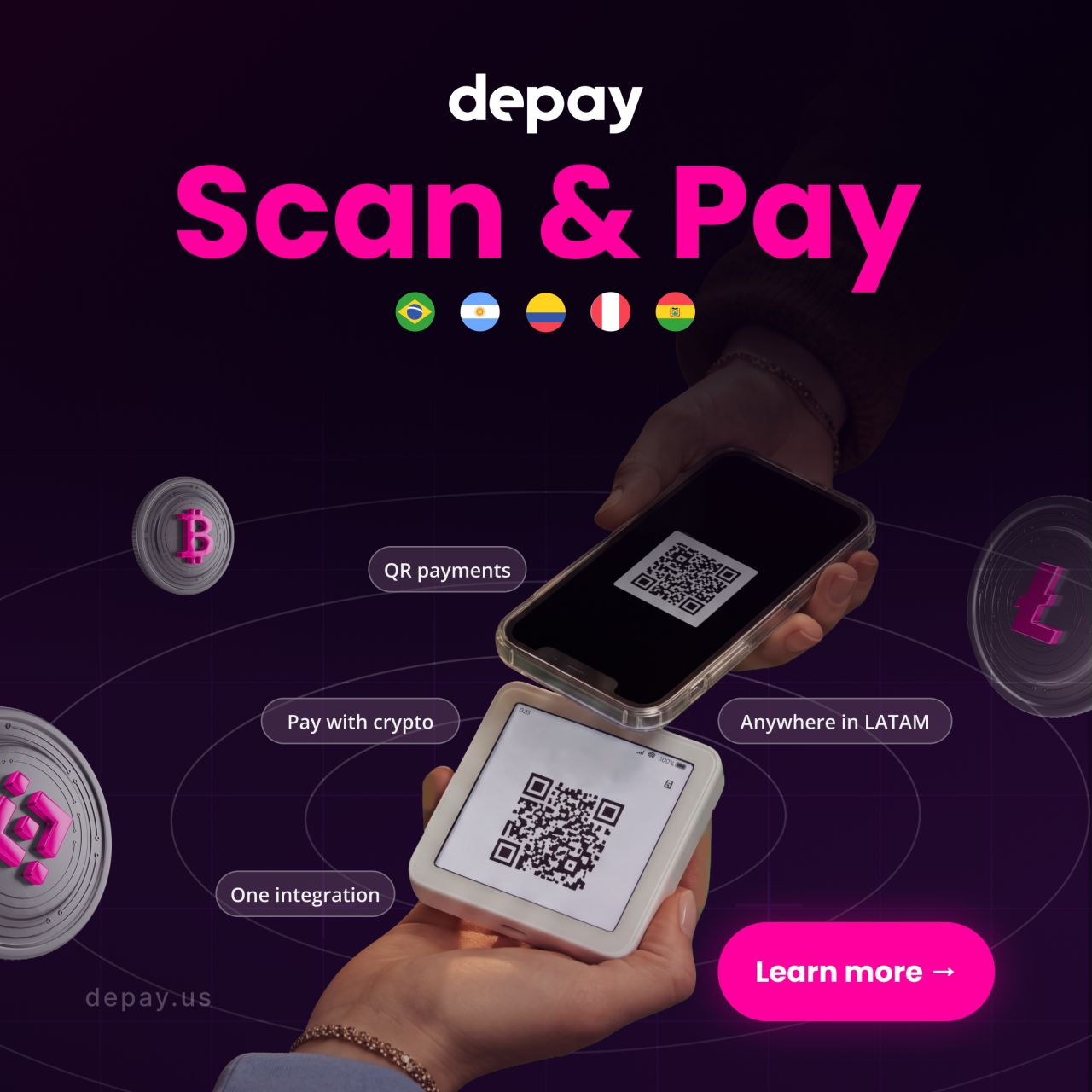
With Depay, wallets pay with crypto while merchants receive local currency. No off-ramp friction. Anywhere in LATAM.
6 of 71 adsSign up to see every Depay ad, filter by format and date, and get alerts on new ones.
See all 71 adsWatch the companies you care about.
Filter every ad by industry, country, format and network, and get alerts when a company you watch starts running new ads.