On air · 1 of 3 networks
Day1data
- day1data.co.uk
- Marketing & Advertising
- GB
- 12 employees
Day1data’s ads on LinkedIn, Meta and Google, recorded by adsrunning. Browse the latest here for free. Sign up free to see all 55. Watch Day1data with Starter to get each new one in your feed.
Watchlist with Starter · $49/mo
| Network | Status | Live ads | Nov 2025LinkedIn activity · 52 weeksOct 2026 | Checked | Next step |
|---|---|---|---|---|---|
| Running | 55 | Checked 30 Oct 2026 | See all 55 ads → | ||
| Meta | Not checked | — | |||
| None recorded | 0 | No ads found on the Google Ads Transparency Center | Checked 26 Oct 2026 | Collect them with the API → |
Day1data has 55 live LinkedIn ads. We recorded no Google ads on 26 Oct 2026.
Latest ads
- LINKEDIN · IMAGERecorded 15 Sept 2026
What is the role of a Marketing Science consultancy like Day1data? I’ve been thinking about this quite a lot as we go into the depths of H2. For me, it is not about making decisions for you. It is about helping your team make better decisions, collaboratively and consistently. Marketing measurement will never be perfect. No model is 100% accurate, no test is completely robust, and no single methodology gives you the full answer. But that does not mean you should guess - a good Marketing Science consultancy helps you: • reduce wasted ad spend • scale investment with greater confidence • bring evidence into marketing strategy • create a continuous cycle of measurement, learning and improvement The value is not just producing another model or presenting another set of insights. It is making sure those insights are understood, acted on and embedded into how the business operates. Because the best analysis/insights are worthless if nobody uses it. That's why the consultancy element matters 🤓 #facts If you want to learn more, book a time to chat: https://lnkd.in/eBde9EmH
- LINKEDIN · IMAGERecorded 15 Sept 2026
Came across a really interesting situation recently - a business that had grown 20-25% in a quarter while cutting their paid performance spend by roughly the same amount 😳 On the face of it that was incredible, but the honest answer from the team was "we're not really sure what drove it." Could be the upper funnel activity they'd started a few months earlier, could be seasonality, could be improved brand equity, could be better creative etc ⁉️ The problem with not knowing is that you can't replicate it. You don't know whether to double down on the brand investment or whether it was just a good quarter. You don't know if cutting performance spend was a smart move or if was just lucky timing. And when the board asks what drove the growth, someone has to give a reason...! Even when noone really knows. More dashboards don't solve this. What can solve it is a measurement framework that can separate baseline brand growth, media contribution, seasonality and pricing changes, and tell you what moved the number. That's our whole thing! If you want to learn more, book a time to chat: https://lnkd.in/eBde9EmH
- LINKEDIN · IMAGERecorded 15 Sept 2026
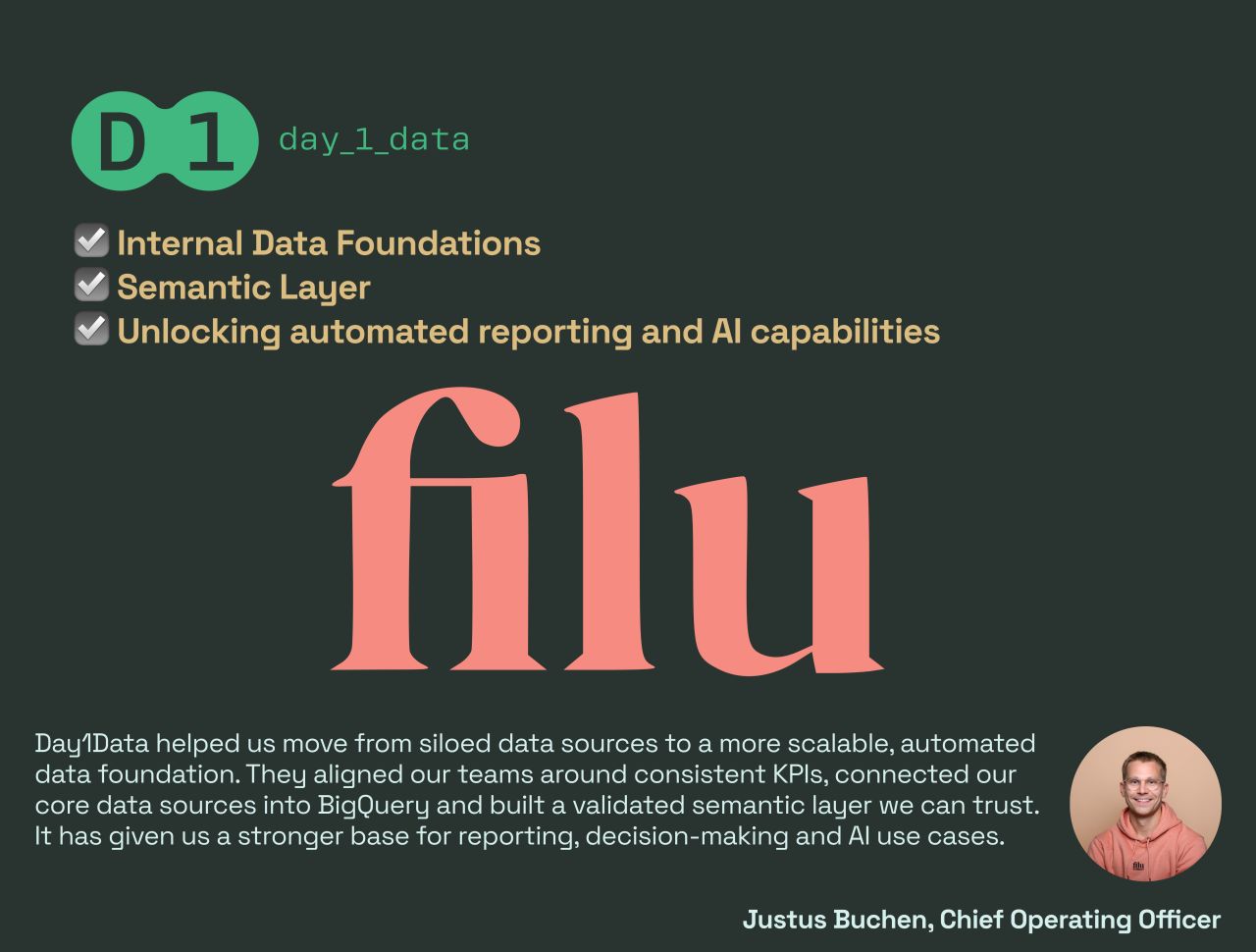
I talk a lot about Marketing Analytics, but we’re seeing more and more demand for our Data Foundations work. The reason is because companies want to internalise their data stack, connect siloed sources and create the foundations needed to use AI properly across the business. A good example is our work with filu, a fast-growing, tech-enabled veterinary group. Their data had outgrown manual Google Sheets reporting, and they needed a more scalable foundation for decision-making. We helped build that foundation by: ⚈ Aligning teams around consistent KPIs (fully defined and documented KPI catalogue) ⚈ Syncing and joining core data sources into BigQuery ⚈ Creating a validated semantic layer ⚈ Adding automated testing so the numbers could be trusted ⚈ Unlocking automated reporting & AI capabilities See the full case study here 👉 https://lnkd.in/ezpryZ5w
- LINKEDIN · IMAGERecorded 15 Sept 2026
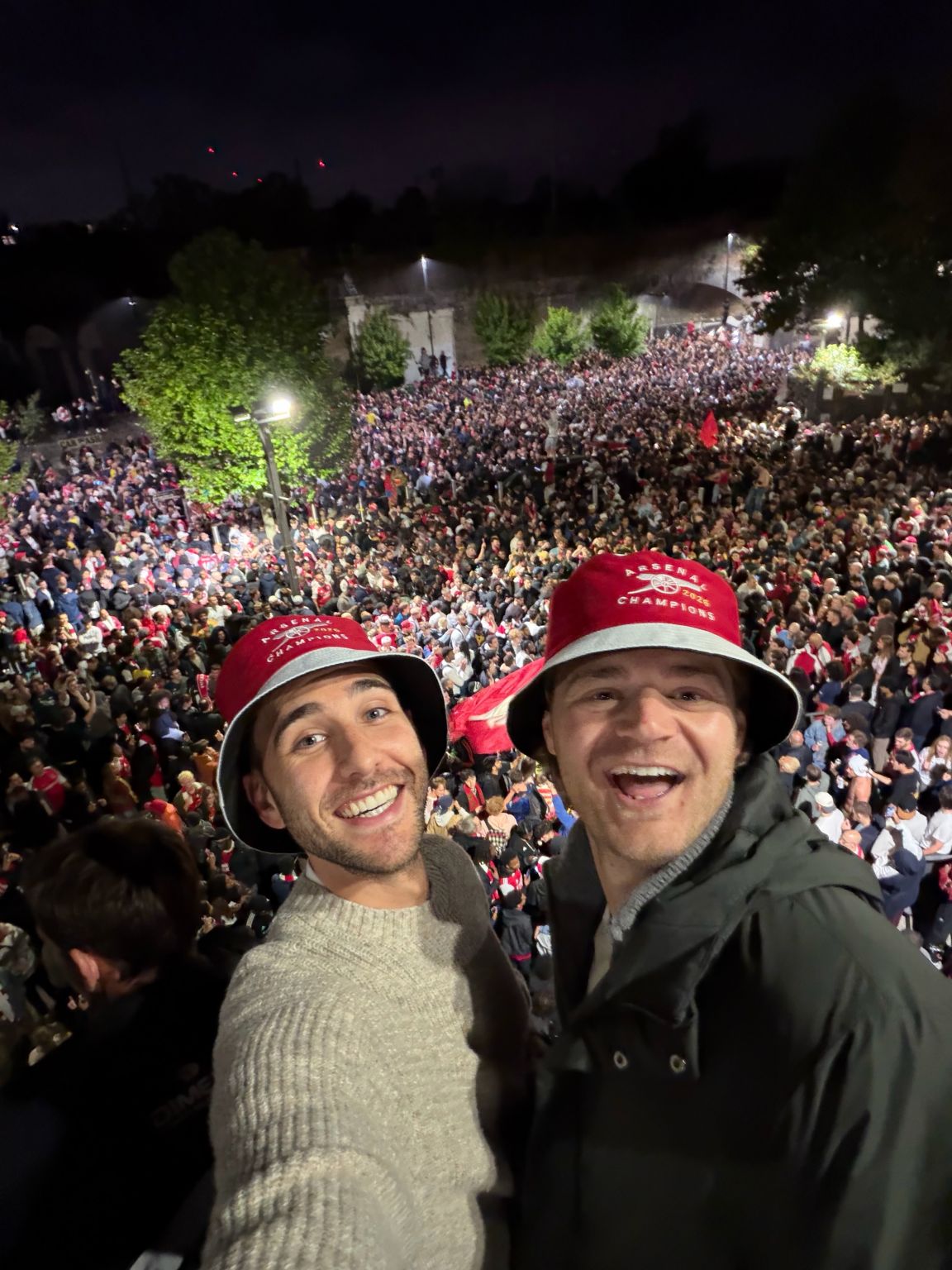
I think the most dangerous phrase in marketing is probably: “We think it’s working.” Not because instinct is bad. (Some of the best growth decisions are instinctive.) But because most businesses say this while spending lots and lots of money. You see it all the time with brand activity: Out-of-home, Influencers, Sponsorships, Awareness campaigns. The business can high-level feel the impact through traffic or search volume, but nobody can properly quantify the contribution, so the conversation becomes very subjective, very quickly. - Marketing typically believes in it. - Finance aren't sure of the ROI. - Leadership sits somewhere in the middle, and connects with it on an emotional level. This is what pushes brands towards marketing science (MMM and incrementality testing) to prove marketing works but also to understand which parts of it are creating the incremental growth. I personally think....why think it's working, when you can actually find out what's working and use that to guide future strategies! PS: unrelated Arsenal pic to aura farm 🏆 🏆 🏆 🏆
- LINKEDIN · IMAGERecorded 15 Sept 2026
Spoke to a marketing director recently who ran a big out-of-home campaign in London before Xmas - tube takeovers, gateway sites, taxis. Boxing Day came around and they were 150% above forecast! She's pretty sure the campaign drove it but nobody else around the table believes her 🥲 The frustrating thing is she's probably right - but without a measurement framework, there's no way to prove causality. The board moves on and next year the OOH budget might get squeezed because "we couldn't show the ROI." The thing with offline media is that the test design ideally happens before the campaign goes live, but even retroactively, there's usually something worth measuring. It just gives you a much cleaner answer when it's built in from the start. If you've got TV, out-of-home, audio or event spend planned in the next few months and you want to prove what it did….time to build the measurement plan: https://lnkd.in/eBde9EmH
- LINKEDIN · IMAGERecorded 15 Sept 2026
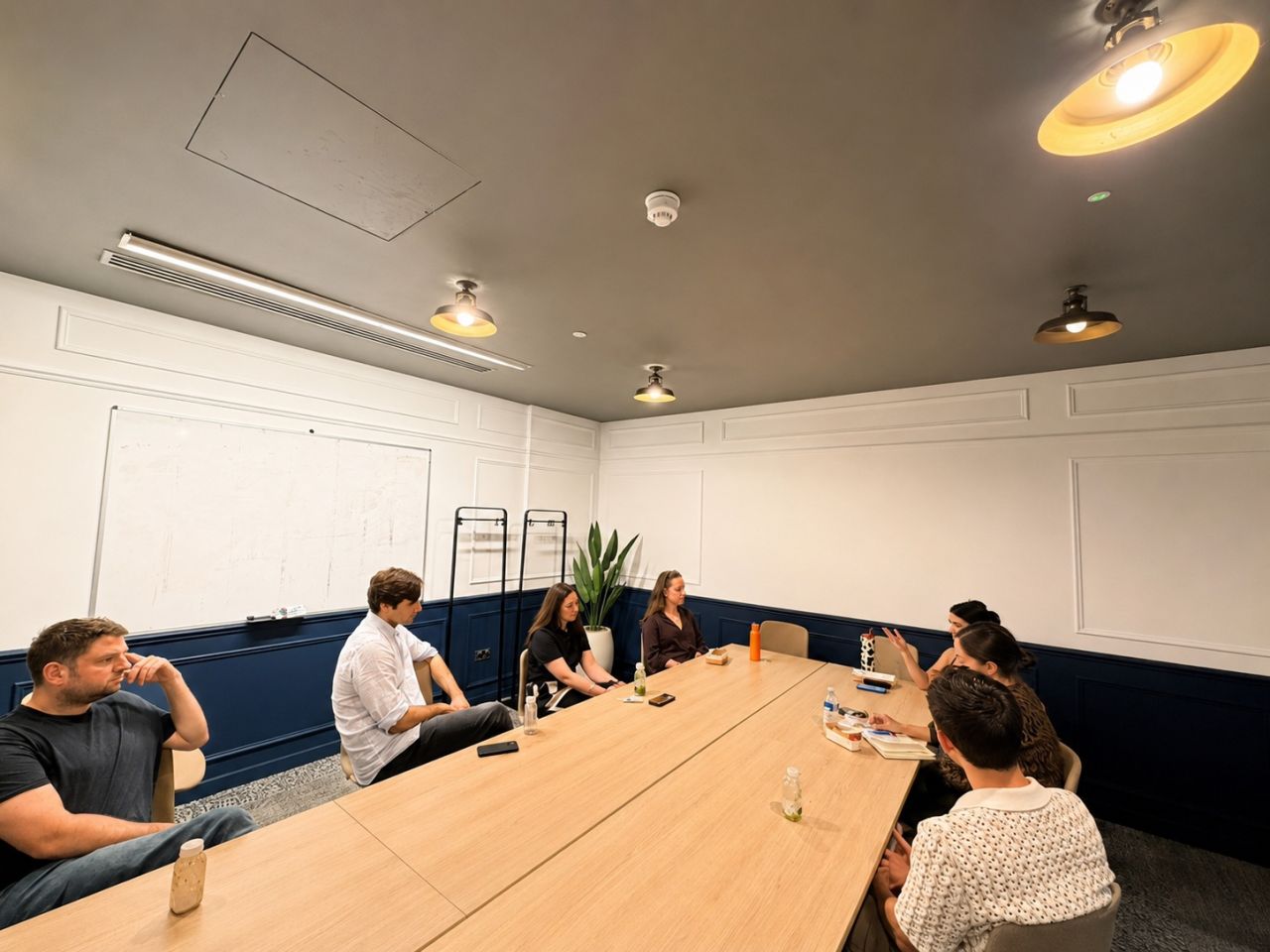
Last week, we organised an Influencer marketing roundtable with CMOs, VPs & Head ofs. Here are my top 5 takeaways from the conversation: 1. Influencer marketing has split into two very different jobs: performance and trust-building: Micro-creators are increasingly being used as paid social creative, while bigger influencers or celebrities only really work when they create credibility, trust or cultural relevance. Treating all influencer activity as one channel is too blunt. 2. The market is suffering from influencer fee inflation: Several people said influencer pricing has become hard to justify, especially when large brands overpay and reset expectations across the market. The best opportunities still exist, but brands need much sharper negotiation, better data and clearer benchmarks. 3. The best performing creative is often not the most polished creative: Multiple examples came up where “annoying”, raw or over-the-top creator content outperformed more brand-safe, aesthetic content. The key distinction was: is it controversial or off-brand, or is it just not what marketers personally like? 4. Customer-led creator programmes may be the most underused opportunity: One of the strongest themes was identifying real customers with influence, strong retention or genuine love for the brand, then turning them into creators. This creates content that feels more authentic than agency-sourced influencer work and can scale more efficiently. (Great point Gaston!) 5. Measurement needs triangulation, not one perfect answer: Promo codes, GA4, Shopify, post-purchase surveys, TikTok Shop data, MMM, incrementality testing and search trends all capture different parts of the story. The most mature approach is not picking one source of truth, but combining them to understand short-term sales, halo effects and longer-term demand creation. Great to see you Gastón Tourn, Siobhan North, Caroline Schaaf, Fiona Macpherson, Markella Apergi, Sam Jacobs, Zak Scott Kay.

6 of 55 adsSign up to see every Day1data ad, filter by format and date, and get alerts on new ones.
See all 55 adsWatch the companies you care about.
Filter every ad by industry, country, format and network, and get alerts when a company you watch starts running new ads.