On air · 2 of 3 networks
Credit Benchmark
- creditbenchmark.com
- Fintech & Financial Services
- GB
- 70 employees
Credit Benchmark’s ads on LinkedIn, Meta and Google, recorded by adsrunning. Browse the latest here for free. Sign up free to see all 82. Watch Credit Benchmark with Starter to get each new one in your feed.
Watchlist with Starter · $49/mo
| Network | Status | Live ads | Nov 2025LinkedIn activity · 52 weeksOct 2026 | Checked | Next step |
|---|---|---|---|---|---|
| Running | 55 | Checked 29 Oct 2026 | See all 82 ads → | ||
| Meta | Not checked | — | |||
| Running | 16 | Ads on the Google Ads Transparency Center | Checked 26 Oct 2026 | Collect them with the API → |
Credit Benchmark has 55 live LinkedIn ads. We recorded 16 Google ads on 26 Oct 2026.
Latest ads
- LINKEDIN · IMAGESince 14 Oct 2026
The PRA is intensifying model reviews. Year-end ORSA submissions must be forward-looking, granular, and defensible. Discover how consensus credit data helps insurers: ✔ Build PRA-aligned stress scenarios ✔ Benchmark unrated exposures ✔ Avoid costly capital add-ons
- LINKEDIN · IMAGESince 14 Oct 2026
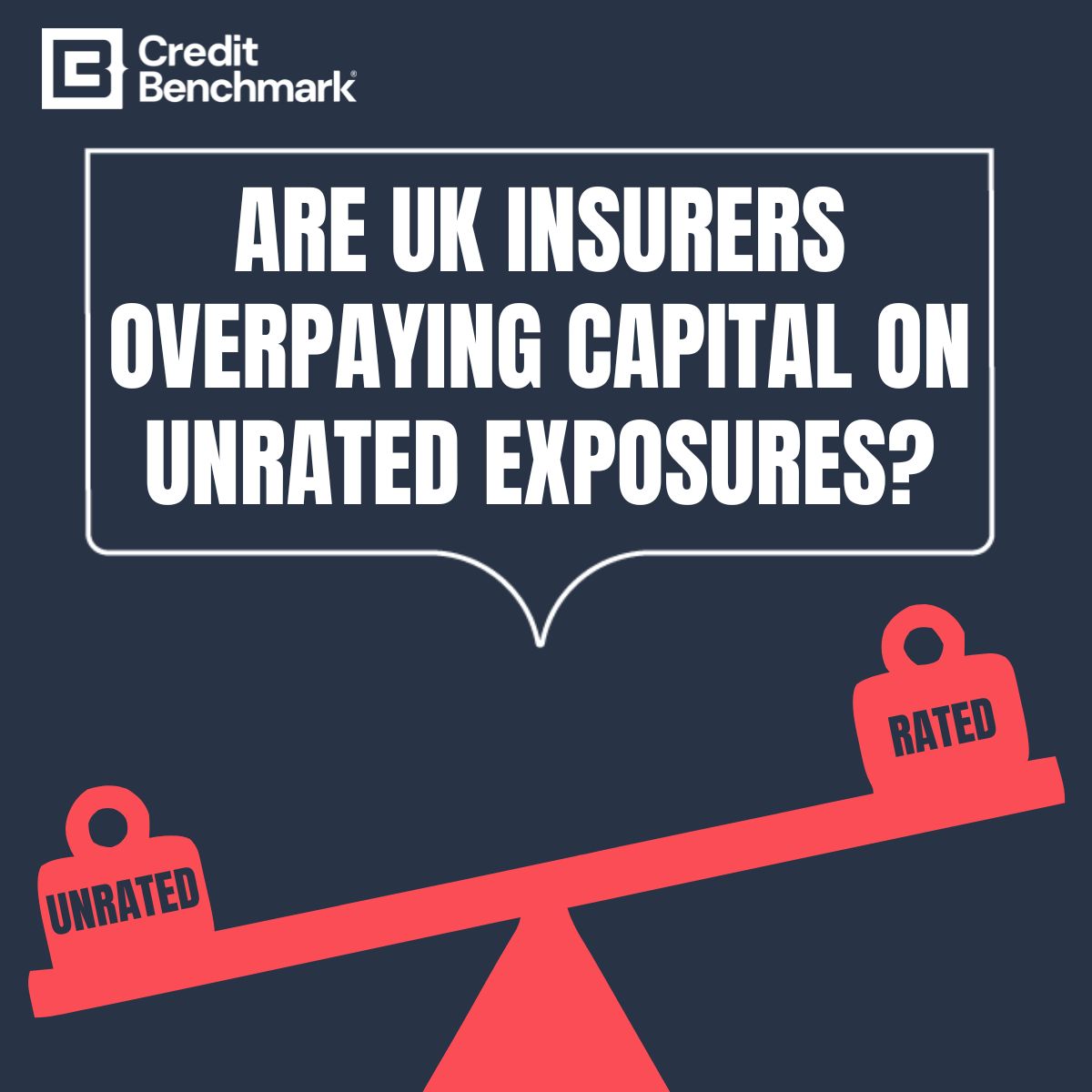
97% of European corporates are unrated, driving capital charges 2–3x higher than rated equivalents under Solvency UK. Our new guide shows how UK insurers are: ✔ Reducing capital drag ✔ Strengthening PRA dialogue ✔ Improving competitiveness in the £40bn+ PRT market
- LINKEDIN · IMAGESince 14 Oct 2026
How confident are you in the creditworthiness of the obligors you insure, particularly when public ratings leave gaps? Credit Benchmark provides independent, bank-sourced credit intelligence across private, unrated, and thinly covered entities. One Lloyd's specialty CPR insurer used broader coverage to increase underwriting activity, while weekly updates strengthened monitoring and management reporting.
- LINKEDIN · IMAGESince 9 Sept 2026
The Private Market Visibility Gap Has Capital Implications. As private markets expand, independent reference points for assessing credit risk have not kept pace. Among U.S. life insurers, privately rated holdings grew from $46 billion in 2018 to $481 billion in 2025, with more than 96% carrying no contemporaneous public rating. Recent Columbia Business School research shows why that matters: when there’s no independent benchmark, credit assessments can be more optimistic and take longer to reflect signs of deterioration - potentially affecting how capital is managed. Credit Benchmark’s credit consensus ratings provide an independent reference point where traditional coverage is sparse, helping risk teams identify divergences, prioritize further analysis, and strengthen oversight. Private doesn’t automatically mean riskier. It means risk can be harder to verify independently. Much of private market credit isn’t necessarily mis-rated. It’s under- benchmarked. Read our latest paper, The Transparency Gap in Private Markets, linked in the comments
- LINKEDIN · IMAGESince 11 Aug 2026
Internal models are designed to differentiate risk. But without an independent benchmark, it's difficult to determine whether grading practices are becoming more conservative, more aggressive, or simply drifting away from the market. Credit Benchmark transforms the internal credit assessments of 40+ leading global banks into an independent Consensus Rating, providing an objective reference point across 120,000+ public and private entities. Banks are using Consensus data to: - Benchmark internal risk grades and identify model drift - Strengthen IRB model development, validation and governance - Support Significant Risk Transfer (SRT) and capital optimization - Provide independent evidence for supervisory reviews, including ICAAP, SREP and CCAR - Improve risk and capital decisions across portfolios and counterparties Our bank overview explains how leading institutions are embedding bank-sourced consensus intelligence across the credit lifecycle.
- LINKEDIN · IMAGESince 24 Jul 2026
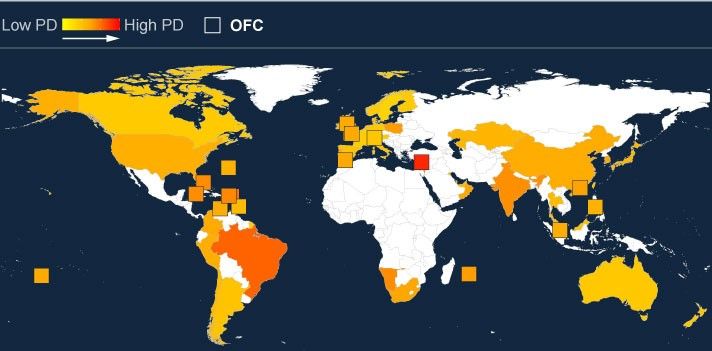
Widening the Lens: Why Transparency in NBFIs Matters The Bank of England's recent research on mapping default risk across non-bank financial institutions (NBFIs) underscores a growing challenge for regulators and financial institutions: understanding interconnected credit risk across markets where many entities are private, unrated, and difficult to assess. The paper draws on Credit Benchmark's consensus credit data to help quantify default risk where traditional ratings and market-based measures have limited coverage. More broadly, it highlights the increasing need for objective credit insight across less transparent parts of the financial system. As the role of NBFIs continues to expand, independent, bank-derived consensus credit data can help support financial stability analysis, risk modelling, and portfolio surveillance where conventional measures leave important gaps. Read the paper: https://lnkd.in/eq9vBvj2 #FinancialStability #CreditRisk #NBFI #Banking #PrivateMarkets



6 of 82 adsSign up to see every Credit Benchmark ad, filter by format and date, and get alerts on new ones.
See all 82 adsWatch the companies you care about.
Filter every ad by industry, country, format and network, and get alerts when a company you watch starts running new ads.