On air · 1 of 3 networks
Cortado Group
- cortadogroup.com
- Professional Services
- US
- 37 employees
Cortado Group’s ads on LinkedIn, Meta and Google, recorded by adsrunning. Browse the latest here for free. Sign up free to see all 104. Watch Cortado Group with Starter to get each new one in your feed.
Watchlist with Starter · $49/mo
| Network | Status | Live ads | Nov 2025LinkedIn activity · 52 weeksOct 2026 | Checked | Next step |
|---|---|---|---|---|---|
| Running | 87 | Checked 30 Oct 2026 | See all 104 ads → | ||
| Meta | Not checked | — | |||
| None recorded | 0 | No ads found on the Google Ads Transparency Center | Checked 26 Oct 2026 | Collect them with the API → |
Cortado Group has 87 live LinkedIn ads. We recorded no Google ads on 26 Oct 2026.
Latest ads
- LINKEDIN · IMAGESince 19 Dec 2025
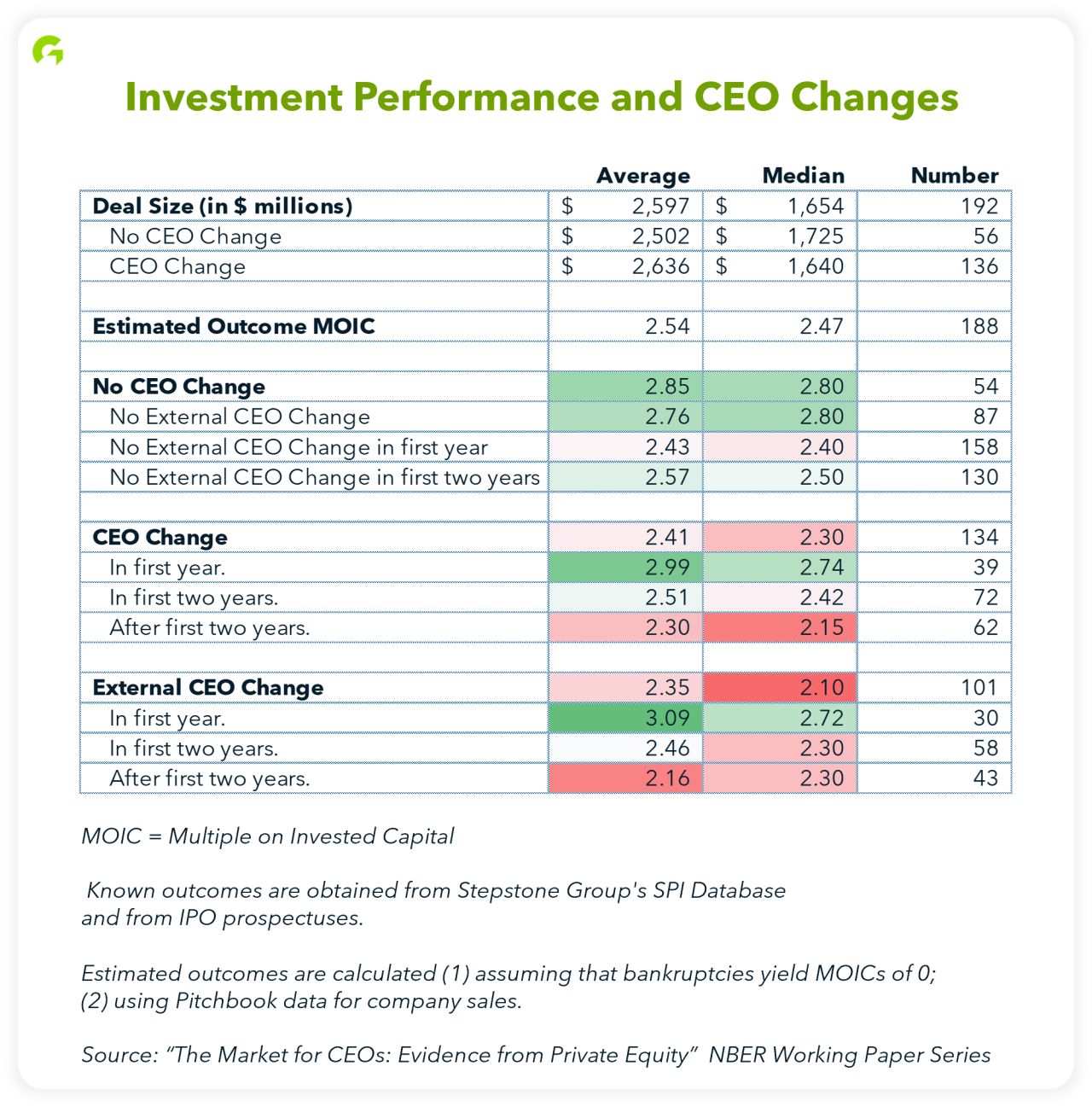
One Private Equity KPI is Multiple on Invested Capital (MOIC). Let’s consider the relationship between MOIC and the CEO. PE firms invest in both the company and its leader. When it comes to performance, perception and reality are not always aligned. CEO changes are common. This creates a negative relation between performance and CEO changes. (Or as I suggested in my last post, cultural or personality conflict). The table below shows the relationship between CEO and MOIC. Deals with no CEO changes perform very well with an average (median) MOIC of 2.85 (2.80). This exceeds the performance of deals with CEO changes by 0.43 which is economically large although not statistically significant. Deals that bring in an external CEO more than two years after the initial investment make money with an average MOIC of 2.15 and a median MOIC of 2.30. Deal with CEO changes in the first year are particularly successful. And the deals that bring in an external CEO in the first year are the most successful. These deals have an average (median) MOIC of 3.09 (2.72). The average is 0.65 greater than deals that do not bring in an external CEO initially. And this difference is statistically significant at the10% level. This data suggests that private equity investors are able to recognize and hire high quality external CEOs. #pe #privateequity #talent
- LINKEDIN · IMAGESince 19 Dec 2025
Private Equity could learn a few things from Punk rock's infamous "mosh pit." From the outside, they look like violent chaos. But from the inside, the pit is a self-regulated space for honest expression. It is a productive conversation between listener and music; between listener and "the way things are." It is the challenge to the status quo. Great founders foster a mosh pit of liberated ambition. That is the value system that made for a great investment. Ironically, that very strength is immediately viewed as a threat once purchased by PE. Founder is out, new hire is in. Everyone falls in line. In PE, more than 75% of new CEOs are external hires and 65% are complete outsiders. (Compared to 72% of CEOs in S&P 500 companies are internal promotions.)* Yet on average, that change isn't always the best idea. For example, the multiple on invested capital (MOIC) with the existing CEO outpaces the alternative. - avg. 2.85 MOIC = No CEO change - avg. 2.35 MOIC = External CEO change An investment in that troublemaker CEO includes the culture of fearless execution. That is the mosh pit only the very best companies have. Learn from the mosh pit. *Source: "The Market for CEOs: Evidence from Private Equity" (NBER, 2023)
- LINKEDIN · IMAGESince 19 Dec 2025
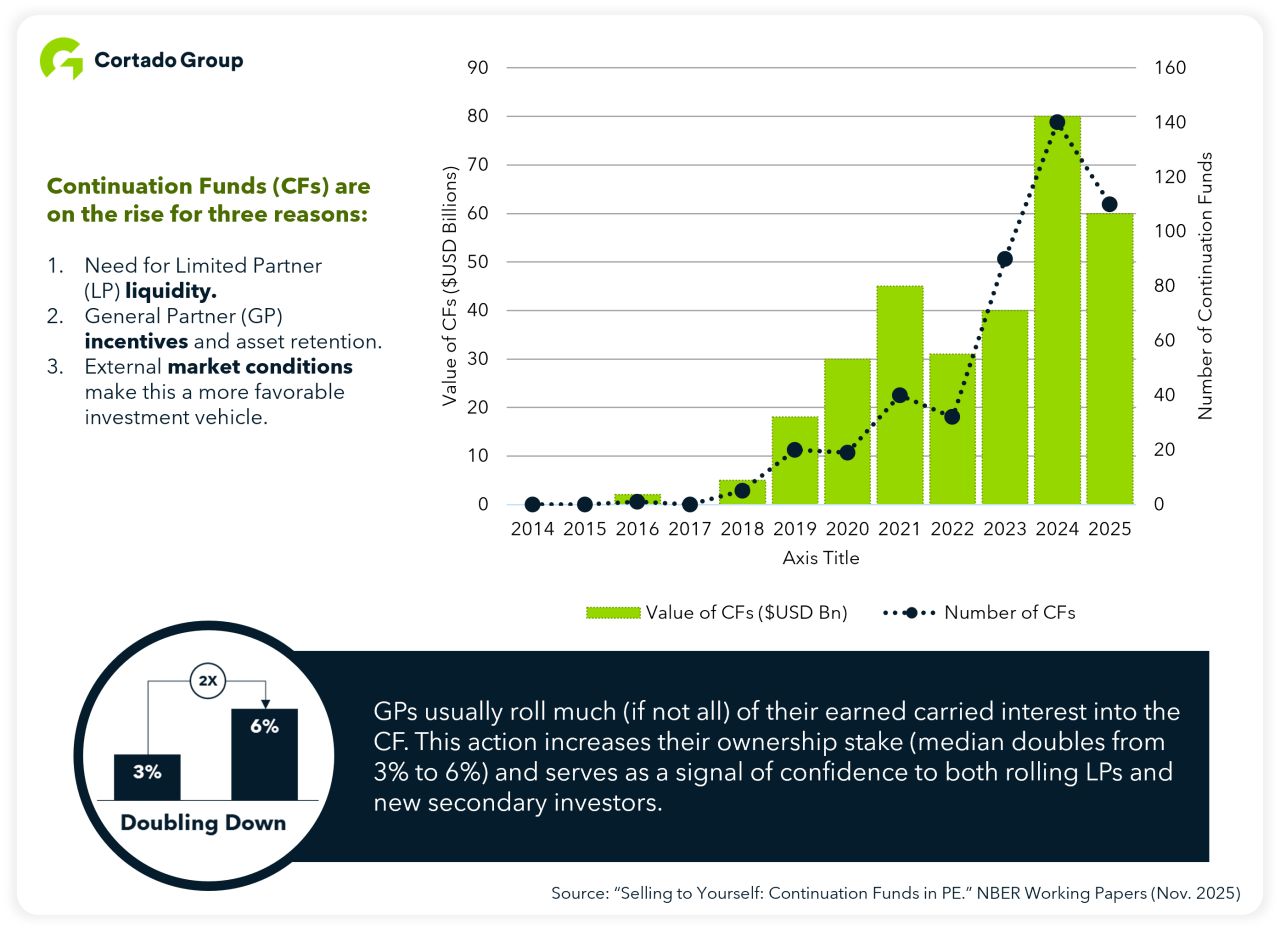
PE Firms are doubling down on Continuation Funds (CFs) more than ever. They must increase their odds of success. When General Partners (GPs) want to keep an asset, they almost always increase their ownership stake (median range from 3% to 6%). They are doubling down on an already lucrative asset. It would be a huge mistake to let the bet ride without increasing the odds of success. The GP needs to maximize the returns on that 6% by increasing revenue growth performance. Working backwards from IRR, these are the exact levers you need to pull that can yield 5-15% to the topline: 1. Optimize pricing on an annual basis to further spread EBIDTA margin 2. Generate more opportunities at the top of the funnel will increased lead flow 3. Improve the pipeline with higher sales price, sales cycle length, and win rate It will work. So why are PE firms investing in CFs? There are three reasons: 1. Limited Partners (LP) need to liquidate from an old vintage fund 2. General Partners (GP) have a great asset and want to keep it 3. Attractive in well-capitalized secondary markets that value liquidity These funds are shorter in duration, which quickens cashflow: - Net IRR for a CF is 23.9% compared to 19.3% for a Legacy Fund. - Net Investment Multiple is in a CF indexes lower (1.59 vs. 2.00) Increase your odds when you increase your bet. #pe #privateequity Source credit to: National Bureau of Economic Research
- LINKEDIN · IMAGESince 10 Dec 2025
🦈 Deal Theses & Great Whites: Both Can Smell Fear If you ever need a break from board meetings, underperforming GTM teams, and “crappy data,” I highly recommend scuba diving with a great white shark. Look, we’re all swimming with sharks—figuratively most days, literally in my case here. As an Operating Partner (or a CEO trying to hit that stretch deal thesis), it can feel like everything’s out to bite you: Unrealistic growth targets? Check. Founders who still act like it’s Day 1? Check. Another CRM “initiative” with no pipeline impact? Yep. But here’s what diving reminds me: You can’t accelerate growth if you’re already out of air. Take time to recharge. Think. Laugh at the absurdity of it all. And then go back in the water—with a sharper spear gun and a better sense of direction. Because we’ve got deals to realize and peers to outperform. What’s your version of diving with sharks? #PrivateEquity #OperatingPartner #Leadership #ExitReady #GrowthMindset #PEportfolio #BurnoutRecovery #CEOcoach #CortadoGroup
- LINKEDIN · IMAGESince 8 Dec 2025
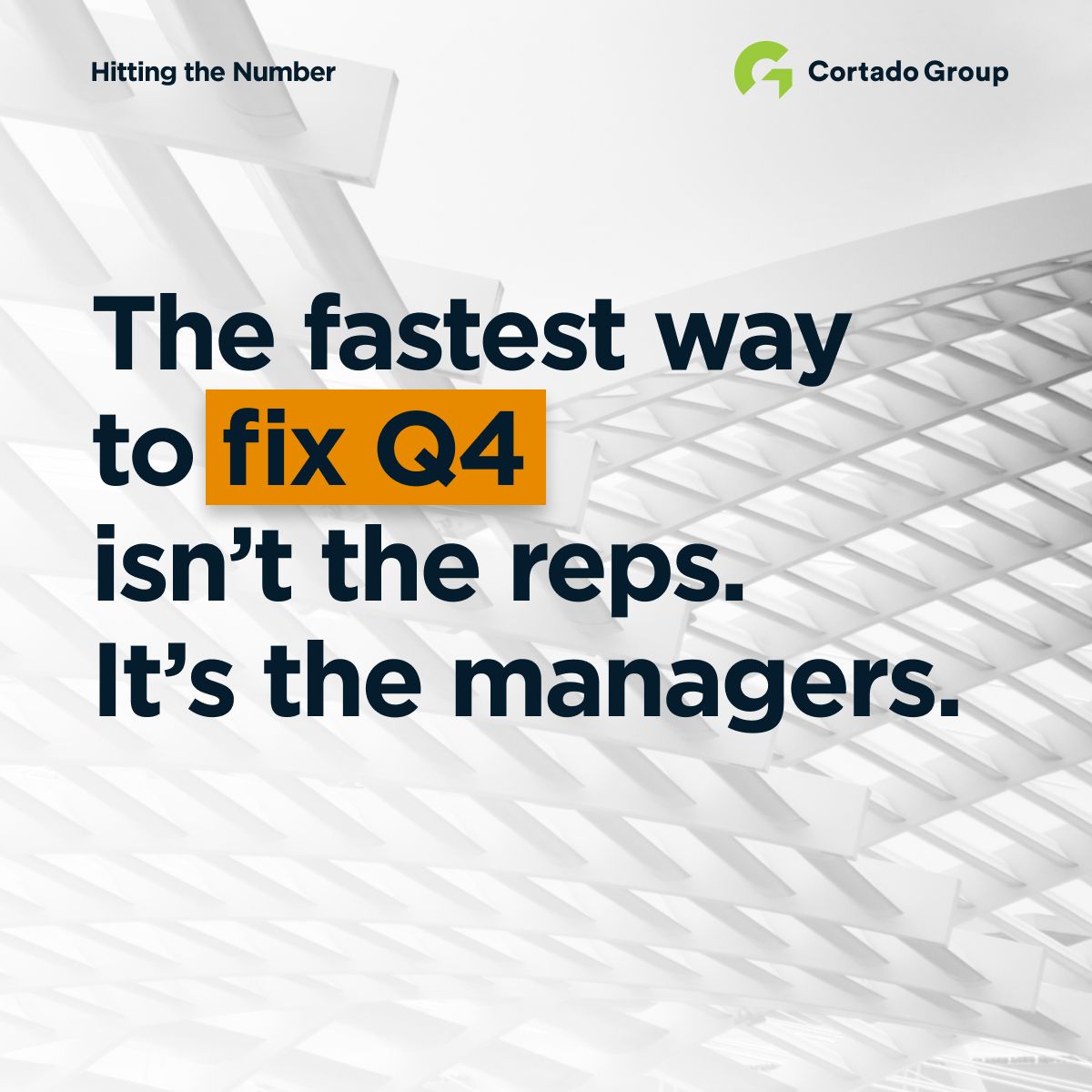
The fastest way to fix Q4 isn’t the reps. It’s the managers. Reps execute. Managers multiply. When Q4 pressure hits, the difference between missing and making the number usually comes down to manager effectiveness. Here’s why: • They run the one-on-ones that keep deals moving. • They lead the deal reviews that uncover blockers. • They coach the pipeline discipline that drives accuracy and focus. If your managers aren’t doing these well or aren’t doing them at all, no amount of top-down pressure will change the outcome. The fix isn’t more dashboards or all-hands calls. It’s coaching the coaches. High-performing firms treat manager enablement like a system, not an afterthought. 👉 𝘞𝘩𝘢𝘵’𝘴 𝘵𝘩𝘦 #1 𝘴𝘬𝘪𝘭𝘭 𝘺𝘰𝘶𝘳 𝘴𝘢𝘭𝘦𝘴 𝘮𝘢𝘯𝘢𝘨𝘦𝘳𝘴 𝘯𝘦𝘦𝘥 𝘪𝘯 𝘤𝘳𝘶𝘯𝘤𝘩 𝘵𝘪𝘮𝘦?
- LINKEDIN · IMAGESince 8 Dec 2025
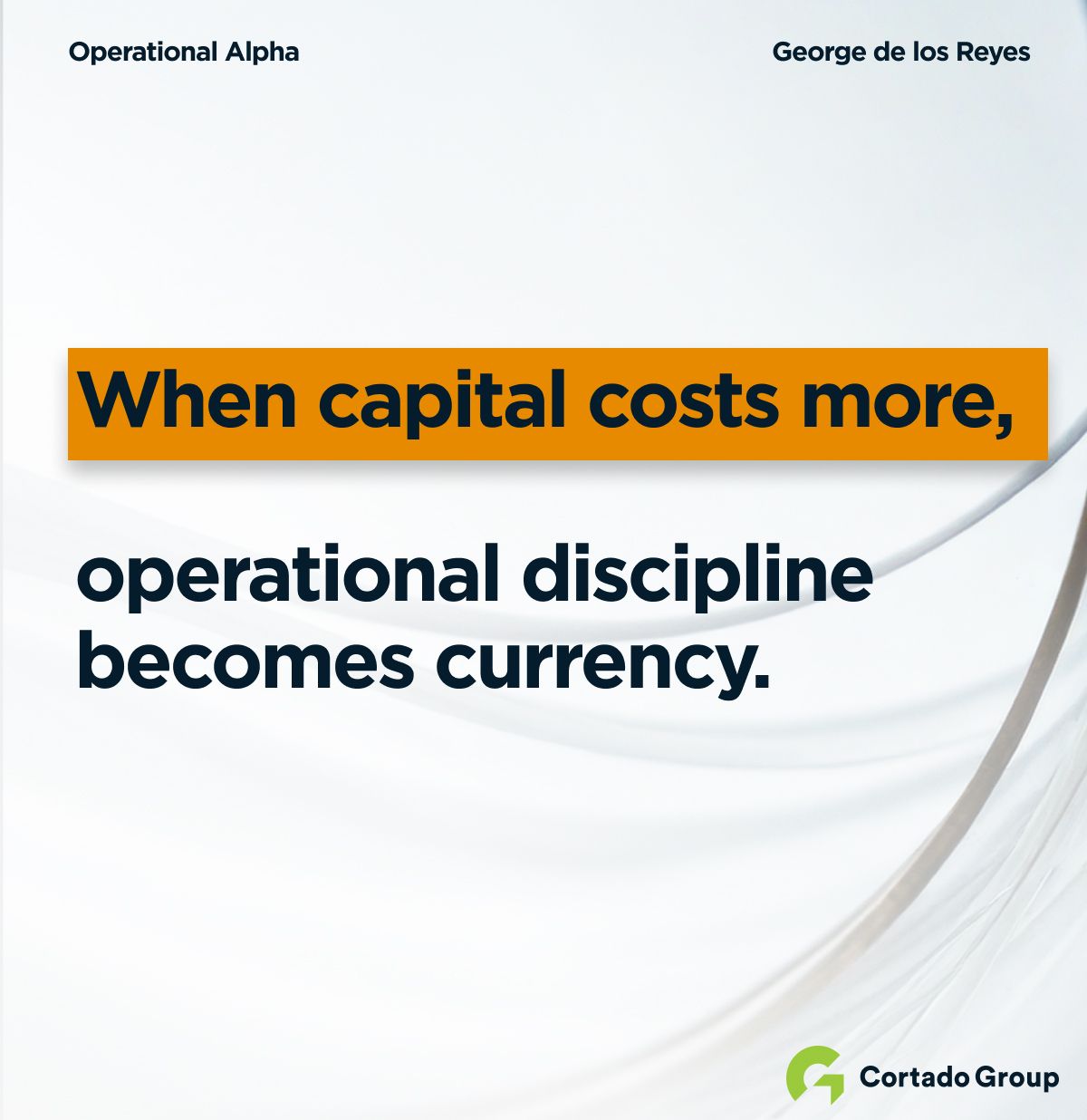
When capital costs more, discipline is currency. Show a 12-month payback or it does not get funded. What I am seeing: deal partners and CEOs are backing short, sharp interventions that move numbers they can defend in an IC. Plans are nice. Only execution buys time. 𝐇𝐨𝐰 𝐈 𝐬𝐨𝐥𝐯𝐞 𝐢𝐭 𝟏) 𝐅𝐨𝐜𝐮𝐬 𝐚𝐧𝐝 𝐜𝐨𝐯𝐞𝐫𝐚𝐠𝐞 𝐭𝐨 𝐫𝐚𝐢𝐬𝐞 𝐫𝐞𝐩 𝐞𝐟𝐟𝐢𝐜𝐢𝐞𝐧𝐜𝐲 𝟏𝟎–𝟐𝟎 𝐩𝐞𝐫𝐜𝐞𝐧𝐭 Define a crisp ICP, align territories and roles to it, and park low-propensity accounts. Sellers get more time with the right buyers. Activity turns into revenue faster. 𝟐) 𝐏𝐫𝐢𝐜𝐢𝐧𝐠 𝐝𝐢𝐬𝐜𝐢𝐩𝐥𝐢𝐧𝐞 𝐭𝐨 𝐥𝐢𝐟𝐭 𝐦𝐚𝐫𝐠𝐢𝐧 𝟏𝟓𝟎–𝟑𝟎𝟎 𝐛𝐩𝐬 Install real guardrails. Floor and target. Approvals that stick. Deal reviews that coach to willingness to pay, not habit. Small mix and discount moves show up in EBITDA quickly. 𝟑) 𝐅𝐨𝐫𝐞𝐜𝐚𝐬𝐭 𝐜𝐨𝐧𝐭𝐫𝐨𝐥 𝐭𝐨 𝐜𝐮𝐭 𝐌𝐀𝐏𝐄 𝟑𝟎–𝟓𝟎 𝐩𝐞𝐫𝐜𝐞𝐧𝐭 Run a simple operating rhythm. Weekly pipeline hygiene. Stage exit criteria. Commit reviews that reconcile top-down with bottoms-up. Finance and the board stop guessing. Then document the before and after. No theatrics. Just visible payback inside the year.


6 of 104 adsSign up to see every Cortado Group ad, filter by format and date, and get alerts on new ones.
See all 104 adsWatch the companies you care about.
Filter every ad by industry, country, format and network, and get alerts when a company you watch starts running new ads.