On air · 2 of 3 networks
Codefine International SA
- codefine.com
- Industry & Manufacturing
- CH
- 36 employees
Codefine International SA’s ads on LinkedIn, Meta and Google, recorded by adsrunning. Browse the latest here for free. Sign up free to see all 22. Watch Codefine International SA with Starter to get each new one in your feed.
Watchlist with Starter · $49/mo
| Network | Status | Live ads | Nov 2025LinkedIn activity · 52 weeksOct 2026 | Checked | Next step |
|---|---|---|---|---|---|
| None recorded | 0 | Checked 30 Oct 2026 | See all 22 ads → | ||
| Meta | Running | 7 | Active ads on the Meta Ad Library, all countries | Checked 27 Oct 2026 | Collect them with the API → |
| Running | 22 | Ads on the Google Ads Transparency Center | Checked 25 Oct 2026 | Collect them with the API → |
Codefine International SA has no live LinkedIn ads. Its Facebook page had 7 active ads on 27 Oct 2026, and we recorded 22 Google ads on 25 Oct 2026.
Latest ads
- LINKEDIN · IMAGESince 21 Jul 2026
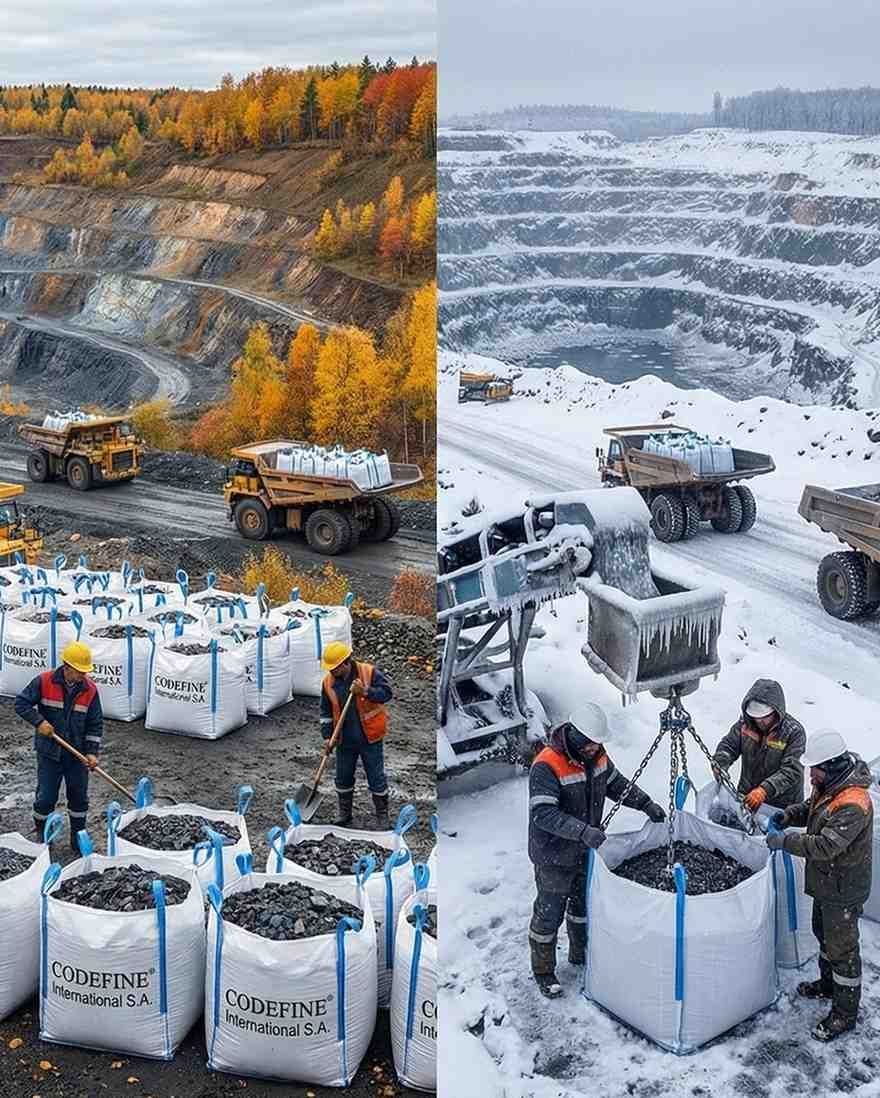
A bulk bag that costs a few dollars will always look expensive next to a 25 kg sack that costs a few cents. The problem is: that comparison stops at the price tag. A 1 ton FIBC replaces around 40 small bags. By the time you add bag cost, pallets, stretch wrap, fill and empty labor, forklift time, freight, warehouse space, and product lost from torn seams, the “cheaper” option often turns out to be more expensive per ton. The article walks through every cost category in detail: filling and discharge labor, truck and container payload, pallet dead weight, stack height in the warehouse, small-bag failure rates, and where FIBCs clearly win, and where small bags still make sense, like true low-volume or retail scenarios. If you’re still comparing packaging formats on unit price, this is worth a look: 👉 https://lnkd.in/gPDka-WW #FIBC #BulkPackaging #ProductionEfficiency #SupplyChain #codefine
- LINKEDIN · IMAGESince 19 Jun 2026
Most people who work with bulk bags every day have never actually read the label on one. The numbers are there, the certifications are printed clearly, but unless someone has explained what they mean, they just look like noise. That's a problem - because an FIBC label tells you whether a bag is safe for your load, your product, and your application. SWL, SF, batch number, anti-static type, UN marking string, each one has a specific meaning that directly affects how the bag should be used. A 5:1 safety factor, for example, means single trip only. A Type C bag without grounding isn't just unprotected, it can actually concentrate static charge and create a higher ignition risk than no protection at all. We put together a complete guide that decodes every mark on a standard FIBC label, including the full UN marking string, so your procurement and ops teams know exactly what they're looking at. Worth sharing with anyone who buys or handles bulk bags: 👉 https://lnkd.in/gavBGq-J #FIBC #BulkPackaging #SupplyChain #ProcurementTips #codefine
- LINKEDIN · IMAGESince 4 Jun 2026
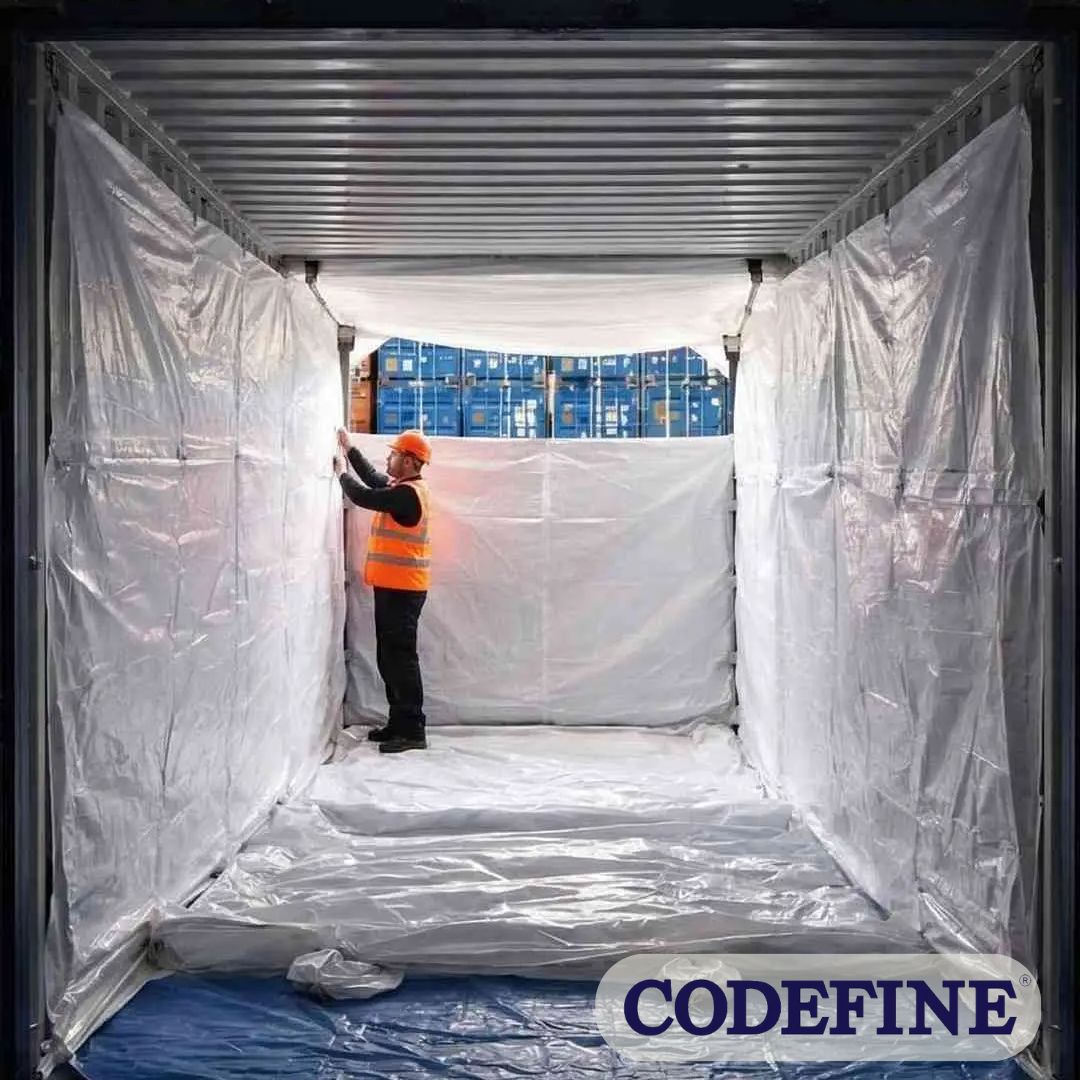
Most container liner failures are not a product defect. The liner was fine - the installation wasn't. Skipped anchor points, an unchecked container floor, and bracing bars in the wrong position are behind the vast majority of failures. The damage only shows up at the destination, which is the worst possible time to find it. A proper installation takes 30 to 45 minutes. That's enough time to get the rear anchors seated correctly, the bars running parallel, and the fabric evenly tensioned before a single kilo of product goes in. Skipping any of those steps means you're essentially gambling with your shipment. We put together a full step-by-step guide on how to install and remove a container liner correctly, including the most common failure points and how to avoid them. Worth sharing with your ops and logistics teams: 👉 https://lnkd.in/gjJESejR #ContainerLiners #BulkShipping #LogisticsOperations #SupplyChain #codefine
- LINKEDIN · IMAGESince 7 May 2026
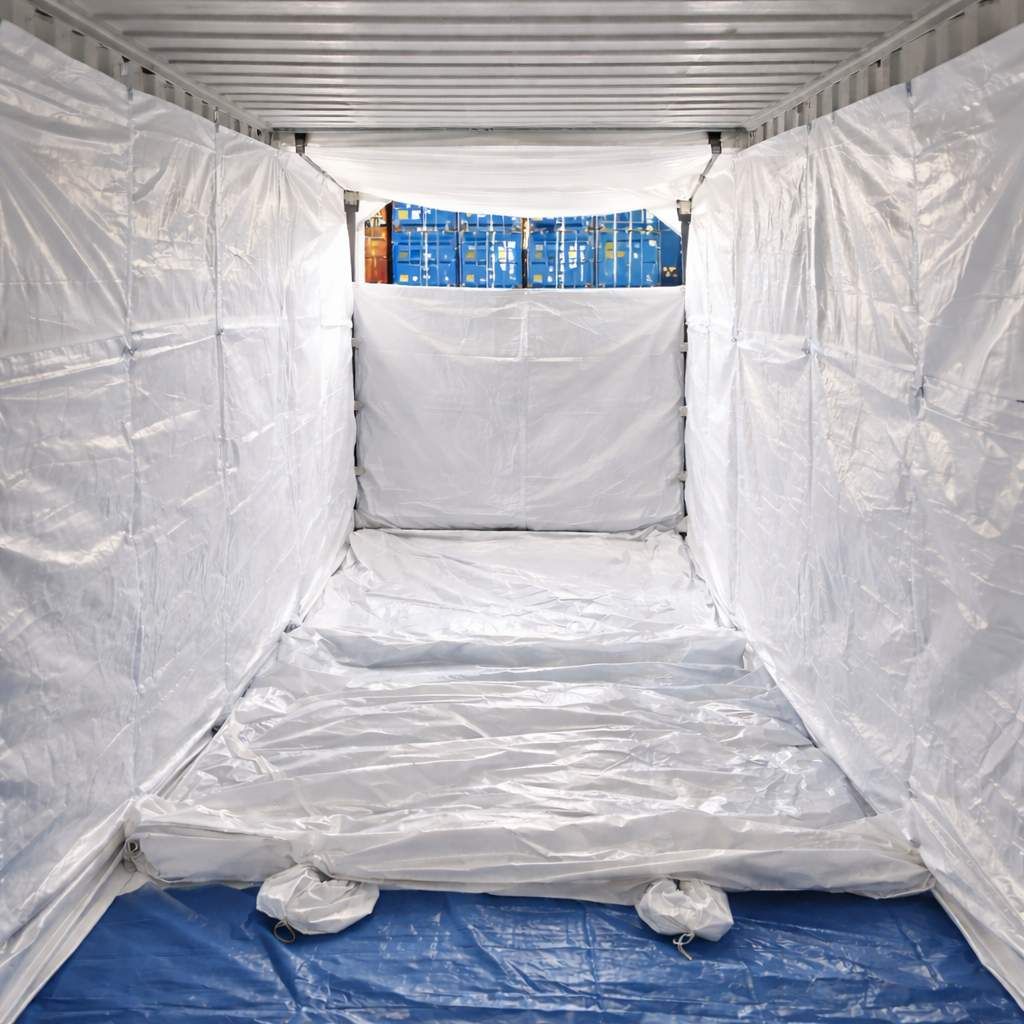
In bulk shipping, the time a container spends sitting empty and waiting to be cleaned is a direct hit to your profitability. If you are shipping agricultural commodities, chemicals, or mining materials, you know the drill. Scraping, washing, drying, and inspecting containers between loads burns hours, sometimes days, and drives up labor costs while reducing your shipment frequency. The easiest way to skip that entire process? Container liners. Instead of dealing with residue and contamination risks, the liner creates a complete barrier. Once the cargo is discharged, the liner is removed, and the container is immediately ready for the next load. We put together a breakdown of how container liners reduce turnaround time and improve your overall logistics velocity. Worth a look if you handle high-volume exports: 👉 https://lnkd.in/eD9e4ASD #BulkShipping #ContainerLiners #LogisticsEfficiency #SupplyChain #codefine
- LINKEDIN · IMAGESince 18 Apr 2026
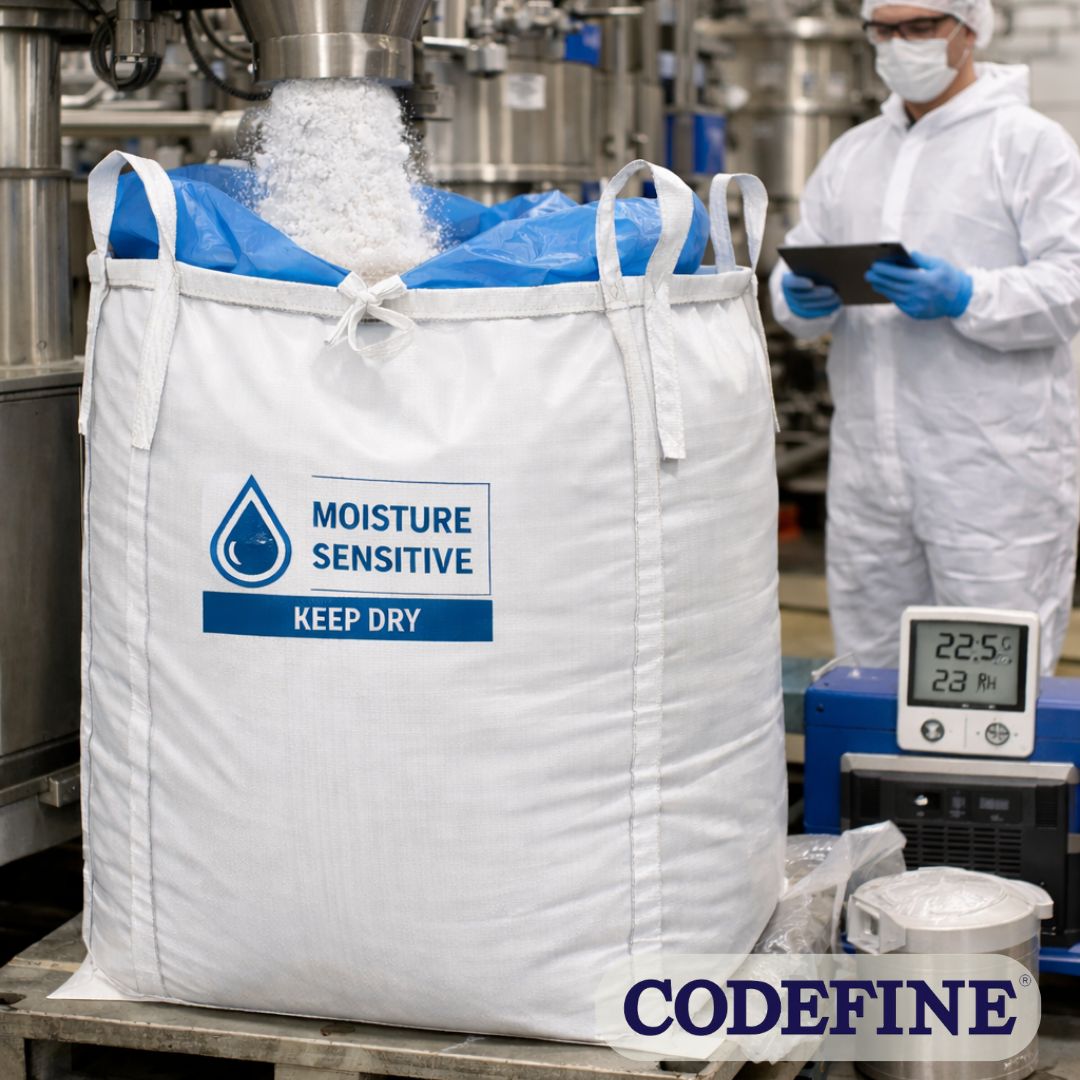
In chemical manufacturing, moisture is an invisible but highly destructive variable. If you are dealing with hygroscopic materials like fine chemical powders, specialty salts, or fertilizers, standard bulk packaging is a risk. Even minor humidity changes during storage or sea freight can cause caking, degradation, and blocked production lines. Protecting these materials requires more than just a heavy-duty bag. It takes the right combination of multi-layer or co-extruded liners, coated woven fabrics, and dust-tight seam construction to actually keep moisture out. We put together a guide on how to spec FIBCs for moisture-sensitive chemicals, including when to use aluminum barrier liners and how to manage static risks simultaneously. Worth a read before your next packaging review: 👉 https://lnkd.in/eUhuHF6u #ChemicalManufacturing #BulkPackaging #SupplyChain #ProcessEngineering #codefine
- LINKEDIN · IMAGESince 9 Mar 2026
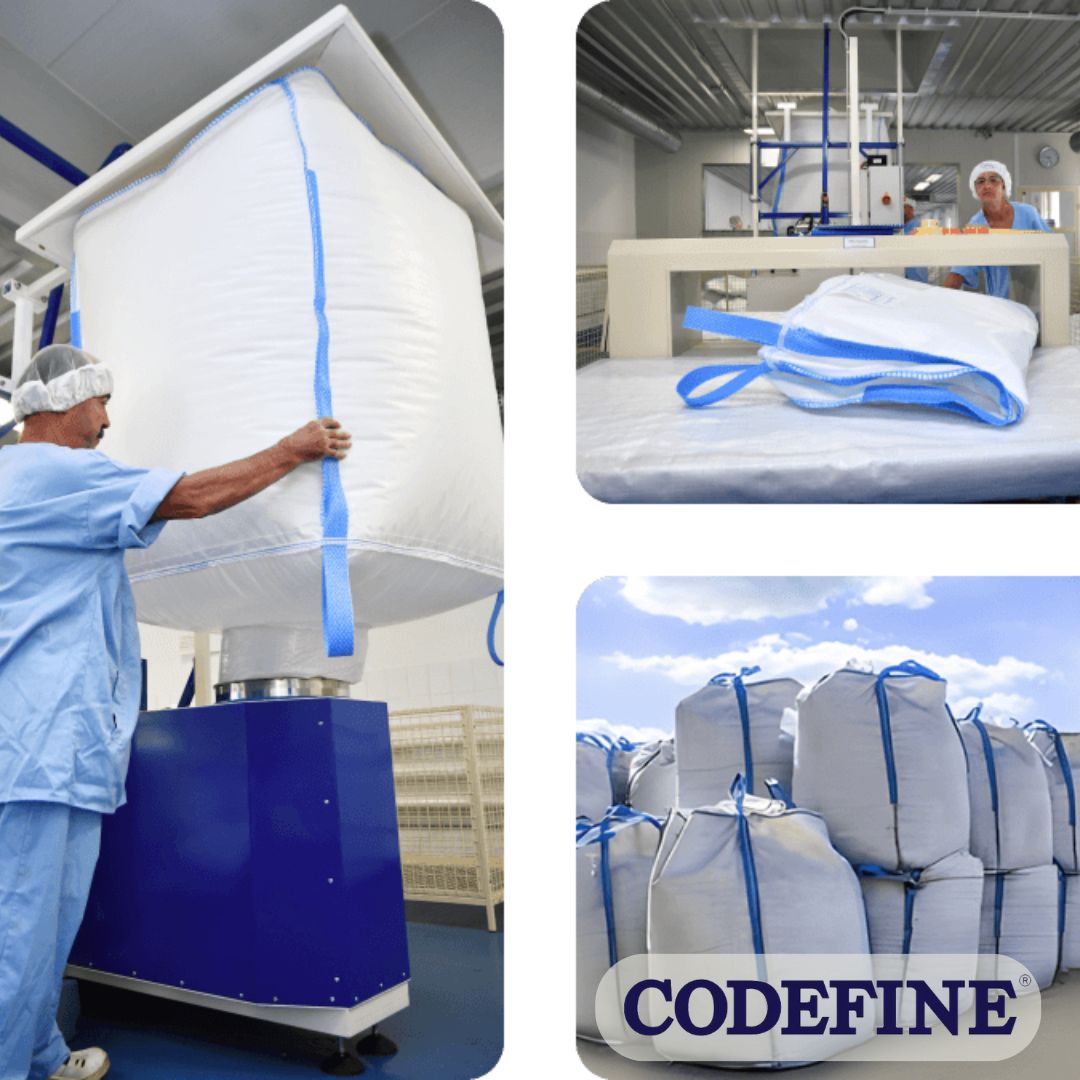
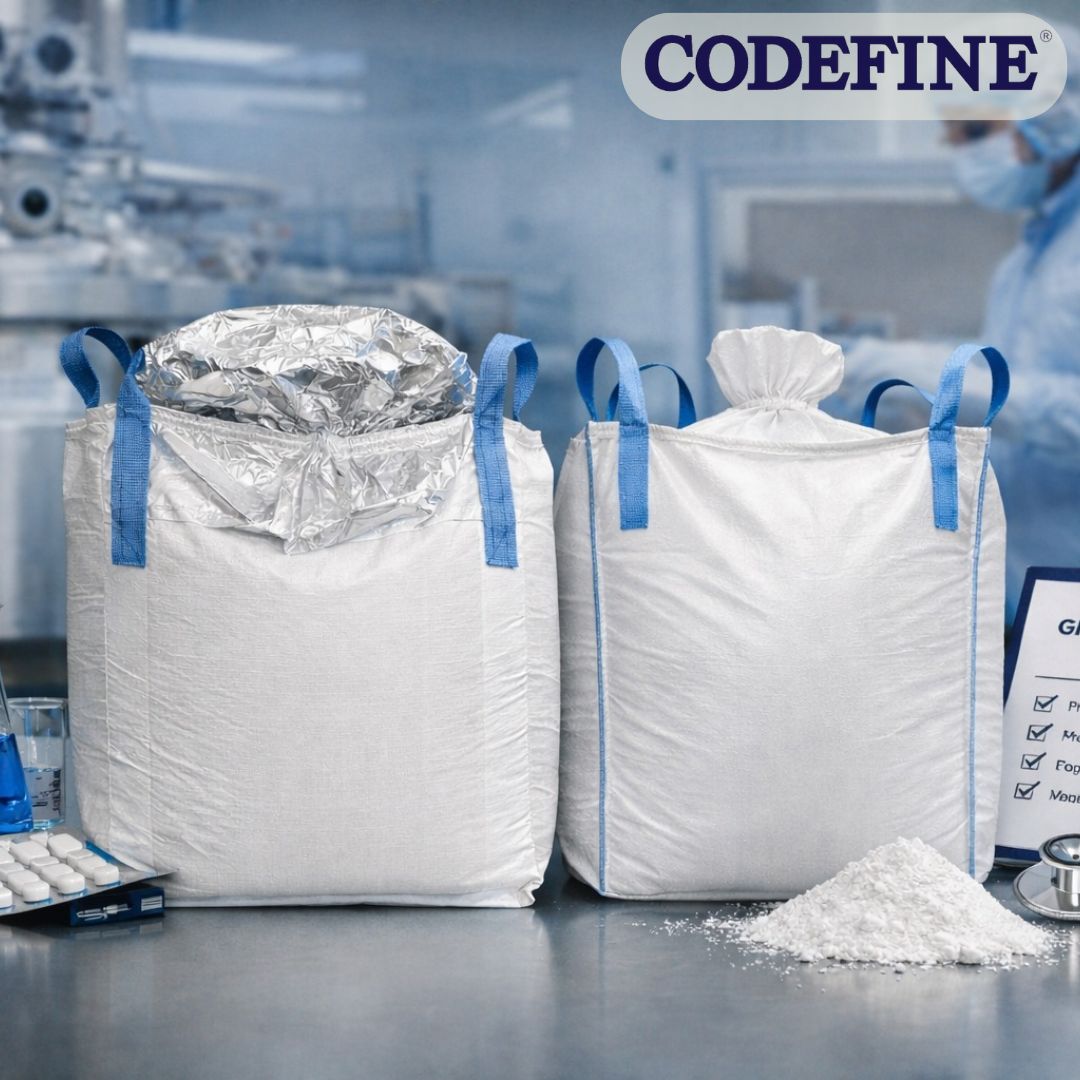
In pharmaceutical manufacturing, your packaging isn't just logistics. It's a regulated component of product integrity. Unlike mining or construction materials, pharma raw materials are incredibly sensitive. Even minimal moisture exposure, static discharge, or cross-contamination can render an entire batch unusable. Standard bulk bags simply don't cut it. When you are handling highly flowable, hygroscopic, or electrostatically sensitive powders, your bulk bags need to meet strict GMP standards. That means virgin materials, pharmaceutical-grade liners, and full traceability to pass audits without a hitch. We broke down exactly what to look for when choosing FIBCs and liners for pharmaceutical raw materials so you can scale production safely. Worth a read before you order your next batch of packaging: 👉 https://lnkd.in/eFSnRYRG #PharmaManufacturing #BulkPackaging #SupplyChain #QualityAssurance
6 of 22 adsSign up to see every Codefine International SA ad, filter by format and date, and get alerts on new ones.
See all 22 adsWatch the companies you care about.
Filter every ad by industry, country, format and network, and get alerts when a company you watch starts running new ads.