On air · 1 of 3 networks
Climate & Capital Media
- climateandcapitalmedia.com
- Media, Events & Publishing
- US
- 12 employees
Climate & Capital Media’s ads on LinkedIn, Meta and Google, recorded by adsrunning. Browse the latest here for free. Sign up free to see all 25. Watch Climate & Capital Media with Starter to get each new one in your feed.
Watchlist with Starter · $49/mo
| Network | Status | Live ads | Nov 2025LinkedIn activity · 52 weeksOct 2026 | Checked | Next step |
|---|---|---|---|---|---|
| Running | 25 | Checked 30 Oct 2026 | See all 25 ads → | ||
| Meta | Not checked | — | |||
| None recorded | 0 | No ads found on the Google Ads Transparency Center | Checked 25 Oct 2026 | Collect them with the API → |
Climate & Capital Media has 25 live LinkedIn ads. We recorded no Google ads on 25 Oct 2026.
Latest ads
- LINKEDIN · IMAGERecorded 13 Sept 2026
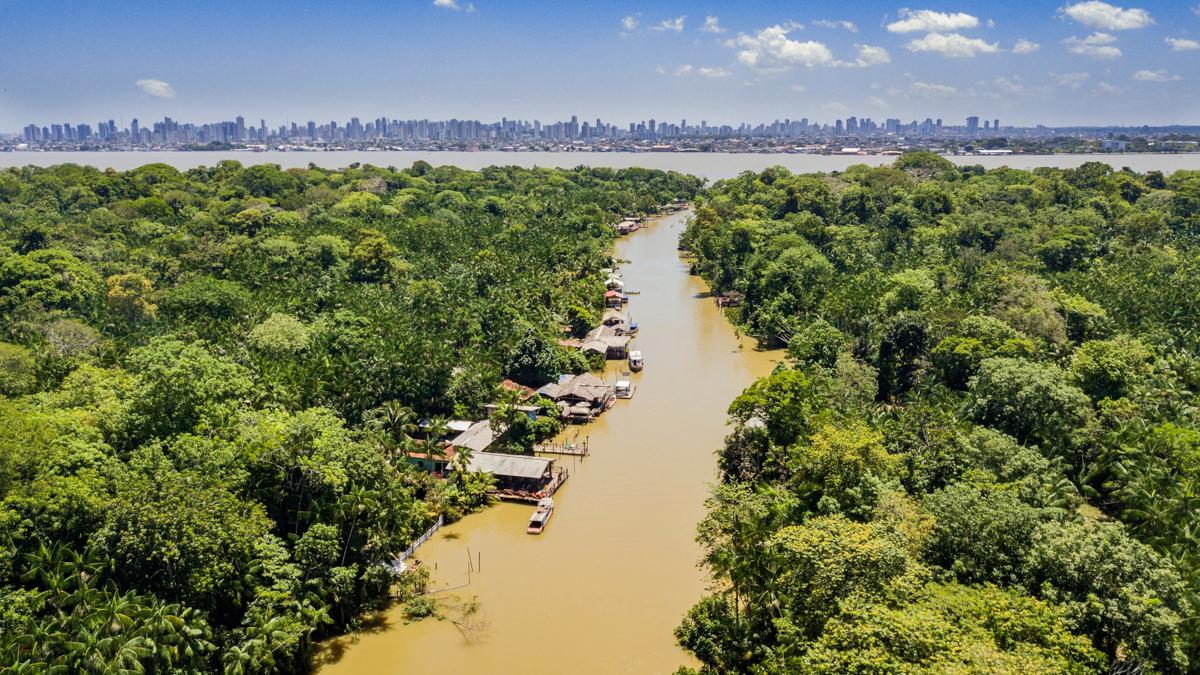
Climate and Capital Media’s contributing editor, Hunter Lovins, has been attending the UN’s Conference of Parties for 30 years. “For thirty years we’ve trekked to exotic locales, ostensibly to deliver on the commitment the world’s nations made to keep the planet’s climate safe for humanity. Every COP declares historic success. But we’ve failed. In the time we’ve been doing this, greenhouse gas emissions have doubled”, says Lovins. “Trying, trying to make a difference, to shift the trajectory from a world so hot that what my Uber driver called Belhell will seem merely balmy”. Read the first of Lovins’ on-the-ground reports from Belém in the Brazilian Amazon: https://lnkd.in/edp85YCW #COP30 #ClimateChange Peter McKillop, Kari Huus, Barclay Palmer, Laura Sucre
- LINKEDIN · IMAGERecorded 13 Sept 2026
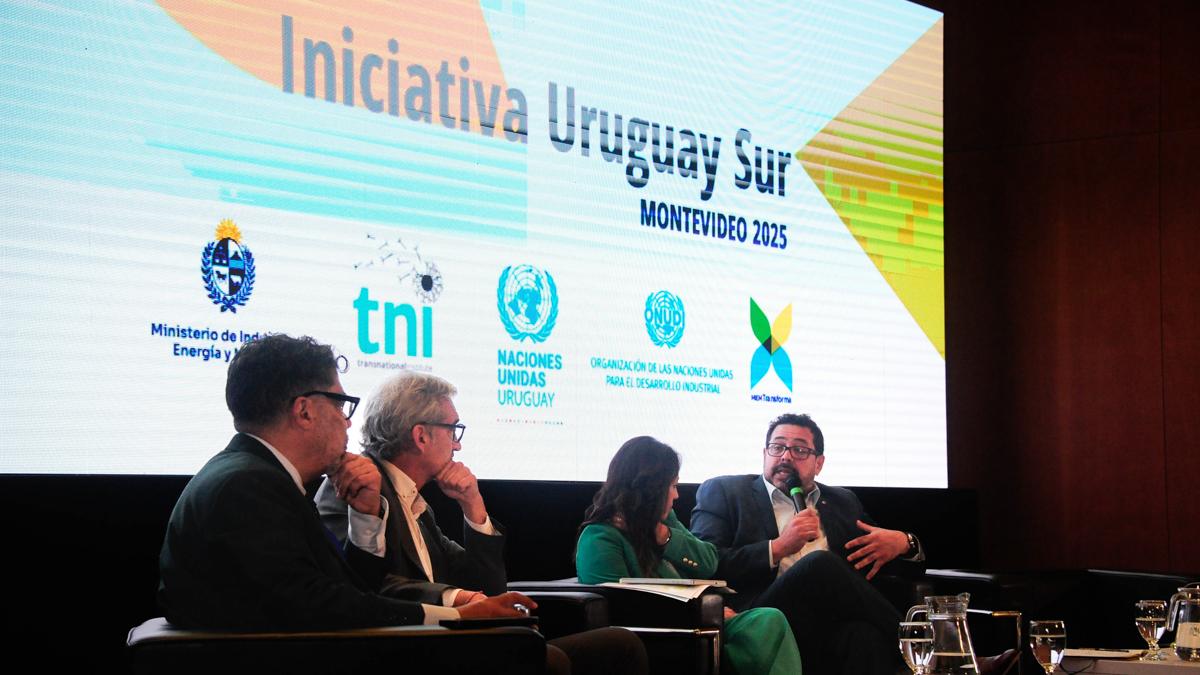
The Global North gains power through political and economic associations. The Global South needs collective bargaining power too, writes Nicolas Grimblatt. In the 1980s, nine small island nations in the Caribbean gathered under the Organisation of Eastern Caribbean States OECS, and pooled their pharmaceutical purchasing power into a procurement club, which was able to reduce unit costs of pharmaceuticals by over 50% in its first procurement cycle. No new technology. No diplomatic breakthroughs. Just collective bargaining power that they would never have achieved as individual countries purchasing alone. Fast forward to Central America in the 2010s, where six countries linked their power grids through the 1,800-kilometer Central American Electrical Interconnection System (SIEPAC). Or consider the BRICS Vaccine R&D Center, pooling scientific expertise to ensure vaccine self-sufficiency in the Global South. This is the logic behind strategic economic and political associations, partnerships or ‘clubs.’ Using the same logic, ‘green clubs’ that aggregate market power could revolutionise how the Global South navigates and accelerates the green transition, adds Grimblatt. While COP negotiations have delivered important frameworks for climate initiatives, they have consistently failed to address a fundamental imbalance: wealthier nations have the ability to shape markets, set standards and dominate value chains, while developing countries compete against each other. The Global South will fall further behind if it continues its present approach. Developing countries by themselves lack the leverage to demand technology transfer, set environmental standards, or build industrial networks. Forming regional economic alliances, or strategic clubs, is vital to keeping up with accelerating changes in the global economy. ‘Green clubs’ must navigate a fundamental reality: the Global South faces structural constraints that the North does not. They would therefore need to take into account the ever-shifting hierarchy of global power relations to provide solutions that work for both the Global South and North. This discussion is already happening in the Global South. In October, Uruguay held a meeting of the ‘Uruguay Sur’ Initiative with representatives from Latin America, Africa, Asia and Europe. The momentum is nascent but building. The question is whether it can scale beyond what COP negotiations deliver. Read the full article: https://lnkd.in/guupsrk7 #COP30 #GreenTransition #ClimateJustice Peter McKillop, Kari Huus, Barclay Palmer, Laura Sucre
- LINKEDIN · IMAGERecorded 13 Sept 2026
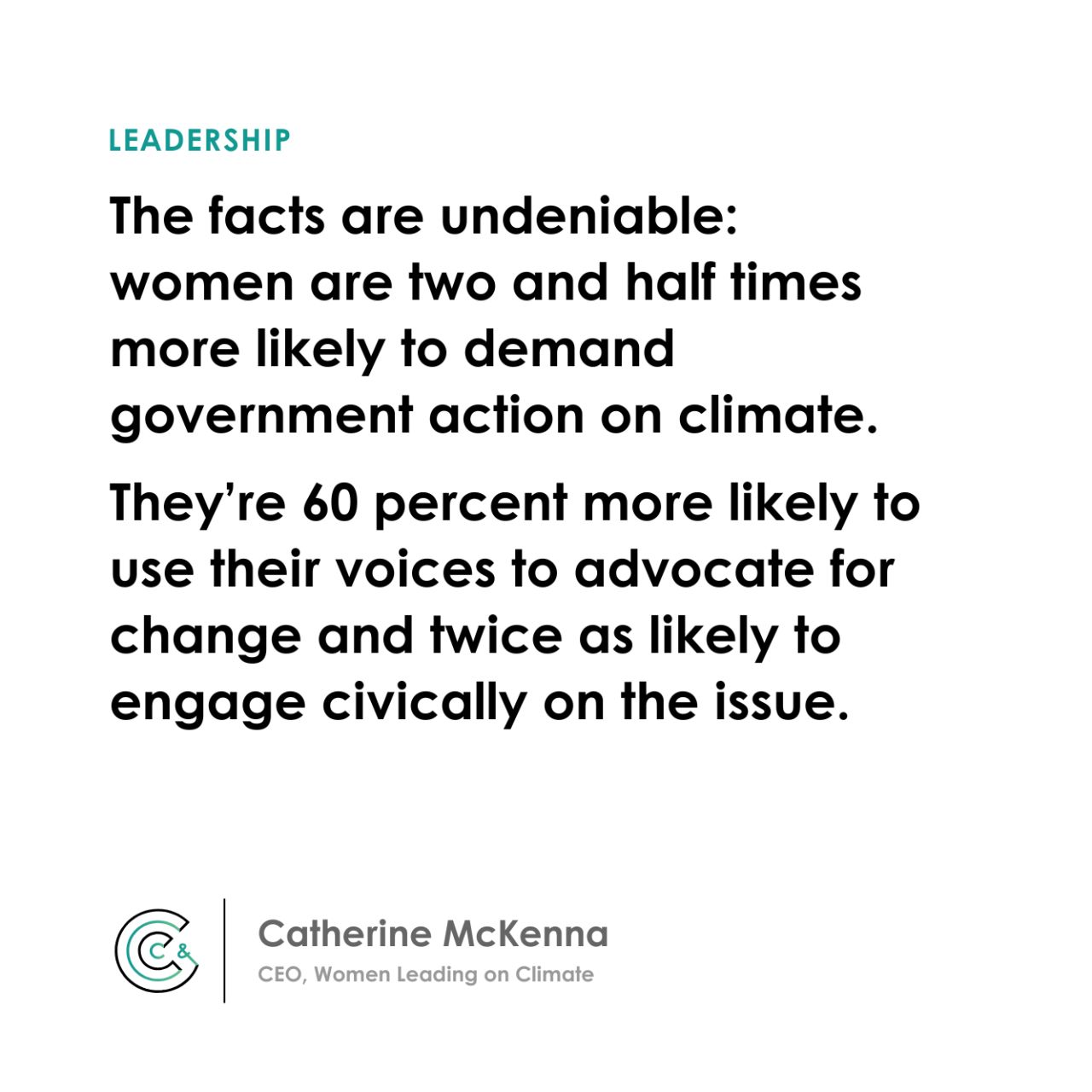
As many countries backtrack on climate commitments, women’s leadership is more crucial than ever, writes Catherine McKenna in this excerpt from her new memoir Run Like a Girl. After stepping down as Canada’s Minister of Environment and Climate Change, McKenna founded Women Leading on Climate, a global coalition of women leaders spanning government, business, and civic society, to drive climate action — more convinced than ever that empowering women is one of the most effective ways to make real change. Reflecting on COP21, McKenna notes the pivotal role women played in securing the Paris Agreement. Later in 2018, she hosted the Women Kicking it on Climate Summit, where women gathered to push for ambitious solutions. Victories came when women leaders, led by María Mendiluce, CEO of the We Mean Business Coalition, successfully called out the Azerbaijani government for excluding women from the COP29 organizing committee. Following our push, women were appointed. It was a small but important victory, says McKenna. Women Leading on Climate will continue to grow and push for bold and transformative change. At a time when many countries are backtracking on climate commitments, women’s leadership is more crucial than ever. Read the full article: https://lnkd.in/g6wJGVAp #WomenLeadership #ClimateAction #COP #ClimateGoals #WomenLeadingonClimate Laurence Tubiana, Jennifer Morgan, Ana Toni, Vanessa Nakate, Arizona Muse, Tori Tsui, Peter McKillop, Kari Huus, Barclay Palmer, Laura Sucre
- LINKEDIN · IMAGERecorded 13 Sept 2026
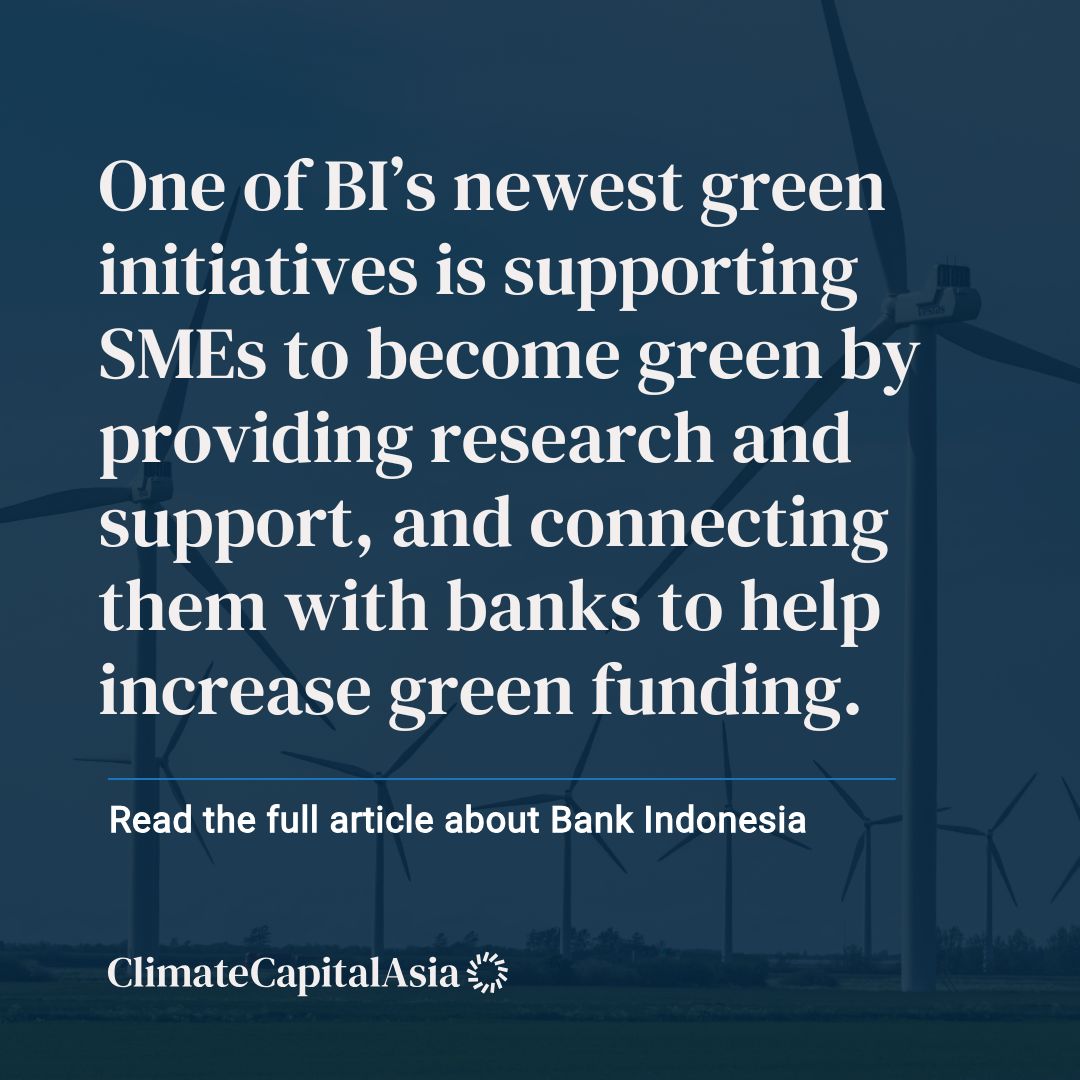
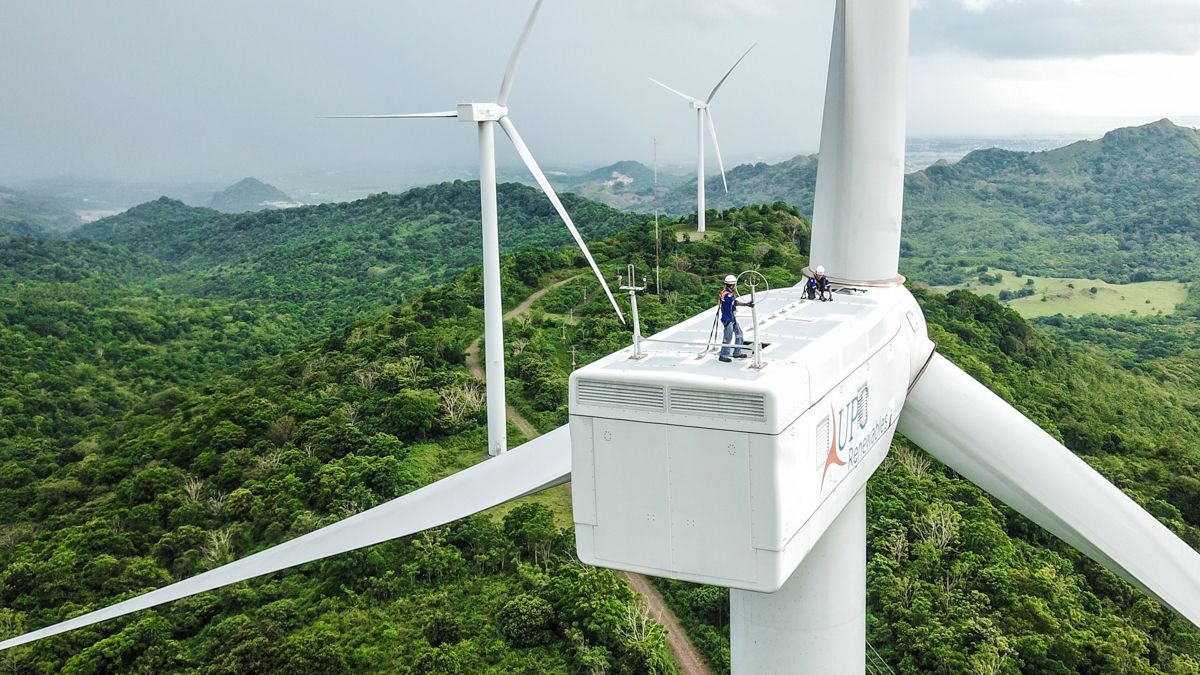
The first East and Southeast Asia Green Central Banking Scorecard places Indonesia among the region’s strongest performers. Bank Indonesia’s policies — from its green mandate to support for SMEs — show how central banks can drive climate action. “We want to transform SMEs to be green,” said BI’s Heru Rahadyan. Follow the region’s transition with in-depth coverage from Climate Capital Asia.
- LINKEDIN · IMAGERecorded 13 Sept 2026
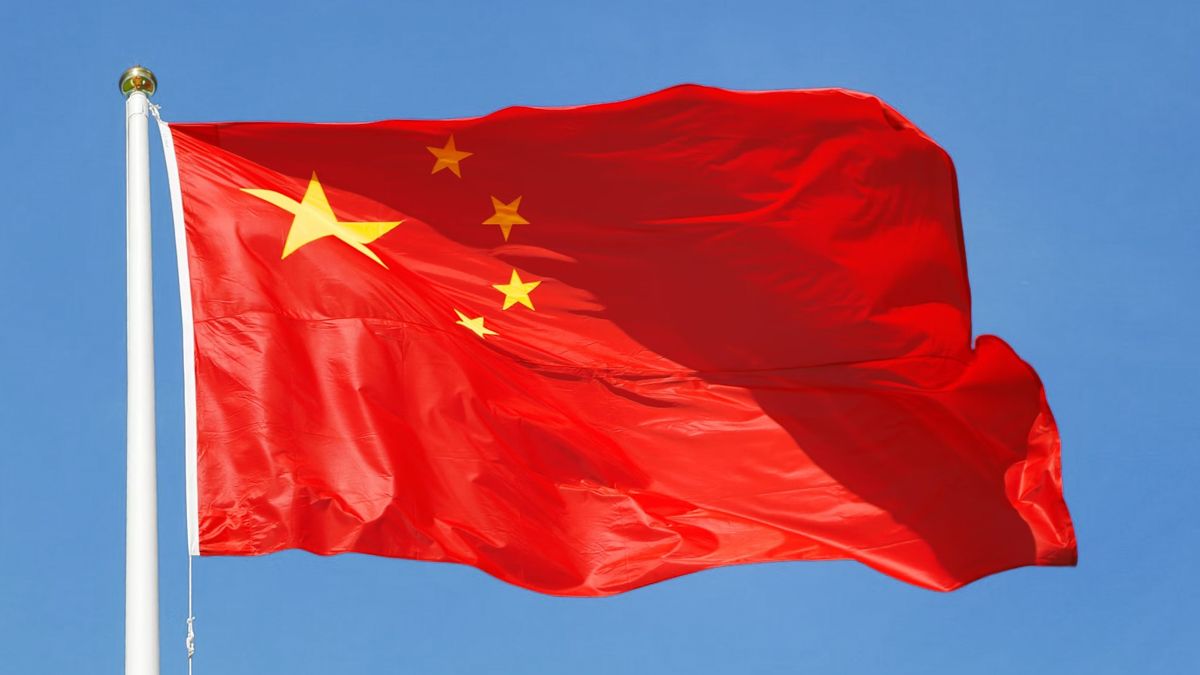
The People’s Bank of China leads the region on green central banking, thanks to climate stress tests, green finance rules and preferential lending for decarbonisation. For deeper insight on Asia’s green finance policies, subscribe to Climate Capital Asia.
- LINKEDIN · IMAGERecorded 13 Sept 2026
Indonesia is one of the largest CO₂ emitters in the world. But even though the country remains coal‑dependent and has given mixed signals on phasing it out, Indonesia’s central bank has a clear mandate to develop green finance. As a result, Indonesia stands out as a strong performer in the first East and Southeast Asia Green Central Banking Scorecard published by Positive Money UK. It was one of the top performers in the region for its financial policy work and has coordinated with other institutions to adopt green policies. Subscribe to Climate Capital Asia for more in-depth coverage of Asia’s green finance transformation.
6 of 25 adsSign up to see every Climate & Capital Media ad, filter by format and date, and get alerts on new ones.
See all 25 adsWatch the companies you care about.
Filter every ad by industry, country, format and network, and get alerts when a company you watch starts running new ads.