On air · 1 of 3 networks
Biomedicines MDPI
- mdpi.com
- Media, Events & Publishing
- CH
- 14 employees
Biomedicines MDPI’s ads on LinkedIn, Meta and Google, recorded by adsrunning. Browse the latest here for free. Sign up free to see all 67. Watch Biomedicines MDPI with Starter to get each new one in your feed.
Watchlist with Starter · $49/mo
| Network | Status | Live ads | Nov 2025LinkedIn activity · 52 weeksOct 2026 | Checked | Next step |
|---|---|---|---|---|---|
| None recorded | 0 | Checked 30 Oct 2026 | See all 67 ads → | ||
| Meta | None recorded | 0 | No active ads recorded on the Meta Ad Library | Checked 18 Oct 2026 | Collect them with the API → |
| Running | 53 | Ads on the Google Ads Transparency Center | Checked 29 Oct 2026 | Collect them with the API → |
Biomedicines MDPI has no live LinkedIn ads. Its Facebook page had no active ads on 18 Oct 2026, and we recorded 53 Google ads on 29 Oct 2026.
Latest ads
- LINKEDIN · IMAGESince 11 Sept 2026
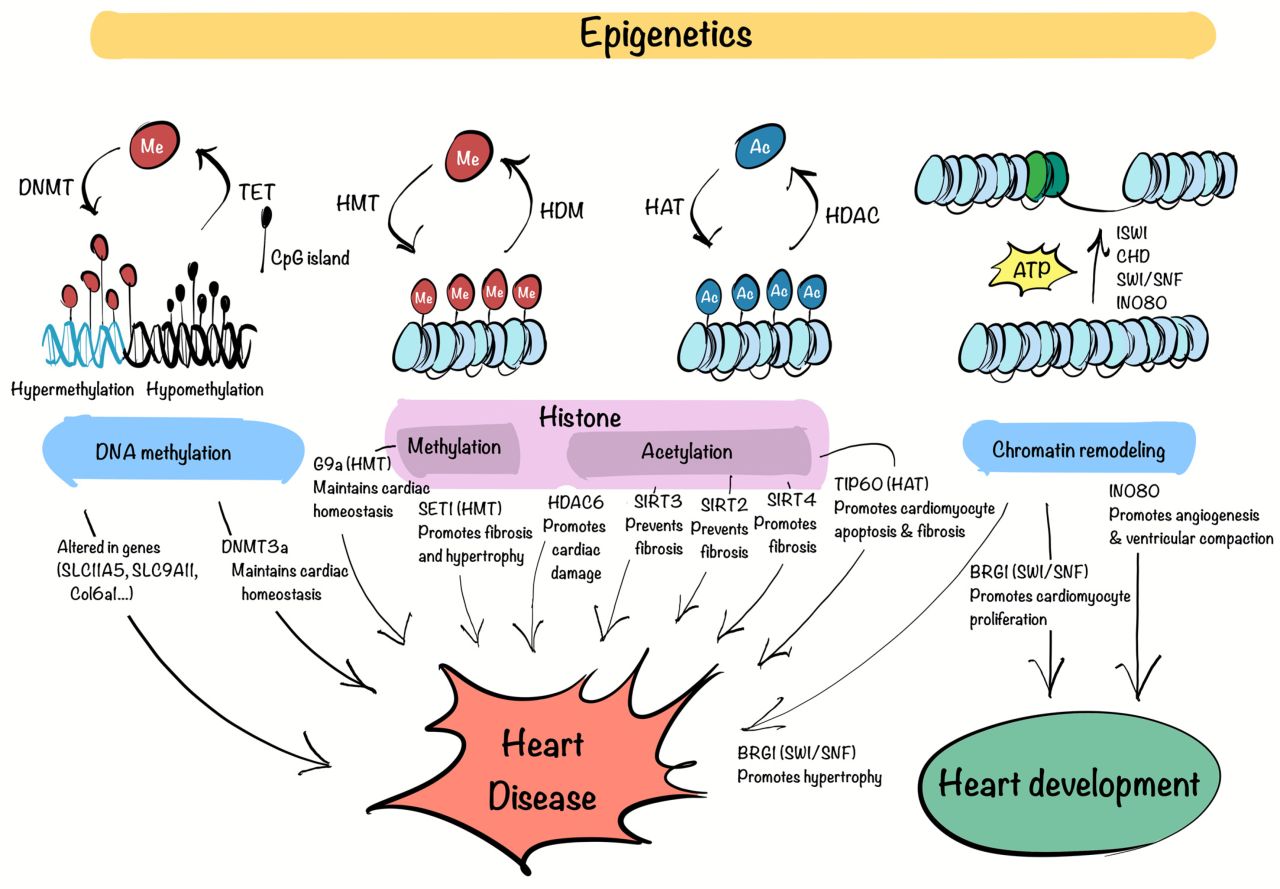
💡Check out this Editor’s Choice article: ❤️ Emerging Epigenetic Therapies for the Treatment of Cardiac Fibrosis by Garitano, N., et al. (2025). Biomedicines, 13(5), 1170. Cardiac fibrosis is a major contributor to heart dysfunction and heart failure, yet there are currently no therapies capable of fully reversing the condition. A recent review published in Biomedicines examines how advances in epigenetics are improving our understanding of cardiac fibrosis and informing the development of new therapeutic approaches. Key areas of the review address: • The biological mechanisms that drive cardiac fibrosis and its progression. • How epigenetic mechanisms influence fibroblast activation and fibrotic remodeling. • Emerging epigenetic therapies targeting DNA methylation, histone modifications, and chromatin remodeling. • Current challenges and future opportunities for translating epigenetic therapies into clinical practice. 📖 Read the full text: https://brnw.ch/21x5o3a #MDPI #OpenAccess #Biomedicines #Fibrosis #Heart #Epigenetic #FibroblastActivation #Therapies
- LINKEDIN · IMAGESince 2 Sept 2026
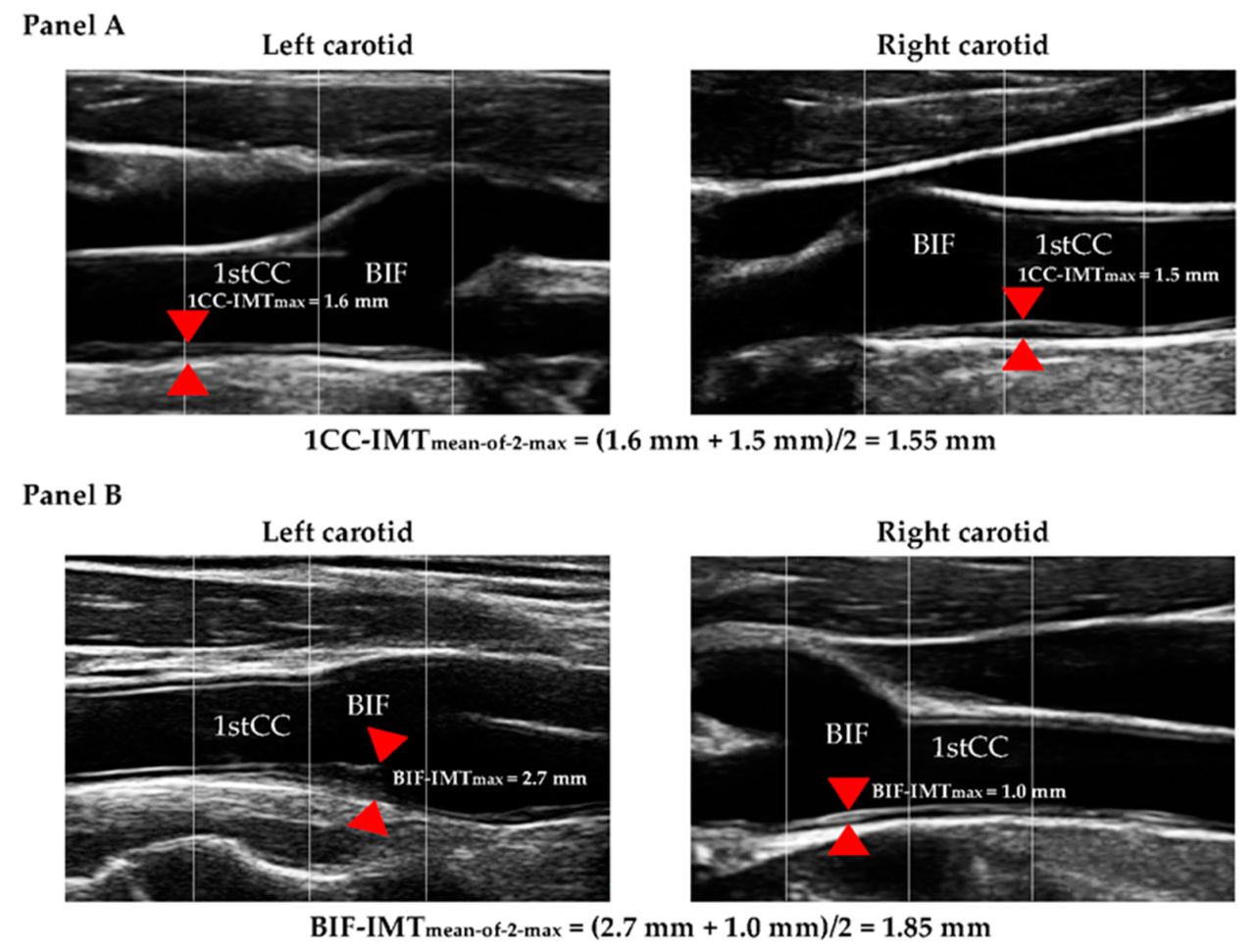
💡Check out this Editor’s Choice article: 🫀 Enhancing Cardiovascular Risk Prediction with a Simplified Carotid IMT Protocol: Evidence from the IMPROVE Study by Veglia, F., et al. (2025). Biomedicines, 13(3), 584. 📖 Read the full text: https://brnw.ch/21x538D 🔬 Key highlights: This multicentre longitudinal study evaluated two simplified carotid intima-media thickness variables in 3165 subjects and found that both were associated with cardiovascular risk. The 1CC-IMTmean-of-2-max variable significantly improved the predictive capacity of the SCORE2/SCORE2-OP risk algorithm, supporting its potential use in mass screening and primary prevention. #MDPI #OpenAccess #Biomedicines #CarotidArtery #IntimaMediaThickness #Plaque #UltrasonographyProtocol #IMPROVEStudy
- LINKEDIN · IMAGESince 24 Aug 2026
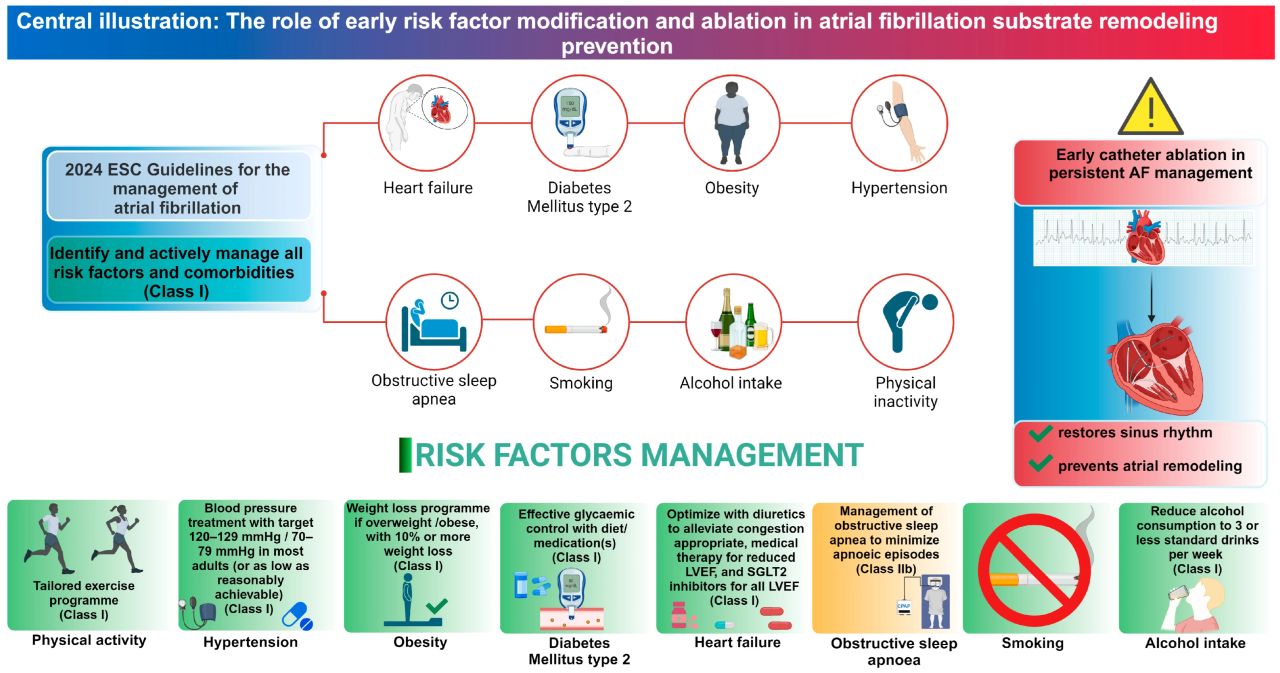
💡Check out this Editor’s Choice article: ❤️ The Role of Early Risk Factor Modification and Ablation in Atrial Fibrillation Substrate Remodeling Prevention by Koniari, I., et al. (2025). Biomedicines, 13(2), 405. Atrial fibrillation is the most common sustained arrhythmia and remains a major contributor to cardiovascular morbidity, mortality, and healthcare burden worldwide. A review published in Biomedicines evaluates how early risk factor modification and timely catheter ablation may prevent atrial fibrillation progression, reduce atrial remodeling, and improve long-term outcomes. Key areas of the review address: • The impact of obesity, hypertension, diabetes, apnea, alcohol consumption, physical activity, stress, and depression on AF development and progression. • Evidence supporting risk factor management as a strategy for reducing AF burden and recurrence. • The role of early catheter ablation to improve quality of life and limit disease progression. • Emerging evidence linking psychological stress and mood disorders to increased AF susceptibility. • The importance of patient-centered, multidisciplinary care and shared decision-making in AF management. 📖 Read the full text: https://brnw.ch/21x4W7i #MDPI #OpenAccess #Biomedicines #AtrialFibrillation #RiskFactorModification #CatheterAblation #ParoxysmalAtrialFibrillation
- LINKEDIN · IMAGESince 24 Aug 2026
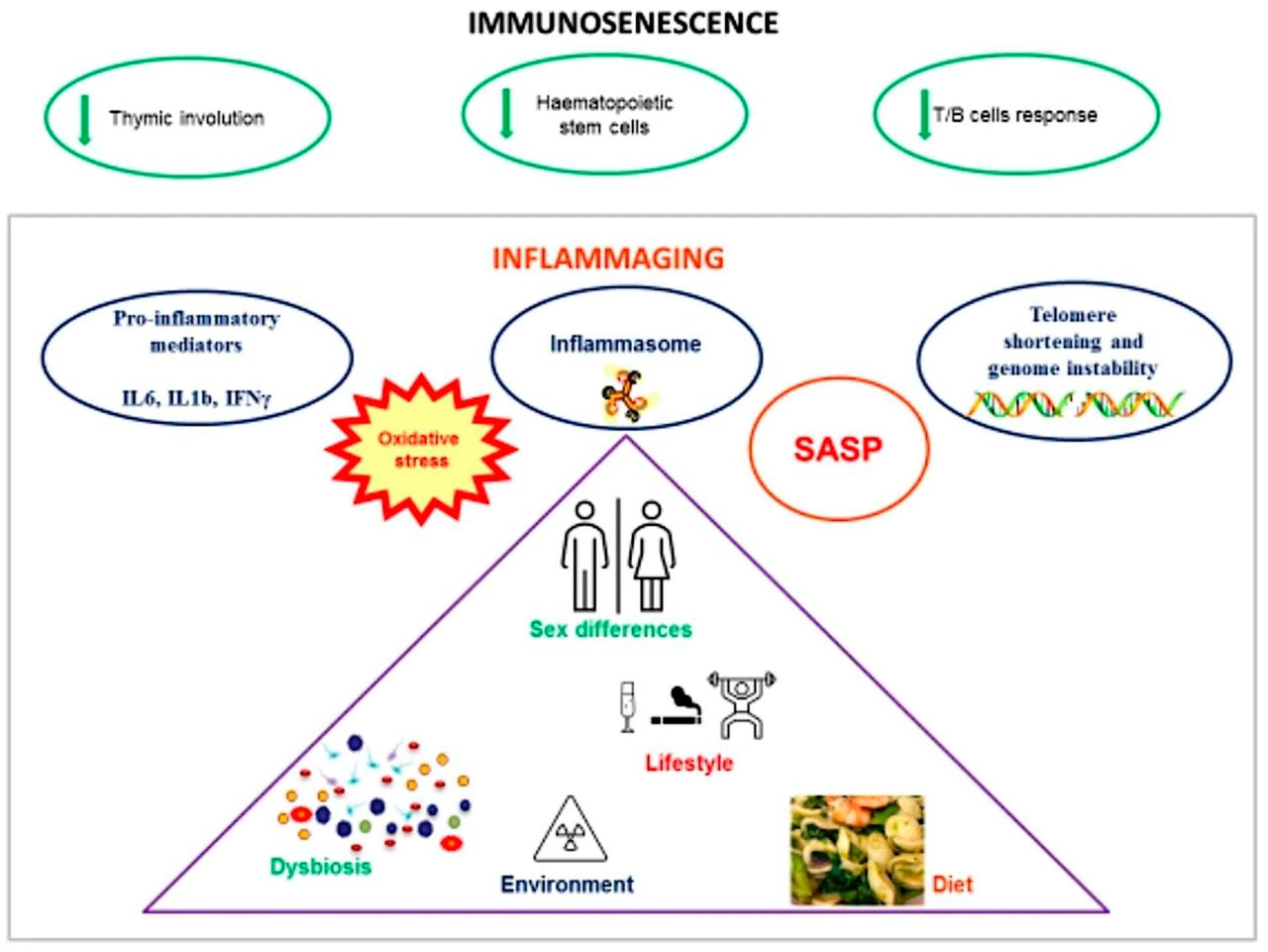
💡Check out this Editor’s Choice article: 🦠 Inflammaging: The Next Challenge—Exploring the Role of Gut Microbiota, Environmental Factors, and Sex Differences by Caldarelli, M., et al. (2024). Biomedicines, 12(8), 1716. Chronic, low-grade inflammation is increasingly recognized as a key biological feature of aging and may contribute to the development of age-related diseases and functional decline. A review published in Biomedicines examines the mechanisms underlying inflammaging, with a particular focus on the roles of the gut microbiota, environmental influences, and sex differences in shaping immune function during aging. Key areas of the review address: • The biological mechanisms linking immunosenescence and chronic inflammation during aging. • Age-related changes in the gut microbiota and their contribution to inflammatory pathways. • The influence of environmental factors, including diet and medications, on immune function and healthy aging. • Evidence for sex-related differences in immune responses, inflammation, and aging trajectories. • Potential lifestyle and pharmacological strategies to promote healthy aging. 📖 Read the full text: https://brnw.ch/21x4ZL7 #MDPI #OpenAccess #Biomedicines #Aging #Inflammation #Immunosenescence #GutMicrobiota #Diet #SexDifferences
- LINKEDIN · IMAGESince 15 Jul 2026
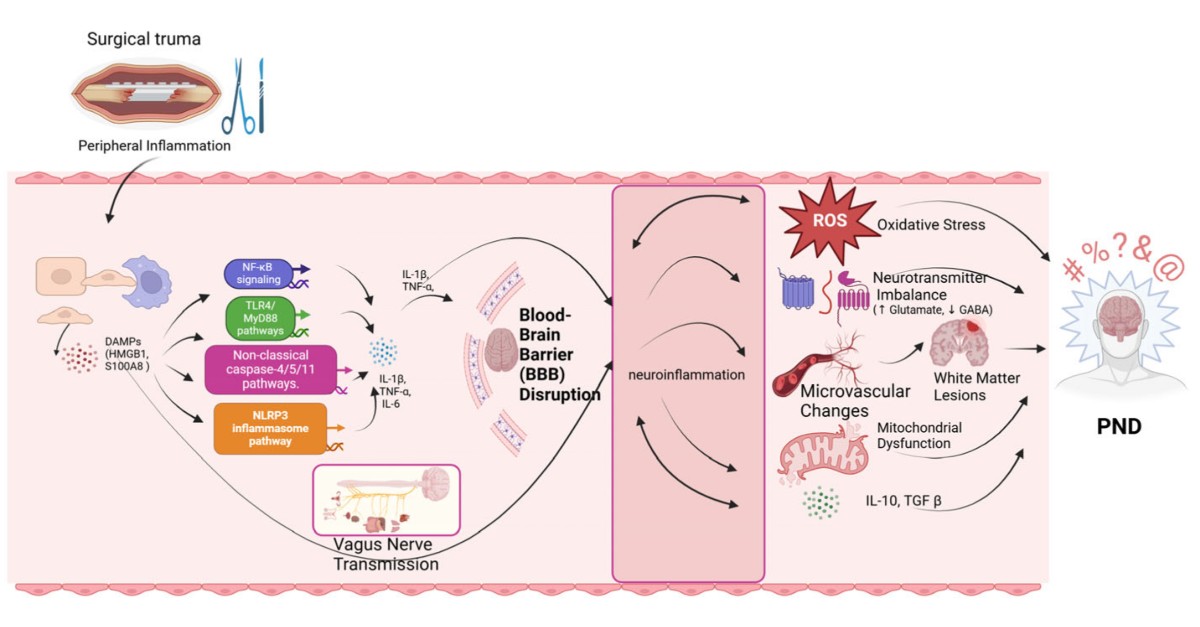
🧠 Recent Advances in the Mechanisms of Postoperative Neurocognitive Dysfunction: A Narrative Review by Wang, T., et al. (2025). Biomedicines, 13(1), 115. 📖Read the full text: https://brnw.ch/21x3WgA Postoperative neurocognitive dysfunction remains a significant challenge, particularly in older adults, where cognitive decline after surgery can affect recovery, independence, and quality of life. A recent review published in Biomedicines summarizes recent advances in understanding the biological mechanisms underlying PND. It discusses how neuroinflammation, blood–brain barrier dysfunction, mitochondrial impairment, oxidative stress, and neuronal damage interact to drive cognitive decline following surgery. It also examines emerging therapeutic approaches and identifies promising directions for future research aimed at improving perioperative brain health. #MDPI #OpenAccess #Biomedicines #PostoperativeCognitiveDysfunction #Neuroinflammation #NeurotransmitterImbalance #OxidativeStress #AnestheticAgents #MitochondrialDysfunction #WhiteMatterLesions #Encephalocele #SepsisAssociatedEncephalopathy
- LINKEDIN · IMAGESince 11 Jul 2026
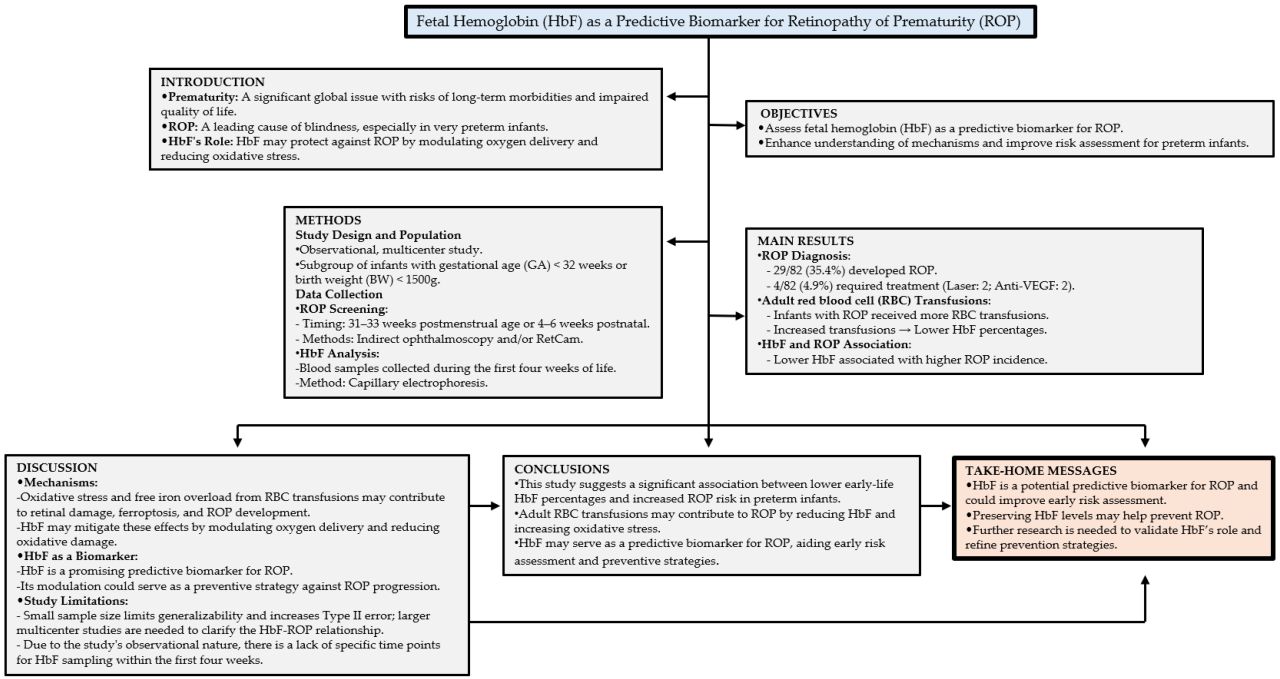
👁️ Fetal Hemoglobin as a Predictive Biomarker for Retinopathy of Prematurity: A Prospective Multicenter Cohort Study in Portugal by Fevereiro-Martins, M., et al. (2025). Biomedicines, 13(1), 110. 📖Read the full text: https://brnw.ch/21x3Uk5 Retinopathy of prematurity (ROP) remains one of the leading causes of preventable childhood blindness globally, with incidence ranging from approximately 20-30% in high-income countries to substantially higher rates in regions with limited access to advanced neonatal care. A multicenter prospective cohort study published in Biomedicines, conducted across eight NICUs in Portugal as part of the GenE-ROP Study, identifies fetal hemoglobin (HbF) as a promising, low-cost predictive biomarker for ROP risk. Key findings: Cohort and design: Eighty-two preterm infants (mean gestational age 28.1 ± 2.1 weeks; mean birth weight 1055.8 ± 258.3 g) were followed prospectively, with HbF fractions measured via capillary electrophoresis during the first four weeks of life. ROP developed in 35.4% of infants, with 4.9% requiring treatment. Primary association: Infants who developed ROP had significantly lower HbF percentages than those who did not (p < 0.05), with the association remaining significant after adjustment for gestational age, particularly from the second to fourth week of life. Kaplan-Meier survival analysis confirmed elevated ROP risk across declining HbF quartiles. Transfusion link: Lower HbF was strongly associated with a greater number of red blood cell transfusions (p < 0.001), consistent with the known mechanism by which adult-donor RBC transfusions dilute the neonatal HbF fraction and may elevate oxidative stress and retinal ferroptosis risk. Proposed mechanism: HbF's distinct oxygen-binding kinetics, antioxidant properties, and nitric oxide-related vasoregulatory activity may confer protection during both phases of ROP pathogenesis: the initial hyperoxic phase and the subsequent hypoxic, neovascular phase. Clinical implications. The authors highlight several HbF-preserving strategies currently under active investigation in clinical trials, including delayed umbilical cord clamping, restrictive transfusion thresholds, blood-sparing microsampling techniques, and the use of umbilical cord blood (nearly 100% HbF) as an alternative to adult-donor transfusions, the subject of the ongoing BORN trial (NCT05100212). The authors note the study's limitations, including its modest sample size and observational design, and call for larger multicenter validation. For neonatologists, ophthalmologists, and transfusion medicine specialists, this study adds clinically actionable evidence to a growing case for HbF-conscious transfusion practices in extremely preterm infants. #MDPI #OpenAccess #Biomedicines #RetinopathyOfPrematurity #NeonatalDiseases #FetalHemoglobin #Pathophysiology #InnovativeTherapeuticApproaches #NeonatalAnemia #RedBloodCellTransfusions #PretermInfants
6 of 67 adsSign up to see every Biomedicines MDPI ad, filter by format and date, and get alerts on new ones.
See all 67 adsWatch the companies you care about.
Filter every ad by industry, country, format and network, and get alerts when a company you watch starts running new ads.