On air · 1 of 3 networks
AudienceQ
- audienceq.co.uk
- Marketing & Advertising
- GB
- 7 employees
AudienceQ’s ads on LinkedIn, Meta and Google, recorded by adsrunning. Browse the latest here for free. Sign up free to see all 32. Watch AudienceQ with Starter to get each new one in your feed.
Watchlist with Starter · $49/mo
| Network | Status | Live ads | Nov 2025LinkedIn activity · 52 weeksOct 2026 | Checked | Next step |
|---|---|---|---|---|---|
| Running | 1 | Checked 30 Oct 2026 | See all 32 ads → | ||
| Meta | Not checked | — | |||
| None recorded | 0 | No ads found on the Google Ads Transparency Center | Checked 7 Oct 2026 | Collect them with the API → |
AudienceQ has 1 live LinkedIn ad. We recorded no Google ads on 7 Oct 2026.
Latest ads
- LINKEDIN · IMAGESince 28 Sept 2026
I was chatting to a partner this week about how location targeting is so blunt and outdated. In ‘the year of the mobile’ brands learned that location targeting was all about proximity - that is, serving a banner to a user as they passed your bricks-and-mortar stores. That old strategy assumed that location only helps you understand where somebody is right now, but today, it’s all about where people are, where they have been, and why. People tell us more about themselves and their preferences by where they go in the real world than many people realise. As one example, if you are selling running shoes, don’t simply target people outside a sports shop. Use location intelligence to build a cohort of people who regularly show up at park runs and gyms, and who have the Strava app as one example. The other problem with the proximity play is a lot of location data is not great, which means somebody walking by a JD Sports could be added to the same audience as somebody inside a JD Sports, but don’t get me started on that! Location intelligence shouldn’t be a signal to tell us only when to advertise based on proximity in that moment - it should tell us who to advertise to, based on where they have been and why. Current proximity alone is a weak signal - rant over! 🤣 AudienceQ| #LocationIntelligence #geolocationintelligence #media #omnichannel
- LINKEDIN · IMAGESince 7 Sept 2026
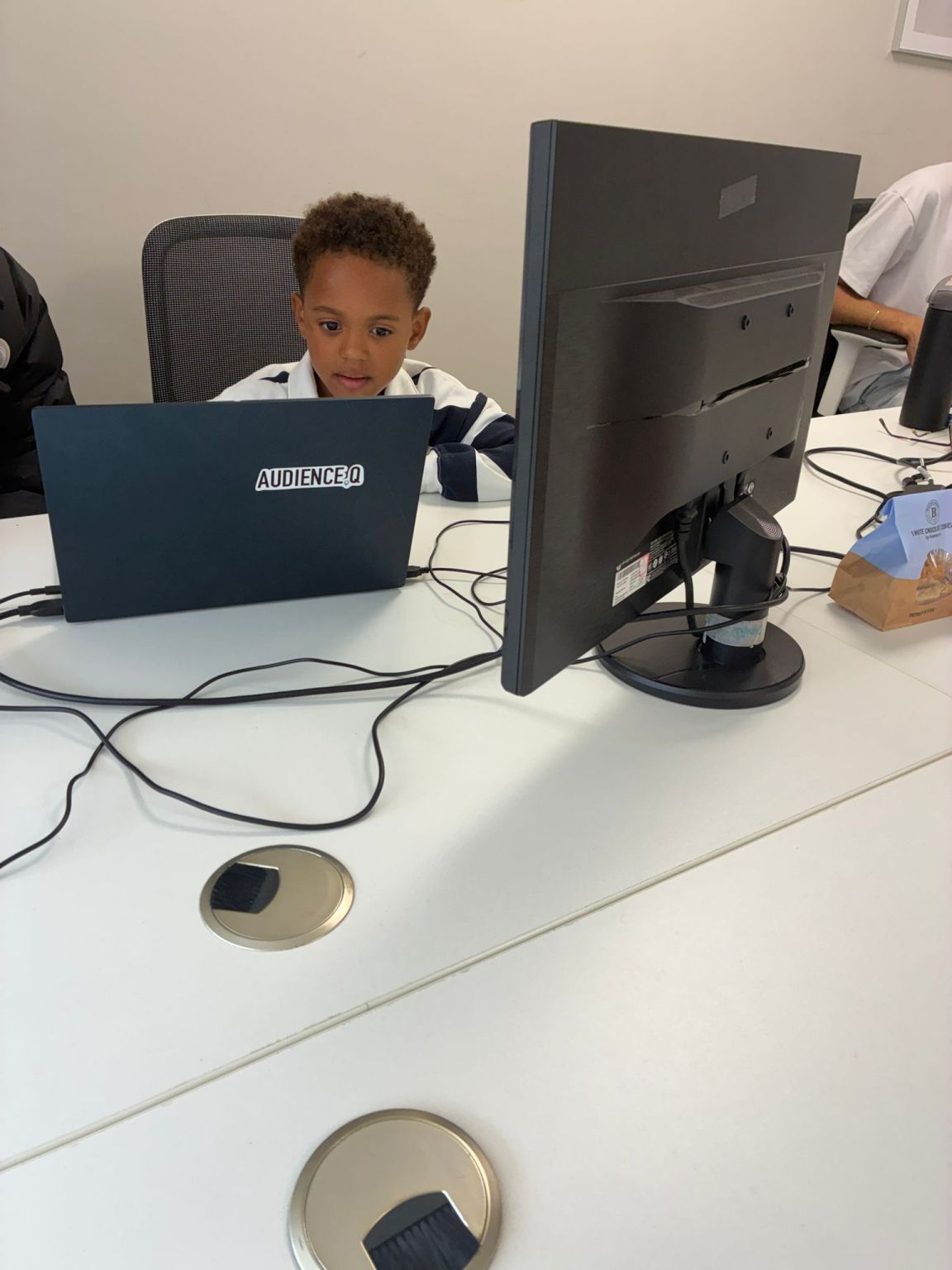
Just been training our new starter on the differences and respective benefits of omni-channel vs multichannel campaigns. Firstly, a definition, because the two words are used interchangeably, and they are not the same. • Multi-channel example - could be buying programmatic display, CTV, OOH. They are running at the same time, but you are planning, buying, and measuring three different audiences. • Omni-channel example - a single audience, and you are building multiple touchpoints with that audience across channels. Sometimes you might actually want multi-channel, despite it not giving you apples-to-apples reporting, because each individual channel is strong, and bought in a silo, as part of similar channels. However, if you want to understand how touchpoints across CTV, Display and OOH affect how your audience engage, then you need one single audience, and multiple channel exposures. The other benefit of omni-channel campaigns using AudienceQ data is you can see how many people that were exposed to your campaign physically walked into your store, and which combination of media placements were most effective. 💬 - Drop me a note if you would like more info. P.S. Anybody else feel like grads are getting younger and younger these days and asking for more Robux, I mean money? ;) AudienceQ | #LocationIntelligence #Media #Omnichannel #DigitalMarketing #Adtech
- LINKEDIN · IMAGESince 31 Aug 2026
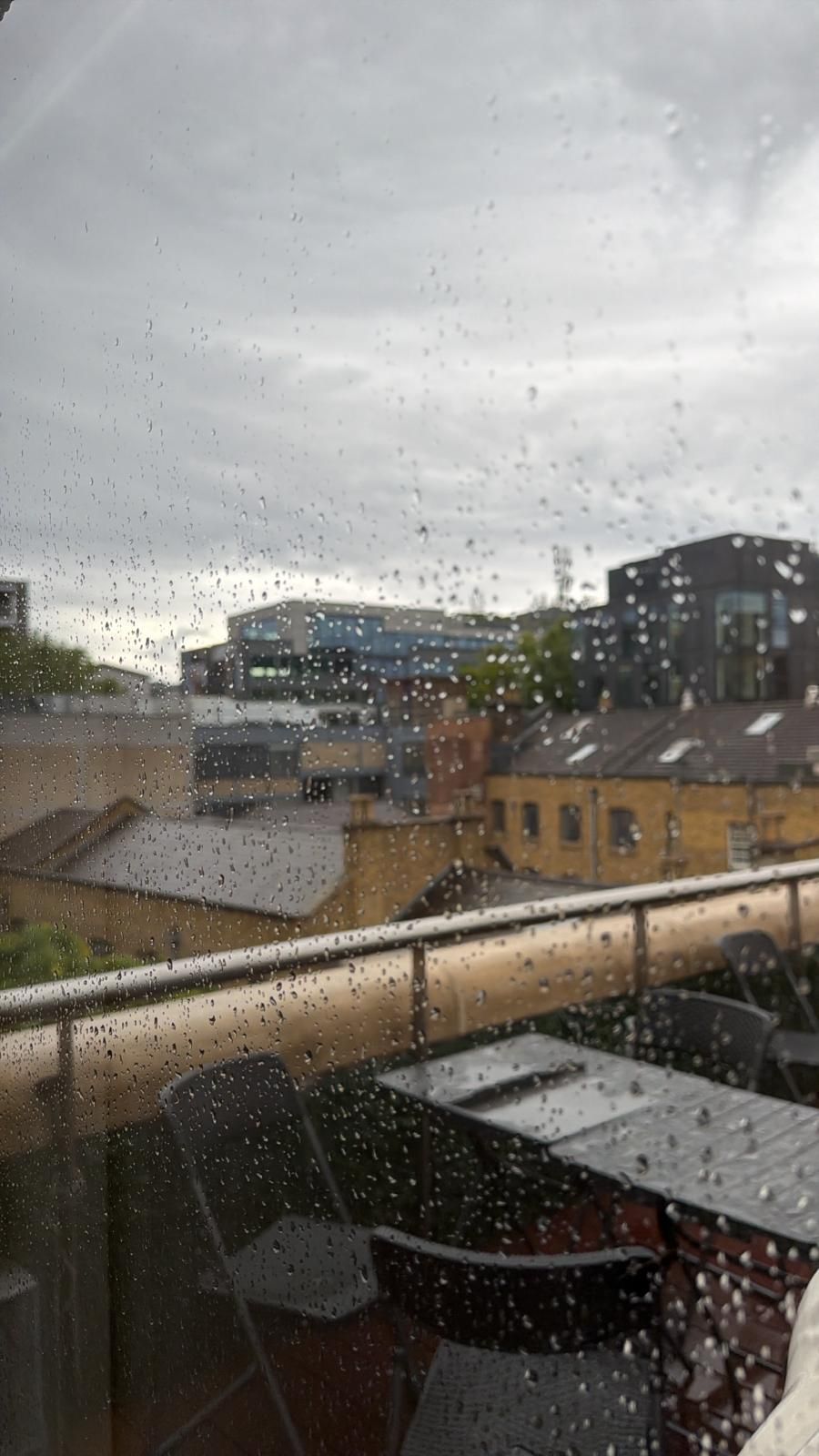
There is still a massive misconception of what location intelligence is and what it provides - many still think of it as a tactic. We often hear from clients that ‘they are not doing any location’, which makes sense if you are thinking of it as a tactic. When I say tactic, what I am trying to say is, if you think location means serving a McDonald’s ad to somebody as they walk past a Maccies, then yes, I get why you are not doing that. Location as a strategy, however, is important, because every single media placement in the world, and every action any of us ever take, ever, are all in a location! 📍 Where it happens, when, and why can unlock deep insights into the audience. So, for example, let’s say you were targeting fitness enthusiasts to sell running shoes. You could advertise next to athletics programmes, the London Marathon etc. Or you could build a cohort of people who have, in the real world, been to gyms regularly, have the Strava app, go on a park run every Sunday, spend a lot of time at sports clubs, and seem to visit Run and Become A LOT! What you get then is a group of people who have shown you they are fitness enthusiasts in their actions - not to hit them as they enter a sports club, but to inform all of your media and planning choices. Actions speak the loudest, and people show you their intent by where they go in the real world. Oh, and how many millions of people watch the London Marathon that are a fair bit away from ‘fitness enthusiasts’, do you think? ;-).............me lol! And dont shoot me but yay for some rain ☔ AudienceQ | #LocationIntelligence
- LINKEDIN · IMAGESince 17 Aug 2026
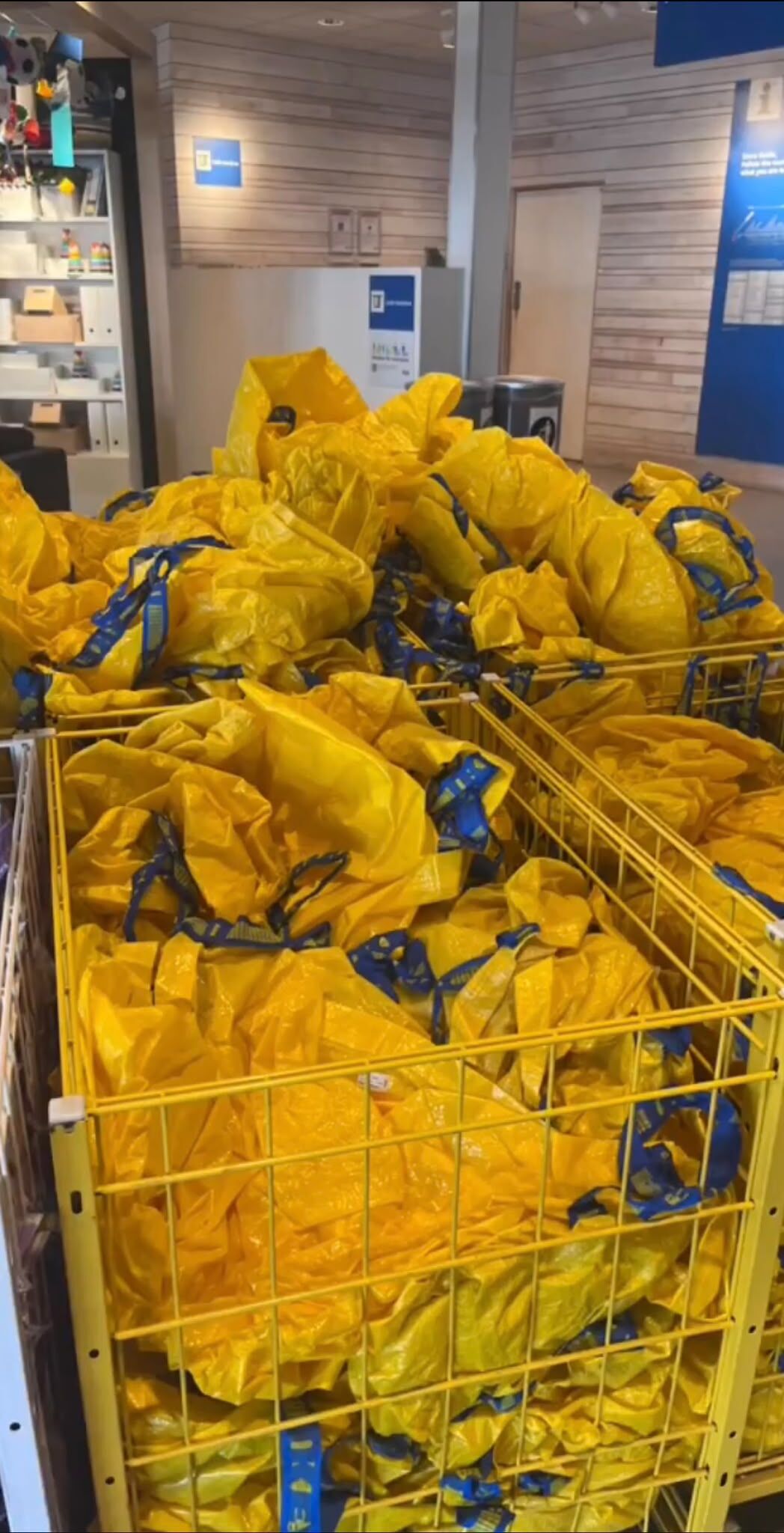
Experian published a research finding recently that should make every marketing and media professional sit up and take note. "Truthset’s independent study found that up to 51% of ad targeting data is inaccurate, with accuracy rates ranging between 32% and 69% across providers" Feels more like finger-in-the-air guesswork than data!? 🤷🏻♂️ You may say that I am biased, but the most accurate data is intent data, and the most accurate intent data is found in the real world. Consumers show their intent IRL all the time by the places they visit. For example, if you are selling furniture, then people who have recently visited furniture stores IRL are a good target for furniture - I mean, look at the image! Nobody is putting themselves through IKEA on a Sunday afternoon unless they really, really want furniture, right!? 😅 The in-real-life movement of people reveals their intent. Not only can you build an audience segment of people who have been to furniture stores, but you can also measure how many people who were exposed to your advertising went on to visit your own furniture store. Oh, and if the results we see at AudienceQ are anything to go by, it's significantly more accurate than 51%! 👀 AudienceQ | #LocationIntelligence #LocationData #OperationalIntelligence
- LINKEDIN · IMAGESince 3 Aug 2026
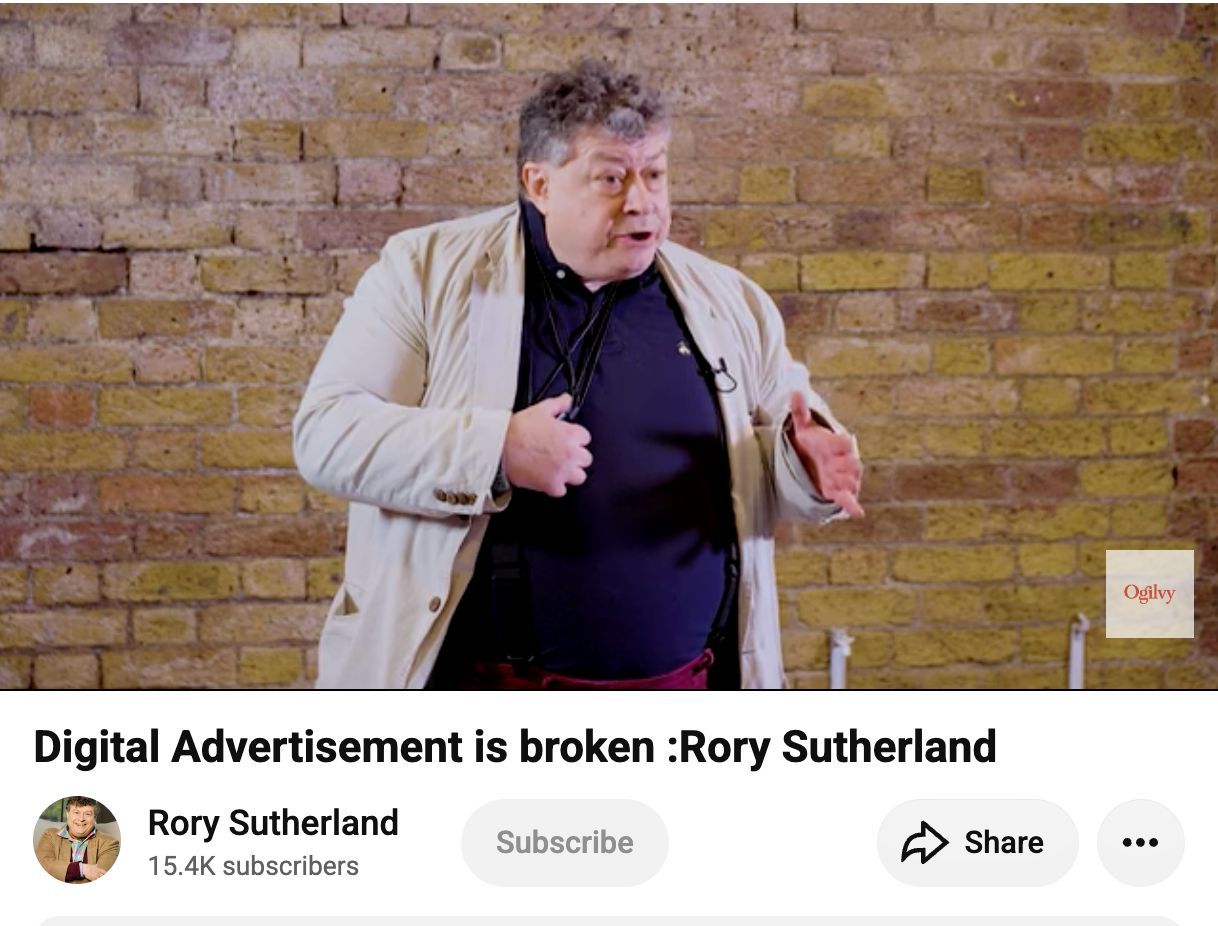
“Digital advertising is broken,” says Rory Sutherland, and I partially agree. Broken might be harsh, but I do think that the obsession with short-term attribution means that media plans often miss the most important number, which is: how many net new customers did we win? Sutherland says, “The greatest form of marketing is to get somebody who wasn’t already planning on buying your product to pay full price for it.” Yet, as he goes on to say, “a lot of digital advertising convinces people who would have bought anyway to buy it a bit sooner and at a discount”. According to Google’s 2026 Language of Effectiveness study, “CTR was used by 71.6% of marketers as an effectiveness metric, but only 7.4% said it was one of senior stakeholders’ most important metrics.” 🙄 At AudienceQ, we believe that CMOs want to look past CTR and really measure incrementality, and that’s what we aim to help brands and agencies do, measure how their campiagns drove real world results. AudienceQ | #LocationIntelligence #Omnichannel #Geolocationintelligence
- LINKEDIN · IMAGESince 27 Jul 2026
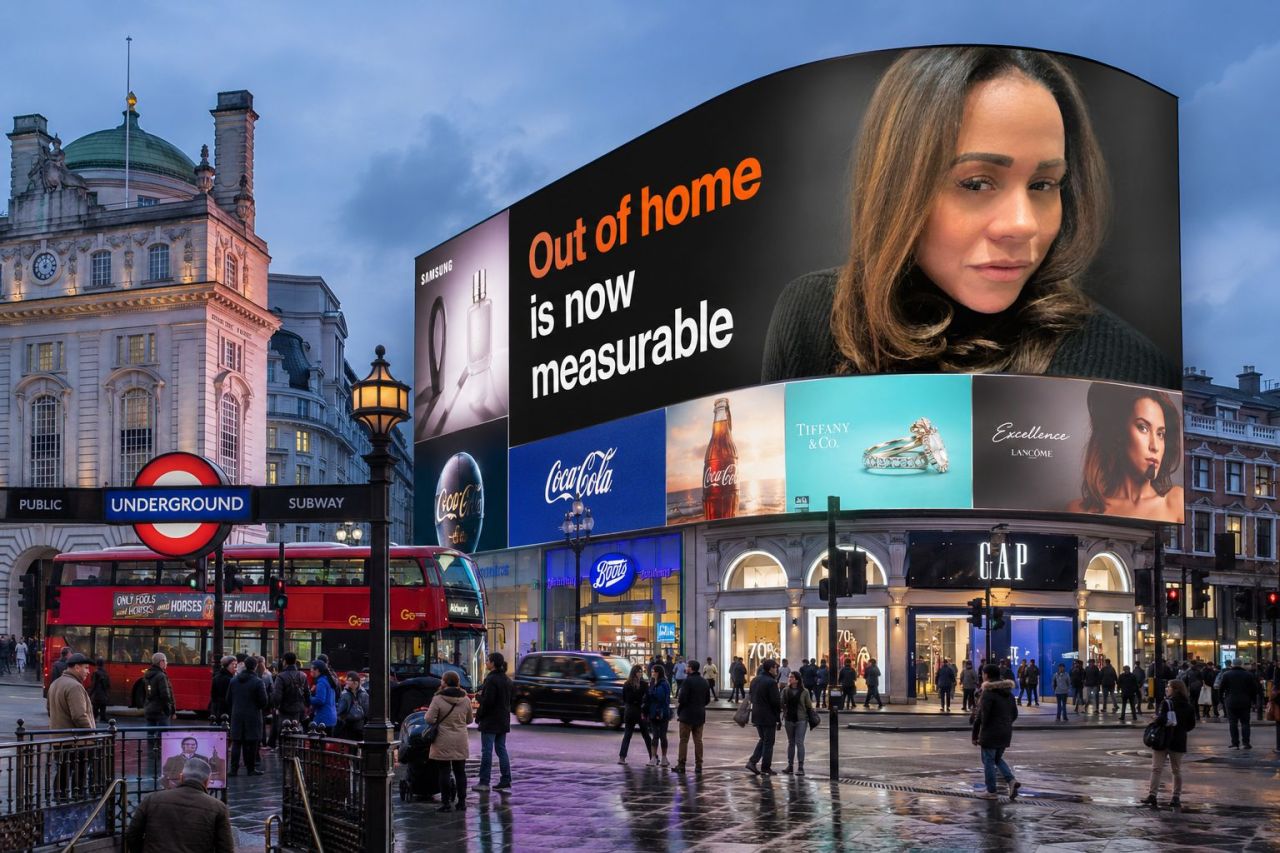
Who knew I was famous haha It’s always great to have conversations with our agency partners about solving client challenges - one I am loving at the moment is making OOH advertising truly accountable. I love out-of-home (OOH), but traditionally it's been all about broad reach, but what's really exciting now is that OOH has a performance element too. By building audiences and then using real-time, super-accurate footfall data to analyse how many people exposed to your OOH campaign actually went on to visit a store, you can see how hard your campaign worked. Oh, and you can also measure incrementality! Let's say you were Tesco - you could build an audience with AudienceQ of people who have visited Sainsbury's, Asda, Waitrose and other supermarkets but have not visited Tesco. You can then measure the people who were exposed to your OOH advertising and went on to visit a Tesco store, and we even measure a control group that was in range but not exposed, just to make sure the results are accurate. 💬 Drop me a note if you'd like to know more. AudienceQ | #LocationIntelligence #LocationData #Omnichannel #Measurement
6 of 32 adsSign up to see every AudienceQ ad, filter by format and date, and get alerts on new ones.
See all 32 adsWatch the companies you care about.
Filter every ad by industry, country, format and network, and get alerts when a company you watch starts running new ads.