On air · 1 of 3 networks
Ascend
- joinascend.com
- Logistics & Transportation
- US
- 73 employees
Ascend’s ads on LinkedIn, Meta and Google, recorded by adsrunning. Browse the latest here for free. Sign up free to see all 46. Watch Ascend with Starter to get each new one in your feed.
Watchlist with Starter · $49/mo
| Network | Status | Live ads | Nov 2025LinkedIn activity · 52 weeksOct 2026 | Checked | Next step |
|---|---|---|---|---|---|
| Running | 37 | Checked 28 Oct 2026 | See all 46 ads → | ||
| Meta | Not checked | — | |||
| None recorded | 0 | No ads found on the Google Ads Transparency Center | Checked 27 Oct 2026 | Collect them with the API → |
Ascend has 37 live LinkedIn ads. We recorded no Google ads on 27 Oct 2026.
Latest ads
- LINKEDIN · IMAGESince 22 Jun 2026
Vibe coding leads to sloppy code as products grow more complex. I’ve built an open source harness to fix that. Coding agents are becoming very good at turning natural language into production-grade code. The problem is that they mostly reason from the current codebase and the current chat thread. Code records HOW a product was built. It does not reliably record WHY it was built, WHAT it is meant to do, or which decisions sit behind it. Over time, that lost intent shows up as duplication, weaker modularity, stack drift, fragile architecture, and new features that break things that used to work. The missing layer is a product wiki: a natural-language layer above the codebase that - explains what the product is supposed to do - breaks the product into atomic units (actors, jobs, stories, rules, journeys) - makes product intent readable in natural language - compiles the wiki into code in specific steps - reflects on how new changes fit into the overall product vision - automatically keeps the wiki and code aligned over time It helps non-technical operators build more complex software while staying close enough to the code to understand it, review it, and stop it turning into slop. link in comments.
- LINKEDIN · VIDEOSince 28 May 2026
I’m open sourcing the GTM system that added $7M ARR for us in 6 months. My last post on it got a lot of attention with hundreds of people reaching out to ask for more information. So… I’ve packaged everything you need to know about building a self-improving, agent-powered GTM system into one presentation → 50 slides → perfectly edible by Claude & Codex → step by step guide to create the full system 🔗 Link: https://lnkd.in/e2sJZ8YU *PS: I’m hiring a GTM engineer to join my team and help Ascend scale from $25M to $50M ARR. DM me if you live in Claude Code / Codex and want to come along for the ride. 🤙
- LINKEDIN · IMAGESince 15 May 2026
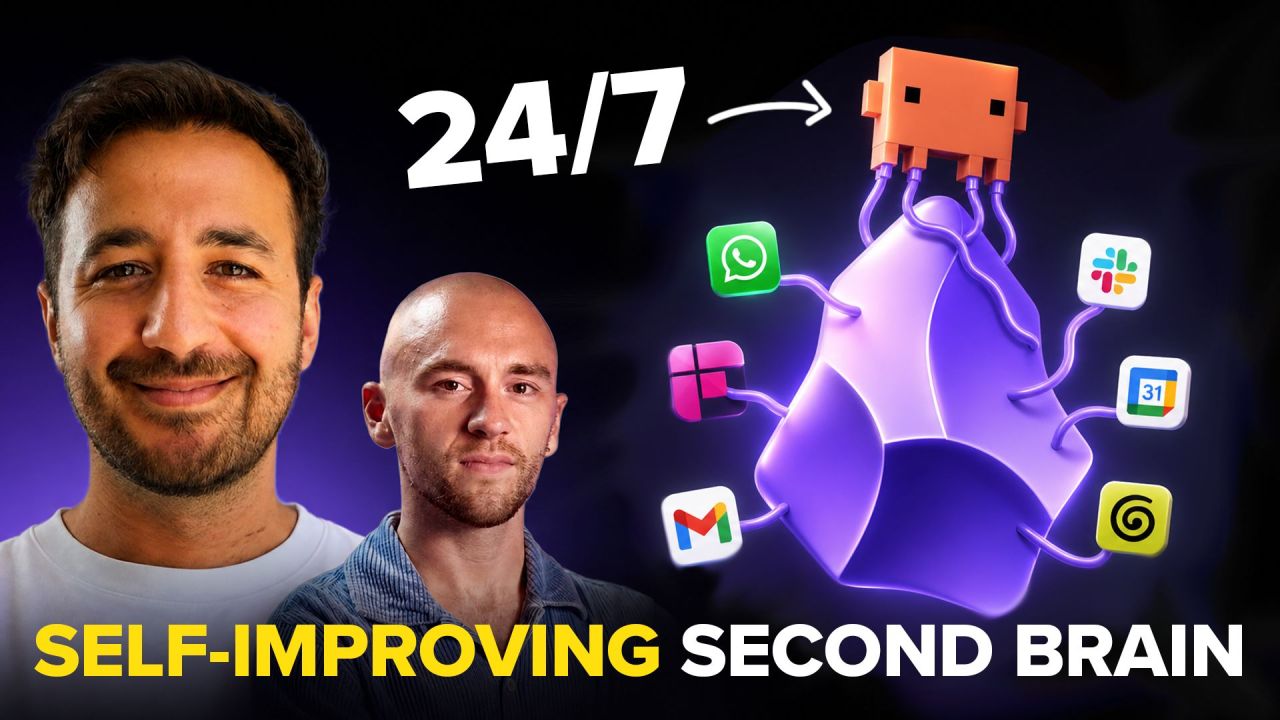
Imagine how much AI you would need to: — Never lose an important piece of information — Never forget an action item — Know what to focus on today above all else — Comfortably hand off most tasks to an AI agent ...not that much. You need Claude Code / Codex to do three things consistently: — Connect to inputs: meetings, emails, Slack, docs — Extract knowledge and tasks — Complete the tasks with the knowledge it has built and some manual guidance I recorded a podcast with James McAulay about this. It comes out on YouTube next week. Read the full write up / get notified about the video here: https://lnkd.in/eXG_q5pg
- LINKEDIN · IMAGESince 21 Apr 2026
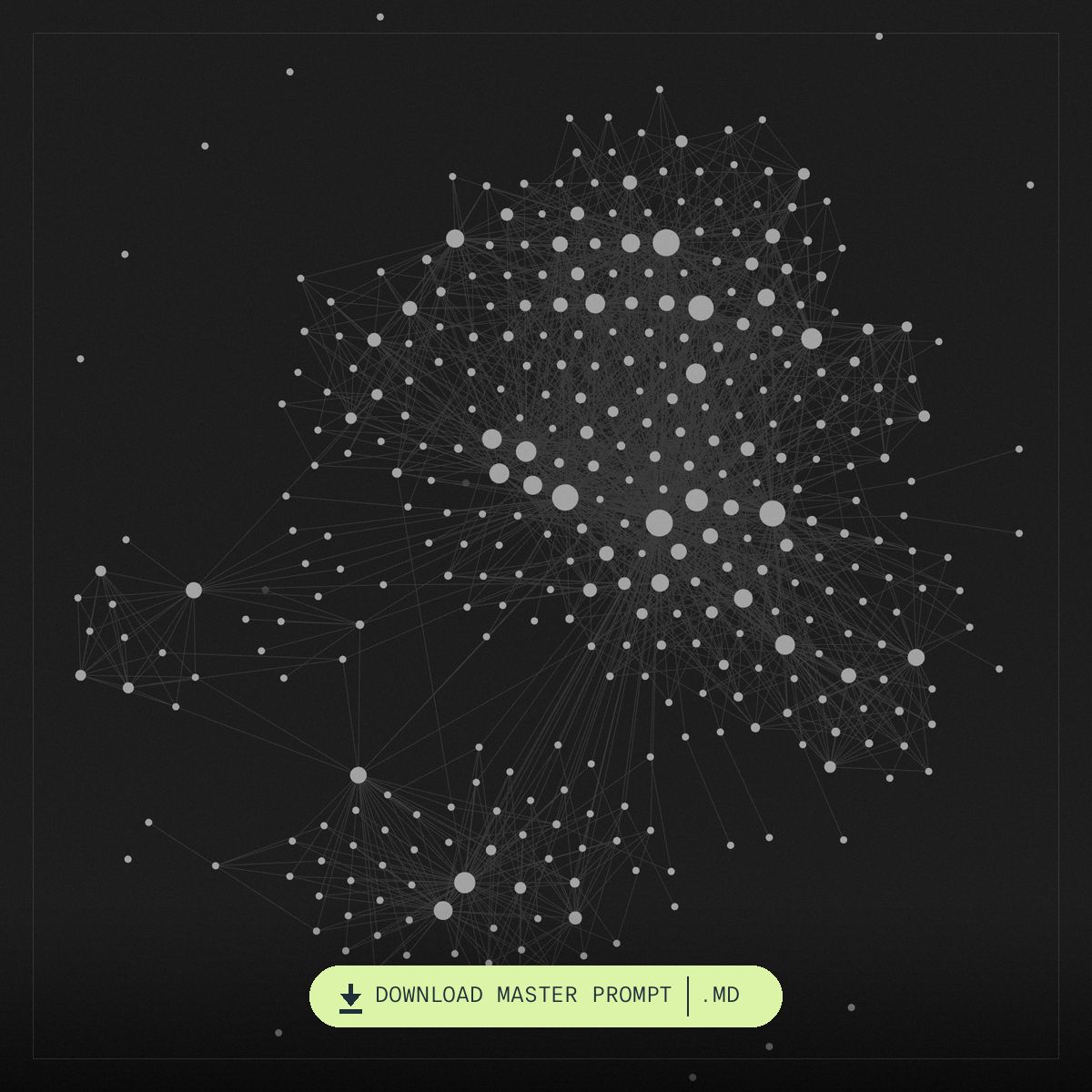
This is what my (second) brain looks like as COO of a $25M ARR company. This image shows the connections within my Claude Code second brain. Each node is a person, topic, or project. Each line shows how they connect. Over the past 12 months I've combined methods from several Claude Code warlocks, including Karpathy, Noah Brier, and Garry Tan, to build my own personal operating system (oOs). My second brain does three things. — Listen: to every meeting, Slack thread, email, and WhatsApp message. — Organise: all of it into a personal Wikipedia of my life that is always up to date. — Surface: a single markdown document each morning that becomes my primary interface for the day. The daily document contains: — Today's priorities — Draft replies for emails and Slacks — A handoff plan for the tasks I'd like Claude Code to work on, with the clarifying questions it needs to work autonomously for the rest of the day. That document is what I spend most of my day editing. I leave comments on each section (like I would on a Google Doc or Notion). Claude Code reviews these comments and addresses them one by one. It feels like working with an incredible teammate across every project. It sounds intimidating. It is not. Underneath, it is just a folder of markdown files, Python scripts, and cron jobs. A bunch of people have reached out after my recent posts to ask for help. So here is a full write-up and a master prompt you can give to Claude Code to build your own: https://lnkd.in/eXG_q5pg
- LINKEDIN · IMAGESince 21 Apr 2026
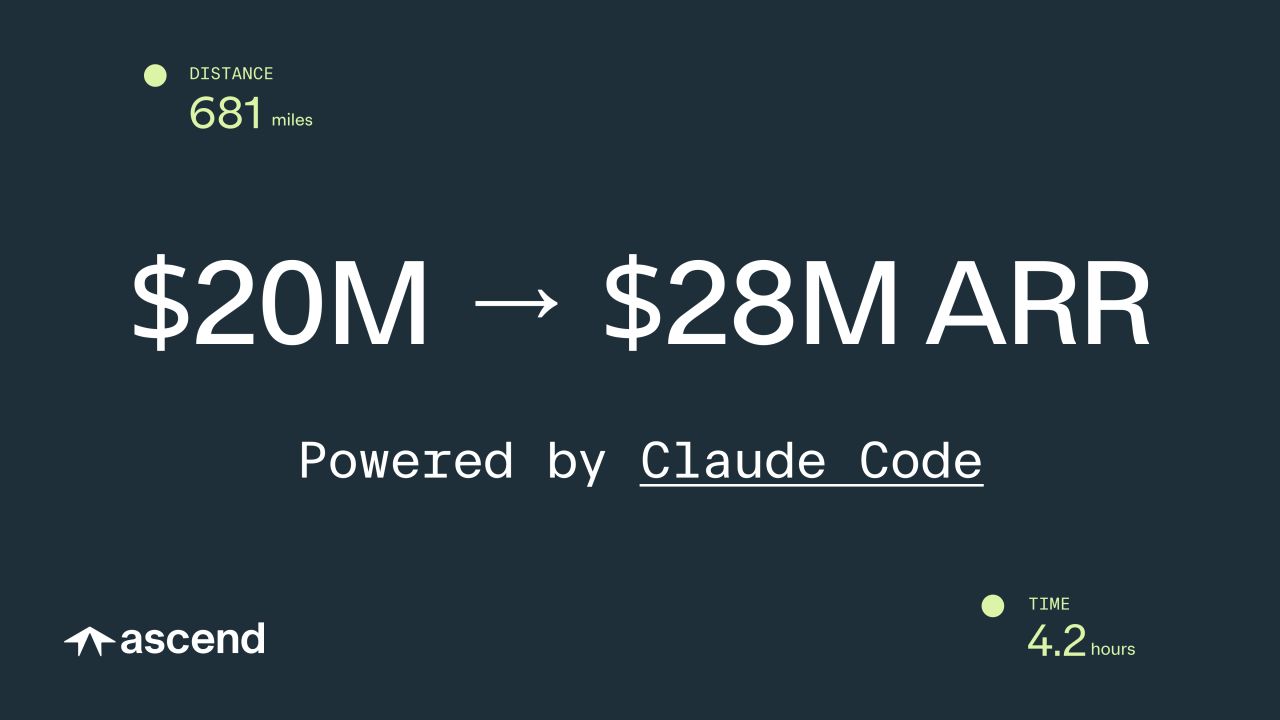
$20M ARR built almost entirely on word-of-mouth. Then we switched on a growth engine I built through Claude Code. 2 months in, it’s returning ~5x on ad spend. January was our best month ever: >$28m ARR, 40% growth since I joined as COO in September. Nearly all of it is built and operated daily through Claude Code. We don’t have a formal Growth team yet. Nonetheless, campaign management, creative generation, attribution and optimisation all run at a level of consistency that would be hard to match by even the best non Claude-native teams. We built the full stack from zero: — Research: Apollo, Clay, Firecrawl, Fireflies.ai, RB2B — Acquire: Meta, LinkedIn, HeyReach.io, Instantly.ai, Draftboard — Convert: HubSpot (full CRM rebuild with end-to-end source attribution) — Execute: Claude Code Really pleased with how this has come together. Full write-up and Claude Skills here: https://lnkd.in/dwvsnqfw
- LINKEDIN · IMAGESince 12 Mar 2026
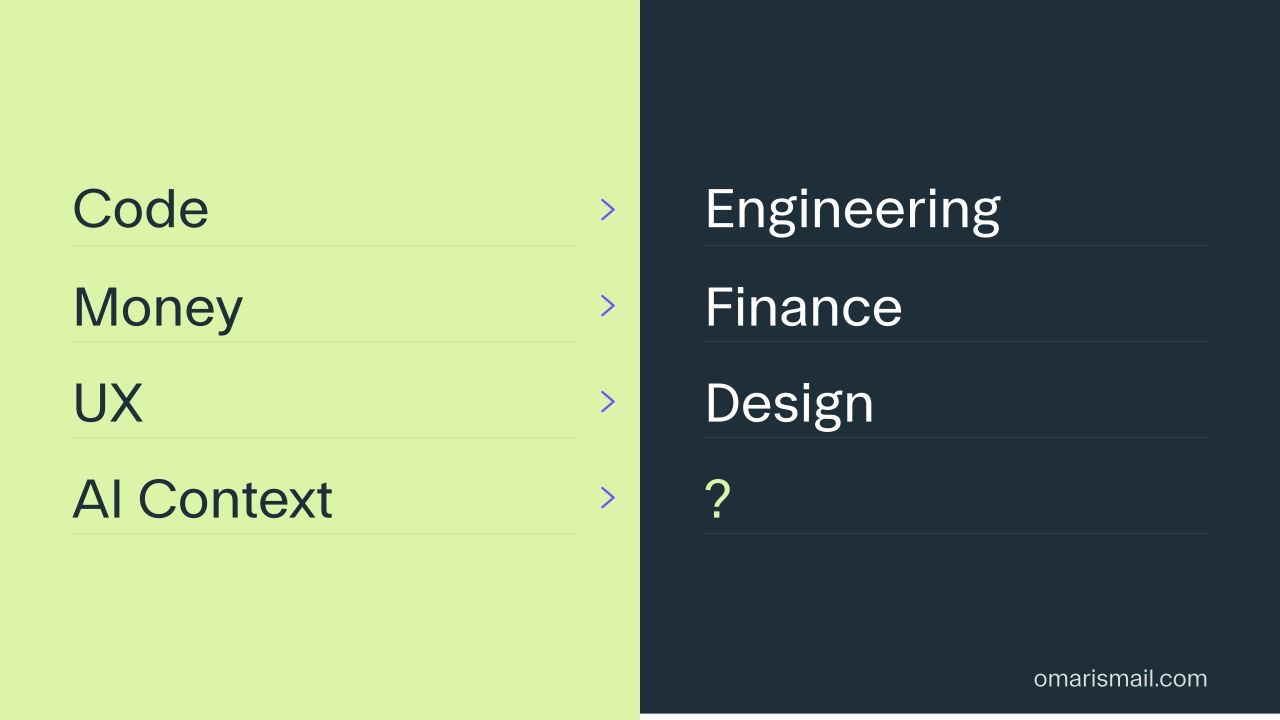
AI is only as good as the context it runs on. Someone at your company owns the code, the finances and the design system. At most companies, nobody owns the AI context. I think we’re about to see a new role: the 'context creator'. The person who structures and maintains the business knowledge AI systems run on. Connectors do not solve this. Plugging Slack and Notion into AI just gives it access to the mess. Structure is what makes it useful. At Ascend, I stumbled into this by accident. As COO, I implemented the EOS framework to help us become a more productive team. It turns out (unintentionally) EOS is also the best AI context system I’ve seen. Why? — It forces you to get clear on your mission, vision, values, strategy, quarterly priorities, KPIs, problems, and decisions. — It enforces a highly structured leadership meeting agenda. Once transcribed and organised, those weekly discussions turn into context gold... the company's biggest problems, decisions made and actions. We've tied it all together with CLAUDE.md as the index, so any AI session starts with the right company context already loaded. Whoever owns this at your company will quietly become one of the most leveraged people there. Full write-up, plus downloadable Claude Code skills: https://lnkd.in/dYR4Pwa4

6 of 46 adsSign up to see every Ascend ad, filter by format and date, and get alerts on new ones.
See all 46 adsWatch the companies you care about.
Filter every ad by industry, country, format and network, and get alerts when a company you watch starts running new ads.