On air · 1 of 3 networks
Andrews Cooper
- andrews-cooper.com
- Industry & Manufacturing
- US
- 193 employees
Andrews Cooper’s ads on LinkedIn, Meta and Google, recorded by adsrunning. Browse the latest here for free. Sign up free to see all 27. Watch Andrews Cooper with Starter to get each new one in your feed.
Watchlist with Starter · $49/mo
| Network | Status | Live ads | Nov 2025LinkedIn activity · 52 weeksOct 2026 | Checked | Next step |
|---|---|---|---|---|---|
| Running | 27 | Checked 30 Oct 2026 | See all 27 ads → | ||
| Meta | None recorded | 0 | No active ads recorded on the Meta Ad Library | Checked 17 Oct 2026 | Collect them with the API → |
| None recorded | 0 | No ads found on the Google Ads Transparency Center | Checked 3 Oct 2026 | Collect them with the API → |
Andrews Cooper has 27 live LinkedIn ads. Its Facebook page had no active ads on 17 Oct 2026, and we recorded no Google ads on 3 Oct 2026.
Latest ads
- LINKEDIN · IMAGERecorded 5 Sept 2026
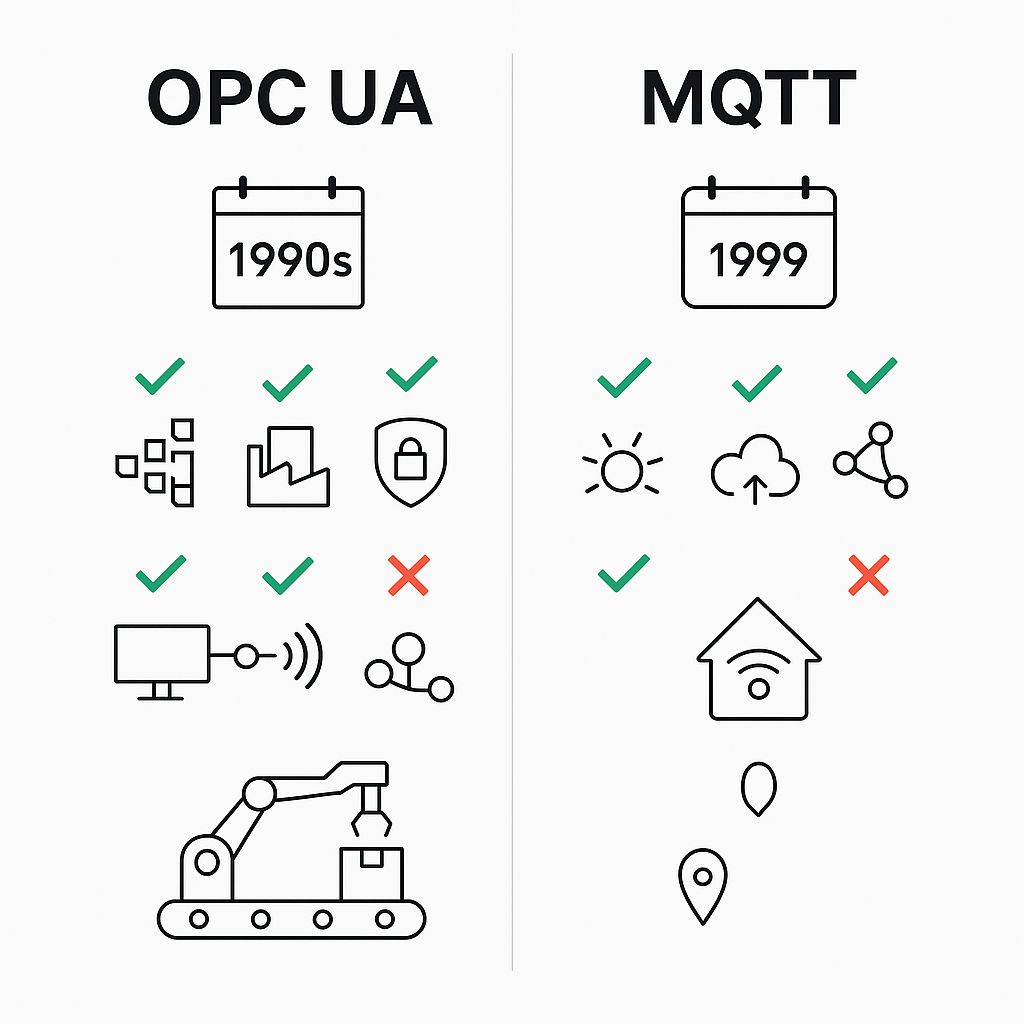
⚠️NERD ALERT⚠️ 🔌 OPC vs. MQTT: What’s the Difference? 🌐 In industrial automation and IoT, two protocols dominate conversations: OPC UA and MQTT. Both solve different problems—but together they’re shaping the future of connected systems. Here’s how they compare: 📜 History OPC UA → Born in the 90s for manufacturing interoperability (PLCs, SCADA, MES). MQTT → Created by IBM for oil & gas telemetry over low-bandwidth networks, now the backbone of IoT. ✅ Pros & ❌ Cons OPC UA ✔️ Rich data models, context, metadata ✔️ Industrial-grade security ✔️ Widely adopted in automation ❌ Heavier, more complex, higher overhead MQTT ✔️ Lightweight, scalable, cloud-friendly ✔️ Perfect for unreliable or low-bandwidth networks ✔️ Decoupled pub/sub architecture ❌ Payloads are unstructured unless you add Sparkplug B ❌ Security is implementation-dependent ⚙️ Capabilities OPC UA → Client/Server + Pub/Sub, alarms, events, historical data, rich semantic modeling. MQTT → Pub/Sub only, ultra-light, works with JSON/Protobuf/binary payloads, excellent for IoT devices. 🌍 Applications OPC UA → Inside the plant: PLCs, SCADA, MES, historians, asset modeling. MQTT → Edge to cloud: IoT, telemetry, predictive maintenance, large-scale distributed systems. 👉 The takeaway: OPC UA = structured, semantic, OT-focused. MQTT = lightweight, scalable, IT/cloud-focused. The smartest systems use both together—OPC UA inside the plant, MQTT to move data to the cloud. --- 💡 Curious to hear: in your work, are you seeing OPC UA vs. MQTT as an either/or decision, or a hybrid play? #Automation #IIoT #OPCUA #MQTT #IndustrialAutomation #SmartManufacturing #DigitalTransformation
- LINKEDIN · IMAGERecorded 5 Sept 2026
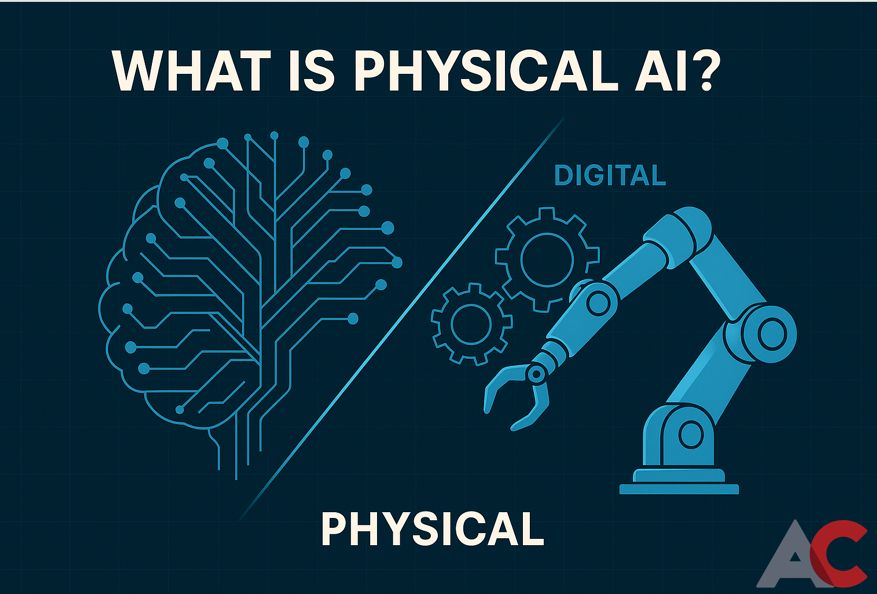
💭 𝗦𝗼 𝗪𝗵𝗮𝘁 𝙄𝙨 “𝗣𝗵𝘆𝘀𝗶𝗰𝗮𝗹 𝗔𝗜” 𝗔𝗻𝘆𝘄𝗮𝘆 — 𝗮𝗻𝗱 𝗪𝗵𝘆 𝗗𝗼𝗲𝘀 𝗜𝘁 𝗠𝗮𝘁𝘁𝗲𝗿? Everyone’s talking about “Physical AI” after SoftBank’s $5.4B move to acquire ABB Robotics. But let’s be honest — it’s become one of those buzzwords that sounds visionary but feels fuzzy. So let’s unpack it 👇 🤖 𝗪𝗵𝗮𝘁 “𝗣𝗵𝘆𝘀𝗶𝗰𝗮𝗹 𝗔𝗜” 𝙍𝙚𝙖𝙡𝙡𝙮 𝗠𝗲𝗮𝗻𝘀 At its core, 𝗣𝗵𝘆𝘀𝗶𝗰𝗮𝗹 𝗔𝗜 𝗶𝘀 𝘄𝗵𝗲𝗻 𝗶𝗻𝘁𝗲𝗹𝗹𝗶𝗴𝗲𝗻𝗰𝗲 𝗹𝗲𝗮𝘃𝗲𝘀 𝘁𝗵𝗲 𝗰𝗹𝗼𝘂𝗱 — 𝗮𝗻𝗱 𝘀𝘁𝗮𝗿𝘁𝘀 𝗮𝗰𝘁𝗶𝗻𝗴 𝗶𝗻 𝘁𝗵𝗲 𝗿𝗲𝗮𝗹 𝘄𝗼𝗿𝗹𝗱. It’s the fusion of: • 𝗔𝗜 𝗺𝗼𝗱𝗲𝗹𝘀 (learning, reasoning, planning) • with 𝗲𝗺𝗯𝗼𝗱𝗶𝗲𝗱 𝘀𝘆𝘀𝘁𝗲𝗺𝘀 (robots, machines, vehicles, tools) • all tied together through 𝗱𝗮𝘁𝗮 𝗳𝗲𝗲𝗱𝗯𝗮𝗰𝗸 𝗹𝗼𝗼𝗽𝘀 that let them 𝘭𝘦𝘢𝘳𝘯 𝘧𝘳𝘰𝘮 𝘱𝘩𝘺𝘴𝘪𝘤𝘢𝘭 𝘰𝘶𝘵𝘤𝘰𝘮𝘦𝘴. Think of it as 𝘈𝘐 𝘸𝘪𝘵𝘩 𝘴𝘬𝘪𝘯 𝘪𝘯 𝘵𝘩𝘦 𝘨𝘢𝘮𝘦. It doesn’t just predict or analyze — it 𝘵𝘰𝘶𝘤𝘩𝘦𝘴, 𝘮𝘰𝘷𝘦𝘴, 𝘢𝘯𝘥 𝘢𝘥𝘢𝘱𝘵𝘴. ⚙️ 𝗪𝗵𝘆 𝗜𝘁’𝘀 𝗮 𝗕𝗶𝗴 𝗗𝗲𝗮𝗹 Until now, AI has mostly lived behind screens. Chatbots, copilots, data models — they shape our digital world, not our physical one. 𝗣𝗵𝘆𝘀𝗶𝗰𝗮𝗹 𝗔𝗜 𝗰𝗵𝗮𝗻𝗴𝗲𝘀 𝘁𝗵𝗮𝘁. It’s what happens when: • A robot learns how to handle fragile materials on its own. • A manufacturing cell self-corrects alignment in real time. • A surgical robot plans its own motion path around tissue variability. • A logistics robot decides not just 𝘸𝘩𝘦𝘳𝘦 to move, but 𝘸𝘩𝘺. We’re merging 𝘪𝘯𝘵𝘦𝘭𝘭𝘪𝘨𝘦𝘯𝘤𝘦 𝘸𝘪𝘵𝘩 𝘦𝘮𝘣𝘰𝘥𝘪𝘮𝘦𝘯𝘵 — closing the loop between simulation, execution, and learning. 🌍 𝗪𝗵𝘆 𝘁𝗵𝗲 𝗧𝗶𝗺𝗶𝗻𝗴 𝗜𝘀 𝗣𝗲𝗿𝗳𝗲𝗰𝘁 Three forces just converged: 1. 𝗠𝗮𝘀𝘀𝗶𝘃𝗲 𝗰𝗼𝗺𝗽𝘂𝘁𝗲 + 𝗲𝗱𝗴𝗲 𝗶𝗻𝗳𝗲𝗿𝗲𝗻𝗰𝗲 → AI brains that fit on-device 2. 𝗨𝗻𝗶𝘃𝗲𝗿𝘀𝗮𝗹 𝘀𝗲𝗻𝘀𝗼𝗿𝘀 → eyes, ears, touch for machines 3. 𝗗𝗮𝘁𝗮 𝗳𝗿𝗼𝗺 𝗺𝗶𝗹𝗹𝗶𝗼𝗻𝘀 𝗼𝗳 𝗽𝗵𝘆𝘀𝗶𝗰𝗮𝗹 𝗶𝗻𝘁𝗲𝗿𝗮𝗰𝘁𝗶𝗼𝗻𝘀 → the real-world training set AI has been missing Now, companies like 𝗔𝗕𝗕, 𝗕𝗼𝘀𝘁𝗼𝗻 𝗗𝘆𝗻𝗮𝗺𝗶𝗰𝘀, 𝗡𝗩𝗜𝗗𝗜𝗔, 𝗮𝗻𝗱 𝗙𝗶𝗴𝘂𝗿𝗲 are racing to turn robotic systems into learning organisms — not preprogrammed machines. 🧠 𝗪𝗵𝗮𝘁 𝗖𝗼𝗺𝗲𝘀 𝗡𝗲𝘅𝘁 The winners in the next decade won’t just be those who build robots — but those who teach 𝘮𝘢𝘵𝘵𝘦𝘳 𝘵𝘰 𝘵𝘩𝘪𝘯𝘬. • Automation firms → evolve toward adaptive, AI-native systems • Manufacturers → design factories that learn across shifts • Integrators → build data bridges, not just PLCs • Engineers → become “physical AI trainers,” not just robot programmers We’re standing at the edge of something massive: the moment intelligence stops being virtual — and starts being 𝗽𝗵𝘆𝘀𝗶𝗰𝗮𝗹. #PhysicalAI #Automation #Robotics #AI #SoftBank #ABB #HardTech #EngineeringTheImpossible #DigitalTransformation #ManufacturingInnovation
- LINKEDIN · VIDEORecorded 5 Sept 2026
How do you 𝐀𝐮𝐭𝐨𝐦𝐚𝐭𝐞 𝐓𝐡𝐞 𝐈𝐦𝐩𝐨𝐬𝐬𝐢𝐛𝐥𝐞? When it comes to bringing new technologies and solutions into #manufacturing you often have to take a different approach on how you address the problem and outcome goal. Throwback to 2024 when Jake Hall stopped by the booth at Automate Show to chat with Harry Richards. A lot has happened since, and we can't wait to show everyone what we're doing at a few shows in 2026. If you're going to be at MD&M Trade Shows West in February or Automate in June, come say hi. #TheManufacturingMillennial #ACPartner #Automation #Robotics #Engineering #RoboticAutomation #AutomateShow #Automate
- LINKEDIN · IMAGERecorded 5 Sept 2026
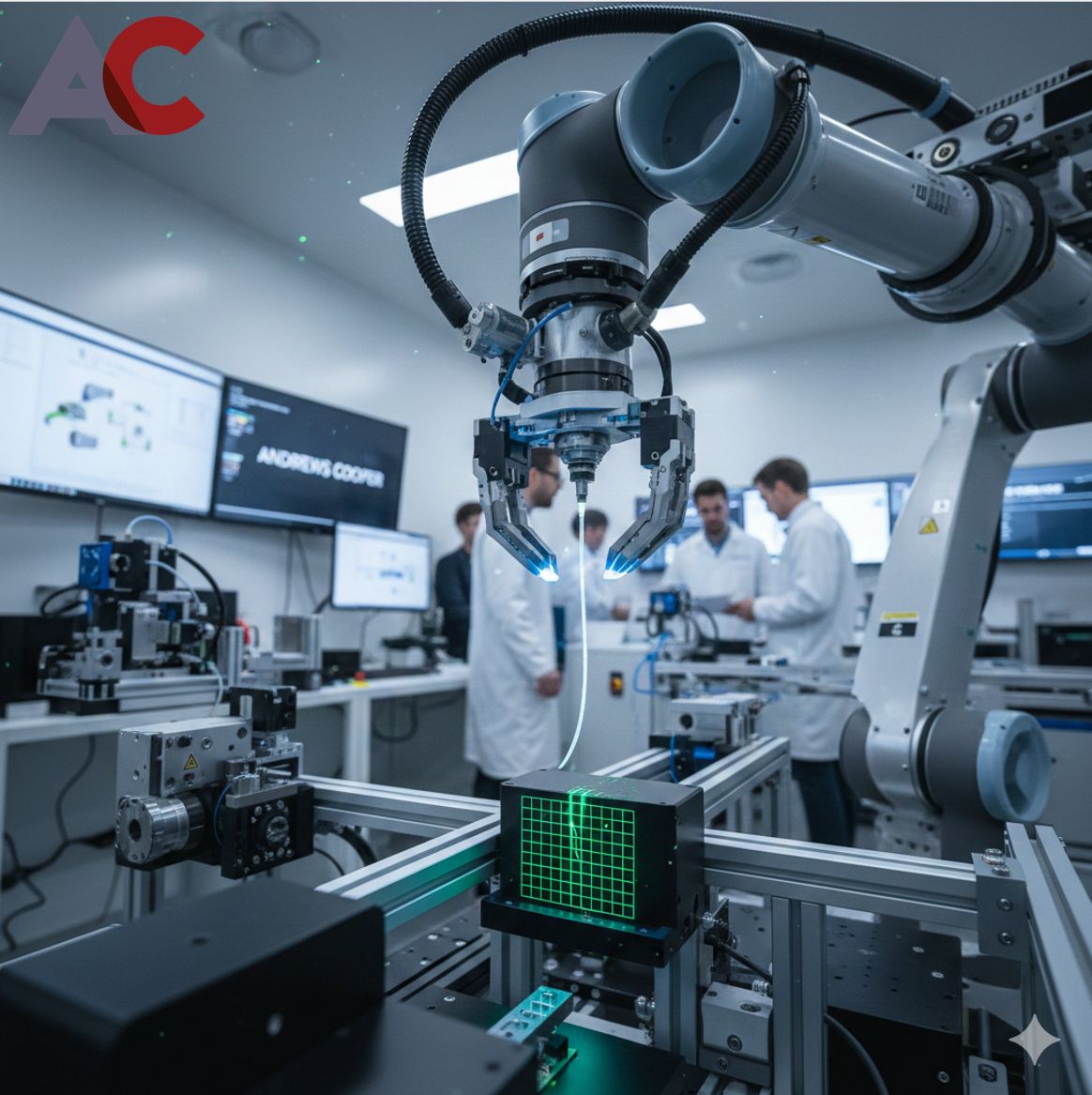
𝟮𝟬𝟮𝟲 𝗔𝘂𝘁𝗼𝗺𝗮𝘁𝗶𝗼𝗻 𝗥𝗲𝗮𝗹𝗶𝘁𝘆 𝗖𝗵𝗲𝗰𝗸 ⚙️ Automation buyers are heading into 2026 with three hard truths: 1. 𝗟𝗮𝗯𝗼𝗿 𝘃𝗼𝗹𝗮𝘁𝗶𝗹𝗶𝘁𝘆 𝗶𝘀 𝗻𝗼𝘁 𝘀𝗹𝗼𝘄𝗶𝗻𝗴 𝗱𝗼𝘄𝗻. 2. 𝗬𝗶𝗲𝗹𝗱 𝗮𝗻𝗱 𝘂𝗽𝘁𝗶𝗺𝗲 𝗽𝗿𝗲𝘀𝘀𝘂𝗿𝗲 𝗸𝗲𝗲𝗽 𝗶𝗻𝗰𝗿𝗲𝗮𝘀𝗶𝗻𝗴. 3. 𝗧𝗵𝗲 𝗲𝗮𝘀𝘆 𝗮𝘂𝘁𝗼𝗺𝗮𝘁𝗶𝗼𝗻 𝗶𝘀 𝗮𝗹𝗿𝗲𝗮𝗱𝘆 𝗯𝗲𝗵𝗶𝗻𝗱 𝘂𝘀. What remains are the 𝗯𝗿𝗶𝘁𝘁𝗹𝗲 𝘀𝘁𝗲𝗽𝘀, the 𝗽𝗿𝗲𝗰𝗶𝘀𝗶𝗼𝗻 𝘀𝘁𝗲𝗽𝘀, the 𝘃𝗮𝗿𝗶𝗮𝘁𝗶𝗼𝗻 𝘀𝗲𝗻𝘀𝗶𝘁𝗶𝘃𝗲 𝘀𝘁𝗲𝗽𝘀, the steps that have burned multiple vendors before. This is exactly where Andrews Cooper performs. 𝗛𝗶𝗴𝗵 𝘀𝗽𝗲𝗲𝗱. 𝗛𝗶𝗴𝗵 𝗽𝗿𝗲𝗰𝗶𝘀𝗶𝗼𝗻. 𝗛𝗶𝗴𝗵 𝗰𝗼𝗻𝘀𝗲𝗾𝘂𝗲𝗻𝗰𝗲 𝗮𝘂𝘁𝗼𝗺𝗮𝘁𝗶𝗼𝗻 for teams who cannot afford guesswork. We deliver robotics, inspection, precision motion, and integration expertise built for 𝗿𝗲𝗮𝗹 𝗺𝗮𝗻𝘂𝗳𝗮𝗰𝘁𝘂𝗿𝗶𝗻𝗴 𝗰𝗼𝗻𝗱𝗶𝘁𝗶𝗼𝗻𝘀, 𝗻𝗼𝘁 𝗶𝗱𝗲𝗮𝗹𝗶𝘇𝗲𝗱 𝗼𝗻𝗲𝘀. And here is the difference. It is not only the systems we build. 𝗜𝘁 𝗶𝘀 𝗵𝗼𝘄 𝘄𝗲 𝗽𝗮𝗿𝘁𝗻𝗲𝗿. We solve problems 𝘄𝗶𝘁𝗵 you rather than 𝗳𝗼𝗿 you. We get in the details by defining the physics, the envelope, the tolerances, and the real failure modes 𝗯𝗲𝗳𝗼𝗿𝗲 𝗵𝗮𝗿𝗱𝘄𝗮𝗿𝗲 𝗲𝘃𝗲𝗿 𝗹𝗲𝗮𝘃𝗲𝘀 𝘁𝗵𝗲 𝗴𝗿𝗼𝘂𝗻𝗱. This approach reduces risk, accelerates clarity, and gives you automation that survives contact with reality. 🔥 𝗕𝗿𝗶𝗻𝗴 𝘂𝘀 𝘆𝗼𝘂𝗿 𝗵𝗮𝗿𝗱𝗲𝘀𝘁 𝗽𝗿𝗼𝗯𝗹𝗲𝗺𝘀. If you are heading to MD&M West, or Automate in 2026, and you have a part that is: • Too small to pick • Too flexible to handle • Too inconsistent to assemble • Too sensitive to inspect ...bring it with you. Five minutes with the right team can save you five months of trial and error. If you want an 𝗵𝗼𝗻𝗲𝘀𝘁 𝗿𝗲𝗮𝗱 on feasibility, cost, and ROI for your 2026 automation roadmap, I am always open to a conversation. We engineer the impossible. #automation #hardtech #robotics #manufacturing #medtech #engineering #precisionautomation #acceleverything #andrewscooper #automate2026 #ces2026 #mdmwest #industrialautomation
- LINKEDIN · IMAGERecorded 5 Sept 2026
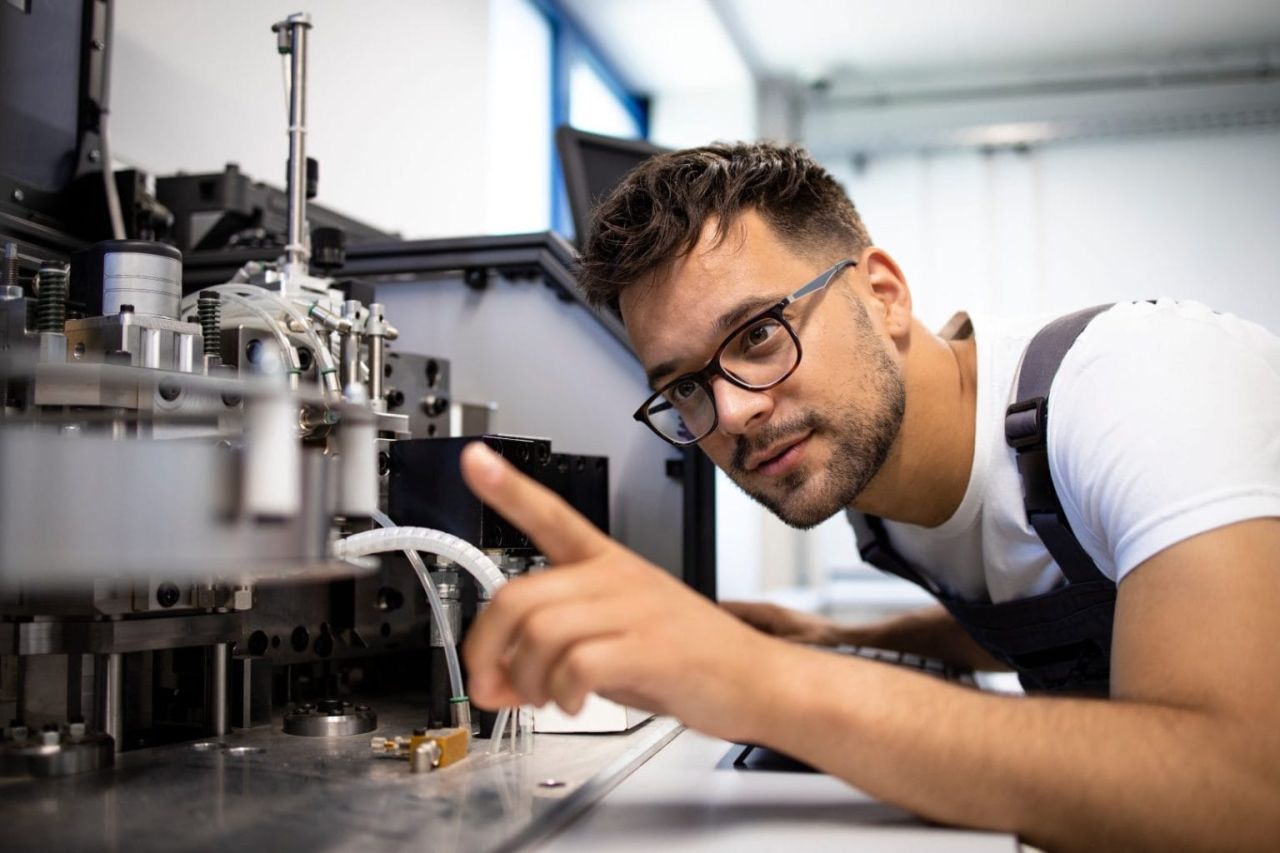
Most microliter dispense issues don’t show up during development. They show up when you try to hit production speed. A droplet that lands perfectly at 10 cycles/min starts wandering at 30. A nozzle that behaves in R&D starts collecting residue after a few hours on the line. A “good enough” calibration routine suddenly isn’t. If your dispense step is the thing dragging down yield or slowing the cycle, you’re not alone — this is one of the most sensitive parts of any automated line. We put together a short breakdown of the failure modes we see once systems hit production.
6 of 27 adsSign up to see every Andrews Cooper ad, filter by format and date, and get alerts on new ones.
See all 27 adsWatch the companies you care about.
Filter every ad by industry, country, format and network, and get alerts when a company you watch starts running new ads.