On air · 2 of 3 networks
AMRO (ASEAN+3 Macroeconomic Research Office)
- amro-asia.org
- Government & Non-profit
- SG
- 138 employees
AMRO (ASEAN+3 Macroeconomic Research Office)’s ads on LinkedIn, Meta and Google, recorded by adsrunning. Browse the latest here for free. Sign up free to see all 127. Watch AMRO (ASEAN+3 Macroeconomic Research Office) with Starter to get each new one in your feed.
Watchlist with Starter · $49/mo
| Network | Status | Live ads | Nov 2025LinkedIn activity · 52 weeksOct 2026 | Checked | Next step |
|---|---|---|---|---|---|
| Running | 125 | Checked 30 Oct 2026 | See all 127 ads → | ||
| Meta | Running | 6 | Active ads on the Meta Ad Library, all countries | Checked 26 Oct 2026 | Collect them with the API → |
| None recorded | 0 | No ads found on the Google Ads Transparency Center | Checked 3 Oct 2026 | Collect them with the API → |
AMRO (ASEAN+3 Macroeconomic Research Office) has 125 live LinkedIn ads. Its Facebook page had 6 active ads on 26 Oct 2026, and we recorded no Google ads on 3 Oct 2026.
Latest ads
- LINKEDIN · IMAGESince 9 Sept 2026
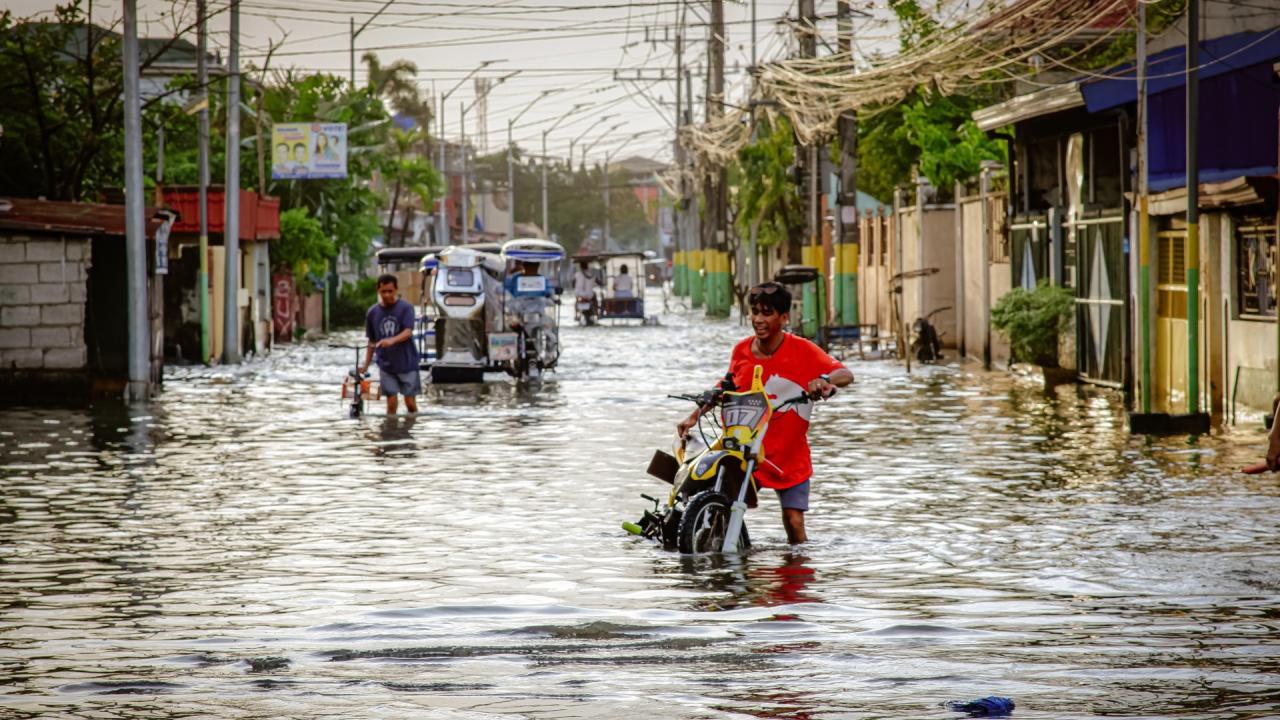
The immediate priority following a natural disaster is to save lives and support affected communities. But recovery also requires rapid and reliable financing. Without it, physical damage can quickly become a macroeconomic shock—driving up food prices, straining public finances, disrupting supply chains, and weakening longer-term growth. In my latest commentary, first published by Project Syndicate, I explain how disaster-risk finance can serve as macroeconomic firewall across ASEAN+3. Prearranged financing can help governments respond quickly, preserve fiscal space, and prevent natural disasters from becoming humanitarian, fiscal, and ultimately financial crises. https://lnkd.in/gbbGHsES
- LINKEDIN · IMAGESince 21 Aug 2026
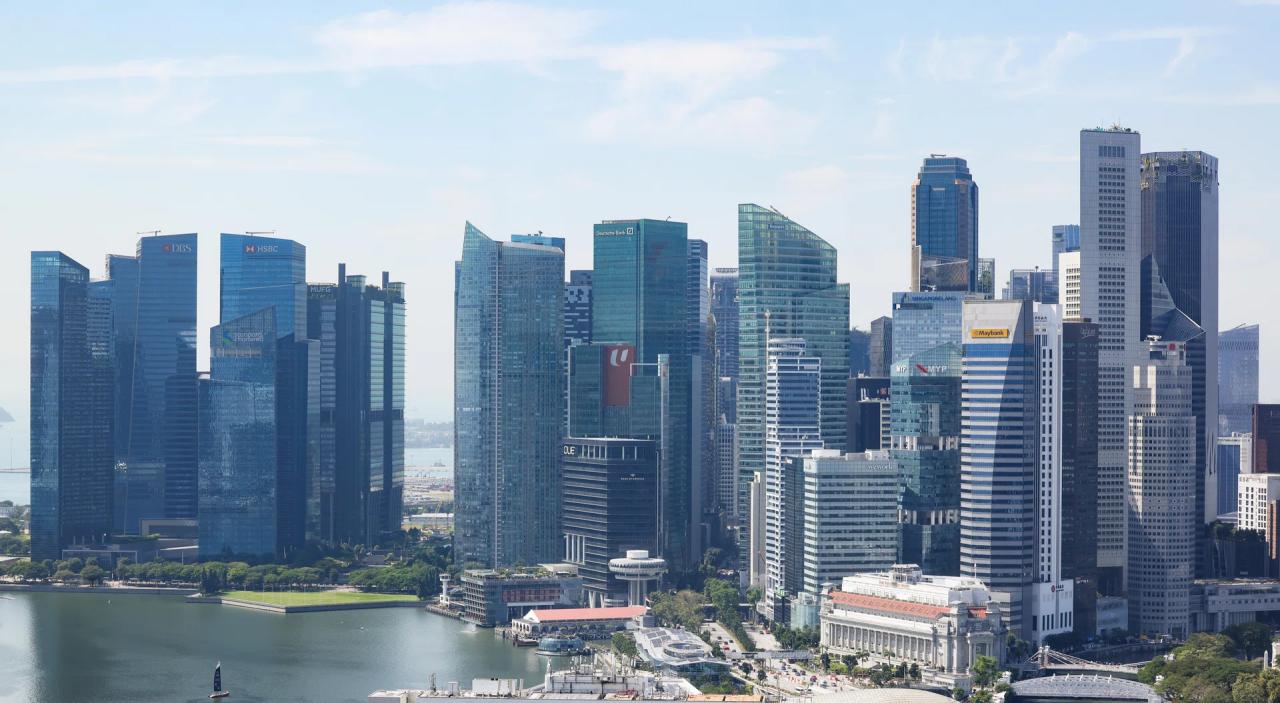
By 2050, one in four people across ASEAN+3 will be aged 65 or older. The region has accumulated substantial savings and pension assets, but assets alone will not prepare it for the economic and fiscal pressures of population aging. In my latest commentary for The Business Times, I emphasize that ASEAN+3 must also strengthen its pension, insurance, and capital-market institutions and deepen regional financial integration. This will help mobilize long-term savings and connect them more effectively with investment needs across the region. ASEAN+3 can still align its financial architecture with its demographic reality, but the window for action is narrowing. https://bt.sg/g/D2jJ
- LINKEDIN · IMAGERecorded 5 Sept 2026
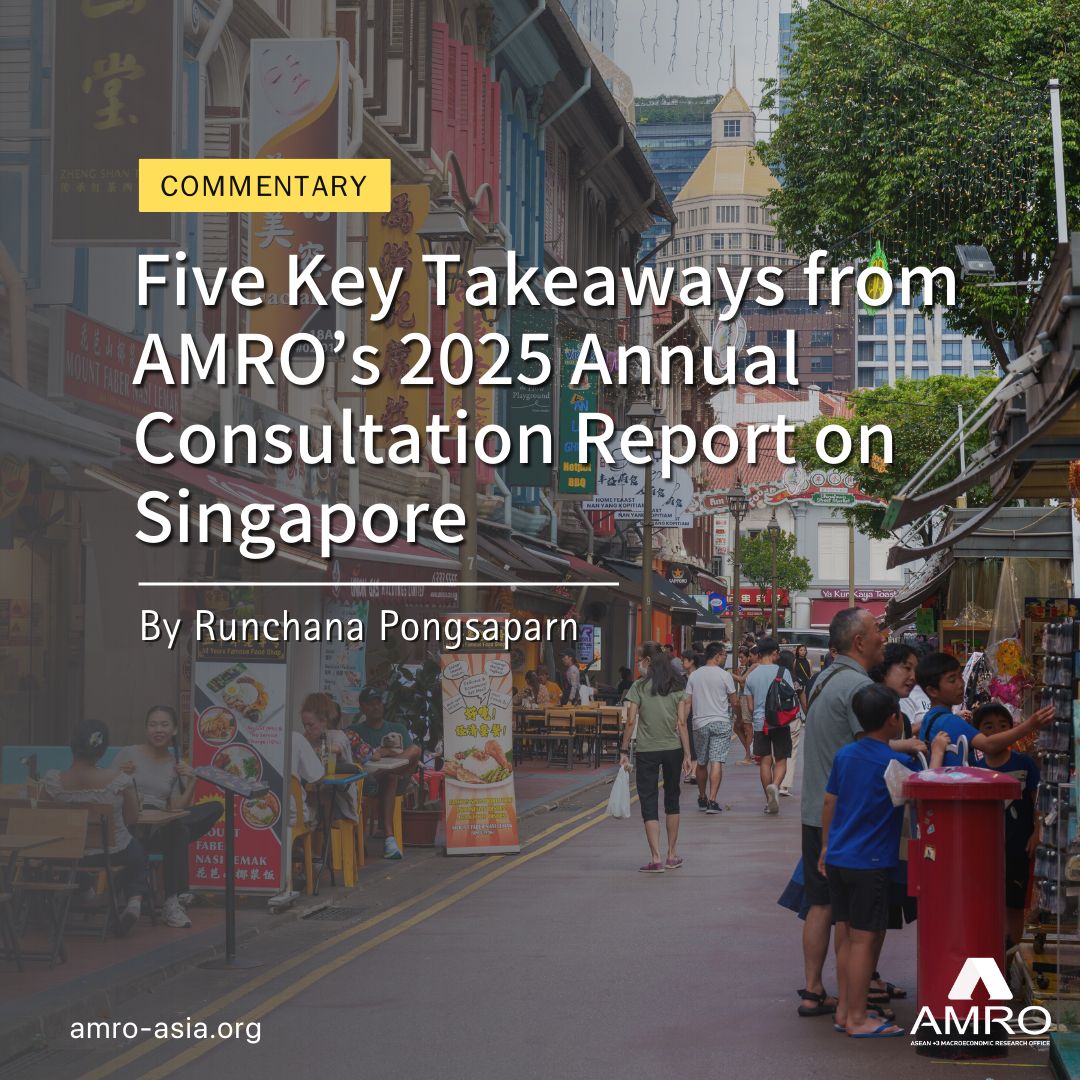
Singapore’s ability to weather external shocks illustrates how strong policymaking, preparedness, and leveraging on structural advantages can reinforce resilience and support future competitiveness and growth. In our latest blog, AMRO Group Head and Lead Economist Runchana Onn Pongsaparn shares her 5 key takeaways from AMRO's Annual Consultation Report on Singapore: bit.ly/4pumzwq
- LINKEDIN · VIDEORecorded 5 Sept 2026
How can the Philippines stay competitive amid a weak manufacturing base and rapid advances in AI? AMRO's analysis highlights the need for a calibrated policy strategy—upgrading modern services, strengthening manufacturing through 'servicification' and infrastructure, investing in people, and managing AI-driven disruptions to sustain inclusive growth and long-term productivity gains. Read more from AMRO’s selected issue on the Philippines, “Growth Potential and Structural Challenges in the Philippines: Role of Manufacturing and Services”: bit.ly/43MTtQ4
- LINKEDIN · IMAGERecorded 5 Sept 2026
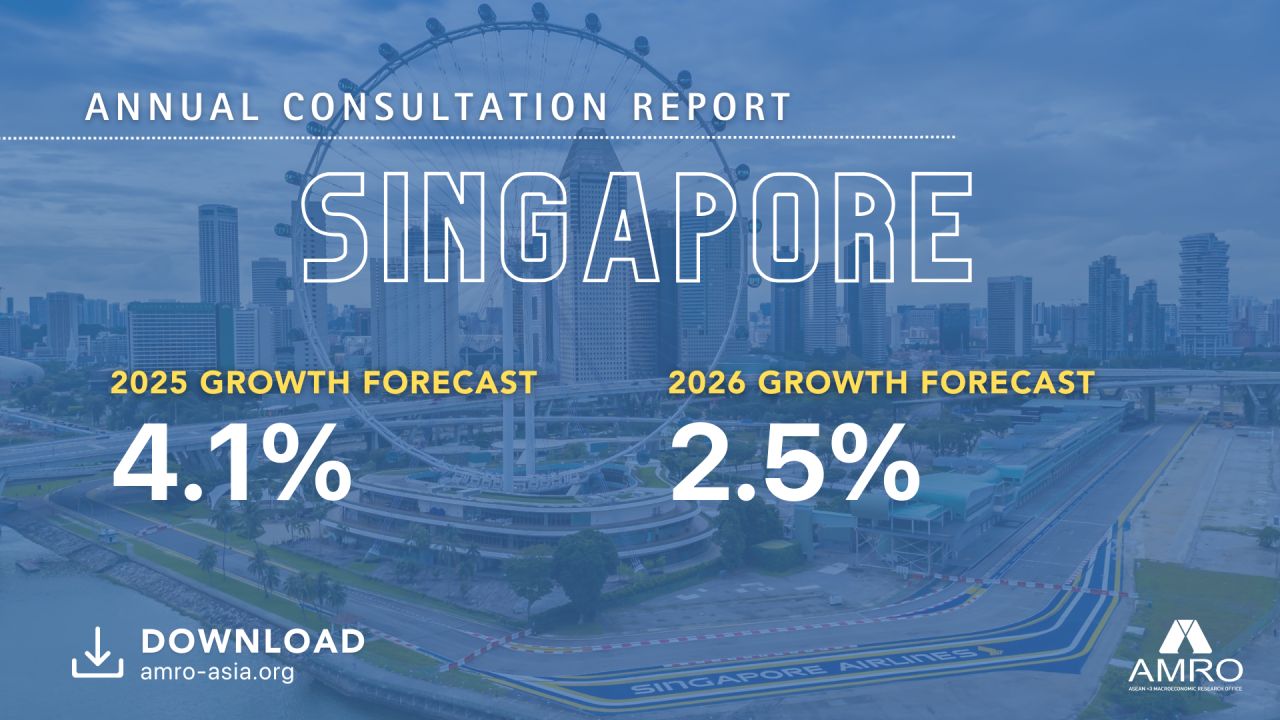
After a strong outturn in 2024 and the first three quarters in 2025, Singapore’s economic growth is set to moderate to 4.1% in 2025 and 2.5% in 2026 as US reciprocal tariffs take effect. Headline inflation is projected to hover around 0.9% in 2025 and 0.8% in 2026. However, external risks dominate the near-term outlook, while structural issues weigh on the longer term. How can Singapore navigate near- and medium-term challenges? ✔ Deploy a fiscal–monetary–trade policy mix to mitigate trade disruptions ✔ Adopt more targeted support to vulnerable households and firms ✔ Increase usage of free trade agreements to unlock new export growth ✔ Boost workforce adaptability and foster a dynamic business environment Read more in AMRO’s 2025 Annual Consultation Report on Singapore: bit.ly/4oGeNy8
- LINKEDIN · IMAGERecorded 5 Sept 2026
Thailand is attracting record FDI—USD 42.2 billion in the first three quarters of 2025, up 94% from a year ago. Digital infrastructure, advanced electronics, and EVs dominate the investment pipeline. But as Part 2 of AMRO’s blog series on Thailand’s transformation notes, FDI alone does not guarantee broader economic benefits. Lasting gains depend on whether investments generate spillovers that strengthen domestic firms and works — from technology transfers, to skills and knowledge development. 👉 Find out how Thailand can make this happen: bit.ly/3KvlxB1

6 of 127 adsSign up to see every AMRO (ASEAN+3 Macroeconomic Research Office) ad, filter by format and date, and get alerts on new ones.
See all 127 adsWatch the companies you care about.
Filter every ad by industry, country, format and network, and get alerts when a company you watch starts running new ads.