On air · 1 of 3 networks
AHV International
- ahvint.com
- Healthcare & Life Sciences
- NL
- 276 employees
AHV International’s ads on LinkedIn, Meta and Google, recorded by adsrunning. Browse the latest here for free. Sign up free to see all 54. Watch AHV International with Starter to get each new one in your feed.
Watchlist with Starter · $49/mo
| Network | Status | Live ads | Nov 2025LinkedIn activity · 52 weeksOct 2026 | Checked | Next step |
|---|---|---|---|---|---|
| Running | 9 | Checked 30 Oct 2026 | See all 54 ads → | ||
| Meta | None recorded | 0 | No active ads recorded on the Meta Ad Library | Checked 16 Oct 2026 | Collect them with the API → |
| Not checked | — |
AHV International has 9 live LinkedIn ads. Its Facebook page had no active ads on 16 Oct 2026.
Latest ads
- LINKEDIN · FOLLOWSince 2 Aug 2026
Get the latest jobs and industry news
- LINKEDIN · IMAGESince 28 Mar 2026
Viral infections in dairy cattle represent a significant challenge to health and productivity due to their systemic metabolic cost, inflammatory burden and prolonged effects on milk production. This white paper reviews the physiological mechanisms underlying production losses during viral infections and outlines a science-aligned supportive framework.
- LINKEDIN · IMAGESince 28 Mar 2026
Bluetongue virus (BTV) provides a well-documented example of viral challenge associated with measurable milk yield losses at herd level. In addition, recent peer-reviewed literature has confirmed highly pathogenic avian influenza (HPAI) H5N1 infections in dairy cattle in the United States. This reinforces the importance of preparedness for viral stressors and robust supportive strategies. This white paper reviews the physiological mechanisms underlying production losses during viral infections and outlines a science-aligned supportive framework.
- LINKEDIN · IMAGESince 28 Mar 2026
Viral infections in dairy cattle represent a significant challenge to health and productivity due to their systemic metabolic cost, inflammatory burden and prolonged effects on milk production. Antiviral treatment options are limited in food-producing animals. That’s why supportive management strategies that sustain energy availability, hydration, and immune balance are essential to facilitate recovery. This white paper reviews the physiological mechanisms underlying production losses during viral infections and outlines a science-aligned supportive framework.
- LINKEDIN · IMAGESince 26 Nov 2025
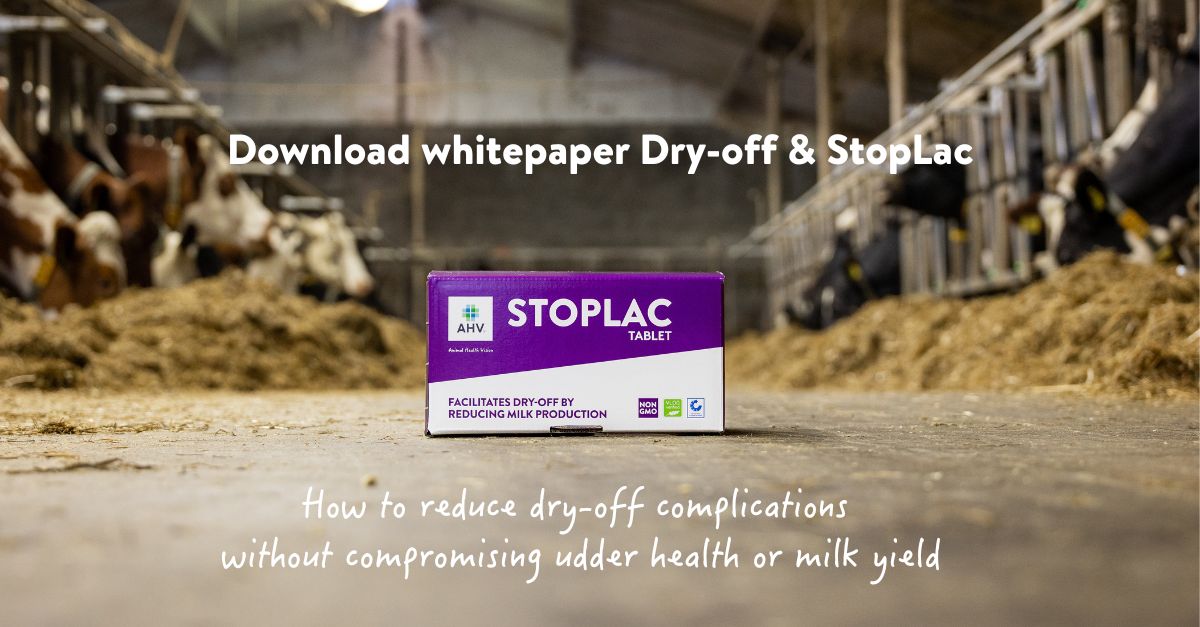
Reduce dry-off complications without compromising udder health or milk yield. High milk yields at dry-off and delayed teat closure increase the risk of new IMIs. New research shows that an abrupt, well-supported dry-off can improve outcomes for both cow and farmer. Key benefits shown in recent studies: • Significant lower milk production within 24 hours → less engorgement and leakage • Up to 85% fewer leaking quarters • Better metabolic stability around calving • Lower risk of new infections in the next lactation without increases in SCC or mastitis Want to learn which strategies make this possible? Download the full dry-off insights document.
- LINKEDIN · IMAGESince 26 Nov 2025
New insights from university research, CRO studies and field data show that targeted support around dry-off can lead to: • Significant lower milk production within 24 hours (Utrecht University), resulting in less udder engorgement and reduced leakage • Up to 85% fewer leaking quarters, a key predictor for new IMIs • Improved metabolic stability around calving, including lower NEFA and better liver parameters • Reduced risk of new infections in the next lactation, without increases in SCC or mastitis Want to learn which strategies make this possible? Download the full dry-off insights document.

6 of 54 adsSign up to see every AHV International ad, filter by format and date, and get alerts on new ones.
See all 54 adsWatch the companies you care about.
Filter every ad by industry, country, format and network, and get alerts when a company you watch starts running new ads.