Not on air · 2 of 3 networks checked
ADAPT Global Limited
- adapt.mobi
- Hardware & Electronics
- GB
- 39 employees
ADAPT Global Limited’s ads on LinkedIn, Meta and Google, recorded by adsrunning. Browse the latest here for free. Sign up free to see all 30. Watch ADAPT Global Limited with Starter to get each new one in your feed.
Watchlist with Starter · $49/mo
| Network | Status | Live ads | Nov 2025LinkedIn activity · 52 weeksOct 2026 | Checked | Next step |
|---|---|---|---|---|---|
| None recorded | 0 | Checked 30 Oct 2026 | See all 30 ads → | ||
| Meta | Not checked | — | |||
| None recorded | 0 | No ads found on the Google Ads Transparency Center | Checked 29 Oct 2026 | Collect them with the API → |
ADAPT Global Limited has no live LinkedIn ads. We recorded no Google ads on 29 Oct 2026.
Latest ads
- LINKEDIN · IMAGESince 20 Oct 2026
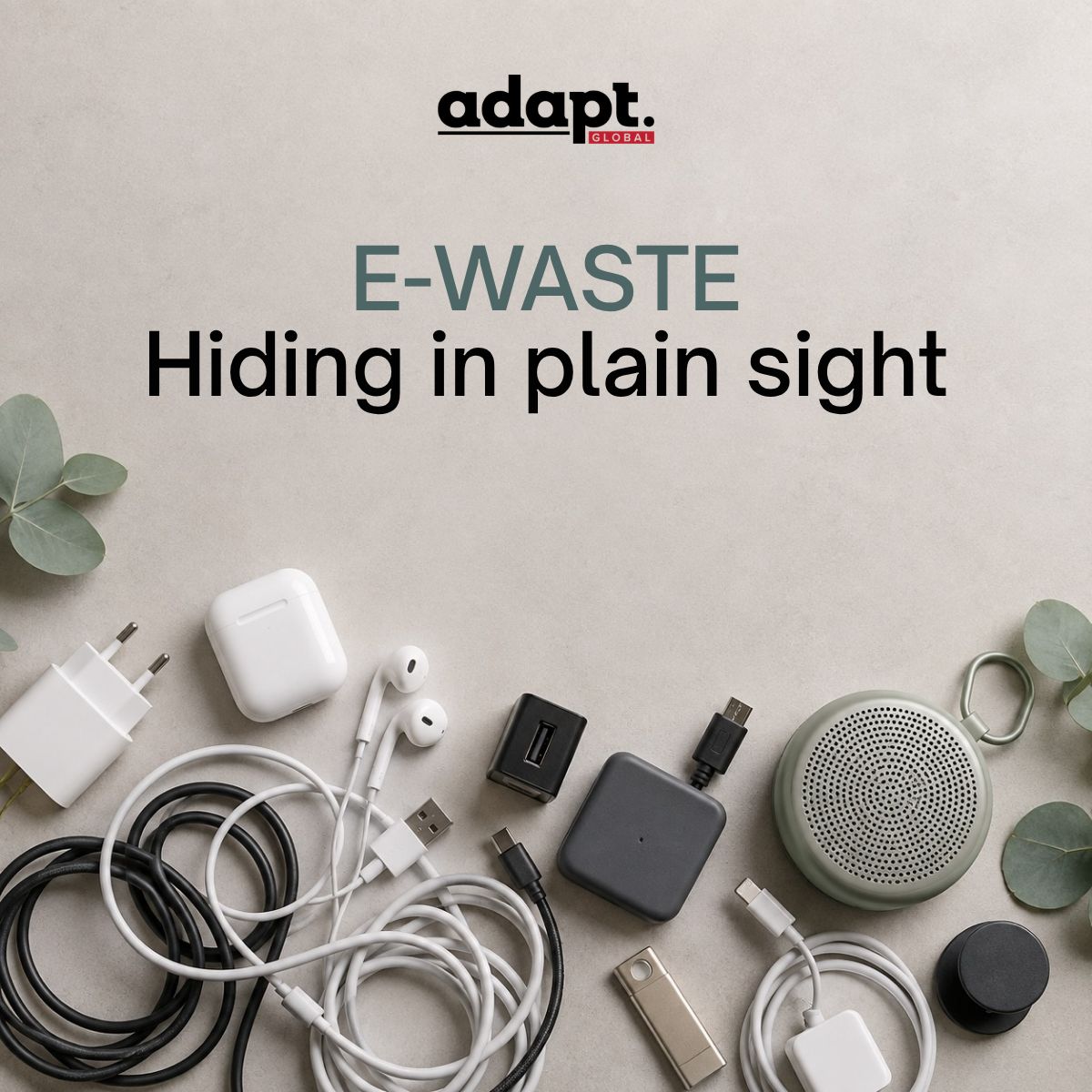
Not all e-waste looks like an old phone or laptop. Sometimes it is the charging cable you replaced months ago. The earphones that stopped working. A USB adapter, mini fan or small electronic gadget that ended up in a drawer because you weren't quite sure what to do with it. This year's International E-Waste Day is putting the spotlight on exactly that. The 2026 theme is Fast Tech: small, inexpensive electronics that are easy to buy, easy to replace and often overlooked when they reach the end of their useful life. Their size and price might make them feel insignificant. Their waste adds up. On 14 October, the reminder is simple: responsible technology lifecycles don't only apply to the big-ticket devices we think about first. Small tech counts too. #InternationalEWasteDay #FastTech #EWaste #CircularTechnology
- LINKEDIN · IMAGESince 20 Oct 2026
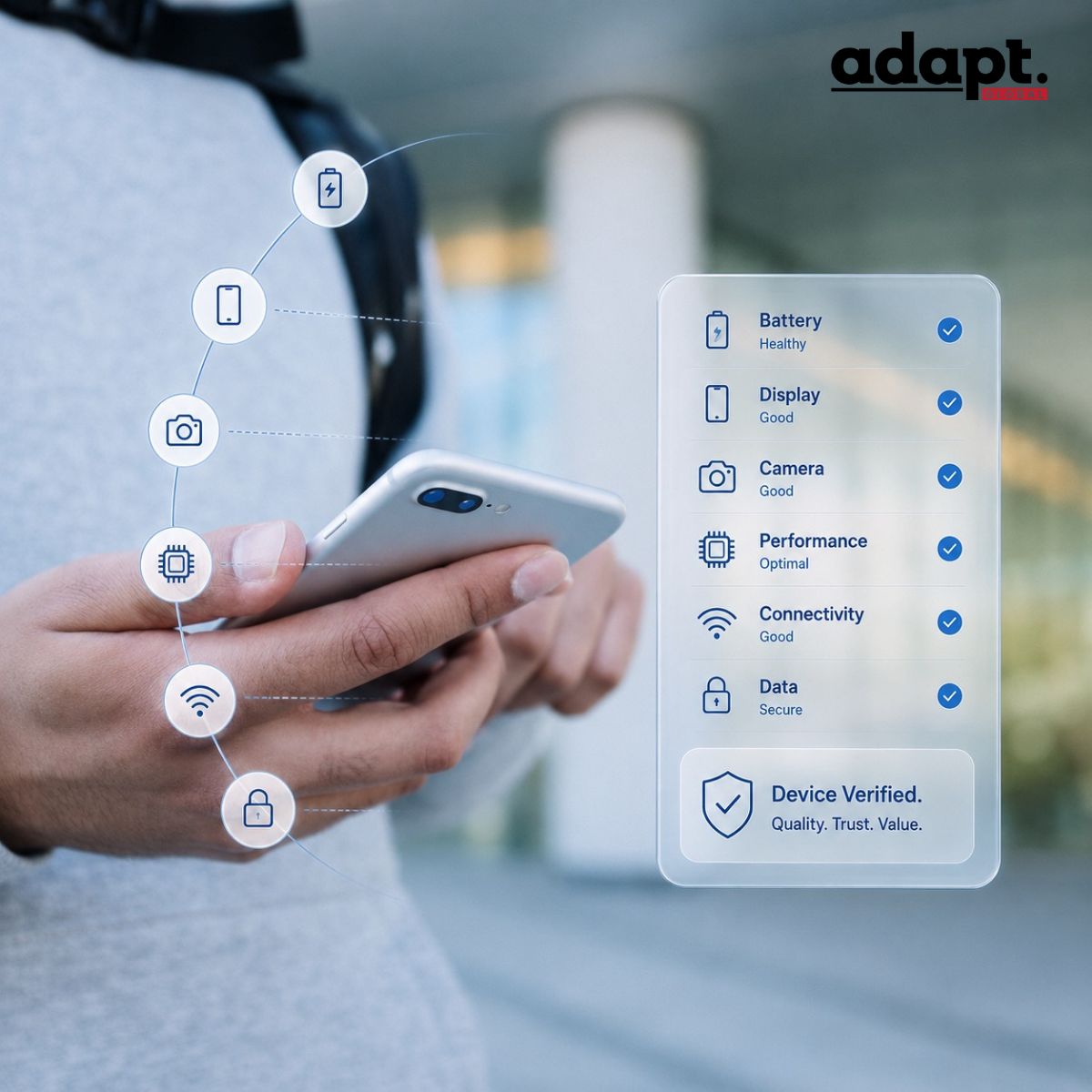
Repair is an important part of extending the life of technology. But it isn't always the right next step. A device might be technically repairable and still make little commercial sense to repair. Its age matters. So does the cost of the parts, the condition of the rest of the device, remaining software support, current demand and what the product is likely to be worth once the work is done. That makes repair less of a yes-or-no question and more of a lifecycle decision. Sometimes repairing a device preserves the most value. Sometimes another route makes more sense. International Repair Day on 17 October is a good moment to look at repair this way. Good repair strategies are not simply about repairing more. They are about making better decisions about what should be repaired, when, and why. For ADAPT, repair is one part of a much wider lifecycle decision: understanding the device, the economics and the best route forward. #InternationalRepairDay #Repair #DeviceLifecycle #CircularTechnology
- LINKEDIN · IMAGESince 20 Oct 2026
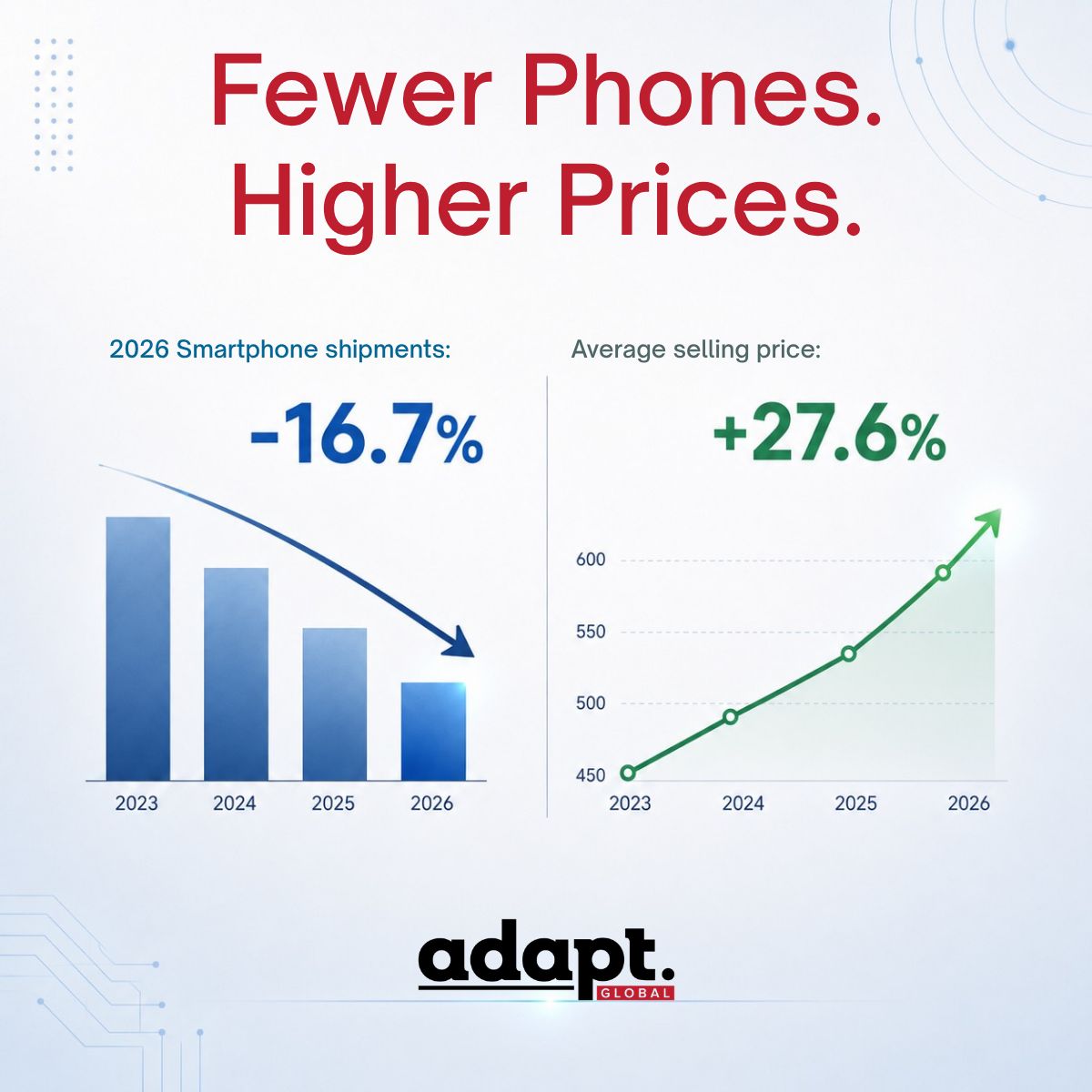
2026 is showing an unusual split in the smartphone market: fewer devices, higher value. IDC now expects global smartphone shipments to fall 16.7% this year, while the average selling price climbs 27.6% to $581. Behind much of that shift is the global memory shortage. Rising NAND and DRAM costs are putting manufacturers under pressure, particularly at the more affordable end of the market. The effect doesn't stop at the new-device market. When the cost of replacing a device rises, the technology already in circulation becomes more valuable too. Keeping a device for longer starts to make more sense. So does repairing it. Trade-in values matter more. And access to quality pre-owned technology becomes increasingly important. It is a useful reminder that the new-device and secondary markets don't operate separately. Change the economics of one, and you change the opportunity in the other. #MobileIndustry #DeviceEconomics #SecondaryMarket #CircularTechnology
- LINKEDIN · IMAGESince 20 Oct 2026
For a long time, repair and refurbishment were discussed mainly through a sustainability lens. IFA 2026 showed how much broader that conversation has become. Repair, refurbishment and longer product lifecycles were being discussed alongside after-sales, customer retention, spare-parts availability, unit economics and business models that can actually scale. The commercial side of circularity is becoming much harder to separate from the environmental one. Keeping products in use for longer only works at scale when the model also retains value, works operationally and makes financial sense. For manufacturers, retailers, operators and service partners, the conversation is moving beyond the question of whether products should stay in use for longer. The more useful question is how the systems behind that next stage of the lifecycle are designed to work. That is when circularity becomes part of the business model, rather than something that sits alongside it. At ADAPT, we’re especially interested in how circularity can work commercially, operationally and at scale. #CircularBusiness #DeviceLifecycle #ConsumerTechnology #CircularTechnology
- LINKEDIN · IMAGESince 20 Oct 2026
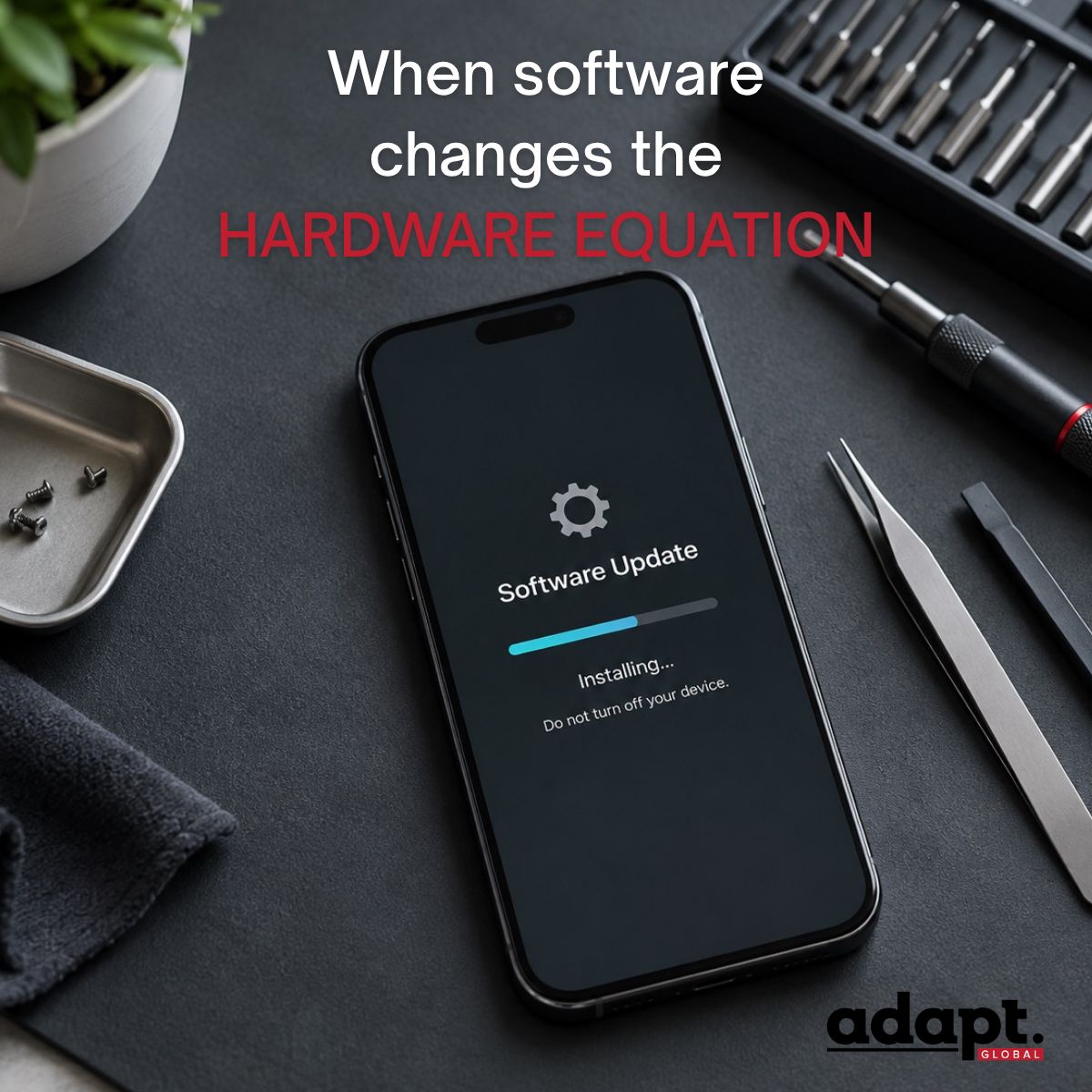
A device’s useful life isn’t determined by hardware condition alone. Software is increasingly part of the equation too. India’s consumer regulator is investigating Apple’s software warranty terms after complaints that an iOS 18 update caused display and microphone issues on some iPhones, leaving users facing significant repair costs. Apple disputes the allegations, says it found no systemic issue, and no finding of liability has been made. The wider industry question is where responsibility sits when software and hardware problems become difficult to separate. For manufacturers, retailers, repair providers, insurers and recommerce businesses, that can affect warranty decisions, repair costs and whether a device still makes economic sense to keep in use. As devices become more software-dependent, lifecycle decisions increasingly need to account for more than physical condition alone. Software support, warranty responsibility and repair economics are becoming part of the same conversation. #DeviceLifecycle #RepairEconomics #ConsumerTechnology #CircularTechnology
- LINKEDIN · IMAGESince 18 Jun 2026
Clarity changes the result. But ownership shapes it. Across the device lifecycle, responsibility shifts at every stage, from trade-in and grading to repair, resale, and beyond. Different teams. Different systems. Different priorities. Each plays a role, but no single stage owns the full picture. And that’s often where accountability gets lost. Because when responsibility is spread out, it becomes harder to track who is driving performance. The challenge isn’t just managing devices. It’s understanding who is responsible for what, and how each contribution affects the final result. That’s where a more structured approach starts to bring accountability into focus. #ADAPTGlobal #CircularEconomy


6 of 30 adsSign up to see every ADAPT Global Limited ad, filter by format and date, and get alerts on new ones.
See all 30 adsWatch the companies you care about.
Filter every ad by industry, country, format and network, and get alerts when a company you watch starts running new ads.