On air · 1 of 3 networks
Waterford.org
- waterford.org
- E-Learning Providers
- US
- 362 employees
Waterford.org’s ads on LinkedIn, Meta and Google, recorded by adsrunning. Browse the latest here for free. Sign up free to see all 59. Watch Waterford.org with Starter to get each new one in your feed.
Watchlist with Starter · $49/mo
| Network | Status | Live ads | Nov 2025LinkedIn activity · 52 weeksNov 2026 | Checked | Next step |
|---|---|---|---|---|---|
| None recorded | 0 | Checked 1 Nov 2026 | See all 59 ads → | ||
| Meta | Running | 17 | Active ads on the Meta Ad Library, all countries | Checked 28 Oct 2026 | Collect them with the API → |
| Recently | 57 | Ads on the Google Ads Transparency Center | Checked 15 Oct 2026 | Collect them with the API → |
Waterford.org has no live LinkedIn ads. Its Facebook page had 17 active ads on 28 Oct 2026, and we recorded 57 Google ads on 15 Oct 2026.
Latest ads
- LINKEDIN · JOBSince 6 Apr 2026
- LINKEDIN · FOLLOWRecorded 2 Oct 2026
Get the latest jobs and industry news
- LINKEDIN · IMAGERecorded 30 Oct 2026
What will today's preschoolers need to thrive in a world that doesn't yet exist? As Waterford.org celebrates 50 years of impact in early learning, that is the question I have been thinking about most. Milestones like this naturally invite reflection. As I have considered what 50 years means, I am focused less on where we've been and more on the children who will shape the next 50 years. The world they are growing up in will look very different from the one many of us experienced. AI, emerging technologies, and changing workforce demands will transform how we learn, work, and connect at breakneck speeds. While it is impossible to predict exactly what that future will hold, one thing is clear: children will need more than knowledge. They will need strong foundational skills, confidence, adaptability, curiosity, and a lifelong love of learning. That is why I believe one of the most important questions in education today is not simply how we prepare children for kindergarten. It is how we prepare them for everything that comes after. We often talk about kindergarten readiness, and for good reason. A strong start matters. But kindergarten readiness is not the destination. It is the foundation. But the way we help children achieve that strong start will continue to evolve. The future of early learning won’t be defined by technology. Technology is a tool, not a solution. We must ground our work in the human connection between a child, educator, and a family member. Technology can support and enhance that connection, but it can never replace it. At the same time, we cannot eliminate technology from the equation. We must study and evaluate the pros and cons of technology, but if we ignore it, we will be doing this generation of children a disservice. We must effectively use innovation to strengthen the human connections that matter the most. New tools can help personalize learning, expand access, and support educators and caregivers in powerful ways. When I think about the next 50 years, I am optimistic. Not because of the technologies we will create, but because of the opportunities we will have to reach more children, support more families, and empower more educators than ever before. That is what makes this milestone meaningful to me. It is not simply a celebration of what we have accomplished over the last 50 years. It is a reminder that the most important work is still ahead of us. As we look toward the next 50 years, what do you see as the opportunities and challenges that we collectively must address so that children thrive in the next 50+ years? I would love to hear your perspective.
- LINKEDIN · IMAGERecorded 30 Oct 2026
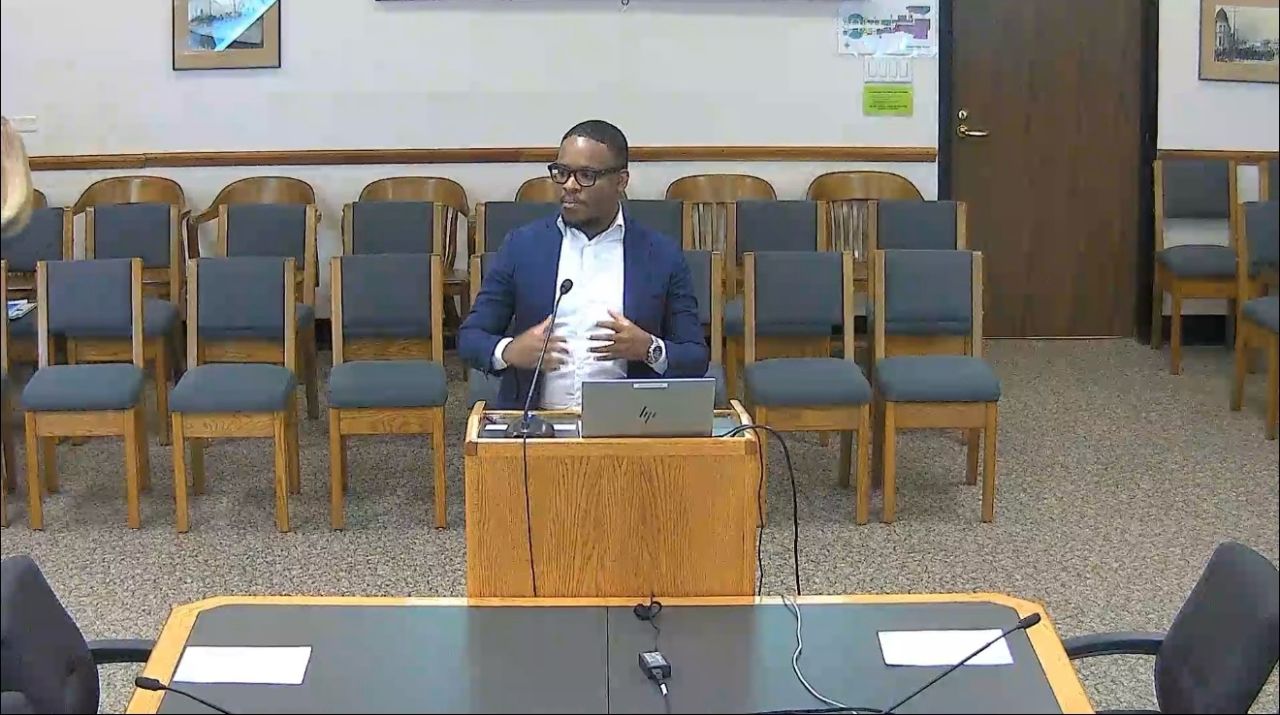
It’s easy to talk about government in terms of bills, budgets, hearings, and politics. But every decision eventually lands somewhere very real. In a classroom. In a neighborhood. In a small business. In a family’s home. That’s something I’ve come to appreciate more and more through my work in and around state government. A picture like this captures a few minutes at a microphone. What it doesn’t capture are the conversations, research, relationship building, problem solving, and listening that happen long before anyone ever testifies. Because good policy doesn’t start at the microphone. It starts with understanding who is affected, what the actual problem is, what government can realistically do, and how to build enough trust and alignment to move something forward. The longer I do this work, the more convinced I am that effective public leadership isn’t about making government feel bigger or more complicated. It’s about making sure government actually works for the people who have to live with the decisions it makes. That’s the part of this work that continues to matter most to me.
- LINKEDIN · IMAGERecorded 28 Oct 2026
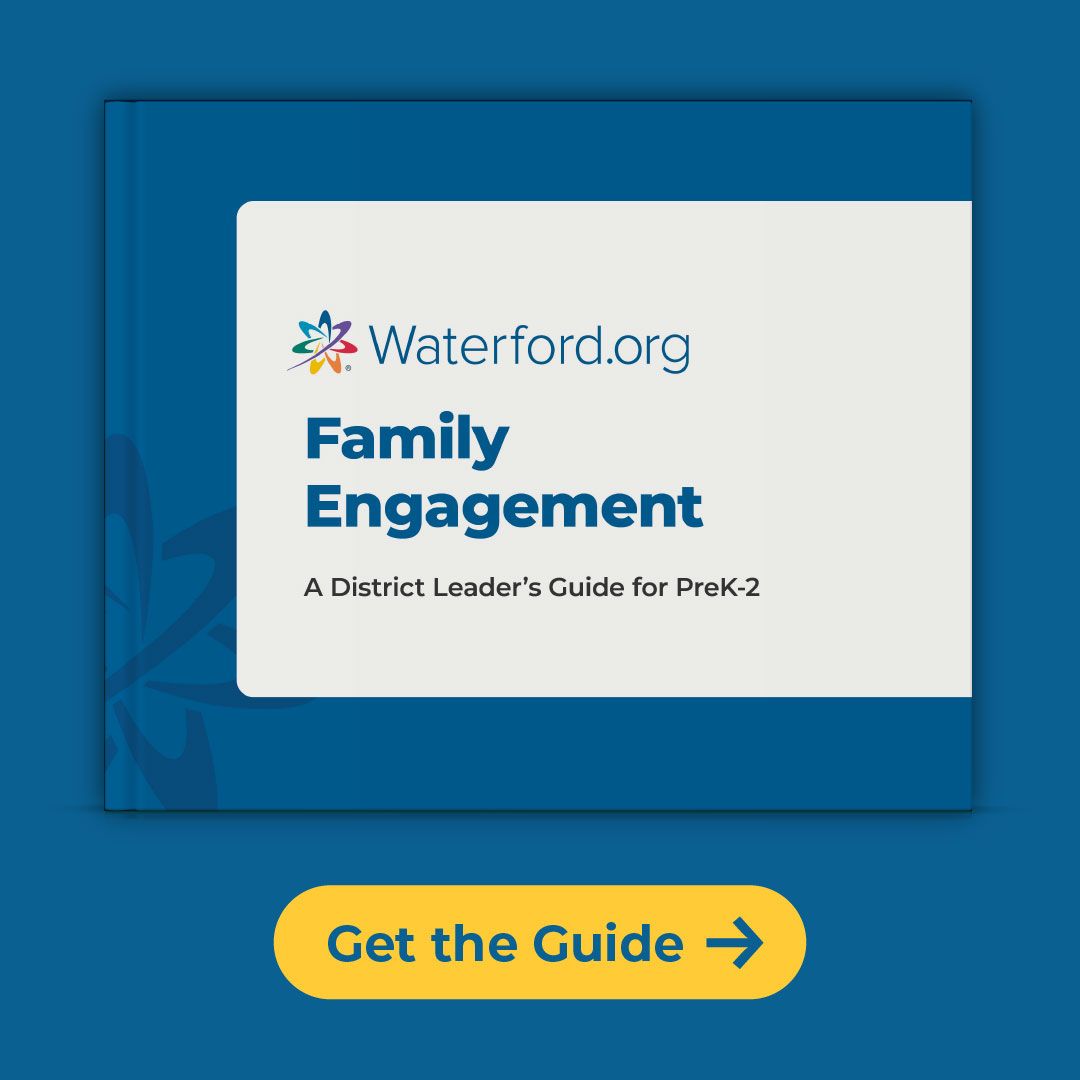
Family engagement is one of the most cost-effective ways to increase student achievement. Get the district leader's guide to building it right.
- LINKEDIN · IMAGERecorded 28 Oct 2026
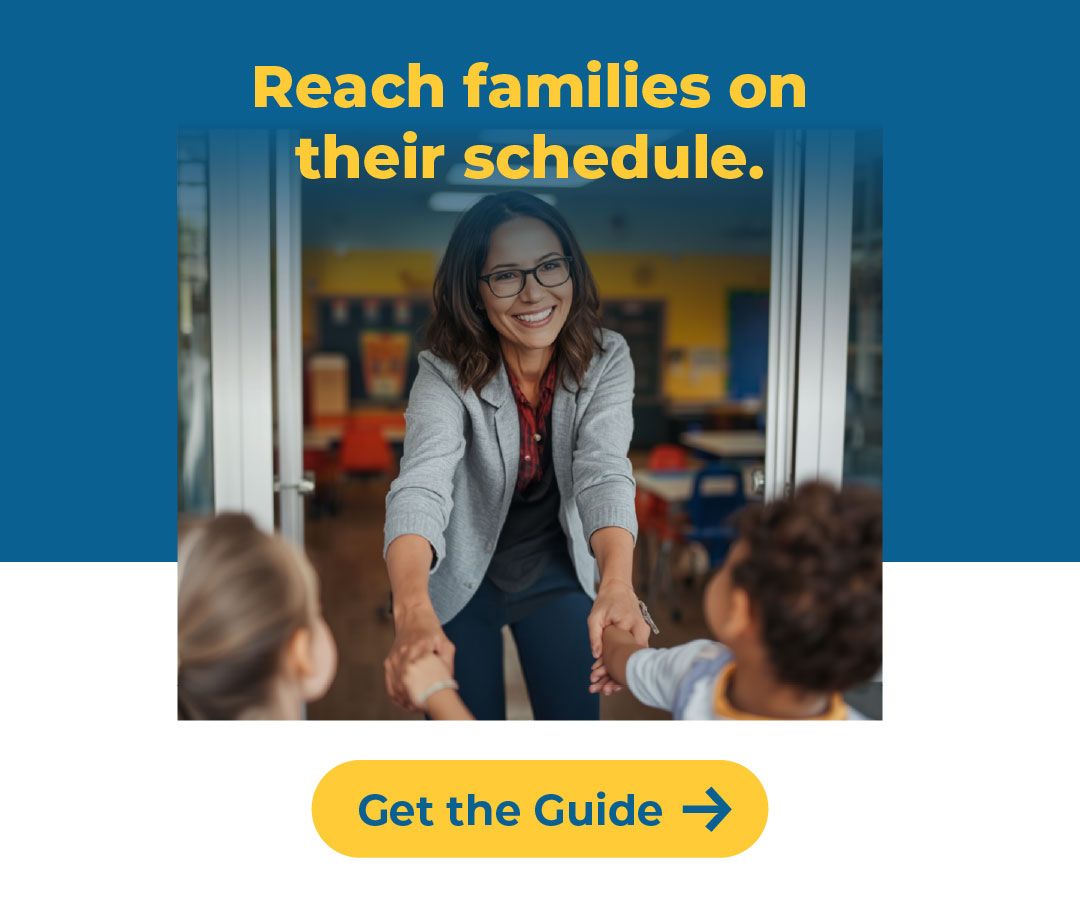
A PreK-2 guide for district leaders: how to create family partnerships that raise achievement, attendance, and behavior.


6 of 59 adsSign up to see every Waterford.org ad, filter by format and date, and get alerts on new ones.
See all 59 adsWatch the companies you care about.
Filter every ad by industry, country, format and network, and get alerts when a company you watch starts running new ads.