On air · 2 of 3 networks
Taylor & Francis Group
- taylorandfrancis.com
- GB
- 3,619 employees
Taylor & Francis Group’s ads on LinkedIn, Meta and Google, recorded by adsrunning. Browse the latest here for free. Sign up free to see all 1,674. Watch Taylor & Francis Group with Starter to get each new one in your feed.
Watchlist with Starter · $49/mo
| Network | Status | Live ads | Nov 2025LinkedIn activity · 52 weeksOct 2026 | Checked | Next step |
|---|---|---|---|---|---|
| Running | 1,189 | Checked 29 Oct 2026 | See all 1,674 ads → | ||
| Meta | Running | 412 | Active ads on the Meta Ad Library, all countries | Checked 27 Oct 2026 | Collect them with the API → |
| Recently | 400+ | Ads on the Google Ads Transparency Center | Checked 11 Oct 2026 | Collect them with the API → |
Taylor & Francis Group has 1,189 live LinkedIn ads. Its Facebook page had 412 active ads on 27 Oct 2026, and we recorded 400+ Google ads on 11 Oct 2026.
Latest ads
- LINKEDIN · IMAGESince 27 Oct 2026
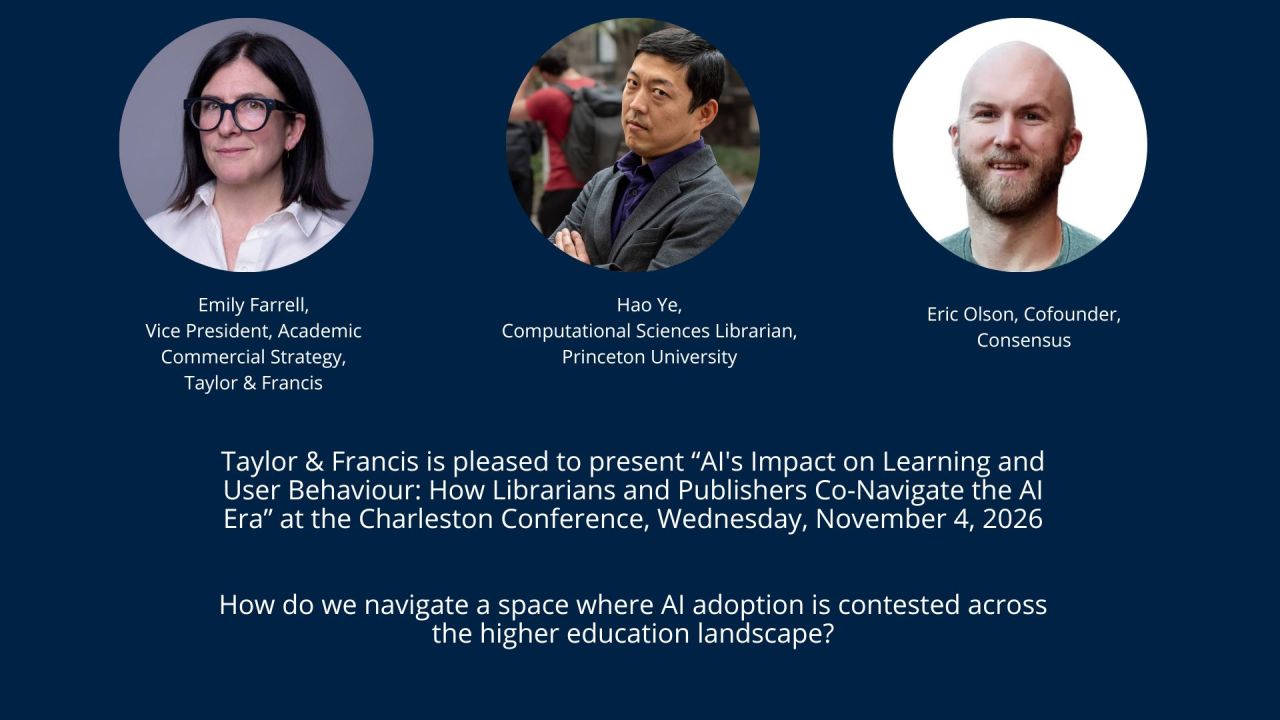
As AI tools become increasingly integrated into teaching and learning environments, librarians and publishers find themselves navigating the changing landscape together. We face similar questions: how do we help students/users to develop AI literacy skills? How do we guide users to discover, access and critically evaluate AI-generated educational content? How do we support researchers and faculty to integrate AI tools into research and curriculum design while maintaining academic integrity? How do we navigate a space where AI adoption is contested across the higher education landscape? Librarians are working directly with students and faculty to address the opportunities offered by AI. At the same time, educational content providers and publishers are reimagining learning materials and instructional resources to meet evolving needs of the AI-enhanced educational landscape. At the Charleston conference on November 4, we have brought together an incredible panel which includes Hao Ye, a computational sciences librarian at Princeton University who specializes in AI literacy, Eric Olson, co-founder of Consensus, an AI discovery tool, and Emily Farrell, our Vice President of Academic Commercial Strategy, to explore how we can navigate this transformation. Learn more: https://lnkd.in/eu4hzmAt Visit the Taylor & Francis conference hub: https://lnkd.in/eeJkBE_7 #CharlestonConference #chsconf2026 Eric Olson Emily Farrell
- LINKEDIN · IMAGESince 26 Oct 2026
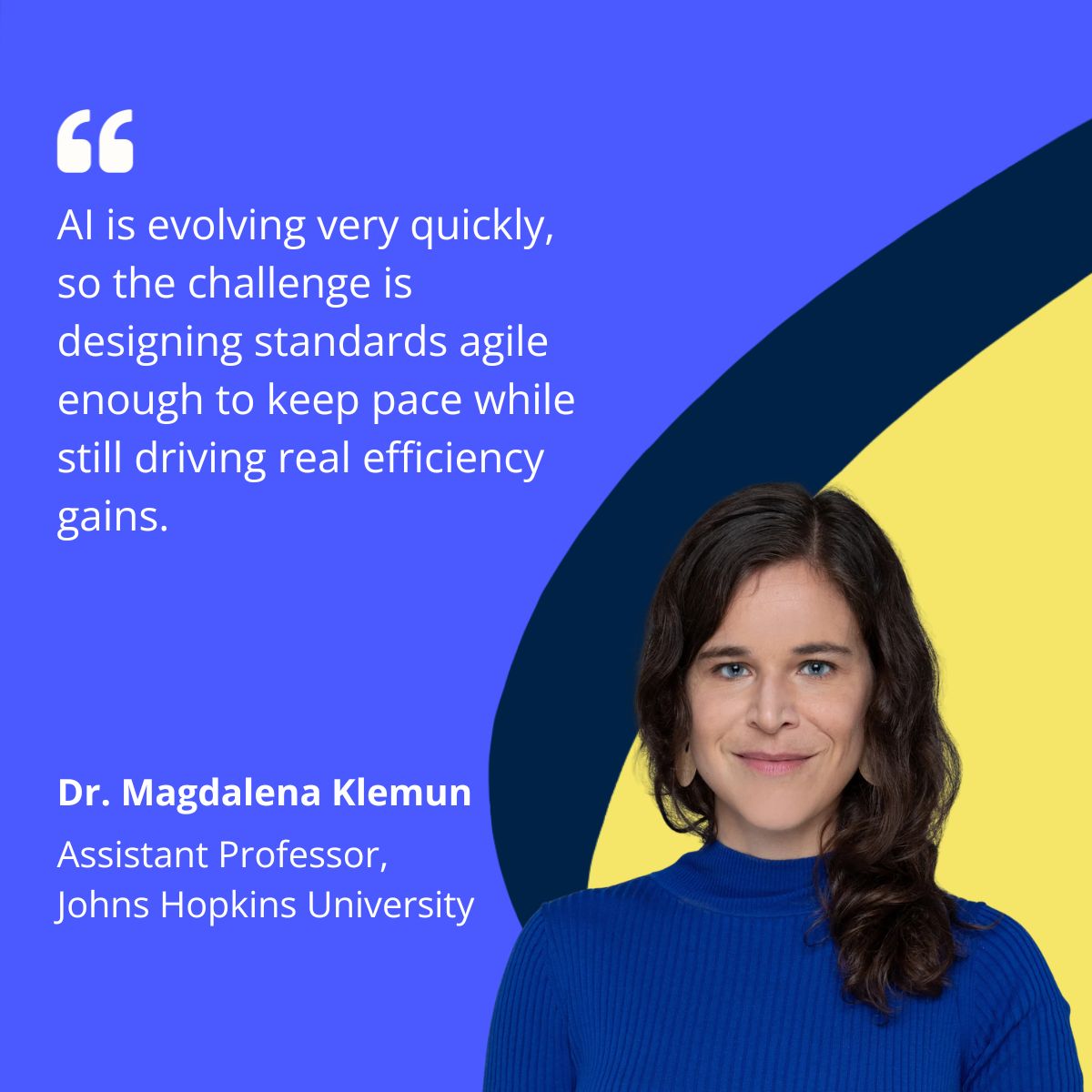
The proliferation of, and opposition to, data centers has become a key issue in the U.S. and around the globe. In our article “Managing the soaring energy demands of generative AI” we explore how academia, industry, policymakers, and end users can play a role in managing AI's energy demands without stifling innovation. Dr. Magdalena Klemun advises that tech companies should share more information about the performance of their AI models and data centers and says “transparency is key for the development of standard testing conditions, energy ratings for different models, and stronger efficiency requirements for data centers, gradually moving toward widely adopted minimum performance benchmarks.” “Fuel-efficiency standards for cars show how performance requirements can be tightened over time, though progress has been uneven. AI is evolving much faster, so the challenge is designing standards agile enough to keep pace while still driving real efficiency gains.” Magdalena Klemun Read the article: https://lnkd.in/epvBdPZZ
- LINKEDIN · IMAGESince 20 Oct 2026
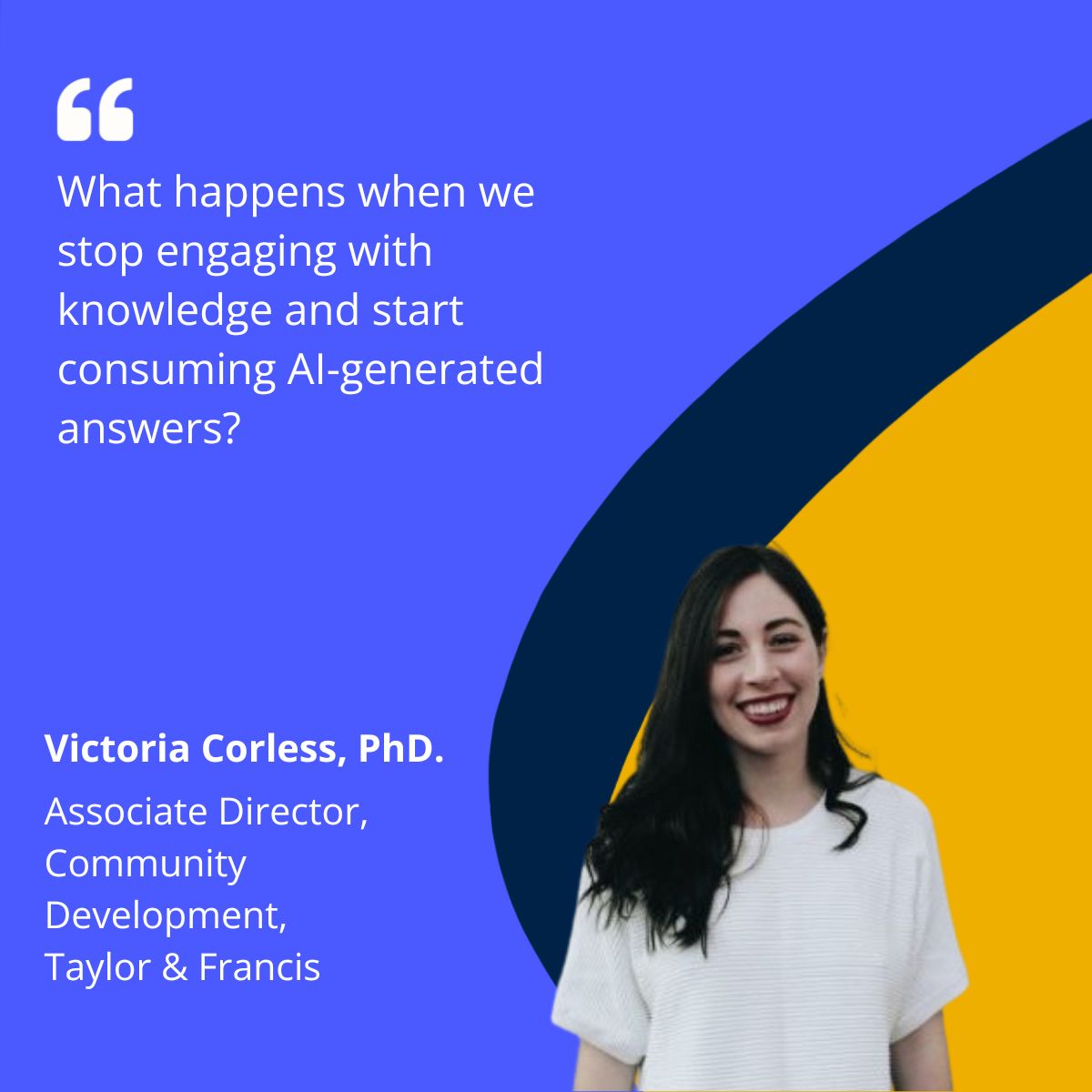
We are excited to share that our Associate Director of Community Development, Victoria Corless, Ph.D., will be sharing her insights on AI at Berlin Science Week in November. The two events she is participating in are entitled, “Can AI Explain Science Without Understanding It?” (an interactive workshop) and “What happens when AI becomes our interface to knowledge?” (a talk on Berlin Science Week’s Inspiration Stage)." AI can summarize a paper in seconds, answer complex questions, and confidently explain almost anything. But as these tools become our first stop for information, an important question emerges: what happens when we stop engaging with knowledge and start consuming AI-generated answers? In her talk, Victoria will explore what large language models really do, why they sometimes fail in surprising ways, and what happens when we offload the intellectual journey. Learn more about AI at Taylor & Francis: https://spr.ly/6044BHT2Cg Learn more about Berlin Science Week: https://spr.ly/6045BHT2C9
- LINKEDIN · IMAGESince 20 Oct 2026
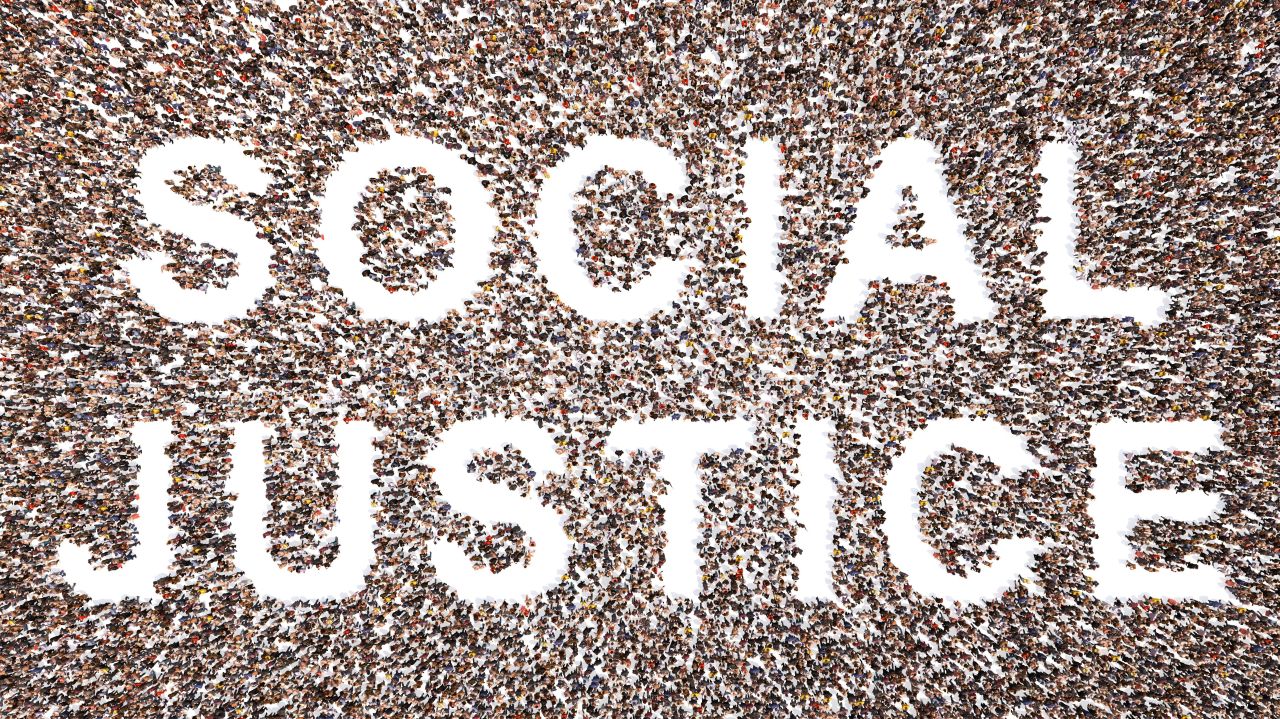
In the last 10 years there have been more than 60,000 Taylor & Francis articles published that include the term "social justice." These are in areas including everything from education and health to leisure and engineering. In our article “What is social justice?” we explore our archives to highlight a variety of definitions and meanings of social justice. We also highlight social justice issues and social injustice examples, and look at the origins of the term. Take a read: https://spr.ly/6045BHTZSS
- LINKEDIN · IMAGESince 19 Oct 2026
The news is full of headlines about how artificial general intelligence (AGI) is just around the corner. But Peter Denning doesn’t agree. In his new book, “Turing’s Mistake: Escaping the Yoke of Unintelligent Machines,” he calls into question two claims made by the father of theoretical computer science Alan Turing: that computers can think like humans, and that they would one day be able to demonstrate human-level intelligence, passing the “Turing test.” Denning argues that human intelligence depends on context, culture, and nuance – forms of ‘tacit knowledge’ that can’t be articulated or programmed. This not only means that AI models can’t think like us – it also means that they can’t understand us, and we can’t understand them. As Denning explains, this has profound implications for AI safety: “Machine intelligence has different concerns from us and does not appear to care about us. Its ways of thinking and problem-solving look alien to us. We do not yet know how to live safely with these machines.” Learn more here: https://spr.ly/6048BHRutE Photo: Mural honoring Alan Turing in Sherborne, Dorset, UK. #AI
- LINKEDIN · IMAGESince 9 Oct 2026
Next Tuesday is Ada Lovelace Day, an annual celebration held on the second Tuesday of October to honor the achievements of women in STEM. AI education is vital for equipping young people with the skills to thrive in an AI-driven future. According to a recent study in Cogent Education, schools need to do more to help girls master AI. Lead author Dr. Zubair Ahmad explains "We found that students who believe in their ability to learn and use AI tend to do better in the subject. This link between confidence and results is much stronger in boys than in girls." The solution? Schools can empower girls "by providing them with more female role models in AI, creating a classroom environment in which all students feel comfortable, so that girls perceive that they are equally supported," says Dr. Ahmad. The paper offers important insights on inclusive AI education strategies for educators, policymakers, and curriculum developers, and highlights key areas for future research. Learn more here: https://spr.ly/6040BGAJAY #AI #AdaLovelaceDay

6 of 1,674 adsSign up to see every Taylor & Francis Group ad, filter by format and date, and get alerts on new ones.
See all 1,674 adsWatch the companies you care about.
Filter every ad by industry, country, format and network, and get alerts when a company you watch starts running new ads.