On air · 1 of 3 networks
Strategic Perspectives
- strategicperspectives.eu
- BE
- 11 employees
Strategic Perspectives’s ads on LinkedIn, Meta and Google, recorded by adsrunning. Browse the latest here for free. Sign up free to see all 56. Watch Strategic Perspectives with Starter to get each new one in your feed.
Watchlist with Starter · $49/mo
| Network | Status | Live ads | Nov 2025LinkedIn activity · 52 weeksNov 2026 | Checked | Next step |
|---|---|---|---|---|---|
| Running | 2 | Checked 29 Oct 2026 | See all 56 ads → | ||
| Meta | Not checked | — | |||
| None recorded | 0 | No ads found on the Google Ads Transparency Center | Checked 10 Oct 2026 | Collect them with the API → |
Strategic Perspectives has 2 live LinkedIn ads. We recorded no Google ads on 10 Oct 2026.
Latest ads
- LINKEDIN · IMAGESince 29 Oct 2026
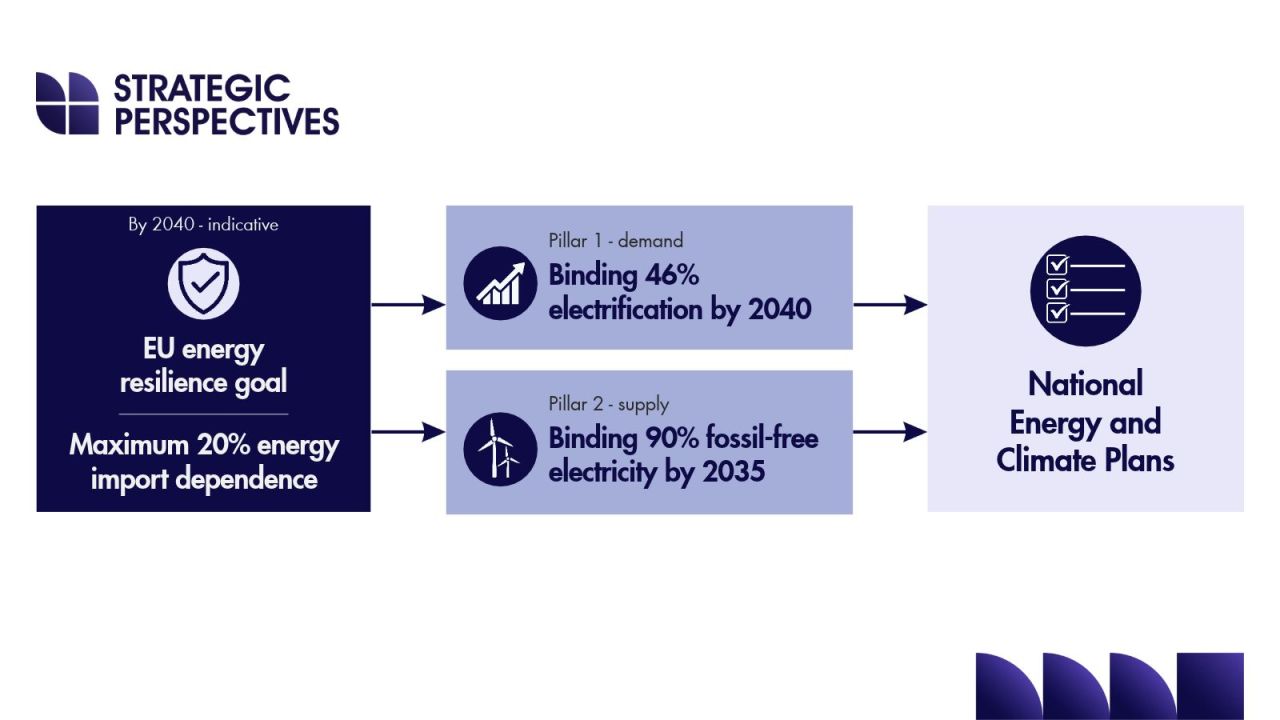
Gas prices are at their highest in four years. What can EU energy ministers do about it? 📋 As the energy crisis drags on, immediate relief will certainly be part of today’s Energy Council. But with energy security and the post-2030 framework also on the agenda, ministers have an opportunity to address what keeps bringing Europe back to this point: dependence on imported oil and gas. Five things I will be looking for today: 1️⃣ Agreement that energy resilience starts with reducing dependence. A common goal of bringing energy import dependence below 20% by 2040 would give that ambition a clear and shared destination. 2️⃣ Recognition that electrification is central to that effort. Making the Commission’s 46% objective for 2040 binding would give businesses and manufacturers a concrete basis for investment. 3️⃣ Commitment to growing domestic fossil-free power alongside electricity demand. Pairing electrification with a target of at least 90% domestic fossil-free electricity by 2035 would strengthen the security benefits of switching from oil and gas to electricity. 4️⃣ Support for making electricity more affordable. Backing the Commission’s electricity bills proposal, including Article 18c, would align taxation with Europe’s energy priorities and give households and businesses a clearer economic signal to electrify. 5️⃣ Clear preference for regulatory stability. Implementing the RED and EED, rather than reopening them, could protect investment confidence while keeping the post-2030 architecture simple. Today's Council can do more than manage another gas-price shock. With lower electricity bills and a clearer route out of fossil-fuel dependence as shared priorities, ministers can give Europe less to fear from the next energy crisis.
- LINKEDIN · IMAGESince 29 Oct 2026
Today, energy ministers discusses the post-2030 framework, energy security as well as prices. The picture is daunting: 💶 The EU is facing a lasting cost of living crisis due to high oil and gas prices driving up inflation since the wars in Ukraine and the Middle East, ⚡ The European wind sector is at risk of seeing the same fate as the solar one, 🔋 Returns for manufacturing of batteries or grid components could decline and the competitive advantage of industrial heat pump producers might get lost to China as well. The good news: there are plenty of opportunities, most driving up investments in the EU and some can be delivered right away: ✅ Supercharge deployment of renewables and batteries: Bulgaria, Hungary and Romania showed how it’s done in the last years. Gas no longer sets the electricity price in Spain (only 9% of hours in H1/2026), making it an attractive business location with cheap energy. ✅ Tax ‘homegrown’ electricity less than the gas you import: with high prices, countries can do it gradually. ✅ Design your policies to deliver on the core objectives: electrification and minimising fossil fuel imports. Hence, we're calling for the 46% electrification target to be backed by a 90% fossil-free electricity target for 2035. By then, the EU could only be relying on gas from Norway and the UK. What is there not to like? Sure, it actually takes political efforts to get it done. Nobody said it would be easy. Alternatively, policymakers can continue dragging their feet. Further delays create risks for energy security, jobs, investments, competitiveness and social hardship. As if that wouldn’t be enough, it also comes with a hefty price tag: the bill currently stands at $110bn additional costs for fossil fuel imports.
- LINKEDIN · IMAGESince 28 Oct 2026
Tomorrow, the 27 EU energy ministers will meet to discuss what the future EU energy architecture should look like. The priority is clear. Europe needs an energy system that is less vulnerable to geopolitical shocks and delivers more stable costs for households and industry. Our idea is simple. Scaling up electrification and fossil-free electricity production can reduce exposure to imported gas and oil and their price volatility. Let's shape the post-2030 EU energy architecture, so that it delivers on these two levers. Clear and simple targets. Greater flexibility for national governments to implement them. Concrete support measures to rebalance taxation between gas and electricity and make electricity bills affordable across the EU. This is it. With this recipe, the EU could reduce its energy import dependence from 58% today to 20% by 2040.
- LINKEDIN · IMAGESince 28 Oct 2026
Tomorrow’s Energy Council matters. It can give Europe a simpler path to affordable, secure energy 🇪🇺 In my new blog for Strategic Perspectives, I lay out a simple political goal for the EU: reducing energy import dependence to no more than 20% by 2040. A vector of energy security, affordability, and independence. Two binding commitments would make that direction concrete: 46% electrification by 2040 and at least 90% domestic fossil-free electricity by 2035. Together, they would connect the electricity Europe produces with the energy its economy consumes. For industry, a clearer signal to switch. For power developers, a clearer signal to build. Overall, a stronger case to invest. But the switch also needs to pay. Better electricity taxation and network tariffs can make electrification more attractive. At the same time, preserving the Renewable Energy Directive and Energy Efficiency Directive can protect investment certainty and keep the focus on implementation. That is what a simpler, practical framework can look like. One that does not reopen the EU’s entire energy rulebook, while offering a common direction for security, affordability and investment. Full blog in the comments 📑
- LINKEDIN · IMAGESince 27 Oct 2026
Will EU leaders equip their strategic industries to respond to the China shock? This is the question I asked in a piece in Agenda Pública this week, available in English and Spanish below. Read it for a short analysis of the Industrial Accelerator Act's objectives, reception in the Parliament and Council, and ongoing negotiations. I also write about Spain's crucial role for the EU's future industrial policy, both as a major cleantech industrial hub and as a driving political force in Brussels. https://lnkd.in/eg9CfKv2
- LINKEDIN · IMAGESince 27 Oct 2026
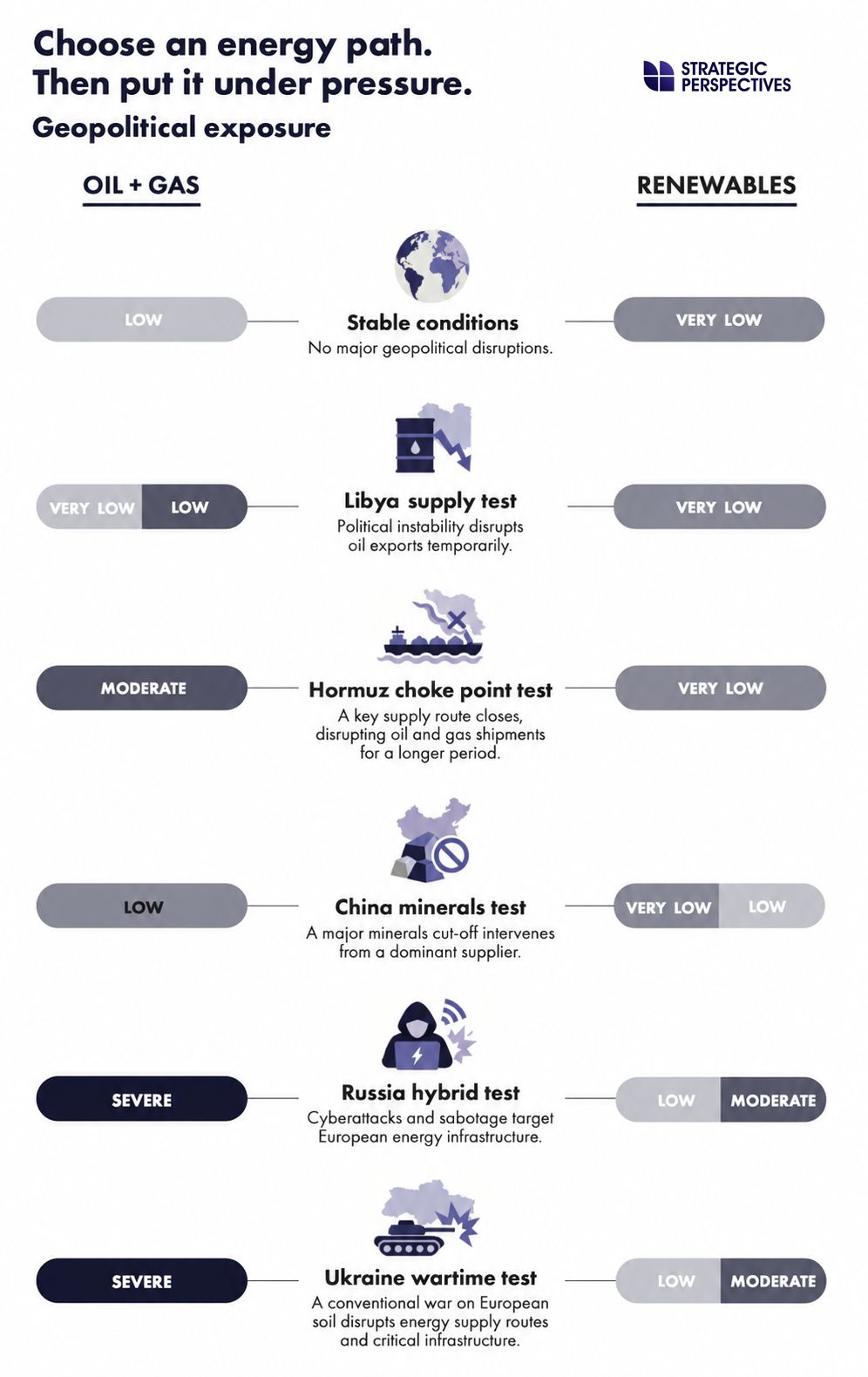
Do you wonder which energy source provides the best security net for Europe? No single source guarantees resilience on its own, but oil and gas create the most exposure to geopolitical shocks. Oil dependence creates up to five times more vulnerability for the European economic, social and security model than renewables in the case of hybrid or conventional wars. Gas dependence creates up to four times more. We stress-tested all energy sources against several geopolitical shocks. In every case, onshore and offshore wind and solar are the least vulnerable sources and provide the greatest security gains, even in the case of a mineral shock. Nuclear and hydro also provide a clear advantage, but they are more concentrated and could therefore be targeted. The conclusion on oil and gas is crystal clear: building the EU’s energy security strategy on diversification and storage of gas and oil would be a strategic mistake. For more details, read the great report from Marin Gillot (link in comment). Therefore, the best European energy security architecture would rest on two solid pillars: 1️⃣ A target of 90% domestic fossil-free electricity by 2035 2️⃣ A binding 46% electrification target for the EU by 2040, to make the most of fossil-free electricity across all sectors
6 of 56 adsSign up to see every Strategic Perspectives ad, filter by format and date, and get alerts on new ones.
See all 56 adsWatch the companies you care about.
Filter every ad by industry, country, format and network, and get alerts when a company you watch starts running new ads.