On air · 1 of 3 networks
Starlinger & Co
- starlinger.com
- AT
- 296 employees
Starlinger & Co’s ads on LinkedIn, Meta and Google, recorded by adsrunning. Browse the latest here for free. Sign up free to see all 22. Watch Starlinger & Co with Starter to get each new one in your feed.
Watchlist with Starter · $49/mo
| Network | Status | Live ads | Nov 2025LinkedIn activity · 52 weeksNov 2026 | Checked | Next step |
|---|---|---|---|---|---|
| Running | 1 | Checked 1 Nov 2026 | See all 22 ads → | ||
| Meta | None recorded | 0 | No active ads recorded on the Meta Ad Library | Checked 26 Oct 2026 | Collect them with the API → |
| None recorded | 0 | No ads found on the Google Ads Transparency Center | Checked 10 Oct 2026 | Collect them with the API → |
Starlinger & Co has 1 live LinkedIn ad. Its Facebook page had no active ads on 26 Oct 2026, and we recorded no Google ads on 10 Oct 2026.
Latest ads
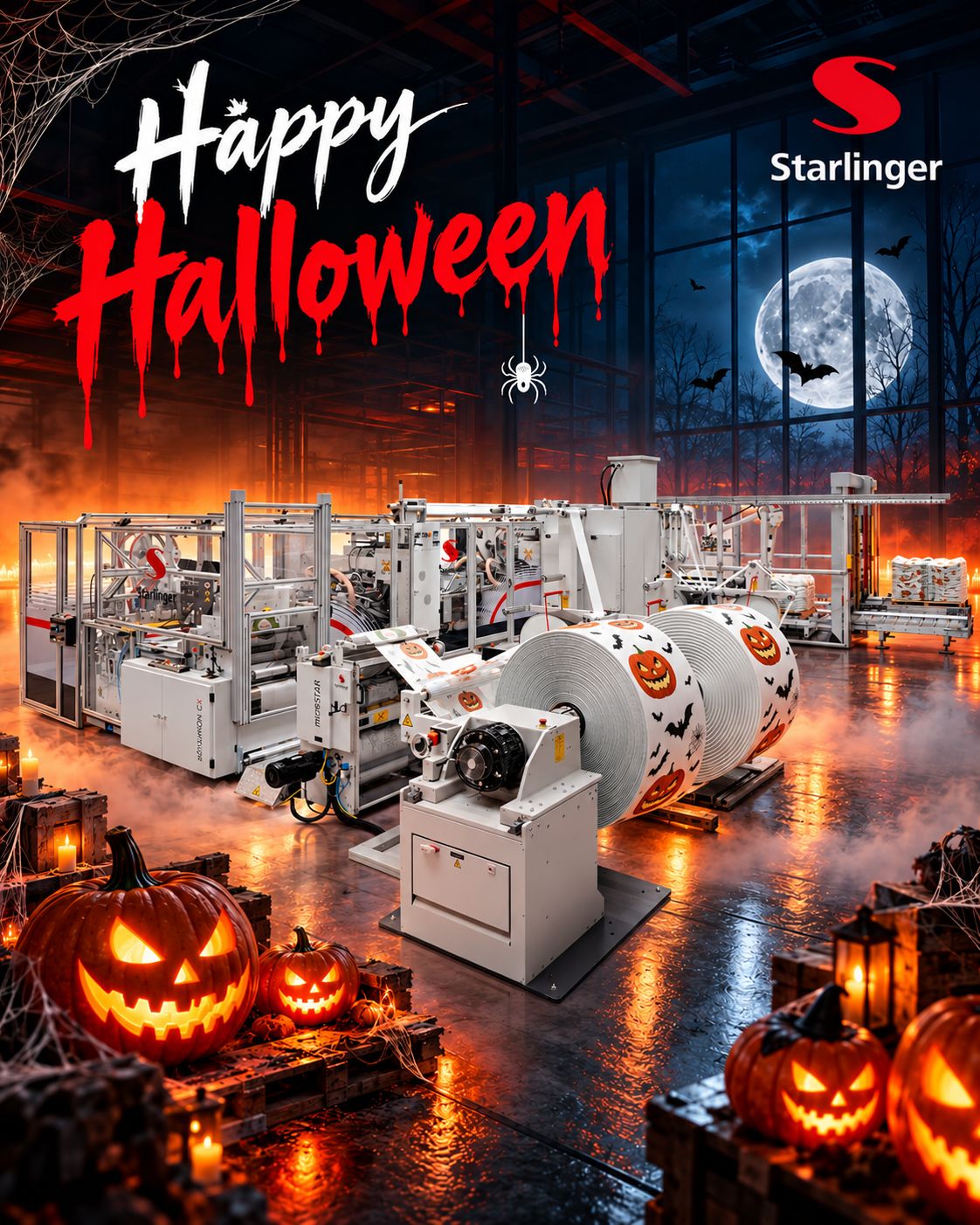
- LINKEDIN · IMAGESince 30 Oct 2026
🎃 𝗡𝗼 𝘁𝗿𝗶𝗰𝗸𝘀. 𝗝𝘂𝘀𝘁 𝘁𝗿𝗲𝗮𝘁𝘀. 𝗔𝗻𝗱 𝘁𝗿𝘂𝗹𝘆 𝗼𝘂𝘁𝘀𝘁𝗮𝗻𝗱𝗶𝗻𝗴 𝘁𝗲𝗰𝗵𝗻𝗼𝗹𝗼𝗴𝘆! 👻 Even on the spookiest night of the year, our machines impress with their precision, performance, and reliability. 𝗡𝗼 𝗺𝗮𝗴𝗶𝗰 𝗻𝗲𝗲𝗱𝗲𝗱! ⚙️ 𝗧𝗵𝗲 𝗲𝗻𝘁𝗶𝗿𝗲 𝗦𝘁𝗮𝗿𝗹𝗶𝗻𝗴𝗲𝗿 𝘁𝗲𝗮𝗺 𝘄𝗶𝘀𝗵𝗲𝘀 𝘆𝗼𝘂 𝗮 𝗵𝗮𝗽𝗽𝘆 𝗛𝗮𝗹𝗹𝗼𝘄𝗲𝗲𝗻! 🦇🎃 #Starlinger #HappyHalloween #EngineeringExcellence #PackagingTechnology #Innovation #CircularPackaging
- LINKEDIN · VIDEOSince 20 Oct 2026
𝗜𝗻𝘁𝗿𝗼𝗱𝘂𝗰𝗶𝗻𝗴 𝘁𝗵𝗲 𝗻𝗲𝘄 𝗮𝗱*𝘀𝘁𝗮𝗿𝗞𝗢𝗡 𝗖𝗫 𝗠𝗼𝗿𝗲 𝗼𝘂𝘁𝗽𝘂𝘁. 𝗟𝗲𝘀𝘀 𝗲𝗻𝗲𝗿𝗴𝘆. 𝗣𝗿𝗲𝗰𝗶𝘀𝗶𝗼𝗻 𝗲𝗻𝗴𝗶𝗻𝗲𝗲𝗿𝗲𝗱 𝗶𝗻𝘁𝗼 𝗲𝘃𝗲𝗿𝘆 𝗱𝗲𝘁𝗮𝗶𝗹. The 𝗮𝗱*𝘀𝘁𝗮𝗿𝗞𝗢𝗡 𝗖𝗫 conversion line goes beyond conventional AD*STAR® sack production technology – with modifications aimed at making high-output production quicker, more efficient, and easier to manage. We optimized the machine design for producing AD*STAR® sacks especially for the construction sector: 𝗪𝗶𝘁𝗵 𝗮 𝘀𝗽𝗲𝗲𝗱 𝗼𝗳 𝘂𝗽 𝘁𝗼 𝟭𝟳𝟬 𝗯𝗮𝗴𝘀 𝗽𝗲𝗿 𝗺𝗶𝗻𝘂𝘁𝗲 𝘁𝗵𝗲 𝗮𝗱*𝘀𝘁𝗮𝗿𝗞𝗢𝗡 𝗖𝗫 𝗿𝗲𝗮𝗰𝗵𝗲𝘀 𝗮𝗯𝗼𝘂𝘁 𝟮𝟬 % 𝗺𝗼𝗿𝗲 𝗼𝘂𝘁𝗽𝘂𝘁 𝗮𝗻𝗱 𝗰𝗼𝗻𝘀𝘂𝗺𝗲𝘀 𝟭𝟳 % 𝗹𝗲𝘀𝘀 𝗲𝗻𝗲𝗿𝗴𝘆 𝘄𝗵𝗲𝗻 𝗰𝗼𝗺𝗽𝗮𝗿𝗲𝗱 𝘁𝗼 𝘁𝗵𝗲 𝗮𝗱*𝘀𝘁𝗮𝗿𝗞𝗢𝗡 𝗦𝗫𝗻𝗲𝗼. 𝗘𝗻𝗴𝗶𝗻𝗲𝗲𝗿𝗶𝗻𝗴 𝗰𝗵𝗮𝗻𝗴𝗲𝘀 𝘁𝗵𝗮𝘁 𝗺𝗮𝗸𝗲 𝘁𝗵𝗲 𝗱𝗶𝗳𝗳𝗲𝗿𝗲𝗻𝗰𝗲 Fewer moving parts result in less mechanical wear and less energy spent on the cutting process itself; at the same time, precision goes up. We applied this principle to the entire machine: an innovative main fabric cutting system, fewer chains, belts and gears, reduced welding speed, a more compact machine footprint. This way, the new ad*starKON CX achieves the highest production output per m² on the market, offering maximum performance on minimal space. 𝗠𝗼𝗿𝗲 𝗰𝗼𝗻𝘁𝗿𝗼𝗹 𝗱𝘂𝗿𝗶𝗻𝗴 𝗽𝗿𝗼𝗱𝘂𝗰𝘁𝗶𝗼𝗻 A larger main display with functions such as reverse jog and patch adjustment give the operator more direct control through the user interface of the machine. Automatic correction of the magnet positions and the infinitely variable angle of the vacuum opener allow to fine-tune the production process. 𝗗𝗲𝘀𝗶𝗴𝗻𝗲𝗱 𝘄𝗶𝘁𝗵 𝗺𝗮𝗶𝗻𝘁𝗲𝗻𝗮𝗻𝗰𝗲 𝗶𝗻 𝗺𝗶𝗻𝗱 We simplified the service procedures by making dismantling of the suction-cooling cylinders and replacement of the impression roller a lot easier. A main-chain lubrication system, the increased cooling capacity for the control cabinet, stronger wing design and galvanized steel components for better corrosion resistance complete the improvements. The result is a machine that produces more sacks, consumes less energy and makes everyday production easier. 𝗮𝗱*𝘀𝘁𝗮𝗿𝗞𝗢𝗡 𝗖𝗫. 𝗔 𝗻𝗲𝘄 𝗯𝗲𝗻𝗰𝗵𝗺𝗮𝗿𝗸 𝗶𝗻 𝗔𝗗𝗦𝗧𝗔𝗥® 𝗯𝗮𝗴 𝗰𝗼𝗻𝘃𝗲𝗿𝘀𝗶𝗼𝗻. Want to know more? Contact us! More information: https://lnkd.in/dQiThZyX #ADSTAR #PackagingTechnology #MachineEngineering #IndustrialPackaging #CircularPackaging
- LINKEDIN · VIDEOSince 13 Oct 2026
𝗜𝘀 𝘁𝗵𝗲 𝗰𝗵𝗼𝗶𝗰𝗲 𝗯𝗲𝘁𝘄𝗲𝗲𝗻 𝗽𝗮𝗽𝗲𝗿 𝗮𝗻𝗱 𝗽𝗹𝗮𝘀𝘁𝗶𝗰 𝗯𝗮𝗴𝘀 𝗳𝗼𝗿 𝗰𝗲𝗺𝗲𝗻𝘁 𝗽𝗮𝗰𝗸𝗮𝗴𝗶𝗻𝗴 𝘁𝗿𝘂𝗹𝘆 𝗮𝗱𝗱𝗿𝗲𝘀𝘀𝗶𝗻𝗴 𝘁𝗵𝗲 𝗺𝗮𝗶𝗻 𝗶𝘀𝘀𝘂𝗲? 𝗧𝗵𝗲 𝗸𝗲𝘆 𝗾𝘂𝗲𝘀𝘁𝗶𝗼𝗻 𝗶𝘀: 𝗪𝗵𝗶𝗰𝗵 𝗽𝗮𝗰𝗸𝗮𝗴𝗶𝗻𝗴 𝘀𝗼𝗹𝘂𝘁𝗶𝗼𝗻 𝗯𝗲𝘀𝘁 𝗺𝗶𝗻𝗶𝗺𝗶𝘇𝗲𝘀 𝗽𝗿𝗼𝗱𝘂𝗰𝘁 𝗹𝗼𝘀𝘀, 𝗿𝗲𝗱𝘂𝗰𝗲𝘀 𝗲𝗻𝘃𝗶𝗿𝗼𝗻𝗺𝗲𝗻𝘁𝗮𝗹 𝗶𝗺𝗽𝗮𝗰𝘁, 𝗮𝗻𝗱 𝗲𝗻𝘀𝘂𝗿𝗲𝘀 𝗿𝗲𝗹𝗶𝗮𝗯𝗹𝗲 𝗽𝗲𝗿𝗳𝗼𝗿𝗺𝗮𝗻𝗰𝗲 𝘁𝗵𝗿𝗼𝘂𝗴𝗵𝗼𝘂𝘁 𝘁𝗵𝗲 𝗹𝗼𝗴𝗶𝘀𝘁𝗶𝗰𝘀 𝗰𝗵𝗮𝗶𝗻? Kraft paper bags were once the standard for cement packaging. Today, the industry prioritizes overall system performance rather than packaging cost alone, as bag breakage leads to material and energy waste, higher transport and cleanup costs, customer complaints, and increased CO₂ emissions. The Chinese National Standard for Cement Packaging, in force since April 2022, confirms this by prescribing the use of AD*STAR® sacks alongside two other types of cement sacks; the Chinese policy aims to promote greater sustainability in the cement industry. 𝗔 𝗟𝗶𝗳𝗲 𝗖𝘆𝗰𝗹𝗲 𝗔𝘀𝘀𝗲𝘀𝘀𝗺𝗲𝗻𝘁 𝗯𝘆 𝗧𝗵𝗶𝗻𝗸𝘀𝘁𝗲𝗽 𝗔𝗚, 𝗮𝗻 𝗶𝗻𝗱𝗲𝗽𝗲𝗻𝗱𝗲𝗻𝘁 𝗮𝗴𝗲𝗻𝗰𝘆 𝗯𝗮𝘀𝗲𝗱 𝗶𝗻 𝗚𝗲𝗿𝗺𝗮𝗻𝘆, 𝗳𝗼𝘂𝗻𝗱 𝘁𝗵𝗮𝘁 𝗔𝗗*𝗦𝗧𝗔𝗥® 𝗰𝗲𝗺𝗲𝗻𝘁 𝘀𝗮𝗰𝗸𝘀 𝗵𝗮𝘃𝗲 𝗮 𝘀𝗶𝗴𝗻𝗶𝗳𝗶𝗰𝗮𝗻𝘁𝗹𝘆 𝗹𝗼𝘄𝗲𝗿 𝗲𝗻𝘃𝗶𝗿𝗼𝗻𝗺𝗲𝗻𝘁𝗮𝗹 𝗶𝗺𝗽𝗮𝗰𝘁 𝘁𝗵𝗮𝗻 𝗽𝗮𝗽𝗲𝗿 𝘀𝗮𝗰𝗸𝘀, 𝘄𝗶𝘁𝗵 𝗮 𝟰𝟯% 𝗹𝗼𝘄𝗲𝗿 𝗴𝗹𝗼𝗯𝗮𝗹 𝘄𝗮𝗿𝗺𝗶𝗻𝗴 𝗽𝗼𝘁𝗲𝗻𝘁𝗶𝗮𝗹. The same study identified cement loss from sack breakage as the largest contributor to environmental impact in the packaging life cycle. Traditional paper sacks can break at rates up to 4–5% across the logistics chain. By comparison, AD*STAR® block bottom valve sacks consistently have breakage rates below 1%, with many producers reporting rates under 0.3%. A 5% product loss at a cement plant producing 1 million tons per year results in 50,000 tons of wasted cement, with substantial environmental and financial consequences. 𝗔𝗗*𝗦𝗧𝗔𝗥® 𝘀𝗮𝗰𝗸 𝘁𝗲𝗰𝗵𝗻𝗼𝗹𝗼𝗴𝘆 𝗮𝗱𝗱𝗿𝗲𝘀𝘀𝗲𝘀 𝘁𝗵𝗲𝘀𝗲 𝗰𝗵𝗮𝗹𝗹𝗲𝗻𝗴𝗲𝘀: ✓ Low breakage rates throughout transport and handling ✓ Better moisture protection and extended shelf life ✓ Glue-free construction that prevents leakage ✓ Up to 40% less raw material usage compared to conventional alternatives ✓ Mono-material structure designed for recycling ✓ Compatible with recycled polypropylene content. In cement packaging, sustainability goes beyond material selection. It requires preventing waste at the source. 𝗛𝗼𝘄 𝗮𝗿𝗲 𝘆𝗼𝘂 𝗰𝗹𝗼𝘀𝗶𝗻𝗴 𝘁𝗵𝗲 𝗹𝗼𝗼𝗽? More info: https://lnkd.in/dQiThZyX #CementIndustry #PackagingInnovation #Sustainability #CircularEconomy #ADSTAR #BuildingMaterials #IndustrialPackaging #CarbonFootprint #CircularPackaging
- LINKEDIN · VIDEOSince 6 Oct 2026
„𝗖𝗹𝗼𝘀𝗲𝗱-𝗹𝗼𝗼𝗽 𝗽𝗮𝗰𝗸𝗮𝗴𝗶𝗻𝗴 𝘀𝗼𝗹𝘂𝘁𝗶𝗼𝗻𝘀 𝗮𝗹𝗹𝗼𝘄 𝘂𝘀 𝘁𝗼 𝗼𝗽𝘁𝗶𝗺𝗶𝘇𝗲 𝗰𝗼𝘀𝘁𝘀 𝘄𝗵𝗶𝗹𝗲 𝗶𝗺𝗽𝗿𝗼𝘃𝗶𝗻𝗴 𝘀𝘂𝘀𝘁𝗮𝗶𝗻𝗮𝗯𝗶𝗹𝗶𝘁𝘆 𝗼𝘂𝘁𝗰𝗼𝗺𝗲𝘀 𝗮𝗻𝗱 𝗿𝗲𝗱𝘂𝗰𝗶𝗻𝗴 𝗲𝗻𝘃𝗶𝗿𝗼𝗻𝗺𝗲𝗻𝘁𝗮𝗹 𝗶𝗺𝗽𝗮𝗰𝘁.“ Ayodele Musibau Abioye, Managing Director of BUA Foods PLC. 𝗖𝗹𝗼𝘀𝗲𝗱-𝗹𝗼𝗼𝗽 𝗽𝗮𝗰𝗸𝗮𝗴𝗶𝗻𝗴 𝗽𝗿𝗼𝘃𝗶𝗱𝗲𝘀 𝗮 𝗿𝗲𝗮𝗹 𝗼𝗽𝗽𝗼𝗿𝘁𝘂𝗻𝗶𝘁𝘆. • To reduce cost. • To improve environmental performance. • To lower the carbon footprint. • To strengthen the reputation in the market. That idea only works when the packaging performs under real conditions. In many industrial markets, the reality is simple: if a sack fails, the system fails with it. Product loss, operational delays, extra handling, higher total cost. This is why reliability is not separate from sustainability, but its starting point. 𝗔𝗗*𝗦𝗧𝗔𝗥® 𝗯𝗹𝗼𝗰𝗸 𝗯𝗼𝘁𝘁𝗼𝗺 𝘀𝗮𝗰𝗸𝘀 𝗮𝗿𝗲 𝗱𝗲𝘀𝗶𝗴𝗻𝗲𝗱 𝘄𝗶𝘁𝗵 𝘁𝗵𝗶𝘀 𝗿𝗲𝗮𝗹𝗶𝘁𝘆 𝗶𝗻 𝗺𝗶𝗻𝗱. 𝗧𝗵𝗲𝘆 𝗰𝗼𝗺𝗯𝗶𝗻𝗲: • High strength for demanding transport and handling conditions • Efficient use of raw material • Long service life under real operational stress • A structure that supports collection and reuse systems Across Nigeria and other active cement markets, a practical circular system is already in motion. 𝗨𝘀𝗲𝗱 𝘀𝗮𝗰𝗸𝘀 𝗮𝗿𝗲 𝗰𝗼𝗹𝗹𝗲𝗰𝘁𝗲𝗱 𝗳𝗿𝗼𝗺 𝗰𝗼𝗻𝘀𝘁𝗿𝘂𝗰𝘁𝗶𝗼𝗻 𝘀𝗶𝘁𝗲𝘀 𝗮𝗻𝗱 𝗱𝗶𝘀𝘁𝗿𝗶𝗯𝘂𝘁𝗶𝗼𝗻 𝗽𝗼𝗶𝗻𝘁𝘀/ 𝗰𝗹𝗲𝗮𝗻𝗲𝗱 𝗮𝗻𝗱 𝘀𝗼𝗿𝘁𝗲𝗱/ 𝗽𝗿𝗼𝗰𝗲𝘀𝘀𝗲𝗱 𝗶𝗻𝘁𝗼 𝗿𝗲𝗰𝘆𝗰𝗹𝗲𝗱 𝗺𝗮𝘁𝗲𝗿𝗶𝗮𝗹 𝘀𝘁𝗿𝗲𝗮𝗺𝘀/ 𝗿𝗲𝗶𝗻𝘁𝗿𝗼𝗱𝘂𝗰𝗲𝗱 𝗶𝗻𝘁𝗼 𝗶𝗻𝗱𝘂𝘀𝘁𝗿𝗶𝗮𝗹 𝗽𝗮𝗰𝗸𝗮𝗴𝗶𝗻𝗴 𝗽𝗿𝗼𝗱𝘂𝗰𝘁𝗶𝗼𝗻. 𝗧𝗵𝗶𝘀 𝗶𝘀 𝗰𝗶𝗿𝗰𝘂𝗹𝗮𝗿𝗶𝘁𝘆 𝗶𝗻 𝗽𝗿𝗮𝗰𝘁𝗶𝗰𝗲, 𝗻𝗼𝘁 𝘁𝗵𝗲𝗼𝗿𝘆. 𝗔𝗻𝗱 𝗶𝘁 𝗼𝗻𝗹𝘆 𝘄𝗼𝗿𝗸𝘀 𝗯𝗲𝗰𝗮𝘂𝘀𝗲 𝘁𝗵𝗲 𝗺𝗮𝘁𝗲𝗿𝗶𝗮𝗹 𝗶𝘀 𝗯𝘂𝗶𝗹𝘁 𝘁𝗼 𝘀𝘂𝗿𝘃𝗶𝘃𝗲 𝗶𝘁𝘀 𝗳𝗶𝗿𝘀𝘁 𝗹𝗶𝗳𝗲 𝘄𝗶𝘁𝗵𝗼𝘂𝘁 𝗰𝗼𝗺𝗽𝗿𝗼𝗺𝗶𝘀𝗲. Learn more: https://lnkd.in/dQiThZyX Share how you balance durability and sustainability in your packaging decisions. #Sustainability #CircularEconomy #ADSTAR #AfricaPackaging #DurableDesign #CircularPackaging
6 of 22 adsSign up to see every Starlinger & Co ad, filter by format and date, and get alerts on new ones.
See all 22 adsWatch the companies you care about.
Filter every ad by industry, country, format and network, and get alerts when a company you watch starts running new ads.