Not on air · 2 of 3 networks checked
SPARETECH
- sparetech.io
- DE
- 101 employees
SPARETECH’s ads on LinkedIn, Meta and Google, recorded by adsrunning. Browse the latest here for free. Sign up free to see all 1,219. Watch SPARETECH with Starter to get each new one in your feed.
Watchlist with Starter · $49/mo
| Network | Status | Live ads | Nov 2025LinkedIn activity · 52 weeksNov 2026 | Checked | Next step |
|---|---|---|---|---|---|
| None recorded | 0 | Checked 1 Nov 2026 | See all 1,219 ads → | ||
| Meta | Not checked | — | |||
| Recently | 14 | Ads on the Google Ads Transparency Center | Checked 10 Oct 2026 | Collect them with the API → |
SPARETECH has no live LinkedIn ads. We recorded 14 Google ads on 10 Oct 2026.
Latest ads
- LINKEDIN · IMAGESince 22 Oct 2026
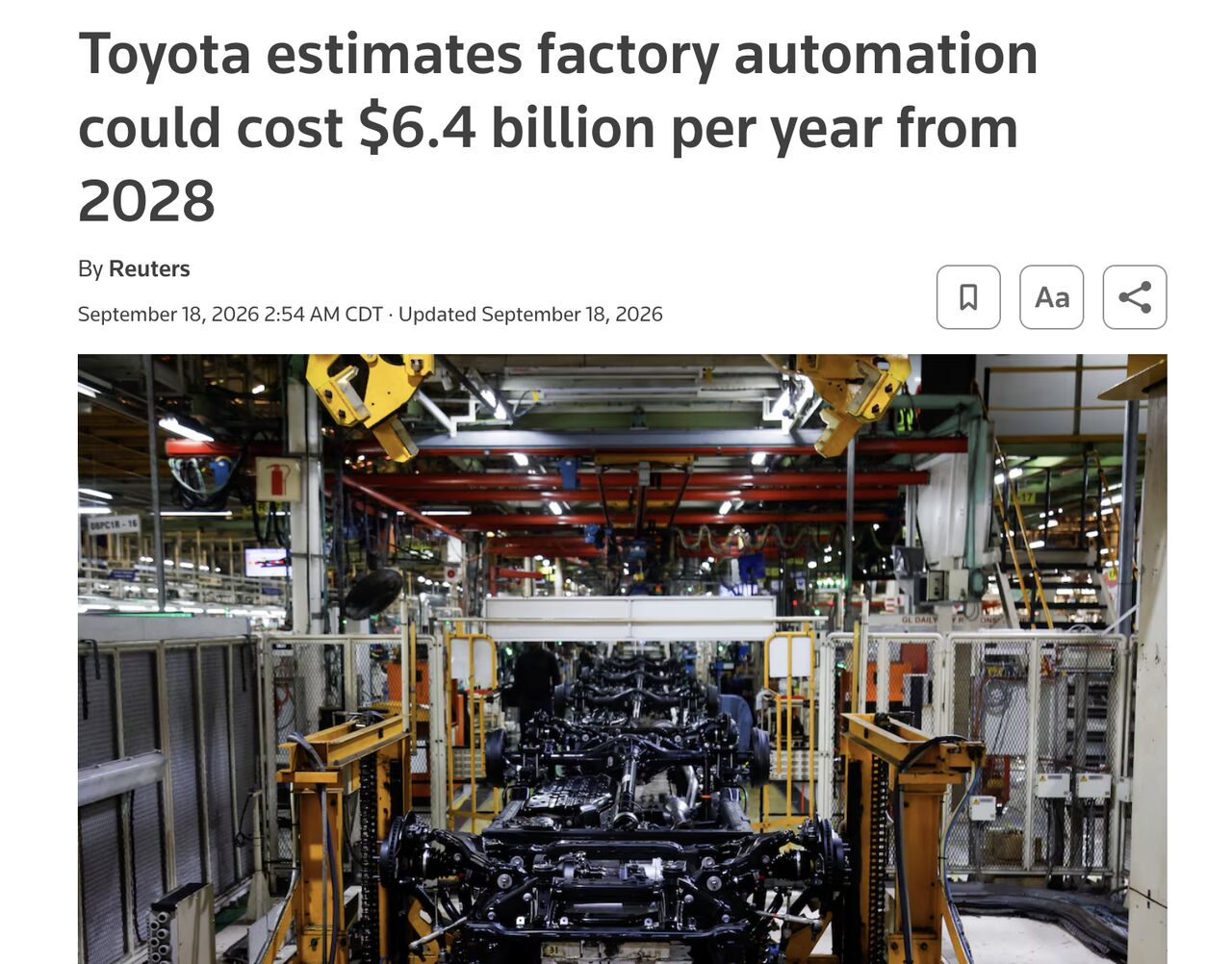
Toyota just announced it will spend $6.4 billion a year starting in 2028 to put 400,000 robots on factory floors worldwide. The industry calls this physical AI. Machines that can perceive their environment, make decisions, and adapt without being told exactly what to do. Everyone is talking about making machines smarter. Nobody is talking about what those smarter machines will need to keep running. A robot that can learn and adapt is still a physical machine. It still has bearings, servos, sensors, and actuators that wear out. And the more autonomous and complex the robot, the more specialized its components become, the harder they are to source, and the fewer people in your organization have ever ordered them before. Traditional automation had predictable maintenance. The machine did the same thing every cycle, so you knew which parts failed and when. Physical AI systems handle unpredictable environments, which means unpredictable wear patterns, which means your maintenance team is managing failure modes that have never been documented. That part of manufacturing is not changing in 10 years. If anything, it is getting harder. The more you automate production, the more parts you need. The more complex the automation, the more complex the parts problem becomes. And right now, the $6.4 billion is going to the robots. Not to the infrastructure that keeps them running. If you are costing out an automation program and the parts side of it is still blank, you can put that question to one of us: https://lnkd.in/dKPZKNxa
- LINKEDIN · IMAGESince 22 Oct 2026
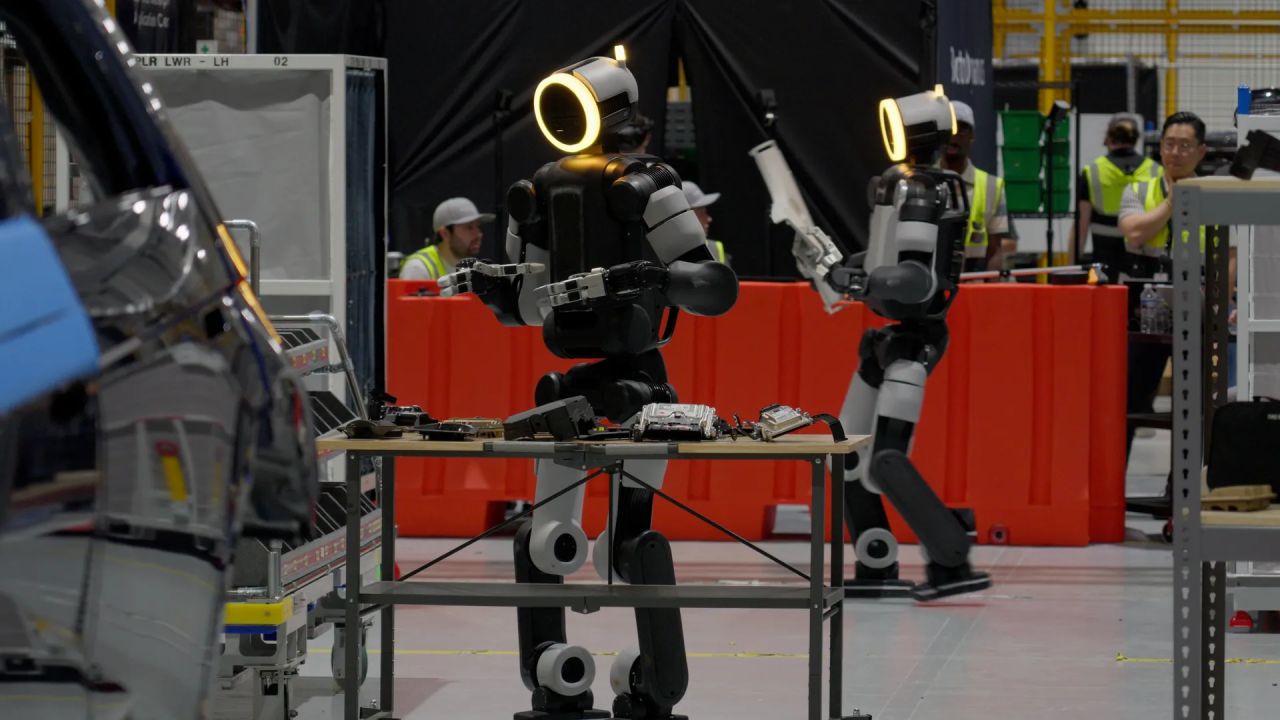
Hyundai plans to put 25,000 humanoid robots into its factories. For maintenance teams, that means thousands of new machines they have never worked on before. Boston Dynamics recently opened a training center inside Hyundai’s EV plant in Georgia, where Atlas robots are beginning with parts sequencing before expanding into component assembly and heavy lifting. The technology is impressive, but deployment is only the beginning. Maintenance teams already understand their welding robots, conveyors, motors, and pneumatic systems. They know what tends to fail, which parts are worth keeping on the shelf, and who to call when something goes wrong. Humanoid robots bring an entirely new set of components into the plant, from actuators and joints to sensors and other specialized parts that most teams have little experience maintaining. When one goes down, someone still has to identify the failure, find the right replacement part, understand the lead time, and decide what should be stocked going forward. Now multiply that across thousands of robots and dozens of plants. This is one of the practical realities of physical AI that manufacturers need to start planning for. Every new machine added to the factory also becomes a machine that has to be maintained for years. If new equipment is arriving faster than anyone can work out what to stock for it, talk to us: https://lnkd.in/daDFuzs4
- LINKEDIN · IMAGESince 21 Oct 2026
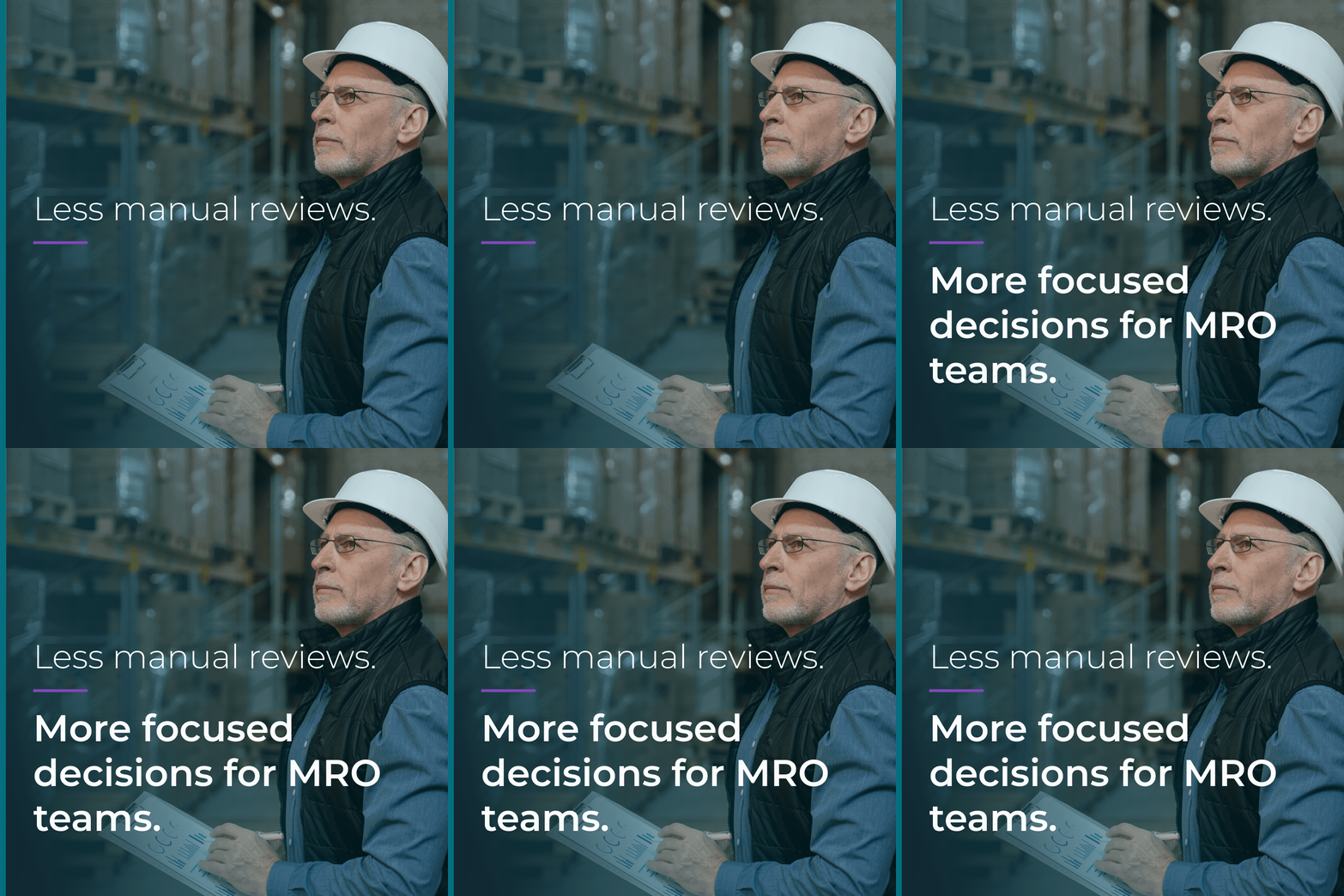
Identify excess spare parts and availability risk, so that you can make the decisions that will deliver the greatest impact to your inventory and cash flow.
- LINKEDIN · IMAGESince 20 Oct 2026
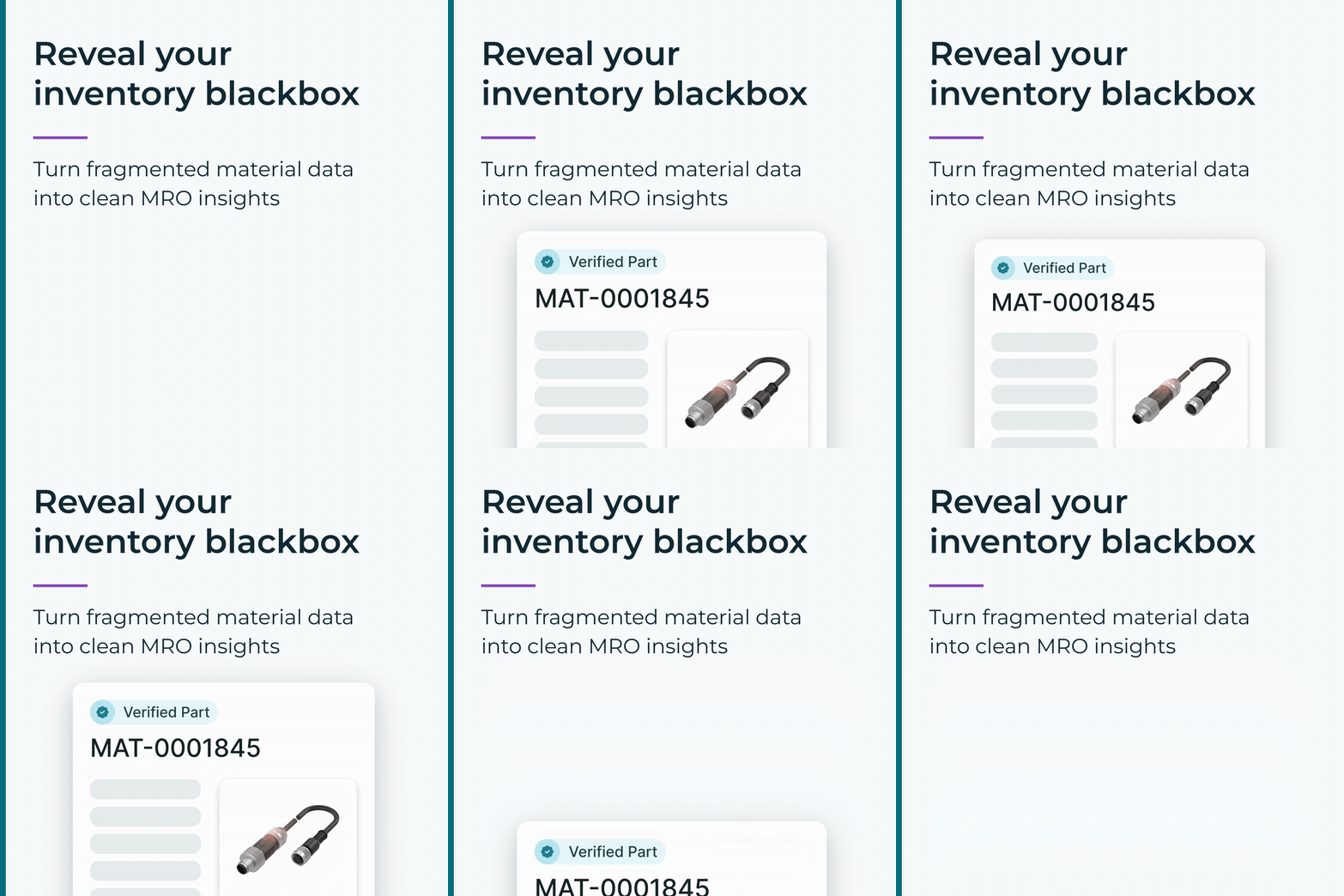
Detect duplicate materials, calculate optimal replenishment parameters, and expose excess inventory across every site.
- LINKEDIN · IMAGESince 20 Oct 2026
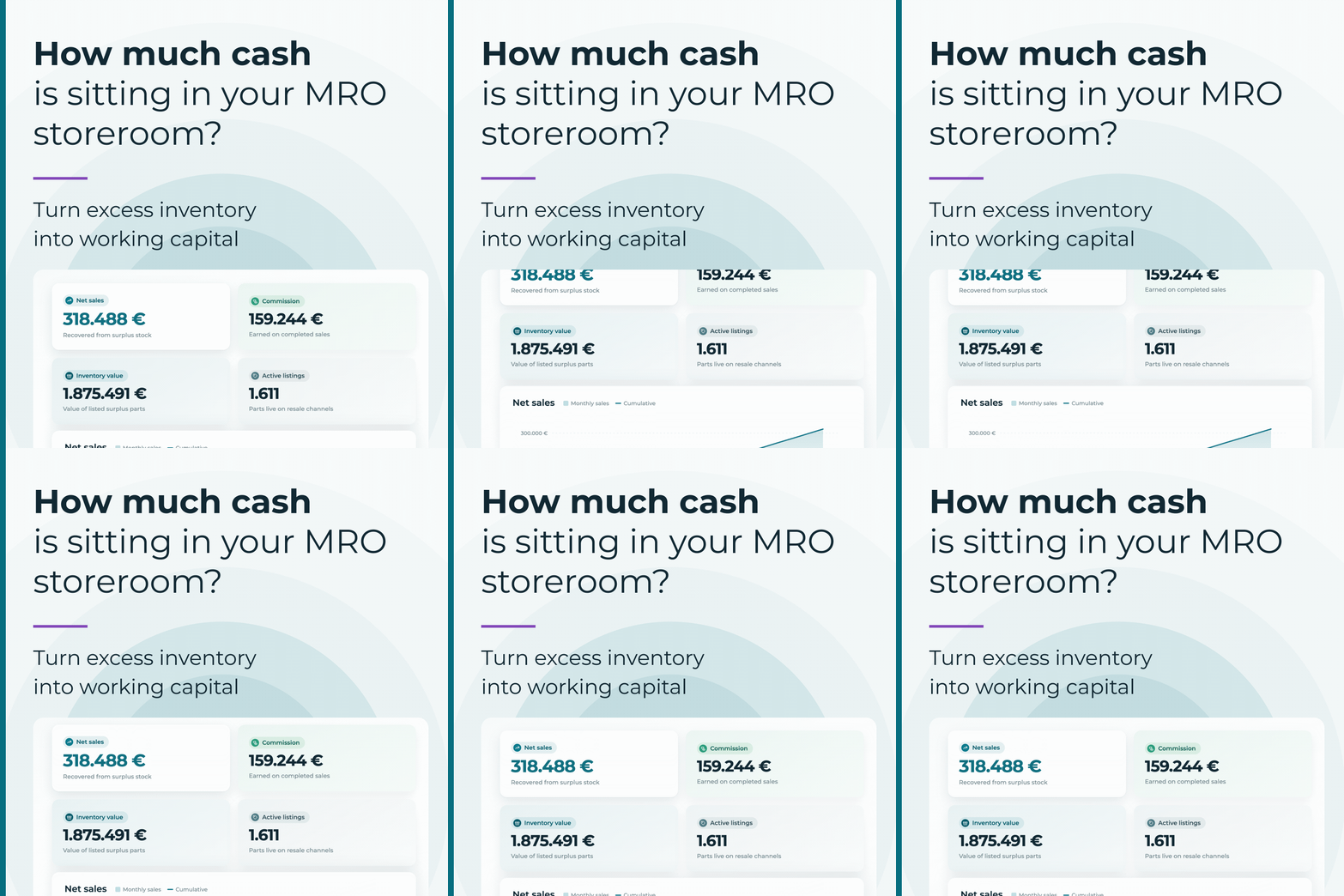
Turn excess and obsolete spare parts into cash at market rates. Vetted partners take on your entire surplus and handle the selling, while you track every part's progress.
- LINKEDIN · IMAGESince 20 Oct 2026
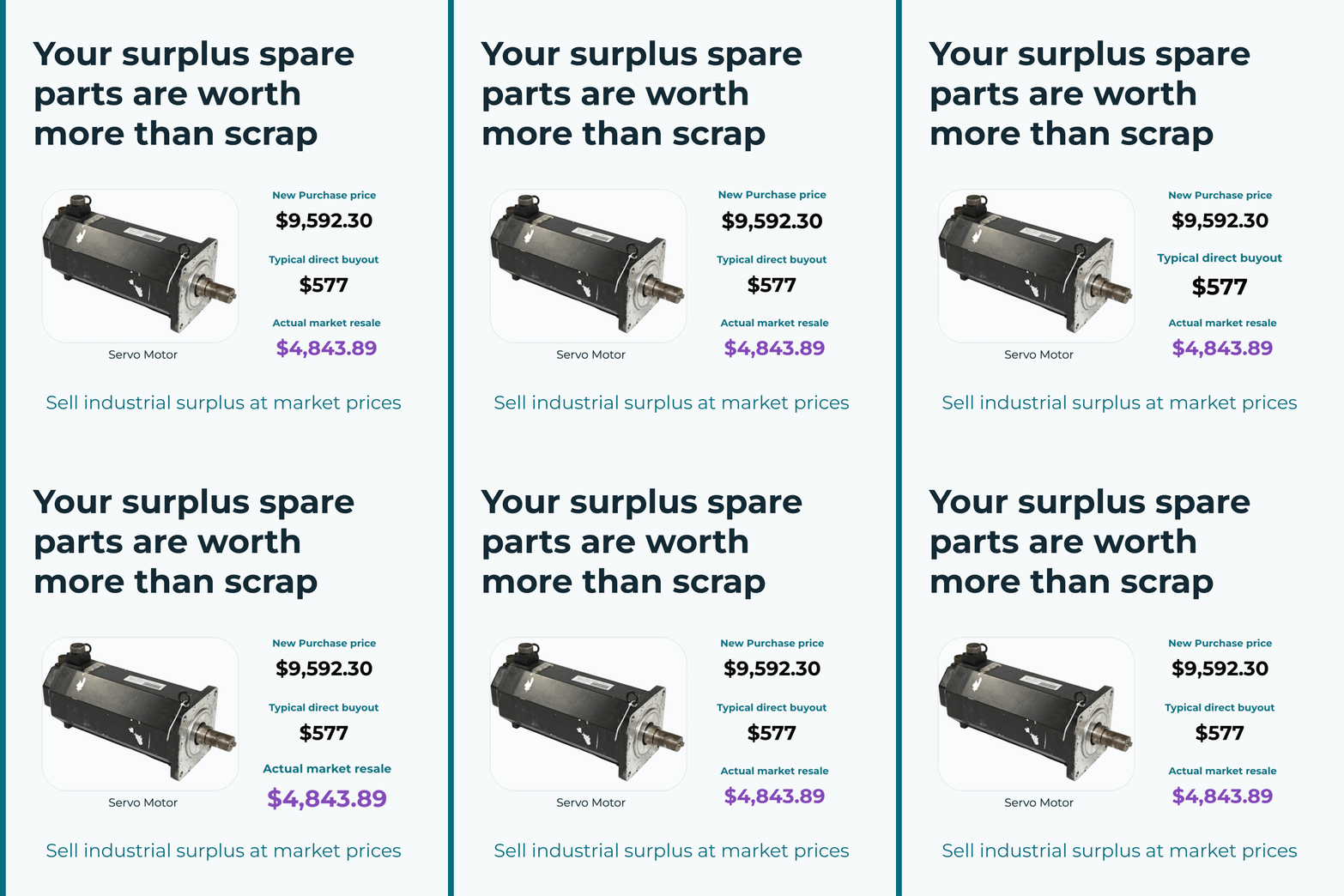
Scrapping surplus MRO parts writes off their value for a fraction of what they're worth. Other manufacturers need those parts. Sell them at market prices instead.
6 of 1,219 adsSign up to see every SPARETECH ad, filter by format and date, and get alerts on new ones.
See all 1,219 adsWatch the companies you care about.
Filter every ad by industry, country, format and network, and get alerts when a company you watch starts running new ads.