On air · 1 of 3 networks
relokate
- relokatehr.com
- DE
- 5 employees
relokate’s ads on LinkedIn, Meta and Google, recorded by adsrunning. Browse the latest here for free. Sign up free to see all 45. Watch relokate with Starter to get each new one in your feed.
Watchlist with Starter · $49/mo
| Network | Status | Live ads | Nov 2025LinkedIn activity · 52 weeksNov 2026 | Checked | Next step |
|---|---|---|---|---|---|
| Running | 1 | Checked 29 Oct 2026 | See all 45 ads → | ||
| Meta | Not checked | — | |||
| None recorded | 0 | No ads found on the Google Ads Transparency Center | Checked 8 Oct 2026 | Collect them with the API → |
relokate has 1 live LinkedIn ad. We recorded no Google ads on 8 Oct 2026.
Latest ads
- LINKEDIN · IMAGESince 28 Oct 2026
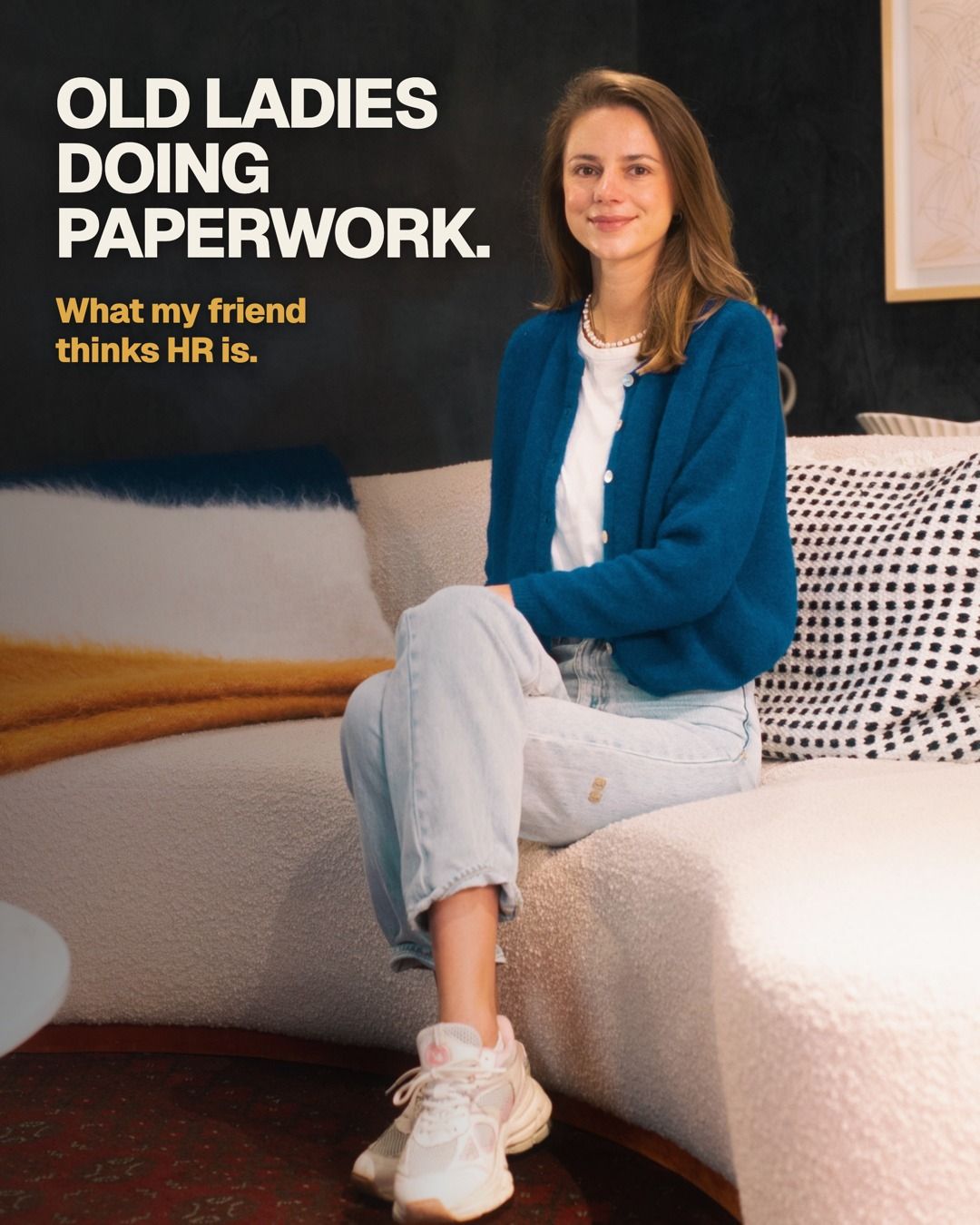
My friend thinks HR is old ladies doing paperwork. Honestly, I cannot fully blame them. In my hotel management apprenticeship, I typed employee record sheets on a typewriter. So yes. I have done the paperwork. Literally on paper. Joke aside: Earlier this week I had just come out of a call with an HR leader who has spent decades in the rooms where people decisions get made in big organisations. I told my friend how energised I felt. They looked at me as if I had said I love doing my tax return. Here is what we actually talked about: → A leadership decision everyone knew was wrong, and a whole organisation that followed it anyway. Someone in HR has to be the person who says where the line is. → Lawyers who wanted to work around the works council during a merger. And the HR person who rebuilt that relationship instead, because employees are not an obstacle to a deal. → A senior leader who leaves overnight, and a team that still needs someone to hold it together on Monday. → Companies so large that every single relocation was reinvented from scratch. None of that is paperwork. All of it depends on the paperwork. HR works on three layers: → Administration: contracts and processes people can count on. → Service: helping managers and employees through what is happening right now. → Strategy: deciding what kind of organisation the company needs to become, and how its people grow with it. Many companies only fund the first one. Then they wonder why HR never gets to the third. I see it every week in international hiring. The visa is the paperwork. Whether a family can build a life in Germany is not. (That is usually where the budget runs out.) If HR still looks like old ladies doing paperwork from the outside, maybe that is all the time we ever left it. What would you tell my friend?
- LINKEDIN · IMAGESince 28 Oct 2026
Who does HR take care of? Everyone. Who takes care of HR? No one. In 2017 I was working in HR at a Rocket Internet venture, in our beautiful office in Berlin, right at the East Side Gallery. Our desks were between the CEO's office and the social area, in an open office with a few glass doors in between. Everyone came to my desk. Always last minute. And everything was super important. At the time, I told myself: to do my job well, I have to be available for everyone, all the time. We did not have any home office days, and therefore no focus time. This led to us coming in super early or staying super late. My learning, years later: most of what felt urgent was really "I don't know where this stands". And nobody can be available all the time. Today I am on the other side of the desk. Everything is still super urgent, especially when a company needs to have a new hire on board as soon as possible. And the timelines in German immigration are never the same. That's why every case is tracked in one dashboard: HR always knows where they stand, and nothing comes as a surprise. (That is how I take care of HR today.) If you are the HR person everyone comes to, this is what I would do tomorrow: → Set up a ticketing system, even a simple one. Every request gets a status, and most "quick questions" answer themselves. → Have a guide with the most common questions already answered. Write it once, send the link instead of explaining it ten times. → Block two hours of focus time a day. Early mornings and late evenings are not a system. → Set walk-in hours. Everything else goes into a ticket, not to your desk. → Decide who takes care of you. A peer, a mentor, an HR network. If the org chart has no answer, build one. Who takes care of you? I'd love to hear honest answers.
- LINKEDIN · IMAGESince 23 Oct 2026
A month ago I wrote that most networking events are a waste of time. Today I'm on a train to one, and I joined it on purpose. This week I became an Associate Partner of petrichor hr a network of more than 50 independent HR experts across Germany. They support companies through consulting, coaching and interim mandates. Tomorrow is their summit in Hamburg. The founders, Dr. Ralf Hunecke and Christian Lesimple, have built this network since 2022. Ralf brings almost 20 years of HR experience from the BMW Group and has worked as an independent interim manager and consultant since 2018. Christian brings more than 20 years in different HR functions, with a focus on Compensation & Benefits. Among other roles, he was Head of Steering, Principles and Processes for Global Assignments. And yes, it started at a networking event. At Zukunft Personal, I joined a small, curated HR breakfast hosted by Florian Klages, one of petrichor hr's strategic partners. Through it, Ralf and I met on LinkedIn. Thank you, Florian. For me, that's what networking should be: a small group, with a purpose. And being visible in the HR space really makes a difference. What's the best HR networking event you've ever been to, and what made it work?
- LINKEDIN · IMAGESince 21 Oct 2026
Is Germany facing a brain drain 🧠? (It looks like it) 2013. My first job at auxmoney. I accompanied our very first international hire to the immigration office in Düsseldorf. → We had an appointment → We still waited 2.5 hours → People around us left without answers → Everything felt uncertain, and I speak German That was 13 years ago. Not much has changed. But the stakes have. Up to 39% of international IT professionals have thought about leaving Germany (IAB, 2025). In finance, it looks similar. The paradox: the more integrated and successful they are, the more likely they are to leave. → Bureaucracy → Lack of recognition → Discrimination → High tax burden Germany doesn't just need a welcome culture. It needs a stay culture. That's the work at relokate: attract → relocate → onboard → retain. Welcoming talent is step one. Keeping them here is the real work. What was your first experience with German bureaucracy like? You can't control the waiting room. You can control the documents. Our checklist has all of them (13 for a visa, 18 for a residence permit): https://lnkd.in/ezDtxPq9
- LINKEDIN · IMAGESince 21 Oct 2026
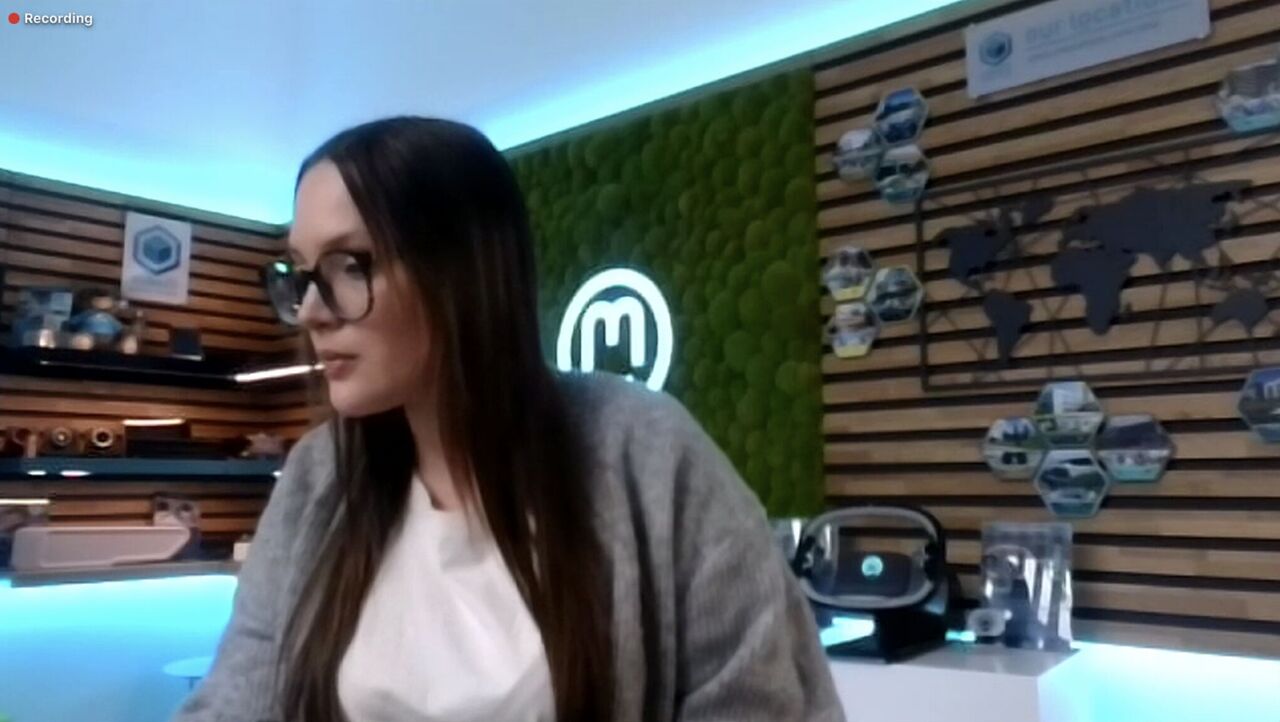
When Marquardt Group asked us to relocate 20+ engineers from Tunisia at the same time, my honest first thought was: "The visas will be the easy part." Because at that scale, the real challenge is everything happening at once. 20+ Blue Card processes. 20+ families. Relocation, health insurance, housing, Anmeldung, kita search, school registration, onboarding, integration program definition, all in parallel. One missed document, and an entire hiring plan gets delayed by months. Most HR teams never have to build for that scale. There is no playbook you can download. So we built the system together, before the first relocation even started: → standardised relocation packages → fast-track approvals under §81a → employees and families handled in parallel → one live dashboard instead of spreadsheets → weekly case updates between their HR team and our team at relokate Eight weeks on average. Here's what we delivered: → 100% visa success → 72% lower costs vs. in-house handling → 95% of families settled before day one After 1,500+ relocations, this is still the lesson I come back to: Global hiring only scales through systems. Considering relocation at that scale: would you build it in-house or bring in a partner? The full case study (with video): https://lnkd.in/eiXwgeYK
- LINKEDIN · IMAGESince 21 Oct 2026
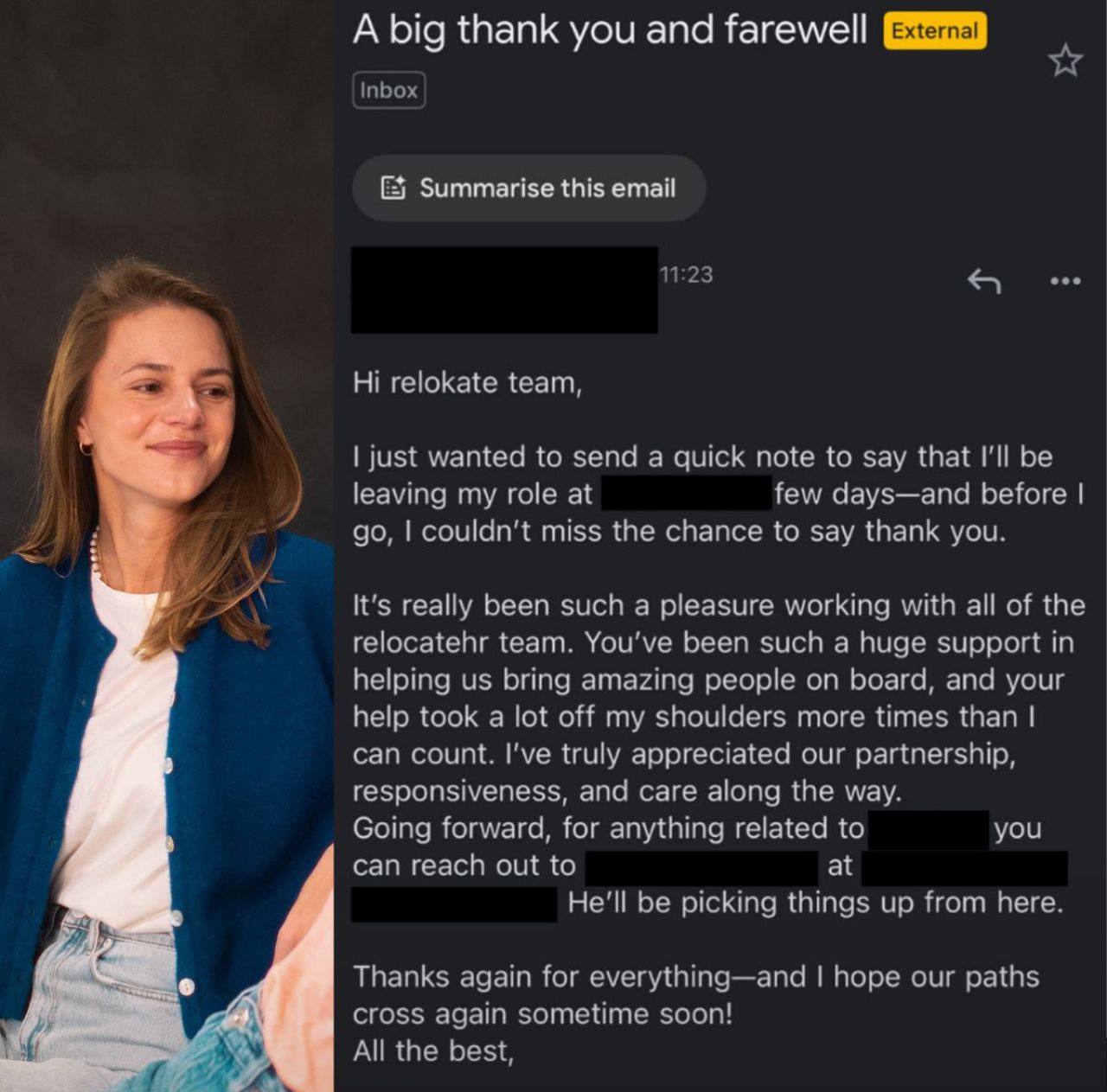
We ask clients for Google reviews like everyone does. The feedback that actually matters is the kind nobody asked for. A long-term client wrote us a farewell note. She was leaving her company and had no open projects with us, nothing to gain. It was unprompted and unpolished and the reason why we keep building relokate. The asked-for kind is going well too: 77 Google reviews, all five stars. Anyone who has ever chased a busy HR manager for a review knows what those take. Reviews tell you what you sold. Farewell notes tell you what you built. The best client relationships don't end when the invoice does. Meet our other happy clients: https://lnkd.in/ekPzcNhA



6 of 45 adsSign up to see every relokate ad, filter by format and date, and get alerts on new ones.
See all 45 adsWatch the companies you care about.
Filter every ad by industry, country, format and network, and get alerts when a company you watch starts running new ads.