On air · 1 of 3 networks
Perdoo
- perdoo.com
- Software Development
- DE
- 12 employees
Perdoo’s ads on LinkedIn, Meta and Google, recorded by adsrunning. Browse the latest here for free. Sign up free to see all 328. Watch Perdoo on any plan to get each new one in your feed.
Watchlist included in every plan
| Network | Status | Live ads | Nov 2025Activity · 52 weeksNov 2026 | Checked | Next step |
|---|---|---|---|---|---|
| None recorded | 0 | Checked 3 Nov 2026 | See all 328 ads → | ||
| Meta | Running | 31 | Checked 31 Oct 2026 | Collect them with the API → | |
| Recently | 200+ | Ads on the Google Ads Transparency Center | Checked 6 Oct 2026 | Collect them with the API → |
Perdoo has no live LinkedIn ads. Its Facebook page had 31 active ads on 31 Oct 2026, and we recorded 200+ Google ads on 6 Oct 2026.
Latest ads
- LINKEDIN · IMAGESince 6 Oct 2026
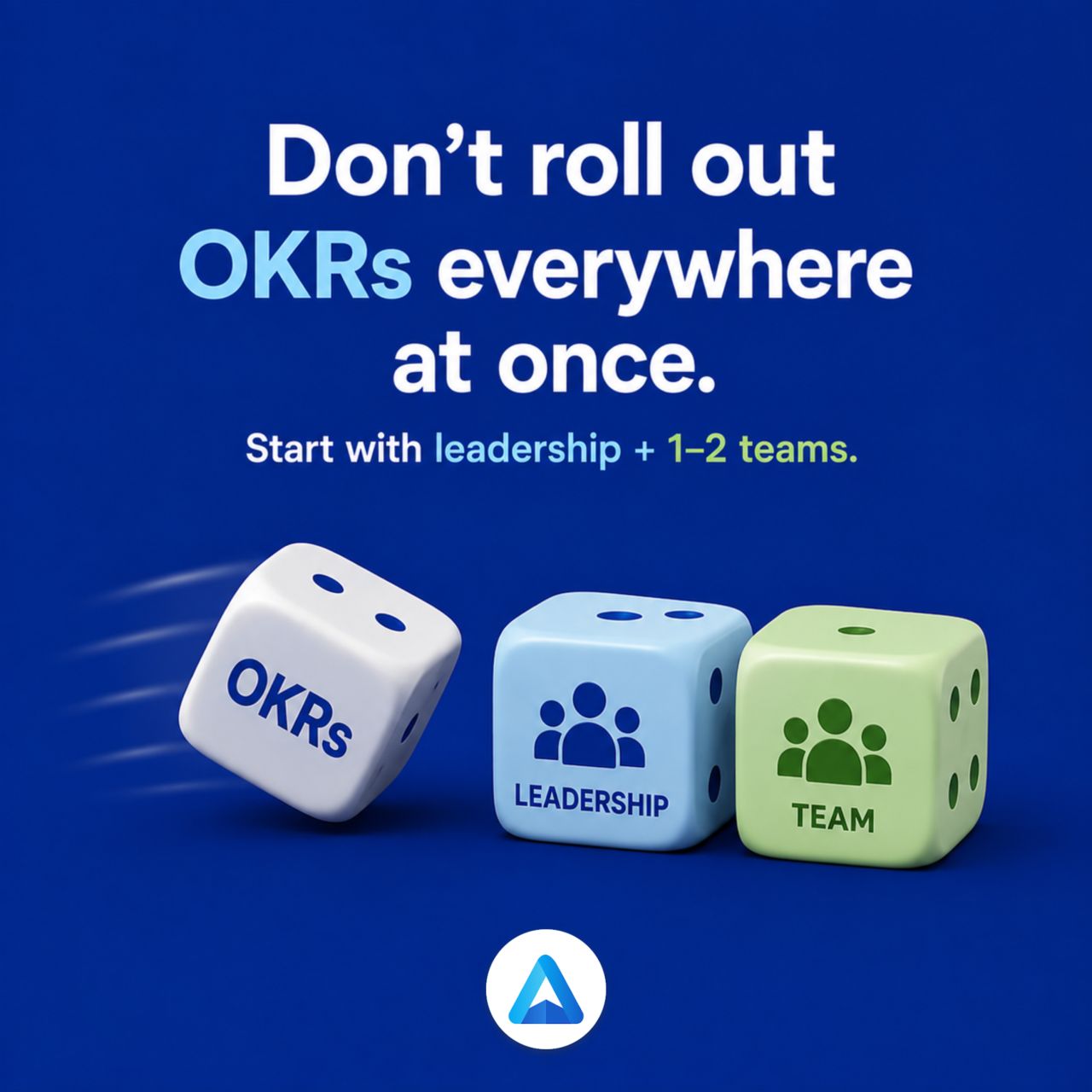
Why do OKRs sometimes disappear after the first quarter? Often, the problem starts on day one. A company introduces OKRs to everyone at once. Every team is expected to set up its strategy, OKRs and KPIs. Everyone has to understand the new process immediately. And enthusiasm quickly turns into overload. A gradual rollout works differently. Start with leadership and 1–2 teams. Keep it simple: 1 Objective per team. 2–3 Key Results per Objective. Let those teams experience the rhythm of setting, tracking and reviewing OKRs. Then use what they learn to onboard the next teams. Those early teams can become internal champions who understand what works - and what doesn’t. There’s another important part: Don’t create a completely separate OKR routine. Bring OKRs into the routines that already exist. Use 1-on-1s to discuss progress on Objectives and KPIs. Use team meetings to check what’s moving and what’s stuck. And use goal updates for leadership reporting instead of creating another set of slides. OKRs don’t stay alive because of a great launch. They stay alive when they become part of how the organization already works.
- LINKEDIN · IMAGESince 5 Oct 2026
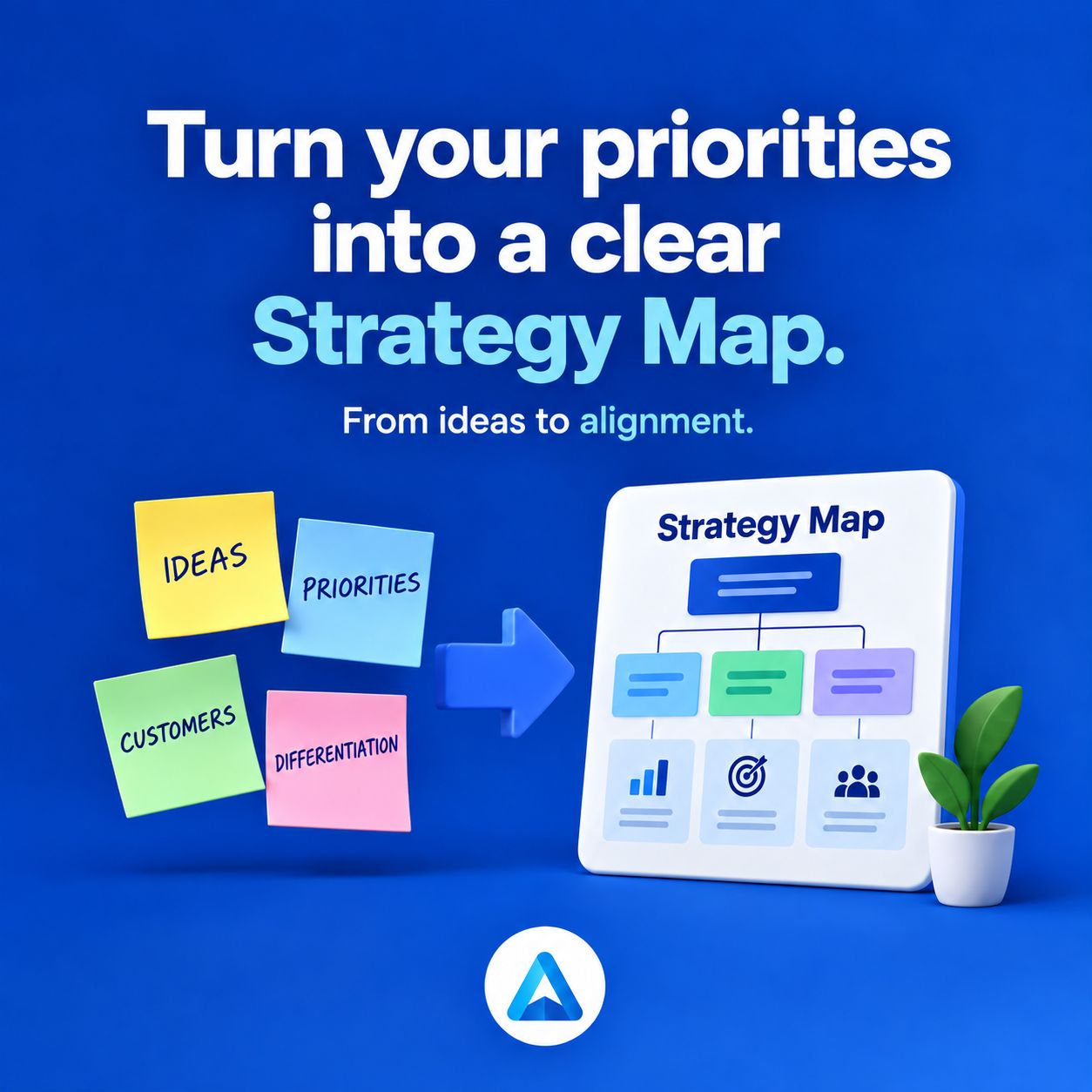
A strategy can make perfect sense to the leadership team and still be difficult for everyone else to relate to. That’s pretty normal. Strategy often starts as a collection of important choices, priorities, and ideas. The challenge is turning all of that into something people across the organization can actually understand and use. > What does our playing field look like? > Who are we trying to serve? > How are we aiming to win? > What matters most right now? And how does all of that connect to what we measure and what teams work on? This is one of the reasons I like Strategy Maps. They make those connections visible. Not across 40 slides or different documents. On one page. We built a simple tool to help with that. You add some context about your organization, including your priorities, differentiation, and target customer, and Perdoo AI turns it into a one-page Strategy Map with aligned KPIs and OKRs. It won’t make the strategic choices for you. But it can give you a useful starting point for structuring them and seeing how they fit together. That’s what we tried to achieve with this tool: a simple way to move from priorities and strategic choices to a visual structure that connects them with KPIs and OKRs.
- LINKEDIN · IMAGESince 5 Oct 2026
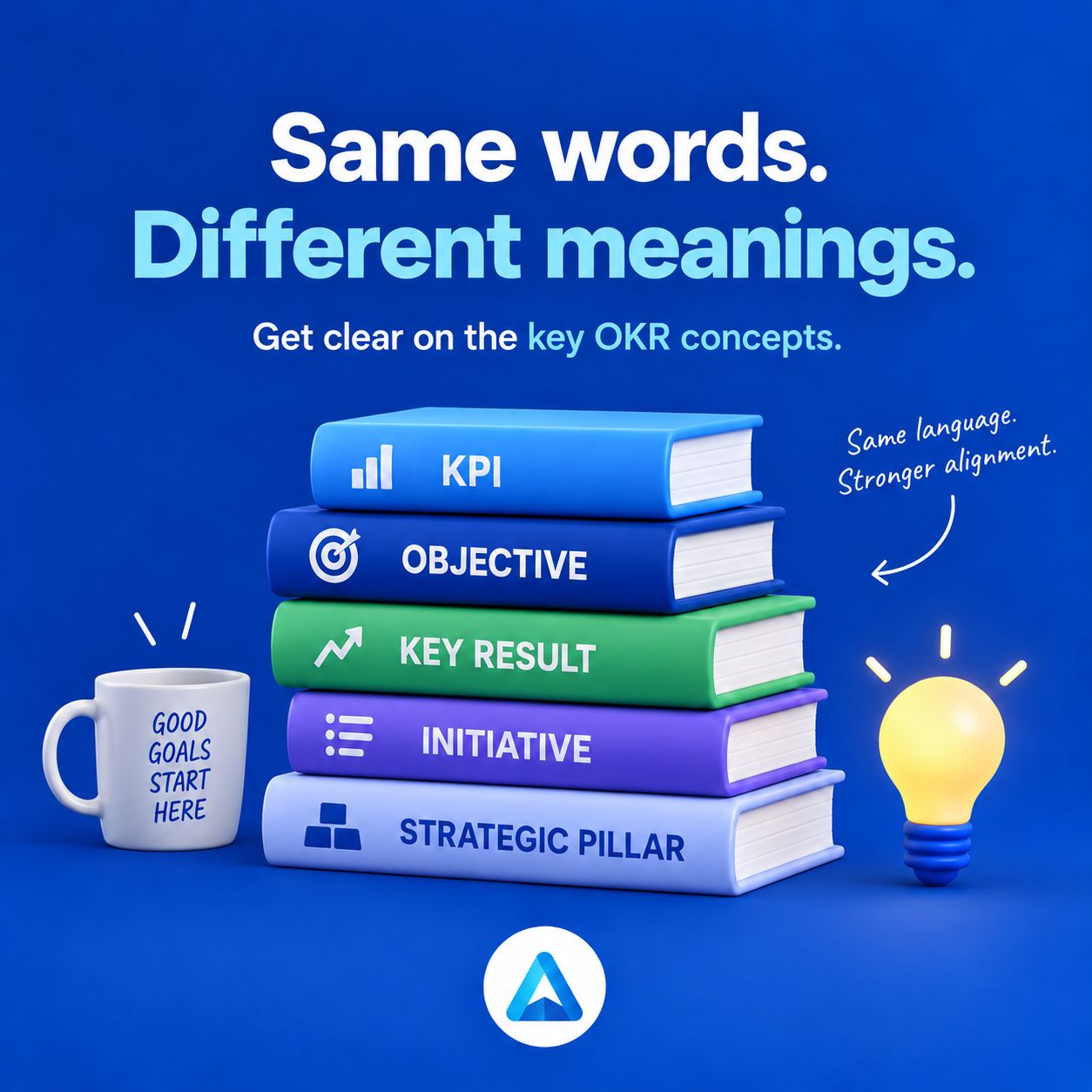
Some OKR challenges start with something surprisingly simple: People mean slightly different things when they use the same terminology. Take KPIs and Key Results: - Both use metrics. - But they play different roles. - A KPI tells you how healthy an important part of the business is. - A Key Result tells you what you’re trying to change. Then there are Key Results and Initiatives: - A Key Result measures the outcome you want. - An Initiative is the work you believe will help you achieve that outcome. And there’s a similar distinction between Strategic Pillars and Objectives: - A Strategic Pillar describes how your organization has chosen to win. - An Objective describes a change you wish to realize within a specific time. None of these differences are particularly complicated on their own. But as OKRs spread across an organization, having a shared understanding of them becomes increasingly important. It makes conversations easier. It makes goal-setting easier. It creates clarity. So we created 3 short quizzes around the distinctions we see people asking about most often: - KPI vs Key Result - Key Result vs Initiative - Strategic Pillar vs Objective 20 questions each. About 3 minutes.
- LINKEDIN · IMAGESince 5 Oct 2026
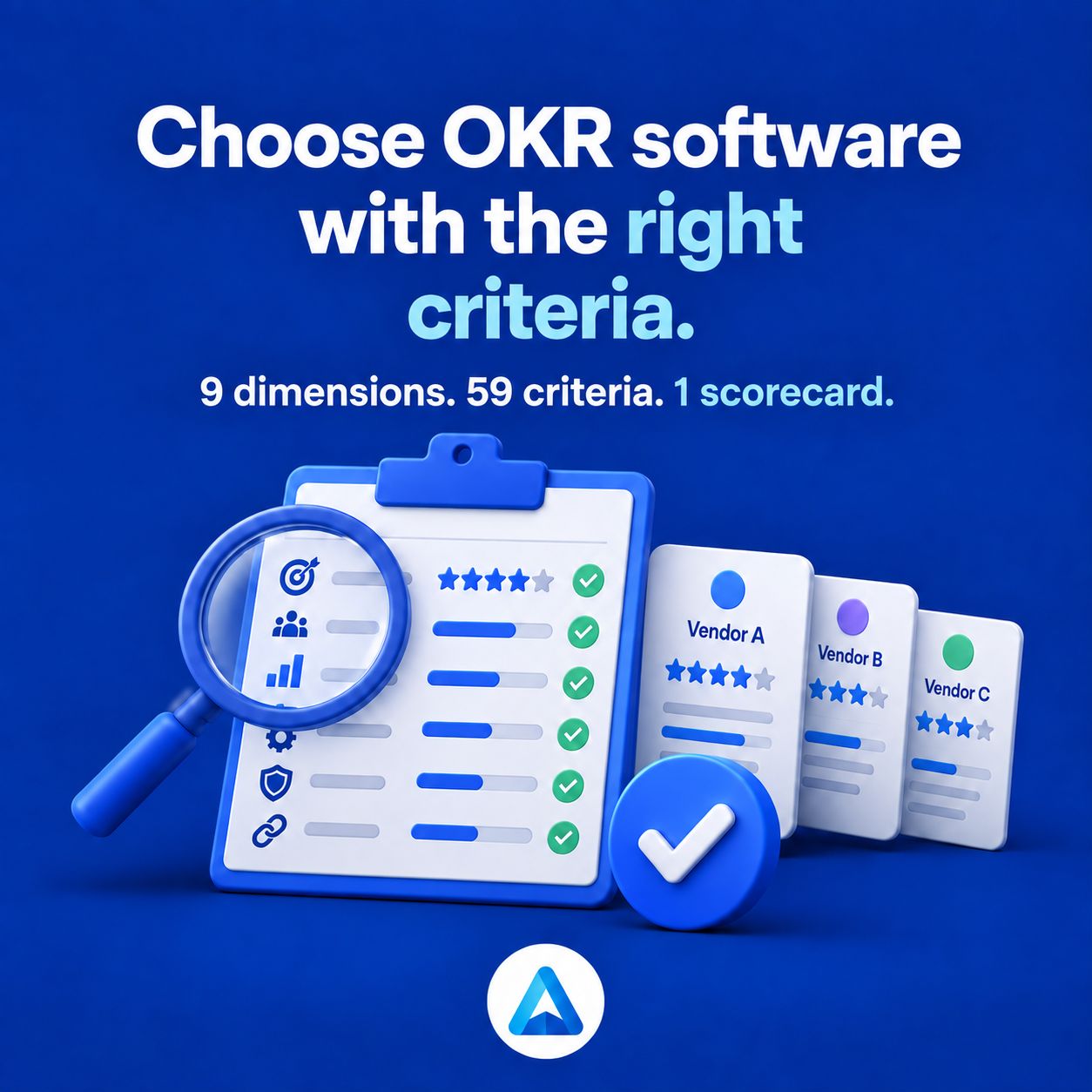
Choosing OKR software is harder than it looks. Most platforms can show you an impressive demo. And when you’re comparing several of them, it’s easy to focus on the things that are immediately visible: - The UI - A feature you really liked - How intuitive the demo felt Those things matter. But if you’re choosing a platform you might use for the next 3–5 years, there are a few other questions worth asking too. - Can everyone in the company actually use it? - Does it support what you need beyond just creating OKRs? - Can it connect strategy, KPIs, OKRs, and Initiatives? - Does it fit into the tools people already use? - What kind of implementation and ongoing support will you get? - And what will the total cost look like as you scale? It can be difficult to keep all of those considerations in your head when comparing vendors. So I put together the evaluation framework I think companies should use: - 9 dimensions - 59 criteria - A 1-page scorecard You can score each vendor from 1–5, weight the dimensions that matter most to your organization, and compare up to 3 vendors side by side. And yes, you can use it to evaluate Perdoo too. The goal isn’t to tell you which vendor to choose. It’s to help you make the decision in a more structured way.
- LINKEDIN · VIDEOSince 28 Sept 2026
𝐌𝐨𝐬𝐭 “𝐬𝐭𝐫𝐚𝐭𝐞𝐠𝐲” 𝐝𝐞𝐜𝐤𝐬 𝐟𝐚𝐢𝐥 𝐛𝐞𝐜𝐚𝐮𝐬𝐞 𝐭𝐡𝐞𝐲 𝐧𝐞𝐯𝐞𝐫 𝐚𝐧𝐬𝐰𝐞𝐫 𝐭𝐡𝐫𝐞𝐞 𝐬𝐢𝐦𝐩𝐥𝐞 𝐪𝐮𝐞𝐬𝐭𝐢𝐨𝐧𝐬. Many teams adopt OKRs to improve alignment. But OKRs can only align people around something that is already clear. That “something” is your ultimate goal. A good ultimate goal answers three questions: 1️⃣ 𝐖𝐡𝐚𝐭 𝐢𝐬 𝐨𝐮𝐫 𝐩𝐮𝐫𝐩𝐨𝐬𝐞? Why do we exist, and what problem are we solving? This is your mission. 2️⃣ 𝐅𝐨𝐫 𝐰𝐡𝐨𝐦 𝐚𝐫𝐞 𝐰𝐞 𝐬𝐨𝐥𝐯𝐢𝐧𝐠 𝐢𝐭? You cannot serve everyone. Pick the customer segments you will focus on. 3️⃣ 𝐖𝐡𝐞𝐧 𝐰𝐢𝐥𝐥 𝐰𝐞 𝐜𝐨𝐧𝐬𝐢𝐝𝐞𝐫 𝐭𝐡𝐢𝐬 𝐚 𝐬𝐮𝐜𝐜𝐞𝐬𝐬? What do we want to become, and what does “winning” look like? This is your vision. When leaders skip these questions, OKRs turn into a list of busy projects. When leaders answer them well, alignment becomes much easier: People know what matters, what does not, and which “battles” are not worth fighting. 👉 Perdoo’s example is a good model because it is concrete: Help ambitious organizations sustain their growth, and be the leading OKR platform in Europe and North America. You can hear all three answers inside one sentence: purpose, audience, and what winning looks like. Ask three people in your company to describe your ultimate goal. If you get three different answers, alignment will always be expensive.
- LINKEDIN · IMAGESince 4 Sept 2026
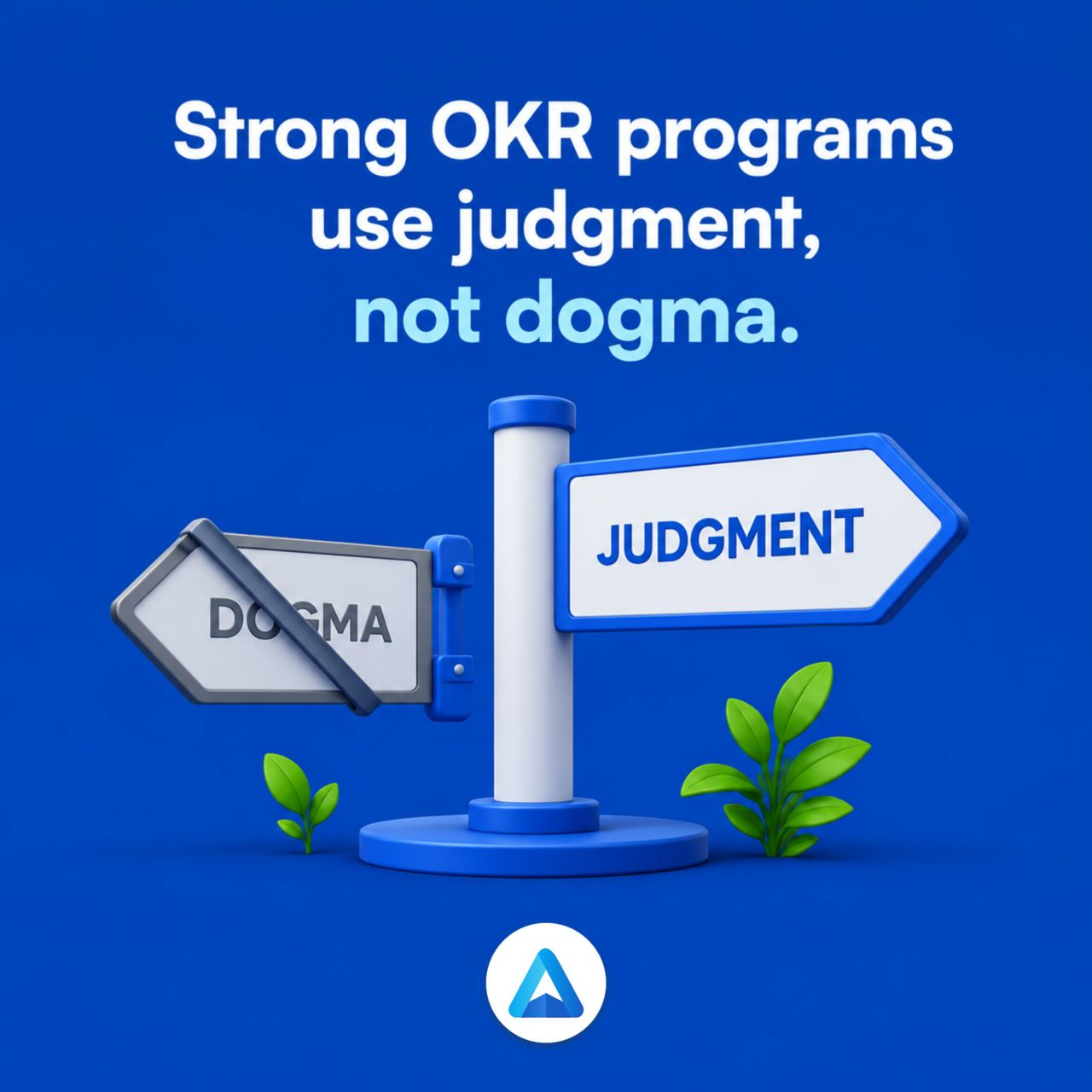
A lot of OKR advice started as a convention. Then it became a rule. Then it became dogma. That is where many OKR programs start to break. Not because the framework is wrong. But because companies follow rules that were never meant to be universal. Every team needs OKRs. Every Objective needs at least 3 Key Results. OKRs must be quarterly. 100% means the target was too easy. OKRs cannot change mid-cycle. These sound like OKR rules. They are not. They are defaults. And defaults are only useful when they fit the company. If a team’s work is better managed through KPIs, forcing OKRs on them adds noise. If an Objective only needs two Key Results, adding a third one does not create more clarity. If the market changes in week 4, continuing to track an outdated OKR until week 12 is not discipline. It is rigidity. Strong OKR programs do not simply copy what worked somewhere else. They understand the purpose of the framework. Then they apply judgment. That is the difference between following an OKR process and using OKRs effectively.
6 of 328 adsSign up to see every Perdoo ad, filter by format and date, and get alerts on new ones.
See all 328 adsOn Facebook and Instagram
Facebook page Perdoo · 31 active ads, checked 31 Oct 2026 · 31 recorded
- All 20
- Image 16
- Video 3
 META · IMAGESince 27 Oct 2026
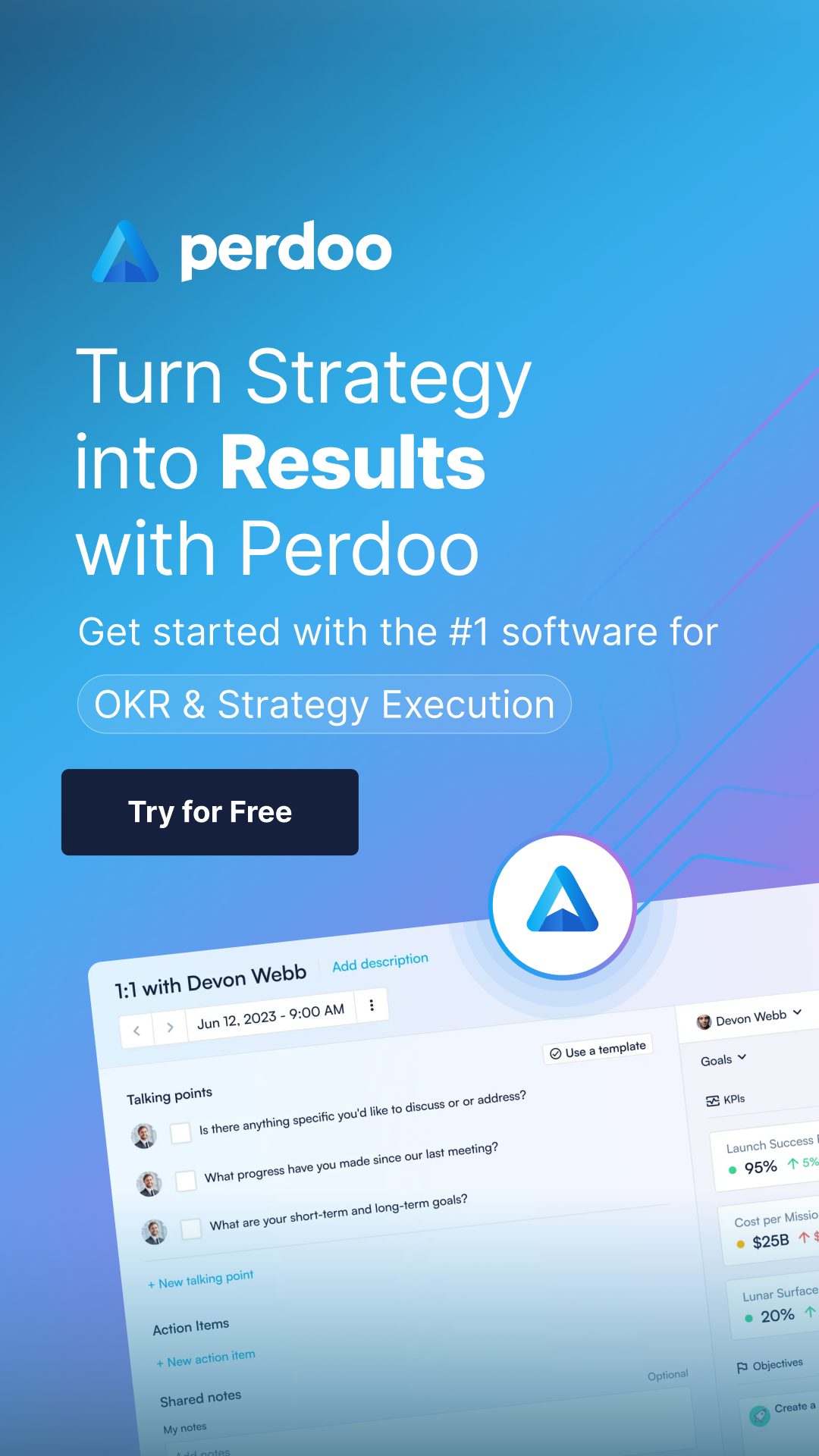
Active on Facebook, Instagram. Align teams around clear goals and make strategy execution easier with Perdoo.
 META · IMAGESince 23 Oct 2026
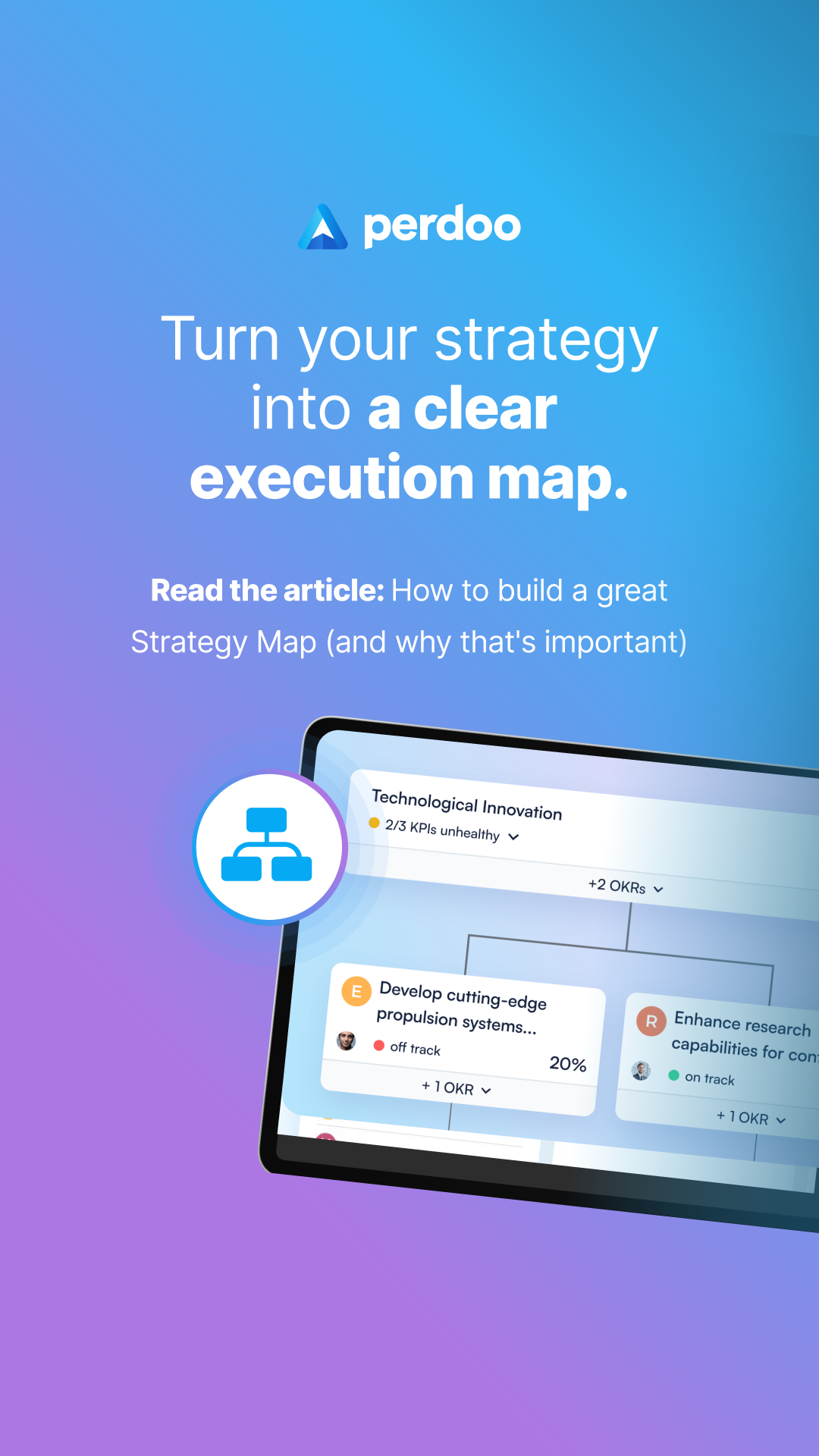
Active on Facebook, Instagram. Great strategies need more than slides. Learn how to build a Strategy Map your teams can actually use with Perdoo.
 META · IMAGESince 12 Oct 2026
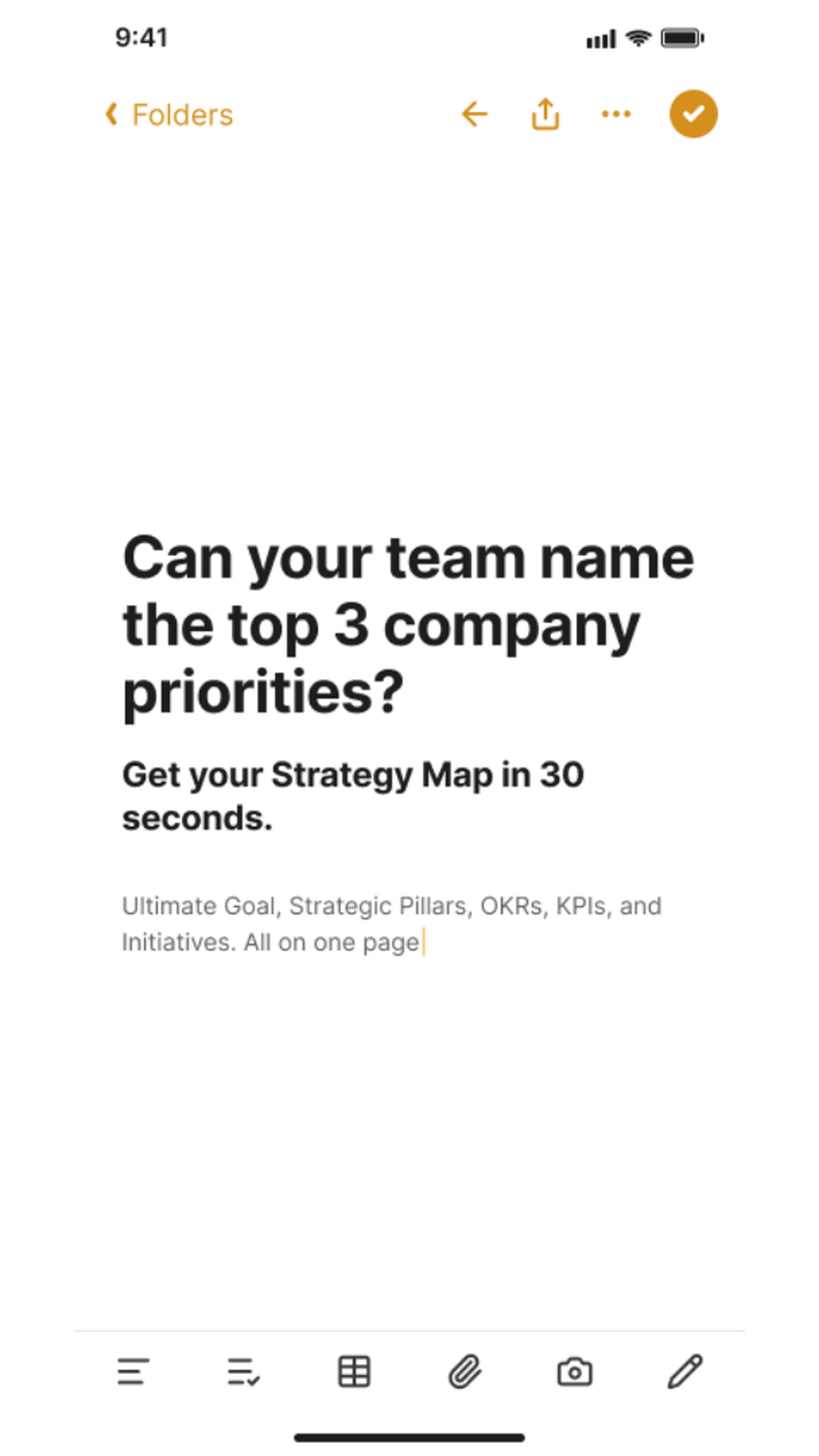
Active on Facebook, Instagram. Perdoo maps your goals, Strategic Pillars, OKRs, and KPIs. Free, in 30 seconds.
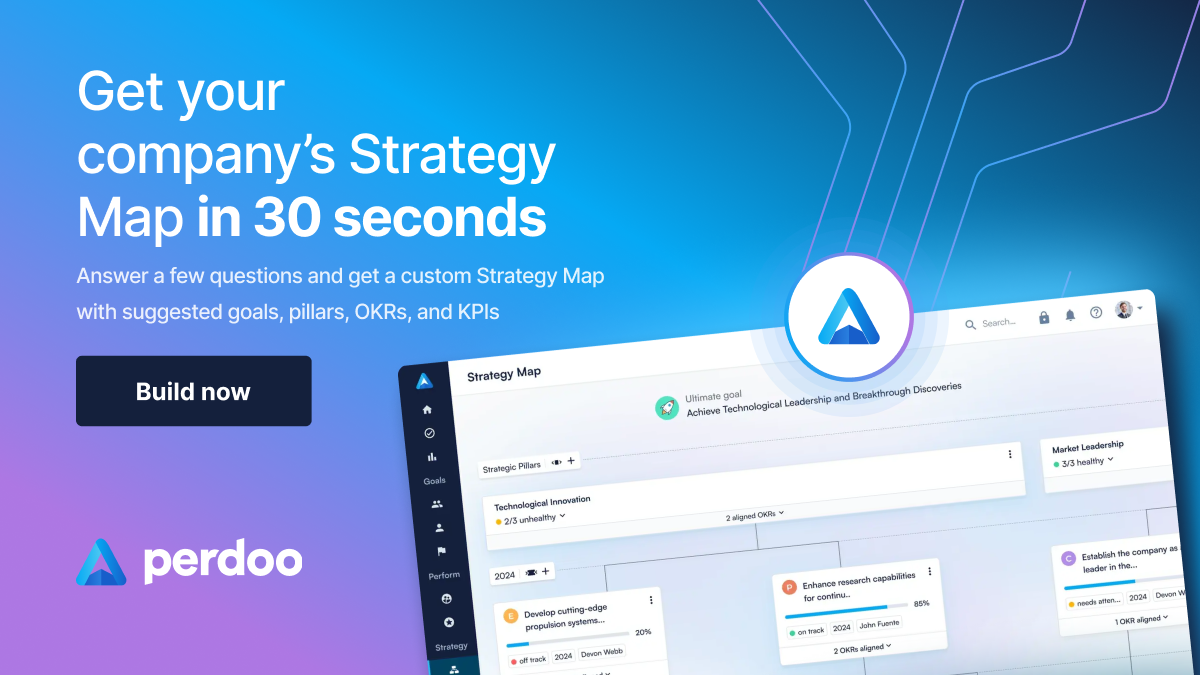 META · IMAGESince 7 Oct 2026
Active on Facebook, Instagram. Perdoo maps your goals, Strategic Pillars, OKRs, and KPIs. Free, in 30 seconds.
 META · IMAGESince 2 Oct 2026
Active on Facebook, Instagram. Bring OKRs, KPIs, and strategy together in Perdoo so priorities stay clear and actionable.
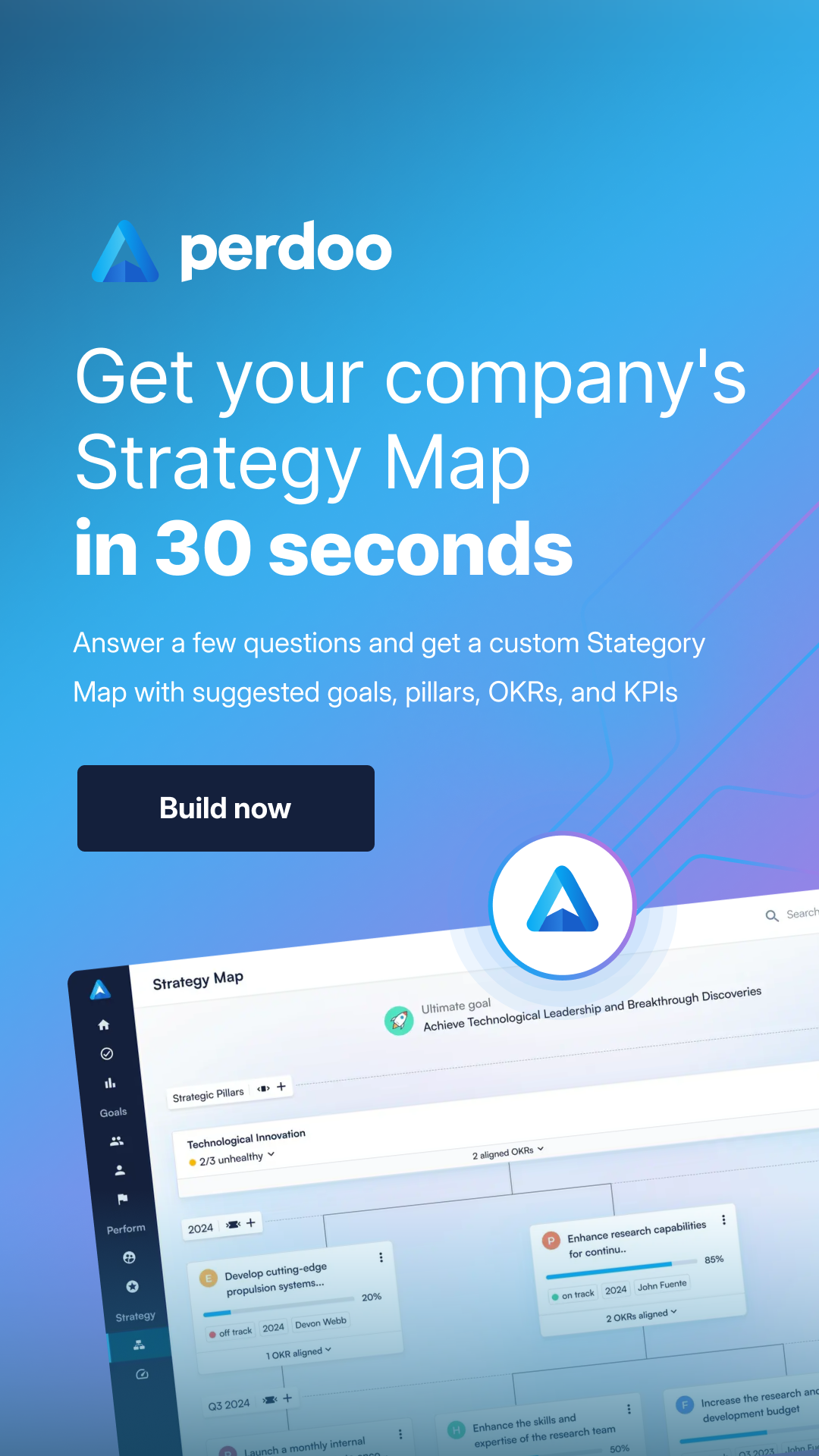 META · UNKNOWNSince 29 Sept 2026
Active on Facebook, Instagram. Perdoo maps your goals, Strategic Pillars, OKRs, and KPIs. Free, in 30 seconds.
Show 14 more Meta ads
 META · IMAGESince 29 Sept 2026
Active on Facebook, Instagram. Perdoo maps your goals, Strategic Pillars, OKRs, and KPIs. Free, in 30 seconds.
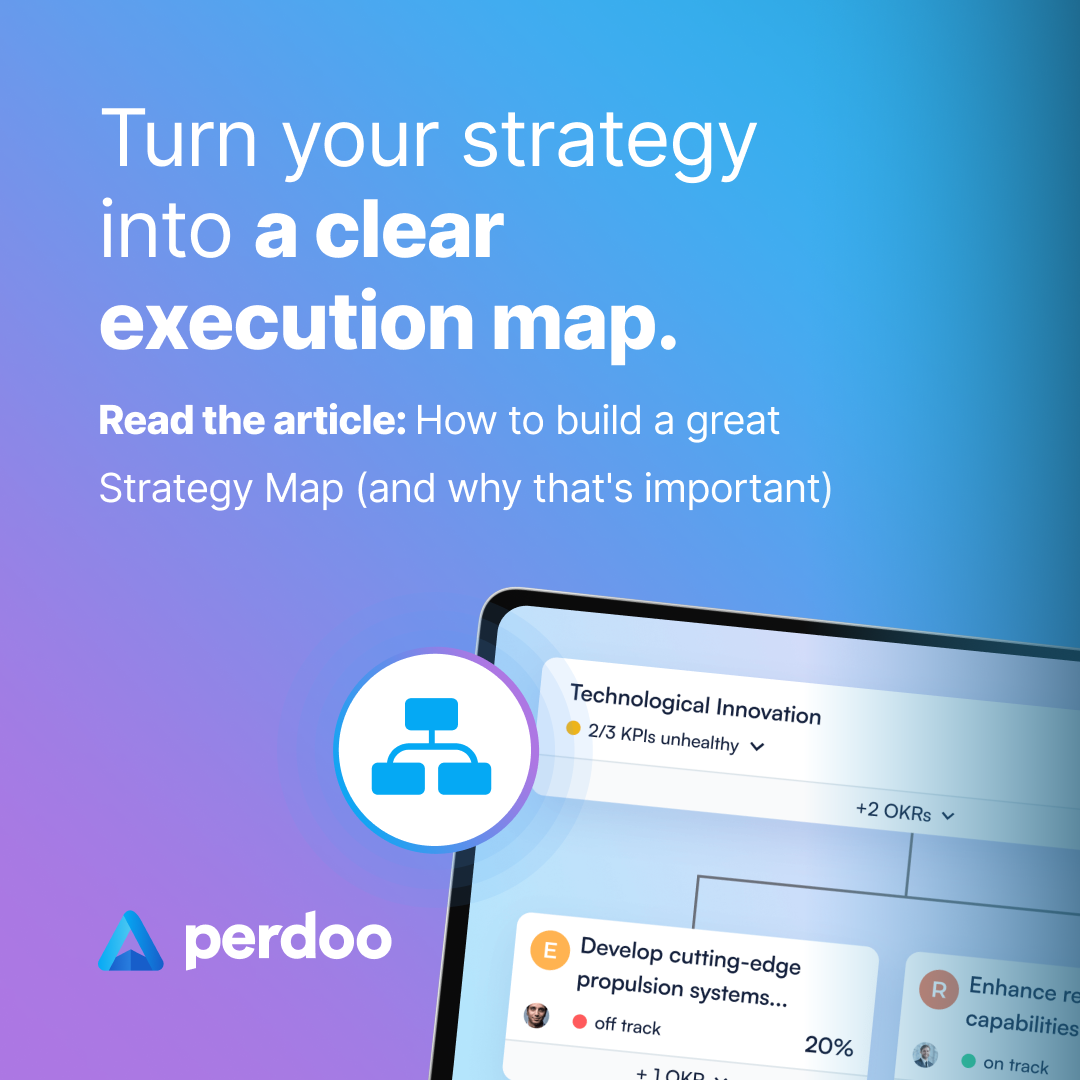 META · IMAGESince 18 Sept 2026
Active on Facebook, Instagram. Great strategies need more than slides. Learn how to build a Strategy Map your teams can actually use with Perdoo.
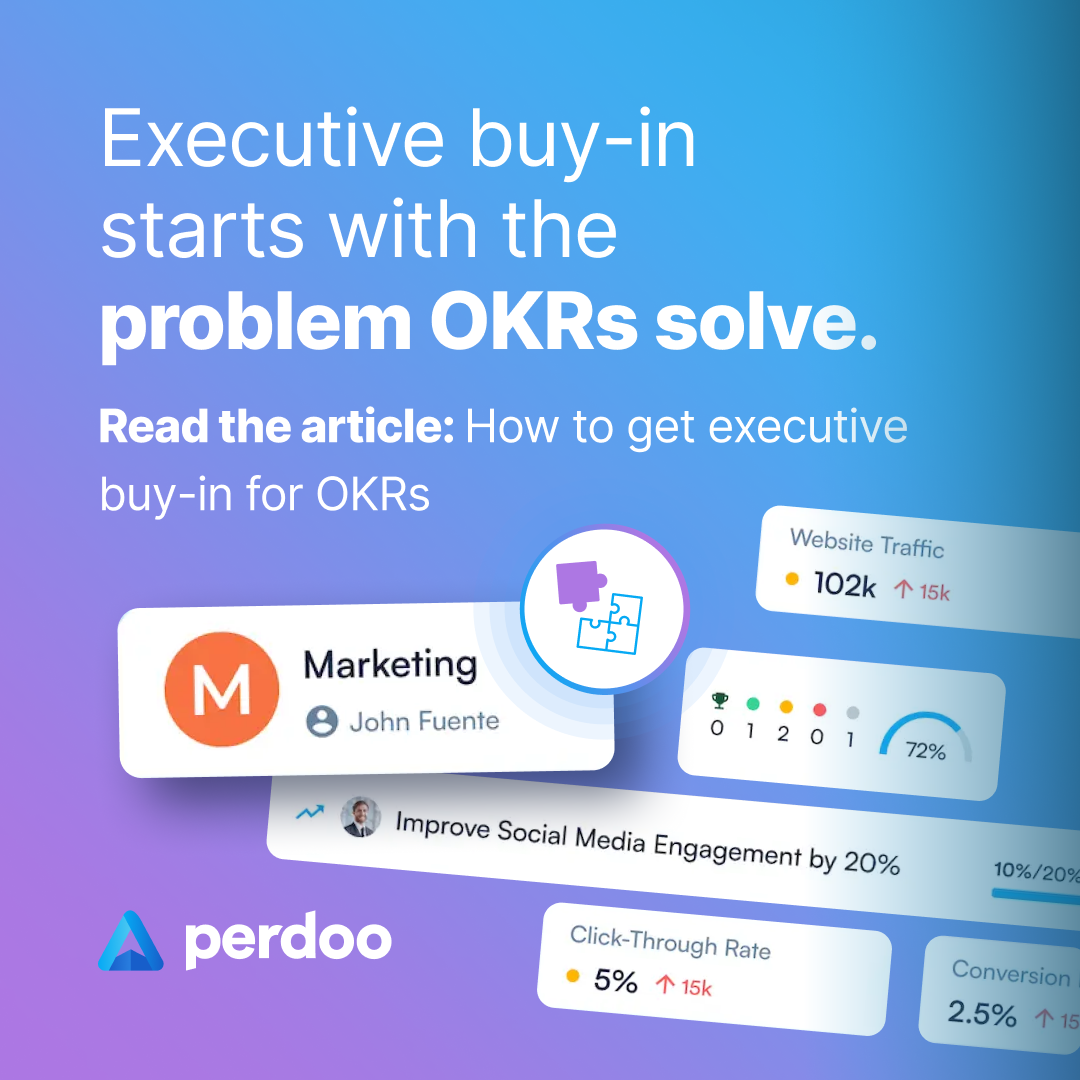 META · IMAGESince 14 Sept 2026
Active on Facebook, Instagram. Executive buy-in starts with the pain leaders already feel. Learn how to make OKRs relevant before you roll them out.
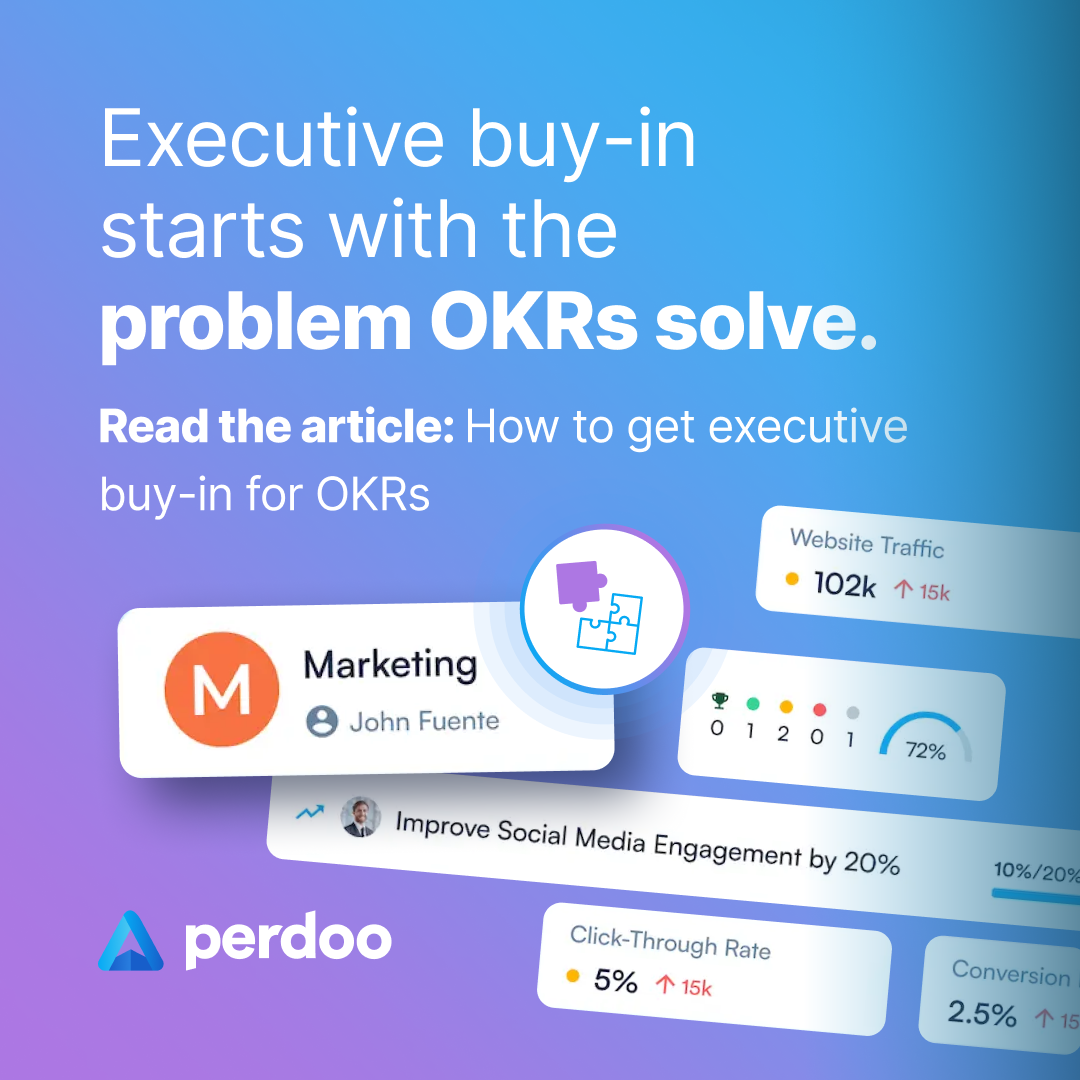 META · IMAGESince 14 Sept 2026
Active on Facebook, Instagram. Executive buy-in starts with the pain leaders already feel. Learn how to make OKRs relevant before you roll them out.
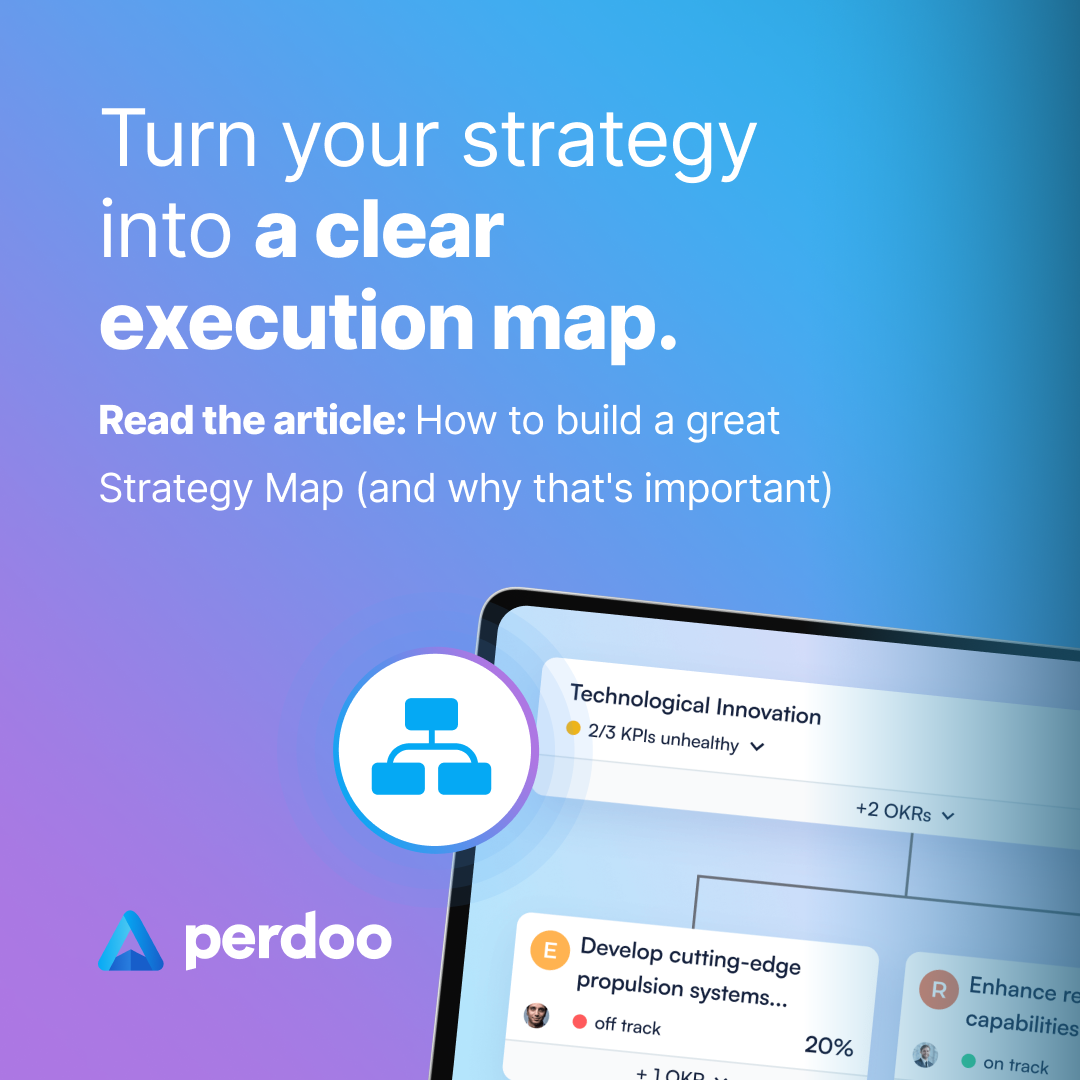 META · IMAGESince 14 Sept 2026
Active on Facebook, Instagram. Great strategies need more than slides. Learn how to build a Strategy Map your teams can actually use with Perdoo.
 META · IMAGESince 14 Sept 2026
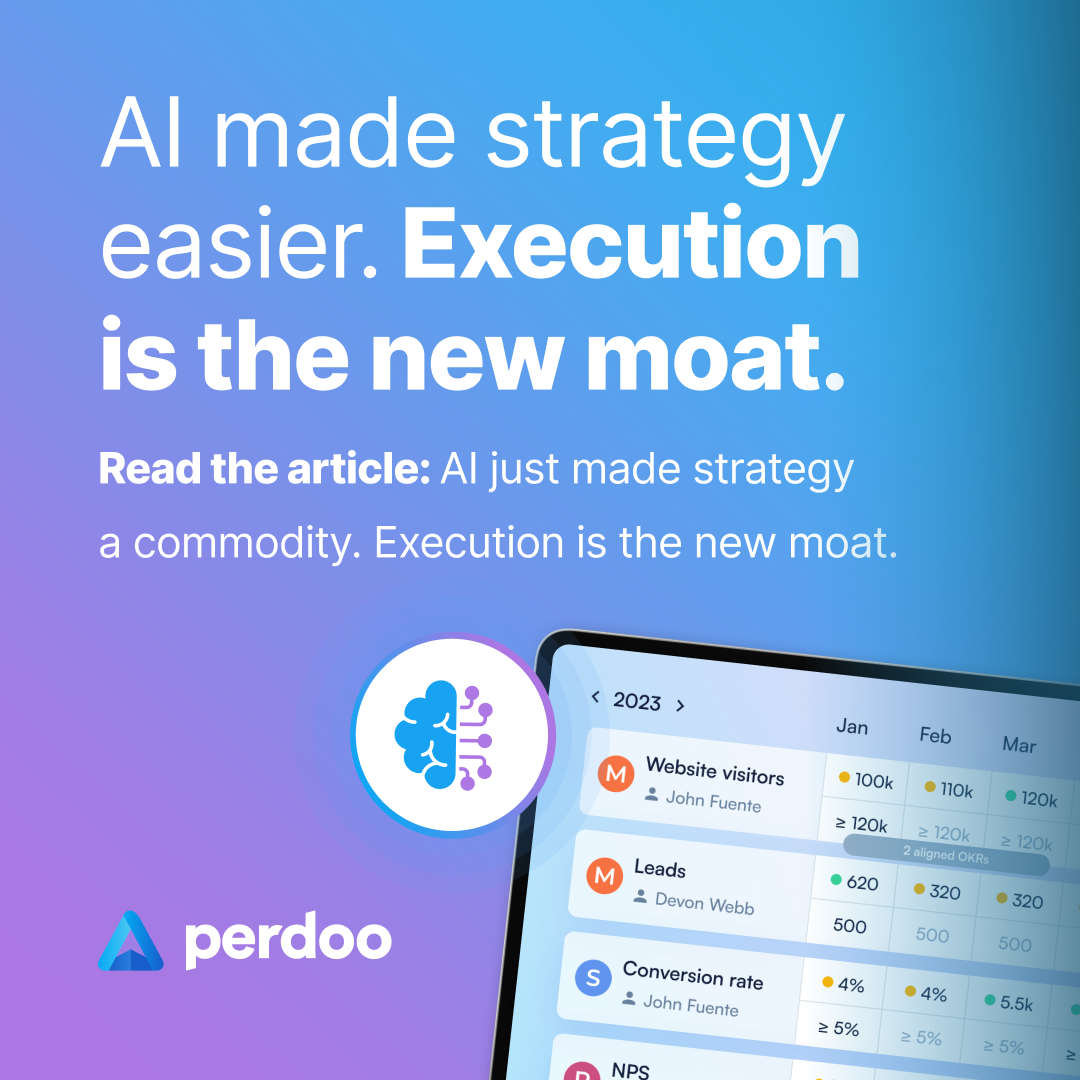
Active on Facebook, Instagram. When everyone can generate a strategy, execution speed becomes the advantage. Learn why alignment and ownership now matter more.
 META · IMAGESince 14 Sept 2026
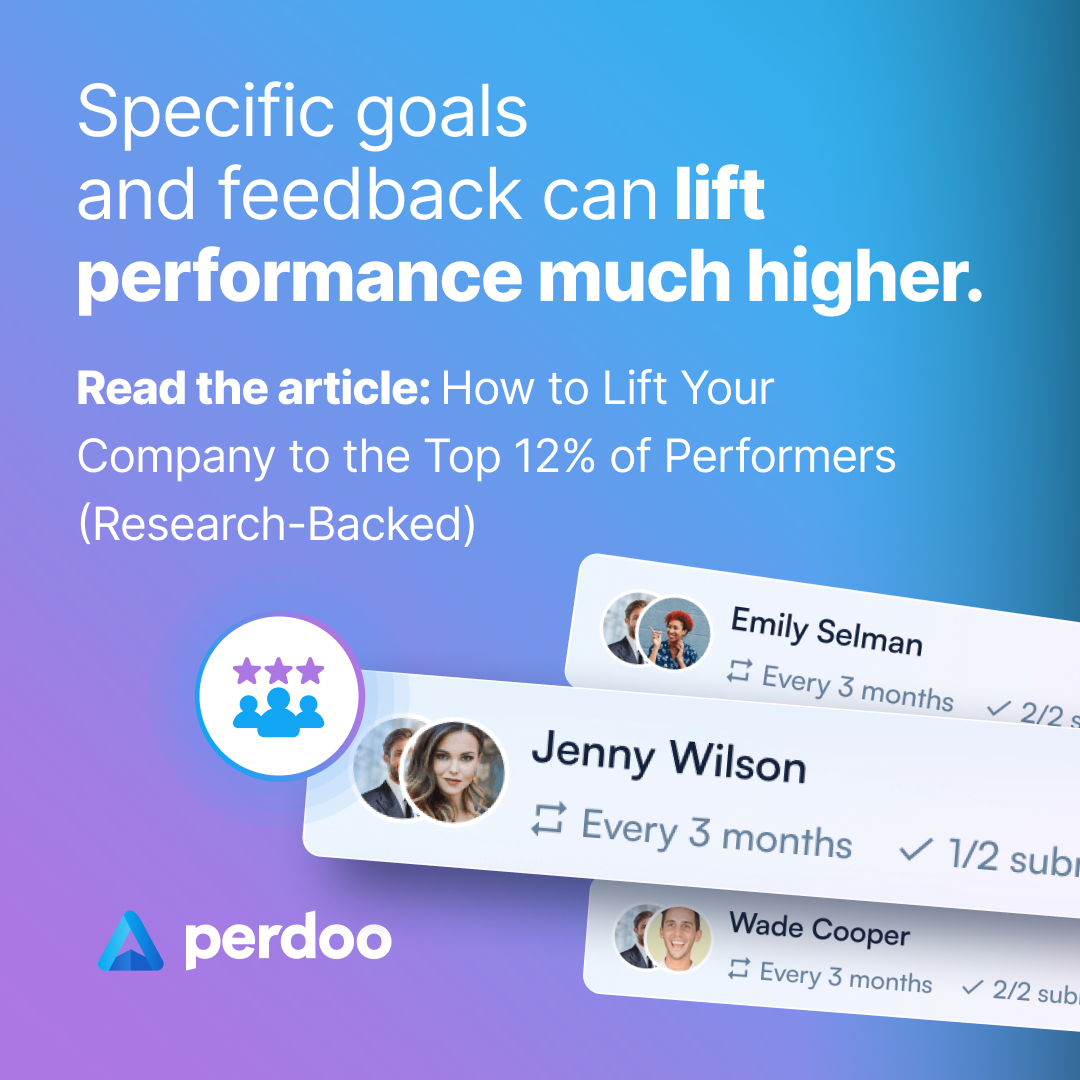
Active on Facebook, Instagram. Specific goals can lift average teams to the 80th percentile. Add metrics and feedback, and they can reach the 88th with Perdoo.
 META · IMAGESince 14 Sept 2026
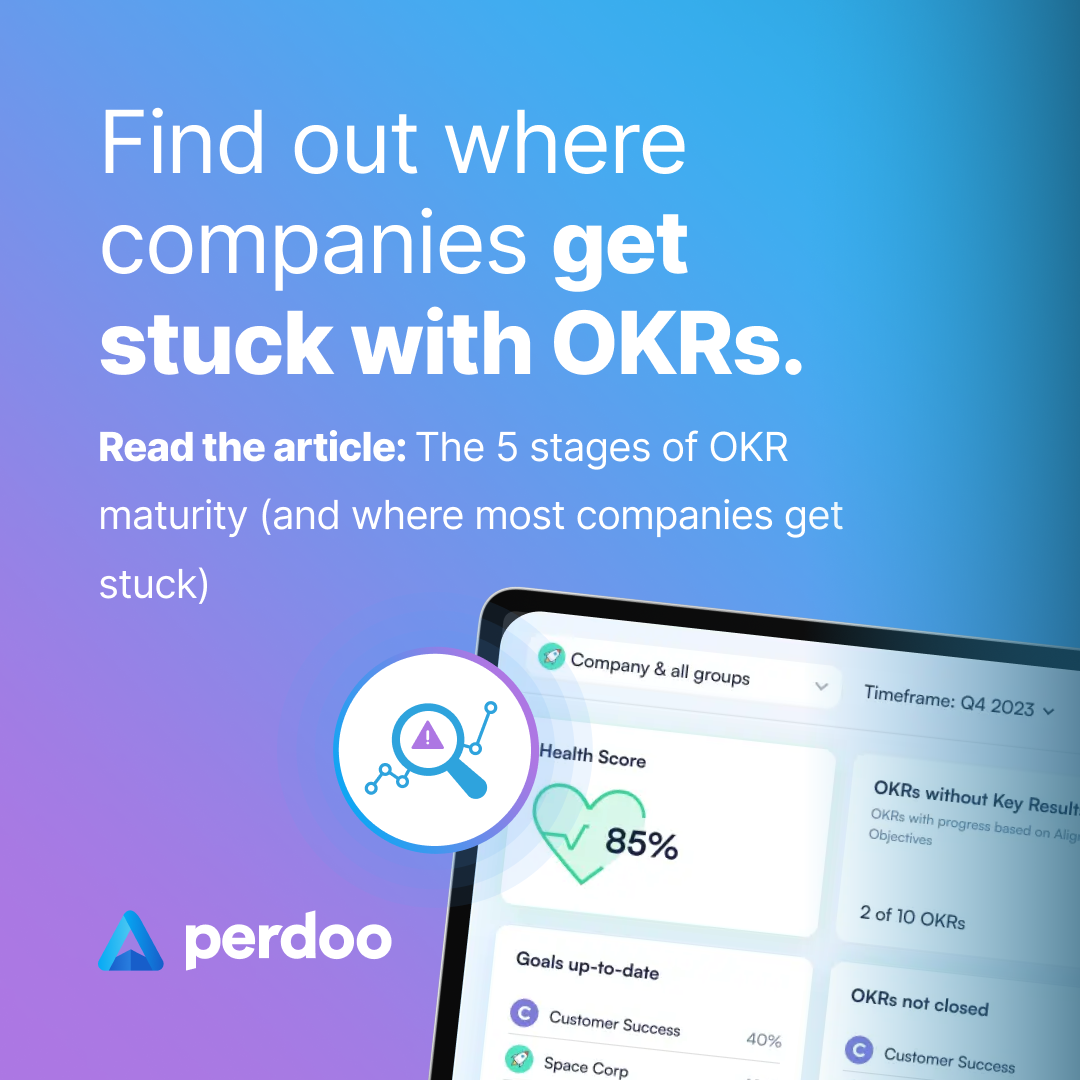
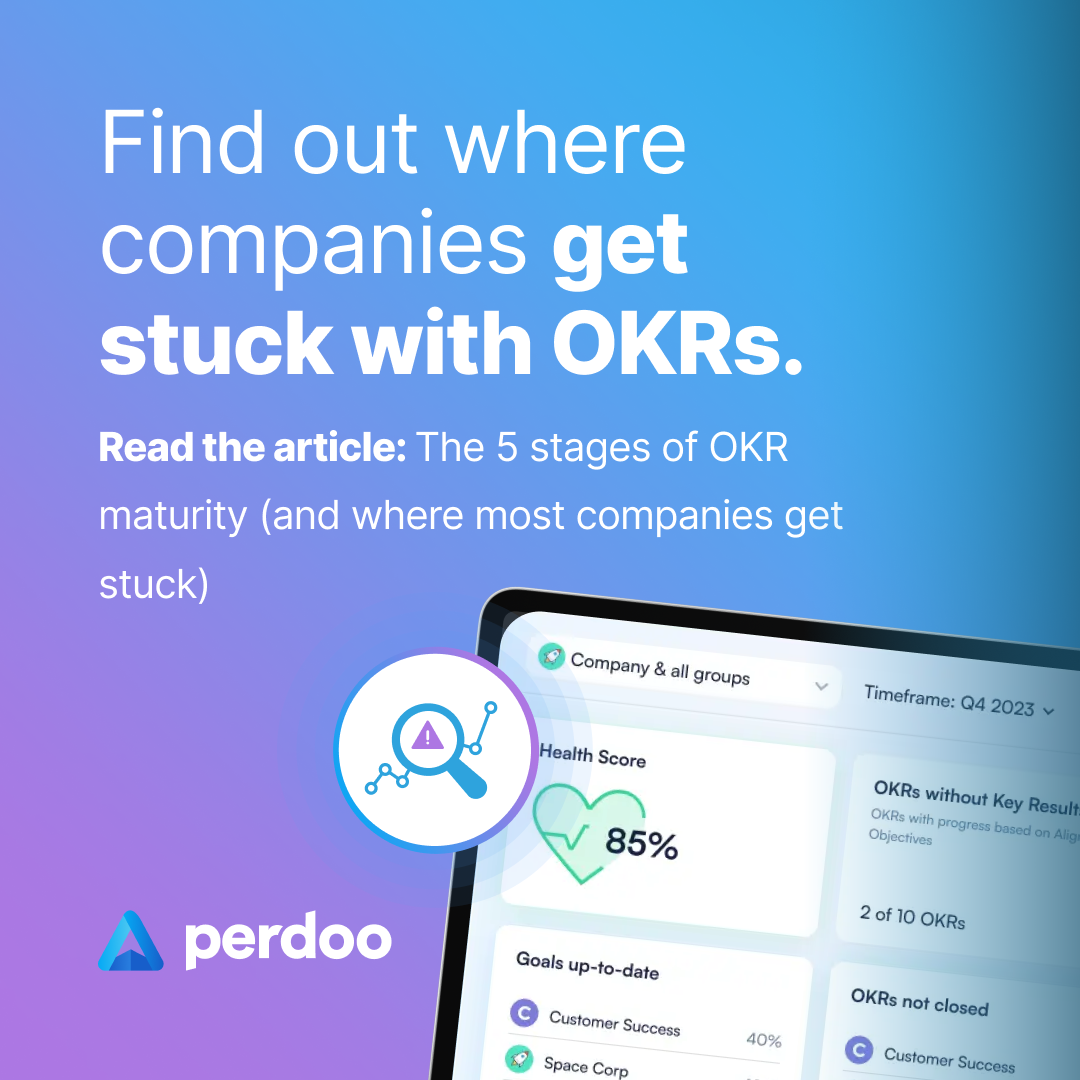
Active on Facebook, Instagram. Most companies track OKRs. Fewer use them to run the business. Learn the 5 maturity stages and where teams get stuck.
 META · IMAGESince 14 Sept 2026
Active on Facebook, Instagram. Most companies track OKRs. Fewer use them to run the business. Learn the 5 maturity stages and where teams get stuck.
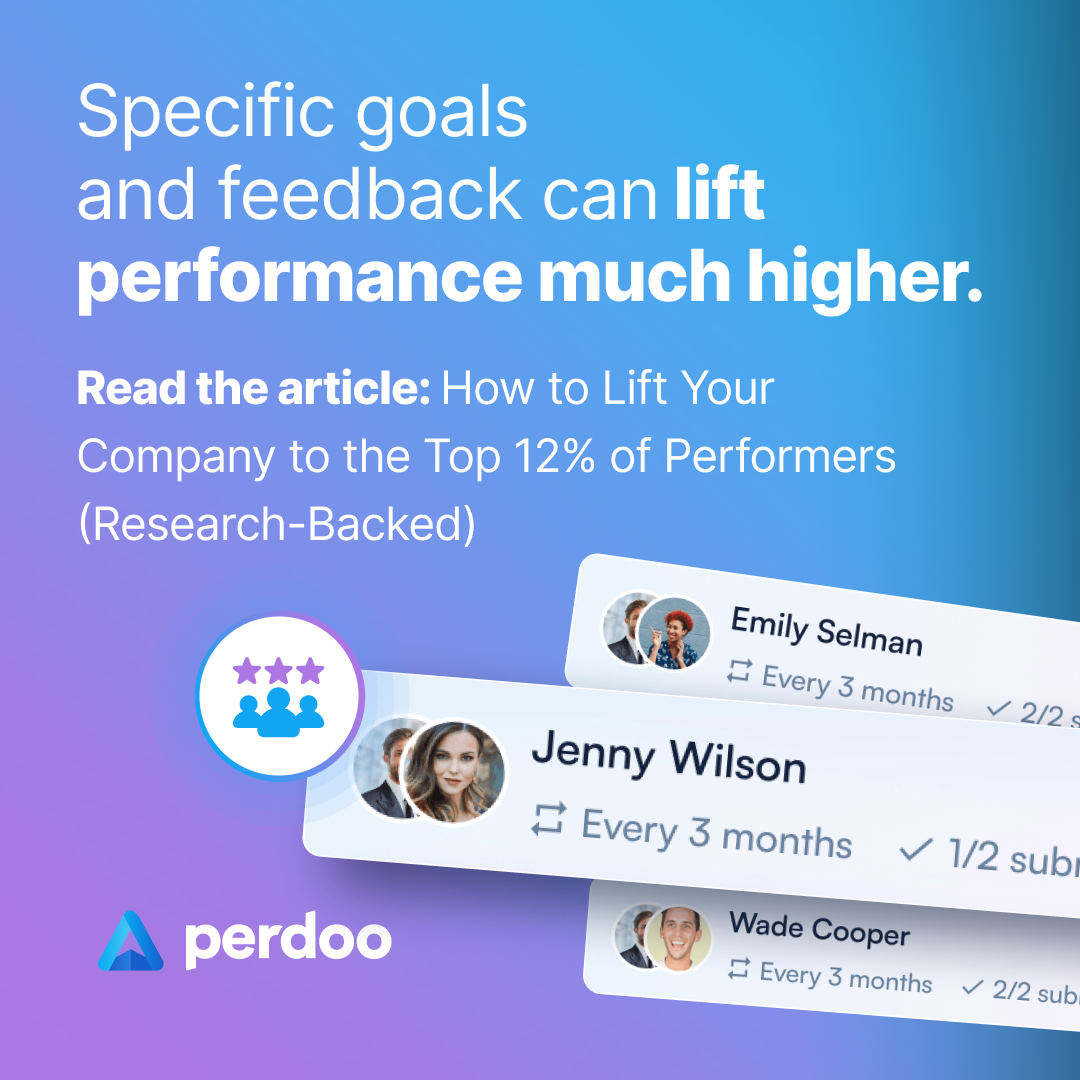 META · IMAGESince 14 Sept 2026
Active on Facebook, Instagram. Specific goals can lift average teams to the 80th percentile. Add metrics and feedback, and they can reach the 88th with Perdoo.
 Video previewMETA · VIDEOSince 14 Sept 2026
Active on Facebook, Instagram. Get a demo of Perdoo and learn how to beat the competition with the leading OKR platform for strategy execution and growth.
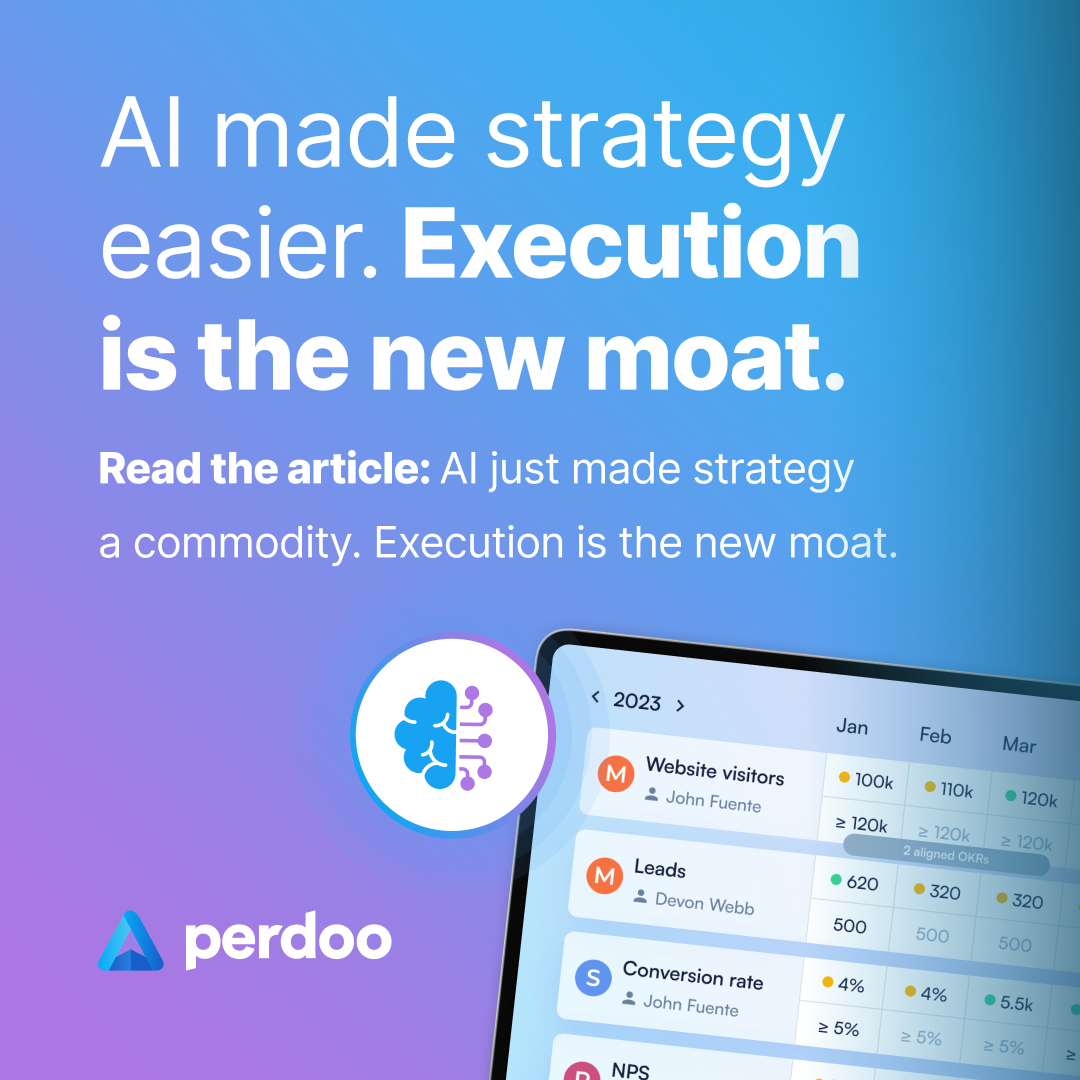 META · IMAGESince 14 Sept 2026
Active on Facebook, Instagram. When everyone can generate a strategy, execution speed becomes the advantage. Learn why alignment and ownership now matter more.
 Video previewMETA · VIDEOSince 13 Sept 2026
Active on Facebook, Instagram. Get a demo of Perdoo and learn how to beat the competition with the leading OKR platform for strategy execution and growth.
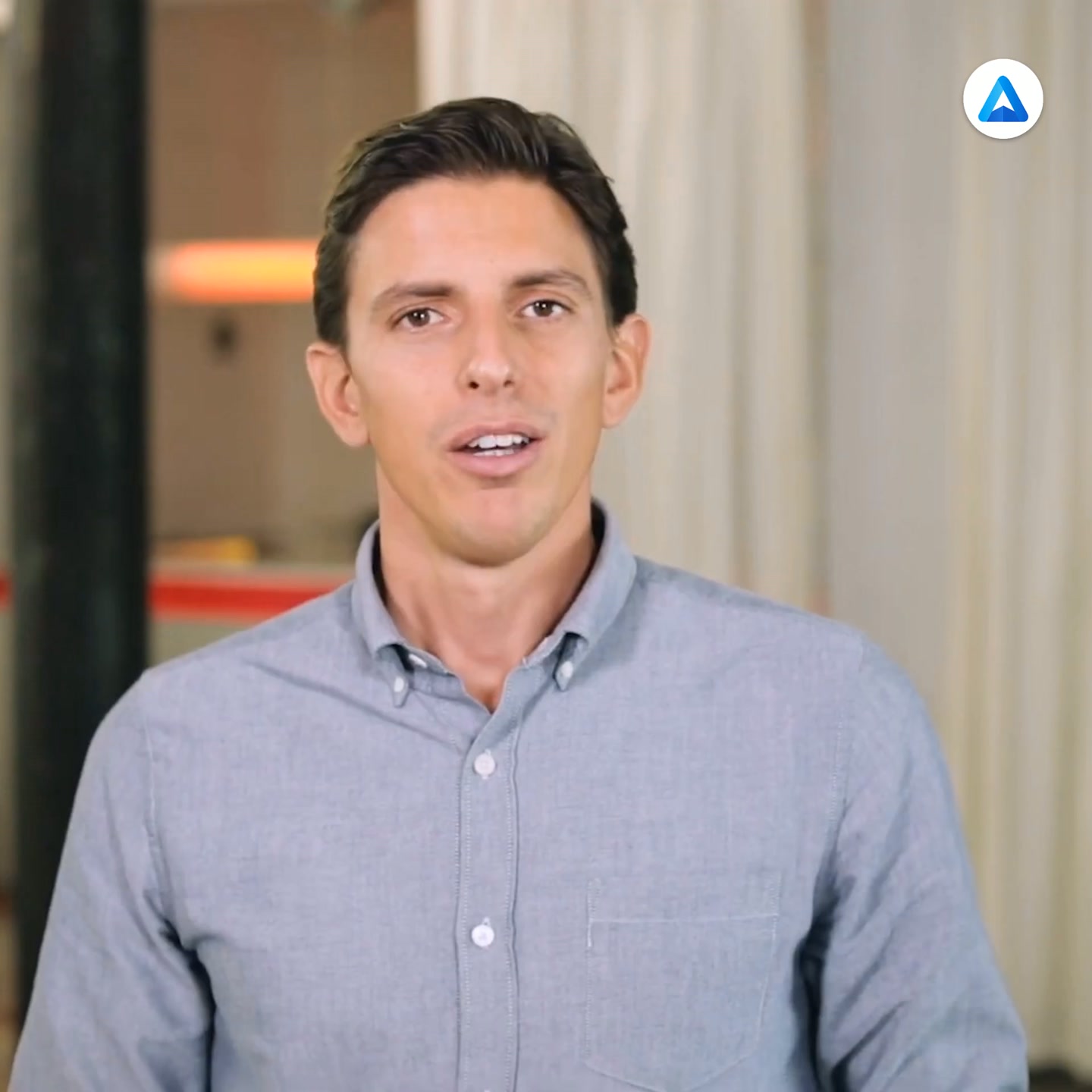 Video previewMETA · VIDEOSince 8 Sept 2026
Active on Facebook, Instagram. Get a demo of Perdoo and learn how easy it can be to accelerate growth and turn strategy into results.
Watch the companies you care about.
Filter every ad by industry, country, format and network, and get alerts when a company you watch starts running new ads.