On air · 1 of 3 networks
Paracelsus Recovery - Swiss Clinic
- paracelsus-recovery.com
- Mental Health Care
- CH
- 42 employees
Paracelsus Recovery - Swiss Clinic’s ads on LinkedIn, Meta and Google, recorded by adsrunning. Browse the latest here for free. Sign up free to see all 76. Watch Paracelsus Recovery - Swiss Clinic with Starter to get each new one in your feed.
Watchlist with Starter · $49/mo
| Network | Status | Live ads | Nov 2025LinkedIn activity · 52 weeksNov 2026 | Checked | Next step |
|---|---|---|---|---|---|
| None recorded | 0 | Checked 31 Oct 2026 | See all 76 ads → | ||
| Meta | Running | 128 | Active ads on the Meta Ad Library, all countries | Checked 31 Oct 2026 | Collect them with the API → |
| None recorded | 0 | No ads found on the Google Ads Transparency Center | Checked 6 Oct 2026 | Collect them with the API → |
Paracelsus Recovery - Swiss Clinic has no live LinkedIn ads. Its Facebook page had 128 active ads on 31 Oct 2026, and we recorded no Google ads on 6 Oct 2026.
Latest ads
- LINKEDIN · IMAGESince 27 Oct 2026
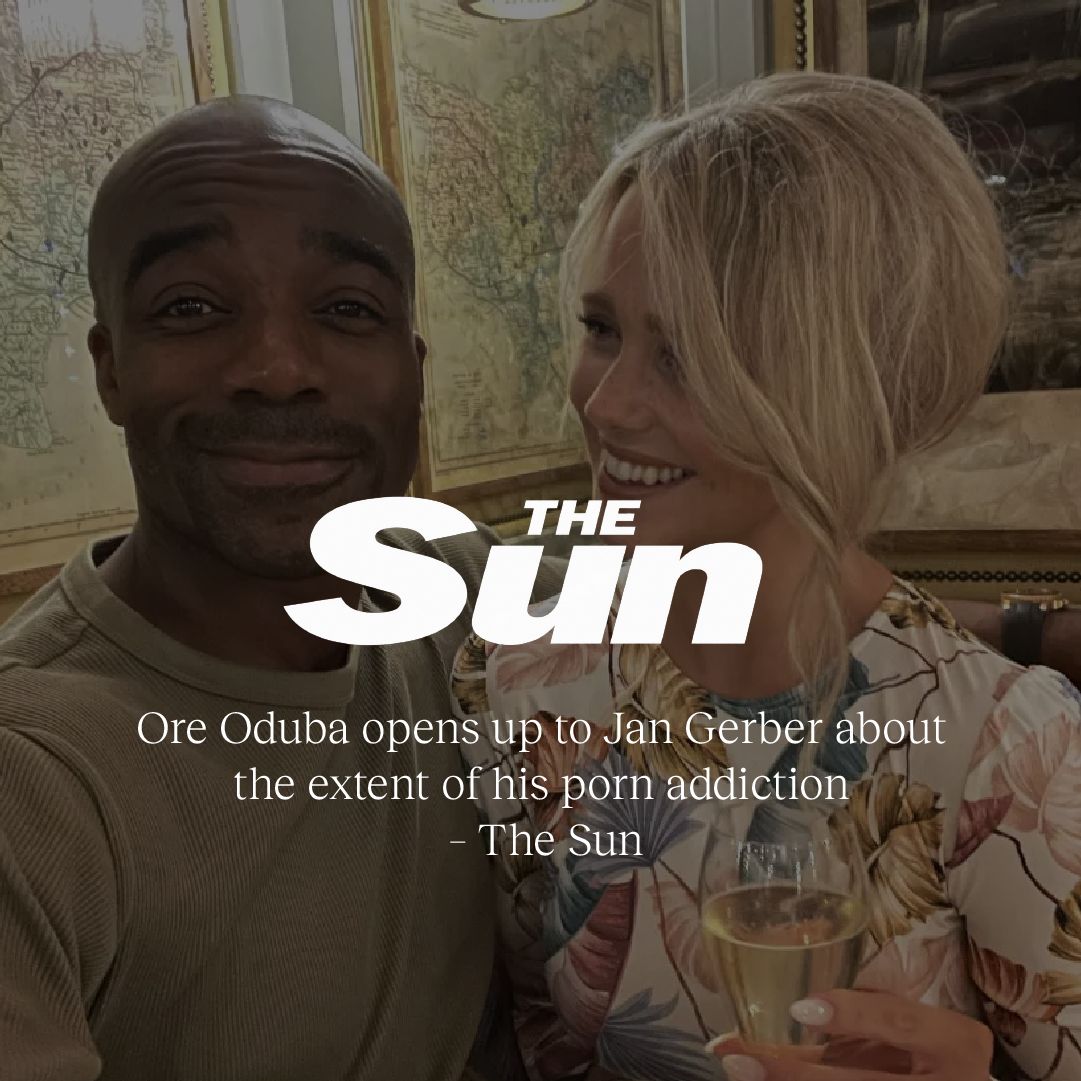
It takes a lot to speak openly about something you've spent years trying to hide, especially when it involves so much shame and fear of how others might see you if they knew what you were going through. I recently had Ore Oduba on my podcast, Rich, Powerful and Not Enough, and he shared his experience with pornography addiction, the years of secrecy and shame that came with it, and how his mental health deteriorated to the point where he considered taking his own life. Nobody chooses to struggle with addiction, and yet so many people end up blaming themselves, feeling that they should somehow be able to deal with it alone. We are often much harder on ourselves than we would ever be on someone we love, and somehow we convince ourselves that our own suffering is different, that we should know better or be stronger. I'm very grateful to Ore for the trust and honesty he brought to our conversation. It isn't easy to speak about these things publicly, and I have a great deal of respect for his willingness to do so, particularly knowing that someone listening might recognise a part of their own experience in his story. 🙏 Thank you to The Sun for helping this conversation reach more people. Read here: https://lnkd.in/dvwzyJHu
- LINKEDIN · IMAGESince 26 Oct 2026
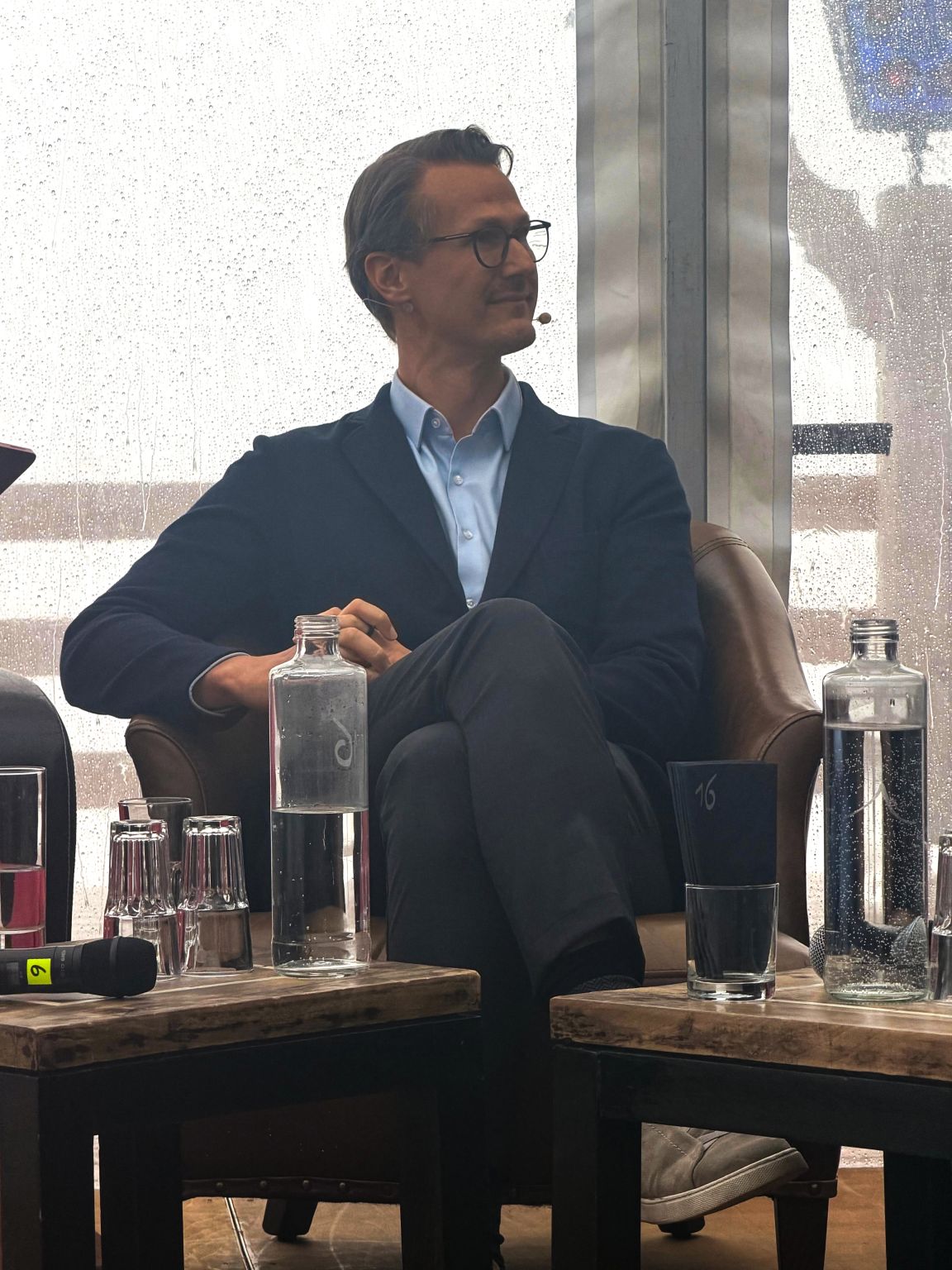
I spent some time at the Dubai Eye 103.8 studio yesterday, having a really interesting conversation with Helen about a question that sounds simple enough: Can money buy happiness? Of course, money can make life considerably easier. It provides security, freedom and access to opportunities that many people can only dream of, and I think it would be rather naive to pretend otherwise. But there comes a point where having more doesn't necessarily make life better, and sometimes it introduces a whole new set of difficulties that we don't talk about nearly enough. We spoke about the loneliness that can come with significant wealth, the difficulty of knowing who you can trust, and what happens when you've spent years building a business only to realise that so much of your identity has become tied to it. We also got into something I find particularly interesting: how quickly we adapt to comfort, and how the constant pursuit of convenience can leave us less patient, less resilient and perhaps less able to appreciate the simpler things in life. One of the listeners put it rather well. They had built a successful business, a beautiful home and a lifestyle most people would envy, but barely had the time to enjoy any of it. And I think that captures the contradiction beautifully. If the pursuit of success starts costing you the very things you were hoping success would give you, perhaps it's time to reconsider what you're working towards. A big thank you to Helen and the Dubai Eye team for such an engaging conversation, and to everyone who sent in questions and shared their thoughts 🙏
- LINKEDIN · IMAGESince 26 Oct 2026
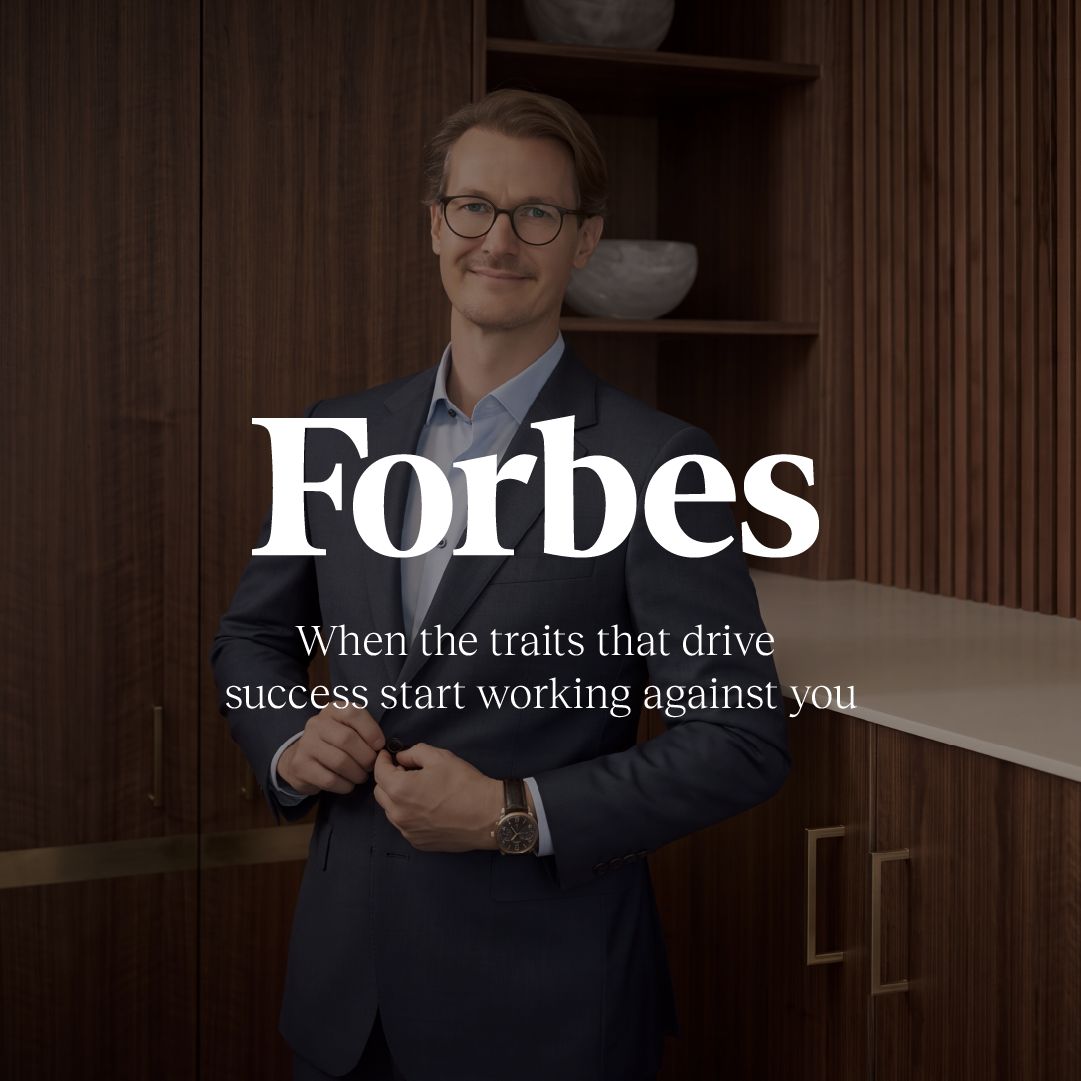
Ambition, discipline, perfectionism and the need to stay in control can take us remarkably far. The trouble is that we rarely question these traits when they're producing results, even when they begin affecting our relationships, our health or our ability to enjoy the life we've worked so hard to build. And perhaps that's what makes this particularly difficult to recognise. The behaviours that might be causing us harm are often the same ones people continue to praise us for. I don't think the answer is to become less ambitious or to stop caring about what we do. But there is a difference between having the drive to succeed and feeling unable to slow down, between holding yourself to high standards and never allowing yourself to feel good enough. That's the tension I wanted to explore in my latest article for Forbes Business Council: When the Traits That Drive Success Start Working Against You. I'd be curious to hear where others draw that line, because I suspect it's one many of us only recognise after we've crossed it. Read the article here: https://lnkd.in/d5akmQPn
- LINKEDIN · IMAGESince 26 Oct 2026
On paper, I should have been well prepared to talk about my own depression. I had spent years talking about mental health through my work, after all. In practice, it was one of the hardest conversations I have had. A year ago, I had it with Julia Llewellyn Smith at The Times about my own depression. In that interview, I shared quite openly about the depressive episodes I had been through, about the “darkening” I could feel when another one was beginning, and about the uncomfortable contradiction of knowing, professionally, how important it is to ask for help early while still waiting far too long to do exactly that myself. Looking back, I think going through those periods changed the way I understand other people’s suffering more than I realised at the time. I had always believed that pain deserves compassion regardless of someone’s circumstances. But there is a difference between understanding that intellectually and knowing what it feels like when getting through an ordinary day suddenly requires an enormous amount of you. It also made the conversations I had been having for years around wealth and mental health feel much more personal. Money can remove many of the difficulties most people face, and it would be dishonest to pretend otherwise, but it cannot make someone immune to depression, addiction, loneliness or that strange feeling of having achieved so much externally while becoming increasingly disconnected from yourself internally. I still come back to the same thought today: we should be capable of acknowledging someone’s privilege without using it as a reason to dismiss their pain. Both things can be true, and having empathy for one person’s suffering does not somehow take empathy away from somebody else. A year on, much of what I shared still shapes how I think about mental health, wealth and compassion. Read the full interview here: https://lnkd.in/eT7RZR8y
- LINKEDIN · IMAGESince 26 Oct 2026
A few days in Gstaad, surrounded by mountains and by some very smart, curious people, naturally leads to a lot of conversations about how we live, how we age and what actually makes a longer life worth having. The longevity conversation can become focused on the body alone. Exercise, nutrition, supplements, peptides and all the rest of it matter, of course, but mental health has to sit right in the middle of that conversation too. The mind and body are far too connected for us to keep treating them as separate projects. I also think younger generations are already pushing this shift. They are more open about mental health, more curious about what actually makes them feel well, and perhaps less interested in longevity as a numbers game for its own sake. Living longer matters, but so does having the mental clarity, emotional stability and sense of meaning to actually enjoy the life you are extending. Very grateful to have been part of the Longevity Investors Conference, and even more grateful for the people I met and the conversations we had over these few days🙏🙏
- LINKEDIN · IMAGESince 26 Oct 2026
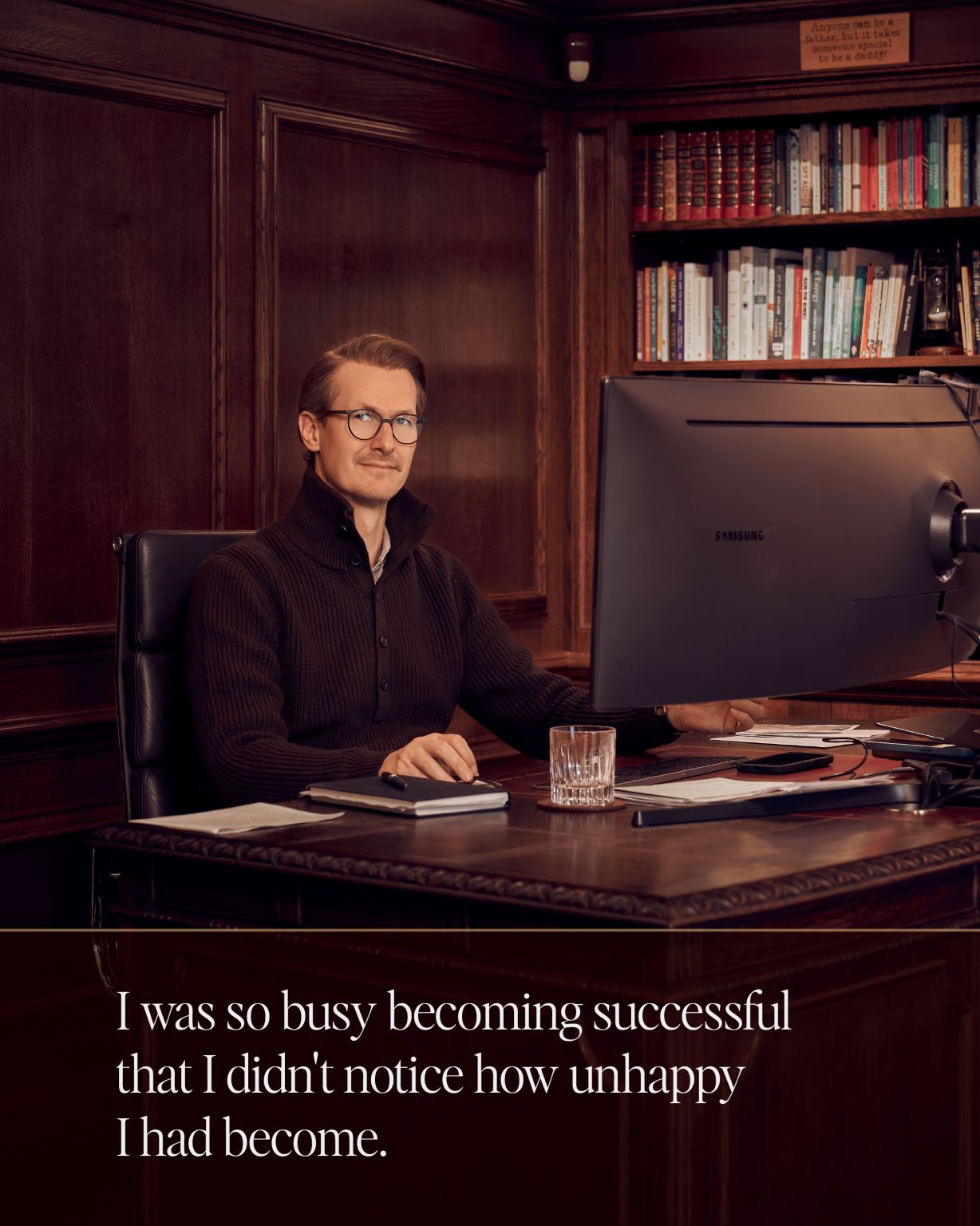
We celebrate the long hours, the relentless ambition, the businesses others have built and the sacrifices they've made along the way. And when someone appears to have it all, we assume they must be happy. I used to make that assumption about myself, too. The trouble is, when your entire sense of worth becomes tied to what you achieve, success stops being something you enjoy and becomes something you need. You keep working, building and chasing the next milestone, partly because you've forgotten what it feels like to be somebody without all of it. I know how uncomfortable that realisation can be. My own experience with burnout forced me to reconsider things I had taken for granted about success, ambition and who I thought I needed to be. I've come to see just how common this struggle can be among people who, from the outside, appear to have very little reason to be unhappy. In my latest Off the Record with Jan newsletter, I'm exploring identity crisis, one of the more insidious dimensions of the Wealth–Health Paradox. Particularly how we can spend years building a life that earns us admiration and approval, while gradually losing touch with the person underneath it all. Having a successful life and actually feeling at home in that life are not necessarily the same thing. Subscribe to my newsletter: https://lnkd.in/dsSQsrpU


6 of 76 adsSign up to see every Paracelsus Recovery - Swiss Clinic ad, filter by format and date, and get alerts on new ones.
See all 76 adsWatch the companies you care about.
Filter every ad by industry, country, format and network, and get alerts when a company you watch starts running new ads.