Not on air · 2 of 3 networks checked
OPTANO GmbH
- optano.com
- IT Services and IT Consulting
- DE
- 56 employees
OPTANO GmbH’s ads on LinkedIn, Meta and Google, recorded by adsrunning. Browse the latest here for free. Sign up free to see all 20. Watch OPTANO GmbH with Starter to get each new one in your feed.
Watchlist with Starter · $49/mo
| Network | Status | Live ads | Nov 2025LinkedIn activity · 52 weeksNov 2026 | Checked | Next step |
|---|---|---|---|---|---|
| None recorded | 0 | Checked 3 Nov 2026 | See all 20 ads → | ||
| Meta | Not checked | — | |||
| Recently | 11 | Ads on the Google Ads Transparency Center | Checked 6 Oct 2026 | Collect them with the API → |
OPTANO GmbH has no live LinkedIn ads. We recorded 11 Google ads on 6 Oct 2026.
Latest ads
- LINKEDIN · VIDEOSince 17 Apr 2026
Still planning your network using #spreadsheets? Multiple tabs. Broken formulas. Different “final” versions. And somehow… the numbers still don’t match. What looks like flexibility often turns into: - manual workarounds - hidden errors - and planning by gut feeling In industries, where complexity is the norm, spreadsheets quickly hit their limits. So the real question is: How much does Excel-based planning actually cost you? There is a better way to plan. Reach out to us if you want to explore how to move beyond spreadsheets. #OPTANO #embracecomplexity #optimization digitaltransformation #supplychain
- LINKEDIN · CAROUSELSince 8 Apr 2026
Your plan works. Until reality changes. Demand shifts. Constraints appear. Assumptions break. Suddenly, your plan needs to adapt — fast. In many organizations, this is where spreadsheets reach their limits. Numbers can be updated. But the logic behind decisions remains hidden. The result: – delayed reactions – manual fixes – growing instability in operations As complexity increases, planning becomes less about calculation — and more about understanding trade-offs and making the right decisions under pressure. Leading companies are moving beyond spreadsheet-based planning toward structured, scenario-driven approaches. This enables: – faster responses to change – consistent decision-making – clear visibility into the impact of every decision If your planning struggles when reality shifts, it may be time to rethink how decisions are made. 👉 Learn how scenario-based replanning improves speed and reliability.
- LINKEDIN · VIDEOSince 8 Apr 2026
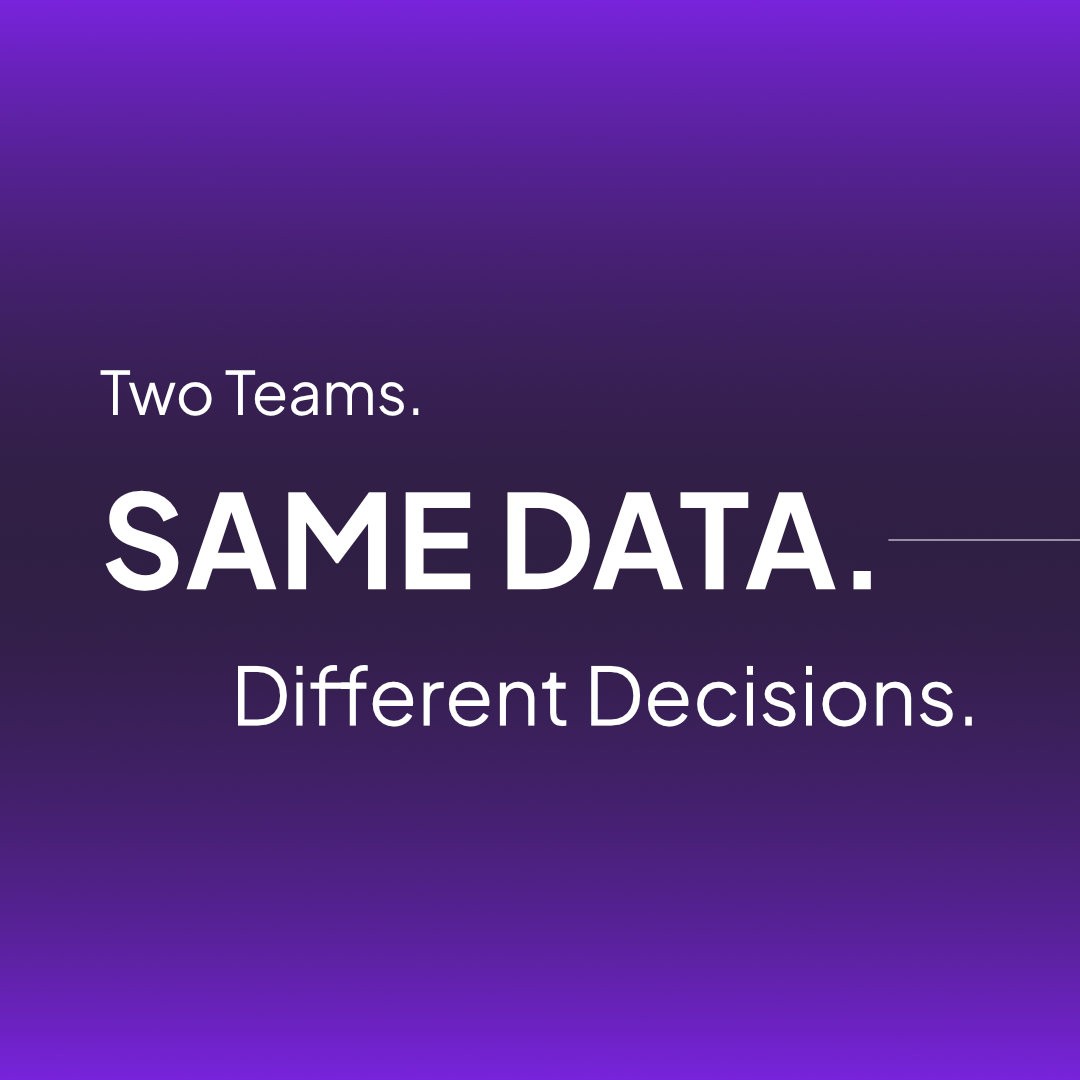
In many manufacturing environments, planning decisions are still driven by spreadsheets. The problem? Two teams can work with the same data — and still arrive at completely different decisions. Not because the data is wrong. But because the decision logic is hidden. In Excel, planning rules often live in individual files, manual adjustments, and implicit assumptions. That makes decisions difficult to explain, hard to reproduce, and nearly impossible to scale. As complexity increases, this lack of transparency becomes a real risk: – inconsistent prioritization – slow scenario evaluation – dependency on individual planners In our latest insight, we explore how making decision logic explicit creates transparency, consistency, and better outcomes in production planning. If you're still relying on spreadsheets for complex planning decisions, this perspective might be worth your time. 👉 Read the full article to see how leading companies are moving beyond Excel.
- LINKEDIN · CAROUSELSince 8 Apr 2026
In many manufacturing environments, planning decisions are still driven by spreadsheets. The problem? Two teams can work with the same data — and still arrive at completely different decisions. Not because the data is wrong. But because the decision logic is hidden. In Excel, planning rules often live in individual files, manual adjustments, and implicit assumptions. That makes decisions difficult to explain, hard to reproduce, and nearly impossible to scale. As complexity increases, this lack of transparency becomes a real risk: – inconsistent prioritization – slow scenario evaluation – dependency on individual planners In our latest insight, we explore how making decision logic explicit creates transparency, consistency, and better outcomes in production planning. If you're still relying on spreadsheets for complex planning decisions, this perspective might be worth your time. 👉 Read the full article to see how leading companies are moving beyond Excel.
- LINKEDIN · CAROUSELSince 10 Mar 2026
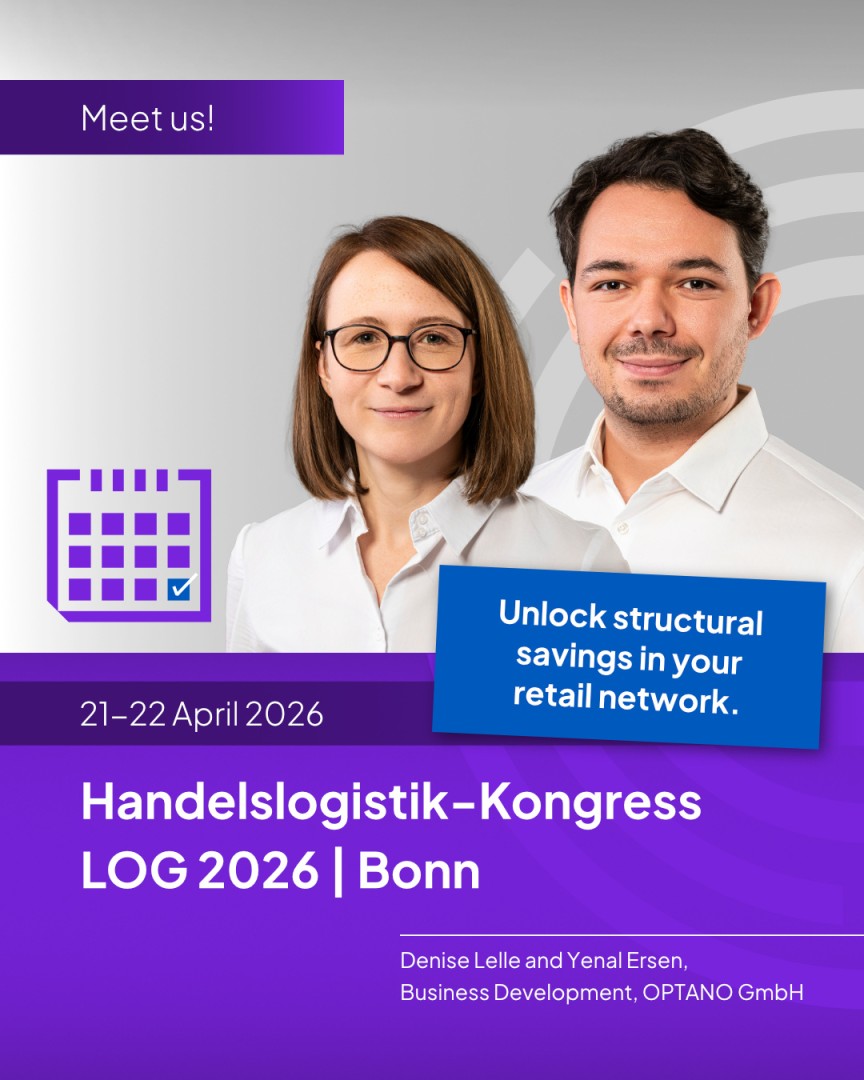
Retail logistics networks are more complex than ever. But complexity isn’t the problem. Lack of visibility is. Discover how retailers uncover structural savings → swipe.

6 of 20 adsSign up to see every OPTANO GmbH ad, filter by format and date, and get alerts on new ones.
See all 20 adsWatch the companies you care about.
Filter every ad by industry, country, format and network, and get alerts when a company you watch starts running new ads.