On air · 1 of 3 networks
Modern Health
- modernhealth.com
- US
- 922 employees
Modern Health’s ads on LinkedIn, Meta and Google, recorded by adsrunning. Browse the latest here for free. Sign up free to see all 1,017. Watch Modern Health with Starter to get each new one in your feed.
Watchlist with Starter · $49/mo
| Network | Status | Live ads | Nov 2025LinkedIn activity · 52 weeksOct 2026 | Checked | Next step |
|---|---|---|---|---|---|
| Running | 783 | Checked 29 Oct 2026 | See all 1,017 ads → | ||
| Meta | Not checked | — | |||
| None recorded | 0 | No ads found on the Google Ads Transparency Center | Checked 5 Oct 2026 | Collect them with the API → |
Modern Health has 783 live LinkedIn ads. We recorded no Google ads on 5 Oct 2026.
Latest ads
- LINKEDIN · IMAGESince 14 Oct 2026
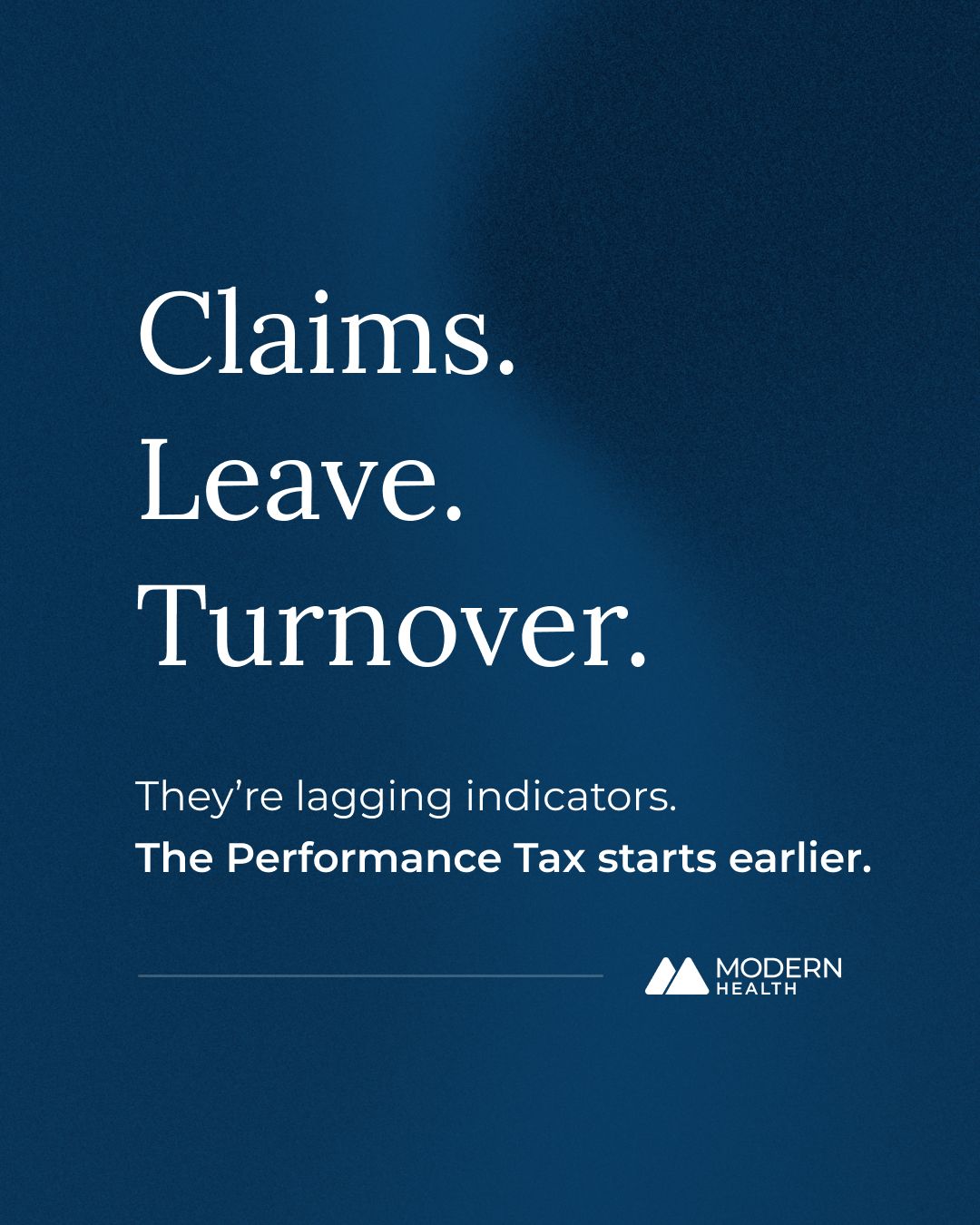
By the time workforce strain shows up in claims data, leave of absence stats, or turnover trend, the business impact has often been building for months. It can start earlier: reduced focus, stretched managers, more effort to get the same work done, less capacity to absorb change. In his latest piece, Matt Levin, CEO of Modern Health, calls this the Mental Health Performance Tax—the cumulative impact of strain on workforce capacity before traditional metrics move. For employers, that creates a more useful way to think about value: not only what happens after downstream costs surface, but whether support is reaching people early enough to help preserve workforce capacity in the first place. Read Matt’s full perspective: https://lnkd.in/gzFieqwg
- LINKEDIN · IMAGESince 8 Oct 2026
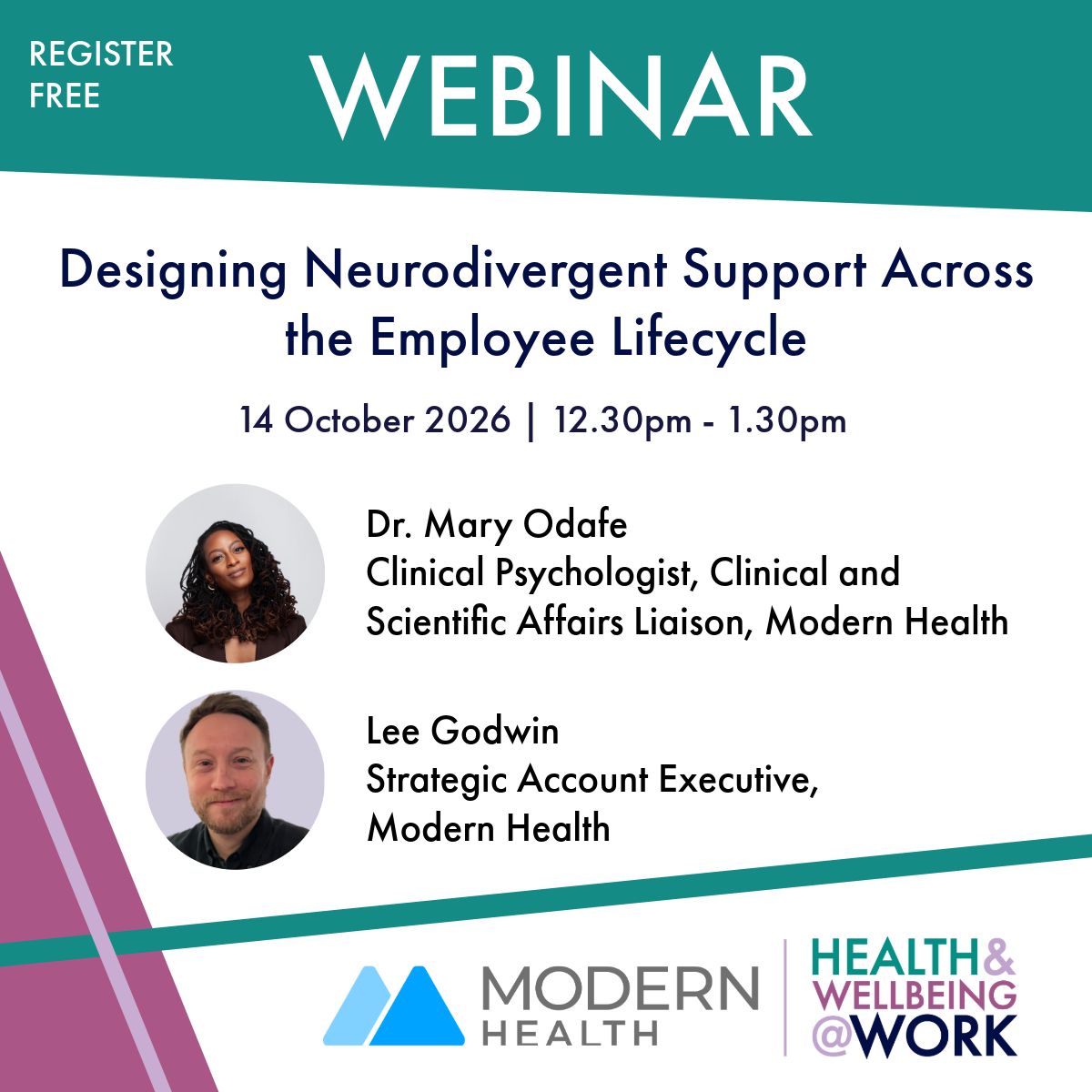
On the 14th October, myself and the awesome Mary O. Odafe, PhD are joining the Health and Wellbeing at Work team for a live session on "Designing Neurodivergent Support Across the Employee Lifecycle". Workplaces have such a great opportunity to think beyond a single adjustment or moment in time. Therefore, in this session we will explore how companies can be thinking about supporting this talent across hiring, onboarding, performance, periods of change and career progression. In this session we will explore ways HR & benefit leaders can: 👉 Create clearer, more flexible employee experiences 👉 Equip managers with practical guidance and appropriate role boundaries 👉 Recognise where well-intentioned practices can unintentionally create barriers 👉 Make support easier to understand and access across different career moments 👉 Identify realistic places to start, even without a fully developed neurodiversity programme So grab your support on the 14th October at 12:30pm using the registration link in the comments below 👇
- LINKEDIN · IMAGESince 2 Oct 2026
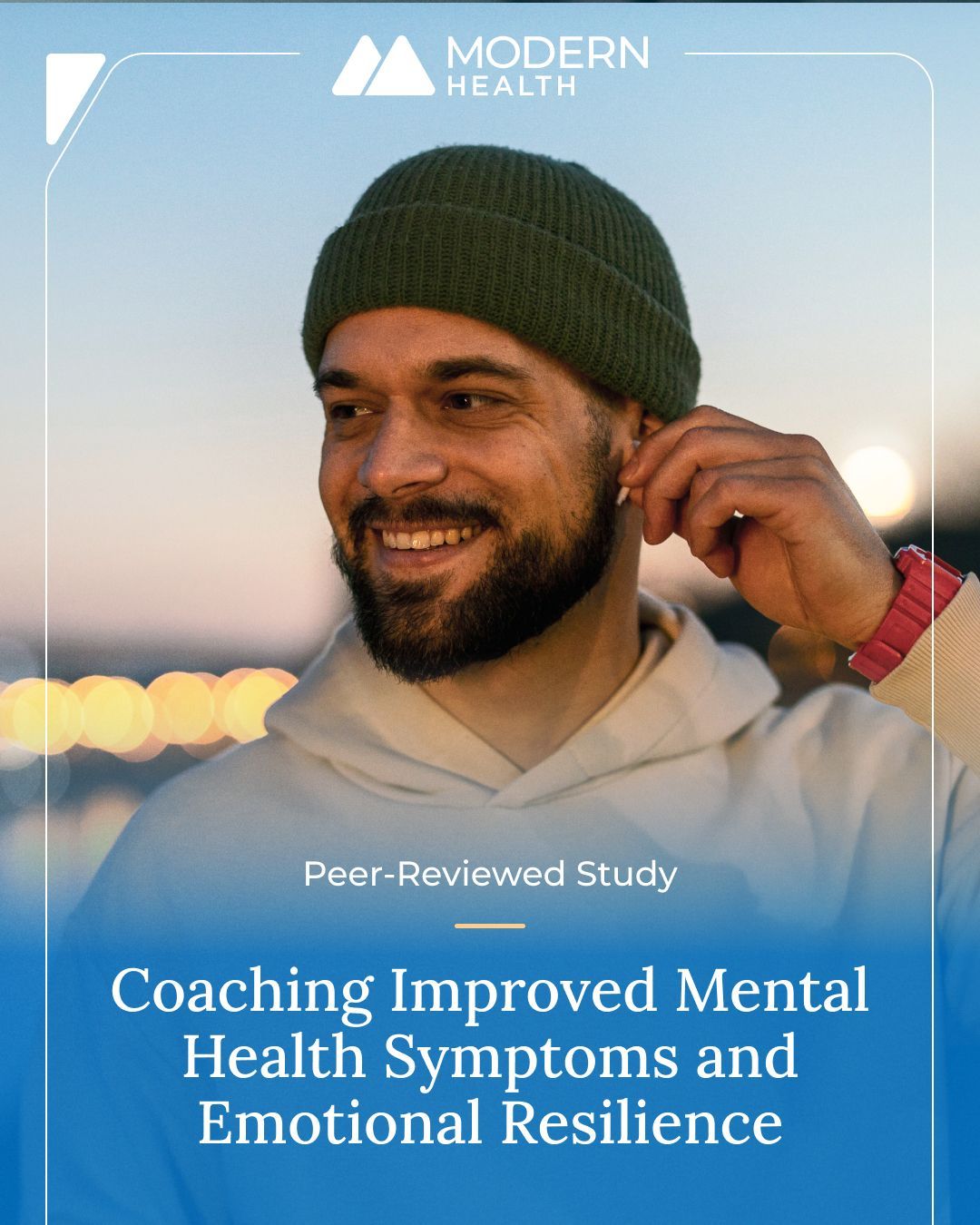
✅️ Fewer symptoms. ✅️ Stronger emotional skills. ✅️ Over three months. A peer-reviewed study examined participants who used coaching as their primary form of support through Modern Health. At the three-month follow-up, researchers found: ⬇️ A 23% decrease in depression symptoms ⬇️ A 12% decrease in anxiety symptoms ⬇️ Lower perceived stress ⬆️ Gains in self-compassion, distress tolerance, and mindfulness Across levels of need: 📊 Nearly 72% of participants with elevated symptoms improved or recovered from depression or anxiety 📊 96% of those with lower baseline symptoms maintained low symptom levels See what this peer-reviewed research could mean for workforce mental health strategy: https://buff.ly/49E1ZMF
- LINKEDIN · IMAGESince 2 Oct 2026
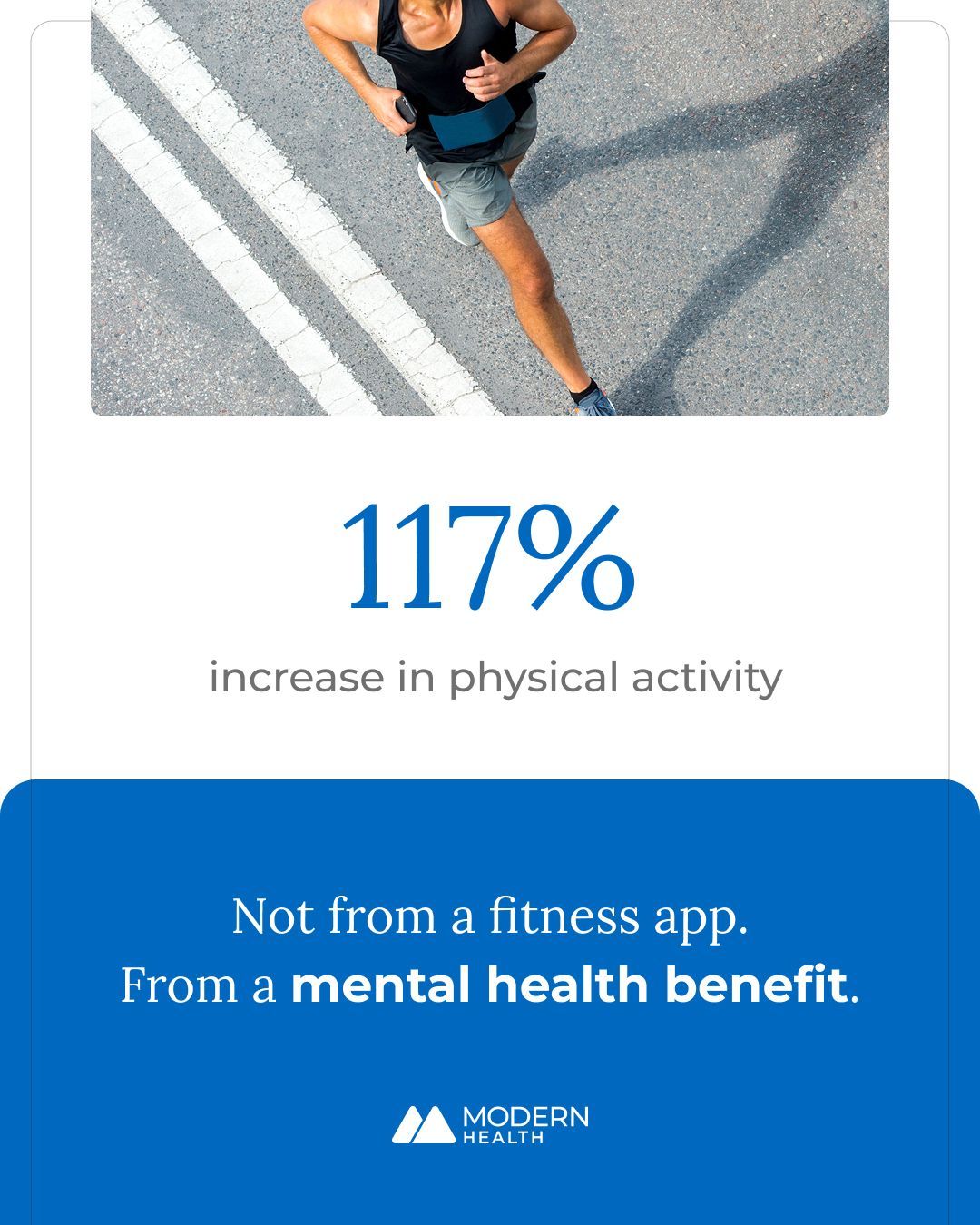
When organizations evaluate mental health benefits, the conversation often centers on utilization or engagement. But increasingly, leaders are asking a bigger question: Does support actually lead to measurable change? In a new peer-reviewed study, employees using Modern Health improved depression outcomes and increased physical activity over three months—including a 117% increase on average in activity among employees who started out underactive. The takeaway isn’t that mental health support replaces physical health initiatives. It’s that employee well-being is interconnected, and the strongest benefits strategies recognize that reality. Explore the findings: https://buff.ly/DWEsJuk
- LINKEDIN · IMAGESince 2 Oct 2026
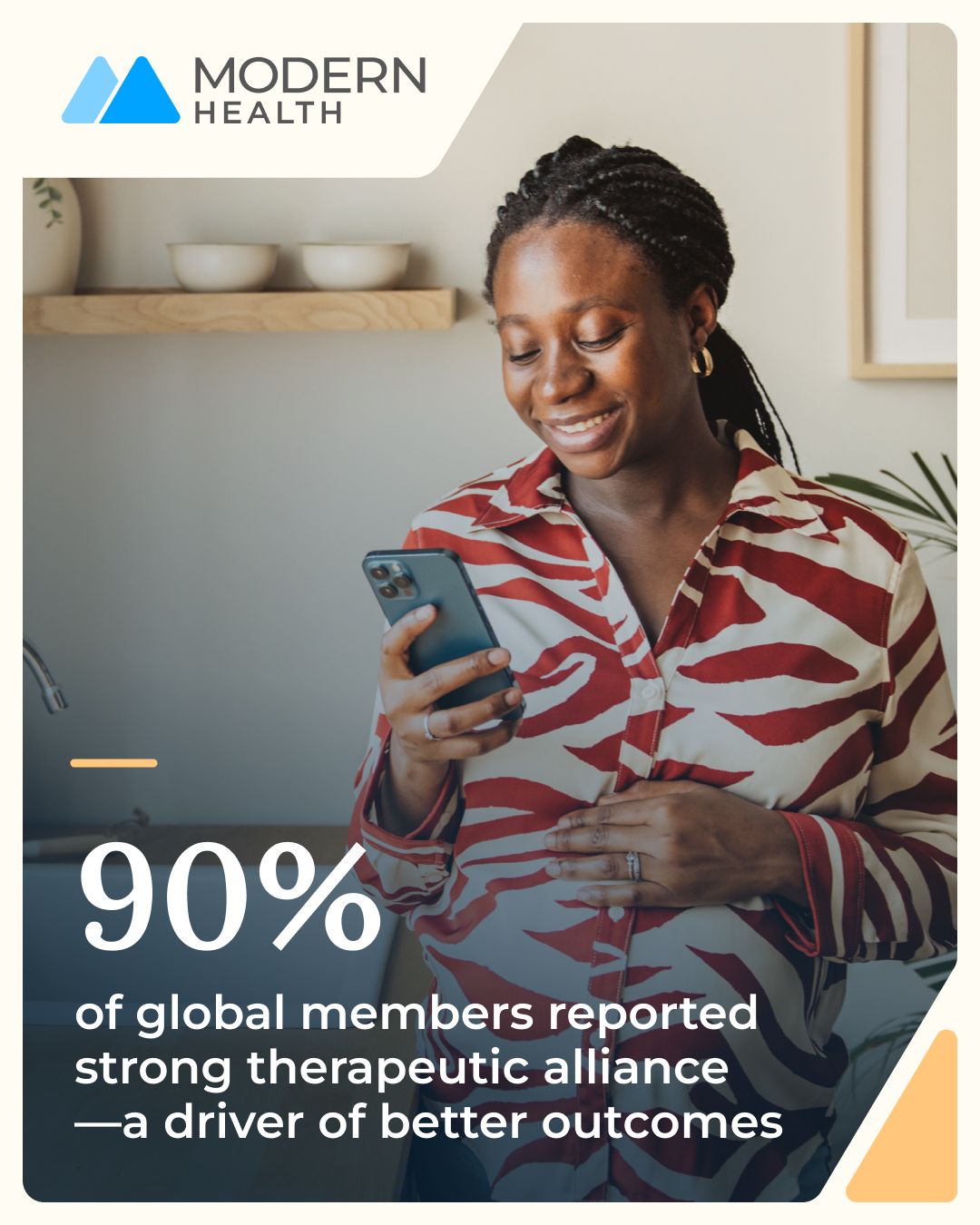
The strongest mental health care experiences are built on trust, shared goals, and genuine collaboration between a person and their provider. Clinicians call this therapeutic alliance, and decades of research have associated it with stronger engagement and better outcomes. For employers, it offers a valuable way to look beyond whether care is available and examine the quality of what employees experience once they begin. Learn what therapeutic alliance can reveal about a mental health benefit: https://buff.ly/Hg56noa
- LINKEDIN · IMAGESince 2 Oct 2026
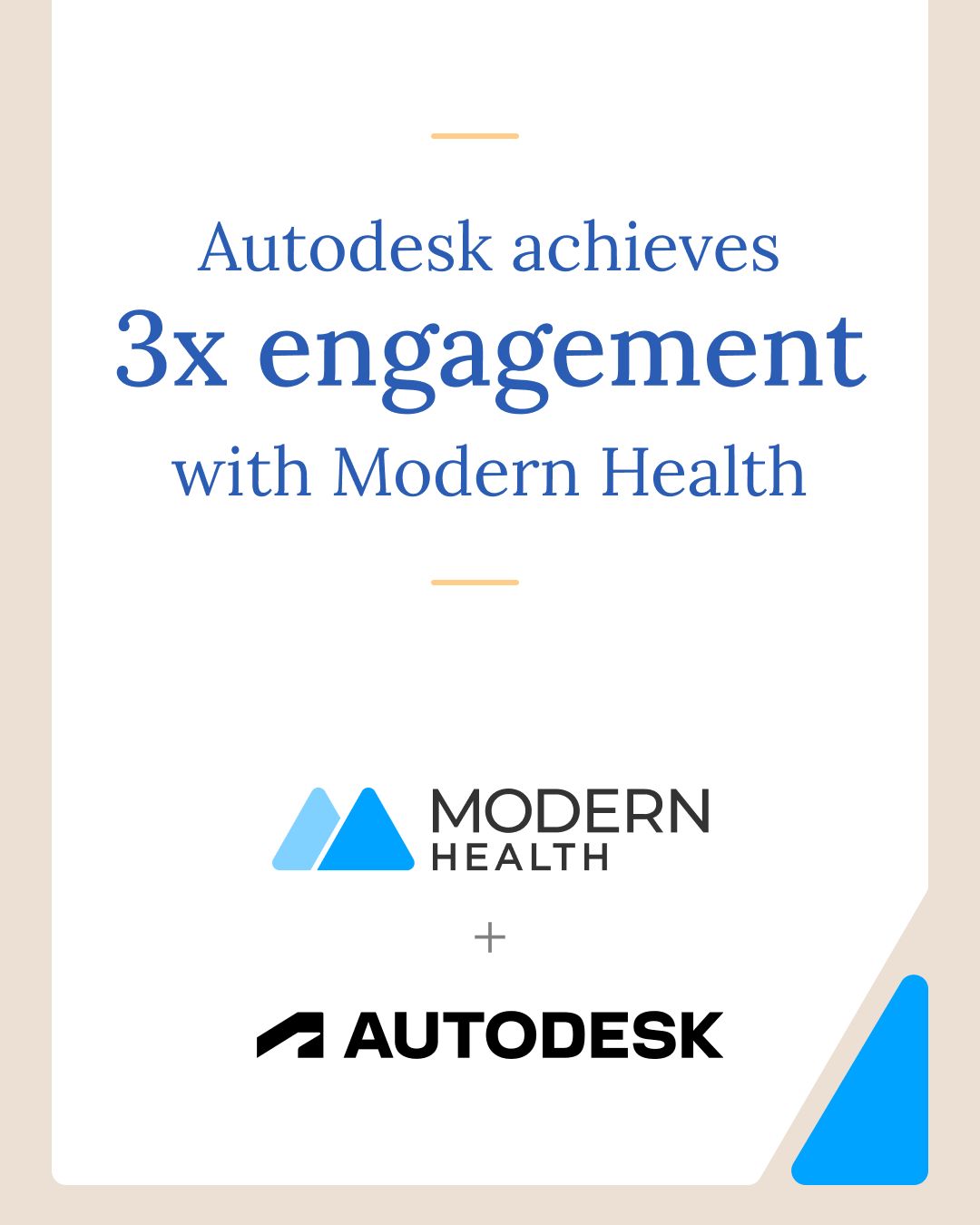
Autodesk aimed to simplify its well-being ecosystem, making it easier for employees worldwide to access the right support at the right time. By consolidating three fragmented vendors and moving to Modern Health’s Adaptive Care Model, Autodesk saw immediate, measurable impact. In just the first month, Autodesk achieved: ✨ 15% engagement—3x the benchmark ✨ 20% registration—2x the benchmark The secret to their success? When care is easy to access and personally relevant, employees show up for it. Read the Autodesk case study: https://bit.ly/4oUoIjO
6 of 1,017 adsSign up to see every Modern Health ad, filter by format and date, and get alerts on new ones.
See all 1,017 adsWatch the companies you care about.
Filter every ad by industry, country, format and network, and get alerts when a company you watch starts running new ads.