On air · 2 of 3 networks
Maxio
- maxio.com
- US
- 253 employees
Maxio’s ads on LinkedIn, Meta and Google, recorded by adsrunning. Browse the latest here for free. Sign up free to see all 2,062. Watch Maxio with Starter to get each new one in your feed.
Watchlist with Starter · $49/mo
| Network | Status | Live ads | Nov 2025LinkedIn activity · 52 weeksOct 2026 | Checked | Next step |
|---|---|---|---|---|---|
| Running | 1,913 | Checked 30 Oct 2026 | See all 2,062 ads → | ||
| Meta | Running | 2 | Active ads on the Meta Ad Library, all countries | Checked 28 Oct 2026 | Collect them with the API → |
| Recently | 100+ | Ads on the Google Ads Transparency Center | Checked 15 Oct 2026 | Collect them with the API → |
Maxio has 1,913 live LinkedIn ads. Its Facebook page had 2 active ads on 28 Oct 2026, and we recorded 100+ Google ads on 15 Oct 2026.
Latest ads
- LINKEDIN · IMAGESince 19 Aug 2026
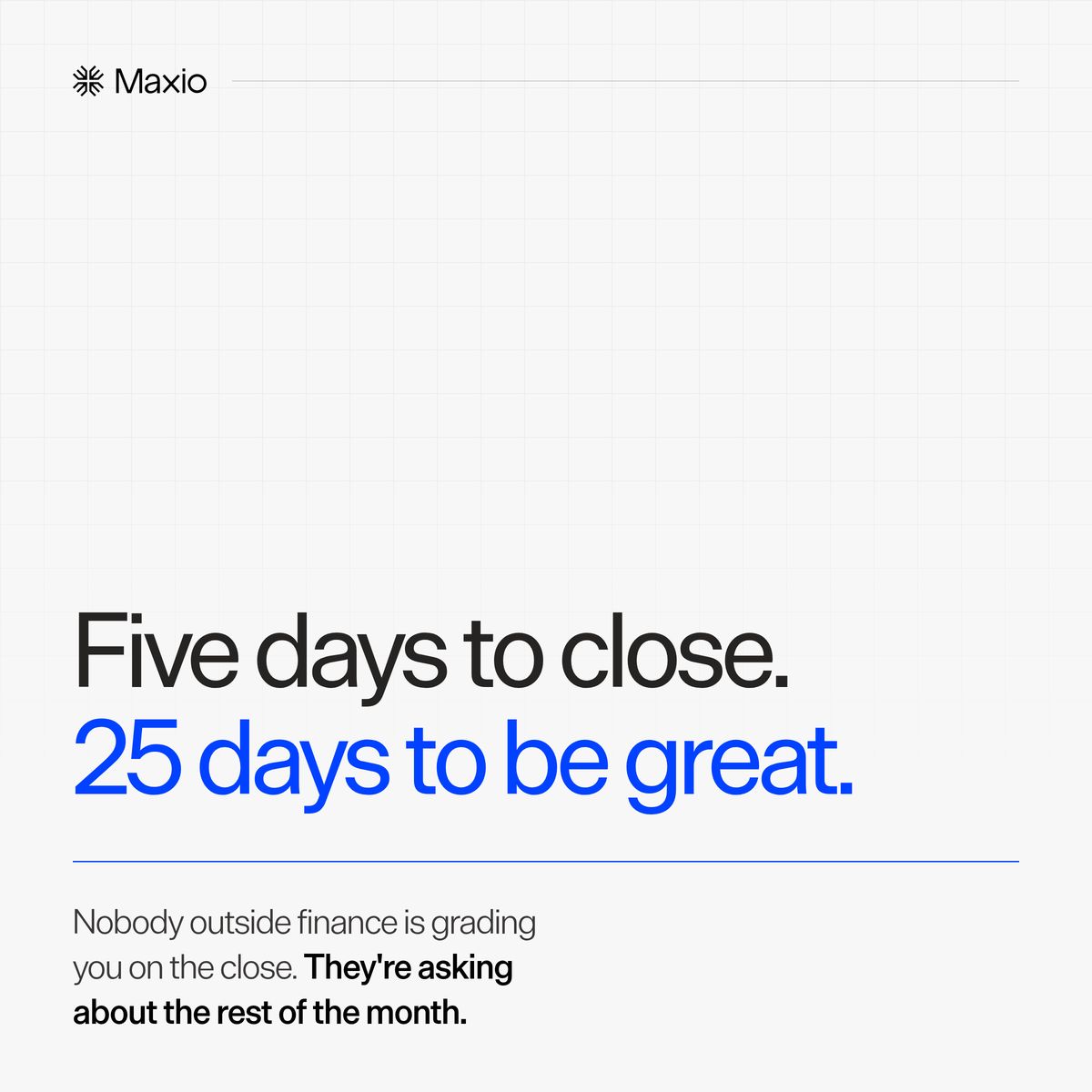
"Nobody cares about a five-day close." ...ouch. Years ago, I was telling Chris Weber all about our five-day close. Our team had worked at it for over a year and finally hit it. It was a huge milestone for everyone involved, and it reflected a ton of effort getting everything in order. TB tie-outs. Accrual schedules. Multiple waterfalls. Making sure ARR-to-revenue variances made sense. Getting to five days was one of the biggest accomplishments I hung my hat on. Not at one company, but two. So when he told me nobody else in the business cared, it stung. And I took it personally. After sitting with it, the hard part to stomach was that he's right. A few weeks ago I was talking with Casey Rihn at K1 Investment Management, and he put a finer point on it: "If you close in five days, what are you doing with the other 25?" You've got 80% of the month left. For a long stretch of my career, my honest answer would have been: catching my breath, working on the financial model, prepping to close the books in four days. Some mix of the three. A fast clean close is table stakes. What you do with the other 25 days is the difference between a good finance team and a great one. It was one of the best conversations I've had in a while about what investors actually want from their finance teams right now. Casey and I are picking the conversation back up next week. Link in the comments.
- LINKEDIN · IMAGESince 19 Aug 2026
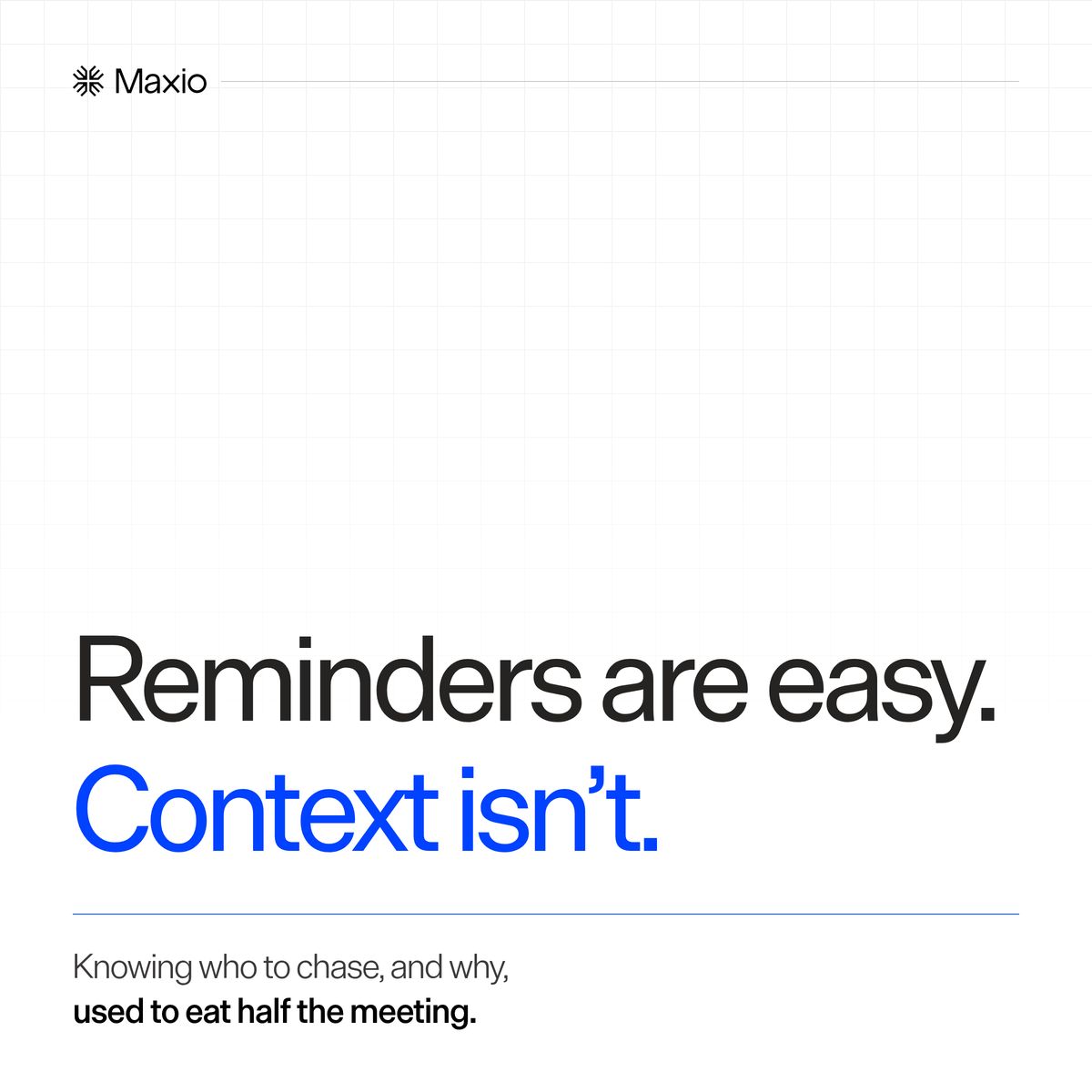
75% of the Collections battle is reminding people to pay. Dunning handles it, and it's one of the easiest things a finance team can automate. The truth is that the hard part has always been context: Who's up for renewal? Who's renegotiating? Who hasn't paid us? And, most importantly, why? So when I stepped into the CFO role and found we were assembling that context by hand every two weeks, that's the piece I went after. Now building the context runs on its own, on the same two-week cadence. Customer, invoice, aging, commercial value — and the why, pulled from real convos with real people. Now, when we sit down every two weeks to go through the list, context takes a minute or two, instead of half the meeting. And the truth is we get about 90% of the context on the first pass. The last 10% gets tuned every week, off whatever the meeting surfaces. I'll take that trade. Because what we bought back isn't just meeting time. It's attention. We're spending it on renewals that haven't happened yet instead of collections that already went sideways. That's the actual return. Not the automation. The thing you get to work on instead. Where does your team still assemble context by hand?
- LINKEDIN · IMAGESince 18 Aug 2026
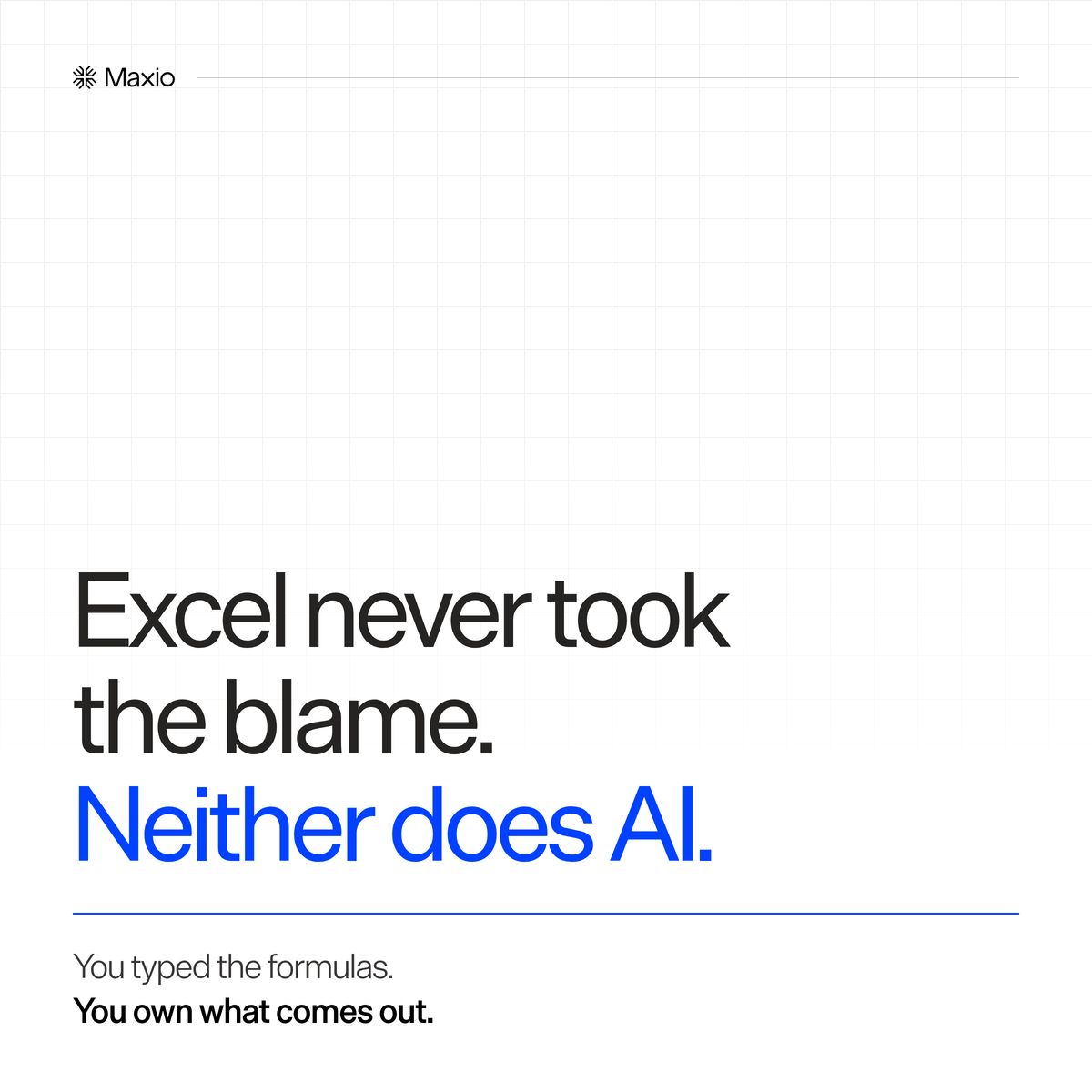
You'd never walk into a meeting and say, "Excel gave me this explanation." Same bar with AI. The tools we've been given today are unbelievably powerful. But they're tools. You're the one using them. So don't say that's what AI gave you. Make sure you can walk people through: • How you got comfortable with the number • What's driving it • Whether we can make real decisions (that impact real people) off your analysis The tools changed. You still own the analysis.
- LINKEDIN · IMAGESince 17 Aug 2026
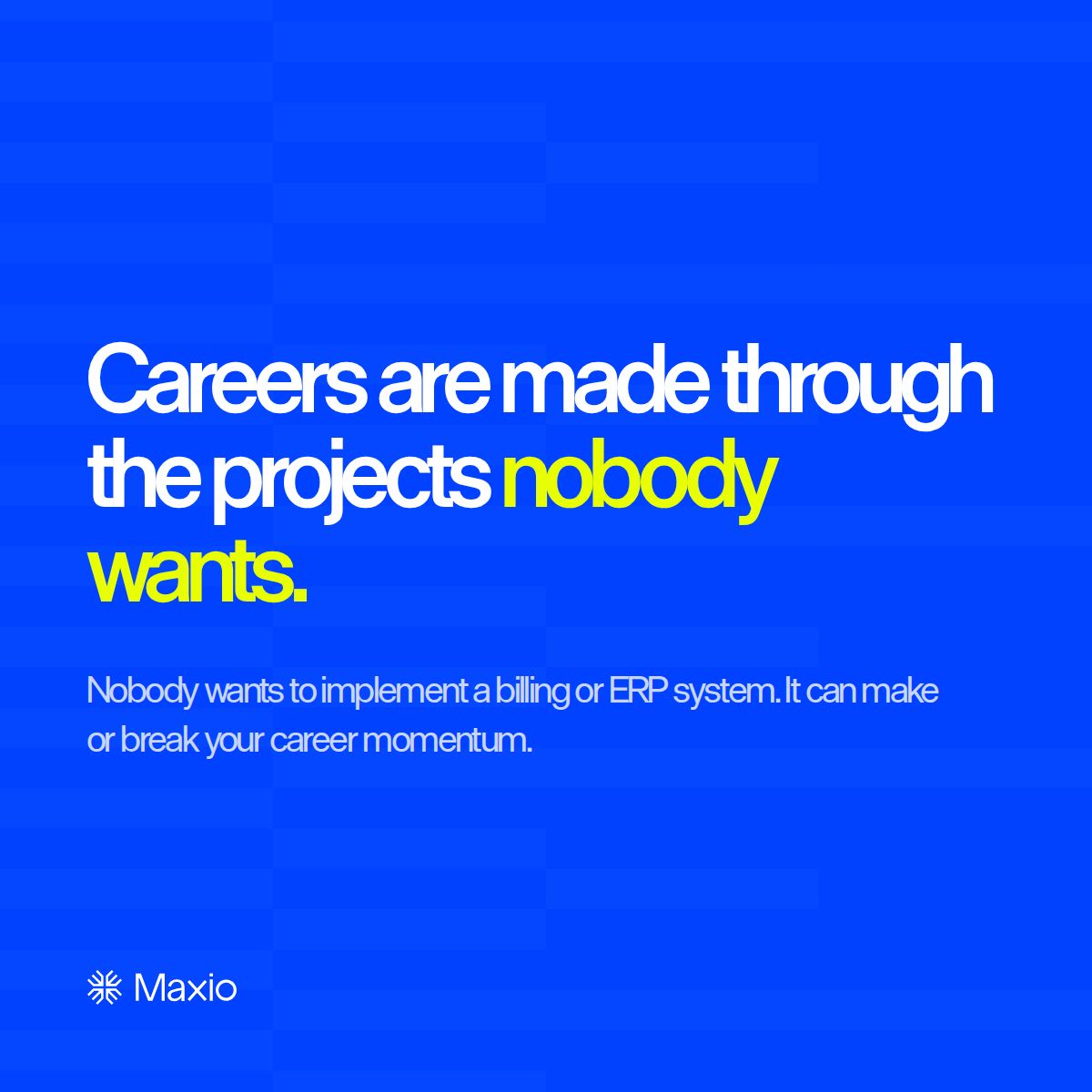
Nobody tells you that choosing to replace your billing system or your ERP is a career decision. Mine changed the course of my career. It's one of many pivotal moments that led me to the seat I'm in today. And it very easily could have gone the other way. The transformation was a billing system and an ERP for a $60 million business running on five separate instances of QuickBooks, consolidated in Excel. That was our system of record. That's exactly why we needed out of it. The project took a little less than a year. I remember the nights better than the days. But on the other side of it, our finance team was transformed. DSO dropped. Days to close dropped. Every efficiency metric we tracked got better. And for the first time, we could actually manage our subscriptions. Here's the honest part. This was the last thing any of us wanted to take on. We kicked the can down the road 24 months longer than we should have, because we were all busy. All that did was make it harder. Nobody wants to deal with this. It's disruptive, it's expensive, and the reward for finishing is that things finally work the way everybody assumed they already did. But it's also where a career accelerates. Or derails. The stakes are high, and they're personal. Which is why you don't do this alone. A billing or ERP implementation is not a one-person show. You need people who are tried, trusted, and have been there and done that. I look at our own implementation team at Maxio with that in mind. The team here today has personally managed 2,185 implementations across some of the fastest-growing B2B businesses in the market. (Cindy, Jonathan, Quinn Franco, Mitchell, Corey, Katie, Sebastian, Pedro, Brady, Ryan, Sunny, Kevin, Nick, Eoin, Zach, Marcela, Ryan, Shannon) We've done many thousands more with folks who have gone on to new endeavors over the last decade and a half. That's a whole lot of experience. They know how big a transformation a company is walking into. They know how much it matters to get it right. And they know it's make-or-break for everyone whose name is on the project. If I were going through that implementation again, I'd want this team on my side. I've seen what they can do. Back when I went through it, we had a team to help with the transformation (Brendan, Kevin, Kapil, Chris, Eli, Lauren, Prasad, Sam, David). They transformed our processes, and they changed the course of my career. So if you're heading into one of these: think long and hard about who is helping you through it. And if you want to talk it through ahead of time. Call me.
- LINKEDIN · IMAGESince 17 Aug 2026
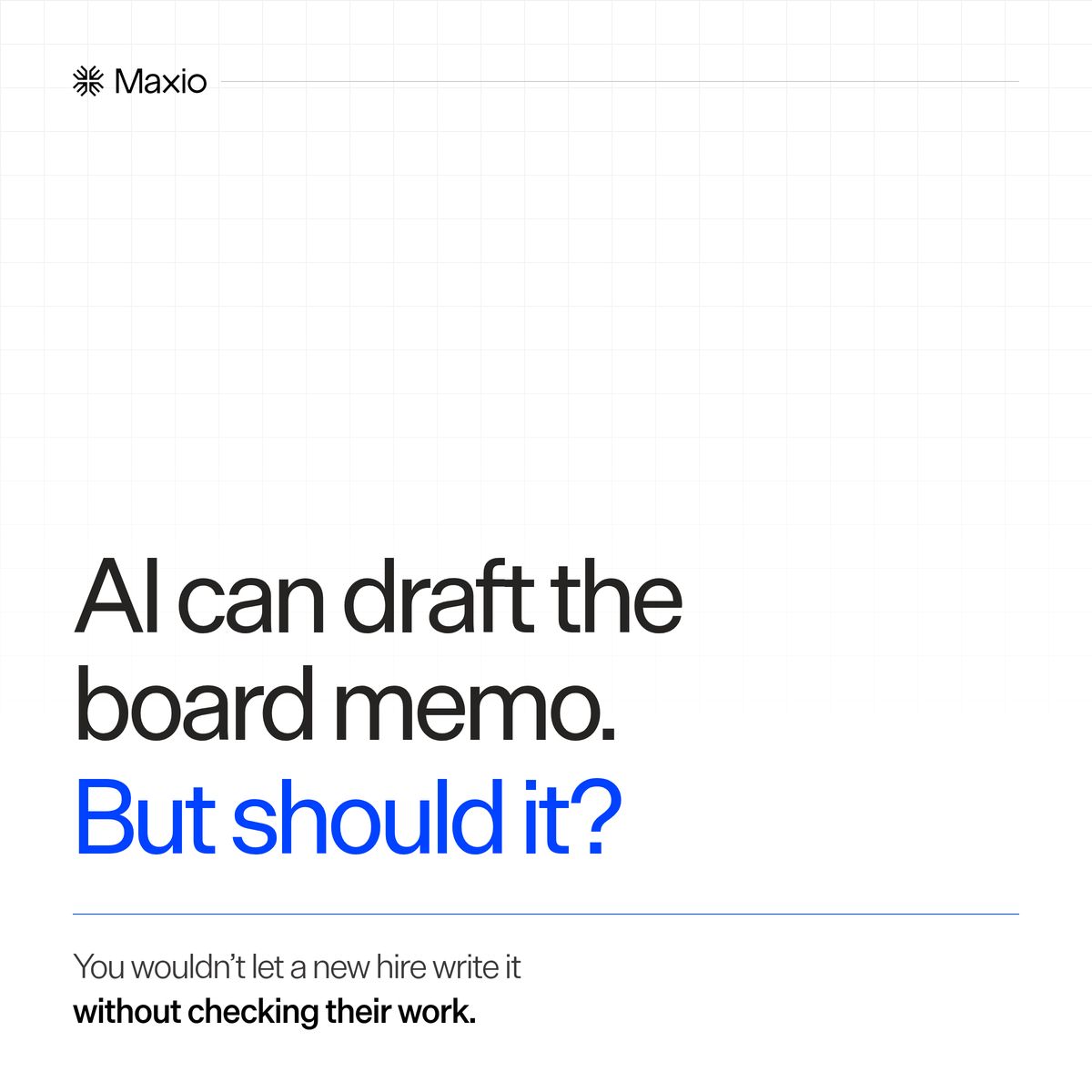
AI can draft the board memo. But should it? My first week as CFO I onboarded Claude the same way I’d onboard a first-year FP&A analyst. Not as a gimmick. Because that’s how I’d do it with any new hire. And once I’d hooked it up to our data sources, it was fast. Faster than any analyst I've worked with. It could sit in a dataset and pull a narrative out in seconds. But that's exactly what made me slow down. So I ran the same drill I've run on every analyst I've ever hired. I started asking questions. A lot of them. Ones I already knew the answer to: What’s the total population we’re working with? Show me the total for this customer? What’s the growth rate for this segment? It did pretty good work, but it wasn’t perfect. So I gave it feedback. And it learned. And I slowly became more comfortable with the numbers it gave me. Here’s the real problem: Do you really want to outsource your confidence in the numbers? For most of my career, getting comfortable with the numbers was a side effect of doing the work. I built the pivot tables, I ran the xlookups, I sat in the data until the story surfaced. Somewhere in that painstaking work, I got comfortable with the numbers as a side effect of putting in the time to understand them. In the age of AI, you can easily lose that comfort and confidence. You can get answers walking the walk. And that’s very seductive. And risky. Because your board will ask follow-up questions. The numbers behind the number you present. And you can't explain numbers you don’t know, intimately. So can AI draft the board memo? It certainly can. The real question is: Should you let it? I can’t answer that for you. But imagine letting a new hire draft the board memo. Would you? Maybe. And only after some serious vetting so you know you can stand behind and explain whatever outputs they produced. With AI, you can certainly write the board memo a lot faster. But make sure you’re comfortable with how AI is getting to the narrative before you sign off on the story.
- LINKEDIN · IMAGESince 10 Aug 2026
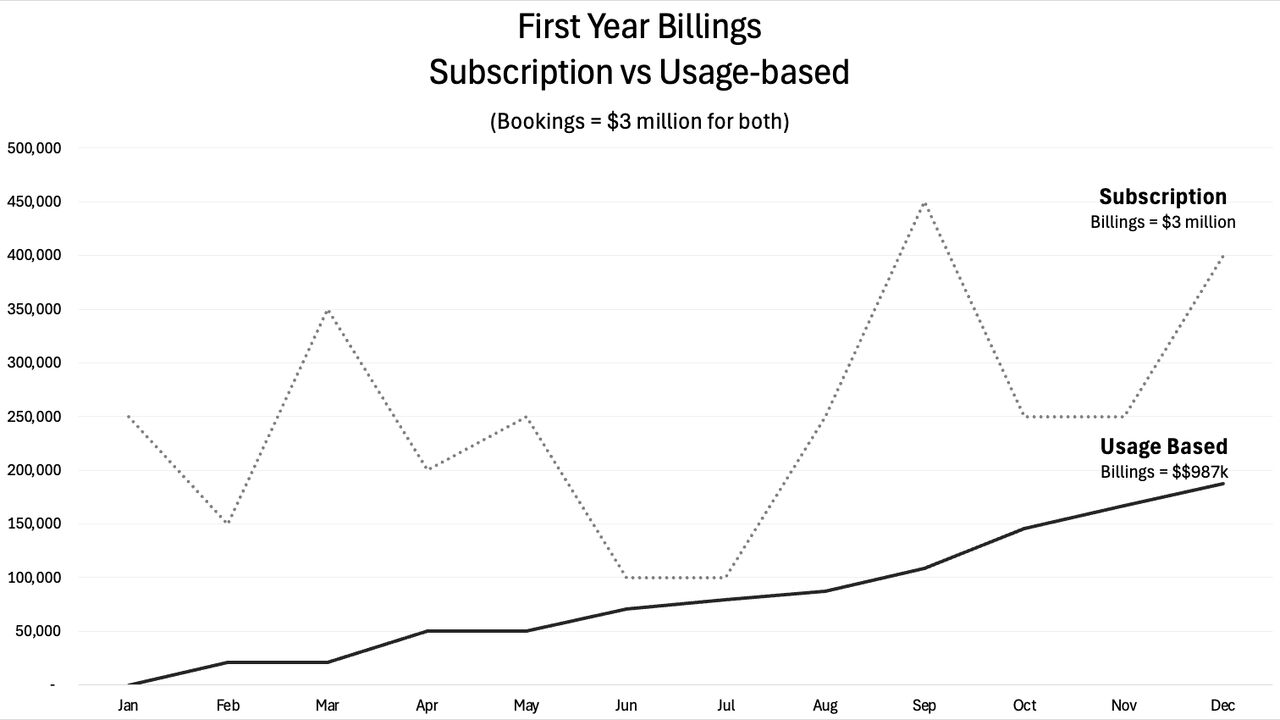
Metered billing generates LESS THAN A THIRD of the cash of annual subscriptions in the first year. Yikes! There are three issues. First, usage typically needs to be measured before it can be billed, so most often it’s billed monthly in arrears. For SaaS businesses currently billing annual subscriptions in advance, any switch to monthly in arrears billing has a substantial negative cash impact. (quantified below) Second, when a new customer is landed, it’s not known how much annual revenue it will generate, or when. Variability in client adoption can significantly reduce or delay cash flow. Third, customer usage, and thus cash flow, can be erratic. It’s subject to the use cases and business activity of your customer base, which may exhibit seasonal, cyclical, or other types of variability. All these factors make planning and forecasting cash difficult and delay collections. The size of the cash impact depends on how much of the business is shifting to usage-based billing, as well as on your company’s growth rate. Counterintuitively, the faster you're growing, the larger the relative cash drag of metered billing. Example: Ignoring the issues of slow adoption and variability, the accompanying chart shows the cash-flow implications of switching from annual to monthly contracts for newly closed business. Both companies close what they estimate to be $3 million in new bookings for the year. Company A closes new annual-in-advance subscription business, and Company B closes new deals with metered pricing billed monthly in arrears. Revenues and GAAP net income are identical for the two companies, yet by the end of the year, Company A, the all-subscription business, had $2 million more in the bank than Company B, which is billing new business on a usage basis. New subscriptions generated $3 million in cash from $3 million in bookings. By contrast, new metered billing contracts generated only $1 million in cash on the same $3 million in bookings because they were billed monthly in arrears. That is 3 times more cash in the first year. Not a small difference. The cash flow impact would be even greater if there were roll-out, adoption, or ramp-up issues with the usage-based customers. Mitigation Opportunities: Tiered pricing is one option and enables billing in advance, but it often mitigates the advantages of metered billing. Another alternative is selling usage tokens in advance. This structure aligns more closely with usage-based benefits while addressing the negative cash implications. The drawback is on the accounting side as revenue recognition is now tied to usage – not billing. As demonstrated by today's marketplace, usage-based pricing is the safest and most obvious way to price new AI functionality for existing SaaS businesses, but it’s important to account for the negative cash flow impacts and, if possible, mitigate them.
6 of 2,062 adsSign up to see every Maxio ad, filter by format and date, and get alerts on new ones.
See all 2,062 adsWatch the companies you care about.
Filter every ad by industry, country, format and network, and get alerts when a company you watch starts running new ads.