On air · 1 of 3 networks
Manual.to
- manual.to
- BE
- 14 employees
Manual.to’s ads on LinkedIn, Meta and Google, recorded by adsrunning. Browse the latest here for free. Sign up free to see all 91. Watch Manual.to with Starter to get each new one in your feed.
Watchlist with Starter · $49/mo
| Network | Status | Live ads | Nov 2025LinkedIn activity · 52 weeksOct 2026 | Checked | Next step |
|---|---|---|---|---|---|
| Running | 1 | Checked 19 Oct 2026 | See all 91 ads → | ||
| Meta | None recorded | 0 | No active ads recorded on the Meta Ad Library | Checked 23 Oct 2026 | Collect them with the API → |
| None recorded | 0 | No ads found on the Google Ads Transparency Center | Checked 4 Oct 2026 | Collect them with the API → |
Manual.to has 1 live LinkedIn ad. Its Facebook page had no active ads on 23 Oct 2026, and we recorded no Google ads on 4 Oct 2026.
Latest ads
- LINKEDIN · IMAGESince 8 Oct 2025
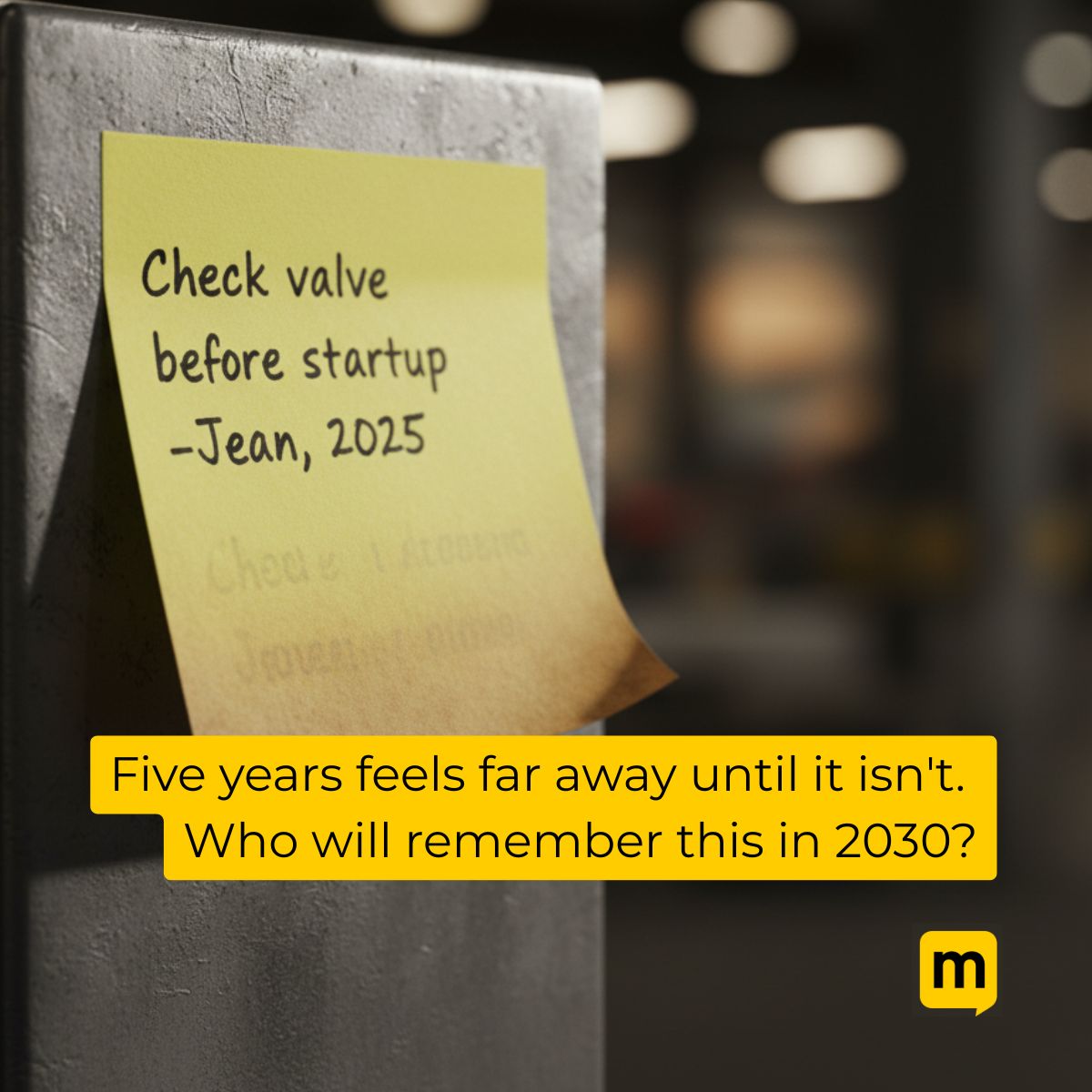
If you left your plant for five years, what would you want to ensure stayed strong while you were gone? Not the equipment that can be upgraded. Not the processes those can be refined. The knowledge. The expertise. The institutional memory that makes everything else work. Here's what changes fast in manufacturing: → Technology cycles shorten (cutting-edge today = standard in 18 months) → Workforce turnover accelerates (31% of service engineers over 55) → Market demands shift constantly Here's what shouldn't change: → The ability to train new people quickly → The know-how that prevents issues before they happen → The expertise that keeps systems running 𝗙𝘂𝘁𝘂𝗿𝗲-𝗽𝗿𝗼𝗼𝗳𝗶𝗻𝗴 𝗼𝗽𝗲𝗿𝗮𝘁𝗶𝗼𝗻𝘀 = making expertise permanent, not personal. The plants thriving five years from now share one thing: They capture knowledge before it walks out the door. Organizations with structured knowledge transfer report 28% less disruption during workforce transitions. The best time to document expertise? Before you urgently need it. 𝗧𝗵𝗶𝘀 𝗶𝘀 𝗲𝘅𝗮𝗰𝘁𝗹𝘆 𝘄𝗵𝗲𝗿𝗲 Manual.to 𝗵𝗲𝗹𝗽𝘀: transforming expert knowledge into accessible, visual work instructions, capturing what experienced operators know before they retire. Five years feels far away until it isn't. The operations that stay competitive aren't the ones that never change. They're the ones that make change manageable by preserving what matters most. If your most experienced operator retired tomorrow, how much of their expertise would still be accessible to the team?
- LINKEDIN · IMAGESince 30 Sept 2025
💡 Le problème n’est pas le budget formation. C’est la formation qui n'est pas efficace. ❌ 6 mois pour qu’un nouveau devienne productif ❌ Procédures écrites qui ne passent pas sur le terrain ❌ Savoirs d’experts qui disparaissent à la retraite 👉 Et si le sujet n’était pas la quantité… mais la façon de transmettre ? Découvrez comment ici : https://manual.to/fr/ #TransmissionDesSavoirs #SavoirFaire #Industrie40 #FutureOfWork
- LINKEDIN · IMAGESince 30 Sept 2025
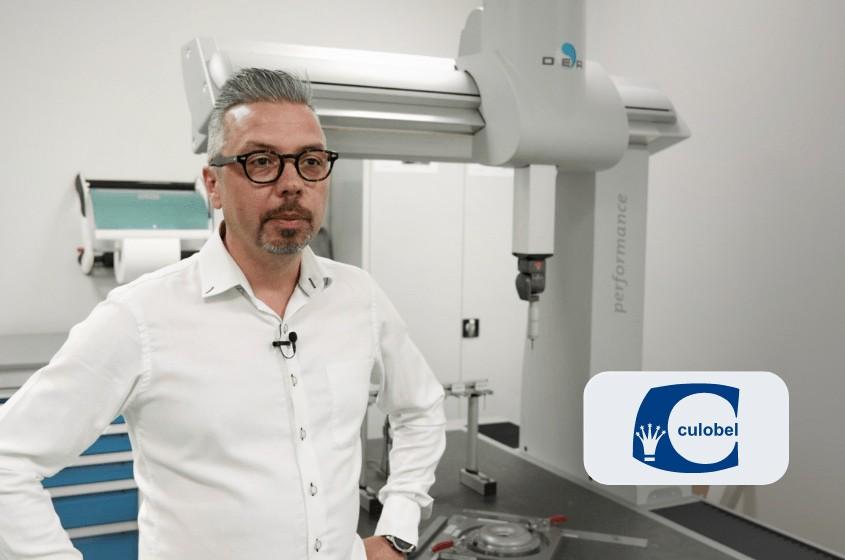
This week‘s question: 𝐇𝐨𝐰 𝐝𝐨 𝐜𝐨𝐦𝐩𝐚𝐧𝐢𝐞𝐬 𝐦𝐚𝐧𝐚𝐠𝐞 𝐦𝐢𝐬𝐬𝐢𝐧𝐠 𝐬𝐭𝐚𝐟𝐟? During the past few days, I came across companies facing situations like: - Skilled labour shortage - Sudden illness of a coworker - Job cuts ⬅️ Different causes, but the same question: How can a company manage this shortage? ➡️ One obvious answer might be: “Prepare for it.” and also “While you can.” ↕️ I find that interesting because it feels both ironic and intuitive at the same time: 🚶♂️The ones who could prepare don’t feel the need until a sudden incident hits. 🏃The ones who are well aware of the impact have a hard time prioritizing a “preparing project” while being generally understaffed. Lastly, while they are all short on staff, their specific challenges might range from - Managing workforce capacity - Holding up processes - Knowledge Retention So. ⏩ ✅ Yes, I’ve been long enough in my internship to notice the role knowledge management plays in these challenges. ☑️ No, not everything is the same and solved in the one way to go. 💡This positive example I can share though: „How Culobel tackles the War for Talent“ I worked on their case study this week, fresh in my mind, the 40% for sure were part of my inspiration for this post. https://lnkd.in/eyAdc39j
- LINKEDIN · IMAGESince 26 Sept 2025
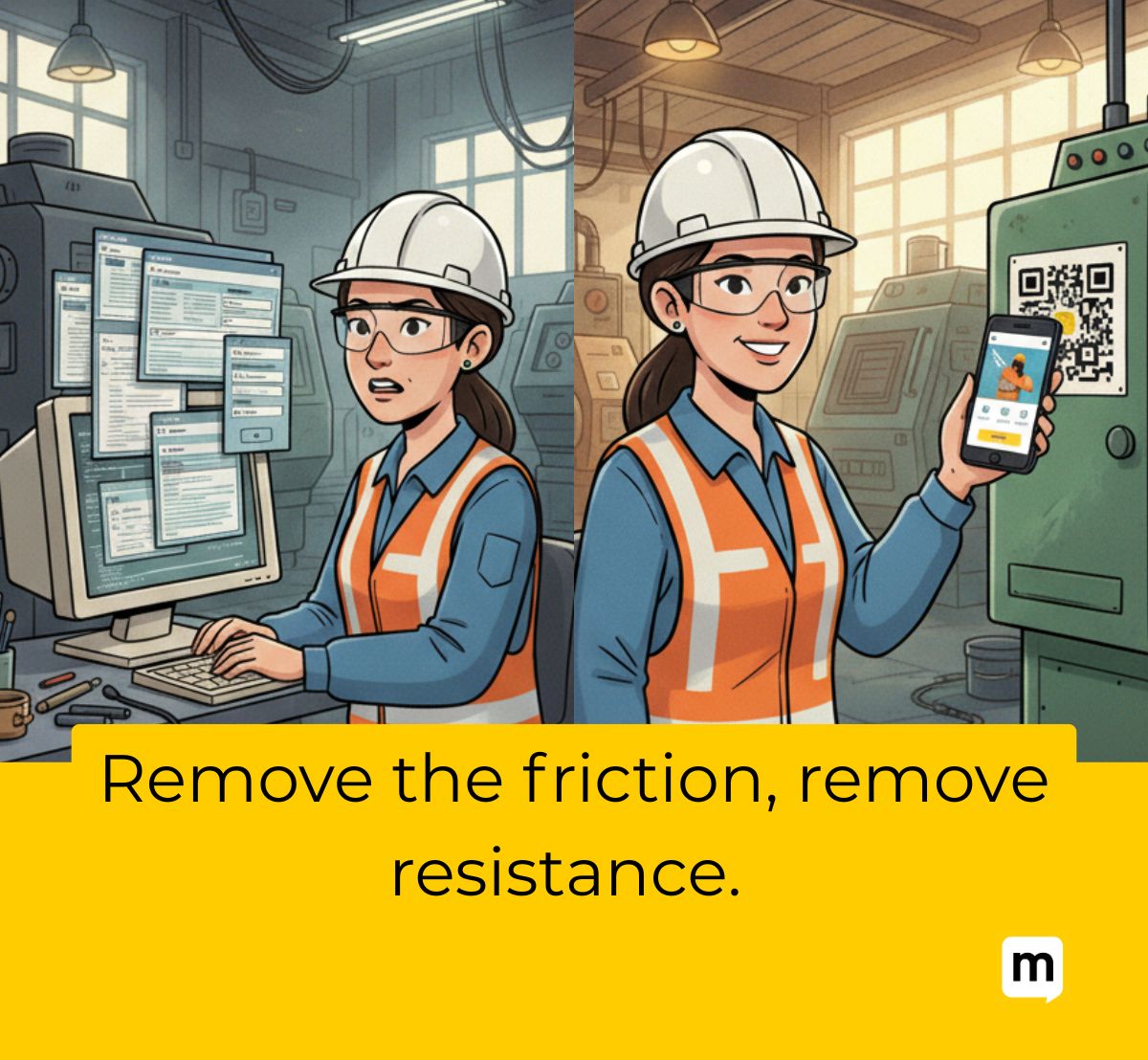
𝐀𝐫𝐞 𝐲𝐨𝐮𝐫 𝐩𝐞𝐨𝐩𝐥𝐞 𝐫𝐞𝐬𝐢𝐬𝐭𝐢𝐧𝐠 𝐧𝐞𝐰 𝐭𝐨𝐨𝐥𝐬 𝐨𝐫 𝐚𝐫𝐞 𝐭𝐡𝐞 𝐭𝐨𝐨𝐥𝐬 𝐫𝐞𝐬𝐢𝐬𝐭𝐢𝐧𝐠 𝐲𝐨𝐮𝐫 𝐩𝐞𝐨𝐩𝐥𝐞? Last month, I watched a safety manager blame "operator resistance" for low digital adoption. Then I saw their system: 𝐥𝐨𝐠𝐢𝐧 → 𝐧𝐚𝐯𝐢𝐠𝐚𝐭𝐞 → 𝐬𝐞𝐚𝐫𝐜𝐡 → 𝐝𝐨𝐰𝐧𝐥𝐨𝐚𝐝 to access a simple procedure. The real problem wasn't resistance,it was friction. Here's what I've learned from plants with 𝟗𝟓%+ 𝐚𝐝𝐨𝐩𝐭𝐢𝐨𝐧 𝐫𝐚𝐭𝐞𝐬: • 𝐈𝐧𝐬𝐭𝐚𝐧𝐭 𝐚𝐜𝐜𝐞𝐬𝐬: One scan, immediate information • 𝐌𝐨𝐛𝐢𝐥𝐞-𝐟𝐢𝐫𝐬𝐭: Works on phones, not just computers • 𝐕𝐢𝐬𝐮𝐚𝐥 𝐟𝐢𝐫𝐬𝐭: Video over text, every time • 𝐍𝐚𝐭𝐢𝐯𝐞 𝐥𝐚𝐧𝐠𝐮𝐚𝐠𝐞: Information in their mother tongue The breakthrough moment? When operators started 𝐫𝐞𝐪𝐮𝐞𝐬𝐭𝐢𝐧𝐠 more digital procedures instead of avoiding them. 𝐓𝐡𝐞 𝐪𝐮𝐞𝐬𝐭𝐢𝐨𝐧 𝐢𝐬𝐧'𝐭 "How do we force adoption?" 𝐈𝐭'𝐬 "How do we make tools so simple that resistance becomes impossible?" When you remove friction, you remove resistance. What's the biggest friction point in your digital adoption? The login process, the interface, or something else entirely?
- LINKEDIN · IMAGESince 25 Sept 2025
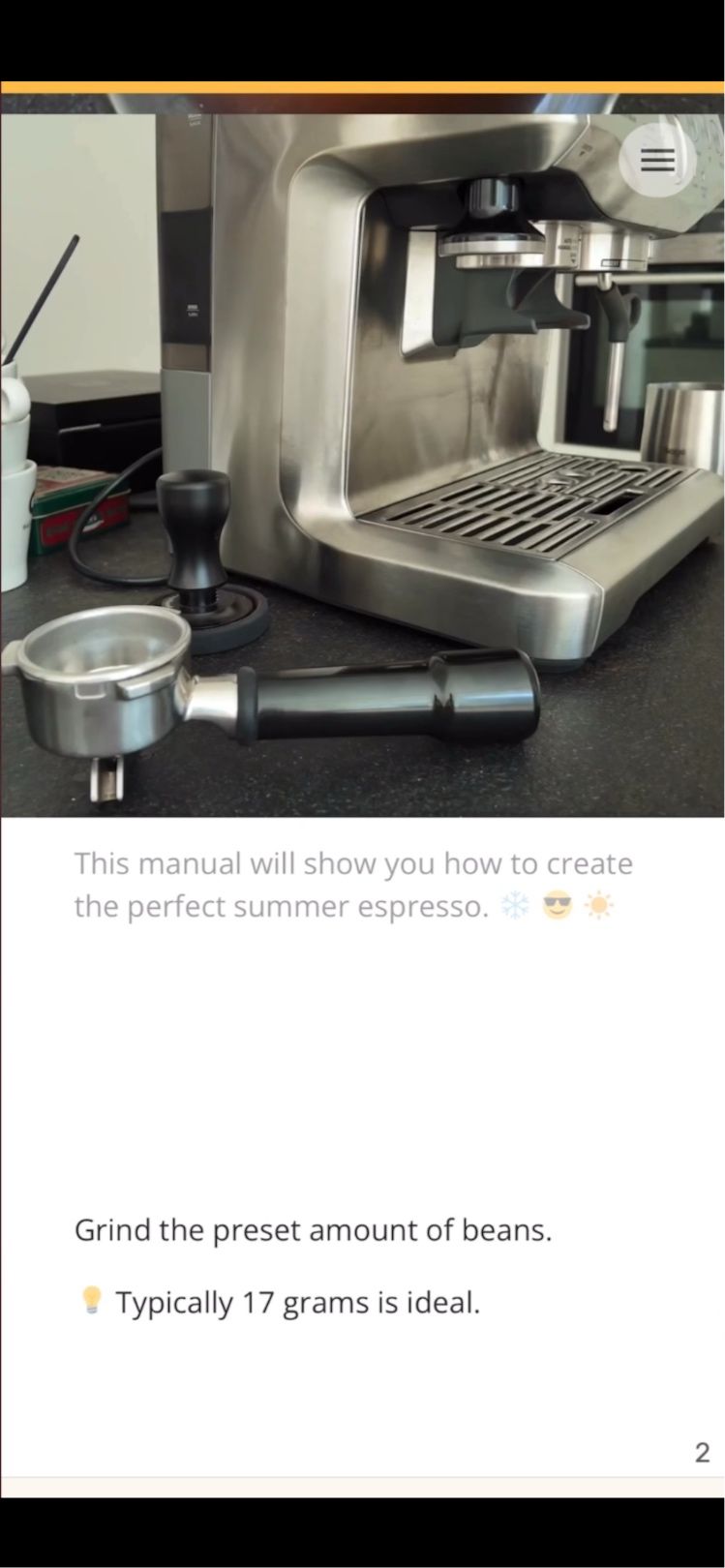
𝐃𝐨 𝐰𝐞 𝐧𝐞𝐞𝐝 𝐞𝐱𝐩𝐞𝐫𝐭𝐬, 𝐨𝐫 𝐣𝐮𝐬𝐭 𝐭𝐡𝐞𝐢𝐫 𝐤𝐧𝐨𝐰𝐥𝐞𝐝𝐠𝐞? ☕️„How to make a cappuccino without milk.“ What’s that even supposed to mean? A colleague introduced it to the office a while back. But when I started my internship, he was… on holiday. 🚏That left me with two options: 1) Wait two weeks until he came back. 2) Figure it out myself. (Some might consider option 3: skip the cappuccino altogether.) ➡️ Luckily, there was a manual - so option 2 was the obvious choice. It wasn’t a hard task, but how was I supposed to know that, never having done it before? As someone who had never used a steamer, that manual made a difference: 💡Small steps. Clear videos. Helpful text.💡 More than enough to make me confident I’d get it right on the first try, on my own. Setting aside this simple example, I‘m questioning: 👉 𝐃𝐨 𝐰𝐞 𝐫𝐞𝐚𝐥𝐥𝐲 𝐧𝐞𝐞𝐝 𝐚𝐧 𝐞𝐱𝐩𝐞𝐫𝐭’𝐬 𝐬𝐤𝐢𝐥𝐥, 𝐨𝐫 𝐢𝐬 𝐭𝐡𝐞𝐢𝐫 𝐤𝐧𝐨𝐰𝐥𝐞𝐝𝐠𝐞 𝐞𝐧𝐨𝐮𝐠𝐡? 📹Screenshot: Maxime Steenbrugge made the manual with Manual.to .
- LINKEDIN · IMAGESince 25 Sept 2025
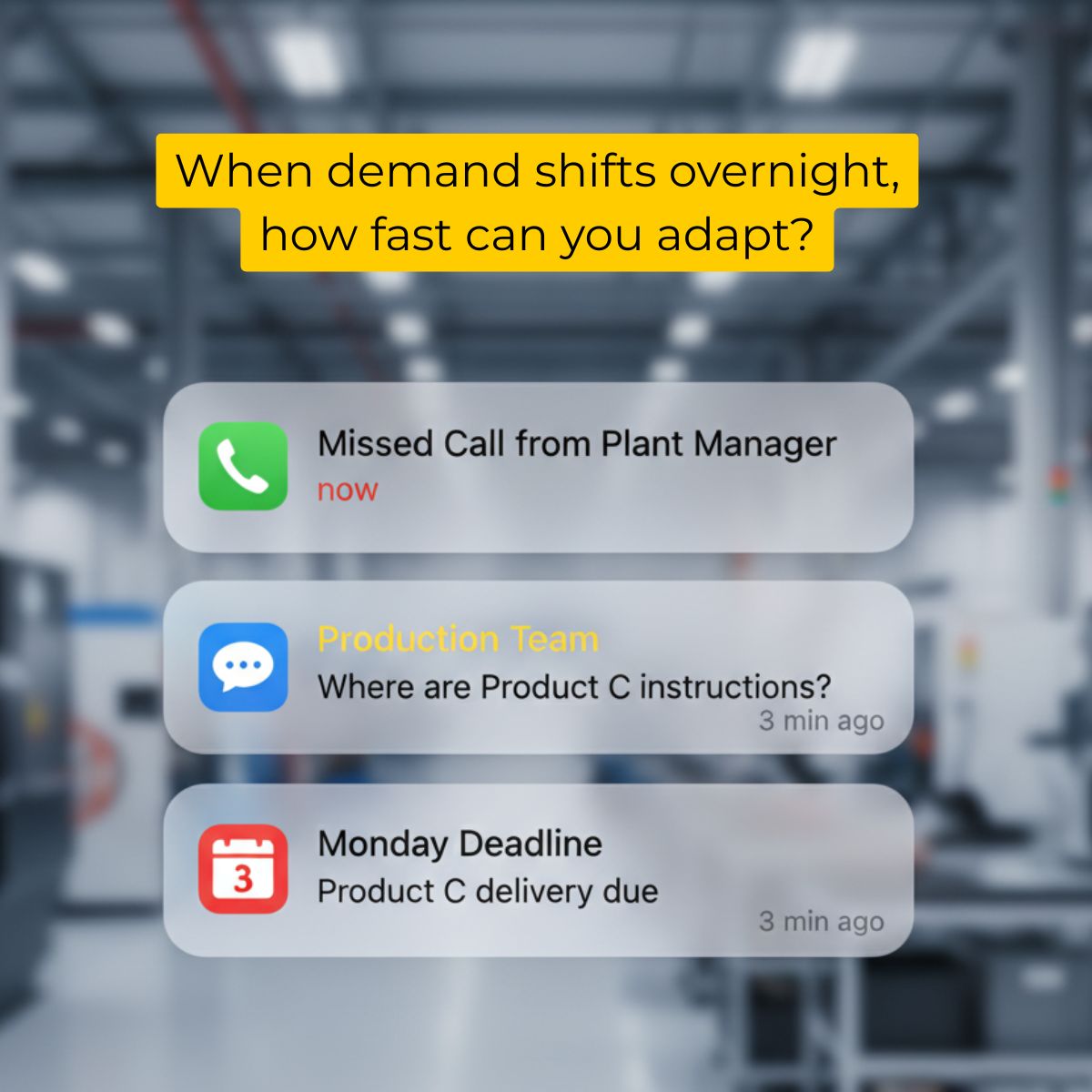
𝐇𝐨𝐰 𝐪𝐮𝐢𝐜𝐤𝐥𝐲 𝐜𝐚𝐧 𝐲𝐨𝐮𝐫 𝐥𝐢𝐧𝐞 𝐚𝐝𝐚𝐩𝐭 𝐰𝐡𝐞𝐧 𝐝𝐞𝐦𝐚𝐧𝐝 𝐬𝐡𝐢𝐟𝐭𝐬 𝐨𝐯𝐞𝐫𝐧𝐢𝐠𝐡𝐭? Yesterday, a plant manager got the call: "We need to switch from Product A to Product C by Monday." His bottleneck? 𝐍𝐨𝐭 𝐭𝐡𝐞 𝐦𝐚𝐜𝐡𝐢𝐧𝐞 𝐬𝐞𝐭𝐮𝐩,𝐭𝐡𝐞 𝐤𝐧𝐨𝐰𝐥𝐞𝐝𝐠𝐞 𝐠𝐚𝐩. The reality: • Setup instructions buried in filing cabinet • 𝟔 𝐦𝐨𝐧𝐭𝐡𝐬 since last Product C run • Key operator on vacation • New team never ran this variant 𝐓𝐡𝐞 𝐫𝐞𝐚𝐥 𝐝𝐞𝐥𝐚𝐲: 𝟑 𝐝𝐚𝐲𝐬 hunting procedures, 𝟐 𝐝𝐚𝐲𝐬 training team, 𝟏 𝐝𝐚𝐲 fixing setup mistakes. 𝐅𝐥𝐞𝐱𝐢𝐛𝐥𝐞 𝐩𝐥𝐚𝐧𝐭𝐬 𝐞𝐥𝐢𝐦𝐢𝐧𝐚𝐭𝐞: The knowledge gap, not the changeover time. Instant access to procedures = team ready in hours, not days. What's your biggest bottleneck in product switches? Finding instructions or executing them?

6 of 91 adsSign up to see every Manual.to ad, filter by format and date, and get alerts on new ones.
See all 91 adsWatch the companies you care about.
Filter every ad by industry, country, format and network, and get alerts when a company you watch starts running new ads.