Not on air · 2 of 3 networks checked
Lunar
- lunar.app
- DK
- 626 employees
Lunar’s ads on LinkedIn, Meta and Google, recorded by adsrunning. Browse the latest here for free. Sign up free to see all 172. Watch Lunar with Starter to get each new one in your feed.
Watchlist with Starter · $49/mo
| Network | Status | Live ads | Nov 2025LinkedIn activity · 52 weeksOct 2026 | Checked | Next step |
|---|---|---|---|---|---|
| None recorded | 0 | Checked 29 Oct 2026 | See all 172 ads → | ||
| Meta | Not checked | — | |||
| Recently | 600+ | Ads on the Google Ads Transparency Center | Checked 3 Oct 2026 | Collect them with the API → |
Lunar has no live LinkedIn ads. We recorded 600+ Google ads on 3 Oct 2026.
Latest ads
- LINKEDIN · IMAGESince 19 Oct 2026
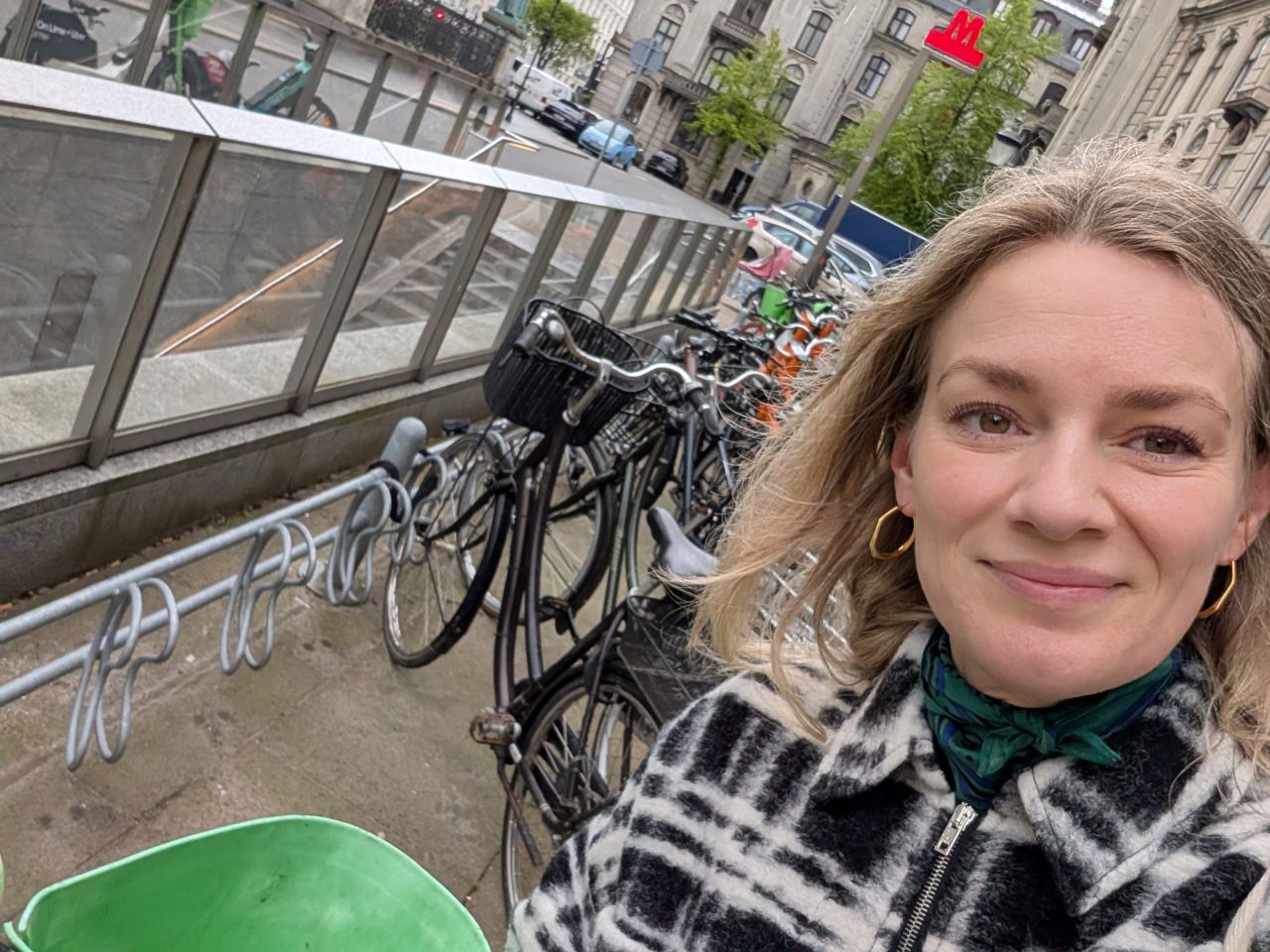
Just paid for this Lime bike with my card. I'm already a member, so I didn't think twice. But that ease comes from the app and the card protection behind it. Cards never really built trust. They built insurance. When you pay a stranger online with a card, you're not actually trusting them. You're protected if that trust turns out to be misplaced through chargebacks, dispute rights, a bank standing behind you. That's the actual mechanism. Account-to-account doesn't have the luxury of an insurance layer, and mostly it doesn't need one. It's the standard for invoices, subscriptions and topping up your own account, and it's even gaining ground with trusted retailers that act as the insurance. Next time, this could just as easily be account-to-account. I already trust Lime. The harder question is the first payment to someone I don't. A2A wins wherever trust comes before the payment. The checkout, where you pay a stranger, is the one place it doesn't. Here's the part I keep turning over: can account-to-account ever win at mass checkout, without building some version of the insurance layer cards spent decades on? The rails are ready, fast and cheap. I know because we work with them every day at Moonrise. I'm just not sure that's enough to replace trust. Would love to hear your ideas on what it would take for A2A to become a normal, trusted option at checkout. Maybe some of my OpenBanking friends have perspectives here?
- LINKEDIN · VIDEOSince 12 Oct 2026
Full fart på Ekonomi & Företag förra veckan! 🇸🇪 Vi träffade företagare, redovisningskonsulter och partners och hann prata om allt från betalningar och bokföring till små irritationsmoment som stjäl onödigt mycket tid. Tack till alla som kom förbi Lunar och delade med sig. Vi tog med oss massor av bra inspel och nya perspektiv på hur vi kan göra bankvardagen enklare för svenska företagare. 🚀
- LINKEDIN · IMAGESince 7 Oct 2026
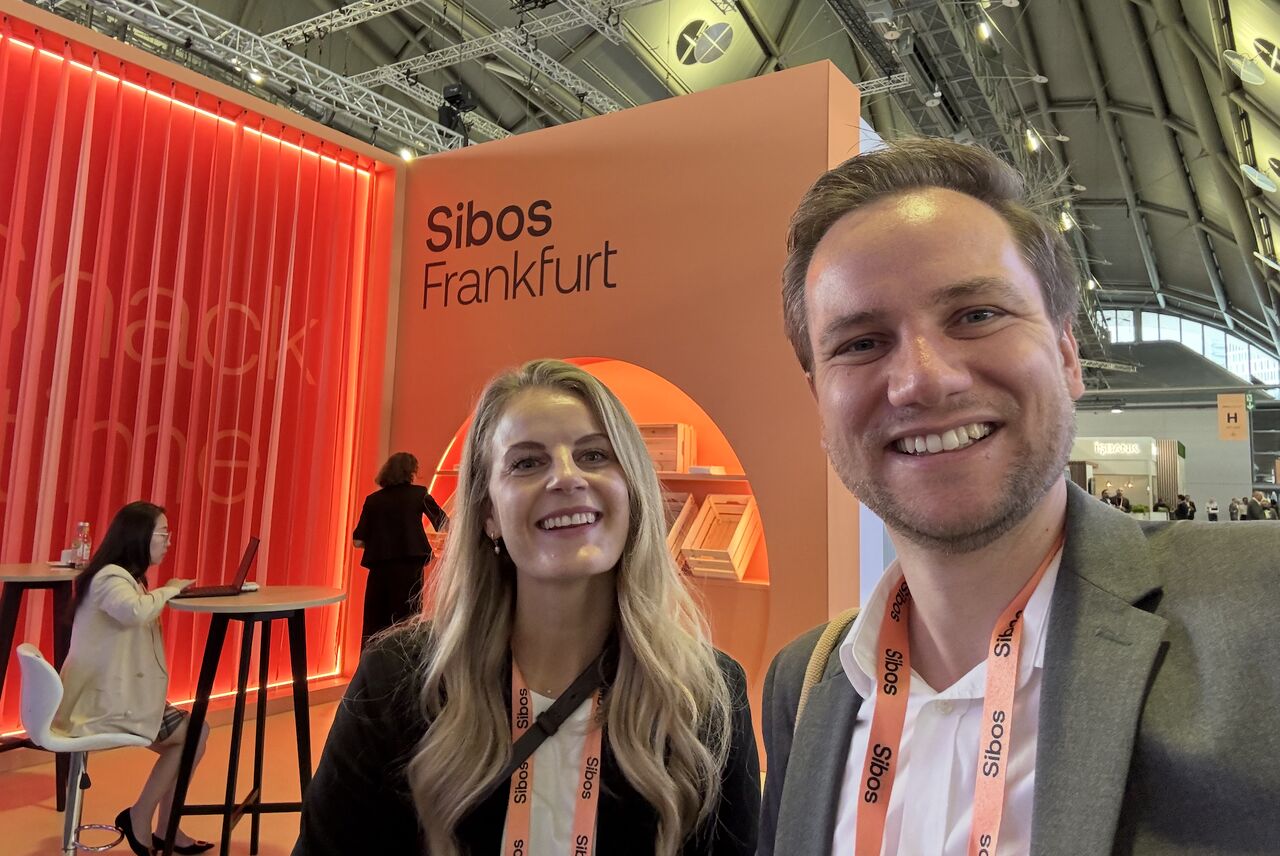
Payment systems were built around a human pressing approve. That's fine, until the person approving isn't a person 🤖 Payments need strong authentication: a human has to confirm with their own bank, a fingerprint or a PIN. It works, fraud stays low(er) because of it. So what happens when an agent is the one paying, not a person opening their banking app? A licensed third party can already ask for that approval on someone's behalf, that's basically how payment initiation apps already work. What's missing is a credential the bank trusts as much as it trusts you logging into your own app. Nordic banks have quietly run something close to "approve it once, let it run within limits" for decades, mandate based direct debit like Autogiro. It wasn't built with agents in mind, but the idea, one approval covering lots of future payments, might end up being a better starting point than approving every single payment in real time. None of that answers who's on the hook when it goes wrong. Chargebacks and PSD2's rules on unauthorized payments already draw a line on liability, but it's drawn around fraud: did you authorize this, yes or no. An agent you've properly switched on doesn't fail that test. What's not clear is what happens when a properly authorized agent still gets it wrong, buys the wrong thing, gets scammed, pays too much. The UK's rules on reimbursing victims of authorized push payment fraud are the closest thing we have to a precedent, but that's built for a human tricked into approving a payment, not an agent that made the mistake itself. Better authentication alone won't close that gap. Whatever the industry lands on, authentication, mandates, or liability, it's going to need the rails underneath to actually be AI ready. That's the bit we're focused on at Moonrise. If you're close to agentic payments, keen to hear where you think the real gap is: authentication, mandates, liability or ?
- LINKEDIN · IMAGESince 2 Oct 2026
How can 1970s banking rails go hand in hand with agentic commerce? 🧐 An AI agent can find you the perfect wedding suit in seconds. But it isn't a seamless end-to-end journey if legacy financial infrastructure stalls the transaction. The fintech world is racing toward autonomous commerce assistants that sync with calendars, predict preferences, and handle shopping automatically. It sounds flawlessly futuristic - until it runs into identity checks and legacy settlement cycles built on 1970s banking rails. When an AI agent hits checkout today, risk engines often flag the non-human pattern, or merchants face multi-day settlement delays for B2B and cross-border orders. For smaller merchants relying on tight working capital, instant financial certainty isn't a luxury - it's what gives them the confidence to ship immediately. From my seat at Moonrise, I observe traditional payment systems hitting a wall for this exact reason. True automation requires an infrastructure layer that sits directly in the flow of funds to authenticate agents and confirm settlement in real time. If we want AI agents to reshape modern commerce, our financial rails simply have to start moving at the same speed as a click. Merchant settlement should be instant to de-tress all parties in the chain. I'm curious to hear your thoughts on agentic AI commerce: What major roadblocks do we need to clear to deliver a truly seamless purchase journey, from purchase to a speedy delivery?
- LINKEDIN · VIDEOSince 29 Sept 2026
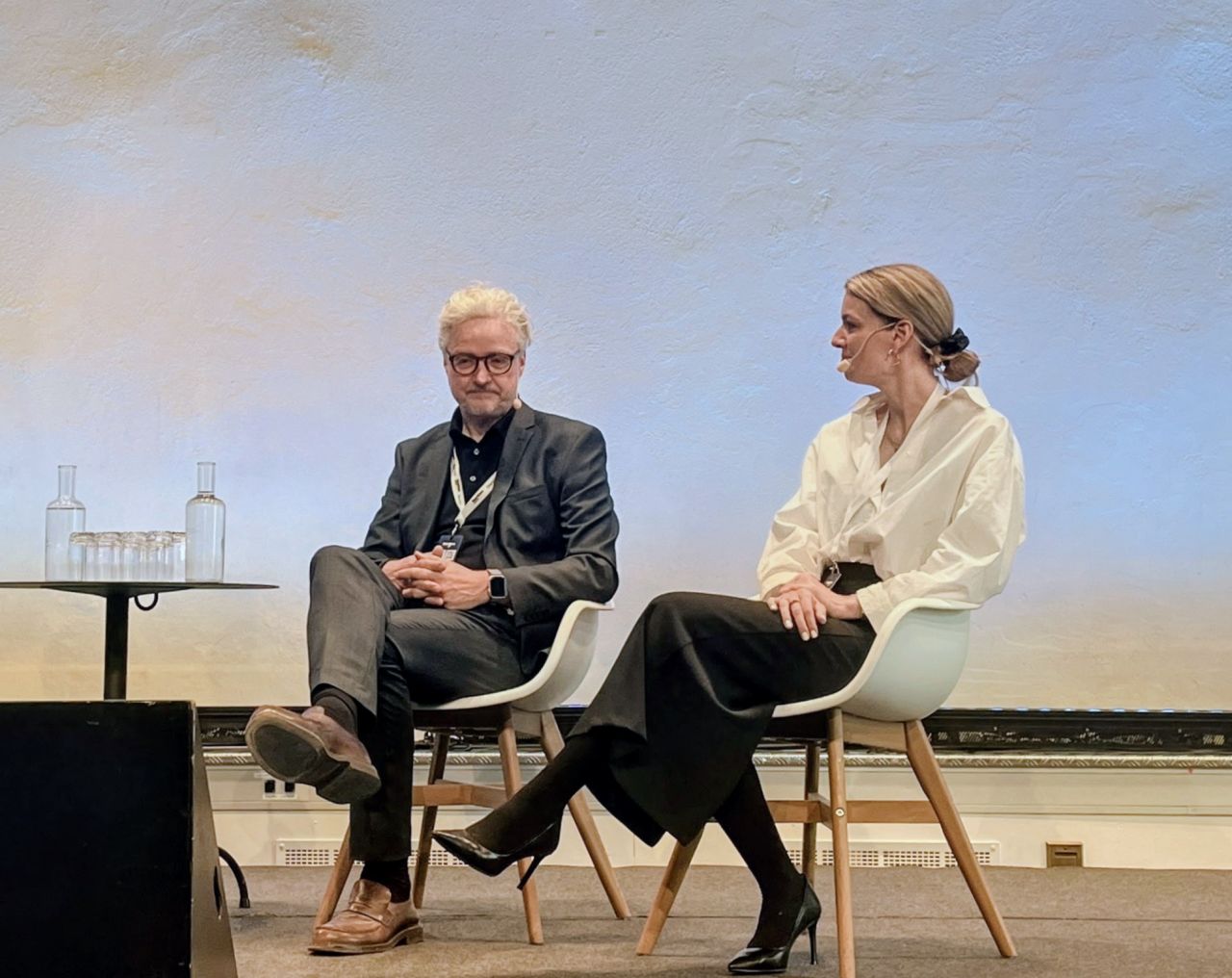
Are you building something serious? Founder Fridays Stockholm #3 at Epicenter Lunar, Antler and Epicenter invite you to one of Stockholm’s most founder-focused gatherings this fall. 100 carefully selected founders will come together over great food and drinks to discuss the challenges of building a successful company. This time, we’re joined by Niklas Lindgren, CEO of Endra, for a conversation with Tobias Bengtsdahl about building a global company from Stockholm. 📍 October 9 | Epicenter Stockholm 🎟️ Free, limited spots. Link in the comments. Lunar × Antler × Epicenter Stockholm
- LINKEDIN · IMAGESince 19 Sept 2026
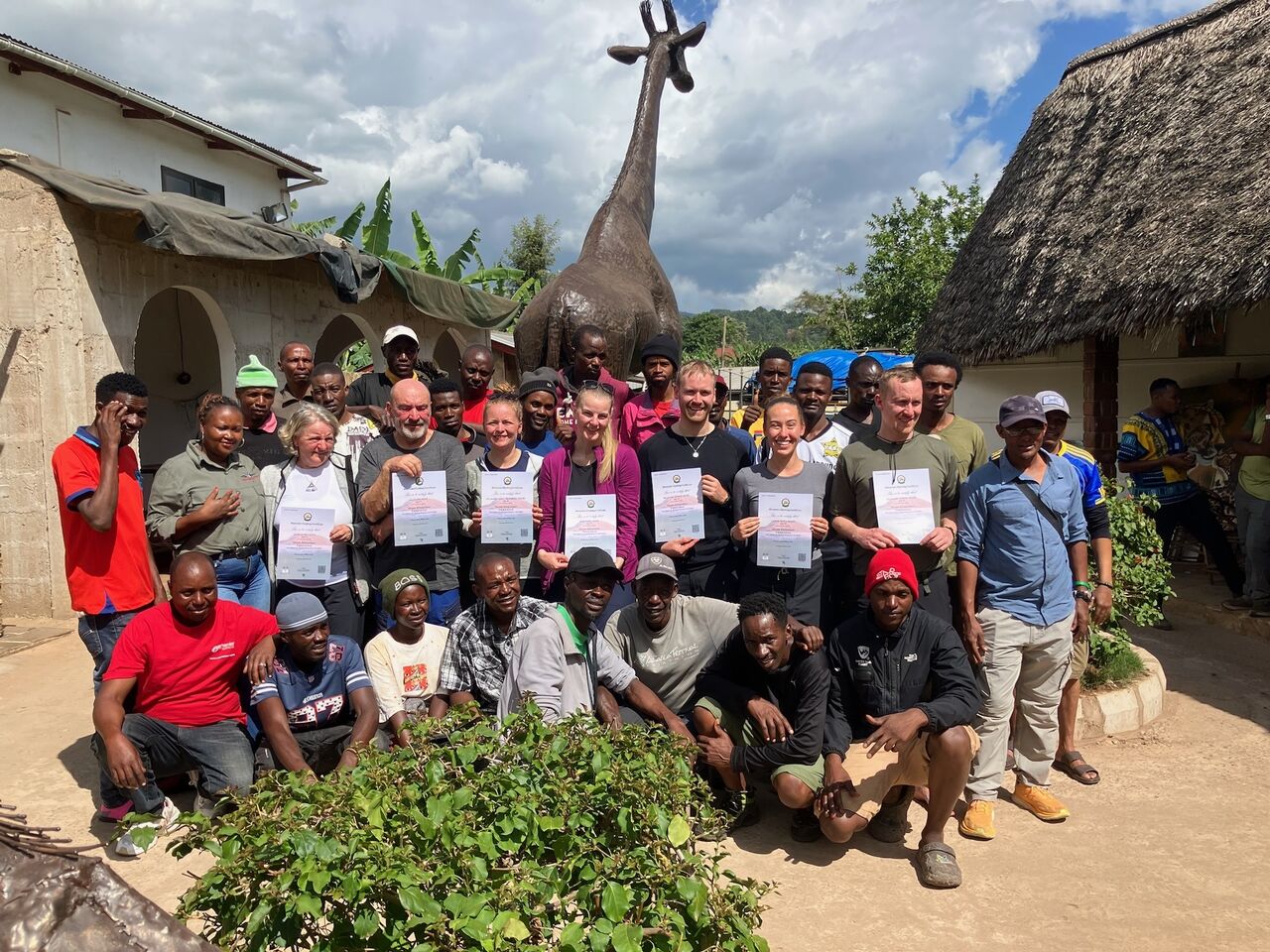
My favourite moment in fintech is when a new client realises the manual work is gone. Most arrive expecting the opposite. Exports, spreadsheets, re-keying payments by hand at month-end. Years in the industry have taught them that this is simply how moving money works. One client used to send a daily file to their old provider, and 70% of it failed. Every single day, a team fixed the rejects by hand. They had simply accepted that as part of running payments. It doesn’t have to be that way! Plenty of providers automate the easy parts, then leave you to deal with everything that doesn’t fit the happy path. At Moonrise by Lunar we build the whole flow through the API from the start, including the parts that usually end up with someone on the team. When you’re scaling a payments business, adding more people to manage broken processes doesn’t scale. The better answer is to remove the manual work in the first place. The best part is seeing the moment a client realises they don’t need to think about it anymore. The payments just keep running, and their team can spend their time building the business instead of fixing yesterday’s payments. Don’t get me wrong - an incredible team is invaluable when climbing Kilimanjaro. You want hands-on support where it truly matters, like navigating a tough mountain or guiding a long-term partnership. But fixing broken spreadsheet rows at month-end? That’s not a mountain climb - it’s just unnecessary friction. What’s something in your business that you’ve stopped accepting as “just part of the job”?
6 of 172 adsSign up to see every Lunar ad, filter by format and date, and get alerts on new ones.
See all 172 adsWatch the companies you care about.
Filter every ad by industry, country, format and network, and get alerts when a company you watch starts running new ads.